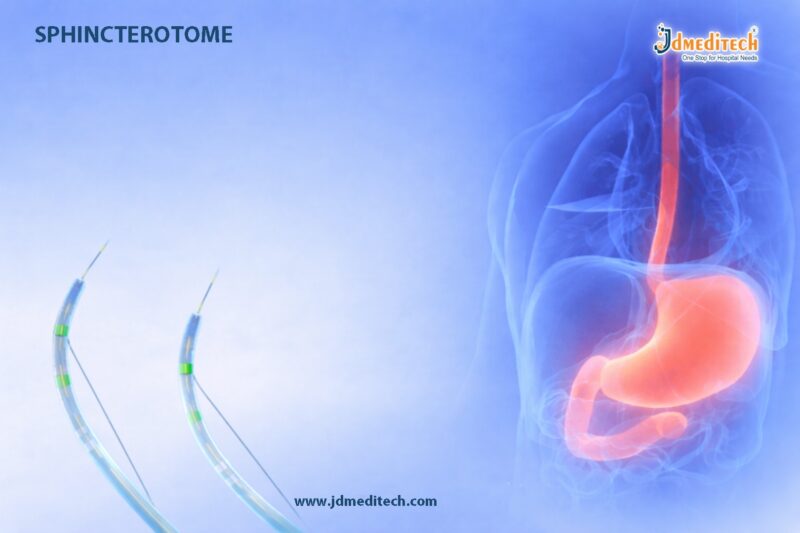
Sphincterotome in ERCP – Reliable Biliary Access Tool

The sphincterotome in ERCP is a vital device in advanced endoscopic procedures. It allows clinicians to access the biliary and pancreatic ducts with precision. During Endoscopic Retrograde Cholangiopancreatography (ERCP), this tool plays a key role in both diagnosis and treatment.

At JDMeditech, sphincterotomes are designed to deliver consistent performance, excellent control, and improved patient safety. As a result, healthcare professionals can perform complex procedures with confidence and efficiency.

What is a Sphincterotome in ERCP?

A sphincterotome in ERCP is a specialized catheter equipped with a cutting wire. It is used to incise the sphincter of Oddi. This incision allows access to the bile duct or pancreatic duct.

Additionally, it includes:

  • high-quality cutting wire
  • flexible catheter shaft
  • precision control handle

Because of this design, the device ensures smooth cannulation and controlled cutting.

Why is Sphincterotome Important in ERCP?

The sphincterotome in ERCP is essential for successful endoscopic procedures. It improves access and enhances treatment outcomes.

Key Importance:
  • Enables accurate biliary cannulation
  • Supports controlled sphincterotomy
  • Facilitates stone extraction and stenting
  • Reduces procedure time and complications

Therefore, it is a must-have tool in every ERCP setup.

Key Features of JDMeditech Sphincterotome

JDMeditech offers advanced sphincterotomes designed for precision and reliability.

1. Precision Cutting Wire

Ensures clean and controlled incisions. This reduces tissue damage and improves safety.

2. Superior Torque Control

Provides excellent maneuverability. As a result, clinicians can navigate complex anatomy easily.

3. Flexible Tip Design

Improves access to the biliary tract. It also minimizes trauma during insertion.

4. Ergonomic Control Handle

Offers better grip and smooth operation. Consequently, it enhances procedural accuracy.

5. Radiopaque Markers

Improves visibility under fluoroscopy. This allows precise placement and control.

Clinical Applications

The sphincterotome in ERCP is widely used in various therapeutic procedures:

  • Bile duct stone removal
  • Biliary drainage
  • Stent placement
  • Treatment of strictures
  • Pancreatic duct access

Thus, it supports a wide range of minimally invasive interventions.

Benefits of Using JDMeditech Sphincterotome

Choosing a high-quality sphincterotome in ERCP offers multiple benefits:

  • High procedural success rate
  • Enhanced precision and control
  • Reduced risk of complications
  • Faster procedure time
  • Improved patient outcomes

Hence, it plays a crucial role in modern gastroenterology.

Why Choose JDMeditech?

JDMeditech is a trusted name in medical device manufacturing. The brand focuses on quality, innovation, and user-centric design.

Reasons to Choose JDMeditech:
  • Advanced manufacturing standards
  • Clinically tested products
  • Reliable and consistent performance
  • Cost-effective solutions
  • Strong customer support

Because of these advantages, JDMeditech products are widely preferred by healthcare professionals.

Best Practices for Using Sphincterotome in ERCP

To achieve optimal results, follow these guidelines:

  • Use guidewire-assisted cannulation
  • Maintain controlled cutting technique
  • Monitor device position under fluoroscopy
  • Choose the correct size and type
  • Follow strict sterility protocols

These practices improve safety and efficiency during procedures.

Conclusion

The sphincterotome in ERCP is an essential tool for safe and effective biliary access. It ensures precision, control, and better clinical outcomes.

With JDMeditech’s high-quality sphincterotome, clinicians can perform advanced procedures with confidence. Therefore, it remains a key instrument in modern endoscopic practice.


Explore More Product >>

Get Connected:

+91 79909 93062 | +91 63513 72032 | exports@jdmeditech.com
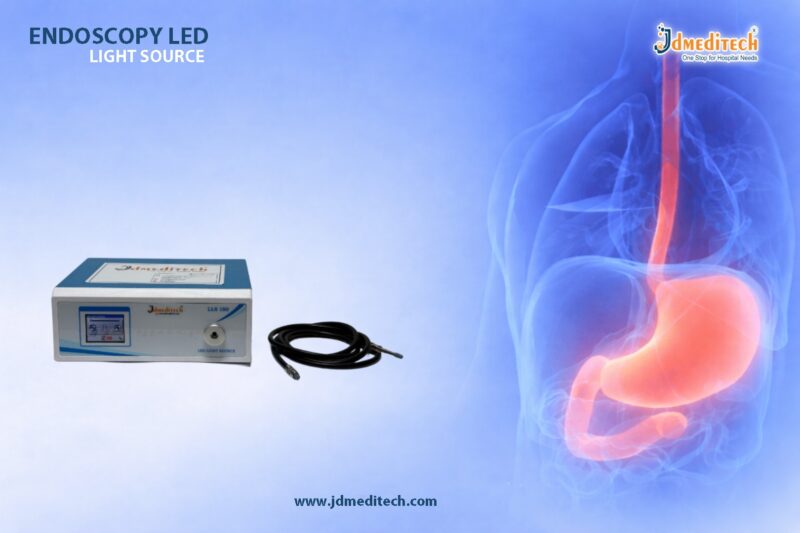
 

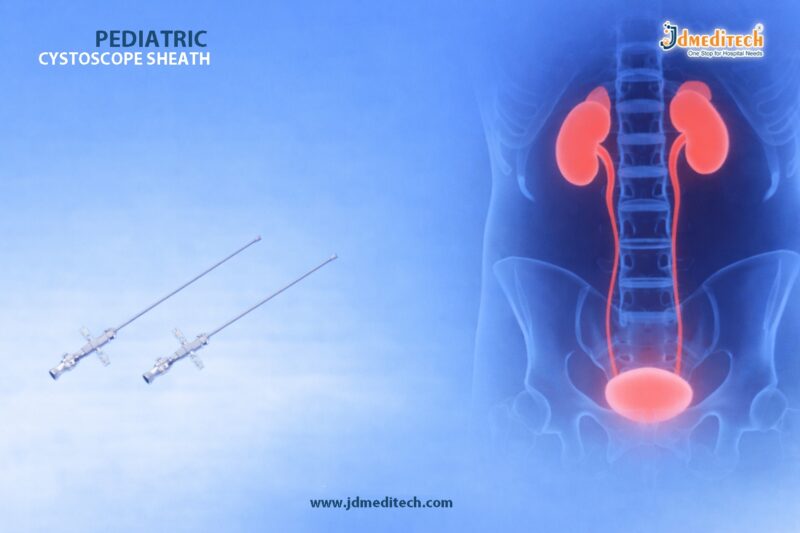
Pediatric Cystoscope Sheath for Safe Procedures

In pediatric urology, precision and patient safety are critical. Children require specialized instruments that accommodate their delicate anatomy while ensuring effective diagnosis and treatment. The Pediatric Cystoscope Sheath is a vital component in cystoscopic procedures, designed specifically to support safe and minimally invasive interventions in young patients.

With advanced engineering and ergonomic design, the Pediatric Cystoscope Sheath enables clinicians to perform procedures with enhanced control, reduced trauma, and improved visualization.

What is a Pediatric Cystoscope Sheath?

A Pediatric Cystoscope Sheath is a medical device used alongside a cystoscope to facilitate smooth insertion and operation during urological procedures in children. It acts as a protective and guiding channel, allowing instruments to pass into the urinary tract safely.

Unlike standard sheaths, pediatric versions are smaller in diameter and designed to minimize discomfort and tissue damage.

Key Features of Pediatric Cystoscope Sheath
1. Child-Friendly Design

The sheath is specifically engineered for pediatric anatomy, ensuring a comfortable and safe fit during procedures.

2. High-Quality Medical Materials

Manufactured from biocompatible and durable materials, the Pediatric Cystoscope Sheath ensures safety, sterility, and long-lasting performance.

3. Smooth Surface for Easy Insertion

The polished surface reduces friction, allowing smooth insertion and minimizing trauma to sensitive tissues.

4. Optimal Flow Management

Designed to support efficient irrigation, the sheath helps maintain clear visualization throughout the procedure.

5. Compatibility with Pediatric Cystoscopes

The sheath is compatible with a wide range of pediatric cystoscopes, making it versatile for various clinical applications.

Applications in Pediatric Urology

The Pediatric Cystoscope Sheath is widely used in several urological procedures, including:

  • Diagnostic cystoscopy
  • Evaluation of urinary tract abnormalities
  • Removal of foreign bodies
  • Treatment of urethral strictures
  • Management of pediatric bladder conditions

Its design ensures that even complex procedures can be performed with precision and safety.

Benefits of Using Pediatric Cystoscope Sheath
Enhanced Patient Safety

The sheath minimizes the risk of injury by providing a controlled pathway for instruments.

Improved Visualization

Efficient irrigation and fluid management help maintain a clear surgical field.

Reduced Procedure Time

Smooth insertion and easy handling allow clinicians to perform procedures more efficiently.

Minimally Invasive Approach

Smaller size and ergonomic design reduce trauma and promote faster recovery.

Why Choose a High-Quality Pediatric Cystoscope Sheath?

Choosing a reliable Pediatric Cystoscope Sheath is essential for ensuring optimal outcomes in pediatric urology. High-quality products offer:

  • Consistent performance
  • Sterile and safe usage
  • Precision engineering for delicate procedures
  • Compatibility with advanced endoscopic systems

Healthcare providers should prioritize products that meet international quality standards.

Maintenance and Handling Tips

To ensure the longevity and safety of the Pediatric Cystoscope Sheath, follow these guidelines:

  • Always use sterile equipment
  • Inspect the sheath before each use
  • Follow manufacturer cleaning and sterilization protocols
  • Store in a clean, dry environment

Proper handling enhances performance and reduces the risk of complications.

Future Trends in Pediatric Urological Devices

The field of pediatric urology continues to evolve with innovations focused on:

  • Smaller and more flexible instruments
  • Improved imaging capabilities
  • Enhanced patient comfort
  • Disposable and infection-resistant designs

The Pediatric Cystoscope Sheath is at the forefront of these advancements, supporting safer and more efficient procedures.

Conclusion

The Pediatric Cystoscope Sheath plays a crucial role in modern pediatric urology by enabling safe, precise, and minimally invasive procedures. Its specialized design supports the unique needs of pediatric patients while enhancing clinical efficiency and outcomes.

For healthcare professionals seeking reliable solutions, investing in a high-quality Pediatric Cystoscope Sheath is a step toward better patient care and procedural success.


Explore More Product >>

Get Connected:

+91 79909 93062 | +91 63513 72032 | exports@jdmeditech.com
Alkaline Cannula for Medical Use – Consistent Fluid Delivery & Patient Comfort

The Alkaline Cannula plays a vital role in modern medical procedures where precise fluid delivery and patient comfort are essential. Designed with advanced materials and ergonomic features, the Alkaline Cannula ensures smooth administration while minimizing patient discomfort.

Healthcare professionals rely on high-quality cannulas to maintain safety, efficiency, and consistent performance. Therefore, choosing a well-engineered Alkaline Cannula can significantly improve clinical outcomes.

What is an Alkaline Cannula?

An Alkaline Cannula is a specialized medical device used to deliver fluids, medications, or solutions—especially those with alkaline properties—into the body safely and effectively.

It is commonly used in:

  • Intravenous therapies
  • Specialized drug delivery systems
  • Clinical and hospital settings
  • Diagnostic and therapeutic procedures

Because of its precise design, the Alkaline Cannula ensures controlled flow rates and minimal tissue irritation.

Key Features of Alkaline Cannula
1. Precision Flow Control

The Alkaline Cannula is engineered to deliver fluids at a consistent rate. As a result, it supports accurate dosing and improves treatment reliability.

2. Biocompatible Material

Manufactured using high-grade medical materials, the Alkaline Cannula ensures safety and reduces the risk of adverse reactions.

3. Ergonomic Design

The smooth and flexible structure enhances handling for clinicians and provides superior comfort for patients.

4. Kink-Resistant Tubing

Its robust construction prevents kinking, ensuring uninterrupted fluid flow during procedures.

5. Secure Connection System

The Alkaline Cannula features leak-proof connectors, which enhance safety and prevent fluid loss.

Applications of Alkaline Cannula

The Alkaline Cannula is widely used across various medical disciplines:

  • Hospitals & Clinics : For routine IV therapy and medication delivery
  • Emergency Care : Quick and reliable fluid administration
  • Critical Care Units : Continuous and controlled infusion
  • Specialized Treatments : Delivery of alkaline-based solutions

Because of its versatility, the Alkaline Cannula is a preferred choice among healthcare professionals.

Benefits of Using Alkaline Cannula
1. Enhanced Patient Comfort

The smooth insertion and flexible design reduce pain and irritation, improving the patient experience.

2. Consistent Performance

The Alkaline Cannula ensures steady and reliable fluid delivery throughout the procedure.

3. Reduced Risk of Complications

High-quality materials and design minimize the risk of leakage, infection, or blockage.

4. Ease of Use for Clinicians

Its user-friendly design allows quick insertion and secure placement, saving valuable time.

Why Choose a High-Quality Alkaline Cannula?

Selecting a premium Alkaline Cannula ensures:

  • Better patient safety
  • Improved procedural efficiency
  • Long-lasting performance
  • Compliance with medical standards

For healthcare providers, investing in reliable devices leads to better outcomes and increased patient trust.

Best Practices for Safe Usage

To maximize the effectiveness of the Alkaline Cannula, follow these guidelines:

  • Always use sterile equipment
  • Ensure proper insertion technique
  • Monitor flow rate regularly
  • Replace the cannula as recommended
  • Dispose of it safely after use

Following these steps helps maintain both patient safety and device performance.

Future Advancements in Cannula Technology

Modern innovations are continuously improving the design of the Alkaline Cannula. Future developments may include:

  • Advanced antimicrobial coatings
  • Smart flow monitoring systems
  • Enhanced flexibility and durability
  • Eco-friendly materials

These advancements will further enhance efficiency and patient comfort.

Conclusion

The Alkaline Cannula is an essential medical device designed for precision, safety, and comfort. With its advanced features and reliable performance, it plays a crucial role in delivering effective healthcare.

By choosing a high-quality Alkaline Cannula, healthcare providers can ensure consistent results while prioritizing patient well-being.


Explore More Product >>

Get Connected:

+91 79909 93062 | +91 63513 72032 | exports@jdmeditech.com
 

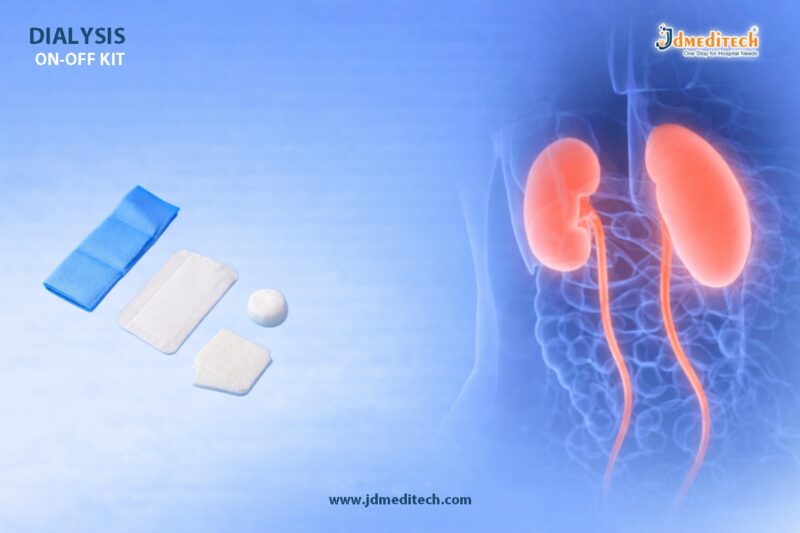
Dialysis Dressing Kit for Vascular Access Care – Safe, Sterile & Reliable Solution

In dialysis procedures, maintaining a clean and sterile vascular access site is critical to prevent infections and ensure patient safety. A Dialysis Dressing Kit for Vascular Access Care is specifically designed to provide healthcare professionals with all the necessary components for effective wound care and site protection.

Whether used in hospitals, dialysis centers, or home care settings, these kits streamline procedures, enhance hygiene, and improve overall patient outcomes.

What is a Dialysis Dressing Kit?

A Dialysis Dressing Kit for Vascular Access Care is a pre-assembled, sterile pack containing essential items required to clean, dress, and protect vascular access sites such as:

  • Arteriovenous (AV) fistulas
  • AV grafts
  • Central venous catheters

These kits ensure standardized care and reduce the risk of contamination during dressing changes.

Key Components of a Dialysis Dressing Kit

A high-quality Dialysis Dressing Kit for Vascular Access Care typically includes:

  • Sterile gloves
  • Antiseptic swabs (chlorhexidine or povidone-iodine)
  • Gauze pads
  • Transparent dressing or adhesive bandage
  • Medical tape
  • Disposable drape
  • Forceps
  • Hand sanitizer or alcohol wipes

Each component is carefully selected to maintain aseptic conditions during the dressing process.

Importance of Dialysis Dressing Kits in Patient Care
1. Infection Prevention

The primary goal of a Dialysis Dressing Kit for Vascular Access Care is to minimize infection risks. Sterile components and proper dressing techniques reduce the chances of bloodstream infections.

2. Standardized Procedure

Using a pre-packed kit ensures uniformity in dressing practices across healthcare settings.

3. Time Efficiency

Healthcare professionals can perform dressing changes quickly without gathering individual items.

4. Enhanced Patient Comfort

Proper dressing materials help reduce irritation and promote faster healing.

Applications in Medical Settings

The Dialysis Dressing Kit for Vascular Access Care is widely used in:

  • Dialysis centers
  • Hospitals and ICUs
  • Home dialysis care
  • Nephrology clinics

It is essential for routine dressing changes and post-procedure care.

Benefits of Using a Dialysis Dressing Kit
Complete Sterility

Each kit is individually packed and sterilized, ensuring maximum hygiene.

Reduced Cross-Contamination

Single-use kits eliminate the risk of cross-infection between patients.

Cost-Effective Solution

Bundled components reduce procurement and storage costs.

Easy Handling

Compact and ready-to-use design simplifies workflow.

How to Use a Dialysis Dressing Kit
  1. Perform hand hygiene thoroughly
  2. Open the sterile Dialysis Dressing Kit for Vascular Access Care
  3. Wear sterile gloves
  4. Clean the access site using antiseptic swabs
  5. Allow the area to dry
  6. Apply sterile gauze or transparent dressing
  7. Secure with tape or adhesive dressing
  8. Dispose of used materials safely

Following these steps ensures optimal site care and patient safety.

Choosing the Right Dialysis Dressing Kit

When selecting a Dialysis Dressing Kit for Vascular Access Care, consider:

  • Quality of sterile components
  • Type of antiseptic included
  • Packaging integrity
  • Compliance with medical standards
  • Ease of use

Reliable manufacturers ensure consistent quality and safety.

Why Quality Matters in Dialysis Care

Dialysis patients are highly vulnerable to infections due to repeated vascular access. Using a high-quality Dialysis Dressing Kit for Vascular Access Care plays a crucial role in:

  • Reducing hospitalization rates
  • Improving patient comfort
  • Ensuring long-term vascular access health
Conclusion

A Dialysis Dressing Kit for Vascular Access Care is an essential tool in modern dialysis management. It ensures sterile handling, reduces infection risks, and enhances patient safety. By standardizing care procedures and improving efficiency, these kits are indispensable in every dialysis setting.

For healthcare providers aiming to deliver safe and effective care, investing in high-quality dialysis dressing kits is a smart and necessary choice.


Explore More Product >>

Get Connected:

+91 79909 93062 | +91 63513 72032 | exports@jdmeditech.com


Tru Cut Biopsy Needle for Accurate Tissue Diagnosis | Reliable Biopsy Tool

The Tru Cut Biopsy Needle is a widely trusted medical device designed for obtaining high-quality tissue samples for diagnostic purposes. In modern healthcare, accurate diagnosis is essential for effective treatment planning. Therefore, the Tru Cut Biopsy Needle plays a crucial role in procedures such as oncology, pathology, and minimally invasive biopsies.

Moreover, its precision-engineered design ensures consistent sample collection while minimizing patient discomfort. As a result, it has become a preferred choice among healthcare professionals worldwide.

What is a Tru Cut Biopsy Needle?

A Tru Cut Biopsy Needle is a core biopsy instrument used to extract cylindrical tissue samples from organs or masses. Unlike fine needle aspiration, this needle provides intact tissue architecture, which is essential for histopathological examination.

In addition, the device typically features:

  • A sharp cutting cannula
  • An inner stylet with a specimen notch
  • Ergonomic handling for controlled insertion

Consequently, it enables clinicians to achieve accurate and reliable diagnostic results.

Key Features of Tru Cut Biopsy Needle
1. Precision Cutting Mechanism

The Tru Cut Biopsy Needle is designed with a sharp, high-quality cutting edge. Therefore, it ensures clean and precise tissue sampling.

2. High Sample Integrity

Because it collects core tissue samples, the Tru Cut Biopsy Needle preserves cellular architecture. This improves diagnostic accuracy significantly.

3. Ergonomic Design

The needle offers easy handling and control. As a result, clinicians can perform procedures efficiently and safely.

4. Minimal Patient Trauma

With its advanced design, the Tru Cut Biopsy Needle reduces tissue damage and patient discomfort during the procedure.

5. Versatile Applications

It is suitable for various biopsy procedures, including:

  • Liver biopsy
  • Breast biopsy
  • Kidney biopsy
  • Soft tissue sampling
Applications in Medical Practice

The Tru Cut Biopsy Needle is extensively used across multiple medical specialties. For instance:

  • Oncology : For diagnosing tumors and cancer staging
  • Radiology : Image-guided biopsy procedures
  • Pathology : Collection of high-quality tissue samples
  • Nephrology & Hepatology : Organ-specific biopsies

Furthermore, its compatibility with imaging techniques such as ultrasound and CT enhances procedural accuracy.

Advantages of Using Tru Cut Biopsy Needle

There are several advantages of using the Tru Cut Biopsy Needle, including:

  • Accurate Diagnosis : Provides high-quality tissue cores
  • Minimally Invasive : Reduces the need for surgical biopsy
  • Quick Procedure : Saves time for both patient and clinician
  • Cost-Effective : Lower overall diagnostic cost
  • Safe and Reliable : Designed to minimize complications

Therefore, it remains a dependable tool in diagnostic medicine.

Why Choose Tru Cut Biopsy Needle?

Choosing the Tru Cut Biopsy Needle ensures reliability and precision. In addition, healthcare professionals prefer it because:

  • It delivers consistent performance
  • It enhances diagnostic confidence
  • It supports minimally invasive techniques
  • It is suitable for a wide range of procedures

As a result, it has become an essential instrument in modern diagnostics.

Best Practices for Use

To achieve optimal results with the Tru Cut Biopsy Needle, consider the following:

  • Use imaging guidance whenever possible
  • Ensure proper sterilization and handling
  • Select appropriate needle size based on procedure
  • Follow clinical protocols strictly

By following these steps, clinicians can maximize both safety and accuracy.

Conclusion

In conclusion, the Tru Cut Biopsy Needle is a trusted and indispensable tool for accurate tissue diagnosis. Its precision, reliability, and minimally invasive nature make it ideal for modern medical practice. Furthermore, its ability to provide high-quality tissue samples significantly improves diagnostic outcomes.

Therefore, incorporating the Tru Cut Biopsy Needle into clinical workflows ensures better patient care and enhanced diagnostic efficiency.


Explore More Product >>

Get Connected:

+91 79909 93062 | +91 63513 72032 | exports@jdmeditech.com
Stainless Steel Guide Wire for Smooth and Controlled Device Placement

In modern minimally invasive procedures, precision and control are critical. The stainless steel guide wire plays a vital role in ensuring accurate device placement across a wide range of medical interventions. From cardiology to urology and interventional radiology, this essential tool provides the stability and maneuverability clinicians need.

Because of its superior strength and flexibility, the stainless steel guide wire has become a trusted choice among healthcare professionals. Moreover, it ensures smooth navigation through complex anatomical pathways while minimizing procedural risks.

What is a Stainless Steel Guide Wire?

A stainless steel guide wire is a thin, flexible wire used to guide medical devices such as catheters, stents, and sheaths into the body. It acts as a pathway, allowing devices to follow a precise route during diagnostic or therapeutic procedures.

Typically, these guide wires are made from high-grade stainless steel, offering durability, torque control, and excellent pushability. As a result, clinicians can achieve accurate placement even in challenging cases.

Key Features of Stainless Steel Guide Wire
1. High Strength and Durability

The stainless steel guide wire provides excellent tensile strength. Therefore, it resists kinking and maintains its shape during procedures.

2. Smooth Surface for Easy Navigation

Its polished surface reduces friction. Consequently, it ensures smooth insertion and minimizes trauma to tissues.

3. Excellent Torque Control

With superior torque transmission, clinicians can easily control the direction of the guide wire. This feature enhances procedural accuracy.

4. Flexible Yet Stable Design

Although strong, the guide wire remains flexible enough to navigate complex anatomy. Hence, it offers the perfect balance between flexibility and rigidity.

5. Variety of Tip Designs

Different tip configurations—such as straight, J-tip, or angled—make the stainless steel guide wire suitable for multiple applications.

Applications of Stainless Steel Guide Wire

The stainless steel guide wire is widely used across various medical specialties:

  • Cardiology : Assists in angioplasty and stent placement
  • Urology : Supports catheter insertion and stone management procedures
  • Gastroenterology : Enables access during endoscopic procedures
  • Radiology : Facilitates image-guided interventions
  • Vascular Surgery : Helps in vessel navigation and device delivery

Because of its versatility, it is an indispensable tool in both diagnostic and therapeutic procedures.

Advantages of Using Stainless Steel Guide Wire
Enhanced Procedural Accuracy

The stainless steel guide wire allows precise device placement. As a result, it reduces the risk of complications.

Improved Patient Safety

Smooth navigation minimizes tissue damage. Therefore, patient outcomes improve significantly.

Reliable Performance

Its robust construction ensures consistent performance, even in complex procedures.

Cost-Effective Solution

Compared to alternative materials, stainless steel offers durability at a competitive cost.

Why Choose High-Quality Stainless Steel Guide Wire?

Selecting a high-quality stainless steel guide wire is crucial for procedural success. Premium-grade wires ensure:

  • Better control and handling
  • Reduced risk of breakage or kinking
  • Enhanced compatibility with medical devices
  • Consistent performance across procedures

For healthcare providers, investing in quality translates into improved efficiency and patient satisfaction.

Best Practices for Using Stainless Steel Guide Wire

To maximize performance and safety:

  • Always choose the appropriate size and tip configuration
  • Maintain sterility throughout the procedure
  • Avoid excessive force to prevent vessel damage
  • Ensure compatibility with the intended devices

Following these practices ensures optimal outcomes and prolongs product usability.

Conclusion

The stainless steel guide wire is an essential component in modern medical procedures. Its combination of strength, flexibility, and precision makes it indispensable for clinicians across specialties.

Whether used in cardiology, urology, or interventional radiology, the stainless steel guide wire ensures smooth, controlled device placement. Ultimately, it enhances both procedural success and patient safety.


Explore More Product >>

Get Connected:

+91 79909 93062 | +91 63513 72032 | exports@jdmeditech.com


Nitinol Guide Wire for Challenging Vascular Pathways

In modern interventional procedures, precision and flexibility are critical. A Nitinol Guide Wire plays a vital role in navigating complex and tortuous vascular pathways with ease. Thanks to its superelastic properties and shape memory, this advanced medical device ensures smooth access, enhanced control, and improved patient outcomes.

As procedures become more complex, healthcare professionals increasingly rely on Nitinol Guide Wires for consistent performance and safety.

What is a Nitinol Guide Wire?

A Nitinol Guide Wire is a medical device made from a nickel-titanium alloy known as Nitinol, which exhibits unique properties such as superelasticity and shape memory. These features allow the guide wire to bend significantly without permanent deformation.

It is widely used in:

  • Interventional cardiology
  • Radiology procedures
  • Peripheral vascular interventions
  • Urology and endoscopy

Because of its flexibility and strength, the Nitinol Guide Wire is ideal for accessing difficult anatomical pathways.

Key Features of Nitinol Guide Wire
1. Superelasticity for Smooth Navigation

The standout feature of a Nitinol Guide Wire is its superelastic behavior. It can navigate tight curves and tortuous vessels without losing its original shape.

2. Shape Memory Effect

Even after extreme bending, the Nitinol Guide Wire returns to its original configuration, ensuring consistent performance throughout the procedure.

3. Excellent Kink Resistance

The wire resists kinking, which reduces procedural complications and ensures uninterrupted device delivery.

4. Hydrophilic or PTFE Coating Options

Many Nitinol Guide Wires come with coatings that reduce friction, allowing smoother insertion and better trackability.

5. Enhanced Torque Control

The wire provides excellent torque transmission, enabling physicians to maneuver it with precision.

Applications of Nitinol Guide Wire

The Nitinol Guide Wire is essential in a wide range of medical procedures:

  • Coronary Interventions : Facilitates catheter placement in complex arteries
  • Peripheral Procedures : Helps navigate narrow or blocked vessels
  • Urological Procedures : Assists in accessing the urinary tract
  • Endoscopic Procedures : Supports device placement in GI interventions

Its versatility makes the Nitinol Guide Wire a preferred choice across specialties.

Advantages of Using Nitinol Guide Wire
Improved Procedural Success

The flexibility of the Nitinol Guide Wire increases the success rate in complex cases.

Reduced Risk of Vessel Trauma

Its soft and adaptive nature minimizes damage to delicate vascular structures.

Better Device Delivery

The wire acts as a stable pathway for catheters and other interventional tools.

Long-Lasting Performance

Due to its durability, the Nitinol Guide Wire maintains performance even in demanding conditions.

Why Choose Nitinol Over Stainless Steel?

While stainless steel guide wires are widely used, the Nitinol Guide Wire offers several advantages:

Feature Nitinol Guide Wire Stainless Steel Guide Wire
Flexibility High Moderate
Kink Resistance Excellent Limited
Shape Memory Yes No
Durability High Moderate
Navigation Superior in complex anatomy Better for straight paths

Therefore, for challenging vascular pathways, the Nitinol Guide Wire is the superior option.

Design Considerations

When selecting a Nitinol Guide Wire, clinicians should consider:

  • Diameter and length
  • Tip configuration (straight, angled, J-tip)
  • Coating type
  • Stiffness level
  • Compatibility with other devices

These factors ensure optimal performance during procedures.

Safety and Handling Tips

To maximize the performance of a Nitinol Guide Wire:

  • Always use under fluoroscopic guidance
  • Avoid excessive force during insertion
  • Maintain sterility at all times
  • Dispose of single-use wires properly

Proper handling ensures both safety and efficiency.

Conclusion

The Nitinol Guide Wire has revolutionized interventional procedures by offering unmatched flexibility, durability, and control. Its superelastic performance makes it the ideal choice for navigating complex vascular pathways with precision and confidence.

As medical technology advances, the demand for reliable tools like the Nitinol Guide Wire continues to grow, making it an indispensable component in modern healthcare.


Explore More Product >>

Get Connected:

+91 79909 93062 | +91 63513 72032 | exports@jdmeditech.com


Flexible Single Use Ureteroscope – Hassle-Free Flexibility for Safe Urology Procedures

The Flexible Single Use Ureteroscope is transforming modern urology by offering a sterile, ready-to-use solution for complex diagnostic and therapeutic procedures. Unlike reusable scopes, this innovative device eliminates the need for reprocessing, ensuring consistent performance, patient safety, and operational efficiency.

As healthcare providers increasingly prioritize infection control and workflow optimization, the demand for flexible single use ureteroscopes continues to grow rapidly.

What is a Flexible Single Use Ureteroscope?

A Flexible Single Use Ureteroscope is a disposable endoscopic instrument designed for visualizing and treating conditions within the urinary tract, particularly the ureter and kidney. It is commonly used in procedures such as:

  • Ureteroscopy (URS)
  • Kidney stone management
  • Laser lithotripsy
  • Diagnostic evaluation of urinary tract abnormalities

Because it is single-use, each procedure benefits from a brand-new, contamination-free device.

Key Features of Flexible Single Use Ureteroscope
1. Superior Flexibility and Maneuverability

The device offers excellent deflection capabilities, allowing urologists to navigate even the most complex renal anatomy with ease.

2. High-Definition Imaging

Advanced optics provide clear visualization, enabling precise diagnosis and effective treatment.

3. Single-Use Sterility

Since the ureteroscope is disposable, it eliminates the risk of cross-contamination and infection transmission.

4. No Maintenance Required

There is no need for cleaning, sterilization, or repairs, reducing operational burden.

5. Lightweight and Ergonomic Design

Designed for comfort, it ensures better handling and reduced fatigue during long procedures.

Advantages Over Reusable Ureteroscopes
Infection Control

Reusable scopes carry a risk of contamination despite sterilization. In contrast, a Flexible Single Use Ureteroscope ensures 100% sterility for every patient.

Cost Efficiency in the Long Run

While reusable scopes may seem cost-effective initially, maintenance, repair, and sterilization costs add up. Single-use scopes eliminate these hidden expenses.

Consistent Performance

Each procedure uses a new device, ensuring no performance degradation due to wear and tear.

Improved Workflow

No reprocessing time means faster turnaround between procedures, increasing efficiency in busy hospitals.

Clinical Applications

The Flexible Single Use Ureteroscope is widely used in:

  • Kidney stone removal procedures
  • Ureteral stricture evaluation
  • Tumor detection and biopsy
  • Laser lithotripsy
  • Diagnostic ureteroscopy

Its flexibility and precision make it an essential tool in minimally invasive urology.

Why Choose Flexible Single Use Ureteroscope?

Healthcare providers prefer this device because it offers:

  • Enhanced patient safety
  • Reduced hospital-acquired infections (HAIs)
  • Simplified inventory management
  • Reliable procedure outcomes

Moreover, it supports modern healthcare goals of efficiency, safety, and cost control.

Environmental Considerations

Although single-use devices generate medical waste, many manufacturers are adopting eco-friendly materials and recycling programs to minimize environmental impact. Hospitals can balance safety and sustainability through proper waste management.

Future of Ureteroscopy

The future of urology is shifting toward single-use technologies. With continuous advancements in imaging, ergonomics, and material science, Flexible Single Use Ureteroscopes are expected to become the standard of care in many procedures.

Conclusion

The Flexible Single Use Ureteroscope represents a significant leap forward in urological care. By combining hassle-free usability, superior flexibility, and uncompromised sterility, it ensures better outcomes for both patients and healthcare providers.

As hospitals continue to embrace innovation, this device stands out as a reliable, efficient, and future-ready solution for modern urology.


Explore More Product >>

Get Connected:

+91 79909 93062 | +91 63513 72032 | exports@jdmeditech.com
 

High Accuracy Pressure Transducer Set for Hospitals

In modern healthcare, accurate patient monitoring is essential for effective diagnosis and treatment. A Pressure Transducer Set plays a crucial role in converting physiological pressure into electrical signals, allowing clinicians to monitor vital parameters in real time.

From intensive care units (ICUs) to operating rooms, this device ensures stability, precision, and consistent performance, making it indispensable in critical care settings.

What is a Pressure Transducer Set?

A Pressure Transducer Set is a medical device used to measure blood pressure within arteries, veins, or body cavities. It converts mechanical pressure into an electrical signal, which is displayed on a patient monitor.

Key Components Include:
  • Pressure transducer sensor
  • Disposable dome
  • Extension tubing
  • Flush device
  • Stopcocks
  • Pressure monitoring line

Together, these components ensure continuous and accurate pressure monitoring during medical procedures.

Key Features of Pressure Transducer Set
1. High Accuracy and Sensitivity

The Pressure Transducer Set delivers precise readings, helping clinicians make informed decisions quickly.

2. Stable Performance

Designed to minimize signal drift and interference, it ensures consistent results over long monitoring periods.

3. Air-Free Fluid Path

The system is engineered to reduce air bubbles, which can affect accuracy and patient safety.

4. Easy Setup and Operation

Pre-assembled and user-friendly design allows quick installation, saving valuable time in emergency situations.

5. Sterile and Disposable

Single-use components reduce the risk of cross-contamination and infections.

6. Wide Compatibility

Compatible with most patient monitoring systems used in hospitals and clinics.

Clinical Applications

The Pressure Transducer Set is widely used across various medical disciplines:

1. Intensive Care Units (ICU)

For continuous monitoring of arterial and central venous pressure.

2. Cardiology

Used during cardiac catheterization and interventional procedures.

3. Anesthesia Monitoring

Ensures stable monitoring during surgical procedures.

4. Emergency Care

Critical for real-time assessment in trauma and emergency situations.

Benefits of Using a Pressure Transducer Set
  • Real-Time Monitoring : Enables immediate clinical response
  • Improved Patient Safety : Accurate readings reduce risk of complications
  • Enhanced Workflow Efficiency : Quick setup saves time
  • Reliable Data Output : Consistent signals ensure trustworthy results
  • Reduced Infection Risk : Disposable design enhances hygiene
Why Stability Matters in Pressure Monitoring

Stability is one of the most critical aspects of a Pressure Transducer Set. Fluctuations or inaccuracies in readings can lead to incorrect clinical decisions.

A well-designed transducer set ensures:

  • Minimal signal distortion
  • Consistent waveform accuracy
  • Reliable long-term monitoring

This is especially important in critical care environments where precision directly impacts patient outcomes.

How to Choose the Right Pressure Transducer Set

When selecting a Pressure Transducer Set, consider the following:

  • Accuracy and calibration reliability
  • Ease of installation and handling
  • Compatibility with monitoring systems
  • Quality of materials and sterility
  • Manufacturer reputation

Choosing a high-quality product ensures long-term performance and patient safety.

Maintenance and Handling Tips

Although most Pressure Transducer Sets are disposable, proper handling is essential:

  • Ensure proper priming to eliminate air bubbles
  • Maintain sterile conditions during setup
  • Check connections to avoid leaks
  • Dispose of the set after single use
Conclusion

The Pressure Transducer Set is a cornerstone of modern patient monitoring systems. Designed for stability and consistent performance, it provides accurate, real-time data essential for critical care decisions.

Whether used in ICUs, operating rooms, or emergency settings, investing in a high-quality Pressure Transducer Set ensures precision, safety, and improved patient outcomes.


Explore More Product >>

Get Connected:

+91 79909 93062 | +91 63513 72032 | exports@jdmeditech.com


Pediatric Cystoscopy Grasping Forceps

In pediatric urology, precision and safety are not optional—they are essential. Performing procedures on children requires specialized instruments that ensure minimal trauma while delivering maximum control. The Pediatric Cystoscopy Grasping Forceps is one such critical tool, designed specifically to handle delicate tissues with care and accuracy.

Whether used for foreign body retrieval, biopsy support, or stone fragment removal, these forceps provide a gentle yet secure grip, making them indispensable in modern pediatric endourology.

What is a Pediatric Cystoscopy Grasping Forceps?

A Pediatric Cystoscopy Grasping Forceps is a finely engineered endoscopic instrument used during cystoscopic procedures in children. It is inserted through a cystoscope to grasp, hold, and retrieve objects or tissues from the urinary bladder and urethra.

Designed with smaller diameters and atraumatic jaws, it ensures safe navigation through pediatric anatomy.

Key Features of Pediatric Cystoscopy Grasping Forceps
1. Atraumatic Jaw Design

The forceps feature smooth, rounded edges to prevent tissue damage, ensuring safe handling of delicate pediatric structures.

2. Precision Grip Control

Engineered for accuracy, the device allows surgeons to securely grasp small objects without slippage.

3. Pediatric-Specific Dimensions

Smaller shaft sizes and flexible designs make it suitable for use in infants and children.

4. High-Quality Medical Materials

Manufactured using stainless steel or advanced alloys for durability, corrosion resistance, and repeated sterilization.

5. Compatibility with Cystoscopes

Designed to seamlessly fit into pediatric cystoscopes, ensuring smooth procedural workflow.

Clinical Applications

The Pediatric Cystoscopy Grasping Forceps is widely used in various urological procedures, including:

  • Removal of foreign bodies from the bladder or urethra
  • Retrieval of small stones or fragments
  • Assistance in biopsy procedures
  • Extraction of stents or catheters
  • General diagnostic and therapeutic cystoscopy

Its versatility makes it a must-have tool in pediatric urology setups.

Benefits of Using Pediatric Cystoscopy Grasping Forceps
Enhanced Patient Safety

The atraumatic design reduces the risk of injury, which is crucial in pediatric patients.

Improved Procedural Accuracy

Precise control allows surgeons to perform delicate tasks efficiently.

Minimally Invasive Approach

Supports endoscopic procedures that reduce recovery time and discomfort.

Reliable Performance

Consistent grip strength ensures dependable results during critical procedures.

Why Choose High-Quality Pediatric Grasping Forceps?

Using substandard instruments in pediatric care can increase procedural risks. High-quality Pediatric Cystoscopy Grasping Forceps ensure:

  • Smooth instrument handling
  • Reduced complications
  • Better clinical outcomes
  • Long-term cost efficiency due to durability

For healthcare providers, investing in premium instruments directly translates to better patient care and procedural success.

Maintenance and Sterilization

To maintain performance and safety:

  • Clean immediately after use
  • Use approved sterilization methods (ETO or autoclave, if compatible)
  • Inspect jaws and hinges regularly
  • Store in a dry, sterile environment

Proper maintenance extends the life of the instrument and ensures consistent functionality.

Conclusion

The Pediatric Cystoscopy Grasping Forceps plays a vital role in ensuring safe and effective pediatric urological procedures. With its gentle grip, precision handling, and child-specific design, it supports clinicians in delivering the highest standard of care.

For hospitals and surgical centers aiming to enhance pediatric outcomes, this instrument is not just an option—it is a necessity.


Explore More Product >>

Get Connected:

+91 79909 93062 | +91 63513 72032 | exports@jdmeditech.com


Stripped Guide Wire for Cardiac Interventions – Enhanced Visibility & Precision Control

In modern interventional cardiology, precision and visualization are critical for successful outcomes. A stripped guide wire for cardiac interventions is specifically engineered to provide enhanced visibility and superior control during complex procedures.

Unlike standard guide wires, stripped variants feature a unique design that improves fluoroscopic visibility and maneuverability in challenging vascular pathways. As a result, they are widely used in advanced coronary and peripheral interventions.

What is a Stripped Guide Wire?

A stripped guide wire for cardiac interventions is a specialized medical device where sections of the outer coating are intentionally removed. This exposed core improves radiopacity and allows clinicians to track the wire more accurately under imaging systems.

Moreover, this design enhances tactile feedback, enabling better control when navigating tortuous or calcified vessels.

Key Features of Stripped Guide Wire
1. Enhanced Radiographic Visibility

The stripped section improves visualization under fluoroscopy. Therefore, clinicians can precisely track wire position during complex interventions.

2. Superior Torque Control

The exposed core enhances torque transmission. As a result, physicians can maneuver the wire with greater accuracy.

3. Improved Tactile Feedback

A stripped guide wire provides better feel inside the vessel. This helps in navigating tight lesions and difficult anatomies.

4. Flexible Yet Durable Construction

Despite the stripped design, the wire maintains flexibility and strength. Thus, it ensures safe navigation without compromising durability.

5. Optimized for Complex Cases

It performs exceptionally well in:

  • Chronic total occlusions (CTO)
  • Calcified arteries
  • Tortuous vascular pathways
Clinical Applications

The stripped guide wire for cardiac interventions is widely used in:

  • Percutaneous Coronary Interventions (PCI)
  • Chronic Total Occlusion (CTO) Procedures
  • Peripheral Vascular Interventions
  • Angioplasty and Stenting
  • Complex Lesion Crossing

Because of its enhanced visibility and control, it becomes a preferred choice in high-risk and technically demanding procedures.

Benefits of Using Stripped Guide Wire
Better Visualization

Clear imaging reduces procedural uncertainty and improves accuracy.

Increased Procedural Success

Enhanced control helps in crossing difficult lesions more effectively.

Reduced Procedure Time

Improved maneuverability minimizes trial-and-error navigation.

 Enhanced Patient Safety

Precise placement reduces the risk of vessel trauma and complications.

Why Choose a High-Quality Stripped Guide Wire?

Choosing a premium stripped guide wire for cardiac interventions ensures consistent performance and reliability. High-quality wires offer:

  • Smooth surface transitions
  • Consistent core exposure
  • Optimal balance between flexibility and support
  • Compatibility with modern interventional systems

For healthcare providers, investing in reliable guide wires directly impacts procedural efficiency and patient outcomes.

Best Practices for Use

To maximize performance of a stripped guide wire:

  • Always verify compatibility with catheters and devices
  • Use appropriate imaging techniques for better visualization
  • Avoid excessive force to prevent vessel injury
  • Follow standard interventional protocols

Proper handling ensures both safety and effectiveness.

Conclusion

The stripped guide wire for cardiac interventions represents a significant advancement in interventional cardiology. With enhanced visibility, superior control, and improved tactile feedback, it empowers clinicians to perform complex procedures with confidence.

As cardiac interventions continue to evolve, the demand for precision-driven tools like stripped guide wires will only increase. Therefore, selecting the right guide wire can make a critical difference in both procedural success and patient care.


Explore More Product >>

Get Connected:

+91 79909 93062 | +91 63513 72032 | exports@jdmeditech.com
 

Central Venous Catheter Kit – Safe, Precise & ICU-Ready Solution

What is a Central Venous Catheter Kit?

A Central Venous Catheter Kit is a complete, sterile medical package designed for the insertion of a catheter into a large vein, typically the internal jugular, subclavian, or femoral vein.

This kit includes all essential components required for safe catheter placement using standardized techniques such as the Seldinger technique. As a result, it minimizes procedural errors and enhances efficiency.

Key Components of Central Venous Catheter Kit

A standard Central Venous Catheter Kit typically includes:

  • Central venous catheter (single, double, or triple lumen)
  • Introducer needle
  • Guidewire with J-tip
  • Dilator
  • Scalpel
  • Syringes and needles
  • Catheter clamps
  • Suture and dressing materials
  • Antiseptic swabs and drapes

Each component is designed to support smooth insertion, secure placement, and infection prevention.

Key Features of Central Venous Catheter Kit
1. Sterile and Ready-to-Use Design

The Central Venous Catheter Kit comes pre-packaged and sterilized, reducing the risk of contamination and saving valuable time during emergencies.

2. Precision Placement

With a high-quality guidewire and introducer system, the kit ensures accurate catheter positioning with minimal complications.

3. Multiple Lumen Options

Different lumen configurations allow simultaneous administration of medications, fluids, and monitoring of central venous pressure.

4. Infection Control

Advanced materials and sterile barriers help reduce the risk of catheter-related bloodstream infections (CRBSIs).

5. User-Friendly Components

Ergonomic design and clearly organized components improve handling and procedural efficiency.

Clinical Applications

The Central Venous Catheter Kit is widely used in various medical settings, including:

  • Intensive Care Units (ICU)
  • Emergency departments
  • Oncology treatments
  • Hemodialysis access
  • Long-term intravenous therapy
  • Parenteral nutrition administration

Its versatility makes it an essential tool for critical patient management.

Benefits of Using Central Venous Catheter Kit
Enhanced Patient Safety

A well-structured Central Venous Catheter Kit reduces procedural errors and complications, ensuring better patient outcomes.

Time Efficiency

Pre-assembled kits eliminate the need to gather individual components, enabling faster intervention in critical situations.

Reduced Infection Risk

Sterile packaging and high-quality materials significantly lower infection rates.

Improved Workflow

Standardized kits streamline procedures, making them easier for healthcare professionals to perform.

Procedure Overview

The insertion of a Central Venous Catheter Kit typically follows these steps:

  1. Patient preparation and site sterilization
  2. Vein identification (often using ultrasound guidance)
  3. Needle insertion into the vein
  4. Guidewire advancement
  5. Dilator use to enlarge the tract
  6. Catheter placement over the guidewire
  7. Securing and dressing the catheter

Proper technique ensures safe and accurate catheter placement.

Safety Considerations

While using a Central Venous Catheter Kit, healthcare professionals should:

  • Maintain strict aseptic technique
  • Use ultrasound guidance when possible
  • Monitor for complications such as pneumothorax or infection
  • Ensure proper catheter fixation
  • Follow institutional protocols

These measures help maximize safety and minimize risks.

Why Choose a High-Quality Central Venous Catheter Kit?

Choosing a premium Central Venous Catheter Kit ensures:

  • Reliable performance in critical procedures
  • Reduced complication rates
  • Better patient comfort
  • Compliance with international medical standards

High-quality kits are essential for achieving consistent clinical success.

Conclusion

The Central Venous Catheter Kit is an indispensable tool in modern healthcare, offering precision, safety, and efficiency in vascular access procedures. With its comprehensive design and advanced features, it supports healthcare professionals in delivering optimal patient care.

Investing in a reliable Central Venous Catheter Kit not only improves procedural outcomes but also enhances overall clinical workflow.


Explore More Product >>

Get Connected:

+91 79909 93062 | +91 63513 72032 | exports@jdmeditech.com
 

Flexible Ureteroscope – Precision, Flexibility & Clarity in Urology

In modern urology, precision and minimal invasiveness are essential. The Flexible Ureteroscope plays a critical role in diagnosing and treating urinary tract conditions with unmatched accuracy. Designed to navigate complex anatomical pathways, this advanced instrument allows urologists to access the kidney and ureter efficiently while ensuring patient safety.

With innovations in optics and maneuverability, the Flexible Ureteroscope has become a cornerstone in advanced endourology procedures.

What is a Flexible Ureteroscope?

A Flexible Ureteroscope is a thin, highly maneuverable endoscopic instrument used to visualize and treat conditions within the urinary tract, particularly the ureter and kidney. Unlike rigid scopes, it offers superior flexibility, enabling smooth navigation through narrow and curved pathways.

It is commonly used in procedures such as:

  • Kidney stone removal (RIRS – Retrograde Intrarenal Surgery)
  • Tumor diagnosis and biopsy
  • Ureteral strictures evaluation
  • Laser lithotripsy procedures
Key Features of Flexible Ureteroscope
1. Superior Flexibility

The Flexible Ureteroscope can bend in multiple directions, allowing access to even the most difficult areas of the kidney.

2. High-Definition Visualization

Advanced fiber-optic or digital imaging systems provide clear and detailed views, improving diagnostic accuracy.

3. Lightweight & Ergonomic Design

Designed for ease of handling, it reduces operator fatigue during prolonged procedures.

4. Enhanced Deflection Mechanism

Dual-direction deflection ensures better control and precise navigation.

5. Compatibility with Accessories

Supports the use of laser fibers, baskets, and guidewires for comprehensive treatment.

Applications in Endourology

The Flexible Ureteroscope is widely used in advanced urological procedures, including:

Kidney Stone Management

It is essential for retrograde intrarenal surgery (RIRS), enabling effective stone fragmentation and removal.

Tumor Diagnosis

Provides clear visualization for detecting urothelial tumors and performing biopsies.

Treatment of Ureteral Strictures

Helps assess and manage narrowing within the ureter.

Laser Lithotripsy

Facilitates precise targeting and fragmentation of stones using laser technology.

Benefits of Using Flexible Ureteroscope
  • Minimally Invasive Procedure
  • Reduced Patient Recovery Time
  • Lower Risk of Complications
  • Improved Surgical Precision
  • Enhanced Access to Complex Anatomy

The Flexible Ureteroscope significantly improves patient outcomes while maintaining procedural efficiency.

Why Choose a High-Quality Flexible Ureteroscope?

Selecting a high-quality Flexible Ureteroscope ensures:

  • Long-lasting durability
  • Superior imaging performance
  • Reliable deflection and control
  • Compatibility with modern urological tools

Healthcare providers benefit from consistent performance and reduced maintenance costs.

Maintenance and Care

Proper care extends the lifespan of the Flexible Ureteroscope:

  • Clean immediately after use
  • Use appropriate disinfectants or sterilization methods
  • Avoid excessive bending during handling
  • Store in a protective case

Regular maintenance ensures optimal performance and safety.

Future Trends in Flexible Ureteroscopy

Technological advancements continue to enhance the Flexible Ureteroscope, including:

  • Digital ureteroscopes with improved imaging
  • Single-use disposable scopes to reduce infection risk
  • Enhanced durability and deflection systems
  • Integration with AI-assisted imaging

These innovations are shaping the future of endourology.

Conclusion

The Flexible Ureteroscope is a vital tool in modern urology, combining flexibility, precision, and clarity for advanced procedures. Its ability to navigate complex anatomy and deliver high-quality visualization makes it indispensable for effective diagnosis and treatment.

As technology evolves, the Flexible Ureteroscope will continue to redefine standards in minimally invasive urological care.


Explore More Product >>

Get Connected:

+91 79909 93062 | +91 63513 72032 | exports@jdmeditech.com
 

Pressure Monitoring Line for ICU – Precision in Every Measurement

A Pressure Monitoring Line is vital in modern healthcare. It supports accurate invasive monitoring systems. Doctors use a pressure monitoring line to measure real-time pressure values. Therefore, it improves patient care in critical situations.

In addition, a pressure monitoring line ensures safe and continuous monitoring. It also helps reduce errors during procedures. As a result, it becomes essential in ICUs and operating rooms.

What is a Pressure Monitoring Line?

A Pressure Monitoring Line is a sterile tubing system. It connects a catheter to a pressure transducer. This setup allows accurate pressure readings.

Moreover, a pressure monitoring line ensures smooth signal transmission. It also prevents air entry into the system. Therefore, it maintains patient safety at all times.

Key Features of Pressure Monitoring Line
High-Quality Material

A pressure monitoring line uses medical-grade material. It resists kinks and damage. As a result, it ensures smooth performance.

Transparent Tubing

The tubing is clear and visible. Therefore, clinicians can detect air bubbles quickly. This improves safety.

Secure Luer Lock

A pressure monitoring line includes strong luer lock connectors. These prevent leakage. In addition, they ensure a tight fit.

Sterile and Disposable

Most pressure monitoring line products are single-use. Therefore, they reduce infection risks. This makes them ideal for critical care.

Flexible Design

The flexible structure allows easy handling. It also supports smooth placement during procedures.

Clinical Applications

A Pressure Monitoring Line is widely used in healthcare.

  • Arterial pressure monitoring
  • Central venous pressure monitoring
  • Cardiac procedures
  • ICU monitoring
  • Major surgeries

Furthermore, a pressure monitoring line supports accurate diagnosis. It also helps in better treatment decisions.

Benefits of Pressure Monitoring Line
Accurate Monitoring

A pressure monitoring line delivers precise readings. Therefore, doctors can act quickly.

Improved Patient Safety

It reduces infection risk due to sterile design. In addition, it prevents leakage.

Easy to Use

The setup is simple and fast. Therefore, medical staff can save time.

Reliable Performance

A pressure monitoring line ensures consistent results. This is important in critical care.

Why Choose a High-Quality Pressure Monitoring Line?

A high-quality pressure monitoring line ensures better outcomes. Poor-quality tubing may affect accuracy. However, a premium pressure monitoring line delivers stable performance.

At JDMeditech, we provide reliable solutions. Our products meet modern clinical standards. Therefore, healthcare providers trust our quality.

Best Practices for Using Pressure Monitoring Line

Follow these steps for best results:

  • Prime the pressure monitoring line before use
  • Remove all air bubbles
  • Ensure tight connections
  • Check for kinks regularly
  • Use a sterile pressure monitoring line each time

By following these steps, you ensure safe monitoring.

Conclusion

A Pressure Monitoring Line is essential in invasive monitoring systems. It ensures accurate and continuous pressure measurement. Moreover, it improves patient safety and clinical outcomes.

Therefore, choosing a high-quality pressure monitoring line is important. It supports reliable performance in critical care settings.


Explore More Product >>

Get Connected:

+91 79909 93062 | +91 63513 72032 | exports@jdmeditech.com
Pediatric Cystoscope – Precision Urology for Children

The Pediatric Cystoscope plays a crucial role in modern pediatric urology. It allows doctors to diagnose and treat urinary tract conditions in children with high precision. Because pediatric anatomy is delicate, specialized instruments are essential. Therefore, the Pediatric Cystoscope is designed to provide safe, minimally invasive, and effective visualization.

In today’s advanced medical environment, healthcare professionals rely on high-quality tools. As a result, the Pediatric Cystoscope ensures better patient comfort, improved outcomes, and reduced procedural risks.

What is a Pediatric Cystoscope?

A Pediatric Cystoscope is a thin, flexible or rigid endoscopic instrument. It is specifically designed for examining the bladder and urethra in infants and children.

Unlike standard cystoscopes, this device features:

  • Smaller diameter for pediatric anatomy
  • Smooth insertion for reduced trauma
  • High-definition optics for clear visualization

Because of these features, it becomes an essential tool in pediatric urological procedures.

Key Features of Pediatric Cystoscope
1. Compact and Child-Friendly Design

The Pediatric Cystoscope is designed with a smaller size. Therefore, it minimizes discomfort during insertion.

2. High-Quality Visualization

It provides excellent image clarity. As a result, surgeons can detect abnormalities quickly and accurately.

3. Flexible and Rigid Options

Depending on the procedure, both flexible and rigid variants are available. This flexibility improves clinical efficiency.

4. Smooth Surface for Safety

The instrument has a polished finish. Consequently, it reduces the risk of tissue injury.

5. Compatibility with Accessories

It supports various tools like forceps and catheters. Thus, it enables both diagnostic and therapeutic procedures.

Applications of Pediatric Cystoscope

The Pediatric Cystoscope is widely used in several procedures, including:

  • Diagnosis of urinary tract infections (UTIs)
  • Evaluation of congenital abnormalities
  • Detection of urethral strictures
  • Removal of foreign bodies
  • Treatment of vesicoureteral reflux
  • Guidance during minimally invasive surgeries

Because of its versatility, it is a must-have in pediatric urology departments.

Benefits of Using Pediatric Cystoscope
1. Minimally Invasive Procedure

The Pediatric Cystoscope reduces the need for open surgery. Therefore, recovery time is shorter.

2. Enhanced Patient Comfort

Children experience less pain due to its small size and smooth design.

3. Accurate Diagnosis

Clear visualization helps in early and precise diagnosis.

4. Faster Recovery

Since procedures are minimally invasive, patients recover quickly.

5. Improved Safety

The design ensures minimal trauma and reduced complications.

Why Pediatric-Specific Instruments Matter

Using adult-sized instruments in children can lead to complications. However, the Pediatric Cystoscope is tailored for smaller anatomy.

As a result:

  • It ensures safer procedures
  • It reduces procedural risks
  • It improves clinical outcomes

Therefore, pediatric-specific tools are not just beneficial—they are essential.

How to Choose the Right Pediatric Cystoscope

When selecting a Pediatric Cystoscope, consider the following:

  • Diameter and length suitable for age group
  • Image quality for accurate diagnosis
  • Material quality for durability and safety
  • Ease of sterilization
  • Compatibility with accessories

Choosing the right instrument ensures both efficiency and patient safety.

Maintenance and Sterilization

Proper care of the Pediatric Cystoscope is essential. It ensures longevity and prevents infections.

Best Practices:
  • Clean immediately after use
  • Use approved sterilization methods
  • Inspect for damage regularly
  • Store in a sterile environment

Following these steps improves performance and patient safety.

Future of Pediatric Urological Instruments

Technology continues to evolve rapidly. As a result, Pediatric Cystoscopes are becoming more advanced.

Future innovations include:

  • Enhanced digital imaging
  • Improved flexibility
  • Better ergonomics
  • Integration with AI-assisted diagnostics

These advancements will further improve pediatric patient care.

Conclusion

The Pediatric Cystoscope is a vital instrument in pediatric urology. It ensures safe, precise, and minimally invasive procedures. Moreover, its child-friendly design enhances comfort and clinical outcomes.

As healthcare continues to advance, investing in high-quality pediatric instruments becomes increasingly important. Therefore, the Pediatric Cystoscope remains an essential tool for delivering superior pediatric care.


Explore More Product >>

Get Connected:

+91 79909 93062 | +91 63513 72032 | exports@jdmeditech.com


Endoscopic URS Forceps Set for Precision Ureteroscopy

The Endoscopic URS Forceps Set is a vital instrument in modern urology. It plays a key role in ureteroscopic procedures, especially in the retrieval of stones and foreign bodies. Designed with ergonomic control and multiple tip configurations, this set enhances procedural efficiency and patient outcomes.

Because ureteroscopy demands precision, the Endoscopic URS Forceps Set offers unmatched versatility with flat, alligator, and multi-prong tips. As a result, urologists can confidently manage complex cases with improved accuracy.

What is an Endoscopic URS Forceps Set?

The Endoscopic URS Forceps Set is a specialized surgical instrument used during ureteroscopy (URS). It allows clinicians to grasp, retrieve, and manipulate stones or tissue within the urinary tract.

Moreover, the set includes different tip designs to handle varying clinical situations. Therefore, it becomes an essential tool in minimally invasive urological procedures.

Key Features of Endoscopic URS Forceps Set
1. Ergonomic Design for Better Control

The Endoscopic URS Forceps Set is designed with an ergonomic handle. Consequently, it ensures:

  • Comfortable grip during long procedures
  • Reduced hand fatigue
  • Improved maneuverability
2. Multiple Tip Configurations

This set includes:

  • Flat Tip Forceps – Ideal for firm gripping
  • Alligator Tip Forceps – Excellent for delicate tissue handling
  • Multi-Prong Tip Forceps – Best for stone retrieval

Thus, the Endoscopic URS Forceps Set provides flexibility for different clinical needs.

3. High-Quality Medical-Grade Material

Manufactured from durable materials, the set ensures:

  • Long-lasting performance
  • Corrosion resistance
  • Easy sterilization
4. Compatibility with Ureteroscopes

The Endoscopic URS Forceps Set is compatible with standard ureteroscopes. Hence, it integrates seamlessly into existing surgical setups.

Applications in Urology

The Endoscopic URS Forceps Set is widely used in:

  • Kidney and ureteral stone retrieval
  • Foreign body removal
  • Tissue sampling during ureteroscopy
  • Post-lithotripsy fragment extraction

Because of its versatility, the Endoscopic URS Forceps Set is indispensable in endourology.

Advantages of Using Endoscopic URS Forceps Set
Precision and Accuracy

With specialized tip designs, the Endoscopic URS Forceps Set ensures precise handling.

Minimally Invasive Approach

Since ureteroscopy is minimally invasive, this set helps reduce:

  • Patient trauma
  • Recovery time
  • Risk of complications
Enhanced Procedural Efficiency

The ergonomic build and multiple tips allow surgeons to work efficiently. Therefore, procedures become faster and safer.

Why Choose Our Endoscopic URS Forceps Set?

At JDMeditech, we focus on delivering high-quality medical devices. Our Endoscopic URS Forceps Set stands out because:

  • It meets international quality standards
  • It offers superior grip and control
  • It supports a wide range of ureteroscopic procedures
Best Practices for Use

To ensure optimal performance of the Endoscopic URS Forceps Set:

  • Always sterilize before use
  • Select the appropriate tip for the procedure
  • Handle with care to maintain precision
  • Follow clinical guidelines during ureteroscopy
Conclusion

The Endoscopic URS Forceps Set is an essential tool for modern urological procedures. With its ergonomic design, multiple tip options, and reliable performance, it significantly enhances ureteroscopic outcomes.

Therefore, investing in a high-quality Endoscopic URS Forceps Set ensures better precision, safety, and efficiency in every procedure.


Explore More Product >>

Get Connected:

+91 79909 93062 | +91 63513 72032 | exports@jdmeditech.com
Best PTCA Y Connector & Kit for Interventional Cardiology

In modern interventional cardiology, precision and control are critical for successful outcomes. The PTCA Y Connector & Kit plays a vital role in ensuring seamless catheter manipulation, controlled contrast injection, and hemostasis during angioplasty procedures.

Designed for efficiency and safety, the PTCA Y Connector & Kit is widely used in Percutaneous Transluminal Coronary Angioplasty (PTCA) and other vascular interventions.

What is a PTCA Y Connector & Kit?

A PTCA Y Connector & Kit is a specialized medical device used during coronary and peripheral interventions. It connects the guiding catheter to multiple components, allowing physicians to introduce guidewires, balloons, and contrast media without compromising blood flow or sterility.

The kit typically includes:

  • Y Connector (rotating or fixed)
  • Hemostasis valve
  • Side port for contrast injection
  • Torque device (in some kits)
Key Features of PTCA Y Connector & Kit
1. Hemostasis Control

The built-in valve in the PTCA Y Connector & Kit prevents blood leakage while allowing smooth device insertion.

2. Smooth Device Manipulation

It enables precise movement of guidewires and catheters, which is essential in complex coronary procedures.

3. Rotating Adapter Design

Many PTCA Y Connector & Kit models come with a rotating hub that enhances flexibility and control.

4. Secure Locking Mechanism

The connector ensures tight sealing, reducing the risk of air embolism and contamination.

5. High-Pressure Compatibility

The PTCA Y Connector & Kit supports high-pressure contrast injections without leakage.

Components of PTCA Y Connector & Kit

A standard PTCA Y Connector & Kit includes:

  • Y Connector Body – Main interface for catheter connection
  • Hemostasis Valve – Prevents blood backflow
  • Side Arm Port – Used for contrast media injection
  • Rotating Adapter – Improves maneuverability
  • Torque Device (Optional) – Helps in guidewire control
Clinical Applications

The PTCA Y Connector & Kit is essential in various procedures, including:

  • Coronary Angioplasty (PTCA)
  • Percutaneous Coronary Intervention (PCI)
  • Peripheral Vascular Interventions
  • Diagnostic Angiography

It ensures continuous access while maintaining a closed system, which is critical for patient safety.

Benefits of Using PTCA Y Connector & Kit
Enhanced Procedure Efficiency

The PTCA Y Connector & Kit allows simultaneous device use and contrast injection, reducing procedure time.

Improved Safety

With reliable hemostasis, it minimizes blood loss and prevents air entry.

Better Control for Clinicians

Precise handling of interventional devices improves procedural success rates.

Versatility

Compatible with a wide range of catheters and guidewires used in cardiology.

Why Choose a High-Quality PTCA Y Connector & Kit?

Choosing a high-quality PTCA Y Connector & Kit ensures:

  • Consistent performance during critical procedures
  • Reduced complications
  • Long-lasting durability
  • Compliance with international medical standards
Best Practices for Use
  • Always ensure proper connection before starting the procedure
  • Check the hemostasis valve for functionality
  • Maintain sterility throughout usage
  • Dispose of single-use kits safely after the procedure
Conclusion

The PTCA Y Connector & Kit is an indispensable component in interventional cardiology. It enhances procedural precision, ensures patient safety, and supports efficient device handling.

As cardiovascular procedures continue to evolve, the importance of reliable tools like the PTCA Y Connector & Kit becomes even more significant. Investing in high-quality kits can make a substantial difference in clinical outcomes.


Explore More Product >>

Get Connected:

+91 79909 93062 | +91 63513 72032 | exports@jdmeditech.com
 

Blood Tubing Set – Consistent Hemodialysis Performance

Hemodialysis is a life-saving procedure for patients with kidney failure. However, its success depends heavily on the reliability and efficiency of the components used. One such critical component is the Blood Tubing Set. Designed to ensure smooth blood flow and secure connections, the Blood Tubing Set plays a vital role in maintaining consistent and safe dialysis performance.

In this blog, we explore the importance, features, benefits, and clinical relevance of the Blood Tubing Set, making it easier for healthcare professionals to understand its value in modern dialysis systems.

What is a Blood Tubing Set?

A Blood Tubing Set is a sterile, disposable medical device used in hemodialysis to transport blood from the patient to the dialysis machine and back. It consists of arterial and venous lines, connectors, drip chambers, and clamps that facilitate safe and controlled blood circulation during treatment.

The Blood Tubing Set ensures a closed-loop system, minimizing contamination risks while maintaining optimal blood flow rates.

Key Components of a Blood Tubing Set

Understanding the structure of a Blood Tubing Set helps in appreciating its efficiency:

  • Arterial Line : Carries blood from the patient to the dialyzer
  • Venous Line : Returns purified blood to the patient
  • Drip Chamber : Helps monitor air bubbles and blood flow
  • Connectors : Ensure leak-proof and secure attachment
  • Clamps & Injection Ports : Provide control and medication access

Each component of the Blood Tubing Set is engineered to deliver precision and safety during dialysis sessions.

Key Features of Blood Tubing Set
1. Smooth and Consistent Blood Flow

The Blood Tubing Set is designed with kink-resistant tubing that ensures uninterrupted blood circulation. This helps maintain stable dialysis performance.

2. High Biocompatibility

Manufactured from medical-grade materials, the Blood Tubing Set minimizes adverse reactions and ensures patient safety.

3. Secure Leak-Proof Connections

The connectors in the Blood Tubing Set are designed to prevent leakage and accidental disconnections during treatment.

4. Sterile and Disposable Design

Each Blood Tubing Set is sterilized and intended for single use, reducing the risk of infection and cross-contamination.

5. Easy Handling and Setup

Color-coded lines and ergonomic design make the Blood Tubing Set easy to install and operate, saving valuable clinical time.

Clinical Benefits of Blood Tubing Set

The Blood Tubing Set offers multiple advantages in dialysis procedures:

  • Ensures efficient blood circulation throughout the session
  • Reduces the risk of infection and contamination
  • Enhances patient safety and comfort
  • Supports accurate monitoring of blood flow
  • Improves overall dialysis efficiency and outcomes

By maintaining consistency and reliability, the Blood Tubing Set becomes an indispensable part of dialysis care.

Applications in Hemodialysis

The Blood Tubing Set is widely used in:

  • Chronic hemodialysis treatments
  • Acute dialysis in hospitals
  • Dialysis centers and clinics
  • Intensive care units (ICU)

Its adaptability makes the Blood Tubing Set suitable for various dialysis machines and patient needs.

How to Choose the Right Blood Tubing Set

Selecting the appropriate Blood Tubing Set is crucial for optimal performance. Consider the following factors:

  • Compatibility with dialysis machines
  • Tubing length and diameter
  • Quality of connectors and clamps
  • Sterilization standards
  • Manufacturer reliability

Choosing a high-quality Blood Tubing Set ensures both safety and efficiency in every session.

Maintenance and Safety Considerations

Although the Blood Tubing Set is disposable, proper handling is essential:

  • Always use a sterile, sealed pack
  • Check for leaks or defects before use
  • Follow standard dialysis protocols
  • Dispose of used tubing safely as per biomedical guidelines

These practices ensure maximum safety when using a Blood Tubing Set.

Why Blood Tubing Set is Essential in Dialysis

Without a reliable Blood Tubing Set, the dialysis process cannot function effectively. It acts as the lifeline connecting the patient and the dialysis machine, ensuring smooth blood transfer and purification.

The Blood Tubing Set not only supports clinical efficiency but also enhances patient trust and treatment success.

Conclusion

The Blood Tubing Set – Smooth Connections for Consistent Hemodialysis Performance is a cornerstone of modern dialysis care. With its advanced design, safety features, and clinical reliability, the Blood Tubing Set ensures seamless blood flow and optimal treatment outcomes.

Healthcare providers must prioritize high-quality tubing sets to deliver safe, efficient, and consistent dialysis therapy.


Needle Knife in ERCP – Essential Tool for Difficult Cannulation

Endoscopic Retrograde Cholangiopancreatography is a vital procedure for diagnosing and treating biliary and pancreatic disorders. However, in difficult cases, standard cannulation may fail. In such situations, the Needle Knife in ERCP becomes an essential tool.

Moreover, the Needle Knife in ERCP enables precise biliary access, which improves procedural success. Therefore, it is widely used in advanced endoscopic interventions. In this blog, we will explain the features, uses, and benefits of the Needle Knife in ERCP in detail.

What is a Needle Knife in ERCP?

The Needle Knife in ERCP is a specialized electrosurgical instrument used for precut sphincterotomy. It helps endoscopists gain access to the bile duct when standard techniques are unsuccessful.

In addition, the Needle Knife in ERCP consists of a fine cutting wire that delivers controlled electrocautery. As a result, it allows precise incision of the papilla, ensuring safe and effective ductal entry.

Why is Needle Knife in ERCP Important?

Sometimes, biliary cannulation becomes challenging. In such cases, the Needle Knife in ERCP plays a crucial role.

Key reasons include:
  • First, it enables access when conventional methods fail
  • Furthermore, it supports precut sphincterotomy
  • In addition, it reduces procedure time
  • Consequently, it improves overall ERCP success rates

Thus, the Needle Knife in ERCP is essential for managing complex biliary conditions.

Key Features of Needle Knife in ERCP
1. High-Precision Tip

The Needle Knife in ERCP features a sharp cutting tip. Therefore, it allows accurate and controlled incisions.

2. Electrosurgical Compatibility

It works efficiently with electrosurgical units. As a result, clinicians achieve controlled cutting and coagulation.

3. Flexible Design

Moreover, the flexible structure of the Needle Knife in ERCP ensures smooth navigation through the endoscope.

4. Enhanced Visibility

In addition, it provides better visualization, which increases procedural accuracy.

5. Sterile and Disposable Options

Finally, the Needle Knife in ERCP is available in sterile formats. Hence, it ensures patient safety and hygiene.

Clinical Applications of Needle Knife in ERCP

The Needle Knife in ERCP is widely used in various procedures. For example:

  • Precut sphincterotomy
  • Difficult biliary cannulation
  • Bile duct stone management
  • Treatment of biliary strictures
  • Pancreatic duct access

Therefore, the Needle Knife in ERCP is highly versatile in therapeutic endoscopy.

Advantages of Needle Knife in ERCP
 Precision and Control

The Needle Knife in ERCP allows targeted incisions with minimal tissue damage.

 Higher Success Rate

As a result, it improves success in difficult cannulation cases.

 Reduced Procedure Time

Furthermore, quicker access leads to shorter procedure duration.

 Minimally Invasive

The Needle Knife in ERCP supports less invasive treatment.

 Better Patient Outcomes

Consequently, patients experience faster recovery and fewer complications.

Best Practices for Using Needle Knife in ERCP

To achieve optimal outcomes, clinicians should follow proper techniques while using the Needle Knife in ERCP.

  • First, maintain clear visualization
  • Next, use controlled electrosurgical settings
  • Additionally, perform gradual incisions
  • Moreover, follow clinical guidelines
  • Finally, ensure adequate training

Thus, proper use of the Needle Knife in ERCP enhances both safety and effectiveness.

Safety Considerations

Although highly effective, the Needle Knife in ERCP must be used carefully.

Possible risks include:
  • Bleeding
  • Perforation
  • Post-ERCP pancreatitis

However, with proper expertise, the Needle Knife in ERCP can be used safely and efficiently.

Conclusion

In conclusion, the Needle Knife in ERCP is a vital tool for complex biliary procedures. It provides precise access when conventional methods fail. Moreover, it improves procedural success and patient outcomes.

Therefore, the Needle Knife in ERCP is indispensable in modern therapeutic endoscopy.


Explore More Product >>

Get Connected:

+91 79909 93062 | +91 63513 72032 | exports@jdmeditech.com


Trans Radial Sheath – Precision Tool for Interventional Cardiology

In modern interventional cardiology, precision and patient safety are critical. The Trans Radial Sheath has become an essential device for achieving safe and effective vascular access through the radial artery. Compared to traditional femoral access, the transradial approach offers improved patient comfort, reduced complications, and faster recovery.

This blog explores the features, benefits, applications, and clinical importance of the Trans Radial Sheath, making it a trusted solution for stable catheterization procedures.

What is a Trans Radial Sheath?

A Trans Radial Sheath is a medical device used to facilitate vascular access via the radial artery, typically located in the wrist. It acts as a conduit for guiding catheters, wires, and interventional devices during diagnostic and therapeutic procedures.

Moreover, the sheath ensures smooth insertion and withdrawal of instruments while maintaining hemostasis and minimizing trauma to the artery.

Key Features of Trans Radial Sheath
1. Secure Fit Design

The Trans Radial Sheath is engineered to provide a snug and stable fit within the radial artery. As a result, it reduces movement during procedures and ensures precise catheter navigation.

2. Hydrophilic Coating

Additionally, many sheaths feature a hydrophilic coating, which significantly reduces friction. This enhances patient comfort and allows smoother insertion.

3. Thin-Walled Construction

The thin-wall design maximizes the internal lumen while minimizing the external diameter. Therefore, it reduces vascular trauma and improves blood flow around the sheath.

4. Integrated Hemostasis Valve

The built-in valve prevents blood backflow and maintains a clean working environment. Consequently, it enhances procedural safety.

5. Radiopaque Markers

Radiopaque markers ensure excellent visibility under fluoroscopy. This helps clinicians accurately position the Trans Radial Sheath during interventions.

Advantages of Using Trans Radial Sheath
Improved Patient Comfort

Since the procedure is performed through the wrist, patients experience less discomfort compared to femoral access.

Reduced Risk of Complications

The Trans Radial Sheath significantly lowers the risk of bleeding and vascular complications. Furthermore, it minimizes the chances of major access-site complications.

Faster Recovery Time

Patients can sit up and walk soon after the procedure. Therefore, hospital stays are shorter, and recovery is quicker.

Enhanced Procedural Control

The stable positioning of the Trans Radial Sheath allows clinicians to perform procedures with greater precision and confidence.

Clinical Applications

The Trans Radial Sheath is widely used in various cardiovascular procedures, including:

  • Coronary angiography
  • Percutaneous coronary intervention (PCI)
  • Diagnostic catheterization
  • Peripheral vascular interventions

Because of its versatility, it has become the preferred choice in many cardiac catheterization labs.

Why Choose Trans Radial Access Over Femoral Access?

While femoral access has been traditionally used, the transradial approach offers several advantages:

  • Lower bleeding risk
  • Better patient mobility
  • Reduced hospital costs
  • Higher patient satisfaction

As a result, the Trans Radial Sheath is increasingly becoming the standard in interventional cardiology.

Safety and Efficiency Combined

The design of the Trans Radial Sheath focuses on both safety and efficiency. Its advanced features reduce procedural risks while ensuring smooth catheter handling.

In addition, the sheath supports complex interventions without compromising stability or control. This balance makes it indispensable in modern medical practice.

Best Practices for Using Trans Radial Sheath

To achieve optimal outcomes, clinicians should follow these practices:

  • Select the appropriate sheath size
  • Ensure proper insertion technique
  • Monitor arterial flow and patient comfort
  • Use anticoagulation protocols when necessary

By following these guidelines, the effectiveness of the Trans Radial Sheath can be maximized.

Conclusion

The Trans Radial Sheath represents a significant advancement in vascular access technology. Its secure fit, patient-friendly design, and enhanced safety profile make it a preferred choice for catheterization procedures.

As healthcare continues to evolve toward minimally invasive solutions, the Trans Radial Sheath plays a crucial role in delivering better clinical outcomes and improved patient experiences.


Explore More Product >>

Get Connected:

+91 79909 93062 | +91 63513 72032 | exports@jdmeditech.com
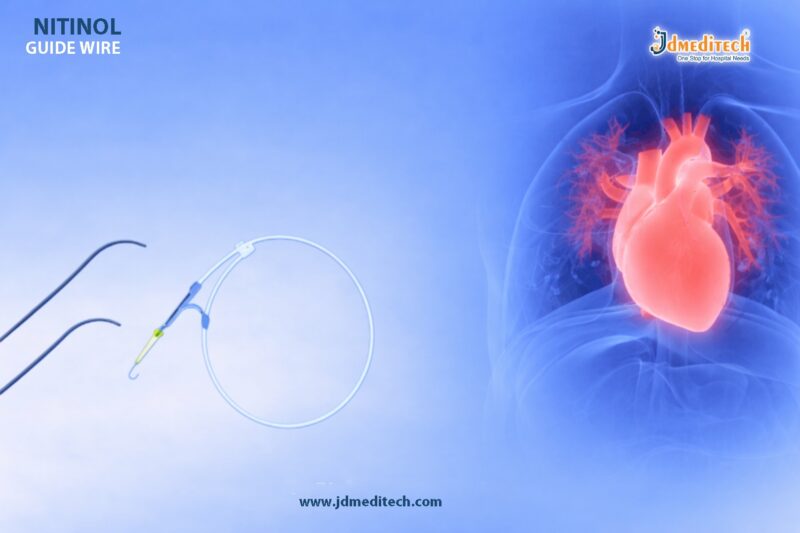


Precision Rigid Nephroscope – Optimized for PCNL Procedures

In modern urology, precision and efficiency are critical for successful outcomes. The Rigid Nephroscope plays a vital role in minimally invasive kidney procedures, especially during Percutaneous Nephrolithotomy (PCNL). Designed for accurate visualization and controlled navigation, this advanced instrument ensures effective stone removal while minimizing patient trauma.

As kidney stone cases continue to rise globally, the demand for reliable surgical tools like the Rigid Nephroscope is growing rapidly. Therefore, understanding its features, benefits, and applications becomes essential for healthcare providers.

What is a Rigid Nephroscope?

A Rigid Nephroscope is a specialized endoscopic instrument used in urology to access and visualize the kidney through a small incision in the back. It is primarily used during PCNL procedures to locate, fragment, and remove kidney stones.

Unlike flexible scopes, the rigid design provides enhanced stability, superior optics, and better control, making it ideal for complex stone removal procedures.

Key Features of Rigid Nephroscope
1. High-Definition Visualization

The Rigid Nephroscope offers excellent optical clarity. As a result, surgeons can clearly identify kidney stones and surrounding anatomy, ensuring precise treatment.

2. Durable Stainless Steel Construction

Manufactured from high-quality medical-grade materials, the instrument ensures long-lasting durability and resistance to repeated sterilization cycles.

3. Ergonomic Design

The lightweight and ergonomic design enhances surgeon comfort. Consequently, it allows better handling during lengthy procedures.

4. Wide Working Channel

A well-designed working channel facilitates the easy insertion of instruments such as graspers, lithotripters, and forceps.

5. Compatibility with Lithotripsy Devices

The Rigid Nephroscope supports multiple lithotripsy technologies, including ultrasonic, pneumatic, and laser systems, enabling efficient stone fragmentation.

Applications of Rigid Nephroscope

The Rigid Nephroscope is widely used in urological procedures, including:

  • Percutaneous Nephrolithotomy (PCNL)
  • Kidney stone fragmentation and removal
  • Diagnosis of renal abnormalities
  • Management of large or complex renal calculi

Moreover, its rigid structure allows for better access to large stones, making it indispensable in advanced urology setups.

Benefits of Using Rigid Nephroscope
1. Enhanced Surgical Precision

The rigid design ensures controlled movement. Therefore, surgeons can perform procedures with greater accuracy.

2. Improved Stone Clearance Rate

Because of its compatibility with advanced lithotripsy devices, the Rigid Nephroscope allows faster and more effective stone removal.

3. Reduced Procedure Time

Efficient navigation and clear visualization significantly reduce operative time.

4. Minimally Invasive Approach

Despite being rigid, the instrument supports minimally invasive techniques, resulting in less pain and quicker recovery for patients.

5. Reliable Performance

The robust construction ensures consistent performance across multiple procedures.

Why Choose a High-Quality Rigid Nephroscope?

Selecting a premium Rigid Nephroscope is crucial for achieving optimal surgical outcomes. High-quality instruments offer:

  • Superior optics for clear visualization
  • Enhanced durability for long-term use
  • Better compatibility with surgical accessories
  • Increased safety and efficiency during procedures

For healthcare providers, investing in reliable equipment directly impacts patient care and surgical success rates.

Maintenance and Sterilization

Proper maintenance of the Rigid Nephroscope is essential for longevity and safety. It should be:

  • Thoroughly cleaned after each procedure
  • Sterilized using recommended methods
  • Inspected regularly for wear and tear

Following these practices ensures consistent performance and reduces the risk of infection.

Conclusion

The Rigid Nephroscope is a cornerstone instrument in modern urology, particularly for efficient lithotripsy and kidney stone management. With its superior visualization, ergonomic design, and compatibility with advanced technologies, it significantly enhances surgical precision and patient outcomes.

As minimally invasive procedures continue to evolve, the importance of reliable tools like the Rigid Nephroscope cannot be overstated. Choosing a high-quality device ensures better efficiency, safety, and long-term value for healthcare facilities


Explore More Product >>

Get Connected:

+91 79909 93062 | +91 63513 72032 | exports@jdmeditech.com
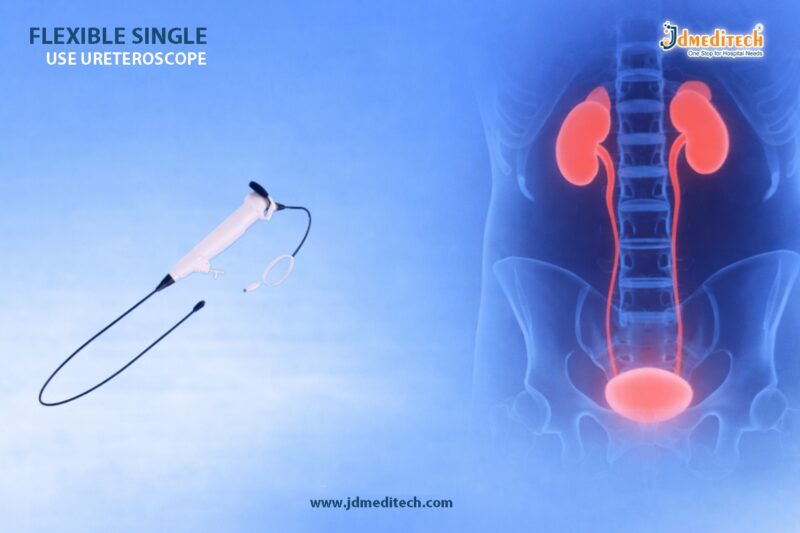
Best Coronary Control Syringe for High-Pressure Accuracy in Cardiac Procedures

In modern cardiology, precision and control are critical during coronary procedures. The Coronary Control Syringe plays a vital role in ensuring accurate contrast injection and pressure management during angiography and angioplasty. Designed for high-pressure performance, this device enhances procedural safety and diagnostic clarity.

In this blog, we will explore the features, benefits, and applications of the Coronary Control Syringe, and understand why it is an essential tool in coronary interventions.

What is a Coronary Control Syringe?

A Coronary Control Syringe is a specialized medical device used in interventional cardiology to inject contrast media into coronary arteries. It allows clinicians to maintain controlled pressure and precise delivery during diagnostic and therapeutic procedures.

Unlike standard syringes, the Coronary Control Syringe is engineered to withstand high pressure while offering smooth and consistent operation.

Key Features of Coronary Control Syringe
1. High-Pressure Resistance

The Coronary Control Syringe is built to handle high-pressure injections required during coronary angiography. This ensures safe and efficient delivery of contrast media.

2. Ergonomic Design

The device features an easy-to-hold design. As a result, clinicians can maintain better control during procedures.

3. Smooth Plunger Movement

A smooth plunger mechanism ensures consistent flow. Therefore, it minimizes the risk of sudden pressure changes.

4. Transparent Barrel

The transparent body allows clear visualization of contrast media. This improves accuracy during injection.

5. Secure Connection

The Coronary Control Syringe comes with a secure luer lock connection. Consequently, it prevents leakage and ensures stability.

Applications in Coronary Interventions

The Coronary Control Syringe is widely used in various cardiac procedures. These include:

  • Coronary Angiography
  • Percutaneous Coronary Intervention (PCI)
  • Balloon Angioplasty
  • Stent Placement Procedures

During these procedures, precise contrast delivery is crucial. Therefore, the Coronary Control Syringe becomes indispensable.

Benefits of Using Coronary Control Syringe
Enhanced Accuracy

The Coronary Control Syringe ensures precise contrast injection. As a result, it improves imaging quality and diagnosis.

Improved Safety

Controlled pressure reduces the risk of vessel damage. Thus, patient safety is enhanced.

Better Procedural Control

Clinicians gain better handling and control. Consequently, procedures become more efficient.

Reliable Performance

The device performs consistently under high pressure. Therefore, it is trusted in critical cardiac procedures.

Why Choose a High-Quality Coronary Control Syringe?

Choosing a high-quality Coronary Control Syringe is essential for achieving optimal clinical outcomes. A well-designed syringe ensures:

  • Consistent pressure delivery
  • Reduced risk of complications
  • Enhanced procedural efficiency

At JDMeditech, we provide premium-quality coronary devices designed to meet international standards and support advanced cardiac care.

Maintenance and Handling Tips

To ensure optimal performance of the Coronary Control Syringe, follow these tips:

  • Always check for defects before use
  • Use sterile techniques during procedures
  • Avoid exceeding recommended pressure limits
  • Dispose of single-use syringes properly

Proper handling not only improves performance but also ensures patient safety.

Conclusion

The Coronary Control Syringe is a crucial component in coronary interventions. Its ability to deliver high-pressure accuracy makes it indispensable in modern cardiology. With features like ergonomic design, smooth operation, and reliable performance, it significantly enhances both safety and efficiency.

As cardiac procedures continue to evolve, the importance of high-quality tools like the Coronary Control Syringe becomes even more evident.


Explore More Product >>

Get Connected:

+91 79909 93062 | +91 63513 72032 | exports@jdmeditech.com
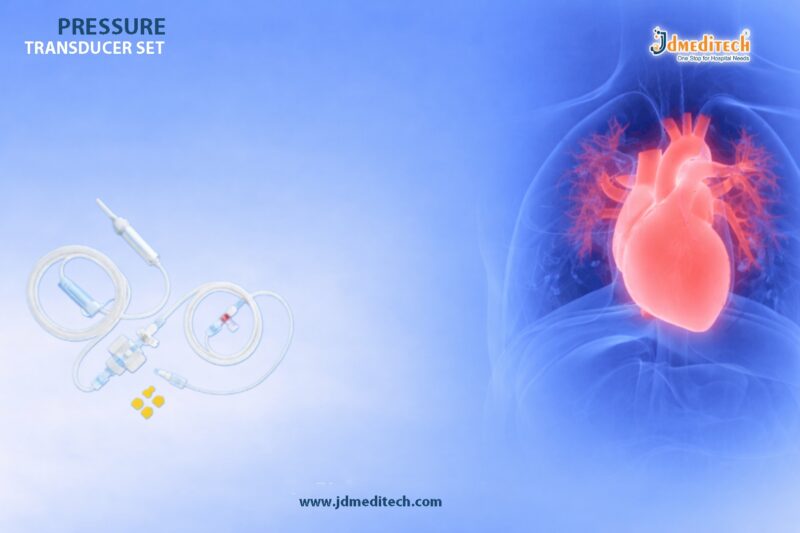


Mini PCNL Sheath for Safer and Faster Kidney Stone Surgery

Kidney stones are a common yet painful condition that often requires medical treatment. However, with advancements in urology, minimally invasive solutions have become the preferred choice. Among these innovations, the Mini PCNL Sheath stands out as a highly effective tool.

The Mini PCNL Sheath plays a vital role in modern kidney stone removal procedures. It not only improves surgical precision but also reduces patient discomfort. Moreover, it supports faster recovery, making it an essential device in today’s urological practice.

What is a Mini PCNL Sheath?

A Mini PCNL Sheath is a specialized medical device used during Mini Percutaneous Nephrolithotomy procedures. It helps create a controlled pathway to access kidney stones.

Unlike traditional systems, the Mini PCNL Sheath features a smaller diameter. As a result, it reduces tissue damage and enhances patient safety. Therefore, it is widely used in minimally invasive kidney stone removal.

Why Mini PCNL is Preferred

Today, urologists increasingly choose Mini PCNL techniques. The Mini PCNL Sheath is a key reason behind this shift.

Key Benefits:
  • First, it reduces surgical trauma
  • In addition, it minimizes bleeding
  • Furthermore, it shortens hospital stay
  • Also, it improves patient comfort
  • Finally, it enables faster recovery

Because of these advantages, the Mini PCNL Sheath has become a trusted solution in urology.

Key Features of Mini PCNL Sheath

The Mini PCNL Sheath is designed to deliver precision and efficiency. In addition, it supports safe and smooth procedures.

1. Smaller Diameter

The compact size of the Mini PCNL Sheath ensures minimal invasion. Therefore, it reduces damage to surrounding tissues.

2. Smooth Surface

A polished surface allows easy insertion. As a result, the Mini PCNL Sheath minimizes friction and improves patient safety.

3. High-Quality Material

The Mini PCNL Sheath is made from medical-grade materials. Hence, it ensures durability and sterility.

4. Efficient Irrigation

It supports continuous fluid flow. Consequently, the Mini PCNL Sheath improves visibility during surgery.

5. Wide Compatibility

It works with various nephroscopes and instruments. Therefore, the Mini PCNL Sheath offers flexibility in procedures.

Clinical Applications

The Mini PCNL Sheath is widely used in several urological procedures. In particular, it is ideal for:

  • Moderate-sized kidney stone removal
  • Pediatric urology procedures
  • Cases requiring minimal trauma
  • Complex renal stone management

Thus, the Mini PCNL Sheath is suitable for both routine and advanced cases.

Advantages of Mini PCNL Sheath
1. Minimally Invasive

The Mini PCNL Sheath reduces incision size. Therefore, it decreases postoperative pain.

2. Improved Safety

It allows controlled access. As a result, the Mini PCNL Sheath lowers complication risks.

3. Faster Recovery

Patients heal quickly. Hence, the Mini PCNL Sheath supports early discharge.

4. Reduced Hospital Stay

Shorter procedures lead to quicker discharge. Therefore, the Mini PCNL Sheath improves hospital efficiency.

5. Better Outcomes

The Mini PCNL Sheath ensures precise stone removal. Consequently, it delivers high success rates.

Mini PCNL vs Standard PCNL
Feature Mini PCNL Standard PCNL
Incision Smaller Larger
Trauma Minimal Higher
Recovery Faster Slower
Bleeding Less More
Comfort High Moderate

Clearly, the Mini PCNL Sheath plays a major role in improving patient outcomes.

Procedure Overview

The procedure using a Mini PCNL Sheath is simple and effective.

  1. First, a small incision is made
  2. Next, the Mini PCNL Sheath is inserted
  3. Then, a nephroscope is introduced
  4. After that, stones are fragmented
  5. Finally, fragments are removed

Thus, the Mini PCNL Sheath ensures a smooth and controlled procedure.

Quality Considerations

Choosing the right Mini PCNL Sheath is essential. Therefore, consider the following:

  • Sterile and safe design
  • High-quality materials
  • Smooth finishing
  • Equipment compatibility

A reliable Mini PCNL Sheath ensures better performance and patient safety.

Future of Mini PCNL Sheath

Minimally invasive techniques continue to evolve. The Mini PCNL Sheath will play an even bigger role in the future.

As technology advances, the Mini PCNL Sheath will offer improved precision and efficiency. Therefore, it remains a key innovation in urology.

Conclusion

In conclusion, the Mini PCNL Sheath has transformed kidney stone treatment. It offers a minimally invasive, safe, and effective solution.

Moreover, the Mini PCNL Sheath improves patient comfort and surgical outcomes. Therefore, it is an essential tool for modern urological procedures.


Explore More Product >>

Get Connected:

+91 79909 93062 | +91 63513 72032 | exports@jdmeditech.com
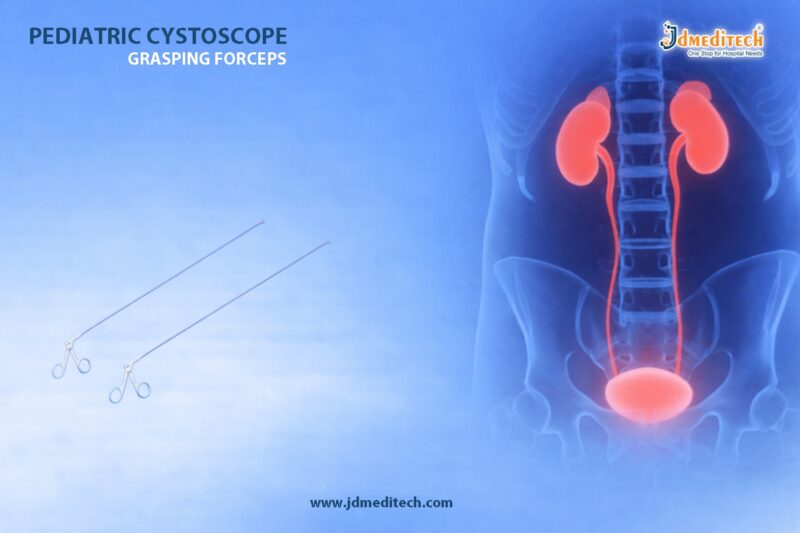


Best Citric Acid Powder for Dialysis System Cleaning & Descaling

Maintaining strict hygiene in dialysis systems is essential for ensuring patient safety and optimal treatment outcomes. Over time, dialysis machines can accumulate mineral deposits, biofilm, and microbial contamination. Therefore, regular and effective cleaning becomes crucial.

Citric Acid Powder is widely recognized as a reliable and scalable solution for dialysis system hygiene. It not only removes stubborn deposits but also ensures consistent disinfection across dialysis units. As a result, healthcare facilities can maintain high standards of cleanliness while improving operational efficiency.

What is Citric Acid Powder?

Citric Acid Powder is a biodegradable, weak organic acid commonly used for cleaning and descaling medical equipment. In dialysis systems, it plays a vital role in removing calcium deposits, magnesium buildup, and other mineral residues.

Moreover, it is safe, non-toxic, and environmentally friendly. Because of these properties, it has become a preferred choice in modern dialysis centers.

Why Hygiene Matters in Dialysis Systems

Dialysis machines operate continuously and come into direct contact with fluids used for patient treatment. Consequently, even minor contamination can lead to serious complications.

Without proper cleaning:

  • Mineral scaling can reduce machine efficiency
  • Bacterial growth can increase infection risk
  • Equipment lifespan may decrease significantly

Therefore, using a reliable cleaning agent like Citric Acid Powder for dialysis systems is essential for maintaining performance and safety.

Key Features of Citric Acid Powder
1. Effective Descaling Power

Citric Acid Powder efficiently dissolves calcium and magnesium deposits. As a result, dialysis machines remain free from scale buildup.

2. Antimicrobial Properties

It helps reduce microbial contamination. In addition, it supports infection control protocols in healthcare environments.

3. Easy to Use

The powder form allows flexible preparation. Therefore, it can be easily mixed to required concentrations.

4. Environmentally Friendly

Unlike harsh chemicals, citric acid is biodegradable and safe for disposal.

5. Cost-Effective Solution

Because of its scalability, it is ideal for both small clinics and large dialysis centers.

Applications in Dialysis Systems

Citric Acid Powder is extensively used in:

  • Dialysis machine descaling
  • RO (Reverse Osmosis) system cleaning
  • Fluid pathway maintenance
  • Periodic disinfection protocols

Furthermore, it ensures smooth operation of dialysis equipment without causing damage to sensitive components.

Benefits of Using Citric Acid Powder
Enhances Equipment Performance

By removing scale and deposits, it ensures uninterrupted machine function.

Improves Patient Safety

Clean systems reduce the risk of contamination and infection.

Extends Equipment Lifespan

Regular use prevents wear and tear caused by mineral buildup.

Supports Regulatory Compliance

Hospitals can meet hygiene standards and guidelines more effectively.

How to Use Citric Acid Powder in Dialysis Cleaning
  1. Prepare the recommended concentration as per manufacturer guidelines
  2. Circulate the solution through the dialysis system
  3. Allow sufficient contact time for effective descaling
  4. Rinse thoroughly with purified water

Note: Always follow hospital protocols and safety instructions.

Safety Considerations

Although Citric Acid Powder is safe, proper handling is still important:

  • Use protective gloves and eyewear
  • Avoid direct inhalation
  • Store in a dry, cool place
  • Keep away from moisture
Why Choose Citric Acid Powder for Dialysis Systems?

Citric Acid Powder offers a perfect balance of efficiency, safety, and scalability. Unlike aggressive chemicals, it provides gentle yet powerful cleaning. Additionally, it aligns with modern healthcare requirements for eco-friendly and cost-effective solutions.

Because of its versatility, it is trusted by dialysis centers worldwide.

Conclusion

In conclusion, Citric Acid Powder – Scalable Hygiene for Dialysis Systems is an essential product for maintaining cleanliness, safety, and efficiency in dialysis environments. Its strong descaling ability, antimicrobial properties, and eco-friendly nature make it a preferred choice for healthcare providers.

By incorporating Citric Acid Powder into routine maintenance, dialysis centers can ensure consistent performance and enhanced patient care.


Explore More Product >>

Get Connected:

+91 79909 93062 | +91 63513 72032 | exports@jdmeditech.com
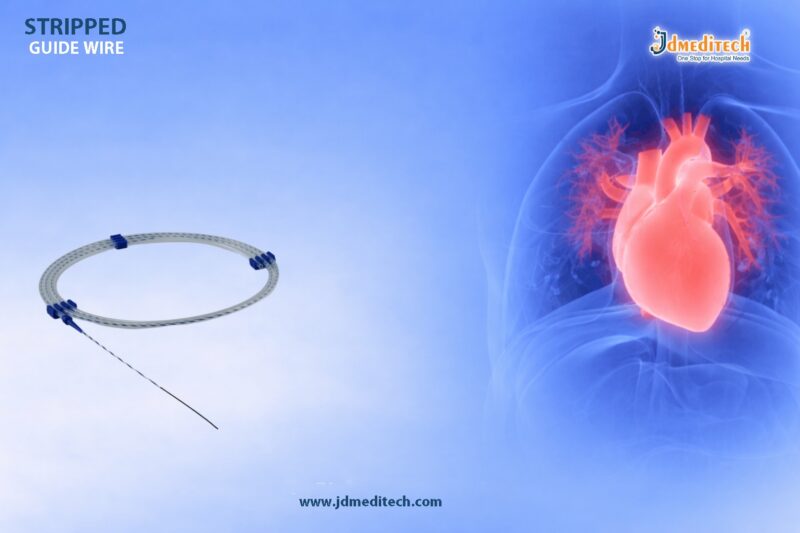


Naso Biliary Drainage Catheter for Biliary Obstruction Treatment

The Naso Biliary Drainage Catheter is an essential device for managing biliary obstruction. It provides non-surgical biliary relief in a safe and effective way. Moreover, it plays a critical role in modern gastroenterology procedures.

Biliary disorders can cause severe complications. Therefore, timely drainage is necessary. The Naso Biliary Drainage Catheter ensures continuous bile flow and reduces patient risk.

What is a Naso Biliary Drainage Catheter?

A Naso Biliary Drainage Catheter is a flexible medical tube used to drain bile externally. It is inserted through the nose and guided into the bile duct during an ERCP procedure.

In addition, the Naso Biliary Drainage Catheter allows doctors to monitor bile output continuously. As a result, it improves treatment accuracy.

Why Choose a Naso Biliary Drainage Catheter for Non-Surgical Biliary Relief?

The Naso Biliary Drainage Catheter is widely preferred for non-surgical biliary relief. Unlike surgery, it reduces recovery time and risk.

Key Advantages
  • Minimally invasive procedure
  • Faster recovery time
  • Reduced hospital stay
  • Lower complication risk
  • Continuous bile monitoring

Therefore, the Naso Biliary Drainage Catheter is ideal for critical patients.

Key Features of Naso Biliary Drainage Catheter

The Naso Biliary Drainage Catheter is designed for safety and efficiency. Furthermore, it ensures smooth bile drainage.

  • High-quality biocompatible material
  • Radiopaque line for accurate placement
  • Multiple side holes for effective drainage
  • Kink-resistant structure
  • Smooth surface for patient comfort

Because of these features, the Naso Biliary Drainage Catheter delivers reliable performance.

Clinical Applications of Naso Biliary Drainage Catheter

The Naso Biliary Drainage Catheter is used in several medical conditions. It supports both emergency and planned procedures.

1. Biliary Obstruction

It helps remove blockages caused by stones or tumors.

2. Acute Cholangitis

It reduces infection by draining bile quickly.

3. Post-ERCP Drainage

It maintains proper bile flow after procedures.

4. Bile Leak Management

It diverts bile and promotes healing.

Thus, the Naso Biliary Drainage Catheter is a versatile solution.

Procedure of Naso Biliary Drainage Catheter Placement

The placement of a Naso Biliary Drainage Catheter is simple and effective. It is performed under endoscopic guidance.

  1. The endoscope is inserted into the digestive tract
  2. The catheter is guided into the bile duct
  3. The catheter is passed through the nose
  4. External drainage is established

As a result, the Naso Biliary Drainage Catheter provides immediate relief.

Benefits Over Surgical Drainage

The Naso Biliary Drainage Catheter offers clear advantages over surgery. In addition, it improves patient safety.

  • No major incisions
  • Lower anesthesia requirement
  • Faster healing
  • Cost-effective treatment
  • Suitable for high-risk patients

Therefore, many doctors prefer the Naso Biliary Drainage Catheter.

Patient Comfort and Safety

The Naso Biliary Drainage Catheter is designed with patient comfort in mind. It ensures safe and smooth usage.

  • Soft and flexible design
  • Secure positioning
  • Easy monitoring

Moreover, the Naso Biliary Drainage Catheter reduces irritation during use.

Maintenance and Care

Proper care of the Naso Biliary Drainage Catheter is important. It ensures long-term effectiveness.

  • Monitor bile output regularly
  • Maintain hygiene
  • Check for blockages
  • Replace when required

Following these steps improves outcomes.

Conclusion

The Naso Biliary Drainage Catheter is a trusted solution for non-surgical biliary relief. It offers safety, efficiency, and comfort.

In conclusion, the Naso Biliary Drainage Catheter is an essential tool in modern healthcare. It helps improve patient outcomes while reducing risks.


Explore More Product >>

Get Connected:

+91 79909 93062 | +91 63513 72032 | exports@jdmeditech.com