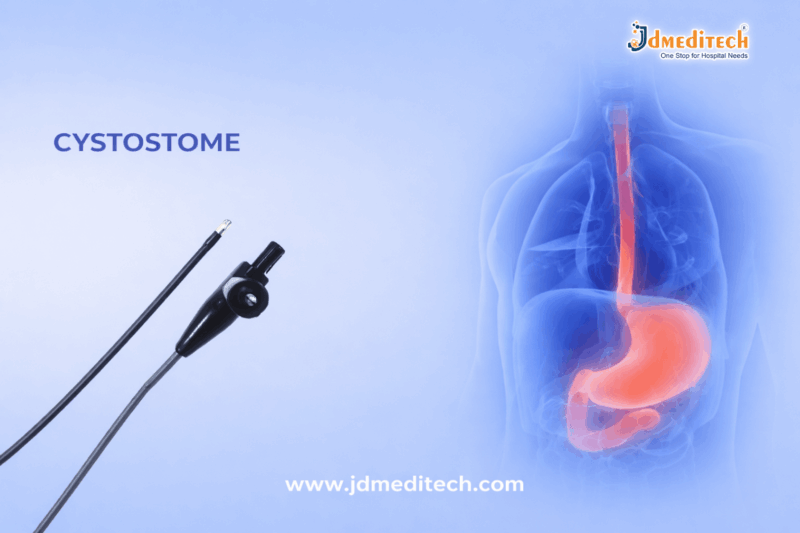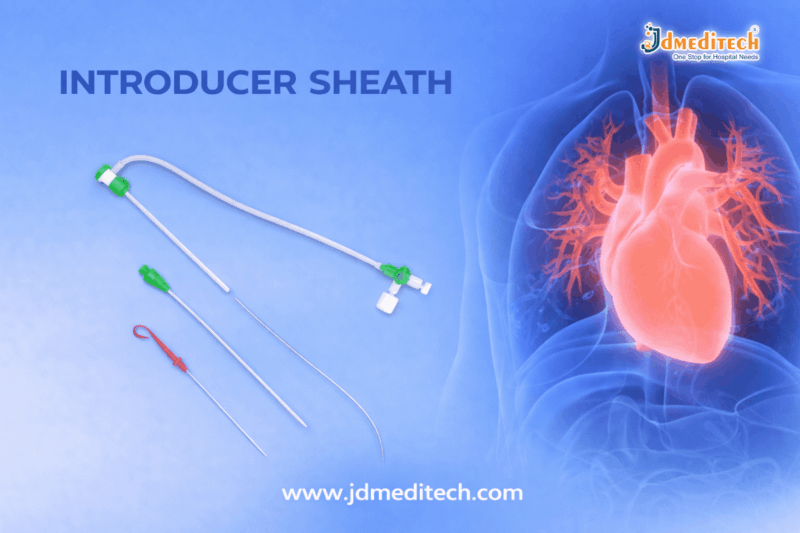
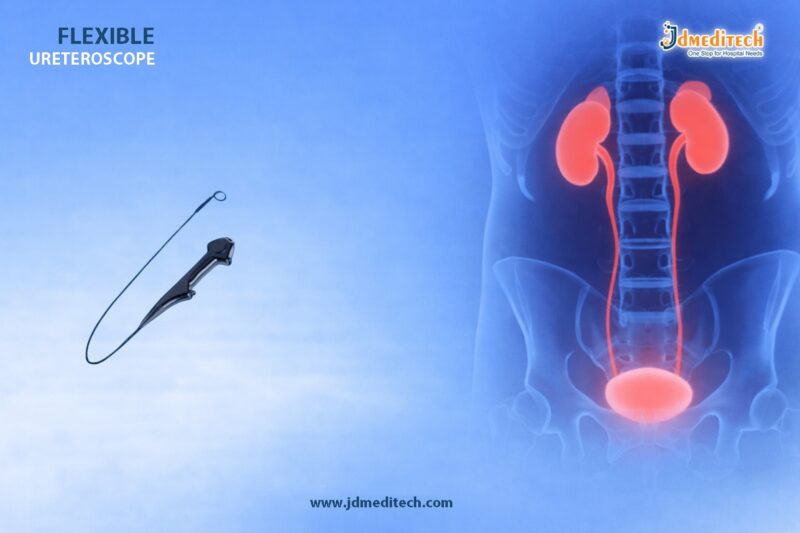
Balloon Placement & Deflation for Safe Stomach Balloon Therapy

Balloon Placement & Deflation is a minimally invasive gastrology procedure used in stomach balloon therapy to support weight loss. This technique involves placing a soft silicone balloon inside the stomach and later removing it safely after a defined period. Because it does not require major surgery, Balloon Placement & Deflation has become a preferred option for patients seeking effective, non-surgical weight management solutions.

Moreover, this procedure is widely recommended by gastroenterologists due to its safety, controlled results, and shorter recovery time. As obesity-related conditions continue to rise, Balloon Placement & Deflation plays a crucial role in modern digestive healthcare.

What is Stomach Balloon Therapy?

Stomach balloon therapy is a non-surgical weight loss method where a balloon is inserted into the stomach and filled with saline or gas. As a result, it reduces the available space in the stomach, helping patients feel full sooner and eat less.

Balloon Placement & Deflation is the core process of this therapy. First, the balloon is placed endoscopically. Then, after 6 to 12 months, it is deflated and removed safely.

Procedure of Balloon Placement

The Balloon Placement & Deflation process begins with balloon insertion. This step is usually performed using an endoscope, which is a flexible tube equipped with a camera.

During the procedure, the patient is mildly sedated for comfort. The deflated balloon is guided into the stomach through the mouth. Once in position, it is filled with sterile saline or gas to the desired size.

Additionally, the entire Balloon Placement & Deflation procedure typically takes about 20 to 30 minutes. Patients can often return home the same day, making it a convenient option.

Procedure of Balloon Deflation

Balloon deflation is equally important in Balloon Placement & Deflation. After the treatment period, the balloon must be removed to avoid complications.

First, the balloon is punctured using an endoscopic instrument. Then, the fluid or gas inside is released. After that, the deflated balloon is carefully extracted through the mouth.

Furthermore, Balloon Placement & Deflation ensures that the removal process is smooth, controlled, and safe when performed by experienced specialists.

Benefits of Balloon Placement & Deflation

Balloon Placement & Deflation offers multiple advantages for both patients and healthcare providers.

It is minimally invasive, so there are no surgical incisions. As a result, recovery time is significantly shorter. In addition, the procedure helps in gradual and controlled weight loss, reducing the risk of sudden health complications.

Another key benefit is that Balloon Placement & Deflation improves obesity-related conditions such as diabetes, hypertension, and sleep apnea. Therefore, it contributes to overall health improvement.

Safety and Risk Factors

Although Balloon Placement & Deflation is considered safe, it is important to understand potential risks. Some patients may experience nausea, vomiting, or abdominal discomfort during the initial days.

However, these symptoms usually subside with proper medication and care. In rare cases, complications such as balloon leakage or gastric irritation may occur.

That said, choosing a qualified medical team and following post-procedure guidelines significantly reduces risks associated with Balloon Placement & Deflation.

Recovery and Aftercare

Recovery after Balloon Placement & Deflation is generally quick. Patients are advised to follow a liquid diet initially, followed by gradual reintroduction of solid foods.

Moreover, maintaining a balanced diet and regular exercise is essential to achieve long-term results. Doctors also recommend regular follow-ups to monitor progress and ensure the effectiveness of the therapy.

Consequently, proper aftercare plays a vital role in maximizing the success of Balloon Placement & Deflation.

Who is an Ideal Candidate?

Balloon Placement & Deflation is suitable for individuals with moderate obesity who have not achieved results through diet and exercise alone.

It is also recommended for patients who are not ideal candidates for bariatric surgery. However, people with certain gastrointestinal conditions may not be eligible.

Therefore, a detailed medical evaluation is necessary before undergoing Balloon Placement & Deflation.

Conclusion

Balloon Placement & Deflation is a safe and effective gastrology procedure that supports stomach balloon therapy for weight management. With its minimally invasive nature, quick recovery, and proven results, it has become a reliable choice for many patients.

In conclusion, Balloon Placement & Deflation offers a balanced approach to weight loss by combining medical intervention with lifestyle changes. When performed under expert supervision, it ensures safety, comfort, and long-term health benefits.

Explore More Product >>

Get Connected:
+91 79909 93062 | +91 63513 72032 | exports@jdmeditech.com 
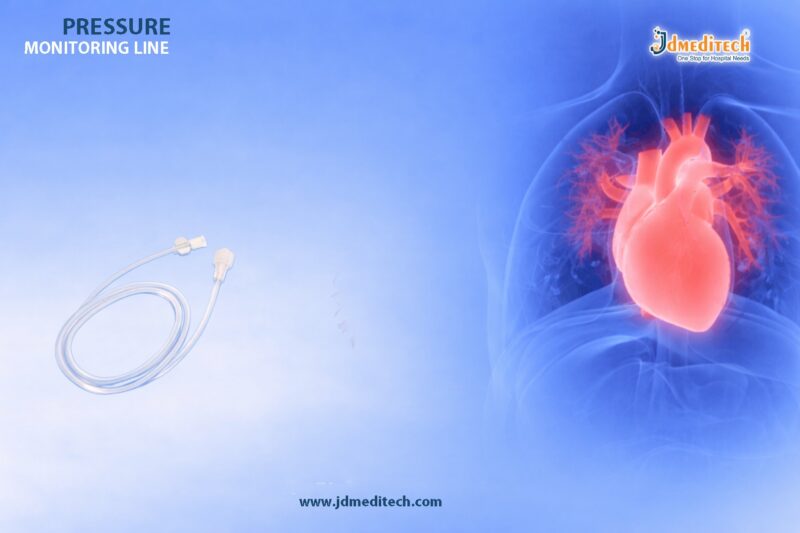
 

Urine Collecting Bag – Types, Uses & Benefits Explained

A urine collecting bag is an essential medical device used to collect urine from patients who are unable to urinate naturally or require continuous urinary drainage. It is widely used in hospitals, clinics, and home care settings. Because it ensures hygiene, convenience, and patient comfort, the urine collecting bag plays a critical role in patient management.

Moreover, healthcare professionals rely on a urine collecting bag for accurate urine monitoring, which helps in diagnosis and treatment planning. Therefore, understanding its types, uses, and benefits is important for both caregivers and patients.

What is a Urine Collecting Bag?

A urine collecting bag is a sterile, flexible container attached to a catheter to store urine safely. Typically, it is made from medical-grade PVC material that ensures durability and prevents leakage. In addition, most urine collecting bag systems include anti-reflux valves, drainage outlets, and graduated markings for easy measurement.

As a result, the urine collecting bag allows continuous urine flow while maintaining hygiene and reducing the risk of infection.

Types of Urine Collecting Bag
1. Leg Bag

A leg urine collecting bag is designed for mobility. It is strapped to the patient’s leg, allowing them to move freely during daily activities. Therefore, it is ideal for active patients or those in home care.

2. Bedside Bag

A bedside urine collecting bag is larger in capacity and is usually attached to a bed or wheelchair. It is commonly used for hospitalized or immobile patients. Additionally, it reduces the need for frequent emptying.

3. Pediatric Urine Collecting Bag

This type is specially designed for infants and children. It comes with adhesive backing for easy application. Hence, it ensures comfort and secure attachment without causing irritation.

4. Disposable Urine Collecting Bag

Disposable urine collecting bags are intended for single use. They help maintain hygiene and reduce the chances of cross-contamination. Therefore, they are widely used in clinical settings.

Key Features of a Urine Collecting Bag

A high-quality urine collecting bag offers several important features that enhance safety and usability.

  • Anti-reflux valve to prevent backflow of urine
  • Leak-proof design for better hygiene
  • Graduated markings for accurate measurement
  • Soft, kink-resistant tubing for smooth drainage
  • Secure outlet valve for easy emptying

Because of these features, a urine collecting bag ensures efficient and safe urine collection.

Uses of a Urine Collecting Bag

A urine collecting bag is used in various medical and non-medical situations.

  • Post-surgical care, especially after urological procedures
  • Management of urinary incontinence
  • Long-term catheterization in elderly or bedridden patients
  • Monitoring urine output in ICU and hospital settings
  • Home care for patients with mobility issues

Furthermore, doctors use urine collecting bags to measure output accurately, which is crucial for assessing kidney function and hydration levels.

Benefits of Using a Urine Collecting Bag

Using a urine collecting bag offers multiple advantages for patients and healthcare providers.

Firstly, it improves hygiene by preventing direct contact with urine. Secondly, it enhances patient comfort, especially for those who cannot move easily. In addition, it allows continuous monitoring without frequent interruptions.

Moreover, the urine collecting bag reduces the risk of infections when used properly. It also simplifies caregiving tasks, making it easier for both professionals and family members.

How to Choose the Right Urine Collecting Bag

Selecting the right urine collecting bag depends on several factors.

  • Patient mobility level
  • Duration of use
  • Required capacity
  • Comfort and material quality
  • Safety features like anti-reflux valves

Therefore, choosing a high-quality urine collecting bag ensures better patient care and reduces complications.

Care and Maintenance Tips

Proper handling of a urine collecting bag is essential to maintain hygiene and safety.

Always wash hands before and after handling the bag. Empty the bag regularly to avoid overflow. Additionally, ensure that the bag is positioned below bladder level to prevent backflow.

For reusable urine collecting bags, clean them as per medical guidelines. However, disposable bags should be discarded after use to maintain sterility.

Conclusion

A urine collecting bag is a simple yet vital medical device that plays a major role in patient care. From improving hygiene to enabling accurate monitoring, its importance cannot be overlooked.

Whether used in hospitals or at home, choosing the right urine collecting bag ensures comfort, safety, and effective urinary management. Therefore, understanding its types, uses, and benefits helps in making informed healthcare decisions.


Explore More Product >>

Get Connected:
+91 79909 93062 | +91 63513 72032 | exports@jdmeditech.com 
 

Endoscopic Mucosal Resection (EMR) Surgery for GI Lesions

Endoscopic Mucosal Resection (EMR) Surgery is a minimally invasive procedure used to remove early-stage lesions from the gastrointestinal tract. In modern gastroenterology, Endoscopic Mucosal Resection (EMR) Surgery helps doctors treat abnormal tissues without open surgery. As a result, patients benefit from quicker recovery and fewer complications.

Moreover, Endoscopic Mucosal Resection (EMR) Surgery allows both diagnosis and treatment in a single session. Therefore, it has become a preferred choice for managing early GI cancers and precancerous lesions.

What is Endoscopic Mucosal Resection (EMR) Surgery?

Endoscopic Mucosal Resection (EMR) Surgery is an advanced endoscopic technique designed to remove superficial lesions from the mucosal layer. During Endoscopic Mucosal Resection (EMR) Surgery, a flexible endoscope is inserted through the mouth or rectum to reach the target area.

After that, a special fluid is injected beneath the lesion to lift it safely. Then, the lesion is captured and removed using a snare. Because Endoscopic Mucosal Resection (EMR) Surgery targets only the surface layer, it reduces damage to deeper tissues.

Indications for Endoscopic Mucosal Resection (EMR) Surgery

Doctors recommend Endoscopic Mucosal Resection (EMR) Surgery for several conditions. These include:

  • Early esophageal cancer
  • Gastric polyps and early stomach tumors
  • Colorectal adenomas and polyps
  • Barrett’s esophagus with dysplasia
  • Other superficial GI lesions

In such cases, Endoscopic Mucosal Resection (EMR) Surgery provides an effective and organ-preserving solution.

Procedure Steps

The process of Endoscopic Mucosal Resection (EMR) Surgery involves multiple stages. First, the patient receives sedation for comfort. Then, the endoscope is guided carefully to the lesion site.

Next, a lifting solution is injected beneath the lesion. This step is essential because it separates the lesion from deeper layers. Afterward, a snare is used to remove the targeted tissue precisely.

Finally, the extracted sample is sent for laboratory analysis. In this way, Endoscopic Mucosal Resection (EMR) Surgery ensures both accurate diagnosis and treatment.

Benefits of Endoscopic Mucosal Resection (EMR) Surgery

There are several advantages of Endoscopic Mucosal Resection (EMR) Surgery. For example:

  • Minimally invasive technique
  • Faster recovery time
  • Short hospital stay
  • Lower complication risk
  • Preservation of GI organs
  • Precise tissue removal

Because of these benefits, Endoscopic Mucosal Resection (EMR) Surgery is widely used across hospitals and endoscopy centers.

Risks and Safety Considerations

Although Endoscopic Mucosal Resection (EMR) Surgery is considered safe, some risks may occur. These include bleeding, perforation, or infection. However, skilled specialists can manage such complications effectively.

In addition, proper patient selection further improves the success rate of Endoscopic Mucosal Resection (EMR) Surgery.

Recovery and Aftercare

After Endoscopic Mucosal Resection (EMR) Surgery, patients are observed for a short time. Most patients can return home within a day. However, doctors usually recommend a soft diet initially.

Furthermore, follow-up endoscopy may be required to monitor healing. With proper care, recovery after Endoscopic Mucosal Resection (EMR) Surgery is smooth and quick.

Importance of Quality Endoscopic Equipment

High-quality instruments are essential for successful Endoscopic Mucosal Resection (EMR) Surgery. Devices such as endoscopes, snares, and electrosurgical units ensure precision and safety.

Conclusion

Endoscopic Mucosal Resection (EMR) Surgery is a reliable and effective method for removing early GI lesions. It combines diagnosis and treatment in a single minimally invasive procedure.

As technology continues to evolve, Endoscopic Mucosal Resection (EMR) Surgery will play an even greater role in improving patient outcomes. Therefore, it remains a key technique in modern gastrointestinal care.

Explore More Product >>

Get Connected:
+91 79909 93062 | +91 63513 72032 | exports@jdmeditech.com 
Contistrap Clamp for Urinary Leakage Control

Contistrap Clamp for urinary leakage control is an effective and non-surgical solution designed to manage male urinary incontinence. This innovative device helps control involuntary urine leakage by applying gentle pressure on the urethra, allowing patients to regain confidence and comfort in daily life. Moreover, it is widely used by individuals who prefer a discreet and reliable alternative to invasive treatments.

Urinary incontinence can significantly affect a person’s quality of life. However, with advanced devices like the Contistrap Clamp for urinary leakage control, patients can manage their condition safely without surgery.

What is a Contistrap Clamp?

A Contistrap Clamp is a small, adjustable medical device designed specifically for men experiencing urinary leakage. It works by gently compressing the urethra to prevent unwanted urine flow while still allowing normal urination when released.

In addition, the device is lightweight, portable, and easy to use, making it suitable for everyday wear. Because of its ergonomic design, it ensures maximum comfort without causing pain or irritation.

How Contistrap Clamp for Urinary Leakage Control Works

The Contistrap Clamp for urinary leakage control functions through controlled urethral compression. When applied correctly, it stops urine leakage by applying external pressure on the urethra. However, users can easily release the clamp when they need to urinate.

Furthermore, the pressure is adjustable, which allows users to customize it according to their comfort level. As a result, it provides both safety and effectiveness in managing urinary incontinence.

Key Benefits of Contistrap Clamp

The Contistrap Clamp for urinary leakage control offers several advantages for patients seeking a non-invasive solution:

  • Provides effective control over urinary leakage
  • Eliminates the need for surgery or medications
  • Offers adjustable pressure for personalized comfort
  • Lightweight and discreet design for daily use
  • Easy to apply, remove, and maintain
  • Improves confidence and quality of life

Additionally, the device is designed to be skin-friendly, reducing the risk of irritation during prolonged use.

Who Can Use Contistrap Clamp?

The Contistrap Clamp for urinary leakage control is primarily recommended for men suffering from:

  • Post-prostate surgery incontinence
  • Stress urinary incontinence
  • Mild to moderate urinary leakage
  • Temporary bladder control issues

However, it is always advisable to consult a healthcare professional before using the device to ensure proper suitability and usage.

Safety and Usage Guidelines

To ensure safe and effective use of the Contistrap Clamp for urinary leakage control, users should follow these important guidelines:

  • Do not apply excessive pressure, as it may cause discomfort
  • Release the clamp every 2–3 hours to allow normal blood circulation
  • Clean the device regularly to maintain hygiene
  • Avoid using the clamp overnight unless advised by a doctor
  • Check for any signs of skin irritation or discomfort

By following these precautions, users can safely benefit from this non-surgical solution.

Comparison with Surgical Treatments

Unlike surgical procedures, the Contistrap Clamp for urinary leakage control offers a non-invasive and reversible solution. Surgery may involve risks, longer recovery times, and higher costs. On the other hand, this clamp provides immediate results without complications.

Therefore, many patients prefer this device as a first-line management option before considering surgical intervention.

Why Choose Contistrap Clamp for Urinary Leakage Control?

The Contistrap Clamp for urinary leakage control stands out due to its simplicity, effectiveness, and user-friendly design. It allows patients to maintain an active lifestyle without worrying about leakage or embarrassment.

In addition, healthcare providers often recommend it as a reliable solution for managing male urinary incontinence in a safe and controlled manner.

Related Products

Contistrap Clamp for urinary leakage control is a practical, safe, and non-surgical solution for managing male urinary incontinence. It provides immediate control, enhances comfort, and restores confidence in everyday activities. With proper usage and care, this device can significantly improve the quality of life for individuals dealing with urinary leakage.

Conclusion

Contistrap Clamp for urinary leakage control is a practical, safe, and non-surgical solution for managing male urinary incontinence. It provides immediate control, enhances comfort, and restores confidence in everyday activities. With proper usage and care, this device can significantly improve the quality of life for individuals dealing with urinary leakage.


Explore More Product >>

Get Connected:
+91 79909 93062 | +91 63513 72032 | exports@jdmeditech.com 
URS Drape – Essential Disposable Drape for Ureterorenoscopy Procedures

A URS drape for ureterorenoscopy is a critical disposable component used during endourological procedures. It creates a sterile barrier, controls fluids, and helps maintain a clean operating environment. As ureterorenoscopy (URS) procedures become increasingly common for diagnosing and treating urinary tract conditions, the demand for reliable and high-quality draping solutions continues to grow.

Moreover, using a properly designed URS drape not only enhances surgical efficiency but also significantly reduces the risk of infection.

What is a URS Drape?

A URS drape for ureterorenoscopy is a sterile, single-use surgical drape specifically designed for urological procedures involving the ureter and kidney. It is typically placed around the patient’s lower body to isolate the surgical site.

In addition, it often includes integrated features such as:

  • Fluid collection pouches
  • Tube holders and instrument organizers
  • Adhesive areas for secure placement
  • Reinforced absorbent zones

Because of these features, the drape ensures both safety and convenience during procedures.

Importance of URS Drape in Ureterorenoscopy

Ureterorenoscopy involves the insertion of a ureteroscope through the urinary tract. Therefore, maintaining sterility is essential.

1. Infection Prevention

First and foremost, the drape acts as a barrier against contaminants. As a result, it minimizes the risk of surgical site infections.

2. Effective Fluid Management

During URS procedures, irrigation fluids are continuously used. However, without proper control, these fluids can create a mess. The URS drape efficiently collects and drains fluids, keeping the surgical field dry.

3. Enhanced Procedure Efficiency

Because of integrated features like tube holders, surgeons can organize instruments easily. Consequently, this reduces procedure time and improves workflow.

4. Patient Safety and Comfort

Additionally, soft and skin-friendly materials ensure patient comfort while maintaining safety standards.

Key Features of URS Drape

A high-quality URS drape for ureterorenoscopy offers several advanced features:

Sterile and Disposable

It is designed for single use, which eliminates the risk of cross-contamination.

High-Quality Material

Typically made from non-woven, fluid-resistant fabric, it provides durability and protection.

Fluid Collection System

Most drapes include a built-in pouch with drainage outlet, ensuring efficient fluid disposal.

Adhesive Fenestration

The drape comes with an adhesive opening that secures around the surgical site.

Reinforced Areas

Critical zones are reinforced to prevent leakage and improve absorbency.

Easy Setup

Furthermore, the drape is easy to unfold and position, saving valuable time in the operating room.

Applications of URS Drape

The URS drape for ureterorenoscopy is widely used in:

  • Ureterorenoscopy (URS) procedures
  • Kidney stone removal (URS lithotripsy)
  • Diagnostic urological procedures
  • Endoscopic urology surgeries

Because of its versatility, it is an essential product in hospitals, urology clinics, and surgical centers.

Advantages of Using Disposable URS Drapes
Reduced Infection Risk

Single-use drapes significantly lower the chances of hospital-acquired infections.

Cost-Effective Solution

Although disposable, they reduce costs related to sterilization and reprocessing.

Time-Saving

Since they are pre-sterilized, no additional preparation is required.

Improved Hygiene Standards

They help healthcare facilities maintain strict hygiene protocols.

How to Choose the Right URS Drape

Selecting the right URS drape for ureterorenoscopy is important for optimal performance. Consider the following factors:

  • Material Quality:Ensure it is fluid-resistant and durable
  • Size and Coverage:Adequate coverage for patient safety
  • Fluid Collection Design:Efficient pouch and drainage system
  • Ease of Use:Quick and simple setup
  • Sterility Assurance:Must be EO sterilized and properly packed
Why Choose JDMeditech URS Drapes?

At JDMeditech, we manufacture high-quality surgical disposables that meet international standards. Our URS drape for ureterorenoscopy is designed to deliver superior performance, safety, and convenience.

Key Highlights:
  • Premium medical-grade materials
  • Excellent fluid control system
  • Skin-friendly and latex-free
  • Sterile, disposable, and easy to use
  • Reliable supply for global healthcare facilities
Conclusion

In conclusion, the URS drape for ureterorenoscopy plays a vital role in ensuring a sterile and efficient surgical environment. It enhances infection control, improves workflow, and provides better patient safety.

As urological procedures continue to advance, using high-quality disposable drapes becomes essential. Therefore, choosing a reliable manufacturer like JDMeditech ensures consistent quality and performance in every procedure.


Explore More Product >>

Get Connected:
+91 79909 93062 | +91 63513 72032 | exports@jdmeditech.com 
Urethral Sling for Stress Urinary Incontinence Treatment

Stress urinary incontinence (SUI) is a common condition that affects millions of people, especially women. It leads to involuntary urine leakage during activities such as coughing, sneezing, laughing, or exercising. Fortunately, modern medical advancements offer effective solutions. Among them, the Urethral Sling stands out as a reliable and minimally invasive treatment option.

In this blog, we will explore how a urethral sling works, its benefits, types, procedure details, and long-term results.

What is a Urethral Sling?

A Urethral Sling is a medical device used to support the urethra and prevent accidental urine leakage. It acts like a hammock placed under the urethra, helping it stay closed during physical activities that increase abdominal pressure.

This procedure is widely considered one of the most effective surgical treatments for stress urinary incontinence.

How Does a Urethral Sling Work?

The urethral sling works by providing additional support to the urethra and bladder neck. As a result, it helps maintain proper closure of the urethra during sudden pressure increases.

For example, when a person coughs or lifts heavy objects, the sling prevents urine leakage by stabilizing the urethra. Therefore, patients experience better bladder control and improved confidence.

Types of Urethral Sling Procedures

There are several types of urethral slings available. Each type is designed to meet different patient needs.

1. Synthetic Mid-Urethral Sling

This is the most commonly used type. It is made from medical-grade mesh material and placed under the mid-portion of the urethra.

  • Minimally invasive procedure
  • Quick recovery time
  • High success rate
2. Autologous Sling

This sling uses the patient’s own tissue, usually taken from the abdominal wall.

  • Lower risk of rejection
  • Suitable for patients sensitive to synthetic materials
3. Donor Tissue Sling

This type uses tissue from a donor source.

  • Alternative to synthetic slings
  • Requires proper screening and processing
Procedure Overview

The urethral sling surgery is typically performed under local, regional, or general anesthesia. The procedure usually takes less than an hour.

First, the surgeon makes a small incision. Then, the sling is placed under the urethra. After that, it is secured in position to provide optimal support.

Most importantly, patients can often return home the same day, making it a convenient option.

Benefits of Urethral Sling Surgery

Urethral sling procedures offer several advantages:

  • High success rate in treating stress urinary incontinence
  • Minimally invasive with small incisions
  • Short hospital stay or same-day discharge
  • Faster recovery compared to traditional surgery
  • Long-lasting results

Moreover, many patients report a significant improvement in their quality of life after the procedure.

Recovery and Aftercare

Recovery from urethral sling surgery is generally quick. However, patients should follow certain precautions.

  • Avoid heavy lifting for a few weeks
  • Maintain proper hygiene
  • Follow the doctor’s instructions carefully

In addition, most patients can resume normal activities within 2 to 4 weeks. However, complete healing may take slightly longer.

Risks and Considerations

Although urethral sling surgery is safe, some risks may occur.

  • Infection
  • Bleeding
  • Temporary difficulty in urination
  • Mesh-related complications (in rare cases)

Therefore, it is important to consult a qualified healthcare professional before choosing this treatment.

Long-Term Results

Urethral sling procedures provide excellent long-term outcomes. Studies show that many patients remain symptom-free for years after surgery.

Furthermore, advancements in materials and techniques continue to improve safety and effectiveness. As a result, urethral slings remain a preferred choice for treating stress urinary incontinence.

Who is a Suitable Candidate?

A urethral sling is ideal for patients who:

  • Experience stress urinary incontinence
  • Have not responded to non-surgical treatments
  • Are medically fit for minor surgery

However, a proper medical evaluation is essential to determine the best treatment plan.

Conclusion

The Urethral Sling – Advanced Treatment for Stress Urinary Incontinence offers a safe, effective, and long-lasting solution for individuals struggling with urine leakage. With minimal downtime and high success rates, it has become a gold standard in SUI treatment.

If you or your patients are dealing with stress urinary incontinence, considering a urethral sling procedure could be a life-changing decision.


Explore More Product >>

Get Connected:
+91 79909 93062 | +91 63513 72032 | exports@jdmeditech.com 
Urometer for Accurate Urine Output Measurement in Critical Care

A urometer for accurate urine output measurement is an essential medical device in modern healthcare. In critical care settings, continuous monitoring of urine output is not just important, but also life-saving. Therefore, healthcare professionals rely on precise devices like urometers to assess kidney function and fluid balance effectively. Moreover, accurate urine measurement helps in early diagnosis and timely clinical intervention.

What is a Urometer?

A urometer is a specialized urine collection system equipped with a calibrated measuring chamber. Unlike standard urine bags, it allows precise measurement over short intervals. As a result, it becomes highly suitable for ICU patients and postoperative care. In addition, its design ensures continuous monitoring without interrupting urine flow.

Why Accurate Urine Output Monitoring Matters

Urine output is a key indicator of a patient’s health status. For instance, reduced urine output may signal kidney dysfunction, while excessive output may indicate fluid imbalance. Therefore, using a urometer for accurate urine output measurement becomes critical.

Furthermore, proper monitoring helps in:

  • Assessing kidney function
  • Managing fluid therapy
  • Detecting dehydration early
  • Preventing fluid overload
  • Identifying acute kidney injury (AKI)

Consequently, clinicians can make faster and more informed decisions.

Key Features of a Urometer
Calibrated Measuring Chamber

First of all, the urometer includes a precisely graduated chamber, usually up to 500 ml. This ensures accurate hourly readings.

Anti-Reflux Valve

In addition, the anti-reflux valve prevents backflow of urine. As a result, it reduces infection risk and maintains hygiene.

Transparent Design

Moreover, the clear body allows easy observation of urine color and volume. Therefore, clinicians can quickly detect abnormalities.

Needle Sampling Port

Similarly, the sampling port enables safe and contamination-free urine collection. This feature is especially useful for lab testing.

Universal Connector

Furthermore, the device connects easily with standard Foley catheters. Hence, it offers wide compatibility.

Large Drainage Bag

Finally, the attached urine bag allows continuous drainage. Consequently, it reduces the need for frequent emptying.

Applications in Critical Care

A urometer is widely used in several medical environments. For example, it is essential in ICUs where patients require constant monitoring. Likewise, it is commonly used in postoperative recovery units and emergency departments.

Additionally, it plays a vital role in:

  • Nephrology and urology wards
  • Trauma care units
  • Burn management units

Thus, it supports accurate patient assessment across multiple specialties.

How a Urometer Works

The working mechanism of a urometer is simple yet efficient. Initially, urine flows from the catheter into the calibrated chamber. Then, healthcare providers measure the output at regular intervals, usually hourly. After that, the chamber automatically drains into the collection bag. As a result, continuous monitoring becomes easy and uninterrupted.

Benefits of Using a Urometer

Using a urometer for accurate urine output measurement offers multiple advantages.

  • First, it provides high precision in measurement
  • Additionally, it enables early detection of complications
  • Moreover, it improves patient safety
  • Furthermore, it reduces infection risk due to a closed system
  • Lastly, it is easy to use and dispose of

Therefore, it significantly enhances clinical efficiency.

Urometer vs Standard Urine Collection Bag

Although both devices collect urine, their purposes differ. A standard urine bag is suitable for general use. However, a urometer is specifically designed for critical care. Hence, it provides more accurate and reliable measurements.

Quality and Manufacturing Standards

At JDMeditech, we manufacture high-quality urometers using medical-grade materials. Moreover, our products comply with international quality standards. As a result, healthcare providers can rely on our devices for safety, durability, and performance.

Conclusion

In conclusion, a urometer for accurate urine output measurement in critical care is indispensable in modern healthcare. Not only does it provide precise monitoring, but it also helps improve patient outcomes. Therefore, choosing a reliable and high-quality urometer is essential for effective clinical management


Explore More Product >>

+91 79909 93062 | +91 63513 72032 | exports@jdmeditech.com
 

Ileostomy Surgery – Effective Treatment for GI Conditions

Ileostomy surgery is a life-saving procedure used to manage severe gastrointestinal conditions when normal bowel function is no longer possible or safe. In this procedure, surgeons create an opening (stoma) in the abdominal wall to divert waste from the small intestine (ileum) to an external pouch. As a result, patients can safely eliminate waste without passing it through the colon.

Moreover, ileostomy surgery plays a critical role in improving the quality of life for patients suffering from chronic digestive disorders, cancers, or traumatic injuries.

What is Ileostomy Surgery?

Ileostomy surgery is a surgical procedure in which the ileum is brought through the abdominal wall to form a stoma. This stoma allows intestinal waste to exit the body into a specially designed ostomy bag.

Unlike colostomy, where waste passes through part of the colon, ileostomy bypasses the entire large intestine. Therefore, the output is usually more liquid and requires careful management.

Why is Ileostomy Surgery Performed?

Doctors recommend ileostomy surgery when the colon or rectum cannot function properly. In many cases, it becomes the most effective treatment for severe gastrointestinal conditions.

Common Indications:
  • Inflammatory bowel diseases such as Crohn’s disease and ulcerative colitis
  • Colorectal cancer
  • Bowel obstruction or perforation
  • Familial adenomatous polyposis (FAP)
  • Severe infections or trauma affecting the colon
  • Congenital abnormalities in children

Additionally, ileostomy may be temporary or permanent depending on the patient’s condition and recovery plan.

Types of Ileostomy

Understanding the types of ileostomy helps patients and healthcare providers choose the most suitable approach.

1. End Ileostomy

In this type, the end of the ileum is brought out through the abdomen. It is often permanent and commonly performed after removal of the colon.

2. Loop Ileostomy

Here, a loop of the small intestine is brought to the surface, and an opening is created. This type is usually temporary and used to divert waste while the lower bowel heals.

3. Continent Ileostomy (Kock Pouch)

In this advanced technique, an internal pouch is created, and the patient drains waste using a catheter. Although less common, it offers an alternative to external bags.

Procedure of Ileostomy Surgery

Ileostomy surgery is performed under general anesthesia by experienced surgeons.

First, the surgeon makes an incision in the abdomen. Then, the ileum is carefully separated and brought out through the abdominal wall. After that, the stoma is formed and secured in place. Finally, an ostomy pouch is attached to collect waste.

In many cases, surgeons may use minimally invasive (laparoscopic) techniques. Consequently, patients may experience faster recovery and reduced postoperative pain.

Benefits of Ileostomy Surgery

Ileostomy surgery offers several advantages, especially for patients with severe gastrointestinal disorders.

  • Relieves symptoms such as pain, bleeding, and obstruction
  • Prevents life-threatening complications
  • Improves overall quality of life
  • Allows healing of the affected bowel
  • Enables better disease management

Furthermore, patients often regain the ability to perform daily activities with proper stoma care.

Risks and Complications

Like any surgical procedure, ileostomy surgery carries certain risks. However, proper medical care significantly reduces complications.

Possible Risks:
  • Infection at the surgical site
  • Stoma irritation or skin problems
  • Dehydration due to fluid loss
  • Blockage of the stoma
  • Hernia near the stoma

Therefore, regular follow-ups and correct stoma management are essential for long-term success.

Recovery and Postoperative Care

Recovery after ileostomy surgery varies from patient to patient. Typically, patients stay in the hospital for several days.

Initially, patients receive guidance on how to care for the stoma. Then, they gradually adapt to using ostomy bags and managing their diet.

Key Care Tips:
  • Maintain proper hygiene around the stoma
  • Stay hydrated to prevent dehydration
  • Follow a balanced and low-residue diet initially
  • Monitor stoma output regularly
  • Consult healthcare professionals for any concerns

In addition, support from trained stoma care nurses plays a crucial role in recovery.

Living with an Ileostomy

Adjusting to life with an ileostomy can feel challenging at first. However, with the right support and education, most patients lead active and fulfilling lives.

Patients can return to work, travel, and participate in social activities. Modern ostomy products provide comfort, discretion, and reliability, which further enhances confidence.

Conclusion

Ileostomy surgery is an effective treatment for severe gastrointestinal conditions that cannot be managed through conventional therapies. It not only saves lives but also significantly improves patient comfort and well-being.

With advancements in surgical techniques and improved ostomy care products, patients today can enjoy a better quality of life after surgery. Therefore, understanding the procedure, benefits, and care requirements is essential for successful outcomes.


Explore More Product >>

Get Connected:
+91 79909 93062 | +91 63513 72032 | exports@jdmeditech.com 
Stone Collector for Safe Stone Retrieval in Urology

A Stone Collector plays a key role in urology by helping doctors remove urinary stones safely during procedures like ureteroscopy and cystoscopy. As minimally invasive treatments continue to grow, surgeons rely more on precise and efficient stone retrieval tools.

This device allows doctors to capture and remove stones or fragments from the kidney, ureter, or bladder. It also helps achieve complete stone clearance and lowers the risk of recurrence.

What is a Stone Collector?

A Stone Collector is a specially designed instrument that retrieves stones from the urinary tract. It includes a flexible wire basket or grasping mechanism that fits through an endoscope.

During the procedure, the surgeon locates the stone and opens the basket to capture it securely. Then, the surgeon carefully withdraws the device while protecting surrounding tissues. This method ensures safe and controlled stone removal.

Key Features of a Stone Collector

A high-quality Stone Collector offers features that improve performance and ease of use:

  • Flexible basket design allows smooth navigation
  • Atraumatic structure reduces the risk of tissue injury
  • Strong grip secures the stone during retrieval
  • Smooth mechanism provides better control
  • Compatibility supports use with standard endoscopes
  • Multiple sizes meet different clinical needs

These features help surgeons perform procedures with greater confidence and accuracy.

Applications in Urology

Surgeons use Stone Collectors in various urology procedures. They remove ureteral stones during ureteroscopy and clear kidney stones in PCNL procedures. They also retrieve bladder stones during cystoscopy.

In addition, surgeons use these devices after lithotripsy to collect fragmented stones. This approach ensures complete removal and improves treatment success.

Benefits of Using a Stone Collector

A Stone Collector offers several important benefits. It helps doctors remove stones completely and reduces the chance of recurrence. It also protects the urinary tract by minimizing trauma.

Furthermore, it improves procedural efficiency and shortens surgery time. Surgeons gain better control and precision during stone retrieval, which leads to better patient outcomes.

Types of Stone Collectors

Different types of Stone Collectors support various clinical needs:

  • Basket type captures stones effectively
  • Tipless design reduces trauma during insertion
  • Helical or spiral basket grips irregular stones better
  • Nitinol basket provides flexibility and durability

Surgeons choose the right type based on stone size, shape, and location.

Why Choose JDMeditech Stone Collector?

JDMeditech manufactures and exports high-quality urology instruments that meet international standards. Our Stone Collectors deliver reliable performance in demanding procedures.

We design our products with precision and focus on durability and ease of use. Our strict quality checks ensure safety and consistency in every device.

Best Practices for Use

Follow proper techniques to achieve the best results. Choose the correct size and type based on the stone. Ensure clear visualization before capturing it.

Handle the device gently during insertion and retrieval to avoid injury. Always follow proper sterilization protocols for reusable instruments.

Conclusion

A Stone Collector remains an essential tool in modern urology. It helps surgeons perform safe, precise, and efficient stone retrieval procedures.

With proper use and high-quality design, this device improves surgical outcomes and supports faster patient recovery. Choosing a trusted manufacturer like JDMeditech ensures consistent quality and performance.

Explore More Product >>

+91 79909 93062 | +91 63513 72032 | exports@jdmeditech.com
 

TUR Set for Transurethral Resection Procedures | Complete Guide

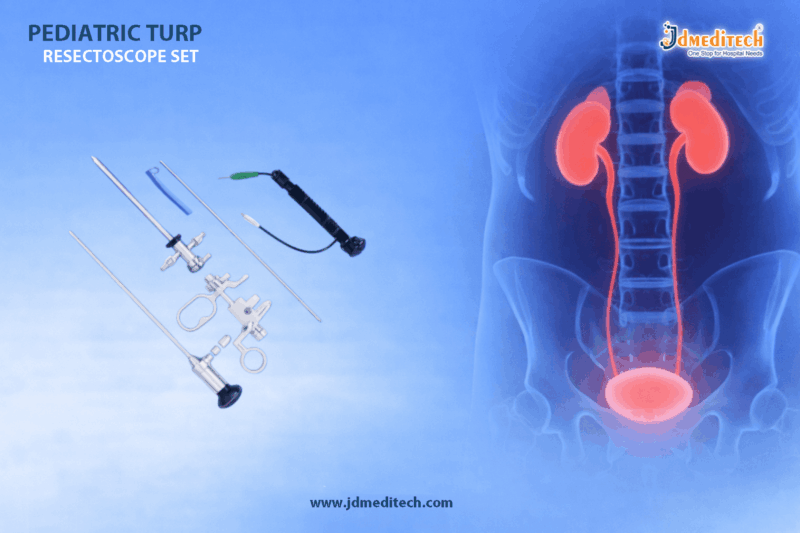
A TUR Set (Transurethral Resection Set) is an essential collection of surgical instruments used in urology for performing minimally invasive procedures such as Transurethral Resection of the Prostate (TURP) and bladder tumor resection. These procedures are widely preferred due to their precision, reduced recovery time, and minimal complications.

In modern urological practice, a high-quality TUR Set plays a critical role in ensuring efficiency, safety, and optimal surgical outcomes.

What is a TUR Set?

A TUR Set is a comprehensive kit that includes all the necessary instruments required to perform transurethral resections. It allows surgeons to access the urinary tract through the urethra without making external incisions.

As a result, the procedure becomes less invasive, reduces hospital stay, and improves patient comfort.

Components of a TUR Set

A standard TUR Set typically includes:

  • Resectoscope Sheath (Inner & Outer)
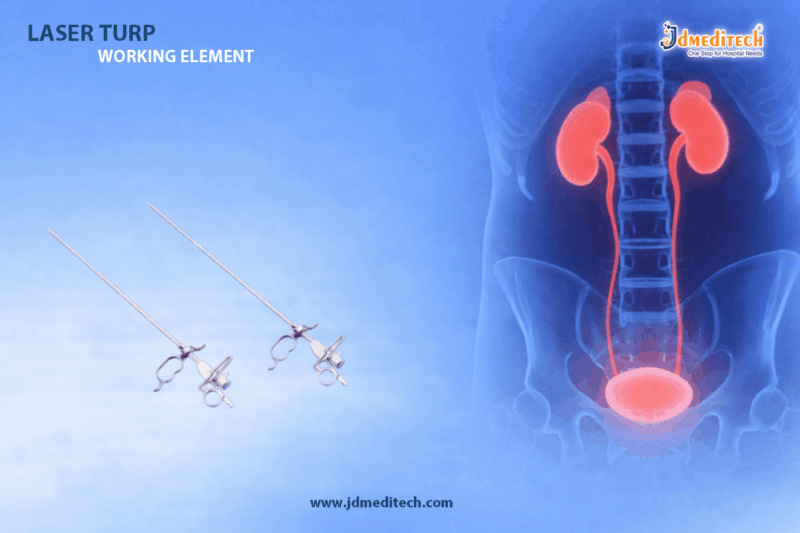
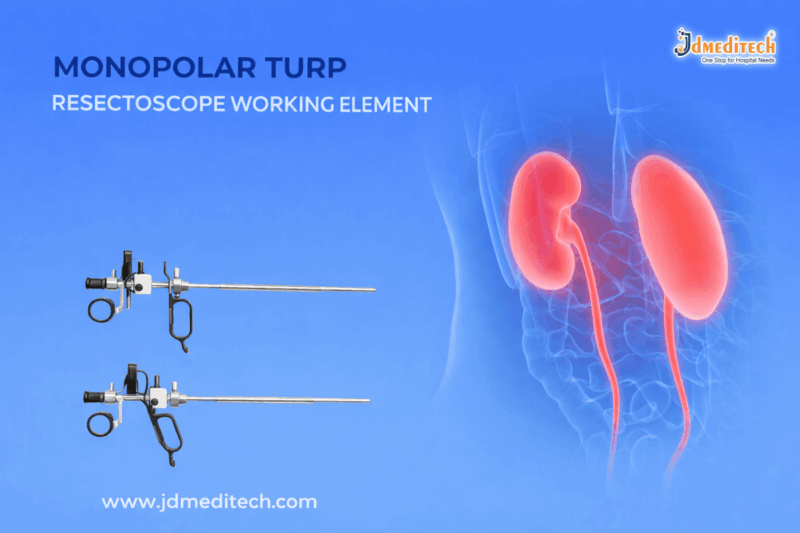
  • Working Element (Monopolar or Bipolar)
  • Electrodes/Loops (Cutting Loop, Roller Ball, Vaporization Electrode)
  • Optical Telescope (0°, 12°, or 30°)
  • Obturator
  • Irrigation Tubing System
  • Light Source Cable
  • Camera System (optional for advanced setups)

Each component is carefully designed to provide precision, durability, and ease of use during surgical procedures.

Key Features of a High-Quality TUR Set
1. Precision Engineering

The instruments are designed for accurate tissue resection, ensuring better surgical control.

2. High-Grade Materials

Most components are made from medical-grade stainless steel, ensuring durability and resistance to corrosion.

3. Compatibility

A good TUR Set is compatible with standard endoscopic systems, including cameras and light sources.

4. Ergonomic Design

The working element and handles are designed to reduce surgeon fatigue during long procedures.

5. Reusable & Sterilizable

These sets are easy to clean and sterilize, making them cost-effective for hospitals.

Applications of TUR Set

The TUR Set is widely used in various urological procedures, including:

  • Transurethral Resection of the Prostate (TURP)
  • Bladder Tumor Resection (TURBT)
  • Management of urethral strictures
  • Removal of abnormal tissue growths

Because of its versatility, it is a must-have instrument in any urology department.

Advantages of Using a TUR Set

Using a high-quality TUR Set offers several benefits:

  • Minimally invasive procedure
  • Reduced bleeding and complications
  • Faster recovery time
  • Shorter hospital stay
  • Improved surgical precision

Therefore, it has become the gold standard for many urological treatments.

Monopolar vs Bipolar TUR Set
Monopolar TUR Set
  • Requires non-conductive irrigation fluid (glycine)
  • Widely used and cost-effective
  • Suitable for standard procedures
Bipolar TUR Set
  • Uses saline as irrigation fluid
  • Lower risk of TUR syndrome
  • Better safety and control

Choosing between the two depends on the surgeon’s preference and clinical requirements.

How to Choose the Right TUR Set

When selecting a TUR Set, consider the following factors:

  • Quality and certification standards
  • Compatibility with existing equipment
  • Type (monopolar or bipolar)
  • Ease of sterilization
  • Manufacturer reliability

A trusted manufacturer ensures consistent performance and long-term reliability.

Why Choose JDMeditech TUR Set?

At JDMeditech, we specialize in manufacturing and exporting high-quality TUR Sets that meet international standards.

Our Advantages:
  • Premium-quality materials
  • Precision manufacturing
  • Global supply capability
  • Competitive pricing
  • Strict quality control
Conclusion

The TUR Set is a complete and indispensable solution for transurethral resection procedures. With its advanced design, precision, and versatility, it significantly improves surgical outcomes while ensuring patient safety.

As minimally invasive urology continues to evolve, investing in a high-quality TUR Set is essential for modern healthcare facilities.


Explore More Product >>

+91 79909 93062 | +91 63513 72032 | exports@jdmeditech.com