Wireless Endoscope Camera – Portable High-Resolution Imaging

In modern healthcare, precision and mobility are essential for accurate diagnosis and effective treatment. Therefore, the Wireless Endoscope Camera has emerged as a revolutionary solution in minimally invasive procedures. Unlike traditional wired systems, this advanced imaging device offers high-resolution visualization, seamless connectivity, and unmatched portability.

As a result, hospitals, clinics, and diagnostic centers are rapidly adopting wireless endoscopy systems to enhance workflow efficiency and patient outcomes.

What is a Wireless Endoscope Camera?

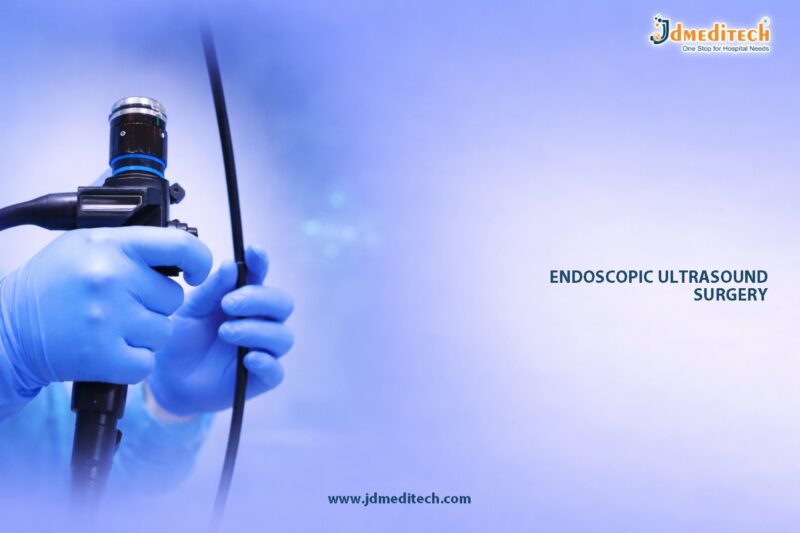
A Wireless Endoscope Camera is an advanced medical imaging device designed to capture and transmit real-time visuals during endoscopic procedures without the need for cumbersome cables. It connects wirelessly to monitors, tablets, or computers, providing clear and uninterrupted imaging.

Moreover, these systems are widely used in gastroenterology, urology, ENT, laparoscopy, and general surgery.

Key Features of Wireless Endoscope Camera
1. High-Resolution Imaging

First and foremost, wireless endoscope cameras deliver HD or Full HD image quality, ensuring accurate visualization of internal structures.

2. Wireless Connectivity

Additionally, the device uses Wi-Fi or Bluetooth technology for real-time image transmission, eliminating cable clutter.

3. Portable & Lightweight Design

Because of its compact size, it is easy to carry and ideal for point-of-care diagnostics and remote applications.

4. Long Battery Life

Furthermore, modern systems come with rechargeable batteries, allowing uninterrupted procedures.

5. Easy Integration

It seamlessly integrates with existing hospital systems, making it user-friendly for medical professionals.

Benefits of Wireless Endoscope Camera
Enhanced Mobility

Unlike traditional systems, doctors can move freely without cable restrictions. Consequently, this improves procedural efficiency.

Improved Workflow

Since there are fewer wires, setup time is reduced. Therefore, medical teams can focus more on patient care.

Better Infection Control

Wireless systems minimize physical contact points, thereby reducing contamination risks.

Remote Accessibility

In addition, images can be shared instantly for telemedicine and remote consultation, improving diagnostic accuracy.

Applications in Medical Field

Wireless endoscope cameras are versatile and used across multiple specialties:

  • Gastroenterology – GI tract examination
  • Urology – Bladder and urethral procedures
  • ENT– Ear, nose, and throat diagnosis
  • Laparoscopy – Minimally invasive surgeries
  • Veterinary Medicine – Animal diagnostics
Why Choose Wireless Endoscope Camera from JDMeditech?

At JDMeditech, we provide high-quality medical imaging solutions designed for precision and reliability.

Our Advantages:
  • Advanced high-resolution imaging technology
  • Durable and medical-grade components
  • Competitive pricing with global supply
  • Trusted by healthcare professionals worldwide
Technical Specifications (Typical)
  • Resolution: HD / Full HD
  • Connectivity: Wi-Fi / Bluetooth
  • Battery: Rechargeable Lithium-ion
  • Compatibility: Monitor / Laptop / Tablet
  • Design: Compact & Ergonomic
Future of Wireless Endoscopy

As technology evolves, wireless endoscopy is becoming more intelligent. For instance, integration with AI-based diagnostics and cloud storage is transforming patient care. Therefore, healthcare providers can expect faster, more accurate, and data-driven decisions.

Conclusion

In conclusion, the Wireless Endoscope Camera is a game-changing innovation in medical imaging. It offers portability, efficiency, and high-resolution visualization, making it an essential tool for modern healthcare facilities.

If you are looking for reliable and advanced endoscopy solutions, JDMeditech is your trusted partner.


Explore More Product >>

Get Connected:
+91 79909 93062 | +91 63513 72032 | exports@jdmeditech.com 


LED Light Source for Endoscopic Procedures | JDMeditech

In modern medical practice, visualization plays a critical role in accurate diagnosis and successful surgical outcomes. Therefore, a LED Light Source for Endoscopic Procedures has become an essential component in hospitals and diagnostic centers. It provides consistent, high-intensity illumination, which significantly enhances visibility during minimally invasive procedures.

Moreover, with advancements in medical technology, LED light sources are replacing traditional halogen and xenon systems due to their efficiency, durability, and superior performance.

What is an LED Light Source?

An LED Light Source is a medical illumination device designed to deliver bright, white light through fiber optic cables to endoscopic instruments. As a result, surgeons and physicians can clearly visualize internal organs and tissues.

Unlike conventional light systems, LED technology ensures:

  • Stable light intensity
  • Minimal heat generation
  • Long operational life

Thus, it is widely used in laparoscopy, urology, gastroenterology, and ENT procedures.

Why LED Light Source is Important in Endoscopy

During endoscopic procedures, proper illumination is crucial. Without sufficient lighting, visualization becomes difficult, which may lead to diagnostic errors.

Key reasons include:
  • Enhanced Visibility : Provides clear and detailed images
  • Accurate Diagnosis : Helps detect abnormalities effectively
  • Improved Surgical Precision : Supports minimally invasive techniques
  • Reduced Eye Strain : Ensures comfortable viewing for surgeons

Additionally, consistent lighting ensures uninterrupted procedures, which is critical in operation theaters.

Key Features of LED Light Source
1. High-Intensity Illumination

LED light sources deliver powerful brightness comparable to xenon lamps. Consequently, they provide excellent clarity even in deep cavities.

2. Long Lifespan

Unlike traditional bulbs, LED systems last up to 20,000–50,000 hours. Therefore, maintenance costs are significantly reduced.

3. Energy Efficient

LED technology consumes less power while delivering high output. As a result, hospitals can reduce energy expenses.

4. Low Heat Emission

Excess heat can damage tissues and equipment. However, LED light sources generate minimal heat, ensuring safety during procedures.

5. Compact & Portable Design

Modern LED units are lightweight and easy to integrate into existing endoscopy systems.

Applications of LED Light Source in Medical Field

The LED Light Source for Endoscopic Procedures is widely used across multiple specialties:

  • Urology : Cystoscopy, TURP procedures
  • Gastroenterology : Endoscopy, colonoscopy
  • Gynecology : Laparoscopic surgeries
  • ENT : Sinus and throat examinations
  • General Surgery : Minimally invasive procedures

Furthermore, its versatility makes it a standard component in advanced operation theaters.

LED vs Xenon Light Source – A Quick Comparison
Feature LED Light Source Xenon Light Source
Lifespan Very long Short
Heat Generation Low High
Maintenance Minimal Frequent
Energy Consumption Low High
Cost Efficiency High Moderate

Clearly, LED technology offers long-term benefits and reliability.

Benefits of Choosing LED Light Source

Choosing the right light source directly impacts performance. Therefore, LED systems provide several advantages:

  • Cost-effective in the long run
  • Eco-friendly and energy-saving
  • Consistent light output
  • Reduced downtime
  • Better patient safety

In addition, hospitals can improve workflow efficiency with reliable lighting systems.

Why Choose JDMeditech LED Light Source?

At JDMeditech, we focus on delivering high-quality medical equipment designed for precision and reliability.

Our advantages:
  • Premium-grade components
  • Advanced LED technology
  • Durable and robust design
  • Competitive pricing
  • Global supply capability

Therefore, our LED Light Source ensures optimal performance for modern healthcare facilities.

Maintenance Tips for LED Light Source

To maximize performance and lifespan, follow these simple steps:

  • Regularly clean fiber optic cables
  • Avoid bending cables sharply
  • Ensure proper ventilation
  • Perform routine system checks

As a result, your device will maintain consistent performance over time.

Conclusion

In conclusion, the LED Light Source – Bright & Reliable Illumination for Endoscopic Procedures is a vital tool in modern medicine. Not only does it enhance visualization, but it also improves surgical outcomes and operational efficiency.

Therefore, upgrading to LED technology is a smart investment for any healthcare facility aiming for precision and reliability.


Explore More Product >>

Get Connected:
+91 79909 93062 | +91 63513 72032 | exports@jdmeditech.com 

Camera Coupler – High-Precision Imaging for Endoscopic Procedures

A Camera Coupler plays a crucial role in modern endoscopic imaging systems. It acts as a bridge between the endoscope and the camera, ensuring that high-quality visuals are transmitted accurately. As surgical procedures demand greater precision, the importance of a reliable camera coupler for endoscopy continues to grow.

Moreover, advanced camera couplers improve image clarity, reduce distortion, and enhance overall surgical outcomes. Therefore, healthcare professionals rely on high-performance couplers to achieve consistent and precise imaging during procedures.

What is a Camera Coupler?

A camera coupler is an optical device that connects an endoscope to a medical camera. It ensures that the image captured through the endoscope is transferred efficiently to the camera system.

In addition, the coupler helps maintain image focus, brightness, and alignment. Without a proper coupler, even the best endoscopic camera system may fail to deliver accurate visuals.

Key Features of Camera Coupler
1. High-Precision Optics

Camera couplers are designed with advanced optical components. As a result, they deliver sharp and distortion-free images.

2. Adjustable Focus Mechanism

Most couplers come with a focus adjustment feature. Therefore, surgeons can easily fine-tune the image during procedures.

3. Universal Compatibility

Modern camera couplers for endoscopy are compatible with various endoscopes and camera systems. This flexibility makes them highly versatile in clinical settings.

4. Durable Construction

Typically made from medical-grade materials, these devices ensure long-lasting performance even with frequent use.

5. Lightweight & Ergonomic Design

A compact and lightweight design allows easy handling and quick setup in operation theaters.

Importance of Camera Coupler in Endoscopic Procedures
Enhanced Image Quality

A high-quality camera coupler ensures that images remain sharp and clear. Consequently, surgeons can perform procedures with greater confidence.

Improved Diagnostic Accuracy

Clear visualization helps in accurate diagnosis. In addition, it reduces the chances of errors during procedures.

Seamless Integration

Camera couplers allow smooth integration between different imaging components. Therefore, they support efficient workflow in hospitals.

Better Surgical Outcomes

When imaging is precise, procedures become safer and more effective. Thus, patient outcomes improve significantly.

Applications of Camera Coupler

Camera couplers are widely used across multiple medical specialties:

  • Urology – For cystoscopy and ureteroscopy procedures
  • Gastroenterology – For endoscopy and colonoscopy imaging
  • ENT (Otolaryngology) – For sinus and throat examinations
  • Gynecology – For hysteroscopy procedures
  • General Surgery – For minimally invasive surgeries
Types of Camera Couplers
Fixed Focus Camera Coupler

These couplers offer a preset focus, making them simple and easy to use.

Zoom Camera Coupler

Zoom couplers allow adjustable magnification. Therefore, they provide more flexibility during procedures.

C-Mount Camera Coupler

C-Mount couplers are widely used due to their compatibility with various camera systems.

How to Choose the Right Camera Coupler

Choosing the right camera coupler for endoscopy depends on several factors:

  • Compatibility with your endoscope and camera
  • Required image quality and resolution
  • Availability of focus or zoom features
  • Build quality and durability
  • Ease of sterilization and maintenance

In addition, selecting a trusted manufacturer ensures consistent performance and reliability.

Maintenance and Care Tips

Proper maintenance extends the lifespan of the camera coupler:

  • Clean lenses with approved medical-grade solutions
  • Avoid scratches on optical surfaces
  • Store in a protective case when not in use
  • Regularly inspect for alignment issues
Why Choose JDMeditech Camera Couplers?

At JDMeditech, we provide high-quality camera couplers for endoscopy designed for precision and reliability.

  • Advanced optical technology for clear imaging
  • Durable and medical-grade construction
  • Compatibility with leading endoscopy systems
  • Designed for consistent performance in surgical environments
Conclusion

A Camera Coupler is an essential component in endoscopic imaging systems. It ensures accurate image transmission, enhances clarity, and supports precise surgical procedures.

As medical technology continues to evolve, investing in a high-quality camera coupler for endoscopy is vital for achieving better diagnostics and improved patient outcomes.

Explore More Product >>

Get Connected:
+91 79909 93062 | +91 63513 72032 | exports@jdmeditech.com


Endoscopy Video Recorder – HD Surgical Recording System

In modern healthcare, accurate surgical documentation is essential for diagnosis, training, and legal purposes. Therefore, the Endoscopy Video Recorder plays a vital role in capturing high-quality procedure videos. It allows surgeons and medical professionals to record, store, and review endoscopic procedures with clarity and precision.

Moreover, as hospitals increasingly adopt digital solutions, having a reliable recording system has become a necessity rather than a luxury. This is exactly where an advanced Endoscopy Video Recorder becomes indispensable.

What is an Endoscopy Video Recorder?

An Endoscopy Video Recorder is a medical device designed to capture and store video output from endoscopic camera systems. It records procedures such as gastroscopy, colonoscopy, cystoscopy, and laparoscopy in real time.

In addition, these systems support high-definition (HD) or even 4K recording, ensuring every detail is preserved. As a result, doctors can analyze procedures more effectively and maintain accurate patient records.

Key Features of Endoscopy Video Recorder
1. High-Definition Video Recording

First and foremost, modern Endoscopy Video Recorders provide HD or 4K video quality. Consequently, this ensures crystal-clear visualization of internal organs and tissues.

2. Real-Time Recording & Playback

Furthermore, the system enables real-time recording along with instant playback. This helps surgeons review procedures immediately when needed.

3. Multiple Storage Options

Most devices support USB drives, SSDs, or network storage. Therefore, managing and accessing recorded data becomes simple and efficient.

4. User-Friendly Interface

In addition, intuitive controls and easy navigation allow medical staff to operate the system without extensive training.

5. Compatibility with Endoscopy Systems

A good Endoscopy Video Recorder integrates seamlessly with various endoscopic camera systems, making it versatile for multiple specialties.

6. Image Capture Capability

Besides video recording, users can capture still images during procedures, which is useful for reports and documentation.

Applications of Endoscopy Video Recorder

The Endoscopy Video Recorder is widely used across multiple medical departments:

  • Gastroenterology – Recording colonoscopy and endoscopy procedures
  • Urology – Documenting cystoscopy and ureteroscopy
  • Gynecology – Capturing hysteroscopy procedures
  • ENT (Otolaryngology) – Recording sinus and throat examinations
  • General Surgery – Documenting laparoscopic procedures

Thus, it serves as a universal recording solution across various specialties.

Benefits of Using an Endoscopy Video Recorder
Enhanced Surgical Documentation

Accurate recording ensures that every procedure is documented properly for future reference.

Improved Training & Education

Medical students and professionals can review recorded procedures for learning and skill development.

Better Patient Communication

Doctors can explain procedures more effectively by showing recorded visuals to patients.

Legal & Compliance Support

Recorded data provides strong documentation for medico-legal cases and hospital compliance.

Efficient Data Management

With digital storage, hospitals can easily archive and retrieve patient records when required.

Why Choose JDMeditech Endoscopy Video Recorder?

At JDMeditech, we provide high-quality Endoscopy Video Recorders designed for reliability and performance.

Our Advantages:
  • Advanced HD recording technology
  • Durable and medical-grade components
  • Easy integration with existing systems
  • Competitive pricing with global supply
  • Trusted by hospitals and surgeons worldwide
Technical Specifications (Typical)
  • Video Resolution: HD / Full HD / 4K
  • Storage: USB / SSD / Network
  • Output Formats: HDMI / DVI
  • Recording Format: MP4 / AVI
  • Power Supply: Medical-grade compatible
Future of Surgical Recording Systems

As technology evolves, Endoscopy Video Recorders are becoming smarter and more efficient. For instance, integration with AI and cloud storage is improving data accessibility and analysis.

Additionally, hospitals are moving toward fully digital operation theaters, where recording systems play a central role. Therefore, investing in a modern Endoscopy Video Recorder ensures long-term efficiency and compliance.

Conclusion

In conclusion, the Endoscopy Video Recorder is an essential tool for modern surgical documentation. It not only improves accuracy and efficiency but also enhances training, patient care, and compliance.

Whether you run a hospital, clinic, or diagnostic center, choosing a reliable recording solution is crucial. With JDMeditech, you get a trusted partner delivering high-performance medical equipment tailored to your needs.


Explore More Product >>

Get Connected:
+91 79909 93062 | +91 63513 72032 | exports@jdmeditech.com
 

USB Camera System for Endoscopic Imaging – Compact & Clear Solution

In modern healthcare, clear visualization plays a critical role in accurate diagnosis and successful surgical procedures. Therefore, a USB Camera System for endoscopic imaging has become an essential tool for hospitals and clinics.

Unlike traditional bulky systems, this advanced camera solution offers compact design, easy connectivity, and high-quality imaging. As a result, it enhances workflow efficiency while maintaining precision in minimally invasive procedures.

What is a USB Camera System for Endoscopic Imaging?

A USB Camera System for endoscopic imaging is a digital imaging device designed to capture and display high-resolution images during endoscopic procedures. It connects directly to a computer or laptop via a USB interface, making it user-friendly and highly portable.

Moreover, this system eliminates the need for complex setups. Because of this, it is widely used in urology, gastroenterology, ENT, and laparoscopy.

Key Features of USB Camera Systems
1. Compact & Portable Design

First of all, the system is lightweight and compact. Therefore, it is easy to carry and install in any medical setting.

2. High-Resolution Imaging

In addition, it delivers crystal-clear images, which help doctors perform accurate diagnosis and procedures.

3. Plug-and-Play Connectivity

Unlike traditional systems, it connects directly via USB. As a result, it does not require complex installation or additional hardware.

4. Cost-Effective Solution

Furthermore, the USB Camera System for endoscopic imaging is more affordable compared to conventional camera systems, making it ideal for small clinics.

5. Real-Time Image Display

Because of advanced technology, it provides real-time visualization. Thus, surgeons can make immediate and precise decisions.

Applications in Medical Field

The USB Camera System for endoscopic imaging is widely used across multiple specialties. For example:

  • Urology : Cystoscopy and ureteroscopy procedures
  • Gastroenterology : Endoscopy and colonoscopy imaging
  • ENT : Ear, nose, and throat examinations
  • Gynecology : Minimally invasive diagnostic procedures

Therefore, its versatility makes it a valuable addition to any healthcare facility.

Advantages Over Traditional Camera Systems

Although traditional camera systems are effective, USB-based systems offer several advantages:

  • Easy setup and operation
  • Reduced equipment cost
  • Minimal maintenance requirements
  • Improved portability
  • Quick integration with digital systems

Consequently, healthcare providers prefer USB camera systems for their efficiency and convenience.

How to Choose the Right USB Camera System

When selecting a USB Camera System for endoscopic imaging, consider the following factors:

  • Resolution quality (HD or Full HD)
  • Compatibility with endoscopes
  • Ease of software integration
  • Durability and build quality
  • After-sales support and warranty

By evaluating these aspects, you can ensure optimal performance and long-term reliability.

Why Choose JDMeditech USB Camera Systems?

At JDMeditech, we provide advanced medical imaging solutions designed for precision and reliability.

  • High-quality medical-grade camera systems
  • Competitive pricing for global markets
  • Reliable performance and durability
  • Trusted by healthcare professionals
Future of Endoscopic Imaging

As technology continues to evolve, USB Camera Systems for endoscopic imaging are becoming more advanced. For instance, integration with AI, digital recording, and cloud storage is improving diagnostic capabilities.

Therefore, investing in modern imaging systems ensures better patient outcomes and efficient workflows.

Conclusion

In conclusion, the USB Camera System for endoscopic imaging is a compact, efficient, and cost-effective solution for modern medical practices. Not only does it provide high-quality visualization, but it also simplifies setup and operation.

Because of these advantages, it has become an essential tool for healthcare professionals seeking precision and convenience.


Explore More Product >>

Get Connected:
+91 79909 93062 | +91 63513 72032 | exports@jdmeditech.com
 

Full HD Endoscopy Camera System for Precision Surgery | HD Medical Imaging

In modern minimally invasive surgery, visualization plays a critical role in achieving successful outcomes. The Full HD Endoscopy Camera System has become an essential component in operating rooms, offering surgeons crystal-clear imaging and enhanced precision.

Because surgical procedures require accuracy at every step, high-definition imaging ensures better diagnosis, improved control, and safer patient outcomes. As a result, hospitals and surgical centers increasingly rely on advanced endoscopy camera systems.

What is a Full HD Endoscopy Camera System?

A Full HD Endoscopy Camera System is a medical imaging device used to capture and display high-resolution images during endoscopic procedures. It converts optical images from the endoscope into digital signals and displays them on a monitor in 1080p resolution.

Typically, the system includes:

  • HD camera head
  • Camera control unit (CCU)
  • High-resolution monitor
  • Light source
  • Recording system

Together, these components deliver real-time, detailed visualization of internal organs.

Key Features of Full HD Endoscopy Camera System
1. Crystal-Clear Full HD Resolution

The system provides 1080p high-definition imaging, allowing surgeons to see even the smallest anatomical structures clearly.

2. Advanced Color Reproduction

Accurate color balance helps differentiate tissues, blood vessels, and abnormalities, improving surgical precision.

3. High Frame Rate Imaging

Smooth and lag-free video ensures seamless operation during complex procedures.

4. Ergonomic and Lightweight Camera Head

Designed for ease of handling, reducing fatigue during long surgeries.

5. Digital Image Processing

Enhances sharpness, contrast, and brightness for superior visualization.

6. Compatibility with Multiple Endoscopes

The system supports rigid and flexible endoscopes across various specialties.

Applications in Medical Procedures

The Full HD Endoscopy Camera System is widely used across multiple specialties, including:

Urology
  • TURP procedures
  • Cystoscopy
  • Ureteroscopy
Gastroenterology
  • Endoscopy
  • Colonoscopy
  • ERCP procedures
Gynecology
  • Laparoscopy
  • Hysteroscopy
General Surgery
  • Minimally invasive surgeries
  • Diagnostic procedures

Because of its versatility, this system is a must-have in modern operating theaters.

Benefits of Using Full HD Endoscopy Camera System
1. Enhanced Surgical Precision

Clear visualization allows surgeons to perform procedures with higher accuracy.

2. Improved Patient Safety

Better imaging reduces the risk of complications and surgical errors.

3. Faster Procedures

Efficient visualization leads to quicker decision-making during surgery.

4. Better Training & Documentation

Recorded HD videos help in medical training and case review.

5. Reduced Eye Strain for Surgeons

High-quality imaging minimizes visual fatigue during long procedures.

Why Choose Full HD Over Standard Imaging?

While standard-definition systems provide basic imaging, Full HD Endoscopy Camera Systems offer:

  • Higher resolution
  • Better depth perception
  • Improved tissue differentiation
  • Superior surgical outcomes

Therefore, upgrading to Full HD is not just an improvement—it’s a necessity for modern healthcare facilities.

Latest Advancements in Endoscopy Camera Technology

Modern systems now include:

  • 3-chip CMOS sensors for superior image quality
  • LED light integration for consistent illumination
  • 4K upgrade compatibility
  • USB & HDMI recording options
  • Wireless data transfer features

These innovations continue to enhance surgical efficiency and patient care.

Maintenance & Care Tips

To ensure optimal performance:

  • Clean the camera head after every procedure
  • Use proper sterilization protocols
  • Avoid cable damage or bending
  • Regularly calibrate the system
  • Store in a dust-free environment

Proper maintenance increases lifespan and ensures consistent image quality.

Choosing the Right Endoscopy Camera System

When selecting a Full HD Endoscopy Camera System, consider:

  • Resolution quality (1080p minimum)
  • Compatibility with existing equipment
  • Ease of use
  • Service and support availability
  • Warranty and durability

Making the right choice ensures long-term value and performance.

Why Choose JDMeditech?

At JDMeditech, we provide advanced Full HD Endoscopy Camera Systems designed for precision, durability, and superior performance.

Our Advantages:
  • High-quality medical-grade technology
  • Reliable and cost-effective solutions
  • Global supply and export capabilities
  • Trusted by healthcare professionals
Conclusion

The Full HD Endoscopy Camera System has revolutionized minimally invasive surgery by delivering crystal-clear visualization and unmatched precision. As healthcare continues to evolve, adopting advanced imaging technology is essential for improving patient outcomes and surgical efficiency.

Therefore, investing in a high-quality endoscopy camera system is a strategic step toward modern, safe, and effective surgical care.


Explore More Product >>

Get Connected:
+91 79909 93062 | +91 63513 72032 | exports@jdmeditech.com


Bladder Scanner – Safe & Efficient Urological Diagnostic Tool

A Bladder Scanner is a non-invasive ultrasound device used to measure bladder volume and assess urinary retention. Today, healthcare professionals widely rely on this advanced tool because it provides accurate, quick, and safe diagnostics without the need for catheterization.

Moreover, with the growing demand for patient-friendly diagnostic solutions, the Bladder Scanner has become an essential instrument in hospitals, clinics, and urology centers. It not only improves workflow efficiency but also enhances patient comfort significantly.

What is a Bladder Scanner?

A Bladder Scanner is a portable ultrasound device that uses sound waves to estimate the amount of urine in the bladder. Unlike traditional methods, it does not require any invasive procedures.

Therefore, it reduces the risk of infections while delivering precise results within seconds.

How Does a Bladder Scanner Work?

The working principle of a Bladder Scanner is based on ultrasound imaging.

  • First, a probe is placed on the patient’s lower abdomen
  • Then, ultrasound waves are transmitted into the body
  • After that, the device calculates bladder volume using reflected signals
  • Finally, results are displayed instantly on the screen

As a result, healthcare providers can make quick and informed decisions.

Key Features of Bladder Scanner

A modern Bladder Scanner offers several advanced features:

  • Non-invasive and painless procedure
  • Portable and easy-to-use design
  • High accuracy in bladder volume measurement
  • Real-time imaging and results
  • Minimal training required for operation
  • Reduced risk of urinary tract infections (UTIs)

Additionally, many models come with touchscreen interfaces and automated measurement systems, which further simplify usage.

Applications of Bladder Scanner in Healthcare

The Bladder Scanner plays a crucial role across multiple medical settings:

1. Urology Departments

It helps diagnose urinary retention, bladder dysfunction, and post-void residual volume.

2. Emergency Care

Doctors use it to quickly evaluate bladder conditions in critical patients.

3. Post-Surgical Monitoring

After surgery, it ensures proper bladder emptying and prevents complications.

4. Geriatric Care

Elderly patients benefit greatly due to reduced need for catheterization.

5. Intensive Care Units (ICU)

Continuous monitoring of urine volume improves patient management.

Benefits of Using a Bladder Scanner

Using a Bladder Scanner offers multiple advantages:

  • Enhances patient comfort by eliminating invasive procedures
  • Reduces infection risks associated with catheter use
  • Saves time with instant results
  • Improves diagnostic accuracy
  • Cost-effective in long-term use

Furthermore, it supports better clinical decision-making, which leads to improved patient outcomes.

Bladder Scanner vs Traditional Catheterization
Feature Bladder Scanner Catheterization
Procedure Type Non-invasive Invasive
Infection Risk Very Low High
Patient Comfort High Low
Time Required Quick Time-consuming
Accuracy High Moderate

Clearly, the Bladder Scanner is a safer and more efficient alternative.

Why Choose JDMeditech for Bladder Scanner?

At JDMeditech, we provide high-quality medical devices designed for precision and reliability.

  • Premium quality and durable products
  • Advanced technology for accurate diagnostics
  • Competitive pricing
  • Trusted by healthcare professionals
  • Global supply capabilities

Additionally, our solutions are designed to meet international standards, ensuring safety and performance.

Future of Bladder Scanner Technology

The future of Bladder Scanner technology looks promising. With continuous innovation, devices are becoming more compact, accurate, and AI-enabled.

For instance, upcoming scanners may include:

  • AI-based volume analysis
  • Cloud data integration
  • Enhanced imaging capabilities

Therefore, healthcare providers can expect even better efficiency and diagnostic accuracy.

Conclusion

The Bladder Scanner is a revolutionary tool in modern urological diagnostics. Because it is non-invasive, accurate, and easy to use, it has replaced traditional methods in many clinical settings.

In conclusion, investing in a Bladder Scanner not only improves patient care but also enhances operational efficiency for healthcare providers.


Explore More Product >>

Get Connected:
+91 79909 93062 | +91 63513 72032 | exports@jdmeditech.com

Uroflowmetry System for Urinary Flow Analysis

A Uroflowmetry System is an essential diagnostic device used to measure the flow rate of urine. It plays a critical role in evaluating lower urinary tract function. In modern urology, accurate urinary flow analysis helps detect conditions such as bladder outlet obstruction, prostate enlargement, and urinary retention.

Moreover, the Uroflowmetry System is non-invasive, quick, and highly effective. Therefore, it has become a standard tool in urology clinics and hospitals worldwide.

What is a Uroflowmetry System?

A Uroflowmetry System is a medical device designed to record the speed and volume of urine flow over time. Typically, the patient urinates into a specialized funnel connected to the system. Then, the device measures key parameters and generates a detailed flow curve.

In addition, the system provides precise data that helps urologists diagnose urinary disorders with confidence.

Key Components of Uroflowmetry System

A modern Uroflowmetry System includes the following components:

  • Collection Funnel – Designed for hygienic urine collection
  • Flow Sensor – Measures urine flow rate accurately
  • Electronic Control Unit – Processes and records data
  • Display & Printer – Shows real-time results and prints reports
  • Software Integration – Enables data storage and analysis

Furthermore, advanced systems come with digital connectivity for seamless hospital integration.

How Does a Uroflowmetry System Work?

The working principle of a Uroflowmetry System is simple yet highly effective:

  1. The patient urinates into the device.
  2. The system records urine flow continuously.
  3. It calculates parameters such as flow rate and voided volume.
  4. Finally, it generates a graphical flow curve for analysis.

As a result, doctors can quickly identify abnormalities in urinary flow patterns.

Important Parameters Measured

A Uroflowmetry System provides several critical measurements:

  • Maximum Flow Rate (Qmax) – Indicates peak urine flow
  • Average Flow Rate (Qavg) – Shows overall flow efficiency
  • Voided Volume – Total urine passed
  • Flow Time – Duration of urination
  • Flow Curve Pattern – Helps detect obstructions or weak bladder

Therefore, these parameters are essential for accurate diagnosis and treatment planning.

Clinical Applications of Uroflowmetry System

The Uroflowmetry System is widely used in various medical conditions:

  • Benign Prostatic Hyperplasia (BPH)
  • Urethral Stricture
  • Bladder Dysfunction
  • Neurogenic Bladder Disorders
  • Urinary Incontinence Evaluation

Additionally, it is used for pre-operative and post-operative assessments, ensuring better patient outcomes.

Advantages of Uroflowmetry System

There are several benefits of using a Uroflowmetry System:

  • Non-invasive and painless procedure
  • Quick and easy to perform
  • Provides accurate and reliable results
  • Enhances early diagnosis of urological disorders
  • Improves treatment monitoring

Thus, it is a highly preferred diagnostic tool in modern urology.

Why Choose JDMeditech Uroflowmetry System?

At JDMeditech, we offer advanced Uroflowmetry Systems designed for precision and reliability.

  • High-accuracy flow sensors
  • User-friendly interface
  • Durable and compact design
  • Advanced data analysis software
  • Suitable for hospitals and clinics

Furthermore, our systems meet international quality standards, ensuring consistent performance.

Future Trends in Uroflowmetry Technology

The future of Uroflowmetry Systems is evolving rapidly. For instance:

  • Integration with electronic medical records (EMR)
  • Wireless and portable devices
  • AI-based diagnostic support
  • Remote patient monitoring

Consequently, these innovations will enhance diagnostic accuracy and patient convenience.

Conclusion

The Uroflowmetry System is a vital diagnostic tool for evaluating urinary flow and detecting urological disorders. Because it is non-invasive, accurate, and efficient, it has become indispensable in modern healthcare.

If you are looking for reliable and advanced diagnostic solutions, JDMeditech Uroflowmetry Systems are the perfect choice for your medical facility.


Explore More Product >>

Get Connected:
+91 79909 93062 | +91 63513 72032 | exports@jdmeditech.com
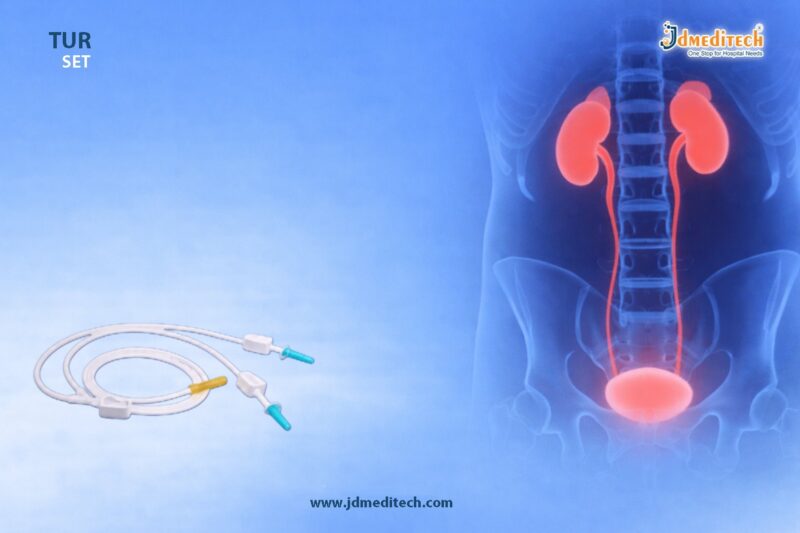
 

Urodynamic System – Advanced Diagnostics for Bladder Function

A Urodynamic System is a highly advanced diagnostic solution used to evaluate the function of the bladder and urethra. It plays a crucial role in identifying urinary disorders such as incontinence, overactive bladder, urinary retention, and neurogenic bladder conditions.

In modern urology, accurate diagnosis is essential. Therefore, healthcare professionals rely on a Urodynamic System to measure pressure, flow, and bladder activity in real time. As a result, clinicians can make precise treatment decisions and improve patient outcomes.

What is a Urodynamic System?

A Urodynamic System is a specialized medical device designed to assess how well the bladder, sphincters, and urethra store and release urine. It combines advanced sensors, catheters, and software to provide detailed functional analysis.

Moreover, this system helps doctors understand the root cause of urinary symptoms rather than relying only on patient history.

Key Components of a Urodynamic System

A modern Urodynamic System consists of several essential components. Each part contributes to accurate and reliable diagnosis:

  • Pressure Transducers – Measure bladder and abdominal pressure
  • Flow Meters – Record urine flow rate
  • Catheters & Sensors – Capture internal bladder data
  • Electromyography (EMG) – Evaluate muscle activity
  • Data Acquisition System – Processes and stores results
  • Analysis Software – Generates detailed reports

In addition, advanced systems offer digital interfaces and real-time monitoring, which significantly enhance diagnostic efficiency.

Types of Urodynamic Tests

A Urodynamic System supports multiple diagnostic tests. These tests help evaluate different aspects of urinary function:

1. Uroflowmetry

This test measures the speed and volume of urine flow. It is simple yet highly effective for detecting obstruction or weak bladder function.

2. Cystometry

Cystometry evaluates bladder capacity and pressure during filling. Consequently, it helps diagnose overactive bladder and reduced compliance.

3. Pressure Flow Study

This test analyzes bladder pressure during urination. Therefore, it is essential for diagnosing bladder outlet obstruction.

4. Electromyography (EMG)

EMG measures muscle activity around the bladder and urethra. As a result, it identifies nerve-related dysfunctions.

5. Video Urodynamics

This advanced test combines imaging with pressure measurements. Hence, it provides a comprehensive view of bladder behavior.

Applications of Urodynamic System

A Urodynamic System is widely used in various clinical settings. It is especially valuable in:

  • Diagnosing urinary incontinence
  • Evaluating overactive bladder (OAB)
  • Assessing neurogenic bladder disorders
  • Investigating urinary retention
  • Pre-surgical evaluation for urological procedures

Furthermore, it is frequently used in hospitals, urology clinics, and specialized diagnostic centers.

Advantages of Using a Urodynamic System

Using a Urodynamic System offers several important benefits:

  • Accurate Diagnosis – Provides objective data for precise evaluation
  • Improved Treatment Planning – Helps select the most effective therapy
  • Minimally Invasive Testing – Ensures patient comfort
  • Real-Time Monitoring – Enables immediate clinical decisions
  • Comprehensive Analysis – Combines multiple tests in one system

Therefore, clinicians can significantly enhance patient care and treatment outcomes.

How a Urodynamic Test is Performed

A Urodynamic System follows a structured testing procedure:

  1. First, the patient is prepared and positioned comfortably
  2. Then, catheters are inserted into the bladder and rectum
  3. Next, the bladder is filled with sterile fluid
  4. Meanwhile, pressure and flow data are recorded
  5. Finally, results are analyzed using specialized software

Although the procedure may sound complex, it is safe, quick, and well-tolerated by most patients.

Latest Innovations in Urodynamic Systems

Modern Urodynamic Systems are equipped with advanced features. For example:

  • Wireless and portable systems
  • High-resolution pressure sensors
  • AI-based diagnostic analysis
  • User-friendly touchscreen interfaces
  • Integrated reporting and data storage

As technology continues to evolve, these systems are becoming more efficient and easier to use.

Why Choose JDMeditech for Urodynamic Systems?

At JDMeditech, we provide high-quality Urodynamic Systems designed for precision and reliability.

Our Key Benefits:
  • Advanced diagnostic technology
  • High-accuracy sensors and components
  • User-friendly software interface
  • Durable and reliable systems
  • Global supply and support

Additionally, our systems are trusted by healthcare professionals for consistent performance and superior results.

Conclusion

A Urodynamic System is an essential tool for diagnosing bladder and urinary disorders. Not only does it provide detailed insights into urinary function, but it also helps clinicians deliver targeted and effective treatments.

Therefore, investing in a high-quality Urodynamic System is crucial for modern urology practices aiming to improve patient outcomes and diagnostic accuracy.


Explore More Product >>

Get Connected:
+91 79909 93062 | +91 63513 72032 | exports@jdmeditech.com
 

C-Arm Machine – Advanced Imaging for Surgery & Diagnostics

In modern healthcare, precision and real-time imaging are essential for successful surgical and diagnostic procedures. The C-Arm Machine – Advanced Imaging for Surgery & Diagnostics has become a vital tool in hospitals, operation theaters, and diagnostic centers. It provides high-quality fluoroscopic imaging, allowing surgeons and physicians to perform procedures with greater accuracy and safety.

Moreover, as medical technology continues to evolve, C-Arm machines are now more advanced, portable, and efficient than ever before. Therefore, they play a critical role in improving patient outcomes across multiple specialties.

What is a C-Arm Machine?

A C-Arm Machine is a medical imaging device used primarily for fluoroscopic imaging during surgical, orthopedic, and interventional procedures. It gets its name from the C-shaped arm that connects the X-ray source and detector.

Because of its flexible design, the machine can be positioned easily around the patient. As a result, it provides real-time imaging without the need to move the patient frequently.

Key Components of a C-Arm Machine

Understanding the structure of a C-Arm helps in recognizing its efficiency:

  • X-ray Generator : Produces X-rays for imaging
  • Image Intensifier/Flat Panel Detector : Converts X-rays into visible images
  • C-shaped Arm : Allows flexible positioning
  • Control Console : Enables image adjustment and processing
  • Monitor Display : Shows real-time images

Additionally, modern systems include digital imaging software for enhanced clarity and storage.

How Does a C-Arm Machine Work?

The working principle of a C-Arm Machine – Advanced Imaging for Surgery & Diagnostics is based on fluoroscopy. First, the X-ray source emits radiation through the patient’s body. Then, the detector captures the transmitted rays and converts them into images.

Consequently, surgeons can view real-time internal structures such as bones, joints, and soft tissues. This immediate feedback significantly improves procedural accuracy and reduces complications.

Types of C-Arm Machines
1. Mobile C-Arm Machine

Mobile C-Arms are compact and portable. Therefore, they are ideal for operation theaters and emergency settings.

2. Fixed C-Arm Machine

Fixed systems are installed permanently in cath labs or radiology departments. They offer higher imaging power and stability.

3. Mini C-Arm Machine

Mini C-Arms are designed for extremities such as hands and feet. As a result, they are widely used in orthopedic clinics.

Applications of C-Arm Machines

The C-Arm Machine – Advanced Imaging for Surgery & Diagnostics is used across various medical fields:

  • Orthopedic Surgery : Fracture fixation and implant placement
  • Cardiology : Angiography and cardiac interventions
  • Urology : Stone removal and stent placement
  • Pain Management : Guided injections and nerve blocks
  • Gastroenterology : ERCP and interventional procedures

Furthermore, its versatility makes it indispensable in minimally invasive surgeries.

Advantages of C-Arm Machines

There are several reasons why C-Arm machines are widely preferred:

  • Real-time imaging guidance improves surgical precision
  • Minimally invasive procedures reduce recovery time
  • High-resolution images enhance diagnostic accuracy
  • Flexible positioning allows ease of use
  • Reduced patient movement increases comfort

In addition, advanced models feature dose reduction technology, ensuring patient and operator safety.

Features to Consider When Choosing a C-Arm Machine

When selecting a C-Arm Machine – Advanced Imaging for Surgery & Diagnostics, consider the following:

  • Imaging quality and resolution
  • Mobility and ease of positioning
  • Radiation dose control
  • Software integration and storage
  • Compatibility with surgical procedures

Therefore, choosing the right system depends on your clinical requirements and workflow.

Why Choose JDMeditech for C-Arm Machines?

At JDMeditech, we provide high-quality medical imaging solutions designed for precision and reliability.

  • Advanced imaging technology
  • Durable and user-friendly design
  • Competitive pricing
  • Global supply capability
  • Trusted by healthcare professionals

Additionally, our products are designed to meet international standards, ensuring safety and performance.

Conclusion

The C-Arm Machine – Advanced Imaging for Surgery & Diagnostics is an essential tool in modern medicine. Not only does it enhance surgical precision, but it also supports accurate diagnostics and minimally invasive procedures.

As healthcare continues to advance, investing in a high-quality C-Arm system is crucial. Therefore, healthcare providers can significantly improve patient care and procedural outcomes by adopting this technology.


Explore More Product >>

Get Connected:
+91 79909 93062 | +91 63513 72032 | exports@jdmeditech.com