A Medical Monitor plays a critical role in modern surgical and diagnostic procedures. From urology and laparoscopy to endoscopy and general surgery, high-resolution medical displays ensure accurate visualization, better decision-making, and improved patient outcomes.
Unlike standard monitors, a medical-grade monitor is designed to deliver true color accuracy, sharp image quality, and real-time performance, which are essential in precision-driven environments like operating rooms.
What is a Medical Monitor?
A Medical Monitor is a specialized display system used in healthcare settings to visualize images from medical devices such as endoscopy cameras, laparoscopes, ultrasound machines, and surgical imaging systems.
These monitors are engineered to meet strict medical standards, ensuring consistent brightness, high contrast, and accurate image reproduction.
Why High-Resolution Matters in Medical Imaging
High-resolution displays are essential because they allow surgeons and clinicians to:
- View fine anatomical details
- Detect abnormalities with precision
- Perform minimally invasive procedures safely
- Improve diagnostic accuracy
- Reduce the risk of surgical errors
Therefore, investing in a high-resolution medical monitor directly enhances both clinical efficiency and patient safety.
Key Features of a Medical Monitor
1. Full HD / 4K Resolution
Modern medical monitors offer Full HD (1920×1080) or 4K Ultra HD resolution, providing crystal-clear visuals for surgical precision.
2. High Brightness & Contrast Ratio
These monitors deliver consistent brightness levels and superior contrast, ensuring clear visibility even in complex procedures.
3. Wide Viewing Angle
A wide viewing angle ensures that multiple surgeons and assistants can clearly see the display from different positions.
4. True Color Reproduction
Accurate color representation is crucial for identifying tissues, blood vessels, and abnormalities.
5. Anti-Glare Screen
Medical monitors are equipped with anti-reflective coatings, reducing glare from operating room lights.
6. Multiple Connectivity Options
They support various inputs such as:
- HDMI
- DVI
- SDI
- VGA
This ensures compatibility with different medical devices.
7. Medical-Grade Compliance
Medical monitors are built to comply with healthcare safety standards, ensuring reliability and durability.
Applications of Medical Monitors
1. Urology
Medical monitors are widely used in procedures such as:
- TURP (Transurethral Resection of Prostate)
- Cystoscopy
- Ureteroscopy
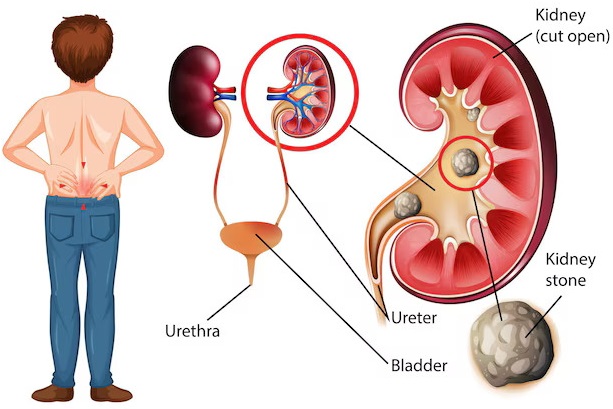
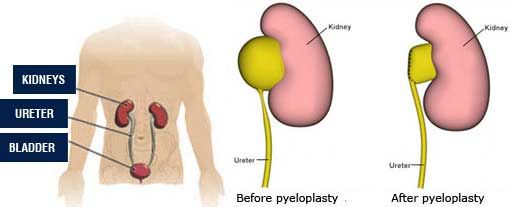
They provide clear visualization of the urinary tract, enabling accurate diagnosis and treatment.
2. Laparoscopy
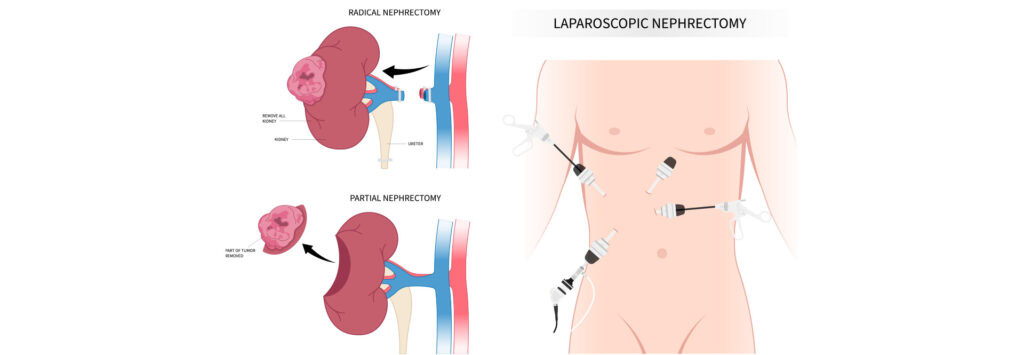
In laparoscopic surgeries, surgeons rely heavily on high-quality displays to:
- Navigate internal organs
- Perform minimally invasive procedures
- Improve surgical precision
3. Endoscopy
Medical monitors display real-time images during:
- GI endoscopy
- Bronchoscopy
- Colonoscopy
Thus, they help doctors detect abnormalities quickly and efficiently.
4. General Surgery & Diagnostics
Medical monitors are also used in:
- Operating rooms (OT)
- ICU monitoring systems
- Radiology and imaging departments
Benefits of Using a Medical Monitor
- Enhanced Surgical Accuracy
- Improved Workflow Efficiency
- Better Team Collaboration
- Reduced Eye Strain for Surgeons
- Reliable Performance in Critical Environments
As a result, medical monitors significantly contribute to better patient outcomes and faster recovery times.
How to Choose the Right Medical Monitor
When selecting a medical monitor, consider the following factors:
1. Resolution Requirement
Choose Full HD or 4K depending on your application.
2. Screen Size
Common sizes include 21”, 24”, 27”, and 32”, depending on OT setup.
3. Compatibility
Ensure compatibility with your existing camera systems and surgical equipment.
4. Brightness & Contrast
Opt for monitors with high luminance and contrast ratio for better visibility.
5. Certifications
Look for medical-grade certifications to ensure safety and compliance.
Why Choose JDMeditech Medical Monitors?
At JDMeditech, we provide high-quality medical monitors designed for modern healthcare environments.
Our Advantages:
- High-resolution display technology
- Reliable and durable build
- Compatible with multiple medical systems
- Designed for precision and performance
- Trusted by healthcare professionals
Conclusion
A Medical Monitor is an essential component in today’s healthcare ecosystem. With advancements in imaging technology, high-resolution monitors are transforming the way surgeries and diagnostics are performed.
Whether it’s urology, laparoscopy, or endoscopy, choosing the right medical monitor ensures clarity, precision, and better clinical outcomes.
Get Connected:
+91 79909 93062 | +91 63513 72032 | exports@jdmeditech.com