

Pathology: Types, Importance & Role in Disease Diagnosis

Pathology is a vital branch of medical science that focuses on the study of diseases. It helps doctors understand the causes, development, and effects of various illnesses. Without pathology, accurate diagnosis and effective treatment would not be possible.

In modern healthcare, pathology plays a crucial role in detecting diseases early. As a result, it improves patient outcomes and supports life-saving treatments.

What is Pathology?

Pathology is the scientific study of disease through the examination of organs, tissues, blood, and bodily fluids. Pathologists analyze samples to identify abnormalities and determine the exact nature of a disease.

In simple terms, pathology answers key questions like:

  • What disease is present?
  • How severe is it?
  • What is causing it?

Therefore, it acts as the foundation of medical diagnosis.

Types of Pathology

Pathology is divided into several specialized branches. Each type focuses on a different aspect of disease analysis.

1. Clinical Pathology

Clinical pathology involves the analysis of blood, urine, and other body fluids. It includes:

  • Hematology (study of blood)
  • Microbiology (study of infections)
  • Biochemistry (study of chemical processes in the body)
2. Anatomical Pathology

Anatomical pathology focuses on examining tissues and organs. It includes:

  • Histopathology (study of tissues under a microscope)
  • Cytopathology (study of individual cells)
3. Molecular Pathology

Molecular pathology studies diseases at a genetic and molecular level. It is widely used in cancer diagnosis and personalized medicine.

4. Forensic Pathology

Forensic pathology determines the cause of death, especially in cases of accidents or criminal investigations.

Importance of Pathology in Healthcare

Pathology is essential in every stage of healthcare. It not only helps in diagnosis but also guides treatment decisions.

1. Accurate Disease Diagnosis

Pathology provides precise information about diseases. As a result, doctors can make correct diagnoses and avoid unnecessary treatments.

2. Early Detection of Diseases

Many diseases, including cancer, can be detected early through pathology tests. Early detection significantly improves survival rates.

3. Treatment Planning

Pathology reports help doctors choose the best treatment options. For example, cancer treatments often depend on biopsy results.

4. Monitoring Disease Progress

Pathology tests are used to track how a disease is progressing or responding to treatment.

Common Pathology Tests

Pathology laboratories perform a wide range of tests. Some of the most common include:

  • Blood tests (CBC, glucose levels)
  • Urine analysis
  • Biopsy tests
  • Pap smear tests
  • Culture tests for infections

These tests provide essential insights into a patient’s health.

Role of Pathologists

Pathologists are highly trained medical professionals who specialize in diagnosing diseases. Although they usually work behind the scenes, their role is critical.

They:

  • Analyze lab results
  • Interpret biopsy samples
  • Provide diagnostic reports
  • Support clinicians in treatment decisions

Therefore, pathologists are key contributors to patient care.

How Pathology Supports Modern Medicine

Pathology is the backbone of modern medicine. It supports advanced medical practices such as:

  • Cancer diagnosis and staging
  • Genetic testing and personalized medicine
  • Infectious disease detection
  • Organ transplant compatibility testing

As technology advances, pathology continues to evolve with digital pathology and AI-based diagnostics.

Future of Pathology

The future of pathology is rapidly advancing. New technologies are improving accuracy and efficiency.

Some key trends include:

  • Digital pathology systems
  • Artificial intelligence in diagnostics
  • Automated laboratory testing
  • Precision medicine

These innovations will make diagnosis faster and more reliable.

Conclusion

Pathology is a fundamental part of healthcare that ensures accurate diagnosis and effective treatment. From routine blood tests to advanced molecular analysis, pathology provides critical insights into diseases.

As healthcare continues to evolve, pathology will remain at the center of medical innovation and patient care.

Explore More Product >>


Get Connected:

+91 79909 93062 | +91 63513 72032 | exports@jdmeditech.com
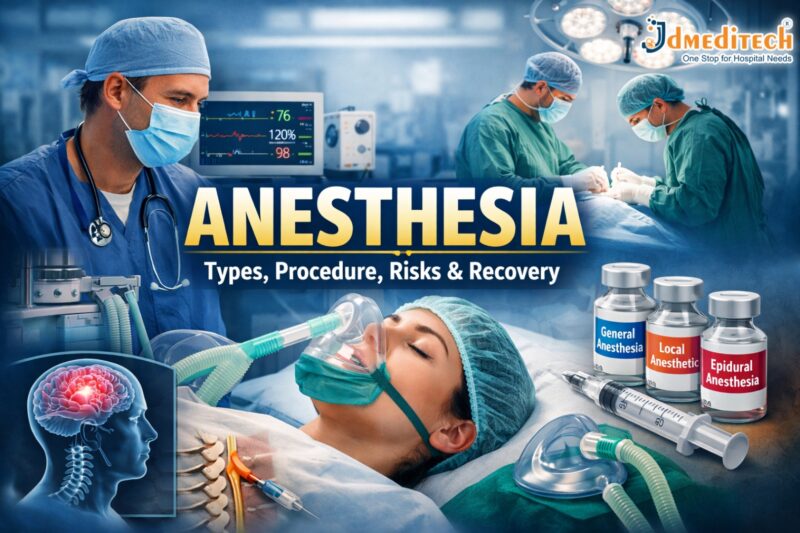


Anesthesia: Types, Procedure, Risks, Benefits & Recovery Guide

Anaesthesia is a medical treatment that prevents pain during surgery or medical procedures. It works by blocking nerve signals in the body or inducing a temporary loss of sensation or consciousness.

A trained specialist called an anaesthesiologist administers anaesthesia and monitors the patient throughout the procedure.

Types of Anaesthesia

Different types of anaesthesia are used depending on the procedure, patient condition, and duration of surgery.

1. General Anaesthesia

General anaesthesia makes the patient completely unconscious.

Used for:

  • Major surgeries (heart surgery, brain surgery)
  • Long-duration procedures

Effects:

  • No awareness
  • No pain sensation
  • Temporary loss of reflexes
2. Regional Anaesthesia

Regional anaesthesia blocks pain in a specific part of the body.

Examples:

  • Spinal anaesthesia
  • Epidural anaesthesia

Used for:

  • Childbirth (C-section)
  • Orthopedic surgeries
3. Local Anaesthesia

Local anaesthesia numbs a small area of the body.

Used for:

  • Dental procedures
  • Minor surgeries

Benefits:

  • Patient remains awake
  • Quick recovery
4. Sedation (Conscious Sedation)

Sedation helps patients relax while remaining partially awake.

Used for:

  • Endoscopy
  • Minor procedures
How Does Anaesthesia Work?

Anaesthesia works by interrupting nerve signals in the brain and body. As a result, the patient does not feel pain during the procedure.

There are three main mechanisms:

  • Blocking pain signals
  • Inducing unconsciousness
  • Relaxing muscles
Anaesthesia Procedure: Step-by-Step
1. Pre-Anaesthesia Evaluation

Before surgery, the anaesthesiologist:

  • Reviews medical history
  • Checks allergies
  • Evaluates vital signs
2. Administration of Anaesthesia

Anaesthesia is given through:

  • Injection
  • Inhalation (gas)
  • Intravenous (IV)
3. Monitoring During Surgery

Doctors continuously monitor:

  • Heart rate
  • Blood pressure
  • Oxygen levels
4. Recovery Phase

After surgery, the patient is moved to a recovery room where medical staff monitor vital signs until the effects wear off.

Benefits of Anaesthesia

Anaesthesia offers several advantages:

  • Pain-free procedures
  • Improved surgical precision
  • Reduced anxiety
  • Controlled muscle relaxation
  • Safer complex surgeries
Risks and Side Effects of Anaesthesia

Although anaesthesia is generally safe, some risks may occur.

Common Side Effects
  • Nausea and vomiting
  • Drowsiness
  • Sore throat
  • Dizziness
Rare Risks
  • Allergic reactions
  • Breathing problems
  • Nerve damage (very rare)

However, modern techniques and monitoring systems significantly reduce these risks.

Recovery After Anaesthesia

Recovery depends on the type of anaesthesia used.

General Recovery Tips:
  • Follow doctor’s instructions
  • Avoid driving for 24 hours
  • Stay hydrated
  • Rest properly

Most patients recover quickly, especially after local or regional anesthesia.

Who Administers Anaesthesia?

Anaesthesia is administered by trained professionals such as:

  • Anaesthesiologists
  • Nurse anaesthetists
  • Anaesthesia assistants

They ensure patient safety before, during, and after the procedure.

When is Anaesthesia Required?

Anaesthesia is used in various medical procedures, including:

  • Surgical operations
  • Dental treatments
  • Diagnostic procedures
  • Cosmetic surgeries
Conclusion

Anaesthesia is a cornerstone of modern healthcare, making surgeries safe, painless, and effective. With advancements in medical technology, anaesthesia has become more precise and safer than ever before.

If you are scheduled for a procedure, understanding anaesthesia can help reduce anxiety and prepare you for a smooth experience.

Explore More Product >>


Get Connected:

+91 79909 93062 | +91 63513 72032 | exports@jdmeditech.com
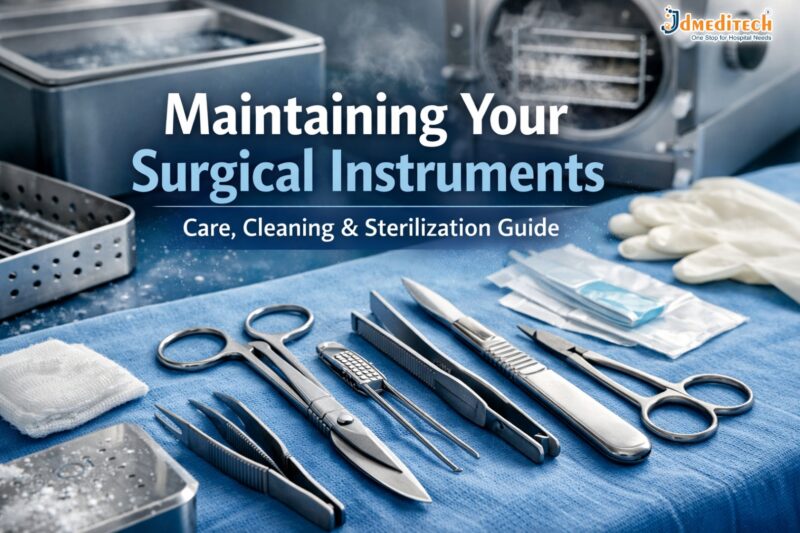
 

Maintaining Your Surgical Instruments

Surgical instruments are the backbone of any healthcare facility. Therefore, maintaining your surgical instruments is essential for ensuring patient safety, improving surgical outcomes, and extending the lifespan of expensive tools.

Proper care not only reduces the risk of infection but also prevents instrument damage. In this guide, you will learn the best practices, step-by-step cleaning methods, and expert tips to maintain surgical instruments effectively.

Why Maintaining Your Surgical Instruments is Important

First and foremost, well-maintained instruments ensure precision during surgery. On the other hand, poorly maintained tools can lead to complications.

Key Benefits:
  • Enhances patient safety
  • Prevents surgical site infections (SSIs)
  • Increases instrument lifespan
  • Reduces replacement costs
  • Ensures compliance with healthcare standards
Types of Surgical Instruments That Require Maintenance

Different instruments need different care methods. Therefore, understanding categories is crucial.

1. Cutting Instruments
  • Scalpels
  • Scissors
  • Bone cutters
2. Grasping Instruments
  • Forceps
  • Clamps
3. Retracting Instruments
  • Surgical retractors
4. Specialized Instruments
  • Endoscopic tools
  • Microsurgical instruments
Step-by-Step Guide to Maintaining Surgical Instruments
1. Immediate Cleaning After Use

After surgery, instruments should be cleaned immediately. This step prevents blood and tissue from drying.

Tips:

  • Use lukewarm water
  • Avoid saline (it causes corrosion)
  • Wipe visible debris
2. Proper Cleaning Techniques

Cleaning is the most critical step. Therefore, it must be done carefully.

Manual Cleaning
  • Use a soft brush
  • Clean joints and hinges thoroughly
  • Use neutral pH detergents
Ultrasonic Cleaning
  • Removes microscopic debris
  • Ideal for complex instruments
  • Saves time and effort
3. Rinsing and Drying

After cleaning, rinse instruments with distilled water. Then, dry them completely.

Why this matters:
  • Prevents rust formation
  • Avoids water stains
4. Inspection and Function Testing

Next, inspect each instrument carefully.

Check for:
  • Cracks or corrosion
  • Loose joints
  • Sharpness of cutting tools

Replace or repair damaged instruments immediately.

5. Lubrication

Lubrication ensures smooth movement.

Best practices:
  • Use water-based lubricants
  • Apply to hinges and joints
  • Avoid oil-based products
6. Sterilization

Sterilization is essential to eliminate microorganisms.

Common Methods:
  • Autoclaving (steam sterilization)
  • Ethylene oxide (ETO)
  • Plasma sterilization

Always follow manufacturer guidelines for best results.

7. Proper Storage

Finally, store instruments correctly.

Storage tips:
  • Use dry, clean environments
  • Avoid overcrowding
  • Use protective trays
Common Mistakes to Avoid

Even small errors can damage instruments. Therefore, avoid these common mistakes:

  • Delaying cleaning after surgery
  • Using harsh chemicals
  • Skipping inspection
  • Improper sterilization techniques
  • Storing instruments while wet
Best Practices for Long-Term Maintenance

To maintain surgical instruments effectively, consistency is key.

Follow These Practices:
  • Train staff regularly
  • Use instrument tracking systems
  • Follow manufacturer instructions
  • Schedule routine maintenance checks
How Often Should You Maintain Surgical Instruments?

Maintenance should be a continuous process.

  • After every use: Cleaning and sterilization
  • Daily: Inspection and drying
  • Weekly: Deep cleaning and lubrication
  • Monthly: Detailed inspection and servicing
Latest Innovations in Instrument Maintenance

Modern technology has improved maintenance processes significantly.

New Trends:
  • Automated washer-disinfectors
  • Smart tracking systems
  • Anti-corrosion coatings
  • AI-based instrument monitoring

These innovations help reduce human error and improve efficiency.

Conclusion

Maintaining your surgical instruments is not just a routine task—it is a critical responsibility. Proper cleaning, sterilization, and storage ensure safety, efficiency, and cost savings.

By following the steps and best practices in this guide, healthcare facilities can significantly improve surgical outcomes while extending the life of their instruments.

Explore More Product >>


Get Connected:

+91 79909 93062 | +91 63513 72032 | exports@jdmeditech.com
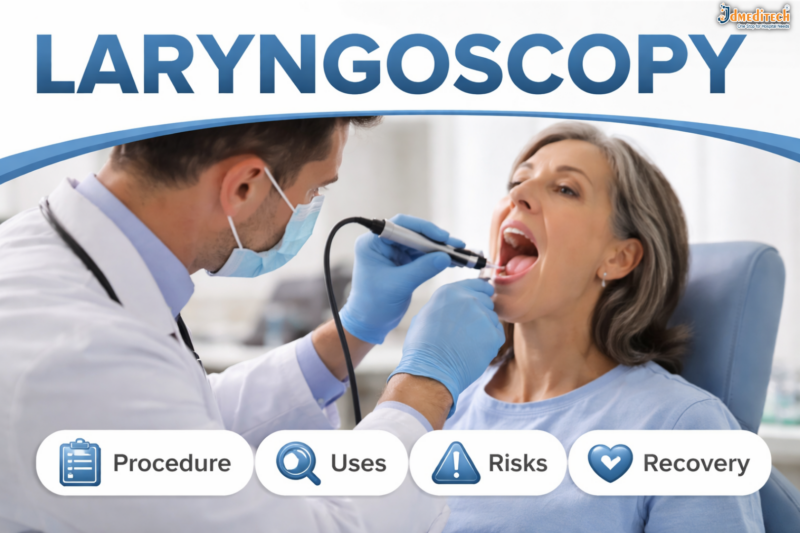
Laryngoscopy: Procedure, Types, Uses, Risks & Recovery

Laryngoscopy is a medical procedure used to examine the larynx (voice box) and surrounding structures. Doctors commonly use it to diagnose throat problems, voice disorders, and breathing issues.

In addition, this procedure helps detect conditions such as infections, tumors, and vocal cord abnormalities. Because of its importance, laryngoscopy plays a key role in ENT (Ear, Nose, and Throat) care.

What is Laryngoscopy?

Laryngoscopy is a diagnostic and sometimes therapeutic procedure. It allows doctors to view the throat using a special instrument called a laryngoscope.

This procedure can be done in different ways. Therefore, the method used depends on the patient’s condition and the purpose of the examination.

Types of Laryngoscopy

There are three main types of laryngoscopy. Each type serves a specific purpose.

1. Indirect Laryngoscopy

This is the simplest method. Doctors use a small mirror or fiber-optic scope to examine the throat.

  • Quick and non-invasive
  • Performed in a clinic
  • No anaesthesia required
2. Direct Laryngoscopy

In this method, a rigid or flexible scope is inserted into the throat.

  • Provides a clear and detailed view
  • Often done under anesthesia
  • Used for diagnosis and minor procedures
3. Fiberoptic (Flexible) Laryngoscopy

This is the most commonly used modern technique.

  • Uses a thin, flexible tube with a camera
  • Inserted through the nose
  • Comfortable and widely used
Why is Laryngoscopy Done?

Doctors recommend laryngoscopy for several reasons. It helps diagnose and treat many conditions.

Common Uses Include:
  • Persistent sore throat
  • Hoarseness or voice changes
  • Difficulty swallowing (dysphagia)
  • Chronic cough
  • Breathing problems
  • Suspected throat cancer
  • Removal of foreign objects

Moreover, it helps evaluate vocal cord movement and detect abnormalities early.

Laryngoscopy Procedure

The procedure varies depending on the type. However, most steps remain similar.

Before the Procedure
  • The doctor reviews your medical history
  • You may be asked to avoid eating for a few hours
  • A local anaesthetic spray may be used
During the Procedure
  • A laryngoscope is gently inserted
  • The doctor examines the throat and vocal cords
  • The process usually takes 5 to 30 minutes
After the Procedure
  • Mild throat discomfort may occur
  • Avoid eating until numbness wears off
  • Most patients resume normal activities quickly
Benefits of Laryngoscopy

Laryngoscopy offers several advantages. As a result, it is widely used in medical practice.

  • Quick and effective diagnosis
  • Minimally invasive procedure
  • Helps detect serious conditions early
  • Can assist in minor treatments
Risks and Complications

.

Possible Risks:
  • Mild throat irritation
  • Gagging sensation
  • Bleeding (rare)
  • Infection (very rare)
  • Reaction to anaesthesia

However, serious complications are uncommon when performed by experienced professionals.

Recovery After Laryngoscopy

Recovery is usually quick and simple.

  • Most patients recover within a few hours
  • Drink warm fluids to soothe the throat
  • Avoid smoking or irritants
  • Follow doctor’s advice for medications

If symptoms such as severe pain or bleeding occur, seek medical attention immediately.

When to See a Doctor

You should consult a doctor if you experience:

  • Persistent hoarseness
  • Difficulty breathing
  • Pain while swallowing
  • Unexplained throat symptoms

Early diagnosis improves treatment outcomes significantly.

Conclusion

Laryngoscopy is an essential procedure for diagnosing and treating throat-related conditions. It is safe, effective, and widely used in modern healthcare.

By understanding the procedure, its types, and benefits, patients can feel more confident and prepared. If you have ongoing throat symptoms, consult an ENT specialist for proper evaluation.

Explore More Product >>


+91 79909 93062 | +91 63513 72032 | exports@jdmeditech.com
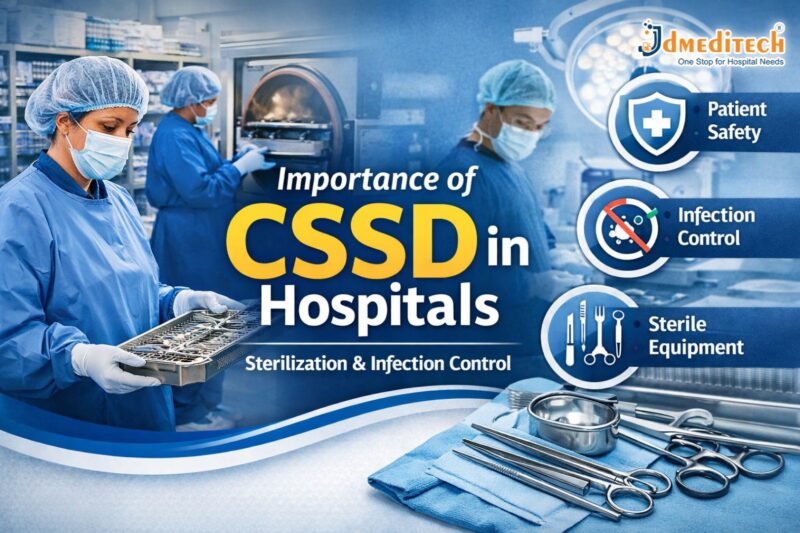
Importance of CSSD in Hospitals | Sterilization & Infection Control Guide

The importance of CSSD in hospitals cannot be overstated. CSSD, or Central Sterile Supply Department, plays a critical role in maintaining hygiene, preventing infections, and ensuring safe surgical procedures.

Every hospital relies on sterile instruments. Without proper sterilization, patients face serious risks such as hospital-acquired infections (HAIs). Therefore, CSSD acts as the backbone of infection control and patient safety.

In this blog, we will explore why CSSD is essential, how it functions, and its impact on healthcare quality.

What is CSSD in Hospitals?

CSSD stands for Central Sterile Supply Department. It is a specialized unit responsible for:

  • Cleaning medical instruments
  • Disinfecting equipment
  • Sterilizing surgical tools
  • Storing sterile supplies
  • Distributing sterile items across departments

This department ensures that all reusable medical devices are safe for patient use.

Importance of CSSD in Hospitals
1. Ensures Patient Safety

The primary importance of CSSD in hospitals is patient safety. Proper sterilization removes harmful microorganisms, reducing the risk of infections during medical procedures.

As a result, patients receive safe and reliable treatment.

2. Prevents Hospital-Acquired Infections (HAIs)

Hospital-acquired infections can be life-threatening. However, CSSD helps prevent these infections by:

  • Using advanced sterilization techniques
  • Maintaining strict hygiene protocols
  • Monitoring sterilization processes

Therefore, CSSD significantly reduces infection rates.

3. Maintains Quality Healthcare Standards

Hospitals must follow strict healthcare standards. CSSD ensures compliance with:

  • Infection control guidelines
  • Sterilization protocols
  • Regulatory standards

This improves overall healthcare quality and hospital reputation.

4. Supports Surgical Efficiency

Surgical procedures require sterile instruments at all times. CSSD ensures:

  • Timely availability of instruments
  • Proper packaging and labeling
  • Organized workflow

Because of this, surgeries can proceed without delays.

5. Extends Equipment Lifespan

Proper cleaning and sterilization help maintain medical instruments. CSSD:

  • Prevents damage caused by improper handling
  • Uses appropriate cleaning techniques
  • Ensures correct storage

As a result, hospitals save costs on equipment replacement.

6. Reduces Cross-Contamination

Cross-contamination can occur if instruments are not properly sterilized. CSSD minimizes this risk by:

  • Separating clean and contaminated areas
  • Following strict workflows
  • Using standardized procedures

Thus, it protects both patients and healthcare workers.

Key Functions of CSSD
Cleaning and Decontamination

All used instruments are thoroughly cleaned to remove biological material.

Disinfection

Chemical or thermal methods are used to reduce microorganisms.

Sterilization

High-pressure steam (autoclaving) or other methods ensure complete sterilization.

Storage

Sterile items are stored in controlled environments to maintain sterility.

Distribution

Sterile instruments are supplied to various hospital departments.

CSSD Workflow in Hospitals

The CSSD workflow follows a structured process:

  1. Collection of used instruments
  2. Cleaning and decontamination
  3. Inspection and packaging
  4. Sterilization
  5. Storage
  6. Distribution

This systematic approach ensures efficiency and safety.

Modern Technologies Used in CSSD

Modern CSSD units use advanced technologies such as:

  • Autoclaves
  • Ethylene Oxide (ETO) sterilizers
  • Plasma sterilization
  • Ultrasonic cleaners
  • Washer-disinfectors

These technologies improve accuracy and effectiveness.

Challenges Faced by CSSD

Despite its importance, CSSD faces several challenges:

  • High workload and time pressure
  • Need for skilled staff
  • Strict compliance requirements
  • Equipment maintenance

However, proper management can overcome these challenges.

Best Practices for Effective CSSD Management

To maximize the importance of CSSD in hospitals, follow these best practices:

  • Train staff regularly
  • Maintain strict hygiene protocols
  • Use advanced sterilization equipment
  • Monitor quality through audits
  • Ensure proper documentation

These steps enhance efficiency and safety.

Conclusion

The importance of CSSD in hospitals lies in its ability to ensure patient safety, prevent infections, and maintain high healthcare standards. It is a vital department that supports every medical procedure.

Without CSSD, hospitals cannot deliver safe and effective treatment. Therefore, investing in a well-equipped and properly managed CSSD is essential for any healthcare facility.


Explore More Product >>


Get Connected:

+91 79909 93062 | +91 63513 72032 | exports@jdmeditech.com

Artificial Intelligence in Healthcare: Benefits, Uses & Future Trends

Artificial Intelligence (AI) in healthcare is changing the way medical professionals diagnose, treat, and manage diseases. Today, hospitals and clinics use AI-powered tools to improve patient care and reduce errors. As a result, healthcare systems are becoming faster, smarter, and more efficient.

Moreover, AI helps doctors make better decisions by analyzing large amounts of medical data in seconds. Because of this, patients receive accurate diagnoses and personalized treatments. In this blog, you will learn how AI works in healthcare, its benefits, real-world applications, and future trends.

What is Artificial Intelligence in Healthcare?

Artificial Intelligence in healthcare refers to the use of advanced algorithms and machine learning to perform tasks that usually require human intelligence. For example, AI can analyze medical images, predict diseases, and assist in surgeries.

In addition, AI systems learn from past data and continuously improve their performance. Therefore, they become more accurate over time. This makes AI a powerful tool in modern medicine.

Benefits of AI in Healthcare

AI offers several advantages that improve both patient care and hospital efficiency.

1. Improved Diagnosis Accuracy

AI can analyze medical images such as X-rays, MRIs, and CT scans quickly. As a result, doctors can detect diseases like cancer at an early stage.

2. Faster Treatment Decisions

AI processes large datasets within seconds. Therefore, doctors can make quick and informed decisions, especially in emergencies.

3. Personalized Treatment Plans

AI helps create customized treatment plans based on patient history. In addition, it considers genetic information and lifestyle factors.

4. Reduced Human Errors

Medical errors can be dangerous. However, AI reduces these risks by providing accurate data analysis and recommendations.

5. Cost Efficiency

AI reduces unnecessary tests and hospital stays. Consequently, it lowers overall healthcare costs.

Applications of AI in Healthcare

AI is widely used across different areas of healthcare. Let’s explore some key applications.

1. Medical Imaging

AI tools analyze medical images with high precision. For instance, they detect tumors, fractures, and internal bleeding quickly.

2. Virtual Health Assistants

AI-powered chatbots and virtual assistants provide basic medical advice. Moreover, they help patients schedule appointments and manage medications.

3. Drug Discovery

Developing new drugs takes years. However, AI speeds up this process by analyzing chemical data and predicting drug effectiveness.

4. Robotic Surgery

AI-assisted robots help surgeons perform complex procedures. As a result, surgeries become more precise and less invasive.

5. Predictive Analytics

AI predicts disease outbreaks and patient risks. Therefore, healthcare providers can take preventive measures early.

Challenges of AI in Healthcare

Although AI offers many benefits, it also comes with challenges.

1. Data Privacy Concerns

Healthcare data is sensitive. Therefore, protecting patient information is crucial.

2. High Implementation Costs

AI technology requires significant investment. As a result, smaller hospitals may face difficulties adopting it.

3. Lack of Skilled Professionals

AI systems need trained experts to operate and maintain them. However, there is a shortage of such professionals.

4. Ethical Issues

AI decisions must be transparent. Otherwise, it may lead to trust issues among patients.

Future of AI in Healthcare

The future of AI in healthcare looks promising. In the coming years, AI will become more advanced and accessible.

For example, AI may help in early disease prediction even before symptoms appear. In addition, wearable devices will continuously monitor health and alert doctors in real time.

Furthermore, AI will improve telemedicine services, making healthcare accessible to remote areas. As technology evolves, AI will play a key role in transforming global healthcare systems.

Conclusion

Artificial Intelligence in healthcare is revolutionizing the medical industry. It improves diagnosis, enhances treatment, and reduces costs. Moreover, it supports doctors in delivering better patient care.

However, challenges such as data privacy and high costs must be addressed. Despite these issues, AI continues to grow rapidly. Therefore, adopting AI in healthcare is essential for a smarter and healthier future.


Explore More Product >>


Get Connected:

+91 79909 93062 | +91 63513 72032 | exports@jdmeditech.com

 

Intensive Care Unit (ICU): Meaning, Equipment, Treatment & Care Guide

The Intensive Care Unit (ICU) plays a vital role in modern healthcare. It provides advanced medical care to patients with life-threatening conditions. In most hospitals, the ICU is equipped with specialized technology and trained staff to monitor and treat critically ill patients.

Moreover, ICU care ensures constant supervision and quick medical response. Because of this, patients with severe injuries or illnesses receive the best possible support. In this blog, you will learn about ICU meaning, types, equipment, procedures, and patient care.

What is an Intensive Care Unit (ICU)?

An Intensive Care Unit (ICU) is a specialized hospital department designed to treat patients with serious and life-threatening conditions. Doctors and nurses monitor patients 24/7 using advanced machines.

In addition, ICU staff includes intensivists, critical care nurses, and respiratory therapists. Therefore, patients receive continuous and expert medical attention.

Types of ICU

Different hospitals provide various types of ICUs based on patient needs.

1. Medical ICU (MICU)

This ICU treats patients with severe medical conditions such as infections, organ failure, and respiratory diseases.

2. Surgical ICU (SICU)

Doctors use this ICU for patients recovering from major surgeries. As a result, they receive close monitoring after operations.

3. Cardiac ICU (CCU)

This unit focuses on heart-related conditions such as heart attacks and cardiac arrest.

4. Neonatal ICU (NICU)

NICU provides care for premature or critically ill newborn babies.

5. Pediatric ICU (PICU)

This ICU treats infants and children with serious health conditions.

Common Equipment Used in ICU

ICUs use advanced equipment to monitor and support patients.

1. Ventilators

Ventilators help patients breathe when they cannot do so on their own.

2. Cardiac Monitors

These machines track heart rate, blood pressure, and oxygen levels continuously.

3. Infusion Pumps

Doctors use these devices to deliver medications and fluids accurately.

4. Defibrillators

They help restore normal heart rhythm during emergencies.

5. Dialysis Machines

These machines support kidney function in patients with kidney failure.

Conditions Treated in ICU

Patients are admitted to the ICU when they require critical care. Some common conditions include:

  • Severe infections (sepsis)
  • Respiratory failure
  • Heart attack or cardiac arrest
  • Stroke
  • Major trauma or accidents
  • Post-surgical complications

Therefore, ICU care becomes essential for survival in such situations.

ICU Procedures and Treatment

ICU treatment involves continuous monitoring and advanced medical procedures.

1. Mechanical Ventilation

Doctors use ventilators to support breathing in critically ill patients.

2. Continuous Monitoring

Healthcare staff track vital signs such as heart rate, oxygen level, and blood pressure.

3. Medication Management

Patients receive critical medications through IV lines.

4. Life Support Systems

These systems support organs such as lungs, heart, and kidneys.

ICU Patient Care and Safety

Proper care in the ICU is essential for recovery.

  • Nurses provide round-the-clock care
  • Strict hygiene prevents infections
  • Doctors adjust treatment based on patient condition
  • Family visits are controlled for safety

In addition, emotional support plays a key role in patient recovery.

Challenges in ICU

Although ICUs provide life-saving care, they also face challenges.

1. High Cost of Treatment

ICU care can be expensive due to advanced equipment and specialized staff.

2. Risk of Infections

Patients may develop hospital-acquired infections.

3. Emotional Stress

Both patients and families experience stress during ICU stays.

Future of ICU Care

The future of ICU care looks advanced and technology-driven. AI and smart monitoring systems are improving patient outcomes.

For example, remote ICU monitoring allows doctors to track patients from different locations. In addition, robotic assistance and data analytics will enhance treatment accuracy.

Conclusion

The Intensive Care Unit (ICU) is an essential part of modern healthcare. It provides life-saving treatment and constant monitoring for critically ill patients.

Although ICU care can be costly and complex, it significantly improves survival rates. Therefore, understanding ICU functions helps patients and families make informed decisions during emergencies.

Explore More Product >>

Get Connected:

+91 79909 93062 | +91 63513 72032 | exports@jdmeditech.com

 

Hemodialysis

Hemodialysis is a life-saving treatment for people with severe kidney failure. When kidneys stop working properly, harmful waste and excess fluid build up in the body. Therefore, hemodialysis helps remove these toxins and keeps the body balanced.

Today, millions of patients rely on hemodialysis treatment to improve their quality of life. In this guide, you will learn how it works, who needs it, and what to expect during the procedure.

What is Hemodialysis?

Hemodialysis is a medical procedure that filters blood using a special machine. In other words, it acts as an artificial kidney.

During the process:

  • Blood is taken from the body
  • It passes through a dialyzer (artificial kidney)
  • Waste and extra fluids are removed
  • Clean blood returns to the body

As a result, the body maintains proper chemical balance.

Why is Hemodialysis Needed?

Doctors recommend hemodialysis treatment when kidneys lose about 85–90% of their function.

Common Causes Include:
  • Chronic Kidney Disease (CKD)
  • Diabetes
  • High blood pressure
  • Glomerulonephritis
  • Polycystic kidney disease

If untreated, kidney failure can become life-threatening. Therefore, timely dialysis is essential.

Types of Hemodialysis Access

Before starting treatment, doctors create a vascular access point. This allows easy blood flow during dialysis.

1. Arteriovenous (AV) Fistula
  • Best and most preferred option
  • Created by connecting an artery to a vein
  • Long-lasting and low risk of infection
2. AV Graft
  • Uses a synthetic tube
  • Suitable if veins are small
3. Central Venous Catheter
  • Temporary access
  • Used in emergency situations
Hemodialysis Procedure Step-by-Step

Understanding the procedure helps reduce anxiety. Here is how it works:

  1. First, medical staff connect you to the dialysis machine
  2. Blood flows through tubes into the dialyzer
  3. The dialyzer removes toxins and excess fluid
  4. Clean blood returns to your body
  5. The session usually lasts 3–5 hours

Typically, patients need dialysis 3 times per week.

Benefits of Hemodialysis

Hemodialysis offers several important benefits. For example:

  • Removes waste and toxins effectively
  • Balances electrolytes in the body
  • Controls blood pressure
  • Reduces swelling caused by fluid buildup
  • Improves overall quality of life

As a result, patients can live longer and healthier lives.

Risks and Side Effects

Although hemodialysis is safe, some side effects may occur.

Common Risks:
  • Low blood pressure
  • Muscle cramps
  • Fatigue
  • Itching
  • Sleep problems
Serious Complications (Rare):
  • Infection
  • Blood clots
  • Heart problems

However, proper care and regular monitoring can reduce these risks significantly.

Diet and Lifestyle During Hemodialysis

Diet plays a key role in treatment success. Therefore, patients must follow strict guidelines.

Recommended Diet Tips:
  • Limit salt intake
  • Control fluid consumption
  • Reduce potassium-rich foods (like bananas)
  • Eat high-quality protein
  • Avoid processed foods

Additionally, light exercise and regular check-ups improve outcomes.

Recovery and Daily Life

Many patients continue normal activities during treatment. However, some adjustments are necessary.

Helpful Tips:
  • Stick to your dialysis schedule
  • Take prescribed medications regularly
  • Monitor weight and fluid intake
  • Maintain hygiene around access site

Over time, patients adapt well to the routine.


Hemodialysis vs Peritoneal Dialysis

Both treatments help kidney failure patients, but they differ in approach.

Feature Hemodialysis Peritoneal Dialysis
Location Hospital/Center Home
Frequency 3 times/week Daily
Equipment Machine required No large machine
Flexibility Less More

Therefore, doctors choose the best option based on patient condition.

When to See a Doctor?

Seek medical help immediately if you notice:

  • Swelling in legs or face
  • Shortness of breath
  • Reduced urine output
  • Persistent fatigue

Early diagnosis can prevent complications.

Conclusion

Hemodialysis is a critical treatment for patients with kidney failure. Although it requires regular sessions, it significantly improves survival and quality of life.

By following medical advice, maintaining a proper diet, and attending scheduled sessions, patients can manage their condition effectively. Therefore, awareness and early treatment are key to better outcomes.


Explore More Product >>


Get Connected:

+91 79909 93062 | +91 63513 72032 | exports@jdmeditech.com
Diagnostic Radiology: Types, Procedures, Benefits & Imaging Tests

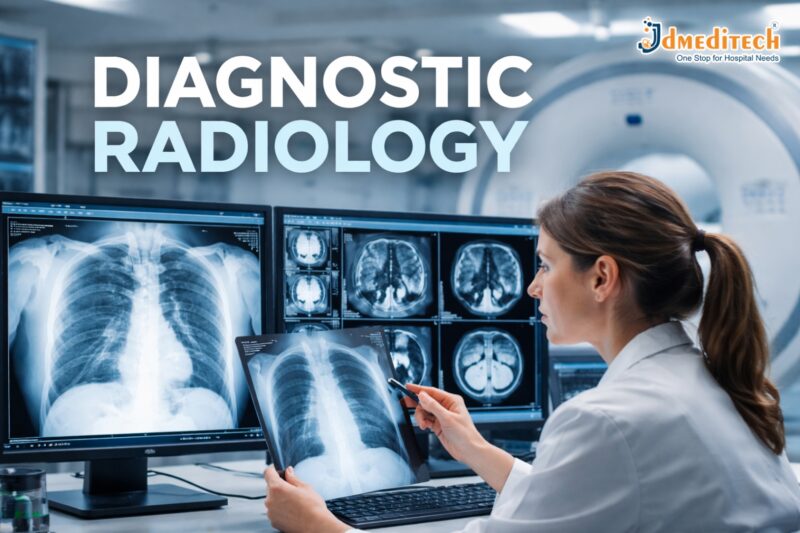
Diagnostic radiology plays a vital role in modern healthcare. It helps doctors detect, diagnose, and monitor various medical conditions using advanced imaging techniques. Because early diagnosis improves treatment outcomes, radiology has become essential in medical practice.

In this blog, you will learn what diagnostic radiology is, its types, procedures, benefits, and why it is important.

What is Diagnostic Radiology?

Diagnostic radiology is a medical specialty that uses imaging techniques to examine the inside of the body. These images help doctors identify diseases, injuries, and abnormalities without surgery.

For example, doctors use X-rays to detect fractures, while MRI scans help identify brain or spinal cord issues. As a result, radiology provides quick and accurate diagnoses.

Types of Diagnostic Radiology

There are several types of diagnostic radiology. Each method serves a different purpose.

1. X-rays

X-rays are the most common imaging test. They are mainly used to detect:

  • Bone fractures
  • Lung infections
  • Dental issues

Because X-rays are fast and cost-effective, they are widely used.

2. Computed Tomography (CT Scan)

CT scans provide detailed cross-sectional images of the body. Doctors use them to diagnose:

  • Internal injuries
  • Tumors
  • Infections

Moreover, CT scans offer more detail than standard X-rays.

3. Magnetic Resonance Imaging (MRI)

MRI uses magnetic fields and radio waves instead of radiation. It is ideal for:

  • Brain disorders
  • Joint injuries
  • Soft tissue evaluation

Therefore, MRI is safer for repeated imaging.

4. Ultrasound

Ultrasound uses sound waves to create images. It is commonly used for:

  • Pregnancy monitoring
  • Abdominal conditions
  • Heart evaluation

Additionally, it is painless and radiation-free.

5. Mammography

Mammography is a specialized X-ray used to detect breast cancer early. Early detection significantly improves survival rates.

Common Diagnostic Radiology Procedures

Radiology procedures are usually simple and non-invasive. However, some may require preparation.

Before the Procedure
  • You may need to fast for a few hours
  • Remove metal objects
  • Inform your doctor about allergies or pregnancy
During the Procedure
  • You must remain still for clear images
  • The process is usually painless
  • Some tests may use contrast dye
After the Procedure
  • Most patients can resume normal activities
  • Drink water to flush contrast dye
  • Your doctor will review the results
Benefits of Diagnostic Radiology

Diagnostic radiology offers many advantages in healthcare.

1. Early Detection of Diseases

It helps identify diseases at an early stage. Therefore, treatment becomes more effective.

2. Non-Invasive Diagnosis

Most imaging tests do not require surgery. As a result, patients experience less discomfort.

3. Accurate Results

Radiology provides precise images. This improves diagnosis and treatment planning.

4. Faster Treatment Decisions

Doctors can quickly analyze results and begin treatment immediately.

5. Monitoring of Treatment

Radiology helps track the progress of ongoing treatments.

Risks and Safety Measures

Although diagnostic radiology is generally safe, some risks exist.

  • Exposure to radiation in X-rays and CT scans
  • Allergic reactions to contrast dye (rare)

However, doctors always minimize risks by using the lowest effective radiation dose. In addition, protective measures ensure patient safety.

Why Diagnostic Radiology is Important

Diagnostic radiology is essential because it improves healthcare outcomes. It allows doctors to:

  • Detect diseases early
  • Plan effective treatments
  • Avoid unnecessary surgeries

Furthermore, it enhances patient care by providing accurate and timely information.

Conclusion

Diagnostic radiology is a cornerstone of modern medicine. It uses advanced imaging technologies to diagnose diseases quickly and accurately. Because it is non-invasive and efficient, it improves patient outcomes significantly.

If your doctor recommends a radiology test, there is no need to worry. These procedures are safe, effective, and essential for proper diagnosis.

Explore More Product >>

Get Connected:

+91 79909 93062 | +91 63513 72032 | exports@jdmeditech.com
 

Tuberculosis

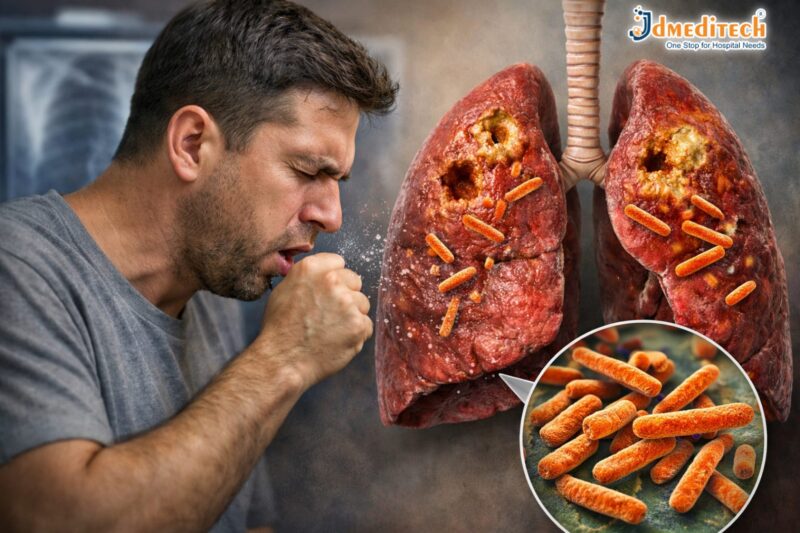
Tuberculosis is caused by a bacterium called Mycobacterium tuberculosis. It spreads through the air when an infected person coughs or sneezes.

Types of Tuberculosis
  • Active TB – Symptoms are present and contagious
  • Latent TB – No symptoms and not contagious
  • Extrapulmonary TB – Affects organs other than lungs
Symptoms of Tuberculosis

Common symptoms include:

  • Persistent cough for more than 2 weeks
  • Chest pain
  • Coughing up blood
  • Fever and chills
  • Night sweats
  • Weight loss and fatigue
Causes and Risk Factors

Tuberculosis spreads through airborne droplets. Risk factors include:

  • Weak immune system
  • Close contact with TB patients
  • Poor nutrition
  • Smoking and alcohol use
  • Living in crowded conditions
Diagnosis of Tuberculosis

Doctors use several tests to diagnose TB:

  • Chest X-ray
  • Sputum test
  • Tuberculin skin test (Mantoux test)
  • Blood tests
Tuberculosis Treatment

Tuberculosis treatment involves a long course of antibiotics, usually lasting 6 to 9 months.

Common Medications
  • Isoniazid
  • Rifampicin
  • Pyrazinamide
  • Ethambutol
Important Tips
  • Complete the full course of tuberculosis treatment
  • Do not skip doses
  • Regular follow-ups are necessary
Prevention of Tuberculosis
  • Get BCG vaccination
  • Maintain good hygiene
  • Avoid close contact with infected individuals
  • Ensure proper ventilation
  • Wear masks in high-risk areas
Complications of Untreated TB
  • Severe lung damage
  • Spread to other organs
  • Respiratory failure
  • Death in severe cases
Who is at Higher Risk?
  • People with HIV/AIDS
  • Diabetic patients
  • Elderly individuals
  • Healthcare workers
Conclusion

Tuberculosis is a preventable and curable disease with timely diagnosis and proper tuberculosis treatment. Awareness and early medical intervention can significantly reduce complications and transmission.


Explore More Product >>


Get Connected:

+91 79909 93062 | +91 63513 72032 | exports@jdmeditech.com