Rhinoplasty (Nose Surgery): Procedure, Benefits & Recovery

Rhinoplasty is a surgical procedure designed to change the shape, size, or structure of the nose. It can be performed for cosmetic reasons or to correct medical problems such as a deviated septum.

Types of Rhinoplasty
  • Cosmetic Rhinoplasty – Improves the appearance of the nose
  • Functional Rhinoplasty – Corrects breathing problems
  • Revision Rhinoplasty – Fixes previous nose surgery issues
  • Non-Surgical Rhinoplasty – Uses fillers for temporary changes
Rhinoplasty Procedure

Rhinoplasty surgery is typically performed under general or local anesthesia and takes about 1 to 3 hours.

Step-by-Step Procedure
  1. Administration of anesthesia
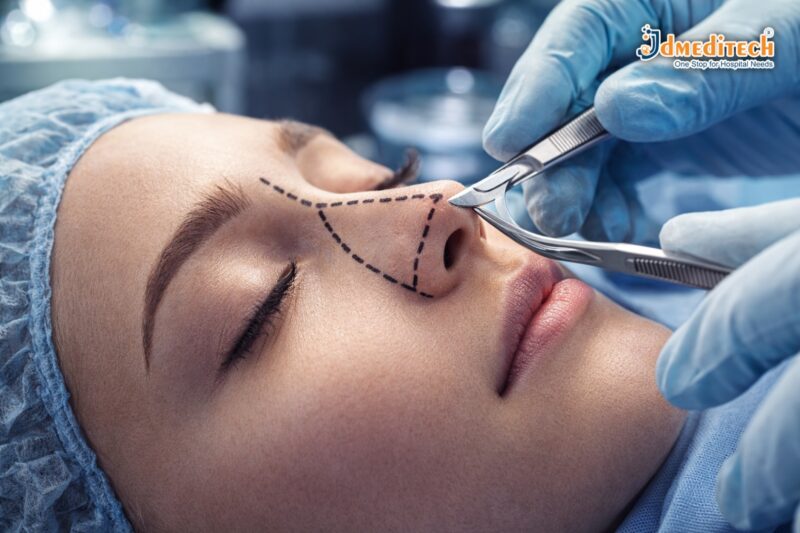
  2. Incision (open or closed technique)
  3. Reshaping the nasal bones and cartilage
  4. Correction of septum if required
  5. Closing the incision and applying a splint
Benefits of Rhinoplasty Surgery
  • Improves facial balance and symmetry
  • Enhances self-confidence
  • Corrects breathing issues
  • Repairs nasal injuries
  • Provides permanent results
Risks and Complications

Like any surgical procedure, rhinoplasty carries some risks:

  • Infection
  • Bleeding
  • Swelling and bruising
  • Breathing difficulties
  • Unsatisfactory results (rare)
Rhinoplasty Recovery Time

Recovery varies from person to person but generally follows this timeline:

  • 1 Week – Splint removal
  • 2 Weeks – Bruising reduces
  • 1 Month – Visible improvement
  • 3–6 Months – Healing progresses
  • 1 Year – Final results
Recovery Tips
  • Avoid strenuous activities
  • Keep head elevated while sleeping
  • Follow surgeon’s instructions
  • Avoid wearing glasses initially


Who is a Good Candidate?

You may be a good candidate for rhinoplasty if:

  • You are physically healthy
  • You have realistic expectations
  • Your facial growth is complete
  • You want to improve nose appearance or function
Conclusion

Rhinoplasty surgery is a safe and effective procedure for enhancing both the appearance and function of the nose. With proper consultation and care, patients can achieve natural-looking and satisfying results. Always consult a qualified plastic surgeon to determine the best approach for your needs.


Explore More Product >>


Get Connected:

+91 79909 93062 | +91 63513 72032 | exports@jdmeditech.com
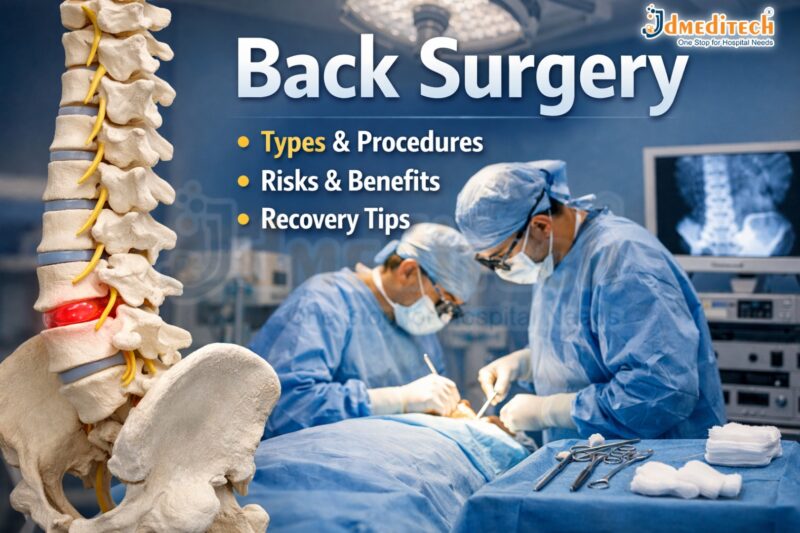
 

Back Surgery Guide: Benefits, Risks & Recovery Explained


Back surgery is a medical procedure used to treat severe spinal problems that do not improve with non-surgical treatments. It can help relieve chronic pain, restore mobility, and improve quality of life. This guide explains everything you need to know about back surgery, including types, benefits, risks, and recovery.

What is Back Surgery?

Back surgery refers to various surgical procedures performed on the spine to correct structural issues, relieve pressure on nerves, or stabilize the spine. Doctors usually recommend back surgery only after conservative treatments like medication, physiotherapy, or injections fail.

Common Types of Back Surgery
1. Discectomy

A discectomy involves removing part or all of a damaged disc that is pressing on a nerve. It is commonly used to treat herniated discs.

2. Laminectomy

In this procedure, a portion of the bone (lamina) is removed to relieve pressure on the spinal cord or nerves.

3. Spinal Fusion

Spinal fusion joins two or more vertebrae together to stabilize the spine and reduce pain caused by movement.

4. Artificial Disc Replacement

This surgery replaces a damaged disc with an artificial one, helping maintain natural movement.

5. Minimally Invasive Spine Surgery

This modern technique uses smaller incisions, resulting in less pain, quicker recovery, and reduced complications.

When is Back Surgery Needed?

Back surgery may be recommended if you experience:

  • Chronic back pain lasting more than 6 months
  • Nerve compression causing numbness or weakness
  • Herniated or slipped discs
  • Spinal stenosis
  • Severe spinal injuries or fractures
  • Loss of bladder or bowel control (medical emergency)
Benefits of Back Surgery
  • Relief from chronic pain
  • Improved mobility and flexibility
  • Better quality of life
  • Reduced nerve compression symptoms
  • Long-term spinal stability
Risks of Back Surgery

Like any surgical procedure, back surgery carries some risks, including:

  • Infection
  • Bleeding
  • Nerve damage
  • Blood clots
  • Failure to relieve symptoms
  • Need for additional surgery
Back Surgery Procedure: What to Expect
Before Surgery
  • Medical evaluation and imaging tests
  • Discussion of risks and benefits
  • Fasting before surgery
During Surgery
  • Performed under general anesthesia
  • Duration varies depending on the procedure
After Surgery
  • Monitoring in recovery room
  • Pain management and wound care
  • Gradual movement and physiotherapy
Recovery After Back Surgery

Recovery time depends on the type of surgery and patient health. General guidelines include:

  • Hospital stay: 1–5 days
  • Return to normal activities: 4–12 weeks
  • Full recovery: 3–6 months
Tips for Faster Recovery
  • Follow your doctor’s instructions
  • Attend physiotherapy sessions
  • Avoid heavy lifting
  • Maintain a healthy diet
  • Stay active with light exercises
Conclusion

Back surgery can be a life-changing solution for individuals suffering from severe spinal conditions. With proper diagnosis, expert care, and post-surgery rehabilitation, most patients experience significant pain relief and improved mobility. Always consult a qualified spine specialist to determine the best treatment for your condition.


Explore More Product >>


Get Connected:

+91 79909 93062 | +91 63513 72032 | exports@jdmeditech.com



Diabetes Treatment: Causes, Symptoms, Types & Prevention Guide

Diabetes is a chronic medical condition that affects how your body uses blood sugar (glucose). Glucose is essential for energy, but too much sugar in the blood can lead to serious health problems. With the rising number of diabetes cases worldwide, understanding its causes, symptoms, and diabetes treatment options is more important than ever.

What is Diabetes?

Diabetes occurs when your body either does not produce enough insulin or cannot use insulin properly. Insulin is a hormone that helps glucose enter your cells for energy. When this process fails, blood sugar levels rise.

Types of Diabetes
1. Type 1 Diabetes

Type 1 diabetes is an autoimmune condition where the body attacks insulin-producing cells. It usually develops in children or young adults.

2. Type 2 Diabetes

Type 2 diabetes is the most common form. It occurs when the body becomes resistant to insulin or does not produce enough.

3. Gestational Diabetes

This type develops during pregnancy and usually disappears after childbirth, but it increases the risk of Type 2 diabetes later.

Causes of Diabetes

Several factors contribute to diabetes, including:

  • Genetic factors
  • Obesity
  • Poor diet
  • Lack of physical activity
  • Hormonal imbalances
  • Pancreatic disorders

Understanding these causes helps in early diagnosis and effective diabetes treatment.

Symptoms of Diabetes

Recognizing early symptoms is crucial for timely diabetes treatment:

  • Frequent urination
  • Excessive thirst
  • Unexplained weight loss
  • Fatigue
  • Blurred vision
  • Slow healing wounds

If you experience these symptoms, consult a healthcare professional immediately.

Diagnosis of Diabetes

Doctors use several tests to diagnose diabetes:

  • Fasting Blood Sugar Test
  • HbA1c Test
  • Oral Glucose Tolerance Test
  • Random Blood Sugar Test

Early diagnosis plays a key role in successful diabetes treatment and management.

Diabetes Treatment Options

Effective diabetes treatment focuses on controlling blood sugar levels and preventing complications.

1. Medications

Doctors may prescribe insulin or oral medications depending on the type of diabetes.

2. Healthy Diet

A balanced diet rich in fiber, vegetables, and whole grains helps control blood sugar.

3. Regular Exercise

Physical activity improves insulin sensitivity and supports diabetes treatment.

4. Blood Sugar Monitoring

Regular monitoring helps manage glucose levels effectively.

5. Lifestyle Changes

Maintaining a healthy weight and avoiding smoking are essential parts of diabetes treatment.

Complications of Diabetes

If left untreated, diabetes can lead to serious complications:

  • Heart disease
  • Kidney damage
  • Nerve damage
  • Eye problems
  • Foot complications

Proper diabetes treatment reduces the risk of these complications.

Prevention of Diabetes

While Type 1 diabetes cannot be prevented, Type 2 diabetes can often be delayed or prevented:

  • Maintain a healthy weight
  • Eat a balanced diet
  • Exercise regularly
  • Avoid sugary foods and drinks
  • Get regular health checkups
When to See a Doctor

Seek medical advice if you notice symptoms of diabetes or have a family history of the condition. Early diagnosis ensures better diabetes treatment outcomes.

Conclusion

Diabetes is a manageable condition if detected early and treated properly. With the right diabetes treatment plan, healthy lifestyle choices, and regular monitoring, individuals can live a normal and healthy life. Awareness and prevention play a key role in controlling this growing health concern.

Explore More Product >>

Get Connected:

+91 79909 93062 | +91 63513 72032 | exports@jdmeditech.com
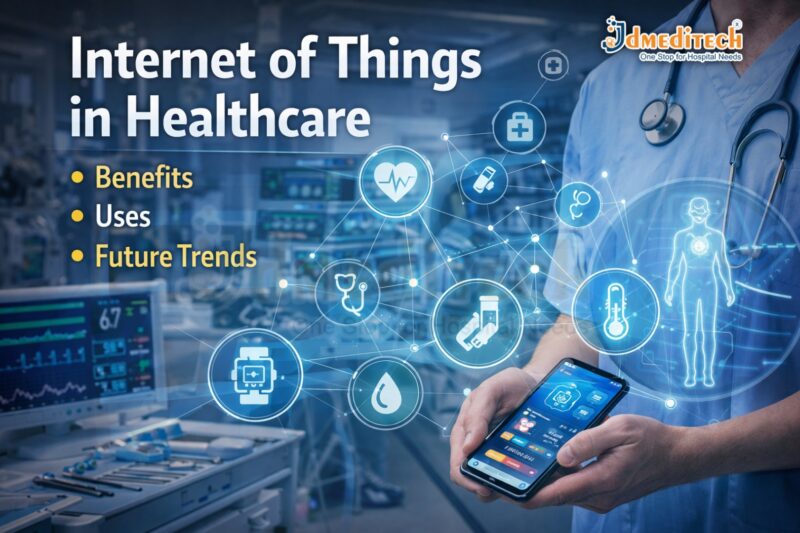
 

Internet of Things in Healthcare: Benefits, Uses & Future Trends

The Internet of Things in Healthcare is transforming the way medical services are delivered. By connecting devices, systems, and people, IoT enables real-time monitoring, improved patient outcomes, and efficient healthcare management. Today, hospitals and clinics are increasingly adopting IoT technologies to provide smarter and faster care.

What is Internet of Things (IoT) in Healthcare?

The Internet of Things in Healthcare refers to a network of connected medical devices and applications that collect, analyze, and transmit health data. These devices communicate with healthcare providers through the internet, allowing continuous monitoring and timely intervention.

Common IoT devices include:

  • Wearable fitness trackers
  • Smart glucose monitors
  • Connected heart rate monitors
  • Remote patient monitoring systems
Key Benefits of IoT in Healthcare
1. Real-Time Patient Monitoring

IoT devices allow doctors to monitor patients in real time. This helps in early detection of health issues and reduces emergency situations.

2. Improved Patient Outcomes

With continuous data tracking, healthcare providers can make better decisions. This leads to improved treatment and faster recovery.

3. Cost Reduction

The Internet of Things in Healthcare reduces hospital visits and readmissions. Remote monitoring helps save both time and money.

4. Enhanced Patient Engagement

Patients can track their own health using IoT devices. This encourages them to take an active role in their treatment.

5. Efficient Hospital Management

IoT helps hospitals manage equipment, staff, and patients efficiently. Smart systems reduce delays and improve workflow.

Applications of Internet of Things in Healthcare
Remote Patient Monitoring

Remote monitoring systems allow doctors to track patients from home. This is especially useful for chronic diseases like diabetes and heart conditions.

Smart Wearable Devices

Wearable devices such as smartwatches and fitness bands collect health data like heart rate, steps, and sleep patterns.

Connected Medical Equipment

Hospitals use IoT-enabled devices such as smart beds and infusion pumps to improve patient care and safety.

Medication Management

IoT helps remind patients to take medicines on time. Smart pill dispensers reduce medication errors.

Emergency Response Systems

IoT devices can send alerts during emergencies. This ensures quick medical assistance.

Challenges of IoT in Healthcare
Data Security and Privacy

Handling sensitive patient data requires strong security measures. Cybersecurity is a major concern in IoT healthcare systems.

High Implementation Cost

Setting up IoT infrastructure can be expensive for small healthcare providers.

Device Integration Issues

Different devices and systems may not always work together smoothly.

Regulatory Compliance

Healthcare organizations must follow strict regulations when using IoT technologies.

Future of Internet of Things in Healthcare

The future of the Internet of Things in Healthcare is very promising. With advancements in AI and machine learning, IoT systems will become more intelligent and predictive. Smart hospitals, personalized treatment plans, and automated healthcare services will soon become more common.

Conclusion

The Internet of Things in Healthcare is revolutionizing the medical industry. From real-time monitoring to improved patient care, IoT offers numerous benefits. Despite some challenges, its future is bright and full of innovation. Healthcare providers who adopt IoT technologies will be better equipped to deliver high-quality care.


Explore More Product >>


Get Connected:

+91 79909 93062 | +91 63513 72032 | exports@jdmeditech.com

Blood Cancer: Symptoms, Causes, Types, Treatment & Prevention Guide

Blood cancer is a serious medical condition that affects the production and function of blood cells. Blood cancer treatment plays a crucial role in managing the disease and improving survival rates. Early detection and advanced therapies have significantly improved outcomes for patients with blood cancer.

What is Blood Cancer?

Blood cancer is a type of cancer that begins in the bone marrow or lymphatic system. It affects the normal production of blood cells and interferes with their ability to fight infections.

Types of Blood Cancer
1. Leukemia

Leukemia affects the blood and bone marrow and leads to the production of abnormal white blood cells.

2. Lymphoma

Lymphoma affects the lymphatic system, which is part of the immune system.

3. Multiple Myeloma

Multiple myeloma affects plasma cells and weakens the immune system.

Symptoms of Blood Cancer

Common symptoms include:

  • Fatigue and weakness
  • Frequent infections
  • Unexplained weight loss
  • Fever and night sweats
  • Easy bruising or bleeding
  • Bone pain
Causes and Risk Factors

The exact cause of blood cancer is not always known, but several factors increase risk:

  • Genetic mutations
  • Exposure to radiation or chemicals
  • Weak immune system
  • Family history of cancer
Diagnosis of Blood Cancer

Doctors use multiple tests to diagnose blood cancer:

  • Blood tests
  • Bone marrow biopsy
  • Imaging tests (CT scan, MRI)
  • Lymph node biopsy
Blood Cancer Treatment

Blood cancer treatment depends on the type and stage of the disease. Early blood cancer treatment improves the chances of recovery.

Common Treatment Options
  • Chemotherapy
  • Radiation therapy
  • Immunotherapy
  • Targeted therapy
  • Stem cell transplant
Important Tips During Blood Cancer Treatment
  • Follow your treatment plan strictly
  • Maintain a healthy diet
  • Avoid infections
  • Attend regular check-ups
Prevention of Blood Cancer

Although not all cases can be prevented, you can reduce risk by:

  • Avoiding exposure to harmful chemicals
  • Maintaining a healthy lifestyle
  • Regular medical check-ups
Complications of Blood Cancer
  • Severe infections
  • Organ damage
  • Anemia
  • Bleeding disorders
Who is at Risk?
  • Older adults
  • People with weak immunity
  • Individuals exposed to radiation
Blood Cancer Treatment Recovery

Recovery depends on the type of cancer and treatment method. Blood cancer treatment may take months or years, but continuous care improves survival and quality of life.

Conclusion

Blood cancer is a life-threatening disease, but with timely diagnosis and proper blood cancer treatment, many patients achieve successful outcomes. Always consult a specialist for accurate diagnosis and personalized care.


Explore More Product >>


Get Connected:
+91 79909 93062 | +91 63513 72032 | exports@jdmeditech.com
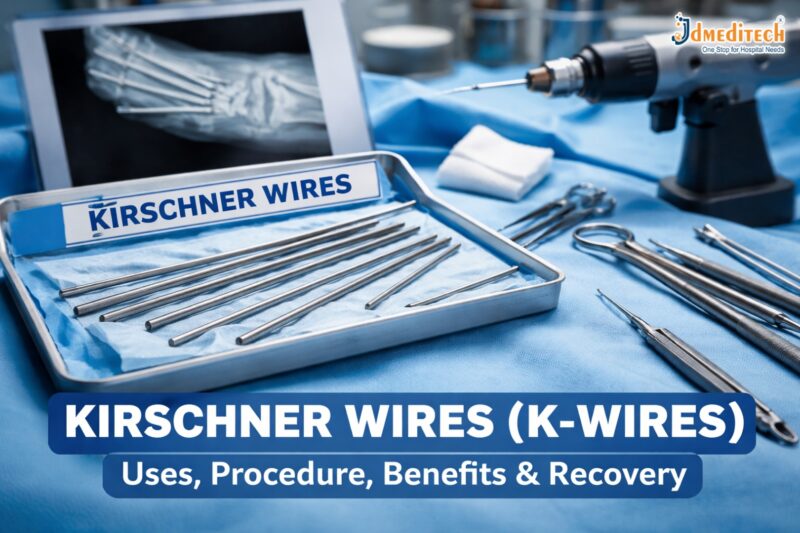
Kirschner Wires (K-Wires)

Kirschner wires (K-wires) are thin, smooth stainless steel pins used in orthopedic surgery to stabilize broken bones. These wires are highly effective for treating small bone fractures, pediatric injuries, and temporary fixation during complex procedures.

In this guide, you will learn everything about Kirschner wires, including their uses, procedure, advantages, risks, and recovery process.

What Are Kirschner Wires (K-Wires)?

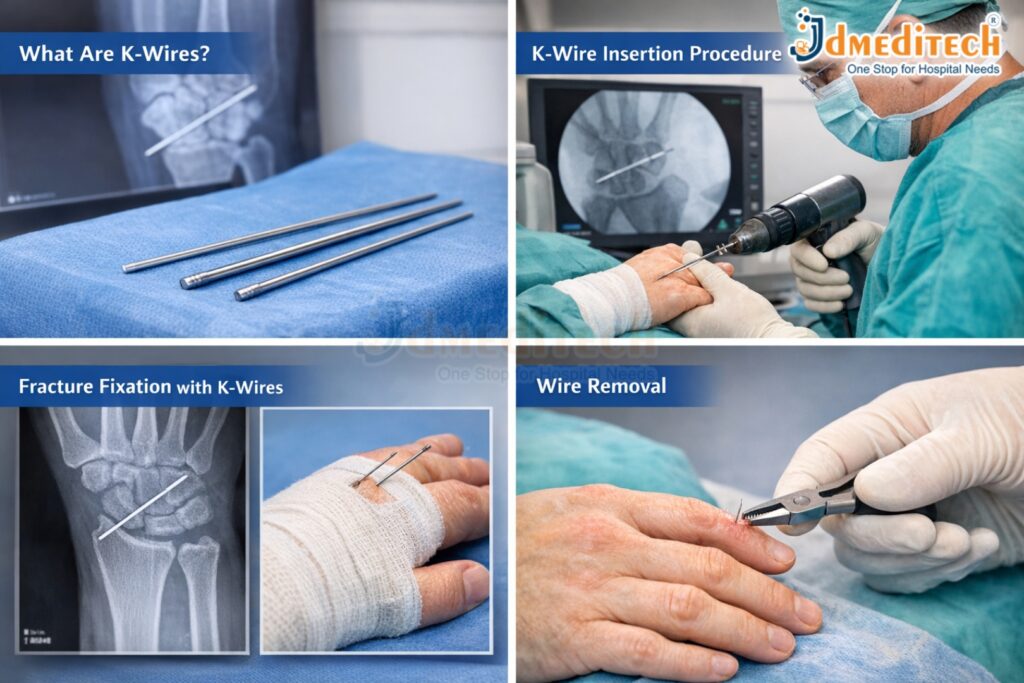
Kirschner wires, also known as K-wires, are thin metal pins used by orthopedic surgeons to hold bone fragments in proper alignment during healing.

They are:
  • Made from surgical-grade stainless steel
  • Available in different sizes
  • Suitable for various types of fractures
How Are Kirschner Wires Inserted?

Kirschner wires can be inserted using:

  • Percutaneous fixation (through the skin)
  • Open surgical procedures
Uses of Kirschner Wires

Kirschner wires are widely used in orthopedic treatments:

1. Fracture Fixation
  • Wrist fractures (distal radius)
  • Finger and hand fractures
  • Foot and ankle fractures
2. Pediatric Orthopedics
  • Growth plate injuries
  • Bone alignment in children
3. Temporary Stabilization
  • Before placing plates or screws
  • Maintaining alignment during surgery
4. Joint Stabilization
  • Dislocations
  • Ligament injuries

Kirschner Wires Procedure

The Kirschner wires procedure is simple and minimally invasive:

  1. Anesthesia – Local or general anesthesia is given
  2. Insertion – The wire is inserted using X-ray or fluoroscopy guidance
  3. Positioning – The wire stabilizes the fractured bone
  4. Fixation – Ends may remain outside or inside the skin
  5. Immobilization – A cast or splint is applied
Advantages of Kirschner Wires

Using Kirschner wires offers several benefits:

  • Minimally invasive technique
  • Shorter surgery time
  • Cost-effective treatment
  • Effective for small bones
  • Easy removal after healing
Risks and Complications of Kirschner Wires
  • Infection at the insertion site
  • Wire loosening or migration
  • Skin irritation
  • Damage to nearby tissues
  • Delayed healing (rare)

Proper care reduces these complications.

Recovery After Kirschner Wires Fixation

Recovery after Kirschner wires fixation depends on the fracture:

  • Immobilization: 3–6 weeks with cast or splint
  • Follow-ups: Regular X-rays
  • Wire removal: After healing
  • Physiotherapy: Restores movement and strength
Post-Procedure Care for Kirschner Wires

Follow these tips after Kirschner wires surgery:

  • Keep the area clean and dry
  • Avoid touching exposed wires
  • Watch for infection signs
  • Follow your doctor’s advice
Conclusion

Kirschner wires (K-wires) are an effective and minimally invasive solution for fracture stabilization. With proper care and follow-up, Kirschner wires treatment ensures excellent recovery outcomes.

Explore More Product >>

Contact Us
+91 79909 93062 | +91 63513 72032 | exports@jdmeditech.com
 

Kidney Stones: Definition, Facts, Causes & Prevention Guide

Kidney stones are a common yet painful urological condition affecting millions of people worldwide. Understanding what kidney stones are, how they form, and how to prevent them can help reduce the risk and avoid complications.

What Are Kidney Stones?

Kidney stones, medically known as renal calculi or nephrolithiasis, are hard deposits made of minerals and salts that form inside the kidneys. These stones develop when substances like calcium, oxalate, and uric acid become highly concentrated in urine, leading to crystal formation.

Over time, these crystals stick together and grow into solid stones that may stay in the kidney or travel through the urinary tract.

Key Facts About Kidney Stones

Here are some important and interesting facts about kidney stones:

  • Common Condition: Around 1 in 10 people will develop kidney stones at some point in their life.
  • Highly Painful: Passing a kidney stone can cause severe pain, often described as one of the most intense pains.
  • More Common in Men: Men are more likely to develop kidney stones than women.
  • Recurrence Rate: Nearly 50% of people who have had kidney stones may develop them again within 5 years.
  • Size Varies: Stones can be as small as a grain of sand or as large as a golf ball.
  • Climate Factor: People living in hot climates are at higher risk due to dehydration.
  • Diet Matters: High salt, sugar, and protein intake can increase risk.
Types of Kidney Stones

Kidney stones are classified based on their composition:

1. Calcium Stones
  • Most common type (about 80%)
  • Usually calcium oxalate
  • Linked to diet and metabolic factors
2. Uric Acid Stones
  • Form in people who don’t drink enough fluids
  • Common in high-protein diets
3. Struvite Stones
  • Associated with urinary tract infections (UTIs)
  • Can grow quickly and become large
4. Cystine Stones
  • Rare and genetic in origin
  • Caused by a hereditary disorder
Causes of Kidney Stones

Kidney stones form due to several factors:

  • Dehydration – Not drinking enough water
  • Dietary Habits – High intake of salt, sugar, and animal protein
  • Obesity – Linked to metabolic changes
  • Medical Conditions – Diabetes, gout, and UTIs
  • Family History – Genetic predisposition
  • Certain Medications – Can increase stone formation risk
Symptoms of Kidney Stones

Small stones may not cause symptoms, but larger stones can lead to:

  • Severe pain in the back or side (renal colic)
  • Pain during urination
  • Blood in urine (hematuria)
  • Nausea and vomiting
  • Frequent urge to urinate
  • Cloudy or foul-smelling urine
How Kidney Stones Are Diagnosed

Doctors use several methods to diagnose kidney stones:

  • Ultrasound
  • CT Scan (most accurate)
  • Urine Tests
  • Blood Tests
Prevention Tips for Kidney Stones

Preventing kidney stones is possible with simple lifestyle changes:

Stay Hydrated

Drink at least 2.5–3 liters of water daily.

Follow a Balanced Diet
  • Reduce salt intake
  • Limit animal protein
  • Avoid excessive oxalate-rich foods (spinach, nuts)
Maintain Healthy Weight

Obesity increases the risk of stone formation.

Limit Sugary Drinks

Avoid sodas and high-fructose beverages.

Take Medical Advice

Follow your doctor’s guidance if you have a history of stones.

When to See a Doctor

Seek medical attention if you experience:

  • Severe, persistent pain
  • Blood in urine
  • Fever and chills
  • Difficulty passing urine
Conclusion

Kidney stones are a common but preventable condition. By understanding their definition, causes, and key facts, you can take proactive steps to protect your kidney health. Staying hydrated, maintaining a balanced diet, and seeking timely medical care are essential for prevention and management.

Explore More Product >>

Get Connected:

+91 79909 93062 | +91 63513 72032 | exports@jdmeditech.com

 

Top Current Trends in Medical Device Innovation (2026 Guide)

Top Current Trends in Medical Device Innovation (2026 Guide)

Introduction

The medical device industry is undergoing rapid transformation driven by technological advancements, patient-centered care, and the demand for minimally invasive treatments. From AI-powered diagnostics to wearable health monitoring devices, innovation is reshaping how healthcare is delivered globally.

In this blog, we explore the top current trends in medical device innovation that are revolutionizing patient care, improving outcomes, and driving the future of healthcare.

1. Artificial Intelligence (AI) & Machine Learning Integration

Artificial Intelligence is at the forefront of medical device innovation. AI-powered systems are enhancing diagnostic accuracy, predicting disease progression, and assisting clinicians in decision-making.

Key Applications:
  • AI-based imaging tools (radiology, pathology)
  • Predictive analytics for early disease detection
  • Smart surgical assistance systems
Benefits:
  • Faster and more accurate diagnoses
  • Reduced human error
  • Improved patient outcomes
2. Wearable Medical Devices & Remote Monitoring

Wearable technology has become a major trend, allowing continuous health monitoring outside hospital settings.

Popular Devices:
  • Smartwatches with ECG and oxygen monitoring
  • Continuous glucose monitors (CGMs)
  • Blood pressure monitoring wearables
Why It Matters:
  • Enables real-time patient tracking
  • Reduces hospital visits
  • Supports telemedicine growth
3. Minimally Invasive & Robotic Surgery Devices

Patients and healthcare providers prefer minimally invasive procedures due to faster recovery and reduced complications.

Innovations Include:
  • Robotic-assisted surgical systems
  • Advanced laparoscopic tools
  • Miniaturized surgical instruments
Advantages:
  • Smaller incisions
  • Less pain and scarring
  • Shorter hospital stays
4. Internet of Medical Things (IoMT)

IoMT refers to interconnected medical devices that communicate through the internet.

Examples:
  • Smart infusion pumps
  • Connected imaging devices
  • Remote patient monitoring systems
Impact:
  • Improved data sharing between providers
  • Real-time monitoring and alerts
  • Enhanced clinical decision-making
5. 3D Printing in Medical Devices

3D printing is transforming how medical devices and implants are designed and manufactured.

Applications:
  • Customized prosthetics
  • Patient-specific implants
  • Surgical planning models
Benefits:
  • Personalized treatment
  • Faster production
  • Cost efficiency
6. Smart Implants & Bioelectronics

Next-generation implants are becoming “smart” with integrated sensors and connectivity.

Examples:
  • Smart orthopedic implants
  • Neurostimulators
  • Cardiac monitoring implants
Key Advantages:
  • Continuous internal monitoring
  • Early detection of complications
  • Improved long-term outcomes
7. Digital Therapeutics (DTx)

Digital therapeutics are software-based medical interventions used to prevent, manage, or treat diseases.

Use Cases:
  • Diabetes management apps
  • Mental health treatment platforms
  • Rehabilitation programs
Why It’s Growing:
  • Non-invasive treatment option
  • Personalized care plans
  • Data-driven therapy
8. Point-of-Care Diagnostics

Rapid diagnostic tools are making testing faster and more accessible.

Examples:
  • Portable ultrasound devices
  • Rapid blood testing kits
  • Handheld diagnostic tools
Benefits:
  • Immediate results
  • Improved emergency care
  • Better rural healthcare access
9. Cybersecurity in Medical Devices

As devices become more connected, cybersecurity is a critical focus area.

Key Concerns:
  • Data breaches
  • Device hacking
  • Patient privacy
Solutions:
  • Advanced encryption
  • Secure device software updates
  • Regulatory compliance
10. Sustainable & Eco-Friendly Medical Devices

Sustainability is becoming a priority in healthcare innovation.

Trends:

  • Reusable devices
  • Eco-friendly materials
  • Reduced medical waste
Impact:
  • Lower environmental footprint
  • Cost savings
  • Compliance with global sustainability goals
Future Outlook

The future of medical device innovation will be driven by personalization, connectivity, and automation. Emerging technologies such as nanotechnology, augmented reality (AR), and blockchain are expected to further revolutionize the industry.


Conclusion

Medical device innovation is transforming healthcare by making it more efficient, accessible, and patient-centered. Staying updated with these trends is essential for healthcare providers, manufacturers, and patients alike.

As technology continues to evolve, the integration of AI, IoMT, and personalized devices will define the next generation of healthcare solutions.

Explore More Product >>

Get Connected:

+91 79909 93062 | +91 63513 72032 | exports@jdmeditech.com
 

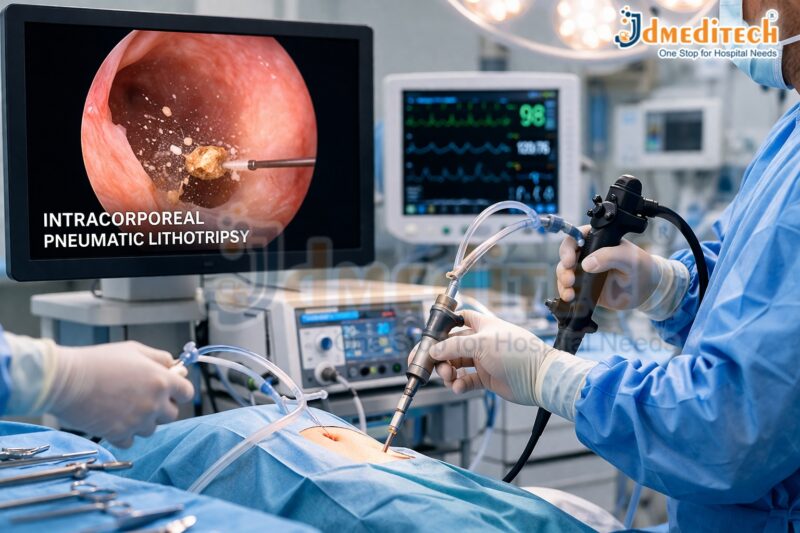
Intracorporeal Pneumatic Lithotripsy

Intracorporeal Pneumatic Lithotripsy: Advanced Solution for Kidney Stone Treatment

Intracorporeal Pneumatic Lithotripsy is a highly effective and widely used technique for the treatment of urinary stones, including kidney, ureter, and bladder stones. This modern procedure has become an essential part of urological care due to its precision, safety, and cost-effectiveness.

What is Intracorporeal Pneumatic Lithotripsy?

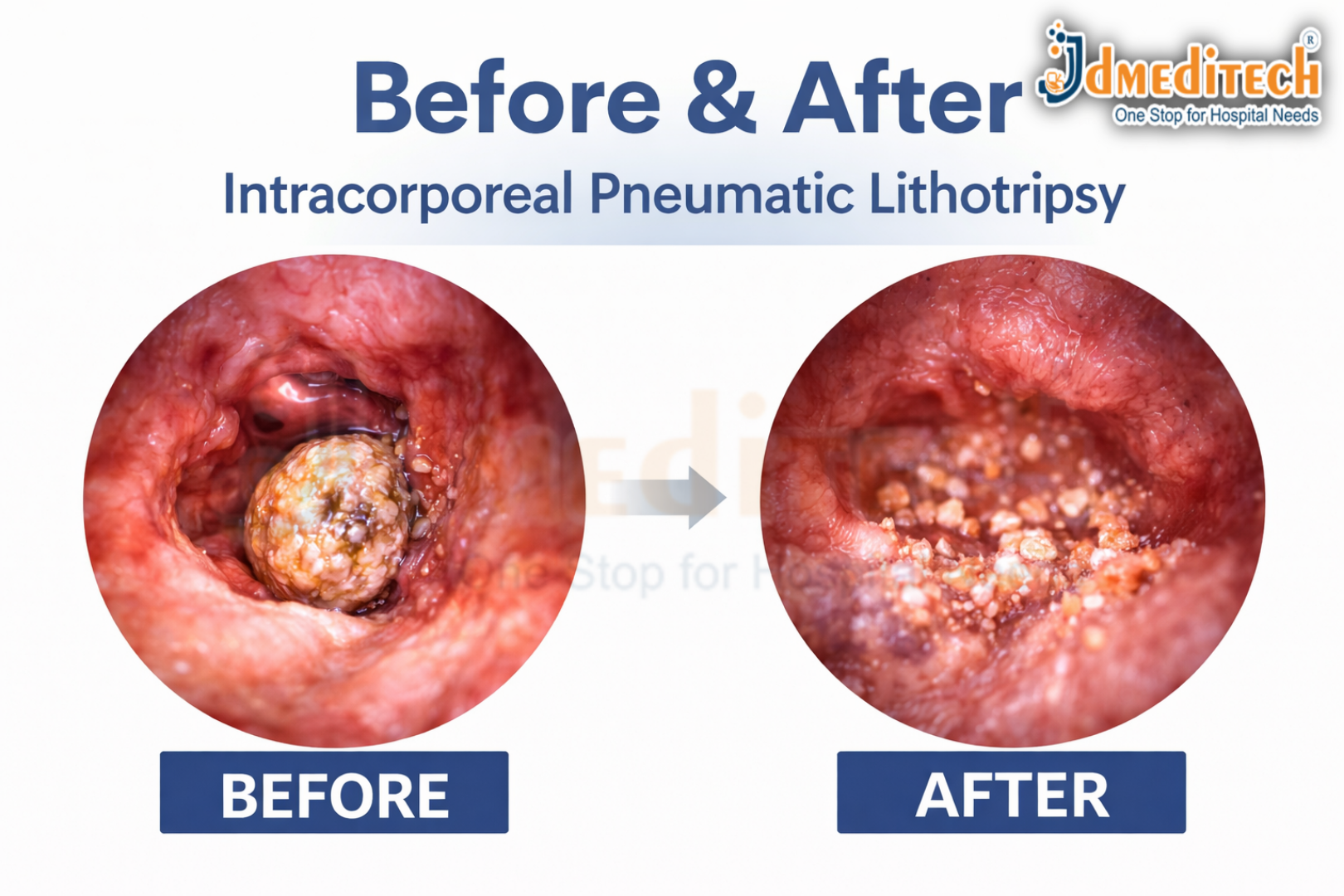
Intracorporeal Pneumatic Lithotripsy is a minimally invasive procedure that uses pneumatic (compressed air) energy to break hard stones into smaller fragments. These fragments can then be removed or naturally passed through the urinary tract.

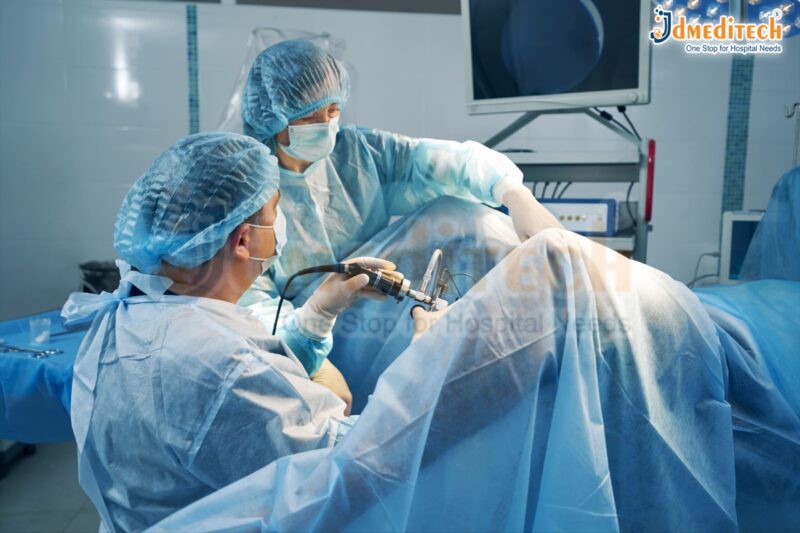
The procedure is performed using an endoscope, allowing direct visualization of the stone and accurate targeting during fragmentation.

How the Procedure Works

During the procedure:

  • A ureteroscope or endoscope is inserted into the urinary tract
  • A pneumatic lithotripter probe is positioned against the stone
  • Mechanical energy is delivered to fragment the stone
  • Broken pieces are removed or flushed out

This method is especially effective for hard and large stones that are difficult to treat with other techniques.


Key Benefits of Pneumatic Lithotripsy
  • High efficiency in breaking hard stones
  • Minimally invasive with faster recovery time
  • Cost-effective treatment option
  • Safe and reliable procedure
  • Suitable for ureteric and bladder stones
Applications in Modern Urology

Intracorporeal Pneumatic Lithotripsy is commonly used in:

  • Ureteroscopy procedures
  • Treatment of ureteral stones
  • Management of bladder stones
  • Selected kidney stone cases

It remains a preferred choice in many healthcare settings due to its affordability and consistent results.

Growing Demand for Advanced Stone Treatment

With the increasing prevalence of kidney stones, there is a rising demand for advanced and efficient treatment methods. Intracorporeal Pneumatic Lithotripsy continues to play a vital role in modern healthcare by offering a dependable and accessible solution.

Conclusion

Intracorporeal Pneumatic Lithotripsy is a proven and effective method for treating urinary stones. Its minimally invasive approach, combined with high success rates, makes it an important technique in modern urology. As healthcare technology advances, this procedure continues to support better patient outcomes and improved quality of care.


Explore More Product >>

Get Connected:
+91 79909 93062 | +91 63513 72032 | exports@jdmeditech.com
 

TURP Surgery

TURP Surgery: Effective Treatment for Enlarged Prostate (BPH)

Transurethral Resection of the Prostate (TURP) is a widely performed surgical procedure used to treat urinary problems caused by an enlarged prostate, also known as Benign Prostatic Hyperplasia (BPH). It is considered one of the most effective and reliable treatments in modern urology.

What is TURP Surgery?

TURP surgery is a minimally invasive procedure in which excess prostate tissue is removed to relieve pressure on the urethra. This helps restore normal urine flow and reduces symptoms such as difficulty urinating, weak stream, and frequent urination.

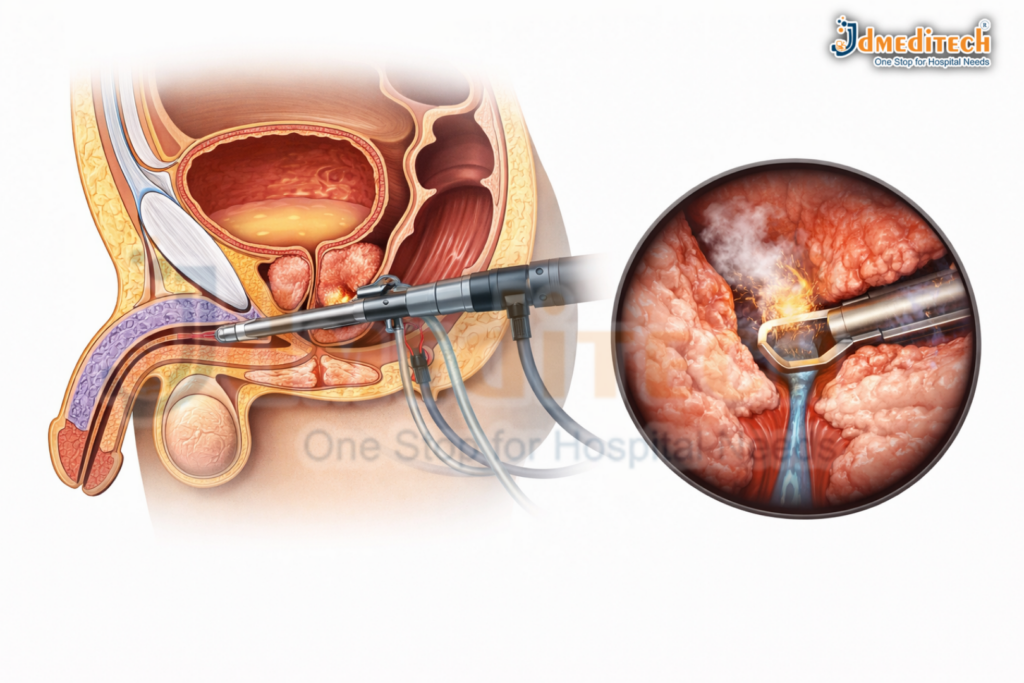
The procedure is performed using a special instrument called a resectoscope, which is inserted through the urethra—eliminating the need for external incisions.

How the Procedure Works

The TURP procedure involves:

  • Insertion of a resectoscope through the urethra
  • Visualization of the prostate using a camera
  • Removal of excess prostate tissue using an electrical loop
  • Clearing the urinary passage to improve urine flow

The removed tissue is flushed out, and a catheter may be placed temporarily to aid recovery.

Key Benefits of TURP Surgery
  • Effective relief from urinary symptoms
  • Minimally invasive (no external cuts)
  • Improved urine flow and bladder control
  • Shorter hospital stay and recovery time
  • Proven and widely used procedure
Who Needs TURP Surgery?

TURP is recommended for patients experiencing:

  • Frequent or urgent need to urinate
  • Difficulty starting urination
  • Weak urine stream
  • Incomplete bladder emptying
  • Complications from enlarged prostate

It is typically advised when medications are not effective.

Risks and Considerations

Like any surgical procedure, TURP carries some risks, including:

  • Temporary urinary discomfort
  • Infection or bleeding
  • Retrograde ejaculation
  • Rare complications such as incontinence

However, it is generally considered safe with a high success rate.

Importance in Modern Healthcare

With the increasing prevalence of prostate enlargement in aging men, TURP surgery continues to be a gold standard treatment. Its effectiveness, safety, and long-term results make it a preferred choice for urologists worldwide.

Conclusion

TURP surgery is a trusted and effective solution for managing symptoms of an enlarged prostate. With its minimally invasive approach and proven outcomes, it significantly improves quality of life for patients experiencing urinary difficulties.

Explore More Product >>

Get Connected:

+91 79909 93062 | +91 63513 72032 | exports@jdmeditech.com