Initial Puncture Needle – Essential Tool for Safe Percutaneous Access

The initial puncture needle is a critical medical instrument used to establish safe and accurate percutaneous access during various diagnostic and therapeutic procedures. It plays a vital role in interventional radiology, urology, and minimally invasive surgeries. Because precision is essential in these procedures, the initial puncture needle helps clinicians access targeted anatomical structures with minimal trauma. As a result, it significantly improves patient safety and procedural success rates.

What is an Initial Puncture Needle?

The initial puncture needle is a specially designed sharp needle used to create the first entry point into the body through the skin. Typically, it is used in procedures such as PCNL (Percutaneous Nephrolithotomy), biopsy, drainage, and vascular access. Moreover, it allows accurate placement under imaging guidance like ultrasound or fluoroscopy.

Key Characteristics
  • Sharp beveled tip for precise penetration
  • High-quality stainless steel construction
  • Echogenic markings for better visibility
  • Ergonomic hub for improved grip and control
  • Available in various lengths and gauges
Applications of Initial Puncture Needle

The initial puncture needle is widely used across multiple medical specialties. Therefore, its versatility makes it an indispensable tool in modern healthcare.

Common Uses
  • Percutaneous nephrolithotomy (PCNL) procedures
  • Renal access and stone removal
  • Tissue biopsy procedures
  • Fluid aspiration and drainage
  • Vascular access interventions

Because of its precision, the initial puncture needle ensures minimal tissue damage while achieving accurate entry.

Benefits of Using Initial Puncture Needle

The use of an initial puncture needle offers several advantages, especially in minimally invasive procedures. In addition, it enhances both procedural efficiency and patient outcomes.

Major Benefits
  • High accuracy during percutaneous access
  • Reduced risk of complications
  • Minimal tissue trauma
  • Enhanced control for clinicians
  • Compatibility with imaging guidance systems

Furthermore, the initial puncture needle supports faster recovery due to reduced invasiveness.

Design and Material Quality

The design of the initial puncture needle focuses on safety, precision, and durability. For instance, it is manufactured using medical-grade stainless steel to ensure strength and corrosion resistance. Additionally, echogenic tips improve visibility under ultrasound, which allows accurate targeting.

Advanced Features
  • Anti-corrosive and biocompatible material
  • Smooth surface for easy insertion
  • Optimal flexibility with strength
  • Secure hub connection for stability

As a result, the initial puncture needle delivers consistent performance across procedures.

Role in Safe Percutaneous Access

Safe percutaneous access is the foundation of many minimally invasive procedures. Therefore, the initial puncture needle plays a crucial role in ensuring correct entry into the targeted area. With imaging guidance, clinicians can avoid critical structures and reduce complications.

Moreover, the initial puncture needle enables controlled penetration, which improves overall procedural safety. Consequently, it is considered an essential instrument in interventional medicine.

How to Choose the Right Initial Puncture Needle

Selecting the appropriate initial puncture needle depends on the procedure type and patient requirements. Thus, healthcare professionals should consider several factors before use.

Selection Factors
  • Needle gauge and length
  • Type of procedure
  • Imaging compatibility
  • Required flexibility and rigidity
  • Manufacturer quality standards

Choosing the correct initial puncture needle ensures optimal results and reduces procedural risks.

Why Choose JDMeditech Initial Puncture Needle

At www.jdmeditech.com, we provide high-quality initial puncture needle solutions designed to meet international medical standards. Our products are trusted by healthcare professionals for their reliability and performance.

Our Advantages
  • Precision-engineered products
  • Strict quality control standards
  • Wide range of medical instruments
  • Competitive pricing
  • Trusted supplier and manufacturer

Because of our commitment to quality, JDMeditech remains a preferred choice in the medical industry.

Conclusion

The initial puncture needle is an essential tool for safe percutaneous access in modern medical procedures. It ensures precision, safety, and efficiency while minimizing complications. As minimally invasive techniques continue to grow, the importance of the initial puncture needle becomes even more significant. Therefore, choosing a high-quality product from a trusted provider like JDMeditech ensures optimal clinical outcomes.

Explore More Product >>

Get Connected:
+91 79909 93062 | +91 63513 72032 | exports@jdmeditech.com

Esophageal Stenting – Restoring Swallowing Function Safely

What is Esophageal Stenting?

Esophageal Stenting is a minimally invasive procedure used to restore swallowing in patients with esophageal blockage. The esophagus carries food to the stomach, but certain conditions can narrow or obstruct it. As a result, patients experience difficulty swallowing.

In such situations, Esophageal Stenting provides an effective solution. A flexible stent is placed inside the esophagus to keep it open. Therefore, food and liquids pass more easily, and patients feel immediate relief.

Why Esophageal Stenting is Needed
Conditions Treated with Esophageal Stenting

Doctors recommend Esophageal Stenting when swallowing becomes difficult due to obstruction. Moreover, this procedure is useful in both cancerous and non-cancerous conditions.

Common indications include:

  • Esophageal cancer
  • Benign strictures
  • Post-surgical narrowing
  • Tracheoesophageal fistula
  • External tumor compression

Thus, Esophageal Stenting helps restore normal swallowing when other treatments are not effective.

Types of Esophageal Stents
Options Used in Esophageal Stenting

Different types of stents are used in Esophageal Stenting depending on the condition. Each type serves a specific purpose.

  • Self-expanding metal stents
  • Self-expanding plastic stents
  • Fully covered stents
  • Partially covered stents

Because of these options, Esophageal Stenting can be tailored to patient needs for better outcomes.

Procedure of Esophageal Stenting
How Esophageal Stenting is Performed

Esophageal Stenting is performed using endoscopic guidance. First, the patient receives sedation for comfort. Then, the doctor inserts an endoscope into the esophagus.

Next, a guidewire passes through the narrowed area. After that, the stent is placed over the guidewire. Finally, the stent expands and opens the blocked passage.

As a result, Esophageal Stenting quickly restores swallowing function and improves patient comfort.

Benefits of Esophageal Stenting
Advantages of Esophageal Stenting

Esophageal Stenting offers several benefits, which makes it a preferred treatment option.

  • Immediate relief from dysphagia
  • Minimally invasive approach
  • Faster recovery time
  • Improved nutrition
  • Better quality of life

In addition, Esophageal Stenting is suitable for patients who cannot undergo major surgery.

Risks and Complications
Possible Issues in Esophageal Stenting

Although Esophageal Stenting is safe, some risks may occur. However, doctors manage most complications effectively.

  • Stent migration
  • Chest discomfort
  • Bleeding
  • Rare perforation
  • Food blockage

Therefore, regular follow-up after Esophageal Stenting is important for long-term success.

Recovery and Aftercare
Care After Esophageal Stenting

After Esophageal Stenting, patients should follow proper guidelines. First, they start with liquids and then move to soft foods. Additionally, they should avoid hard foods.

Patients should chew food properly and stay upright after eating. Furthermore, regular medical check-ups are necessary.

With proper care, Esophageal Stenting provides long-lasting results and improved swallowing.

Role of Technology in Esophageal Stenting
Advancements Improving Esophageal Stenting

Modern technology has improved Esophageal Stenting significantly. Advanced imaging ensures accurate placement, while high-quality stents enhance safety.

At JdMeditech, we provide advanced medical devices that support procedures like Esophageal Stenting. Our products meet high-quality standards and ensure reliable performance.

Conclusion
Importance of Esophageal Stenting

Esophageal Stenting is an effective solution for restoring swallowing in patients with obstruction. It is safe, minimally invasive, and highly beneficial.

Therefore, early use of Esophageal Stenting improves patient outcomes and quality of life.

Explore More Product >>

Get Connected:
+91 79909 93062 | +91 63513 72032 | exports@jdmeditech.com

TGA Repair Surgery – Correcting Congenital Heart Defect

TGA Repair Surgery is a life-saving cardiac procedure used to treat transposition of the great arteries (TGA), a serious congenital heart defect present at birth. In this condition, the two main arteries leaving the heart are reversed, which disrupts normal blood circulation. As a result, oxygen-poor blood circulates through the body, leading to severe complications. Therefore, TGA Repair Surgery becomes essential for survival and long-term health.

What is Transposition of the Great Arteries (TGA)?

Transposition of the great arteries is a congenital condition where the aorta and pulmonary artery are switched in position. Consequently, oxygen-poor blood is pumped back into the body, while oxygen-rich blood circulates within the lungs. Without TGA Repair Surgery, this condition can quickly become fatal. However, early diagnosis and surgical correction significantly improve outcomes.

Why TGA Repair Surgery is Necessary

TGA Repair Surgery is necessary because it restores the normal flow of blood through the heart and lungs. In addition, it ensures that oxygen-rich blood reaches the body efficiently. Doctors usually perform this surgery within the first few weeks of life. As a result, early intervention increases survival rates and reduces complications.

Types of TGA Repair Surgery

There are different surgical approaches used in TGA Repair Surgery depending on the patient’s condition:

Arterial Switch Operation (ASO)

The arterial switch operation is the most common form of TGA Repair Surgery. During this procedure, surgeons reposition the aorta and pulmonary artery to their correct locations. Moreover, they reattach the coronary arteries to ensure proper heart function.

Atrial Switch Operation (Mustard or Senning Procedure)

In some cases, surgeons perform an atrial switch operation. This type of TGA Repair Surgery redirects blood flow at the atrial level instead of switching the arteries. Although less common today, it may be used in specific situations.

Double Switch Procedure

The double switch procedure combines arterial and atrial corrections. Therefore, it is used in complex cases where additional anatomical issues are present.

Procedure of TGA Repair Surgery

TGA Repair Surgery is performed under general anesthesia in a specialized cardiac center. First, the surgeon opens the chest to access the heart. Then, the patient is placed on a heart-lung machine to maintain circulation during the procedure. After that, the arteries are repositioned, and blood flow is corrected. Finally, the chest is closed, and the patient is moved to intensive care for recovery.

Benefits of TGA Repair Surgery

TGA Repair Surgery offers several important benefits:

  • Restores normal blood circulation
  • Improves oxygen supply throughout the body
  • Increases survival rates in newborns
  • Enhances long-term heart function
  • Reduces risk of complications
Risks and Complications

Although TGA Repair Surgery is highly effective, it carries some risks. These may include infection, bleeding, arrhythmias, or complications related to the heart-lung machine. However, with modern medical advancements, the success rate of TGA Repair Surgery is very high.

Recovery After TGA Repair Surgery

Recovery after TGA Repair Surgery typically involves a hospital stay in the neonatal or pediatric intensive care unit. Initially, the baby is closely monitored for heart function and oxygen levels. Gradually, feeding and activity levels improve. In most cases, children can lead healthy and active lives after successful surgery.

Long-Term Outlook

The long-term outlook after TGA Repair Surgery is excellent. With regular follow-ups and proper care, most patients experience normal growth and development. Furthermore, advances in pediatric cardiology have significantly improved survival and quality of life.

Why Choose JDMeditech for Cardiac Solutions

At JDMeditech, we are committed to supporting advanced cardiac care by providing high-quality medical devices and solutions. Our products are designed to assist healthcare professionals in performing complex procedures like TGA Repair Surgery with precision and reliability.

Conclusion

TGA Repair Surgery is a critical procedure that saves lives by correcting a complex congenital heart defect. Early diagnosis, timely intervention, and expert surgical care play a vital role in ensuring successful outcomes. Therefore, awareness about TGA Repair Surgery is essential for parents and healthcare providers alike.


Explore More Product >>

Get Connected:
+91 79909 93062 | +91 63513 72032 | exports@jdmeditech.com
 

Automatic Biopsy Gun – Accurate Tissue Sampling Technology

The Automatic Biopsy Gun is a highly advanced medical device designed to obtain accurate tissue samples for diagnostic purposes. Today, healthcare professionals rely on the Automatic Biopsy Gun for its speed, precision, and reliability. Moreover, it plays a crucial role in detecting diseases such as cancer, infections, and other abnormal tissue conditions.

In modern medicine, accurate diagnosis is essential. Therefore, the Automatic Biopsy Gun has become an indispensable tool in hospitals, diagnostic centers, and pathology labs.

What is an Automatic Biopsy Gun?

An Automatic Biopsy Gun is a spring-loaded device used to collect tissue samples quickly and efficiently. It works by inserting a biopsy needle into the targeted area and retrieving a small tissue sample for laboratory analysis.

Unlike manual methods, the Automatic Biopsy Gun offers consistent performance. As a result, it reduces human error and improves diagnostic accuracy.

Key Features of Automatic Biopsy Gun
High-Speed Operation

The Automatic Biopsy Gun operates with a rapid firing mechanism. Consequently, it minimizes patient discomfort and ensures quick sample collection.

Precision Sampling

It allows accurate targeting of tissues. Therefore, doctors can obtain reliable samples even from deep or sensitive areas.

Ergonomic Design

The device features a user-friendly design. As a result, clinicians can handle it easily during procedures.

Adjustable Penetration Depth

Many Automatic Biopsy Guns come with adjustable depth settings. This feature helps customize procedures based on patient requirements.

Compatibility with Biopsy Needles

The device supports various biopsy needles. Hence, it is suitable for multiple medical applications.

Applications of Automatic Biopsy Gun

The Automatic Biopsy Gun is widely used across different medical fields. For instance:

Oncology

Doctors use it to detect tumors and confirm cancer diagnoses.

Urology

It helps in prostate biopsies for detecting abnormalities.

Gastroenterology

It assists in sampling tissues from the liver or gastrointestinal tract.

Gynecology

It is useful for breast and uterine tissue sampling.

Advantages of Automatic Biopsy Gun

The Automatic Biopsy Gun offers several benefits that enhance medical procedures.

Improved Accuracy

It ensures precise tissue collection. Therefore, diagnostic results become more reliable.

Reduced Procedure Time

The fast mechanism reduces overall procedure time. As a result, patient comfort improves.

Minimal Trauma

It causes less tissue damage compared to traditional methods.

Consistency

The automated system provides uniform results in every procedure.

How Does an Automatic Biopsy Gun Work?

The working principle of the Automatic Biopsy Gun is simple yet effective.

First, the clinician positions the needle at the target site. Then, the device is triggered, which quickly inserts and retracts the needle. As a result, a tissue sample is captured inside the needle chamber.

Finally, the sample is sent to the laboratory for further examination.

Safety and Sterilization

Safety is a top priority when using an Automatic Biopsy Gun. Most devices are designed for single-use or easy sterilization. Therefore, they help prevent infections and ensure patient safety.

Additionally, clinicians follow strict hygiene protocols during biopsy procedures.

Why Choose Automatic Biopsy Gun from JDMeditech?

At JDMeditech, we provide high-quality Automatic Biopsy Guns that meet international healthcare standards. Our products ensure durability, precision, and superior performance.

Furthermore, we focus on innovation and reliability. As a result, healthcare professionals trust JDMeditech for advanced medical solutions.

Conclusion

The Automatic Biopsy Gun has revolutionized tissue sampling in modern medicine. With its advanced technology, it ensures accurate diagnosis, faster procedures, and improved patient comfort.

As healthcare continues to evolve, devices like the Automatic Biopsy Gun will remain essential in delivering precise and effective diagnostic outcomes.


Explore More Product >>

Get Connected:
+91 79909 93062 | +91 63513 72032 | exports@jdmeditech.com

Electrophysiology Study – Understanding Heart Rhythm Diagnosis

What is an Electrophysiology Study

Electrophysiology Study is a specialized cardiac test used to evaluate the electrical activity of the heart. It helps doctors understand abnormal heart rhythms, also known as arrhythmias. As cardiovascular diseases continue to rise globally, Electrophysiology Study plays a critical role in early diagnosis and targeted treatment.

Unlike standard ECG or Holter monitoring, Electrophysiology Study provides detailed internal mapping of the heart’s electrical pathways. Therefore, it is considered one of the most accurate diagnostic tools in modern cardiology.

Why Electrophysiology Study is Important
Role in Diagnosing Arrhythmias

Electrophysiology Study is essential when patients experience symptoms such as palpitations, dizziness, or unexplained fainting. These symptoms often indicate irregular heart rhythms that require deeper investigation.

Moreover, Electrophysiology Study helps identify conditions like atrial fibrillation, ventricular tachycardia, and supraventricular tachycardia. As a result, doctors can design precise treatment plans.

Guiding Treatment Decisions

Another important benefit of Electrophysiology Study is its ability to guide treatment. For instance, it helps determine whether a patient needs medication, catheter ablation, or device implantation such as a pacemaker.

Because of this, Electrophysiology Study not only diagnoses but also directly influences treatment strategy.

How Electrophysiology Study is Performed
Step-by-Step Procedure

Electrophysiology Study is typically performed in a specialized cardiac catheterization lab. First, the patient receives local anesthesia and mild sedation to ensure comfort.

Next, thin flexible tubes called catheters are inserted through a vein, usually in the groin or neck. These catheters are carefully guided to the heart using imaging technology.

Once in position, the electrodes on the catheters record electrical signals from different areas of the heart. In addition, doctors may stimulate the heart to reproduce abnormal rhythms. This allows precise identification of the problem area.

Duration and Monitoring

Electrophysiology Study usually takes between one to four hours. During the procedure, the patient’s heart rhythm, blood pressure, and oxygen levels are continuously monitored. Therefore, safety remains a top priority throughout the process.

Benefits of Electrophysiology Study
Accurate Diagnosis

Electrophysiology Study provides unmatched accuracy in diagnosing complex arrhythmias. Because it directly studies the heart’s electrical system, it delivers highly reliable results.

Minimally Invasive Approach

Although it involves catheter insertion, Electrophysiology Study is considered minimally invasive. As a result, recovery time is relatively short compared to open-heart procedures.

Immediate Treatment Possibility

In many cases, doctors can perform catheter ablation during the same Electrophysiology Study session. This eliminates the need for a second procedure and improves patient outcomes.

Risks and Complications of Electrophysiology Study
Possible Side Effects

Electrophysiology Study is generally safe; however, like any medical procedure, it carries some risks. These may include bleeding, infection, or minor damage to blood vessels.

Rare Complications

In rare cases, complications such as heart perforation or serious arrhythmias may occur. Nevertheless, experienced cardiologists take extensive precautions to minimize these risks.

Recovery After Electrophysiology Study
Post-Procedure Care

After Electrophysiology Study, patients are usually monitored for a few hours. The insertion site is checked for bleeding, and patients are advised to rest.

Return to Normal Activities

Most individuals can return to normal activities within one to two days. However, heavy physical activity should be avoided for a short period to ensure proper healing.

Who Needs an Electrophysiology Study
Common Indications

Doctors recommend Electrophysiology Study for patients with unexplained fainting, rapid heartbeats, or irregular ECG results. It is also used for individuals at risk of sudden cardiac arrest.

High-Risk Patients

Patients with structural heart disease or previous heart attacks may benefit significantly from Electrophysiology Study. Early detection through this procedure can be life-saving.

Future of Electrophysiology Study
Advancements in Cardiac Mapping

With technological advancements, Electrophysiology Study is becoming more precise and efficient. Modern 3D mapping systems allow cardiologists to visualize the heart in real-time.

Integration with AI

Artificial intelligence is increasingly being integrated into Electrophysiology Study. This enhances accuracy and helps predict arrhythmia patterns more effectively.

Conclusion
A Key Tool in Modern Cardiology

Electrophysiology Study remains a cornerstone in diagnosing and managing heart rhythm disorders. Because it offers precise insights and immediate treatment options, it significantly improves patient care.

As healthcare continues to evolve, Electrophysiology Study will play an even greater role in ensuring better cardiac outcomes worldwide.


Explore More Product >>

Get Connected:
+91 79909 93062 | +91 63513 72032 | exports@jdmeditech.com 

Semi Automatic Biopsy Gun for Tissue Sampling

The semi automatic biopsy gun plays an important role in modern diagnostic procedures. It helps doctors collect tissue samples quickly and accurately, which is essential for detecting diseases at an early stage. Because of its precision and ease of use, the semi automatic biopsy gun is widely used in hospitals, diagnostic centers, and pathology laboratories.
What is a Semi Automatic Biopsy Gun?

A semi automatic biopsy gun is a medical device designed to collect tissue samples from the body using a spring-loaded mechanism. Unlike fully automatic systems, this device requires manual preparation before use. As a result, doctors gain better control during the procedure, which improves accuracy and reduces the chances of tissue damage.

Key Features of Semi Automatic Biopsy Gun

The semi automatic biopsy gun offers several features that enhance its performance. It has a lightweight and ergonomic design, which makes it easy to handle during procedures. In addition, it provides adjustable penetration depth, allowing precise targeting of the required tissue. The device is also compatible with different biopsy needles, making it suitable for various medical applications.

Working Mechanism

The working process of the semi automatic biopsy gun is straightforward. First, the device is manually cocked to prepare the internal spring mechanism. Next, the doctor positions the needle at the targeted area. Finally, the trigger is pressed, releasing the needle to capture the tissue sample. This quick action ensures accurate sampling while minimizing discomfort for the patient.

Applications in Medical Practice

The semi automatic biopsy gun is used in many medical fields. For example, it is commonly used in oncology to diagnose tumors. It is also widely used in nephrology for kidney biopsies and in hepatology for liver tissue sampling. Furthermore, doctors use it for breast biopsies and soft tissue examinations, making it a versatile diagnostic tool.

Advantages of Semi Automatic Biopsy Gun
The semi automatic biopsy gun offers several benefits. Most importantly, it provides high precision during tissue sampling. Because of its controlled mechanism, it reduces the risk of complications. In addition, the procedure is minimally invasive, which helps patients recover faster. It is also more cost-effective than fully automatic devices, making it a practical choice for many healthcare facilities.
Semi Automatic vs Fully Automatic Biopsy Guns

Both semi automatic and fully automatic biopsy guns are used for tissue sampling. However, the semi automatic biopsy gun gives better control to the user, which is important in delicate procedures. On the other hand, fully automatic devices work faster but may offer less control in certain situations. Therefore, the choice depends on the doctor’s preference and the clinical requirement.

Safety and Handling Considerations

Proper handling of the semi automatic biopsy gun is essential to ensure patient safety. Doctors must follow strict sterilization procedures before and after use. It is also important to use compatible needles and check the device regularly. These steps help maintain performance and reduce the risk of errors during the procedure.

Importance in Accurate Diagnosis

Accurate diagnosis depends on high-quality tissue samples. The semi automatic biopsy gun helps achieve this by collecting precise and reliable samples. These samples are then analyzed in laboratories to detect diseases. As a result, early diagnosis becomes possible, which improves treatment outcomes.

Conclusion

The semi automatic biopsy gun is a reliable and efficient tool for tissue sampling. Its precision, safety, and versatility make it an essential device in modern healthcare. As diagnostic technologies continue to advance, the importance of the semi automatic biopsy gun will continue to grow.


Explore More Product >>

Get Connected:
+91 79909 93062 | +91 63513 72032 | exports@jdmeditech.com 


Whipple Procedure (Pancreaticoduodenectomy) – Complete Guide

The Whipple procedure pancreaticoduodenectomy is one of the most complex and life-saving surgeries performed to treat diseases of the pancreas, bile duct, and small intestine. This advanced surgical technique is primarily used for pancreatic cancer, but it also plays a critical role in managing other serious conditions.

Moreover, with advancements in surgical technology, the success rate of the Whipple procedure pancreaticoduodenectomy has significantly improved. As a result, many patients now experience better outcomes and enhanced quality of life after surgery.

What is the Whipple Procedure Pancreaticoduodenectomy?

The Whipple procedure pancreaticoduodenectomy is a major surgical operation that involves removing specific parts of the digestive system. Typically, surgeons remove:

  • The head of the pancreas
  • A portion of the small intestine (duodenum)
  • The gallbladder
  • Part of the bile duct
  • Sometimes a portion of the stomach

After removal, the surgeon reconstructs the digestive tract to allow normal digestion. Therefore, this procedure requires high surgical precision and expertise.

Why is the Whipple Procedure Performed?

The Whipple procedure pancreaticoduodenectomy is commonly performed to treat:

  • Pancreatic cancer (most common indication)
  • Chronic pancreatitis
  • Bile duct cancer
  • Ampullary cancer
  • Benign tumors of the pancreas

In addition, early diagnosis greatly increases the effectiveness of the Whipple procedure pancreaticoduodenectomy. Consequently, timely medical intervention is essential.

Step-by-Step Overview of the Procedure
1. Preoperative Preparation

Before surgery, patients undergo imaging tests such as CT scans or MRIs. Additionally, blood tests and overall health evaluations are conducted.

2. Surgical Removal Phase

During this stage, the surgeon removes the affected organs or tissues. This phase is the most critical part of the Whipple procedure pancreaticoduodenectomy.

3. Reconstruction Phase

After removal, the surgeon reconnects the remaining organs to restore digestive function. As a result, patients can gradually return to normal eating habits.

4. Postoperative Monitoring

Patients are closely monitored in the ICU initially. Then, they are shifted to regular care once stable.

Benefits of the Whipple Procedure Pancreaticoduodenectomy

The Whipple procedure pancreaticoduodenectomy offers several important benefits:

  • Potential cure for pancreatic cancer
  • Relief from severe abdominal pain
  • Improved digestion after recovery
  • Increased survival rates

Furthermore, early-stage patients benefit the most from this procedure.

Risks and Complications

Although the Whipple procedure pancreaticoduodenectomy is highly effective, it carries certain risks:

  • Infection
  • Bleeding
  • Delayed gastric emptying
  • Leakage from surgical connections
  • Diabetes (in some cases)

However, experienced surgeons and advanced hospital care significantly reduce these risks.

Recovery After Whipple Procedure Pancreaticoduodenectomy

Recovery from the Whipple procedure pancreaticoduodenectomy requires patience and proper care.

  • Hospital stay typically lasts 1–2 weeks
  • Full recovery may take several months
  • Patients must follow a specialized diet
  • Regular follow-ups are necessary

Additionally, lifestyle changes, including a healthy diet and avoiding alcohol, help improve long-term outcomes.

Diet and Lifestyle After Surgery

After undergoing the Whipple procedure pancreaticoduodenectomy, patients need to adjust their lifestyle.

  • Eat small, frequent meals
  • Avoid fatty and heavy foods
  • Take pancreatic enzyme supplements if prescribed
  • Maintain hydration

Consequently, these changes support better digestion and faster recovery.

Technological Advancements in Whipple Procedure

Modern advancements have transformed the Whipple procedure pancreaticoduodenectomy.

  • Minimally invasive laparoscopic techniques
  • Robotic-assisted surgeries
  • Enhanced imaging for precision

As a result, patients experience reduced pain, shorter hospital stays, and quicker recovery.

When to Consult a Doctor?

It is important to seek medical attention if you experience:

  • Persistent abdominal pain
  • Unexplained weight loss
  • Jaundice (yellowing of skin and eyes)
  • Digestive problems

Early consultation increases the chances of successful treatment using the Whipple procedure pancreaticoduodenectomy.

Conclusion

The Whipple procedure pancreaticoduodenectomy remains a cornerstone in the treatment of pancreatic and related cancers. Although it is a complex surgery, advancements in medical science have made it safer and more effective.

Therefore, with proper diagnosis, skilled surgical care, and post-operative management, patients can achieve significantly improved outcomes and quality of life.


Explore More Product >>

Get Connected:
+91 79909 93062 | +91 63513 72032 | exports@jdmeditech.com 

Hypertrophic Cardiomyopathy Surgery – Treatment Guide

Obstructive cardiomyopathy surgery is a life-changing treatment for patients suffering from hypertrophic obstructive cardiomyopathy (HOCM). This condition occurs when the heart muscle becomes abnormally thick, which restricts normal blood flow from the heart.

As symptoms worsen, patients often experience chest pain, shortness of breath, fatigue, and even fainting episodes. Therefore, when medications fail to provide relief, obstructive cardiomyopathy surgery becomes an effective and reliable solution.

Understanding Obstructive Cardiomyopathy

Obstructive cardiomyopathy is a form of heart disease where the thickened heart muscle blocks blood flow. In many cases, this blockage occurs in the left ventricle, which is responsible for pumping oxygen-rich blood to the body.

Moreover, the obstruction increases pressure inside the heart and forces it to work harder. As a result, patients may develop serious complications such as arrhythmias or heart failure if the condition is not treated on time.

When is Obstructive Cardiomyopathy Surgery Needed?

Obstructive cardiomyopathy surgery is recommended when:

  • Symptoms persist despite medication
  • Severe obstruction limits blood flow
  • The patient experiences frequent dizziness or fainting
  • There is a high risk of sudden cardiac complications

In addition, doctors carefully evaluate each patient using imaging tests such as echocardiography before recommending surgery.

Types of Obstructive Cardiomyopathy Surgery
1. Septal Myectomy

Septal myectomy is the most common obstructive cardiomyopathy surgery. During this procedure, surgeons remove a small portion of the thickened septal wall.

As a result, blood flow improves significantly, and symptoms reduce almost immediately. Furthermore, this procedure has a high success rate when performed by experienced cardiac surgeons.

2. Alcohol Septal Ablation

Alcohol septal ablation is a minimally invasive alternative to obstructive cardiomyopathy surgery. In this technique, alcohol is injected into a small artery to shrink the thickened heart muscle.

Although it is less invasive, it may not be suitable for all patients. Therefore, careful selection is essential.

3. Dual-Chamber Pacemaker Implantation

In some cases, a pacemaker is used to regulate heart rhythm and improve blood flow. However, this option is usually considered when surgery is not possible.

Benefits of Obstructive Cardiomyopathy Surgery

Obstructive cardiomyopathy surgery offers several advantages:

  • Improved blood circulation
  • Relief from chest pain and breathlessness
  • Enhanced quality of life
  • Reduced risk of sudden cardiac death
  • Long-term symptom control

Additionally, many patients return to normal daily activities after recovery.

Risks and Complications

Although obstructive cardiomyopathy surgery is generally safe, some risks may include:

  • Bleeding or infection
  • Irregular heart rhythms
  • Stroke (rare cases)
  • Need for pacemaker

However, with advanced medical technology and skilled surgeons, complication rates remain low.

Recovery After Obstructive Cardiomyopathy Surgery

Recovery from obstructive cardiomyopathy surgery usually takes a few weeks. Initially, patients stay in the hospital for monitoring. After discharge, they must follow a structured rehabilitation program.

Furthermore, lifestyle changes such as a healthy diet, regular exercise, and stress management play a vital role in long-term success.

Role of Advanced Medical Devices in Cardiac Surgery

Modern cardiac procedures rely heavily on high-quality medical devices. From precision surgical tools to advanced monitoring systems, every component ensures better outcomes.

At JDMeditech, we provide a wide range of high-quality cardiac and interventional medical products designed to support healthcare professionals in delivering accurate and safe treatments.

Conclusion

Obstructive cardiomyopathy surgery is a proven and effective solution for patients suffering from severe heart obstruction. While medications may help initially, surgical intervention offers long-term relief and improved heart function.

Therefore, early diagnosis and timely treatment are essential to prevent complications and ensure a healthier life.


Explore More Product >>

Get Connected:
+91 79909 93062 | +91 63513 72032 | exports@jdmeditech.com 

Tru Cut Biopsy Needle for Accurate Tissue Sampling

Introduction to Tru Cut Biopsy Needle

The Tru Cut Biopsy Needle is a trusted medical device used for accurate tissue sampling. In modern healthcare, doctors rely on the Tru Cut Biopsy Needle to collect small tissue samples for diagnosis. These samples help detect diseases such as cancer, infections, and other abnormal conditions.

Moreover, as healthcare shifts toward minimally invasive techniques, the Tru Cut Biopsy Needle has become essential. It not only improves diagnostic accuracy but also enhances patient comfort. As a result, it is widely used across multiple medical specialties.

What is a Tru Cut Biopsy Needle?
Definition and Purpose

A Tru Cut Biopsy Needle is a hollow needle designed to remove a small core of tissue from the body. In simple terms, it allows doctors to collect samples without major surgery. Therefore, it plays a key role in early and accurate diagnosis.

How It Works

The Tru Cut Biopsy Needle uses a spring-loaded mechanism to capture tissue quickly. As soon as the needle is positioned, the mechanism activates and collects the sample. Consequently, the tissue remains intact, which improves diagnostic reliability.

Key Features of Tru Cut Biopsy Needle
High Precision Cutting

The Tru Cut Biopsy Needle has a sharp cutting edge. Because of this, it removes tissue accurately without damaging nearby structures.

Easy Handling

In addition, its ergonomic design allows better control during procedures. This means doctors can perform biopsies with greater confidence.

Multiple Variants

Furthermore, the Tru Cut Biopsy Needle comes in different sizes and lengths. Therefore, it can be used for various clinical applications.

Sterile and Safe

Most importantly, the Tru Cut Biopsy Needle is available in sterile, single-use options. As a result, the risk of infection is significantly reduced.

Consistent Sample Quality

Not only does it collect samples quickly, but it also ensures consistent quality. Hence, doctors receive reliable results for diagnosis.

Applications of Tru Cut Biopsy Needle
Cancer Diagnosis

The Tru Cut Biopsy Needle is widely used in oncology. For example, it helps detect tumors in the breast, liver, and lungs.

Kidney Biopsy

Similarly, it is used to evaluate kidney diseases. In such cases, the Tru Cut Biopsy Needle provides valuable diagnostic insights.

Liver Conditions

Additionally, doctors use it to diagnose liver disorders such as hepatitis and cirrhosis.

Soft Tissue Sampling

Apart from organ biopsies, the Tru Cut Biopsy Needle is effective for muscles and other soft tissues as well.

Benefits of Tru Cut Biopsy Needle
Minimally Invasive

The Tru Cut Biopsy Needle eliminates the need for major surgery. Therefore, patients experience faster recovery times.

Accurate Results

Because it provides high-quality samples, the Tru Cut Biopsy Needle improves diagnostic accuracy.

Less Discomfort

Moreover, the procedure is quick and causes minimal pain when performed correctly.

Cost-Effective

In comparison to surgical biopsies, the Tru Cut Biopsy Needle is more affordable. Hence, it is accessible to a wider range of patients.

Procedure Using Tru Cut Biopsy Needle
Preparation

First, the doctor prepares the patient and cleans the biopsy area thoroughly.

Anesthesia

Next, local anesthesia is administered. This ensures that the patient feels minimal discomfort.

Needle Placement

Then, the Tru Cut Biopsy Needle is inserted into the target area. In most cases, imaging guidance such as ultrasound or CT is used.

Tissue Collection

After that, the spring mechanism captures the tissue sample quickly and efficiently.

Aftercare

Finally, the biopsy site is covered, and the patient is monitored. As a precaution, doctors check for any complications.

Safety and Precautions
Skilled Use

The Tru Cut Biopsy Needle should always be used by trained professionals. Otherwise, complications may occur.

Imaging Support

Whenever possible, imaging guidance should be used. This not only improves accuracy but also reduces risks.

Infection Prevention

In addition, proper sterile handling is essential. As a result, infections can be effectively prevented.

Post-Procedure Monitoring

After the procedure, patients should be observed carefully. If any unusual symptoms appear, immediate action is required.

Why Choose Tru Cut Biopsy Needle?

The Tru Cut Biopsy Needle stands out for its precision and reliability. Not only does it simplify biopsy procedures, but it also ensures consistent results. Furthermore, its ease of use makes it a preferred choice among healthcare professionals. Therefore, it continues to play a vital role in modern diagnostics.

Conclusion

In conclusion, the Tru Cut Biopsy Needle is an essential tool in medical diagnosis. It provides accurate tissue samples while keeping the procedure minimally invasive. Moreover, it improves patient comfort and reduces recovery time. As a result, the Tru Cut Biopsy Needle supports better diagnosis and effective treatment planning.


Explore More Product >>

Get Connected:
+91 79909 93062 | +91 63513 72032 | exports@jdmeditech.com 

Biliary Stenting: Fast Relief for Blocked Bile Ducts

Biliary stenting is a modern medical procedure that helps restore normal bile flow when the bile duct becomes blocked or narrowed. The biliary system plays an important role in digestion, as it carries bile from the liver to the small intestine. When this flow is interrupted, patients may develop symptoms such as jaundice, abdominal discomfort, and infection.
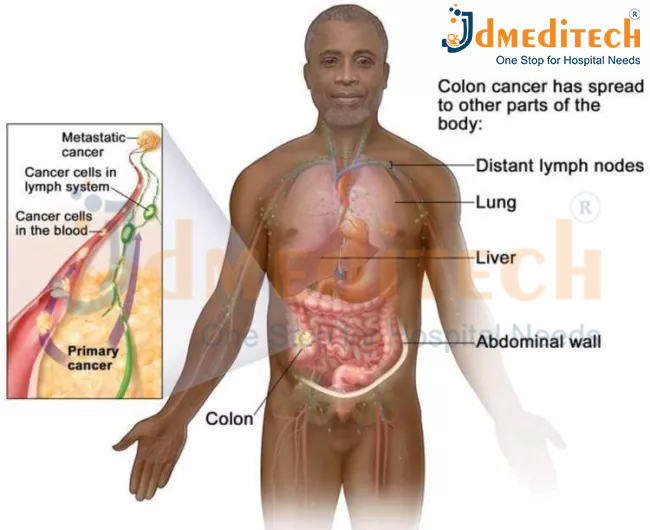
This is where biliary stenting becomes essential. Doctors place a small tube, called a stent, inside the bile duct to keep it open. As a result, bile can flow normally again. Because the procedure is minimally invasive, patients usually recover quickly and avoid major surgery.

Understanding the Biliary System
What is the Biliary System?

The biliary system includes the liver, gallbladder, and bile ducts. Together, these organs produce, store, and transport bile. This digestive fluid helps break down fats and supports proper digestion.

Why Does Bile Flow Get Blocked?

Several conditions can block or narrow the bile ducts. The most common causes include:

  • Gallstones
  • Tumors in the pancreas or bile duct
  • Benign or malignant strictures
  • Infections or inflammation

When any of these conditions occur, bile cannot flow properly. Therefore, timely treatment such as biliary stenting becomes necessary.

What is Biliary Stenting?
Definition and Purpose

Biliary stenting is an endoscopic technique used to open blocked bile ducts. The main purpose is to restore the natural flow of bile and reduce pressure within the biliary system.

Types of Biliary Stents

Doctors choose the type of stent based on the patient’s condition:

  • Plastic stents are suitable for short-term use
  • Metal stents are more durable and ideal for long-term placement

Each type offers specific benefits, depending on the severity and cause of the blockage.

Indications for Biliary Stenting
When is Biliary Stenting Required?

Doctors recommend biliary stenting in several situations, including:

  • Obstructive jaundice
  • Bile duct blockage caused by cancer
  • Benign biliary strictures
  • Complications after surgery
  • Pancreatic conditions affecting bile flow

In these cases, biliary stenting helps relieve symptoms and improves overall health.

Procedure of Biliary Stenting
How is Biliary Stenting Performed?

Biliary stenting is usually performed using a technique called Endoscopic Retrograde Cholangiopancreatography (ERCP). The procedure follows these steps:

  1. The patient receives sedation for comfort
  2. The doctor inserts an endoscope through the mouth into the digestive tract
  3. A contrast dye helps visualize the bile ducts
  4. The blockage is identified
  5. A stent is placed to open the duct

Because this approach is minimally invasive, the procedure is generally quick and effective.

Benefits of Biliary Stenting
Advantages of the Procedure

Biliary stenting offers several important benefits:

  • Quick relief from jaundice and itching
  • Restoration of normal bile flow
  • Faster recovery compared to surgery
  • Minimal discomfort during and after the procedure
  • Improved digestion and liver function

For these reasons, biliary stenting is widely preferred by both doctors and patients.

Risks and Complications
Possible Side Effects

Although biliary stenting is safe, some risks may occur in rare cases:

  • Infection
  • Stent blockage or movement
  • Pancreatitis
  • Mild bleeding

However, regular follow-up and proper care can help manage and reduce these risks effectively.

Post-Procedure Care and Recovery
What to Expect After Biliary Stenting

After the procedure, most patients stay under observation for a short time. In many cases, they can return home the same day or the next day.

Doctors may advise dietary changes, medications, and follow-up visits. In some situations, the stent may need replacement or removal after a certain period.

Biliary Stenting vs Surgical Alternatives
Why Choose Endoscopic Solutions?

Compared to traditional surgery, biliary stenting offers clear advantages:

  • Less invasive procedure
  • Shorter hospital stay
  • Lower risk of complications
  • Faster recovery time

As a result, it is often the first choice, especially for elderly or high-risk patients.

Future Advancements in Biliary Stenting
Innovations in Endoscopic Technology

Medical technology continues to improve biliary stenting techniques. Newer stents are designed to last longer and reduce the risk of blockage.

Researchers are also developing advanced options such as drug-eluting and biodegradable stents. These innovations aim to provide better long-term outcomes for patients.


Conclusion
Restoring Health with Biliary Stenting

Biliary stenting is a reliable and effective method for restoring bile flow in patients with blocked bile ducts. It not only relieves symptoms but also prevents serious complications.

With its minimally invasive approach and high success rate, biliary stenting has become a key procedure in modern gastroenterology. It improves patient comfort, supports faster recovery, and enhances overall quality of life.


Explore More Product >>

Get Connected:
+91 79909 93062 | +91 63513 72032 | exports@jdmeditech.com