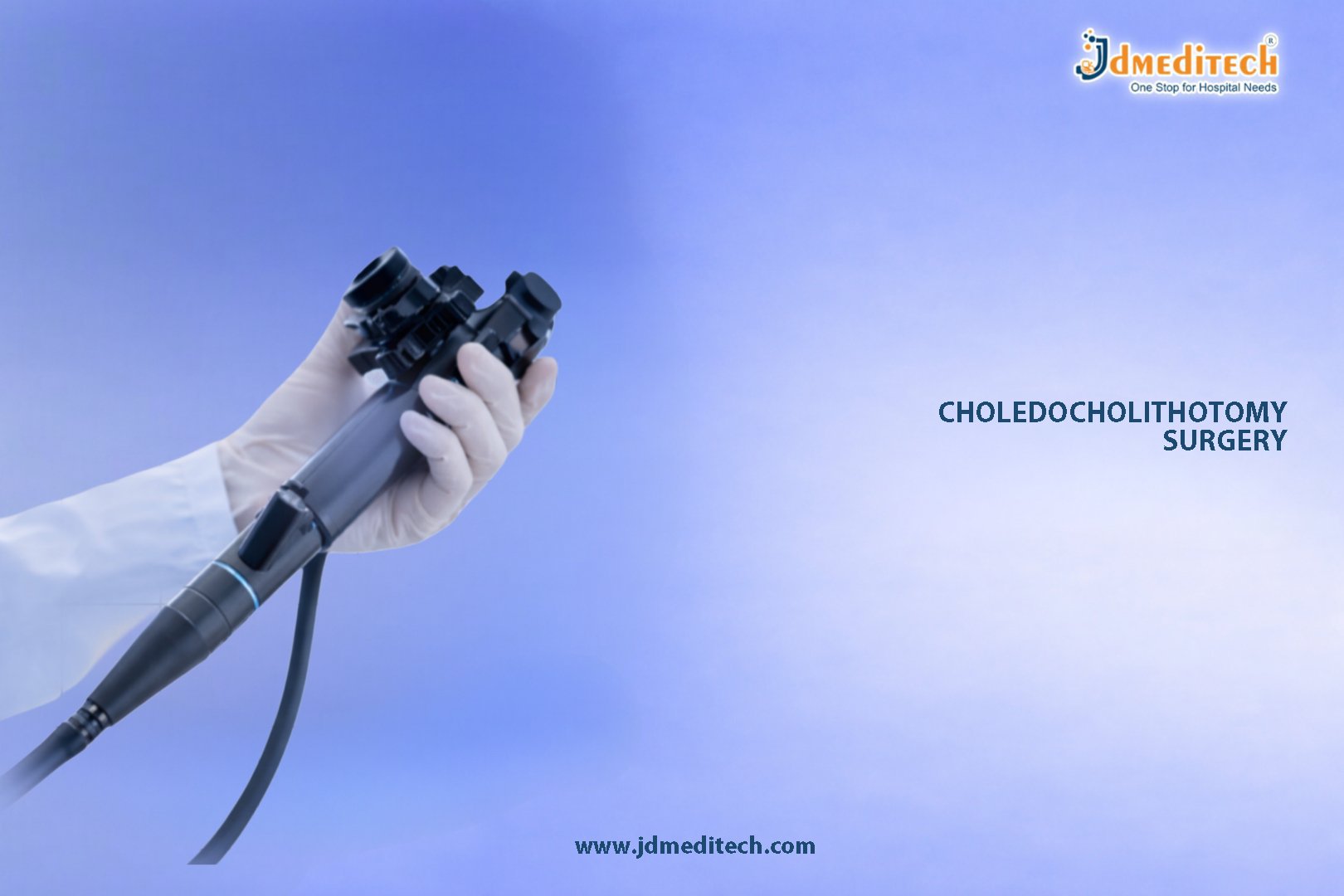
Choledocholithotomy is a highly effective surgical procedure used to remove stones from the common bile duct. These stones, also known as choledocholithiasis, can cause severe pain, infection, and life-threatening complications if left untreated.
Today, advancements in medical technology have made choledocholithotomy a minimally invasive and safer solution. As a result, patients experience faster recovery, reduced hospital stays, and fewer complications.
What is Choledocholithotomy?
Choledocholithotomy refers to the surgical removal of stones from the bile duct. Surgeons perform this procedure when stones block bile flow and lead to symptoms such as jaundice, abdominal pain, and infection.
In many cases, doctors prefer minimally invasive approaches such as laparoscopic or endoscopic techniques. These methods improve patient outcomes and reduce surgical risks.
Why is Choledocholithotomy Needed?
Doctors recommend choledocholithotomy when bile duct stones cannot pass naturally or be removed through less invasive methods like ERCP.
Common Indications Include:
- Obstructive jaundice
- Severe abdominal pain
- Cholangitis (bile duct infection)
- Pancreatitis caused by bile duct stones
- Failed ERCP stone removal
Without timely choledocholithotomy, these conditions can worsen quickly and lead to serious complications.
Types of Choledocholithotomy Procedures
1. Open Choledocholithotomy
Surgeons make a larger incision to access the bile duct directly. Although effective, this method is less common today due to longer recovery times.
2. Laparoscopic Choledocholithotomy
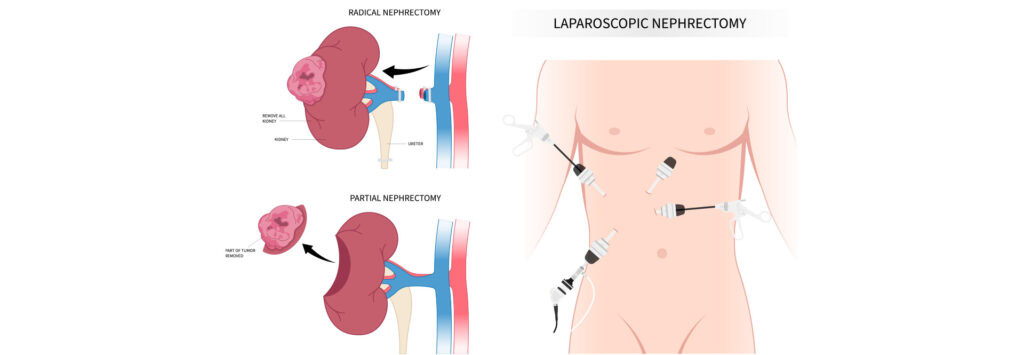
This minimally invasive approach uses small incisions and specialized instruments. It offers quicker recovery, minimal pain, and reduced scarring.
3. Endoscopic Approach (ERCP-Assisted)
In some cases, surgeons combine choledocholithotomy with ERCP techniques to remove stones without external incisions.
Step-by-Step Procedure
Understanding the steps of choledocholithotomy helps patients feel more confident before surgery.
- Anesthesia Administration – The patient receives general anesthesia
- Access to Bile Duct – Surgeons use laparoscopic or open techniques
- Stone Identification – Imaging tools locate the stones
- Stone Removal – Specialized instruments extract the stones
- Drain Placement (if needed) – A T-tube may be inserted
- Closure – The incision is closed carefully
Each step in choledocholithotomy focuses on safety and complete stone removal.
Advantages of Minimally Invasive Choledocholithotomy
Modern choledocholithotomy techniques offer several benefits:
- Smaller incisions and less scarring
- Reduced postoperative pain
- Faster recovery time
- Shorter hospital stay
- Lower risk of infection
Because of these advantages, laparoscopic choledocholithotomy has become the preferred choice in many hospitals.
Risks and Complications
Although choledocholithotomy is generally safe, some risks may occur:
- Infection
- Bleeding
- Bile leakage
- Injury to surrounding structures
- Recurrence of stones
However, experienced surgeons significantly reduce these risks during choledocholithotomy.
Recovery After Choledocholithotomy
Recovery depends on the type of procedure performed.
- Laparoscopic surgery : 1–2 weeks recovery
- Open surgery : 3–6 weeks recovery
Patients usually resume normal activities quickly after choledocholithotomy, especially with minimally invasive techniques.
Postoperative Care Tips:
- Follow dietary recommendations
- Avoid heavy lifting initially
- Take prescribed medications
- Attend follow-up visits
Proper care ensures a smooth recovery after choledocholithotomy.
Role of Advanced Medical Devices
High-quality surgical instruments play a critical role in successful choledocholithotomy procedures. Precision tools ensure accurate stone removal and improve patient safety.
At JDMeditech, we provide advanced medical devices designed for minimally invasive gastrointestinal and surgical procedures, ensuring reliability and superior performance.
Conclusion
Choledocholithotomy remains a trusted and effective solution for bile duct stone removal. With the rise of minimally invasive techniques, the procedure has become safer, faster, and more patient-friendly.
Early diagnosis and timely choledocholithotomy can prevent serious complications and restore normal bile flow effectively.
Get Connected:
+91 79909 93062 | +91 63513 72032 | exports@jdmeditech.com