Colon polypectomy surgery plays a crucial role in preventing colorectal cancer. It is a minimally invasive procedure that removes abnormal growths, known as polyps, from the colon lining. These polyps can become cancerous over time. Therefore, early removal through colon polypectomy surgery significantly reduces cancer risk.
Moreover, doctors commonly perform this procedure during a colonoscopy. As a result, patients benefit from early detection and immediate treatment in one session. Because of its effectiveness and safety, colon polypectomy surgery has become a standard preventive measure in modern gastroenterology.
What is Colon Polypectomy Surgery?
Colon polypectomy surgery is a medical procedure used to remove polyps from the inner wall of the colon. These polyps vary in size and shape. While some remain harmless, others can develop into colorectal cancer if left untreated.
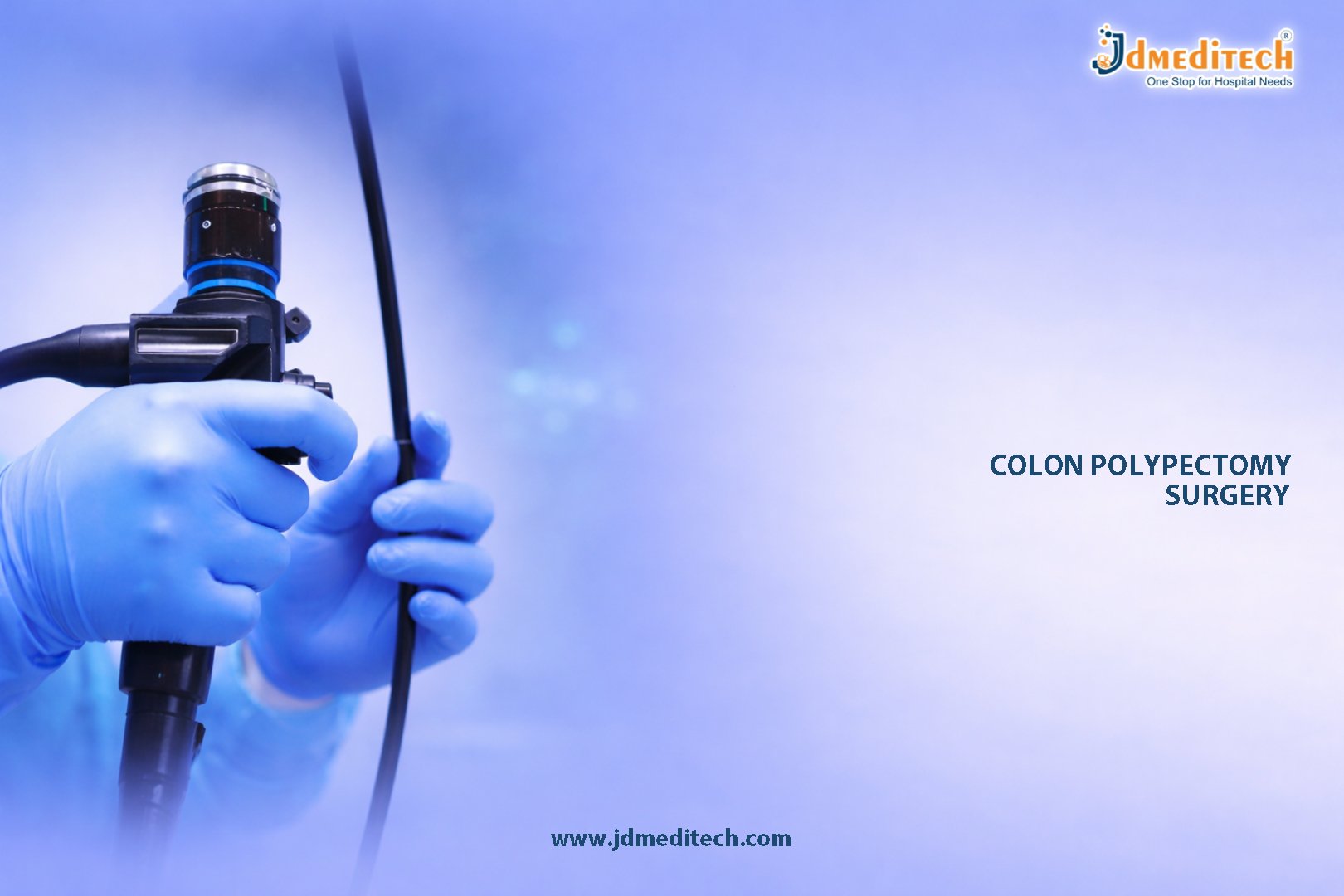
During colon polypectomy surgery, a gastroenterologist inserts a colonoscope into the colon. Then, specialized tools remove the polyp safely. This approach avoids open surgery and ensures faster recovery.
Types of Colon Polyps
Understanding polyp types helps determine the need for colon polypectomy surgery:
- Adenomatous Polyps : These are precancerous and require removal
- Hyperplastic Polyps : Usually benign but monitored carefully
- Inflammatory Polyps : Often linked to inflammatory bowel disease
- Sessile Serrated Polyps : Higher cancer risk if untreated
Because some polyps carry cancer potential, doctors strongly recommend colon polypectomy surgery for timely removal.
Why is Colon Polypectomy Surgery Important?
Colon polypectomy surgery offers multiple benefits. Most importantly, it prevents cancer before it develops. In addition, it supports early diagnosis and improves long-term outcomes.
Key Benefits:
- Prevents colorectal cancer
- Removes precancerous growths early
- Reduces need for major surgery
- Provides quick recovery
- Enhances digestive health
Therefore, regular screening combined with colon polypectomy surgery ensures proactive healthcare management.
Procedure of Colon Polypectomy Surgery
The procedure is simple, safe, and minimally invasive. Doctors usually perform it during a colonoscopy.
Step-by-Step Process:
- Preparation : The patient undergoes bowel cleansing
- Sedation : Mild sedation ensures comfort
- Colonoscope Insertion : A flexible tube examines the colon
- Polyp Removal : Tools like snares or forceps remove polyps
- Inspection : The doctor checks for additional abnormalities
Because the procedure is minimally invasive, colon polypectomy surgery does not require large incisions.
Techniques Used in Colon Polypectomy Surgery
Doctors use different techniques depending on polyp size and type:
- Snare Polypectomy : Uses a wire loop to cut polyps
- Hot Biopsy Forceps : Applies heat to remove small polyps
- Endoscopic Mucosal Resection (EMR) : Removes larger polyps
- Endoscopic Submucosal Dissection (ESD) : For complex lesions
Each technique ensures precise removal during colon polypectomy surgery.
Recovery After Colon Polypectomy Surgery
Recovery is usually quick and smooth. Most patients return home the same day.
Post-Procedure Care:
- Mild bloating or discomfort may occur
- Avoid heavy meals for a short period
- Follow doctor’s dietary advice
- Monitor for unusual symptoms
Because of its minimally invasive nature, colon polypectomy surgery allows faster healing compared to traditional surgery.
Risks and Complications
Although generally safe, colon polypectomy surgery carries minor risks:
- Bleeding at removal site
- Perforation (rare)
- Infection (very rare)
However, experienced professionals significantly minimize these risks.
Who Should Consider Colon Polypectomy Surgery?
Doctors recommend colon polypectomy surgery for:
- Patients with detected colon polyps
- Individuals over 45 undergoing screening
- People with family history of colorectal cancer
- Patients with gastrointestinal symptoms
Early intervention through colon polypectomy surgery improves outcomes and reduces complications.
Role of Advanced Endoscopic Devices
Modern endoscopic tools improve the safety and efficiency of colon polypectomy surgery. High-quality snares, biopsy forceps, and electrosurgical units ensure precise removal.
Conclusion
Colon polypectomy surgery is a powerful preventive procedure in modern medicine. It removes potentially dangerous polyps before they turn cancerous. Moreover, its minimally invasive approach ensures safety, comfort, and quick recovery.
Therefore, regular screening combined with timely colon polypectomy surgery can save lives. Investing in early detection is the key to long-term health and cancer prevention.
Get Connected:
+91 79909 93062 | +91 63513 72032 | exports@jdmeditech.com