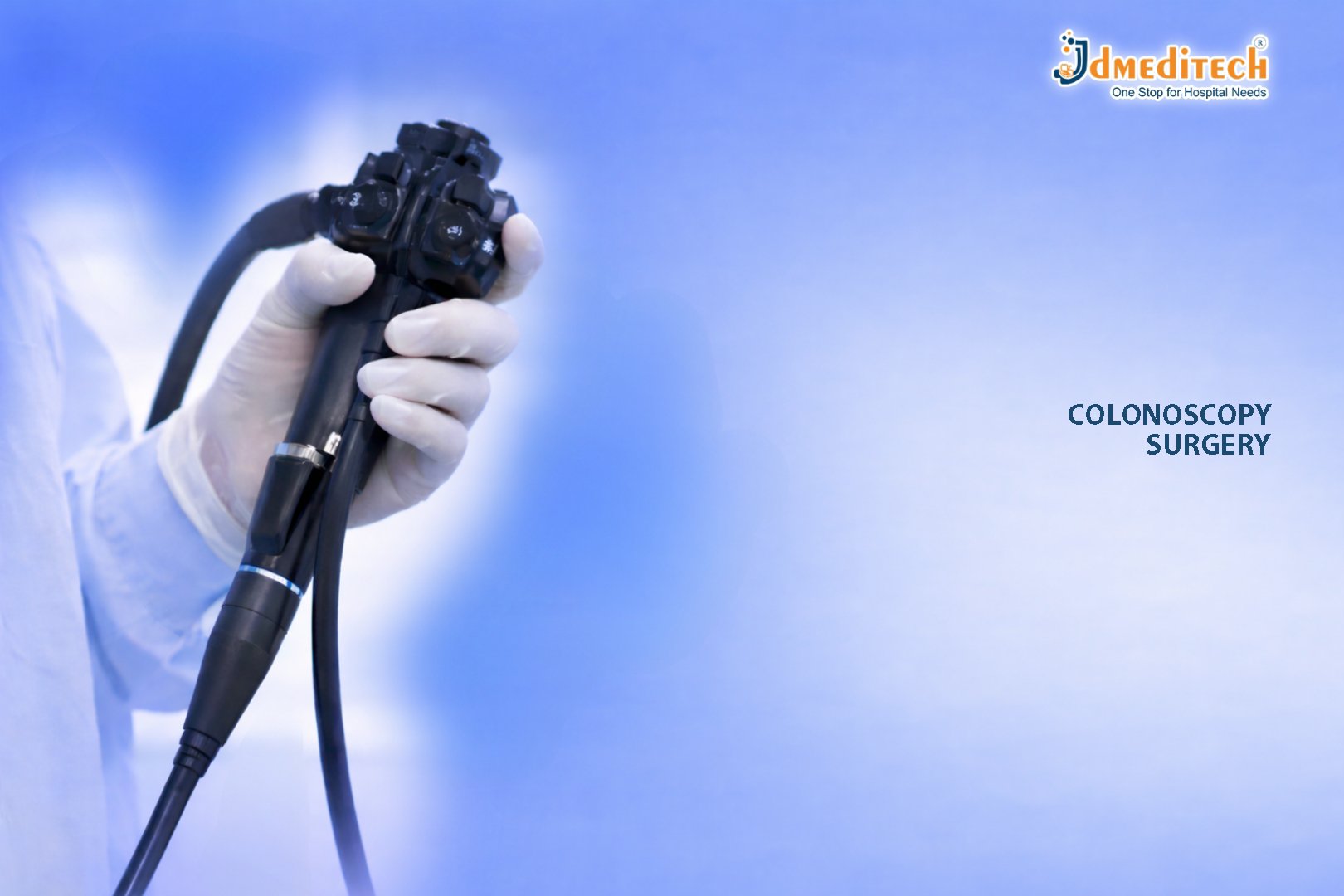
The colonoscopy procedure for digestive health plays a vital role in diagnosing and preventing serious gastrointestinal conditions. It is a safe and effective method that allows doctors to examine the inner lining of the colon and rectum. Moreover, this procedure helps detect early signs of colorectal cancer, polyps, and other digestive disorders.
In today’s healthcare environment, maintaining digestive health is essential. Therefore, understanding how a colonoscopy works can help patients feel more confident and prepared. This guide explains everything in a simple and easy-to-understand manner.
What is a Colonoscopy Procedure for Digestive Health?
A colonoscopy procedure for digestive health is a minimally invasive diagnostic test performed using a long, flexible tube called a colonoscope. This device is equipped with a camera and light source, allowing doctors to view the colon in real time.
Additionally, the procedure enables specialists to:
- Detect abnormalities such as polyps or tumors
- Take tissue samples (biopsy)
- Remove precancerous growths
As a result, colonoscopy is considered one of the most effective tools for early detection and prevention of colorectal diseases.
Why is Colonoscopy Important for Digestive Health?
The colonoscopy procedure for digestive health is essential because it helps identify issues before they become serious. Early detection significantly improves treatment outcomes.
Key Benefits:
- Early detection of colorectal cancer
- Identification and removal of polyps
- Diagnosis of inflammatory bowel diseases (IBD)
- Evaluation of unexplained digestive symptoms
Furthermore, doctors often recommend this procedure for individuals over the age of 45 or those with a family history of colon-related diseases.
When Should You Undergo a Colonoscopy?
Doctors recommend a colonoscopy procedure for digestive health under several conditions. While routine screening is common, certain symptoms may require immediate evaluation.
Common Indications:
- Persistent abdominal pain
- Rectal bleeding
- Chronic diarrhea or constipation
- Unexplained weight loss
- Iron deficiency anemia
Therefore, timely screening can prevent complications and improve long-term digestive health.
Preparation for Colonoscopy Procedure for Digestive Health
Proper preparation is crucial for a successful colonoscopy procedure for digestive health. A clean colon allows doctors to get clear and accurate results.
Preparation Steps:
- Follow a low-fiber diet 1–2 days before the procedure
- Switch to a clear liquid diet
- Take prescribed bowel-cleansing medications
- Avoid solid foods before the test
In addition, patients should carefully follow medical instructions to ensure optimal outcomes.
How is the Colonoscopy Procedure Performed?
The colonoscopy procedure for digestive health is usually performed under sedation, ensuring patient comfort.
Procedure Overview:
- The patient lies on their side
- A colonoscope is gently inserted into the rectum
- The colon is examined using a high-resolution camera
- Air or CO₂ is used to expand the colon for better visibility
During the procedure, doctors may remove polyps or collect biopsy samples if needed. Typically, the procedure takes 20–40 minutes.
Risks and Safety Considerations
Although the colonoscopy procedure for digestive health is generally safe, like any medical procedure, it carries minimal risks.
Possible Risks:
- Mild discomfort or bloating
- Bleeding (especially after polyp removal)
- Rare cases of colon perforation
However, these risks are uncommon, and the benefits of early diagnosis outweigh potential complications.
Recovery After Colonoscopy Procedure for Digestive Health
Recovery from a colonoscopy procedure for digestive health is usually quick and smooth.
Post-Procedure Care:
- Rest for a few hours after sedation
- Avoid driving for 24 hours
- Resume normal diet gradually
- Follow doctor’s advice for further treatment
Most patients return to their normal activities within a day.
Role of Advanced Endoscopy Equipment
High-quality endoscopy equipment significantly enhances the effectiveness of the colonoscopy procedure for digestive health. Modern devices offer better visualization, precision, and patient safety.
At JDMeditech, we provide advanced endoscopy solutions designed to support accurate diagnosis and efficient procedures.
Conclusion
The colonoscopy procedure for digestive health is a powerful tool for maintaining overall gastrointestinal wellness. It not only helps detect diseases early but also prevents serious complications such as colorectal cancer.
Therefore, regular screening, proper preparation, and the use of advanced medical equipment ensure the best outcomes. If you experience any digestive symptoms or fall into a high-risk category, consult your healthcare provider and consider scheduling a colonoscopy.
Get Connected:
+91 79909 93062 | +91 63513 72032 | exports@jdmeditech.com