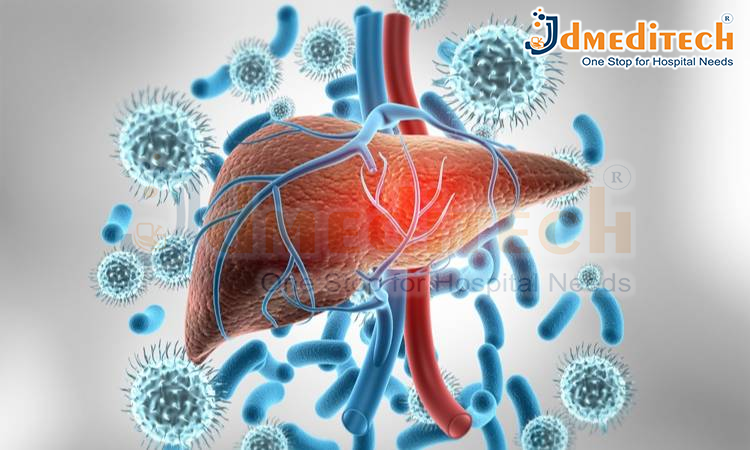
Hepatitis is a medical condition characterized by inflammation of the liver. It can result from viral infections, excessive alcohol consumption, toxins, or autoimmune diseases. The liver plays a vital role in digestion, detoxification, and metabolism, so hepatitis can significantly impact overall health.
Types of Hepatitis
Understanding the different types of hepatitis is essential for proper diagnosis and treatment.
1. Hepatitis A (HAV)
- Spread through contaminated food or water
- Usually acute and short-term
- Preventable with vaccination
2. Hepatitis B (HBV)
- Transmitted through blood, semen, or body fluids
- Can be acute or chronic
- Preventable with vaccination
3. Hepatitis C (HCV)
- Spread mainly through infected blood
- Often becomes chronic
- No vaccine available, but treatable
4. Hepatitis D (HDV)
- Occurs only in people with Hepatitis B
- Can worsen liver damage
5. Hepatitis E (HEV)
- Spread through contaminated water
- Common in developing countries
- Usually acute
Common Causes of Hepatitis
Hepatitis can develop due to various reasons, including:
- Viral infections (HAV, HBV, HCV, HDV, HEV)
- Excessive alcohol consumption
- Autoimmune disorders
- Toxic substances and medications
- Poor hygiene and contaminated food/water
Symptoms of Hepatitis
Symptoms may vary depending on the type and severity, but common signs include:
- Fatigue and weakness
- Loss of appetite
- Nausea and vomiting
- Abdominal pain (especially upper right side)
- Dark urine
- Pale stools
- Jaundice (yellowing of skin and eyes)
Some people, especially in early stages, may show no symptoms.
How Hepatitis Affects the Body
The liver is essential for filtering toxins and producing important proteins. Hepatitis disrupts these functions, which may lead to:
- Liver scarring (cirrhosis)
- Liver failure
- Increased risk of liver cancer
Diagnosis of Hepatitis
Doctors diagnose hepatitis using:
- Blood tests (to detect virus and liver function)
- Imaging tests (ultrasound, CT scan)
- Liver biopsy (in severe cases)
Treatment Options for Hepatitis
Treatment depends on the type:
- Hepatitis A & E : Usually resolve on their own with supportive care
- Hepatitis B : Antiviral medications for chronic cases
- Hepatitis C : Highly effective antiviral therapy available
- Alcoholic Hepatitis : Lifestyle changes and medical support
- Autoimmune Hepatitis : Immunosuppressive drugs
Prevention of Hepatitis
Prevention plays a crucial role in controlling hepatitis:
Vaccination
- Available for Hepatitis A and B
Safe Hygiene Practices
- Wash hands regularly
- Drink clean, safe water
Safe Medical Practices
- Use sterilized needles and equipment
- Screen blood transfusions
Lifestyle Changes
- Avoid excessive alcohol
- Practice safe sex
- Do not share personal items like razors or toothbrushes
When to See a Doctor
Seek medical attention if you experience:
- Persistent fatigue
- Yellowing of skin or eyes
- Severe abdominal pain
- Dark urine or unusual symptoms
Early diagnosis can prevent serious complications.
Conclusion
Hepatitis is a serious but often preventable and treatable condition. Understanding its types, causes, and symptoms can help in early detection and better management. With proper hygiene, vaccination, and medical care, the risks associated with hepatitis can be significantly reduced.