
Hand-Assisted Laparoscopic Surgery is an advanced hybrid surgical technique that combines the benefits of traditional open surgery with modern minimally invasive laparoscopy. In this procedure, surgeons use laparoscopic instruments along with one hand inside the abdomen through a specially designed hand-access device.
Over the years, minimally invasive surgery has improved patient care by reducing pain, shortening hospital stays, and speeding up recovery. However, some complex surgical procedures require greater tactile feedback and enhanced control. Therefore, surgeons developed Hand-Assisted Laparoscopic Surgery to improve precision while still maintaining the advantages of minimally invasive techniques.
Today, surgeons widely use this innovative approach in colorectal surgery, kidney surgery, liver surgery, spleen surgery, and complex abdominal procedures. Moreover, this technique helps surgeons perform difficult operations more safely and efficiently.
In this blog, we will discuss Hand-Assisted Laparoscopic Surgery, its procedure, benefits, applications, recovery process, risks, and why it continues to gain importance in modern surgical practice.
What Is Hand-Assisted Laparoscopic Surgery?
Hand-Assisted Laparoscopic Surgery, often called HALS, is a hybrid minimally invasive surgical procedure that allows the surgeon to place one hand inside the abdomen while simultaneously using laparoscopic instruments.
How HALS Works
During the surgery:
- The surgeon creates a small incision for hand access
- A special hand-access device maintains abdominal pressure
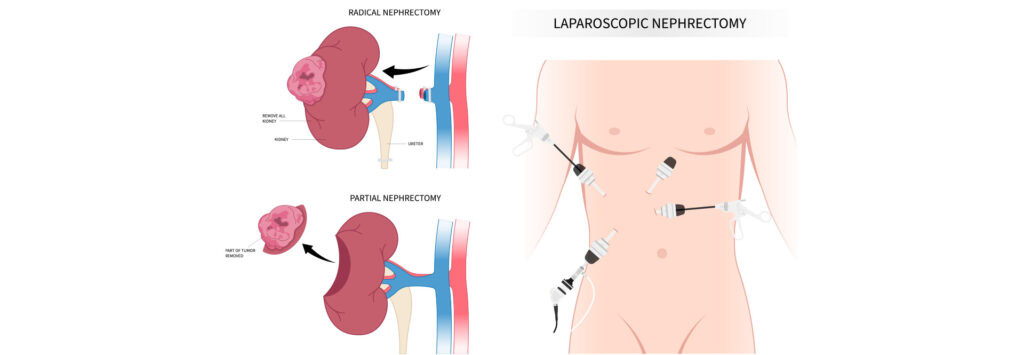
- Additional tiny incisions allow insertion of laparoscopic instruments
- A laparoscope provides a magnified internal view
- The surgeon performs the procedure using both manual touch and laparoscopic precision
Because the surgeon can directly feel tissues and organs, HALS offers better control during complex procedures.
Conditions Treated with Hand-Assisted Laparoscopic Surgery
Surgeons use HALS for several complex abdominal and pelvic conditions.
Common Procedures Using HALS
- Colon and rectal surgery
- Kidney removal surgery
- Liver surgery
- Spleen removal surgery
- Gastrointestinal tumor surgery
- Complex abdominal surgery
- Urologic procedures
- Bariatric surgery in selected cases
Additionally, surgeons may choose HALS when conventional laparoscopy becomes technically challenging.
Why Do Surgeons Prefer Hand-Assisted Laparoscopic Surgery?
Many surgeons prefer HALS because it improves surgical control without requiring a large open incision.
Major Advantages for Surgeons
- Better tactile sensation
- Improved hand-eye coordination
- Enhanced control during bleeding
- Easier tissue handling
- Greater precision in complex anatomy
- Faster conversion compared to open surgery
Consequently, HALS allows surgeons to manage difficult surgical situations more effectively.
How Do Surgeons Perform Hand-Assisted Laparoscopic Surgery?
1. Preoperative Evaluation
Before surgery, doctors perform a complete medical assessment that may include:
- Physical examination
- Blood investigations
- CT scan or MRI
- Medical history review
- Anesthesia evaluation
Additionally, doctors provide instructions regarding fasting and medication adjustments before surgery.
2. Administration of Anesthesia
Doctors administer general anesthesia to ensure patient comfort throughout the operation.
3. Creation of the Hand-Access Incision
Next, the surgeon creates a slightly larger incision than standard laparoscopic cuts. Then, the surgeon places a specialized hand-access device into the opening.
This device allows the surgeon’s hand to enter the abdomen while maintaining the carbon dioxide pressure required for laparoscopy.
4. Placement of Laparoscopic Ports
The surgeon creates additional small incisions for the laparoscope and surgical instruments.
5. Surgical Procedure
Using one hand inside the abdomen and laparoscopic instruments externally, the surgeon performs the operation with greater control and precision.
Furthermore, the surgeon can immediately control bleeding, manipulate tissues, and identify anatomical structures more efficiently.
6. Closure of Incisions
Finally, the surgeon removes the instruments and closes all incisions carefully using sutures or surgical staples.
Advantages of Hand-Assisted Laparoscopic Surgery
This hybrid minimally invasive approach offers several important benefits.
Enhanced Surgical Control
The surgeon gains direct tactile feedback, which improves precision during difficult procedures.
Smaller Incisions Compared to Open Surgery
Although HALS requires a slightly larger incision than standard laparoscopy, it still avoids the large cuts used in open surgery.
Faster Recovery
Most patients recover faster compared to traditional open procedures.
Reduced Postoperative Pain
Smaller incisions usually result in less pain and discomfort after surgery.
Lower Risk of Complications
Minimally invasive techniques help reduce wound infections and postoperative complications.
Shorter Hospital Stay
Many patients leave the hospital earlier than patients undergoing open surgery.
Recovery After Hand-Assisted Laparoscopic Surgery
Recovery often progresses more smoothly than recovery after open surgery.
Immediate Recovery
After surgery:
- Mild soreness may occur temporarily
- Doctors encourage early walking
- Patients gradually resume oral intake
- Medical teams monitor recovery closely
Recovery at Home
Patients should:
- Keep incision sites clean and dry
- Avoid heavy lifting for several weeks
- Take prescribed medications correctly
- Attend follow-up appointments regularly
- Follow dietary and activity instructions carefully
Additionally, proper nutrition and hydration support faster healing.
Possible Risks and Complications
Although HALS is generally safe, some risks may still occur.
Potential Complications Include
- Bleeding
- Infection
- Hernia at incision sites
- Injury to nearby organs
- Blood clots
- Reaction to anesthesia
However, experienced surgeons greatly reduce the risk of these complications through careful surgical planning and advanced techniques.
Who Is a Suitable Candidate for HALS?
Not every patient requires Hand-Assisted Laparoscopic Surgery. Surgeons usually recommend HALS for selected complex cases.
Suitable Candidates Often Include
- Patients with large abdominal tumors
- Individuals requiring complex organ removal
- Patients with previous abdominal surgeries
- Cases involving difficult anatomy
- Patients who may not tolerate open surgery well
Therefore, surgeons carefully evaluate each patient before selecting the most appropriate surgical approach.
Difference Between Standard Laparoscopy and HALS
Although both techniques use minimally invasive principles, important differences exist between them.
Key Differences
| Feature | Standard Laparoscopy | Hand-Assisted Laparoscopic Surgery |
| Hand Access | No | Yes |
| Tactile Feedback | Limited | Enhanced |
| Surgical Control | Good | Greater |
| Incision Size | Smaller | Slightly Larger |
| Complex Procedure Handling | Moderate | Better |
As a result, surgeons often prefer HALS for technically demanding operations.
Why Is HALS Important in Modern Surgery?
Hand-Assisted Laparoscopic Surgery bridges the gap between open surgery and pure laparoscopy.
Reasons for Growing Popularity
- Better control during complex procedures
- Improved patient recovery
- Reduced surgical trauma
- Enhanced surgeon confidence
- Lower conversion rates to open surgery
Moreover, advances in surgical instruments and imaging systems continue to improve HALS outcomes.
Frequently Asked Questions (FAQs)
Is Hand-Assisted Laparoscopic Surgery safe?
Yes, experienced surgeons perform HALS safely and effectively for many complex surgical procedures.
Does HALS require a large incision?
No, HALS uses a smaller incision than traditional open surgery while still allowing hand access.
Is recovery faster than open surgery?
Yes, most patients recover faster after HALS compared to open procedures.
Why do surgeons use hand assistance?
Hand assistance improves tactile sensation, tissue handling, and surgical control during difficult operations.
How long is the hospital stay after HALS?
Hospital stay varies depending on the procedure, although many patients recover sooner than with open surgery.
Conclusion
Hand-Assisted Laparoscopic Surgery is an innovative hybrid minimally invasive technique that combines the precision of laparoscopy with the enhanced control of direct hand assistance. Because surgeons can directly feel tissues and organs during the procedure, they can perform complex operations more safely and efficiently.
Additionally, HALS offers many patient benefits, including smaller incisions, reduced pain, faster recovery, and shorter hospital stays compared to open surgery. Therefore, many surgeons now use this advanced technique for technically challenging abdominal and pelvic procedures.
Most importantly, patients should consult experienced laparoscopic surgeons to determine whether Hand-Assisted Laparoscopic Surgery is the most suitable treatment option for their condition.
Get Connected:
+91 79909 93062 | +91 63513 72032 | exports@jdmeditech.com