Laparoscopic adhesiolysis surgery is an advanced minimally invasive procedure performed to remove or separate abnormal scar tissue bands known as adhesions inside the abdomen or pelvis. Adhesions commonly develop after abdominal surgery, infections, inflammation, trauma, or radiation therapy. Although some adhesions remain asymptomatic, others may cause chronic abdominal pain, bowel obstruction, infertility, digestive problems, and restricted organ movement.
Traditionally, adhesion treatment often required open surgery with larger incisions and longer recovery periods. However, modern laparoscopic techniques now allow surgeons to perform adhesiolysis through small incisions using high-definition cameras and specialized endoscopic instruments. Consequently, patients benefit from reduced postoperative pain, shorter hospital stay, faster healing, and lower risk of additional adhesion formation.
Today, laparoscopic adhesiolysis has become a preferred surgical approach for managing many adhesion-related complications because of its precision, safety, and minimally invasive advantages.
What Is Laparoscopic Adhesiolysis Surgery?
Laparoscopic adhesiolysis surgery is a minimally invasive procedure used to carefully separate or remove internal scar tissue adhesions that abnormally connect organs, tissues, or abdominal structures.
Normally, abdominal organs move freely within the abdominal cavity. However, adhesions may form after tissue injury or inflammation, causing organs to stick together. As a result, patients may experience pain, bowel obstruction, or reproductive complications.
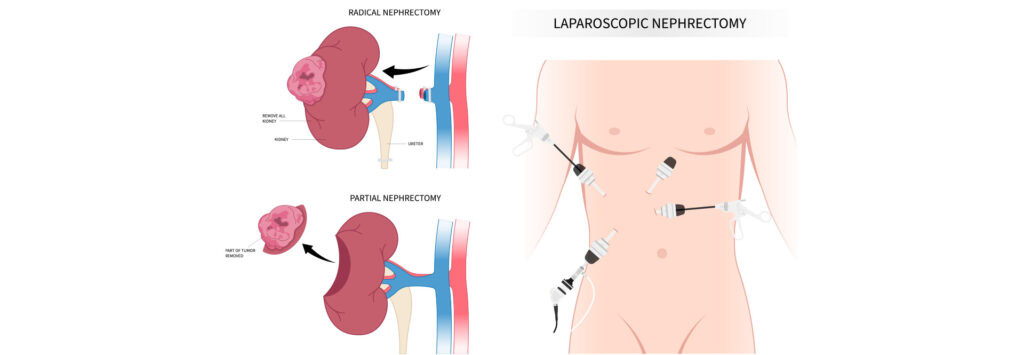
During the procedure, surgeons use a laparoscope, which is a thin camera-equipped instrument inserted through small abdominal incisions. Specialized laparoscopic instruments are then used to cut and release adhesions while minimizing trauma to surrounding tissues.
Ultimately, the primary goal of laparoscopic adhesiolysis is to restore normal organ movement, relieve symptoms, and improve abdominal function.
Why Is Laparoscopic Adhesiolysis Performed?
Laparoscopic adhesiolysis is recommended when adhesions cause persistent symptoms or serious complications.
Common Indications for Surgery Include:
- Chronic abdominal pain
- Intestinal obstruction
- Pelvic pain
- Female infertility caused by adhesions
- Adhesion-related digestive symptoms
- Bowel kinking or narrowing
- Recurrent abdominal bloating
- Complications after previous surgery
Additionally, timely surgical treatment may help prevent severe bowel complications and improve quality of life.
Understanding Abdominal Adhesions
Abdominal adhesions are bands of fibrous scar tissue that form between internal organs and surrounding tissues.
Common Causes of Adhesions Include:
- Previous abdominal surgery
- Pelvic surgery
- Appendicitis
- Endometriosis
- Abdominal infections
- Inflammatory bowel disease
- Radiation therapy
- Trauma or injury
In many cases, adhesions form naturally during the healing process after tissue inflammation or surgery.
Symptoms of Adhesion-Related Complications
Symptoms vary depending on the location and severity of adhesions.
Common Symptoms Include:
- Chronic abdominal pain
- Cramping
- Bloating
- Nausea and vomiting
- Constipation
- Difficulty passing gas
- Pelvic pain
- Infertility in women
- Recurrent bowel obstruction
Therefore, persistent abdominal symptoms should be evaluated by an experienced surgeon.
Who Is a Suitable Candidate for Laparoscopic Adhesiolysis?
Generally, laparoscopic adhesiolysis may be recommended for:
- Patients with symptomatic adhesions
- Individuals with recurrent bowel obstruction
- Women with infertility linked to pelvic adhesions
- Patients with chronic unexplained abdominal pain
- Individuals medically fit for minimally invasive surgery
Importantly, patient selection depends on symptom severity, previous surgical history, and overall health status.
Preoperative Evaluation Before Surgery
Before laparoscopic adhesiolysis, the surgeon performs comprehensive assessments to determine the extent of adhesions and plan treatment safely.
Medical History Review
Initially, the doctor reviews:
- Previous surgeries
- Abdominal pain history
- Digestive symptoms
- Fertility concerns
- Prior infections
- Medication history
Physical Examination
Furthermore, abdominal examination helps identify tenderness, distension, or signs of bowel obstruction.
Diagnostic Investigations
Additional tests may include:
- CT scan
- Abdominal ultrasound
- MRI imaging
- Blood investigations
- X-rays
- Colonoscopy in selected cases
Consequently, these evaluations help identify complications and guide surgical planning.
How Laparoscopic Adhesiolysis Surgery Is Performed
Typically, laparoscopic adhesiolysis is performed under general anesthesia using advanced minimally invasive surgical equipment.
Step-by-Step Surgical Procedure
1. Creation of Small Incisions
First, the surgeon creates several tiny abdominal incisions for insertion of the laparoscope and surgical instruments.
2. Inflation of the Abdomen
Next, carbon dioxide gas is introduced into the abdomen to create adequate working space.
3. Visualization of Adhesions
Afterward, the laparoscope provides magnified visualization of abdominal organs and adhesion bands.
4. Careful Separation of Adhesions
Then, specialized instruments are used to cut and release adhesions while preserving nearby tissues and organs.
5. Restoration of Organ Mobility
The surgeon carefully frees trapped organs and restores normal anatomical movement.
6. Inspection for Additional Problems
Furthermore, the abdominal cavity is examined for bowel injury, inflammation, or other abnormalities.
7. Closure of Incisions
Finally, the instruments are removed and the small incisions are closed with sutures or surgical glue.
Overall, the procedure usually takes between 1 and 3 hours depending on the severity of adhesions.
Benefits of Laparoscopic Adhesiolysis Surgery
Laparoscopic adhesiolysis offers several important advantages compared to traditional open surgery.
Minimally Invasive Technique
Because the procedure uses small incisions, tissue trauma and postoperative discomfort are significantly reduced.
Faster Recovery
Additionally, patients often recover more quickly and resume normal activities sooner.
Reduced Risk of New Adhesion Formation
Minimally invasive surgery may lower the risk of future adhesions compared to open surgery.
Improved Surgical Precision
Magnified visualization allows accurate identification and separation of adhesions.
Reduced Blood Loss
Furthermore, laparoscopic techniques often minimize intraoperative bleeding.
Better Cosmetic Results
Smaller incisions produce minimal visible scarring.
Recovery After Laparoscopic Adhesiolysis
Recovery after laparoscopic adhesiolysis is generally smoother compared to open abdominal surgery.
Common Postoperative Symptoms
Initially, patients may experience:
- Mild abdominal discomfort
- Temporary bloating
- Fatigue
- Mild nausea
- Shoulder pain from surgical gas
However, these symptoms usually improve within several days.
Recovery Guidelines
To support proper healing, patients are advised to:
- Walk regularly after surgery
- Stay hydrated
- Follow dietary instructions
- Avoid heavy lifting temporarily
- Maintain incision hygiene
- Attend follow-up appointments
As a result, many individuals return to routine activities within 1 to 3 weeks.
Risks and Complications
Although laparoscopic adhesiolysis is considered safe, certain complications may occasionally occur.
Possible Complications Include:
- Bleeding
- Infection
- Bowel injury
- Organ perforation
- Recurrence of adhesions
- Blood clots
- Anesthesia-related complications
Nevertheless, complication rates are generally lower when surgery is performed by experienced laparoscopic surgeons.
Adhesion Recurrence Prevention
Although adhesions may recur after surgery, several measures may help reduce recurrence risk.
Preventive Strategies Include:
- Minimally invasive surgical techniques
- Gentle tissue handling
- Use of adhesion barriers
- Early postoperative movement
- Proper infection control
Consequently, these measures may improve long-term outcomes and reduce repeat surgery risk.
Success Rates of Laparoscopic Adhesiolysis
Laparoscopic adhesiolysis has favorable outcomes for carefully selected patients.
Factors Affecting Outcomes
Several factors influence surgical success, including:
- Severity of adhesions
- Presence of bowel obstruction
- Number of previous surgeries
- Patient health condition
- Surgical expertise
General Outcomes
Modern laparoscopic adhesiolysis typically provides:
- Improved pain relief
- Better bowel function
- Reduced obstruction episodes
- Faster recovery
- Enhanced quality of life
Therefore, early intervention often helps improve long-term results.
Lifestyle Tips After Surgery
Healthy lifestyle habits may support recovery and digestive health after surgery.
Recommended Lifestyle Measures
Patients are encouraged to:
- Stay physically active
- Maintain healthy bowel habits
- Follow balanced nutrition
- Stay hydrated
- Avoid smoking
- Follow postoperative instructions carefully
Consequently, these habits may improve healing and reduce complications.
Choosing the Right Surgeon
Successful laparoscopic adhesiolysis requires expertise in advanced minimally invasive abdominal surgery.
Patients Should Look For:
- Experienced laparoscopic surgeons
- Expertise in complex abdominal surgery
- Advanced hospital facilities
- Comprehensive postoperative care
- Strong patient safety standards
Ultimately, experienced surgical teams improve both safety and long-term outcomes.
Conclusion
Laparoscopic adhesiolysis surgery is a modern minimally invasive solution for treating adhesion-related abdominal and pelvic complications. By combining advanced laparoscopic technology with precise surgical techniques, the procedure provides effective symptom relief, faster recovery, reduced pain, and improved quality of life.
Moreover, early diagnosis and timely surgical management can help prevent severe complications such as bowel obstruction and chronic pain. Therefore, patients experiencing persistent abdominal symptoms after previous surgery or infection should seek evaluation from an experienced laparoscopic surgeon.
With continuous advancements in minimally invasive surgery and postoperative care, laparoscopic adhesiolysis continues to remain an effective treatment option for adhesion-related disorders worldwide.
Get Connected:
+91 79909 93062 | +91 63513 72032 | exports@jdmeditech.com