Modern minimally invasive surgery demands advanced instruments that offer precision, safety, and efficiency. Among these essential tools, the Laparoscopic Endo Knife plays a critical role in delivering accurate tissue dissection and controlled cutting during laparoscopic procedures. Designed for superior surgical performance, this instrument helps surgeons perform delicate operations with minimal tissue trauma and improved patient outcomes.
The growing adoption of laparoscopic surgery across general surgery, gynecology, urology, and gastrointestinal procedures has significantly increased the demand for reliable laparoscopic cutting instruments. A high-quality laparoscopic endo knife ensures precise surgical access, smooth tissue handling, and enhanced procedural efficiency.
What is a Laparoscopic Endo Knife?
A Specialized Instrument for Precision Tissue Dissection
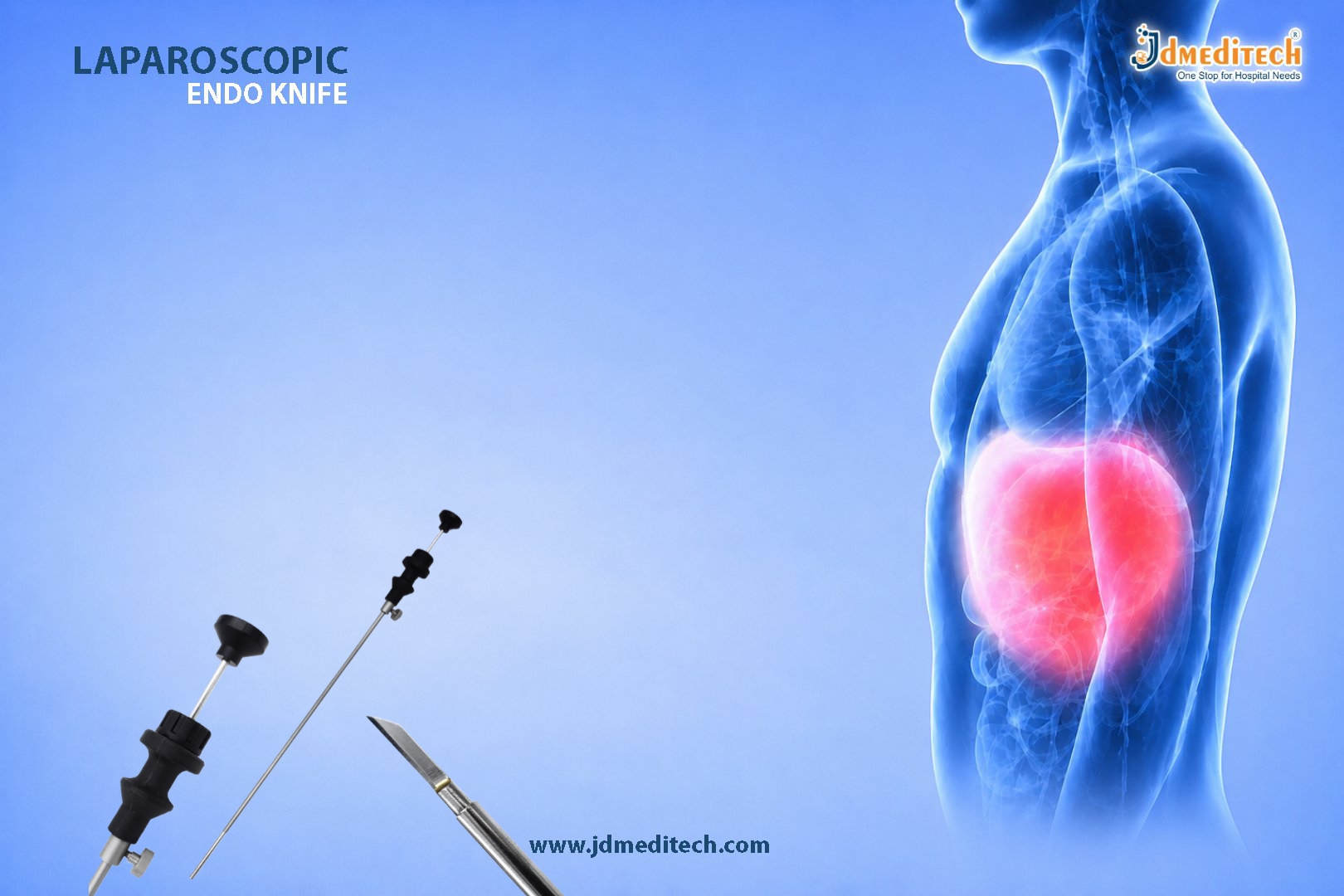
A Laparoscopic Endo Knife is a minimally invasive surgical instrument used for precise cutting, dissection, and tissue separation during laparoscopic procedures. It is inserted through laparoscopic ports and enables surgeons to perform controlled surgical maneuvers within confined anatomical spaces.
The instrument is commonly used in procedures requiring delicate tissue cutting, accurate dissection planes, and minimal bleeding. Its ergonomic design and sharp cutting edge make it highly effective for advanced laparoscopic interventions.
Key Features of Laparoscopic Endo Knife
Precision Cutting Blade
The sharp and durable blade allows accurate tissue dissection with minimal damage to surrounding structures.
Ergonomic Handle Design
The instrument is designed for comfortable handling and enhanced surgeon control during long procedures.
Minimally Invasive Compatibility
Its slim profile easily passes through standard laparoscopic trocars and ports.
High-Quality Stainless Steel Construction
Manufactured from medical-grade stainless steel for durability, corrosion resistance, and long-term surgical performance.
Reusable and Sterilizable
The instrument can be sterilized and reused multiple times while maintaining cutting efficiency.
Enhanced Surgical Visibility
The streamlined structure supports better visualization and maneuverability within the surgical field.
Applications of Laparoscopic Endo Knife
General Laparoscopic Surgery
Used for tissue dissection and cutting during appendectomy, cholecystectomy, and hernia repair procedures.
Gynecological Procedures
Helps in delicate tissue separation during hysterectomy, ovarian cyst removal, and endometriosis surgery.
Gastrointestinal Surgery
Supports precise cutting and dissection in colorectal and upper GI laparoscopic procedures.
Urological Surgery
Assists surgeons in controlled tissue management during minimally invasive urology interventions.
Bariatric Surgery
Widely used in weight-loss surgeries requiring accurate tissue dissection and safe operative handling.
Benefits of Using Laparoscopic Endo Knife
Improved Surgical Precision
The instrument enables surgeons to perform highly accurate dissections and controlled cuts.
Reduced Tissue Trauma
Its precision design minimizes damage to adjacent tissues, supporting faster recovery.
Better Patient Outcomes
Minimally invasive procedures performed with precision instruments often result in reduced pain, smaller scars, and shorter hospital stays.
Enhanced Surgeon Control
The ergonomic structure improves handling stability and procedural accuracy.
Increased Operating Efficiency
Sharp cutting performance reduces procedure time and improves workflow inside the operating room.
Why Choose a High-Quality Laparoscopic Endo Knife?
Reliable Surgical Performance
Premium-quality instruments provide consistent cutting precision throughout the procedure.
Long-Term Durability
Medical-grade construction ensures resistance to wear, corrosion, and repeated sterilization cycles.
Safety and Accuracy
A well-designed laparoscopic endo knife reduces surgical risks and enhances procedural confidence.
Cost-Effective Reusability
Reusable laparoscopic instruments offer long-term value for hospitals and surgical centers.
Maintenance and Sterilization Guidelines
Proper Cleaning After Every Use
Clean the instrument thoroughly to remove tissue residue and biological contaminants.
Sterilization Compliance
Follow standard autoclave sterilization protocols recommended for laparoscopic instruments.
Regular Inspection
Inspect the blade and handle regularly for wear, alignment, and cutting efficiency.
Safe Storage
Store in a dry and sterile environment to maintain instrument integrity and sharpness.
Factors to Consider Before Buying a Laparoscopic Endo Knife
Blade Quality
Choose a knife with a sharp, durable blade for smooth and precise cutting performance.
Instrument Compatibility
Ensure compatibility with standard laparoscopic systems and trocar sizes.
Ergonomic Design
Select an instrument that provides comfort and precise control during surgery.
Manufacturer Standards
Purchase from a trusted manufacturer known for quality surgical instruments and compliance with medical standards.
The Future of Minimally Invasive Surgical Instruments
Advancements in Precision Surgery
Modern laparoscopic instruments are evolving to offer better control, enhanced ergonomics, and improved surgical outcomes.
Growing Demand for Reusable Surgical Tools
Hospitals increasingly prefer reusable laparoscopic instruments for sustainability and cost-effectiveness.
Integration with Advanced Surgical Technologies
Precision cutting instruments continue to improve alongside robotic and energy-based surgical systems.
Conclusion
The Laparoscopic Endo Knife is an essential instrument in minimally invasive surgery, offering exceptional precision, control, and reliability. Its ability to perform accurate tissue dissection while minimizing trauma makes it a valuable tool across multiple surgical specialties.
With features such as ergonomic handling, durable construction, and superior cutting performance, the laparoscopic endo knife contributes significantly to safer surgeries and faster patient recovery. Choosing a high-quality instrument ensures consistent surgical efficiency and long-term operational value for healthcare facilities.