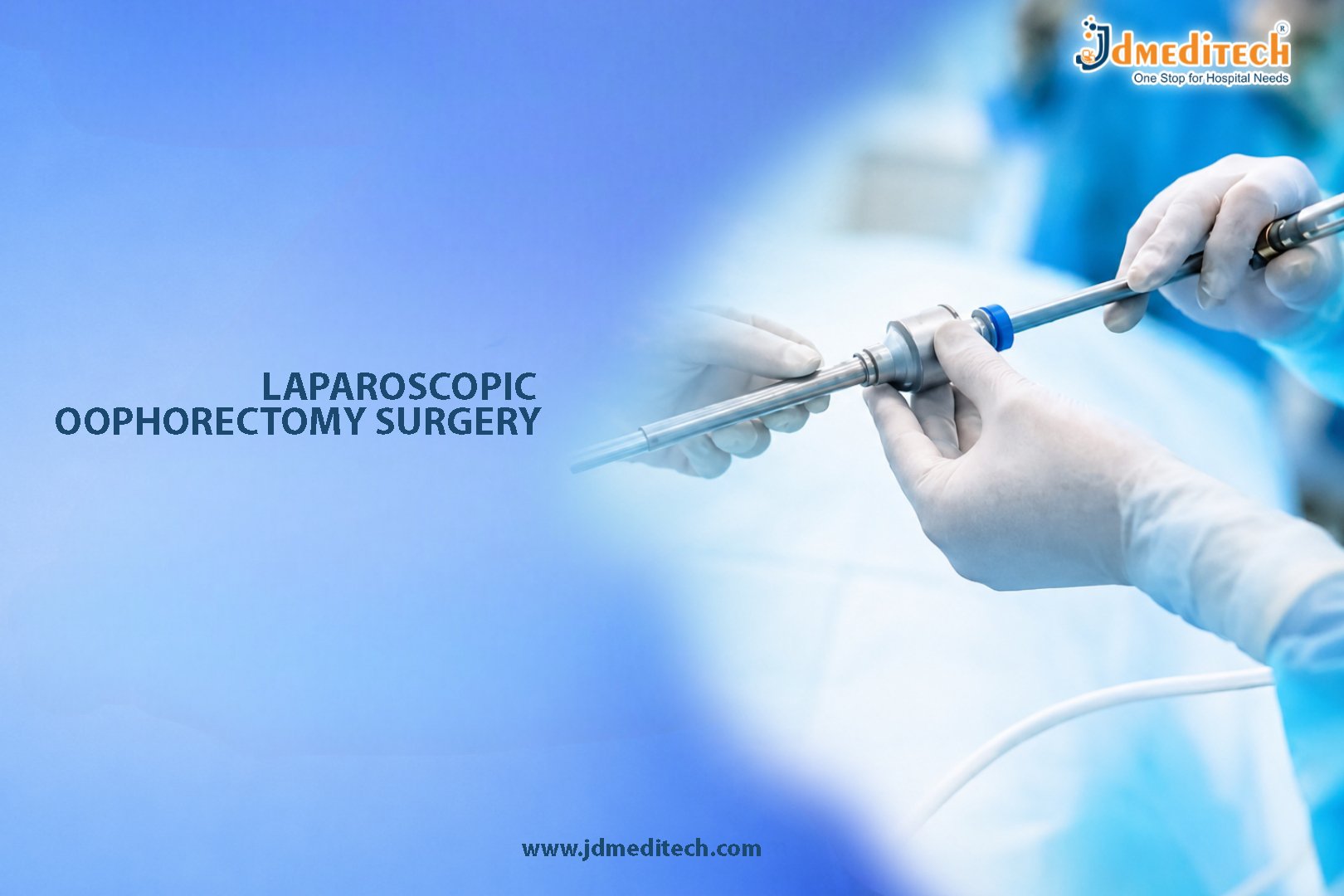
Laparoscopic Oophorectomy Surgery is a modern minimally invasive gynecologic procedure used to remove one or both ovaries. Surgeons commonly recommend this surgery for ovarian cysts, ovarian tumors, endometriosis, chronic pelvic pain, or preventive cancer treatment in high-risk patients.
Over the years, laparoscopic gynecologic surgery has transformed women’s healthcare by offering safer procedures with faster recovery and reduced postoperative discomfort. Unlike traditional open surgery, laparoscopic oophorectomy uses small incisions and specialized instruments to perform the operation with high precision.
Moreover, this advanced surgical approach allows patients to recover more quickly, experience less pain, and return to daily activities sooner. Because of these advantages, many gynecologists now prefer laparoscopic techniques whenever possible.
In this blog, we will discuss Laparoscopic Oophorectomy Surgery, its indications, procedure, benefits, recovery process, risks, and why it has become a preferred treatment option in modern gynecology.
What Is Laparoscopic Oophorectomy Surgery?
Laparoscopic Oophorectomy Surgery is a minimally invasive procedure in which surgeons remove one ovary or both ovaries using laparoscopic instruments and a high-definition camera.
Types of Oophorectomy
Depending on the condition, surgeons may perform:
- Unilateral oophorectomy (removal of one ovary)
- Bilateral oophorectomy (removal of both ovaries)
- Salpingo-oophorectomy (removal of ovary and fallopian tube together)
Because laparoscopic surgery uses small incisions, patients usually experience less tissue trauma compared to open surgery.
Why Is Laparoscopic Oophorectomy Performed?
Doctors may recommend this surgery for several gynecologic conditions.
Common Reasons for Oophorectomy
- Large ovarian cysts
- Ovarian tumors
- Endometriosis
- Ovarian torsion
- Chronic pelvic pain
- Ovarian cancer in selected cases
- Preventive surgery in high-risk patients
- Severe pelvic infection
Additionally, some women with genetic cancer risks may choose preventive bilateral oophorectomy to reduce future cancer risk.
Symptoms That May Require Oophorectomy Evaluation
Certain symptoms may indicate underlying ovarian conditions.
Common Symptoms Include
- Persistent pelvic pain
- Abdominal bloating
- Irregular menstrual cycles
- Pain during intercourse
- Pelvic pressure
- Unexplained abdominal swelling
- Severe ovarian cyst symptoms
Therefore, women experiencing ongoing pelvic discomfort should seek medical evaluation promptly.
How Is Laparoscopic Oophorectomy Surgery Performed?
1. Preoperative Evaluation
Before surgery, doctors conduct a detailed assessment that may include:
- Physical examination
- Pelvic ultrasound
- Blood investigations
- MRI or CT scan in selected cases
- Medical history review
- Anesthesia evaluation
Additionally, doctors provide fasting instructions and discuss surgical planning before the procedure.
2. Administration of General Anesthesia
Doctors administer general anesthesia to ensure patient comfort throughout the surgery.
3. Creation of Small Incisions
Next, the surgeon creates a few small incisions in the abdomen. Then, the surgeon inserts laparoscopic ports through these openings.
4. Insertion of the Laparoscope
The surgeon inserts a laparoscope equipped with a high-definition camera. As a result, the surgical team receives magnified views of the pelvic organs.
5. Removal of the Ovary
Using specialized laparoscopic instruments, the surgeon carefully separates and removes the affected ovary or ovaries.
Furthermore, the surgeon takes special care to protect nearby organs such as the bladder, bowel, and blood vessels.
6. Closure of Incisions
Finally, the surgeon removes the instruments and closes the small incisions with sutures or surgical glue.
Most procedures are completed within one to two hours.
Advantages of Laparoscopic Oophorectomy Surgery
This modern gynecologic procedure offers several important benefits.
Smaller Incisions
Tiny incisions reduce visible scarring and improve cosmetic outcomes.
Faster Recovery
Most patients recover more quickly than patients undergoing open surgery.
Less Postoperative Pain
Because surgeons avoid large abdominal cuts, patients usually experience less discomfort.
Reduced Blood Loss
Minimally invasive techniques often help reduce bleeding during surgery.
Lower Risk of Infection
Smaller wounds lower the risk of postoperative infections.
Shorter Hospital Stay
Many patients return home within one or two days after surgery.
Recovery After Laparoscopic Oophorectomy Surgery
Recovery usually progresses smoothly when patients follow postoperative instructions carefully.
Immediate Recovery
After surgery:
- Mild abdominal soreness may occur temporarily
- Doctors encourage early walking
- Patients gradually resume oral intake
- Mild fatigue may persist for a few days
Recovery at Home
Patients should:
- Keep incision sites clean and dry
- Avoid heavy lifting temporarily
- Take medications as prescribed
- Attend follow-up appointments regularly
- Follow activity restrictions carefully
Additionally, balanced nutrition and proper hydration support faster healing.
Possible Risks and Complications
Although laparoscopic oophorectomy is generally safe, some risks may still occur.
Potential Complications Include
- Bleeding
- Infection
- Injury to nearby organs
- Blood clots
- Reaction to anesthesia
- Hormonal changes after bilateral oophorectomy
However, experienced gynecologic surgeons greatly reduce the likelihood of these complications.
Hormonal Changes After Oophorectomy
Hormonal effects depend on whether one or both ovaries are removed.
Important Hormonal Considerations
- Removal of one ovary may still preserve hormonal balance
- Removal of both ovaries causes surgical menopause
- Symptoms may include hot flashes, mood changes, and vaginal dryness
- Doctors may discuss hormone replacement therapy when appropriate
Therefore, patients should discuss long-term hormonal management with their healthcare provider.
Who Is a Suitable Candidate for Laparoscopic Oophorectomy?
Not every patient requires ovarian removal surgery.
Suitable Candidates Often Include
- Women with persistent ovarian cysts
- Patients with ovarian tumors
- Individuals with severe endometriosis
- Women at high genetic cancer risk
- Patients suitable for minimally invasive surgery
Additionally, doctors evaluate age, fertility goals, and overall health before recommending surgery.
Difference Between Open and Laparoscopic Oophorectomy
Although both procedures remove the ovaries effectively, important differences exist between them.
Key Differences
| Feature | Open Oophorectomy | Laparoscopic Oophorectomy |
| Incision Size | Large | Small |
| Postoperative Pain | Higher | Lower |
| Recovery Time | Longer | Faster |
| Hospital Stay | Longer | Shorter |
| Cosmetic Outcome | Moderate | Better |
As a result, many women prefer laparoscopic surgery whenever medically appropriate.
Why Is Laparoscopic Oophorectomy Popular in Modern Gynecology?
This minimally invasive procedure has significantly improved gynecologic surgical care.
Reasons for Its Growing Popularity
- Faster patient recovery
- Reduced surgical trauma
- Better cosmetic results
- Lower complication rates
- Shorter hospitalization
- Improved patient comfort
Moreover, ongoing advances in laparoscopic technology continue to improve surgical safety and precision.
Frequently Asked Questions (FAQs)
Is Laparoscopic Oophorectomy Surgery safe?
Yes, experienced gynecologic surgeons perform this procedure safely and effectively.
How long does recovery take?
Most patients recover within a few weeks, although recovery time varies individually.
Will the surgery affect fertility?
Yes, removing both ovaries permanently affects fertility. However, removal of one ovary may still allow natural conception.
Is laparoscopic surgery better than open surgery?
In many cases, laparoscopic surgery offers faster recovery, less pain, and smaller scars.
Will I need hospitalization?
Yes, short hospital observation is usually required, although many patients go home within one or two days.
Conclusion
Laparoscopic Oophorectomy Surgery is a modern gynecologic solution that provides safe and effective ovarian removal with faster recovery and reduced postoperative discomfort. Because this minimally invasive technique uses small incisions and advanced laparoscopic instruments, patients often experience less pain, minimal scarring, and shorter hospital stays.
Additionally, laparoscopic surgery improves surgical precision while helping women return to normal activities more quickly. Therefore, many gynecologic surgeons now prefer this advanced approach for appropriate ovarian conditions.
Most importantly, patients should consult experienced gynecologic specialists to determine the most suitable treatment plan based on their symptoms, fertility goals, and overall health.
Get Connected:
+91 79909 93062 | +91 63513 72032 | exports@jdmeditech.com