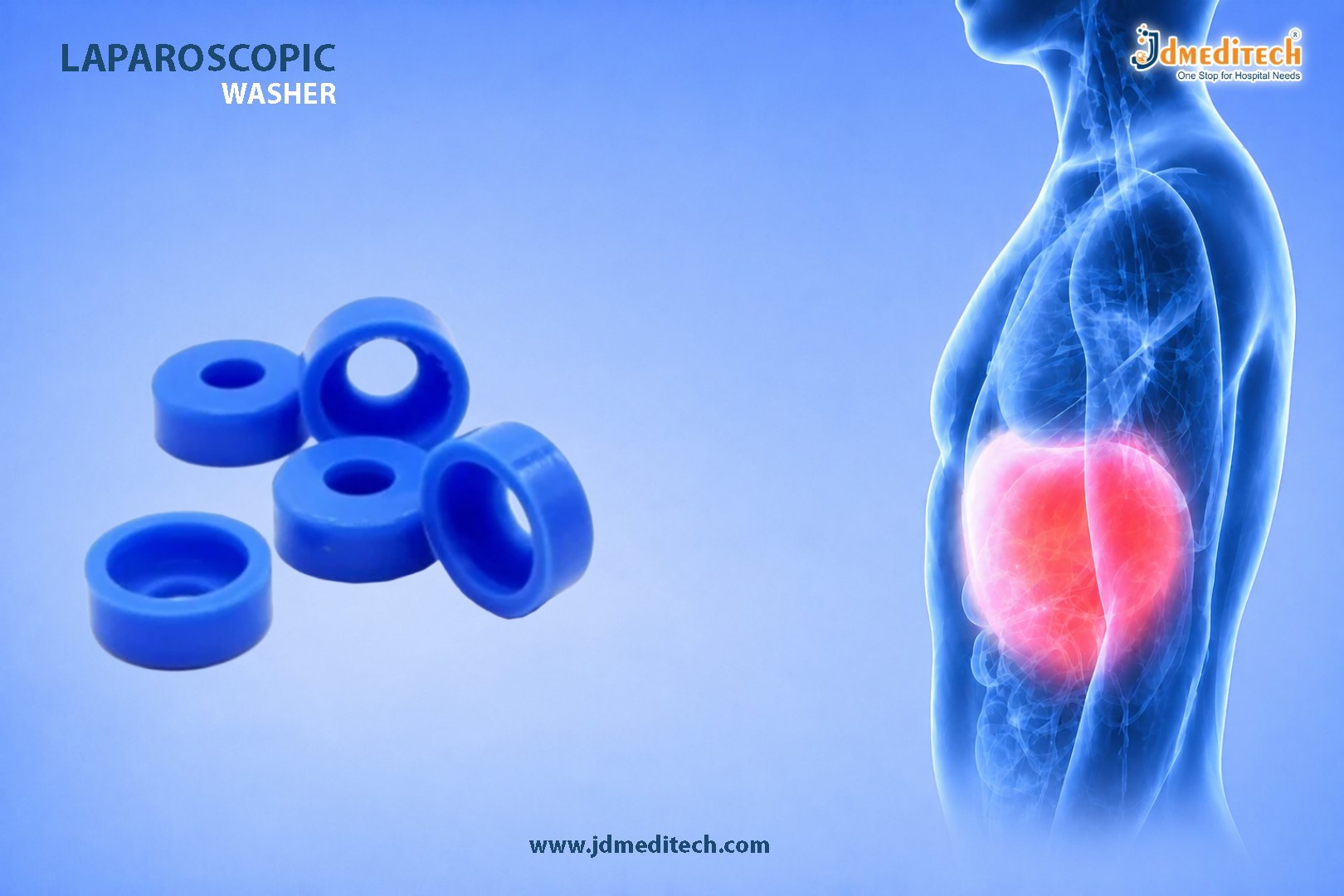
A Laparoscopic Washer is an essential cleaning system designed to maintain the hygiene, functionality, and longevity of laparoscopic surgical instruments. In modern minimally invasive surgery, proper instrument cleaning is critical for preventing contamination, ensuring patient safety, and maintaining surgical precision.
Laparoscopic instruments often contain narrow lumens, delicate joints, and complex components that require specialized cleaning solutions. A high-efficiency laparoscopic washer helps hospitals, surgical centers, and sterilization units achieve reliable and consistent instrument decontamination before sterilization.
As healthcare facilities continue to focus on infection control and operational efficiency, laparoscopic washers have become a vital part of surgical instrument reprocessing workflows.
What is a Laparoscopic Washer?
Advanced Cleaning Equipment for Minimally Invasive Surgical Instruments
A laparoscopic washer is a specialized medical cleaning system used to remove blood, tissue debris, proteins, and contaminants from laparoscopic and endoscopic instruments after surgical procedures.
These washers are designed to clean:
- Laparoscopic graspers
- Trocar cannulas
- Scissors
- Bipolar instruments
- Suction irrigation systems
- Endoscopic accessories
- Surgical trays and reusable instruments
The system ensures that all instruments are thoroughly cleaned before the sterilization process begins.
Importance of Proper Instrument Cleaning in Laparoscopic Surgery
Supporting Infection Control and Surgical Safety
Effective cleaning of surgical instruments is one of the most important steps in preventing healthcare-associated infections (HAIs). Since laparoscopic instruments are frequently reused, thorough decontamination is necessary after every procedure.
Benefits of proper cleaning include:
- Reduced risk of cross-contamination
- Improved patient safety
- Enhanced instrument performance
- Longer instrument lifespan
- Compliance with sterilization standards
- Better surgical efficiency
A high-quality laparoscopic washer helps achieve consistent cleaning results while reducing manual cleaning errors.
Key Features of a High-Efficiency Laparoscopic Washer
Designed for Reliable and Thorough Cleaning Performance
Modern laparoscopic washers include advanced technologies that improve cleaning effectiveness and workflow efficiency.
Key features include:
- Automated washing cycles
- High-pressure flushing systems
- Ultrasonic cleaning compatibility
- Multi-level cleaning racks
- Temperature-controlled washing
- Internal lumen cleaning systems
- Stainless steel construction
- User-friendly digital controls
- Low water and detergent consumption
- Fast drying functionality
These features help hospitals optimize cleaning processes while maintaining high hygiene standards.
Applications of Laparoscopic Washers
Widely Used Across Surgical and Sterilization Departments
Laparoscopic washers are commonly used in:
- Hospitals
- Ambulatory surgical centers
- Central sterile services departments (CSSD)
- Gynecology units
- Urology departments
- General surgery centers
- Gastrointestinal surgery facilities
- Bariatric surgery departments
These cleaning systems support various minimally invasive surgical specialties that rely on reusable instruments.
Advantages of Using a Laparoscopic Washer
Improving Workflow Efficiency and Instrument Safety
Using an automated laparoscopic washer provides multiple operational and clinical advantages.
Enhanced Cleaning Accuracy
Automated systems provide uniform cleaning performance for every instrument cycle, minimizing human error.
Time-Saving Operation
Compared to manual cleaning, laparoscopic washers significantly reduce processing time.
Reduced Instrument Damage
Controlled washing pressure and specialized racks help protect delicate surgical instruments from damage.
Better Infection Prevention
Efficient removal of contaminants helps improve sterilization outcomes and patient safety.
Cost-Effective Reprocessing
Proper cleaning extends the lifespan of reusable laparoscopic instruments, reducing replacement costs.
Components of a Laparoscopic Washer System
Engineered for Effective Instrument Reprocessing
A standard laparoscopic washer may include:
- Washing chamber
- Spray nozzles
- Water circulation pumps
- Instrument trays
- Filtration systems
- Detergent dosing units
- Drying modules
- Digital control panel
- Lumen flushing connectors
These components work together to ensure complete cleaning and preparation for sterilization.
How a Laparoscopic Washer Works
Step-by-Step Cleaning Process
The cleaning process typically involves several stages:
- Pre-rinse cycle to remove loose debris
- Detergent washing phase
- High-pressure flushing of instrument lumens
- Thermal disinfection process
- Final rinse with purified water
- Drying cycle
This automated workflow improves cleaning consistency and operational efficiency.
Choosing the Right Laparoscopic Washer
Important Factors to Consider
When selecting a laparoscopic washer, healthcare facilities should evaluate:
- Instrument compatibility
- Chamber capacity
- Automation level
- Water consumption
- Energy efficiency
- Cleaning cycle duration
- Maintenance requirements
- Compliance with medical standards
- Ease of operation
- Manufacturer reliability
Choosing the right system ensures long-term performance and dependable cleaning quality.
Maintenance Tips for Laparoscopic Washers
Ensuring Long-Term Performance and Reliability
Routine maintenance is essential for maintaining washer efficiency.
Best practices include:
- Regular chamber cleaning
- Checking spray arms and filters
- Monitoring detergent levels
- Inspecting water pressure systems
- Routine calibration
- Scheduled servicing
- Verifying drying functionality
Proper maintenance helps prevent operational issues and ensures consistent cleaning performance.
Why High-Quality Laparoscopic Washers Matter
Supporting Modern Surgical Sterilization Standards
As minimally invasive surgery becomes more common, the demand for advanced instrument cleaning systems continues to grow. A reliable laparoscopic washer helps healthcare providers maintain infection control standards while improving workflow efficiency.
High-quality cleaning systems contribute to:
- Safer surgical procedures
- Better sterilization outcomes
- Improved operational productivity
- Reduced contamination risks
- Enhanced instrument durability
Investing in an efficient laparoscopic washer supports both clinical performance and patient safety.
Conclusion
Essential Cleaning Technology for Modern Surgical Instrument Reprocessing
A Laparoscopic Washer is a critical solution for effective cleaning and preparation of minimally invasive surgical instruments. With advanced automation, reliable cleaning performance, and improved infection control, these systems play a vital role in modern healthcare environments.
Hospitals and surgical centers that invest in high-efficiency laparoscopic washers benefit from improved workflow, enhanced patient safety, and extended instrument life. As surgical technology advances, dependable cleaning systems remain essential for maintaining the highest standards of surgical care.
Get Connected:
+91 79909 93062 | +91 63513 72032 | exports@jdmeditech.com