Ovulation disorders are among the most common causes of female infertility. In particular, women with Polycystic Ovary Syndrome (PCOS) often experience irregular or absent ovulation, making natural conception difficult. Although fertility medications help many patients, some women do not respond adequately to medical treatment.
Fortunately, Ovarian Drilling Surgery offers an effective alternative for inducing ovulation in selected patients. This minimally invasive laparoscopic procedure helps restore hormonal balance and improve ovulation rates. As a result, many women experience improved fertility and increased chances of natural pregnancy. Moreover, ovarian drilling may reduce the need for long-term fertility medication use.
What is Ovarian Drilling Surgery?
Ovarian Drilling Surgery is a minimally invasive laparoscopic procedure used primarily to treat ovulation disorders associated with PCOS.
Purpose of Ovarian Drilling
The main goal of the procedure is to stimulate regular ovulation by reducing the amount of hormone-producing ovarian tissue. Consequently, hormonal balance may improve, allowing the ovaries to release eggs more consistently.
How the Procedure Works
During surgery, the surgeon creates several small punctures on the surface of the ovaries using laser energy or electrocautery. Subsequently, hormone production is altered, which may help restore normal ovulation patterns.
Understanding Polycystic Ovary Syndrome (PCOS)
PCOS is one of the leading causes of female infertility worldwide. Furthermore, it affects hormone production, menstrual cycles, and ovarian function.
Common Symptoms of PCOS
Women with PCOS may experience:
- Irregular menstrual cycles
- Absent ovulation
- Difficulty conceiving
- Weight gain
- Excess facial or body hair
- Acne
- Multiple ovarian cysts
As a result, many women seek fertility treatment to improve their chances of pregnancy.
Why is Ovarian Drilling Performed?
Ovarian drilling is usually considered when conventional fertility treatments have not been successful.
Medical Indications
The procedure may be recommended for women who have:
- PCOS-related infertility
- Failure to respond to ovulation induction medications
- Resistance to clomiphene citrate
- Irregular ovulation
- Hormonal imbalance affecting fertility
Therefore, ovarian drilling may serve as an effective second-line fertility treatment.
Who is a Candidate for Ovarian Drilling Surgery?
Not all women with PCOS require surgery. However, certain patients may benefit significantly from this approach.
Ideal Candidates
The procedure is often suitable for women who:
- Have PCOS with anovulation
- Have not responded to fertility medications
- Desire natural conception
- Have normal fallopian tube function
- Have a partner with normal sperm parameters
- Are suitable candidates for laparoscopic surgery
A fertility specialist can determine eligibility through a comprehensive evaluation.
Preoperative Evaluation
Before surgery, several assessments are performed to ensure the procedure is appropriate.
Diagnostic Tests
The evaluation may include:
- Hormonal blood tests
- Pelvic ultrasound
- Ovulation assessment
- Fertility workup
- Medical history review
- General health evaluation
Additionally, these investigations help identify other factors that may affect fertility outcomes.
Ovarian Drilling Surgery Procedure
The procedure is usually performed under general anesthesia using a laparoscopic approach.
Step 1: Administration of Anesthesia
General anesthesia is provided to ensure patient comfort during surgery.
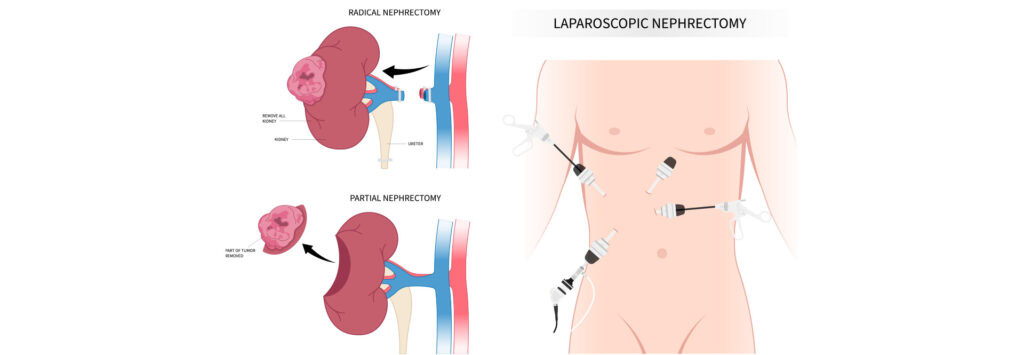
Step 2: Laparoscopic Access
Small incisions are made in the abdomen. Subsequently, a laparoscope is inserted to visualize the pelvic organs.
Step 3: Examination of the Ovaries
The surgeon carefully evaluates both ovaries and surrounding reproductive structures.
Step 4: Ovarian Drilling
Several small punctures are created in each ovary using controlled energy sources. As a result, excess androgen-producing tissue is reduced.
Step 5: Completion of the Procedure
Finally, the instruments are removed, and the incisions are closed with minimal scarring.
Benefits of Ovarian Drilling Surgery
Compared with prolonged medication use, ovarian drilling offers several advantages.
Key Benefits
- Improved ovulation rates
- Enhanced fertility potential
- Reduced androgen levels
- More regular menstrual cycles
- Decreased dependence on fertility medications
- Minimally invasive treatment
- Short recovery period
- Potential for natural conception
Furthermore, many women experience ovulation within a few months after surgery.
Success Rates of Ovarian Drilling
Success rates vary depending on age, overall fertility health, and the severity of PCOS.
Factors Influencing Success
Several factors can affect outcomes, including:
- Age of the patient
- Body mass index (BMI)
- Duration of infertility
- Severity of hormonal imbalance
- Presence of other fertility issues
Nevertheless, ovarian drilling has demonstrated favorable results in appropriately selected patients.
Recovery After Ovarian Drilling Surgery
Recovery is generally rapid because the procedure is performed laparoscopically.
Immediate Recovery
Patients may experience:
- Mild abdominal discomfort
- Temporary bloating
- Shoulder pain from laparoscopic gas
- Mild fatigue
However, these symptoms usually improve within a few days.
Recovery Timeline
First 24 Hours
Most patients return home on the same day or after a short observation period.
Days 2–7
Physical discomfort gradually decreases. In addition, normal daily activities can often be resumed.
Within Two Weeks
Most women return to their regular routines and continue fertility monitoring.
Risks and Complications
Although Ovarian Drilling Surgery is generally safe, every surgical procedure carries certain risks.
Possible Risks
- Infection
- Bleeding
- Adhesion formation
- Ovarian damage
- Injury to nearby organs
- Anesthesia-related complications
Fortunately, serious complications are uncommon when the procedure is performed by experienced laparoscopic surgeons.
Postoperative Care
Following postoperative instructions can support healing and improve outcomes.
Recovery Recommendations
- Stay hydrated
- Avoid strenuous exercise initially
- Follow medication instructions
- Attend follow-up appointments
- Monitor menstrual cycles
- Maintain a healthy lifestyle
Consequently, proper postoperative care can contribute to better fertility results.
Frequently Asked Questions
Is Ovarian Drilling Surgery painful?
The procedure is performed under general anesthesia. Therefore, patients do not feel pain during surgery and usually experience only mild discomfort afterward.
How soon can ovulation occur after surgery?
Many women begin ovulating within a few weeks to several months after treatment.
Can pregnancy occur naturally after ovarian drilling?
Yes. In many cases, natural conception becomes possible once regular ovulation is restored.
Is ovarian drilling a permanent cure for PCOS?
No. While the procedure can improve ovulation and fertility, it does not cure PCOS completely.
Additional Resources
For reliable information regarding PCOS and fertility treatments, readers can visit:
- The American Society for Reproductive Medicine (ASRM)
- The European Society of Human Reproduction and Embryology (ESHRE)
- The American College of Obstetricians and Gynecologists (ACOG)
These organizations provide evidence-based guidance on infertility treatment and reproductive health.
Conclusion
Ovarian Drilling Surgery is an effective minimally invasive procedure for women with PCOS-related infertility who have not responded to fertility medications. By improving hormonal balance and restoring ovulation, the surgery can significantly increase the chances of natural conception. Moreover, its minimally invasive approach, short recovery time, and favorable success rates make it a valuable treatment option for selected patients. Therefore, women struggling with ovulation disorders should discuss ovarian drilling with their fertility specialist to determine whether it is the right solution for their reproductive goals.
Get Connected:
+91 79909 93062 | +91 63513 72032 | exports@jdmeditech.com