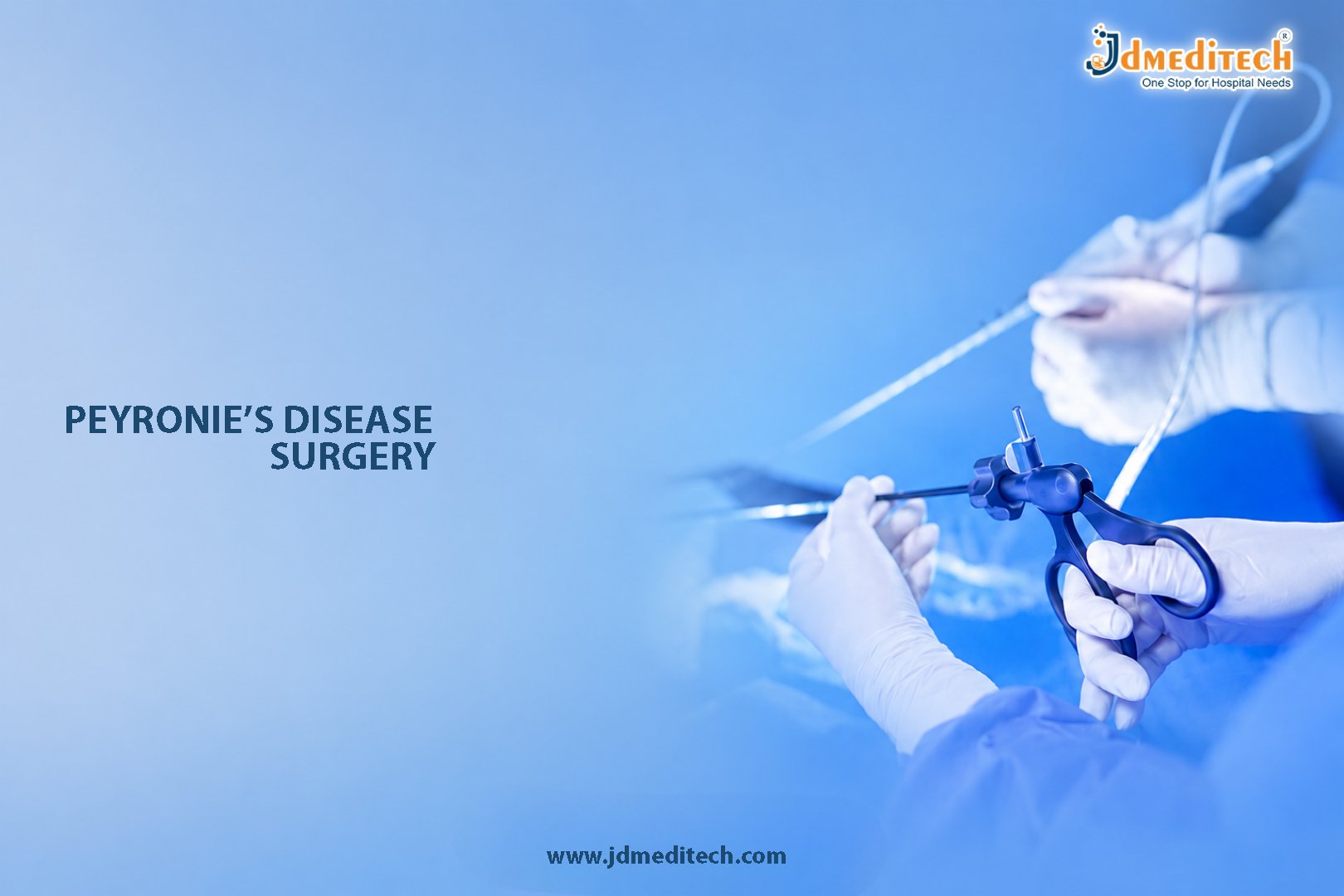
Peyronie’s disease surgery is an advanced urologic procedure performed to correct abnormal penile curvature caused by fibrous scar tissue formation within the penis. Peyronie’s disease can lead to painful erections, penile deformity, erectile dysfunction, and difficulty during sexual activity. In many cases, the condition also affects emotional well-being and overall quality of life.
Although mild cases may improve with non-surgical treatment, severe or persistent curvature often requires surgical correction for optimal functional outcomes. Therefore, Peyronie’s disease surgery is considered one of the most effective treatment options for restoring penile straightness and improving sexual function.
Moreover, modern surgical techniques have significantly improved precision, cosmetic appearance, recovery time, and long-term patient satisfaction.
What Is Peyronie’s Disease?
Understanding the Condition
Peyronie’s disease is a connective tissue disorder in which fibrous scar tissue, known as plaque, develops inside the penis. Consequently, the scar tissue reduces flexibility and causes abnormal bending or curvature during erection.
The condition may vary in severity and can develop gradually over time. In some patients, penile shortening or narrowing may also occur.
Common features of Peyronie’s disease include:
- Penile curvature during erection
- Painful erections
- Palpable scar tissue or plaque
- Erectile dysfunction
- Penile shortening
- Difficulty during intercourse
Additionally, symptoms may worsen if left untreated.
What Causes Peyronie’s Disease?
Common Risk Factors
The exact cause of Peyronie’s disease is not always fully understood. However, several factors may contribute to scar tissue formation.
Possible causes and risk factors include:
- Repetitive penile injury or trauma
- Genetic predisposition
- Connective tissue disorders
- Aging-related tissue changes
- Erectile dysfunction
- Poor wound healing response
Furthermore, the condition is more commonly diagnosed in middle-aged and older men.
When Is Peyronie’s Disease Surgery Recommended?
Indications for Surgical Treatment
Doctors may recommend Peyronie’s disease surgery when conservative treatments fail to improve symptoms or when the curvature significantly interferes with sexual activity.
Surgical correction may be advised for patients with:
- Severe penile curvature
- Stable disease lasting 6 to 12 months
- Difficulty during intercourse
- Significant penile deformity
- Erectile dysfunction associated with Peyronie’s disease
- Psychological distress caused by the condition
Therefore, surgery is usually considered after the disease stabilizes and scar progression stops.
Types of Peyronie’s Disease Surgery
Common Surgical Techniques
Several surgical procedures may be used depending on the severity of curvature, erectile function, and patient goals.
Penile Plication Surgery
This technique shortens the longer side of the penis to straighten the curvature. It is commonly used for mild to moderate deformities.
Plaque Incision or Excision with Grafting
The surgeon cuts or removes scar tissue and places a graft to restore penile shape and length.
Penile Prosthesis Implant Surgery
This option is often recommended for patients with Peyronie’s disease and severe erectile dysfunction.
Consequently, the choice of procedure depends on individual clinical findings and functional needs.
Preoperative Evaluation Before Peyronie’s Disease Surgery
Diagnostic Assessment and Planning
Before surgery, the urologist performs a detailed evaluation to assess the severity of penile curvature and erectile function.
Preoperative investigations may include:
- Physical examination
- Assessment of penile plaque
- Penile ultrasound
- Erectile function evaluation
- Medical history review
- Photographic assessment of curvature
Additionally, doctors discuss surgical expectations, risks, and recovery planning with the patient.
How Peyronie’s Disease Surgery Is Performed
Step-by-Step Surgical Procedure
Peyronie’s disease surgery is usually performed under general or regional anesthesia.
Although the exact technique varies, the surgical process generally includes:
- First, anesthesia is administered for patient comfort.
- The surgeon carefully exposes the penile structures.
- Scar tissue or curvature-related abnormalities are identified.
- Corrective surgical techniques are performed.
- Penile straightening is carefully assessed.
- Bleeding is controlled precisely.
- Finally, the incision is closed with fine sutures.
Typically, the procedure takes approximately 1 to 3 hours depending on the complexity of correction.
Advanced Surgical Techniques for Penile Curvature Correction
Modern Innovations in Urologic Surgery
Modern Peyronie’s disease surgery focuses on maximizing functional and cosmetic outcomes while minimizing complications.
Advanced techniques may include:
- Microsurgical reconstruction
- Tissue-preserving approaches
- Penile grafting materials
- Precision plication techniques
- Minimally invasive surgical methods
As a result, modern procedures offer improved penile straightening and better patient satisfaction.
Recovery After Peyronie’s Disease Surgery
Postoperative Care and Healing
Most patients recover gradually after surgery. However, careful postoperative management is essential for optimal healing.
Doctors commonly recommend:
- Temporary avoidance of sexual activity
- Taking prescribed medications properly
- Wearing supportive garments if advised
- Attending follow-up appointments
- Monitoring for swelling or discomfort
Although mild pain and swelling are common initially, these symptoms generally improve within several weeks.
In most cases, complete recovery occurs within 4 to 8 weeks depending on the surgical technique used.
Possible Risks and Complications
Understanding Surgical Safety
Peyronie’s disease surgery is generally safe and effective when performed by experienced urologic surgeons. Nevertheless, certain risks may still occur.
Possible complications include:
- Infection
- Bleeding
- Temporary swelling
- Penile numbness
- Erectile dysfunction
- Residual curvature
- Penile shortening
- Scar formation
Fortunately, modern surgical advancements and careful patient selection help reduce complication rates significantly.
Benefits of Peyronie’s Disease Surgery
Advantages of Surgical Correction
Peyronie’s disease surgery offers several important benefits, including:
- Improved penile straightness
- Better sexual function
- Reduced pain during erections
- Enhanced confidence and self-esteem
- Improved quality of life
- Long-term correction of penile deformity
Therefore, many patients experience substantial physical and emotional improvement after surgery.
Peyronie’s Disease and Erectile Dysfunction
Understanding the Connection
Many patients with Peyronie’s disease also experience erectile dysfunction due to reduced penile blood flow, pain, or psychological stress.
In such cases, treatment may involve:
- Erectile dysfunction medications
- Penile prosthesis implantation
- Combined reconstructive procedures
Consequently, comprehensive evaluation helps determine the most effective treatment strategy.
Who Is a Suitable Candidate for Peyronie’s Disease Surgery?
Patient Eligibility Factors
Patients may benefit from surgical correction if they have:
- Stable penile curvature
- Significant deformity affecting intercourse
- Persistent symptoms despite non-surgical treatment
- Adequate overall health for surgery
- Realistic treatment expectations
Ultimately, the urologist determines the most appropriate surgical approach after detailed clinical evaluation.
Importance of Early Medical Evaluation
Preventing Long-Term Functional Problems
Early evaluation and monitoring of Peyronie’s disease can help:
- Prevent worsening curvature
- Preserve sexual function
- Improve treatment planning
- Reduce emotional distress
- Support better long-term outcomes
Therefore, patients experiencing penile curvature or painful erections should seek prompt urologic consultation.
Conclusion
Peyronie’s disease surgery is a highly specialized and effective urologic procedure used to correct penile curvature and restore normal sexual function. By addressing scar tissue and structural deformities, the surgery helps improve penile straightness, reduce discomfort, and enhance overall quality of life.
Additionally, modern surgical advancements have improved precision, cosmetic outcomes, and patient recovery. As a result, Peyronie’s disease surgery remains one of the most reliable treatment options for men with severe or persistent penile curvature.
Patients experiencing abnormal penile curvature, painful erections, or sexual difficulties should consult an experienced urologist for accurate diagnosis and personalized treatment planning.
Get Connected:
+91 79909 93062 | +91 63513 72032 | exports@jdmeditech.com