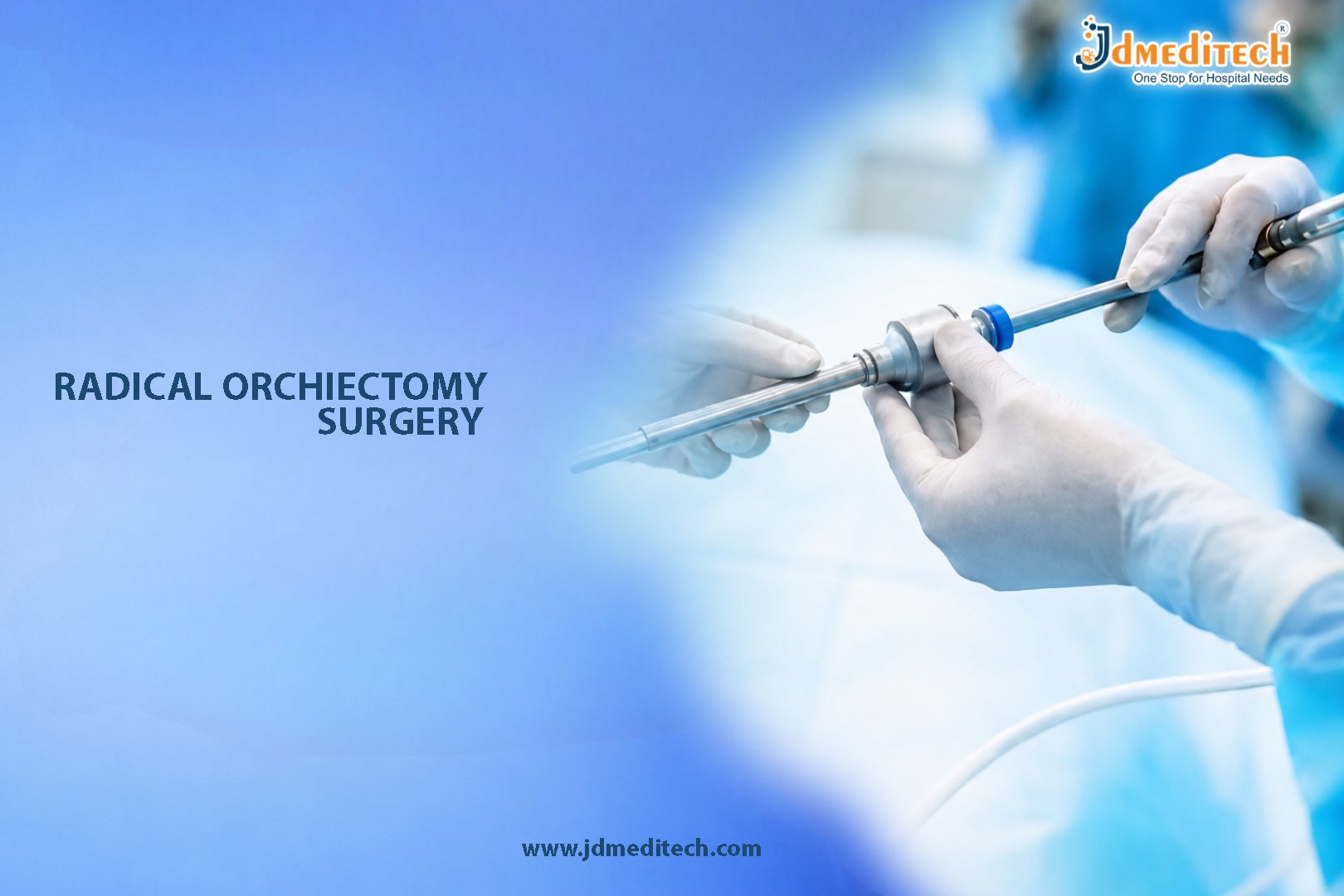
Radical orchiectomy surgery is a specialized urologic procedure performed to remove the entire testis along with the spermatic cord through an inguinal incision. Surgeons commonly recommend this procedure for patients diagnosed with suspected or confirmed testicular cancer. In certain cases, it may also help manage severe testicular trauma, chronic infection, or hormone-sensitive conditions.
This surgery plays a critical role in both diagnosis and treatment. By completely removing the affected testicle and spermatic cord, doctors can prevent the spread of disease and obtain tissue for accurate pathological evaluation.
Modern surgical techniques have significantly improved the safety, precision, and recovery outcomes associated with radical orchiectomy surgery.
What Is Radical Orchiectomy Surgery?
Understanding the Procedure
Radical orchiectomy is a surgical operation that involves the removal of:
- The affected testicle
- The spermatic cord
- Associated surrounding tissues when necessary
Unlike a simple orchiectomy, which removes only the testicle through the scrotum, radical orchiectomy uses an inguinal approach to minimize the risk of cancer spread.
The surgery is considered the standard primary treatment for most testicular tumors.
Why Is Radical Orchiectomy Surgery Performed?
Common Medical Indications
Doctors may recommend radical orchiectomy surgery for several conditions, including:
- Testicular cancer
- Suspicious testicular masses
- Severe testicular injury
- Chronic infection not responding to treatment
- Hormone-sensitive cancers
- Testicular torsion with irreversible damage
Early surgical intervention often improves treatment success and long-term survival outcomes.
Symptoms That May Require Surgical Evaluation
Warning Signs Patients Should Not Ignore
Patients experiencing the following symptoms should seek immediate medical attention:
- Lump or swelling in the testicle
- Persistent testicular pain
- Feeling of heaviness in the scrotum
- Sudden enlargement of one testicle
- Fluid accumulation in the scrotum
- Lower abdominal or groin discomfort
Many testicular tumors are painless during the early stages, making regular self-examination important.
Preoperative Evaluation Before Radical Orchiectomy
Important Diagnostic Tests
Before surgery, doctors typically perform:
- Physical examination
- Scrotal ultrasound
- Blood tumor marker tests
- CT scan or MRI imaging
- Routine blood investigations
- Chest imaging when cancer spread is suspected
These tests help determine the stage of disease and guide treatment planning.
How Radical Orchiectomy Surgery Is Performed
Step-by-Step Surgical Procedure
The surgery is usually performed under general anesthesia and follows these steps:
- A small incision is made in the groin area.
- The surgeon carefully isolates the spermatic cord.
- The entire testicle and spermatic cord are removed.
- Blood vessels are secured to prevent bleeding.
- The incision is closed using sutures.
The operation generally takes between 45 minutes and 90 minutes.
Minimally Invasive and Advanced Surgical Techniques
Modern Innovations in Urologic Surgery
Advanced surgical practices may include:
- Microsurgical precision techniques
- Improved hemostatic devices
- Enhanced anesthesia protocols
- Better cosmetic closure methods
- Faster recovery pathways
These innovations help reduce pain, minimize complications, and shorten hospital stays.
Recovery After Radical Orchiectomy Surgery
Postoperative Care and Healing
Most patients recover well after surgery. Common postoperative recommendations include:
- Rest for several days
- Avoid heavy lifting
- Wear scrotal support garments
- Keep the incision clean and dry
- Take prescribed medications as directed
Patients usually return to normal daily activities within 2 to 4 weeks.
Possible Risks and Complications
Understanding Surgical Safety
Although radical orchiectomy is generally safe, potential risks may include:
- Bleeding
- Infection
- Scrotal swelling
- Pain or discomfort
- Blood clot formation
- Fertility concerns
- Hormonal changes
Choosing an experienced urologic surgeon significantly reduces complication risks.
Fertility and Hormonal Considerations
Long-Term Reproductive Health
Many patients continue to maintain normal hormone levels and fertility after removal of one testicle. However, doctors may discuss:
- Sperm banking before surgery
- Testosterone monitoring
- Fertility preservation options
- Follow-up hormonal evaluation
These considerations are especially important for younger patients.
Follow-Up Care After Surgery
Importance of Regular Monitoring
Postoperative follow-up may include:
- Physical examinations
- Tumor marker testing
- CT scans or ultrasounds
- Oncology consultations when needed
Regular monitoring helps detect recurrence early and supports long-term health management.
Benefits of Radical Orchiectomy Surgery
Advantages of Early Surgical Treatment
Key benefits include:
- Complete removal of diseased tissue
- Accurate cancer diagnosis
- Prevention of disease spread
- Improved survival outcomes
- Relief from pain and discomfort
- Effective long-term management
Timely treatment often provides the best clinical outcomes.
Who Is a Suitable Candidate?
Patient Eligibility Factors
Patients may qualify for radical orchiectomy surgery if they have:
- Suspicious testicular masses
- Confirmed testicular cancer
- Severe irreversible testicular damage
- Persistent symptoms affecting quality of life
A urologist evaluates each patient individually before recommending surgery.
Conclusion
Radical orchiectomy surgery is a highly effective and advanced surgical procedure used for the complete removal of the testis and spermatic cord. It remains the gold standard treatment for suspected or confirmed testicular cancer and other severe testicular conditions.
With modern surgical advancements, patients can expect improved safety, faster recovery, and excellent treatment outcomes. Early diagnosis and timely surgical intervention play a crucial role in preserving long-term health and preventing disease progression.
If you experience any unusual testicular symptoms, consult an experienced urologist for proper evaluation and treatment guidance.
Get Connected:
+91 79909 93062 | +91 63513 72032 | exports@jdmeditech.com