
Renal Biopsy Surgery is an advanced diagnostic procedure used to evaluate kidney diseases with high precision. During this procedure, a small sample of kidney tissue is collected and examined under a microscope to identify abnormalities, infections, inflammation, or kidney damage. Because accurate diagnosis is essential for effective treatment, renal biopsy plays a major role in modern nephrology and urology.
Today, specialists recommend renal biopsy surgery when blood tests, urine analysis, or imaging scans cannot provide complete information about kidney health. Moreover, this procedure helps doctors determine the exact cause of kidney disorders and develop a personalized treatment plan.
As minimally invasive techniques continue to improve, renal biopsy surgery has become safer, faster, and more accurate. Consequently, patients experience reduced discomfort, quicker recovery, and highly reliable diagnostic results.
What Is Renal Biopsy Surgery?
Understanding the Procedure
Renal biopsy surgery is a medical procedure in which a tiny tissue sample is removed from the kidney for laboratory examination. Usually, doctors perform the biopsy using a thin biopsy needle guided by ultrasound or CT imaging for precise targeting.
The collected tissue is then analyzed to detect:
- Kidney inflammation
- Glomerular diseases
- Chronic kidney disease
- Autoimmune kidney disorders
- Kidney infections
- Transplant rejection
- Unexplained blood or protein in urine
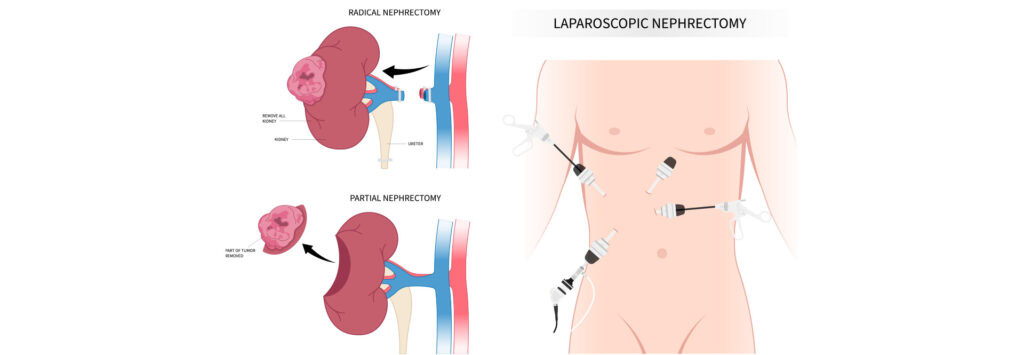
In some complex situations, surgeons may perform an open or laparoscopic renal biopsy when needle biopsy is not suitable.
Why Is Renal Biopsy Surgery Needed?
Importance of Accurate Kidney Diagnosis
Doctors recommend renal biopsy surgery for several medical reasons. Most importantly, it helps identify the severity and type of kidney disease. As a result, physicians can begin the most effective treatment at the right time.
Common reasons for renal biopsy include:
- Persistent protein in urine
- Blood in urine without a known cause
- Sudden decline in kidney function
- Unexplained kidney failure
- Monitoring kidney transplant health
- Suspected autoimmune kidney disease
- Abnormal imaging findings
Additionally, renal biopsy helps avoid unnecessary treatments by confirming the exact diagnosis.
Types of Renal Biopsy Procedures
Needle Renal Biopsy
Percutaneous needle biopsy is the most commonly performed technique. In this method, a needle is inserted through the skin into the kidney under imaging guidance.
Key Advantages
- Minimally invasive
- Short procedure time
- Faster recovery
- Minimal scarring
- High diagnostic accuracy
Laparoscopic Renal Biopsy
Laparoscopic biopsy involves small surgical incisions and specialized instruments. Surgeons use this method when needle biopsy is risky or technically difficult.
Benefits of Laparoscopic Technique
- Better visibility
- Controlled tissue sampling
- Reduced bleeding risk
- Suitable for obese or high-risk patients
Open Renal Biopsy Surgery
Open biopsy is rarely required today. However, surgeons may choose this technique in highly complex cases requiring direct kidney access.
When Open Surgery Is Recommended
- Severe bleeding disorders
- Anatomical abnormalities
- Failed previous biopsy
- Pediatric complex cases
Preparation Before Renal Biopsy Surgery
Essential Preoperative Guidelines
Proper preparation improves both safety and diagnostic accuracy. Before the procedure, doctors carefully evaluate the patient’s medical history and kidney condition.
Patients may need:
- Blood tests
- Urine analysis
- Kidney imaging scans
- Blood pressure monitoring
- Medication adjustments
Furthermore, patients are often advised to stop blood-thinning medications temporarily to reduce bleeding risk.
Additional Preparation Tips
- Avoid heavy meals before surgery
- Stay hydrated unless instructed otherwise
- Inform the doctor about allergies
- Discuss ongoing medications
- Arrange transportation after discharge
Step-by-Step Renal Biopsy Procedure
How the Surgery Is Performed
The procedure is usually completed in a hospital or specialized diagnostic center.
Step 1: Patient Positioning
The patient lies on the examination table while the medical team monitors blood pressure, pulse, and oxygen levels.
Step 2: Imaging Guidance
Ultrasound or CT imaging identifies the exact biopsy location.
Step 3: Local Anesthesia
Doctors numb the biopsy area to minimize discomfort.
Step 4: Tissue Sampling
A biopsy needle is carefully inserted into the kidney to obtain tissue samples.
Step 5: Observation and Recovery
After the procedure, patients remain under observation for several hours to monitor for complications.
Benefits of Renal Biopsy Surgery
Advantages of Precision Kidney Evaluation
Renal biopsy surgery offers several important clinical benefits.
Major Benefits Include
- Accurate diagnosis of kidney disease
- Early detection of serious conditions
- Personalized treatment planning
- Improved monitoring of kidney transplant patients
- Better long-term kidney management
- Minimally invasive diagnostic approach
- High success and accuracy rates
Because of these advantages, renal biopsy remains one of the most valuable kidney diagnostic procedures.
Risks and Possible Complications
Understanding Potential Side Effects
Although renal biopsy surgery is generally safe, certain risks may occur in rare cases.
Possible complications include:
- Mild bleeding in urine
- Temporary pain near the biopsy site
- Infection
- Blood clot formation
- Rare internal bleeding
- Drop in blood pressure
Fortunately, most complications are minor and manageable with proper medical care.
Recovery After Renal Biopsy Surgery
Postoperative Care and Healing
Recovery is usually quick after minimally invasive renal biopsy procedures. Most patients return home the same day or within 24 hours.
Recovery Guidelines
- Avoid strenuous activity for several days
- Drink adequate fluids
- Follow prescribed medications
- Monitor urine color
- Attend follow-up appointments
Additionally, patients should immediately contact their doctor if they experience severe pain, fever, or excessive bleeding.
Conclusion
Renal Biopsy Surgery is a highly accurate and essential diagnostic procedure for evaluating kidney diseases and abnormalities. With the support of modern imaging technology and minimally invasive techniques, specialists can obtain precise tissue samples safely and efficiently.
Moreover, early and accurate diagnosis allows doctors to create personalized treatment strategies that improve long-term kidney health. Whether used for chronic kidney disease evaluation, transplant monitoring, or unexplained renal disorders, renal biopsy surgery continues to play a critical role in advanced kidney care.
If you are experiencing persistent kidney-related symptoms or abnormal test results, consulting an experienced kidney specialist can help determine whether renal biopsy surgery is the right diagnostic option for you.
+91 79909 93062 | +91 63513 72032 | exports@jdmeditech.com