Salpingo-oophorectomy is a surgical procedure that removes an ovary (oophorectomy) together with the attached fallopian tube (salpingectomy). Depending on the medical indication, the surgery may involve one side of the reproductive system or both sides.
When only one ovary and one fallopian tube are removed, the procedure is called a unilateral salpingo-oophorectomy. In contrast, removal of both ovaries and both fallopian tubes is known as a bilateral salpingo-oophorectomy.
The extent of surgery ultimately depends on the underlying condition, the patient’s age, fertility goals, and the overall treatment plan.
Conditions Treated with Salpingo-Oophorectomy
Several gynecological disorders may require removal of the ovary and fallopian tube to achieve successful treatment outcomes.
Ovarian Cysts
Large or persistent ovarian cysts can cause pelvic pain, pressure symptoms, and complications such as ovarian torsion. For this reason, surgical removal may become necessary when conservative treatment options are unsuccessful.
Ovarian Tumors
Benign, borderline, and malignant ovarian tumors often require surgical evaluation and treatment. In many cases, salpingo-oophorectomy helps eliminate the affected tissue and prevents further disease progression.
Endometriosis
Severe endometriosis can damage ovarian tissue and cause chronic pelvic pain. Under these circumstances, surgery may provide substantial symptom relief and improve quality of life.
Ectopic Pregnancy
A fallopian tube pregnancy can become life-threatening if left untreated. In severe situations involving significant tubal damage, removal of the affected tube and ovary may be required.
Types of Salpingo-Oophorectomy
The surgical approach varies according to the patient’s diagnosis and clinical needs.
Unilateral Salpingo-Oophorectomy
This procedure removes one ovary and one fallopian tube while preserving the opposite side. As a result, fertility and hormonal function may remain intact.
Bilateral Salpingo-Oophorectomy
This procedure removes both ovaries and both fallopian tubes. Following surgery, natural ovarian hormone production ceases, and menopause occurs if the patient has not already reached menopausal age.
Surgical Approaches
Modern gynecological surgery offers multiple approaches for performing salpingo-oophorectomy.
Laparoscopic Salpingo-Oophorectomy
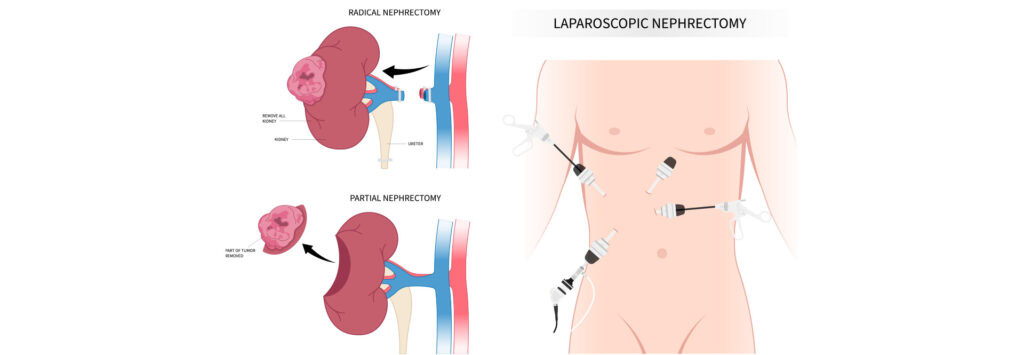
Laparoscopic surgery is performed through small abdominal incisions using a camera and specialized instruments.
Benefits of Laparoscopic Surgery
- Smaller incisions
- Less postoperative pain
- Reduced blood loss
- Faster recovery
- Shorter hospital stay
- Lower infection risk
- Improved cosmetic outcomes
Open Salpingo-Oophorectomy
Open surgery involves a larger abdominal incision and provides direct access to the pelvic organs.
When Open Surgery is Recommended
- Large ovarian masses
- Suspected ovarian cancer
- Extensive pelvic adhesions
- Advanced endometriosis
- Complex gynecological conditions
For complex surgical cases, open surgery continues to provide excellent access and visibility for safe treatment.
Conclusion
Salpingo-oophorectomy surgery is a safe and effective treatment option for a variety of ovarian and fallopian tube disorders. Whether performed for ovarian cysts, tumors, endometriosis, ectopic pregnancy, or cancer treatment, the procedure offers reliable disease management and long-term health benefits.
Modern surgical techniques provide both laparoscopic and open treatment options, allowing physicians to tailor treatment according to each patient’s medical needs. Ultimately, the combination of experienced surgical expertise, comprehensive patient care, and advanced technology helps improve clinical outcomes, reproductive health, and overall quality of life.
Get Connected:
+91 79909 93062 | +91 63513 72032 | exports@jdmeditech.com