Acute thrombotic occlusions can lead to serious and potentially life-threatening complications if left untreated. Blood clots that obstruct arteries or veins may restrict blood flow to critical organs and tissues, increasing the risk of conditions such as deep vein thrombosis, pulmonary embolism, myocardial infarction, and acute limb ischemia. Consequently, rapid diagnosis and effective thrombus removal are essential for preserving tissue function and improving patient outcomes.
A Thrombus Management Set provides healthcare professionals with the specialized tools required to perform acute thrombus removal procedures efficiently and safely. Moreover, these comprehensive systems support a variety of minimally invasive techniques designed to restore blood flow and reduce thrombotic burden.
What Is a Thrombus Management Set?
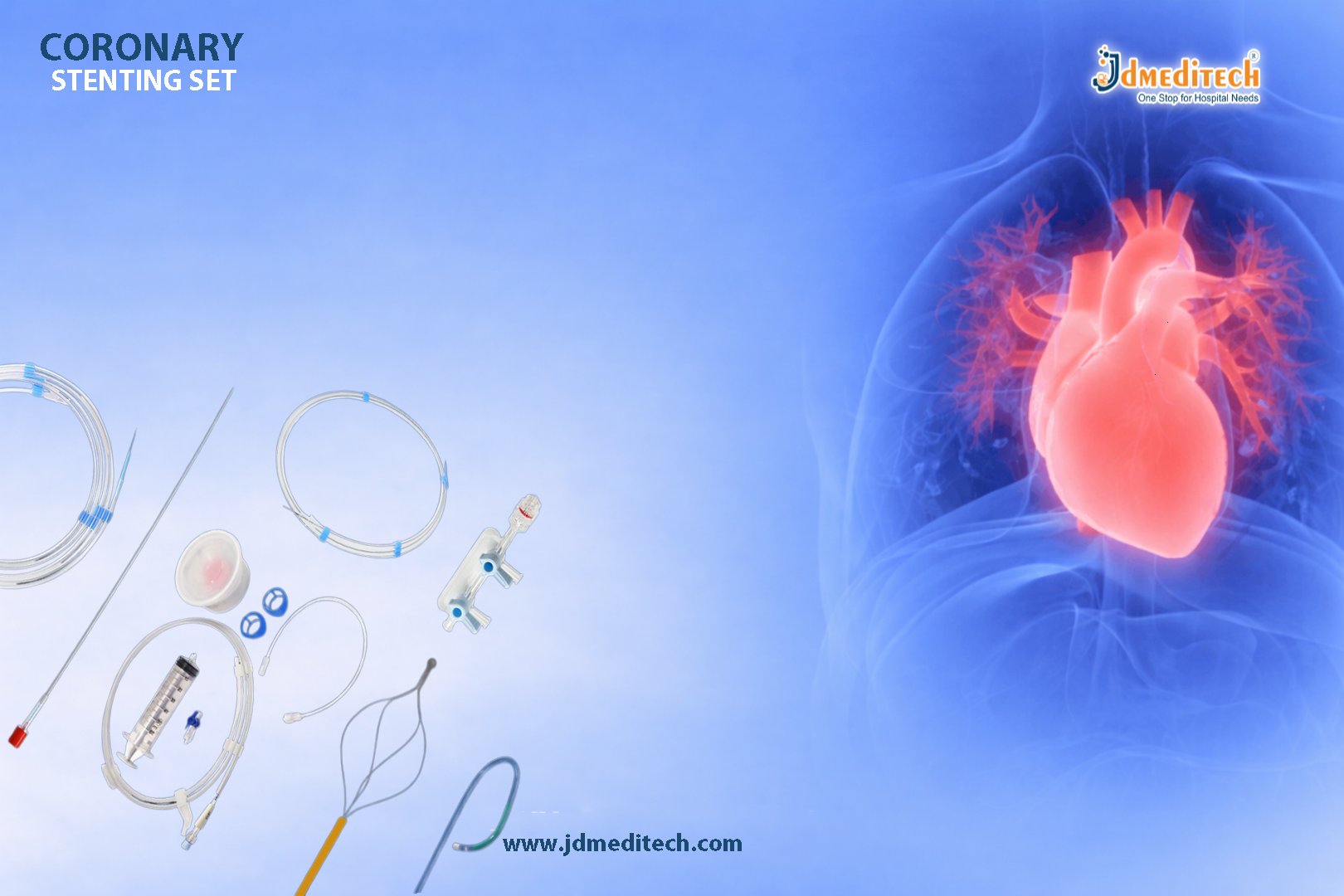
A Thrombus Management Set is a collection of interventional devices and procedural accessories used to remove or manage blood clots within the vascular system. Typically, the set includes catheters, guidewires, introducer components, aspiration systems, and other accessories required for thrombus management procedures.
Furthermore, these systems are widely used in interventional cardiology, vascular surgery, interventional radiology, and endovascular procedures. As a result, clinicians can perform targeted clot removal while minimizing procedural complexity.
Why Is Thrombus Removal Important?
A thrombus can significantly impair blood circulation and may cause severe complications if not treated promptly. Therefore, early intervention is often necessary to restore normal blood flow and prevent tissue damage.
Common conditions requiring thrombus management include:
- Acute limb ischemia
- Deep vein thrombosis (DVT)
- Pulmonary embolism
- Coronary artery thrombosis
- Peripheral arterial occlusions
- Dialysis access thrombosis
- Venous thromboembolic disease
- Acute vascular emergencies
Consequently, effective thrombus removal can reduce complications and improve long-term patient outcomes.
Components of a Thrombus Management Set
Aspiration Catheter
The aspiration catheter is designed to remove thrombotic material from the vessel lumen. As a result, blood flow can be restored more rapidly.
Guidewire
The guidewire facilitates safe navigation through the vascular anatomy. Furthermore, it supports accurate placement of thrombus management devices.
Introducer Sheath
The introducer sheath provides secure vascular access and enables smooth insertion of interventional devices.
Aspiration Syringe or Vacuum System
These components generate suction for thrombus extraction. Consequently, clot burden can be reduced efficiently during the procedure.
Dilators
Dilators assist in vessel access and help facilitate smooth device introduction. Moreover, they contribute to procedural efficiency.
Hemostasis Components
Hemostasis accessories help manage bleeding at the vascular access site. Therefore, patient safety is enhanced during and after the procedure.
How Acute Thrombus Removal Procedures Are Performed
Patient Assessment
First, the physician evaluates the patient’s symptoms, imaging findings, and clinical condition. Proper assessment helps determine the most appropriate treatment strategy.
Vascular Access
Next, vascular access is obtained through an appropriate artery or vein. Subsequently, an introducer sheath is placed to facilitate device advancement.
Guidewire Navigation
A guidewire is advanced through the affected vessel and positioned beyond the thrombus. As a result, treatment devices can be delivered accurately.
Device Placement
The aspiration catheter or thrombectomy device is carefully advanced to the clot location. Therefore, targeted thrombus removal can begin.
Thrombus Extraction
The physician removes thrombotic material using aspiration or other clot-management techniques. Consequently, vessel patency can be restored.
Final Evaluation
Finally, imaging is performed to assess blood flow and confirm successful clot removal. Afterward, the devices are withdrawn, and hemostasis is achieved.
Applications of Thrombus Management Sets
Interventional Cardiology
These systems are commonly used to manage thrombotic complications during coronary interventions. As a result, coronary blood flow can be restored effectively.
Peripheral Vascular Procedures
Thrombus management sets play an important role in treating peripheral arterial and venous occlusions.
Interventional Radiology
Interventional radiologists frequently utilize these systems for minimally invasive clot removal procedures. Consequently, many patients can avoid more invasive surgical treatments.
Dialysis Access Management
Thrombus removal techniques are often used to restore functionality in thrombosed dialysis access sites. Therefore, continuity of dialysis treatment can be maintained.
Benefits of Using a Thrombus Management Set
Rapid Restoration of Blood Flow
The primary goal of thrombus removal is to re-establish circulation quickly. As a result, tissue damage and ischemic complications may be reduced.
Minimally Invasive Treatment
Many thrombus management procedures are performed through catheter-based techniques. Consequently, patients often experience shorter hospital stays and faster recovery.
Enhanced Procedural Efficiency
A complete kit provides all necessary components in one package. Moreover, this streamlines workflow and reduces preparation time.
Improved Clinical Outcomes
Early clot removal can help preserve organ and tissue function. Therefore, patient outcomes may improve significantly.
Versatile Clinical Applications
These systems can be used across multiple specialties and treatment settings. Furthermore, they support a wide range of thrombus management techniques.
Key Features to Consider When Selecting a Thrombus Management Set
When choosing a thrombus management system, healthcare providers should consider:
- High-performance aspiration capability
- Smooth catheter tracking
- Reliable guidewire compatibility
- Efficient clot extraction design
- Sterile packaging
- Biocompatible materials
- Ease of handling
- Compliance with international medical device standards
Consequently, selecting a high-quality system can improve procedural performance and treatment success.
Importance in Modern Endovascular Therapy
As minimally invasive vascular interventions continue to advance, thrombus management systems have become essential tools in acute care settings. Furthermore, improvements in catheter technology and aspiration techniques have enhanced both procedural safety and effectiveness.
Today, physicians rely on specialized thrombus management sets to address complex vascular occlusions rapidly and efficiently. Ultimately, these systems contribute to improved patient care, reduced complication rates, and better clinical outcomes.
Conclusion
A Thrombus Management Set is a vital component of modern vascular and endovascular intervention. It provides healthcare professionals with the tools necessary to perform acute thrombus removal procedures safely, efficiently, and effectively.
Moreover, these specialized systems support rapid restoration of blood flow, enhance procedural precision, and improve patient outcomes. As a result, thrombus management sets continue to play a critical role in the treatment of acute thrombotic conditions across multiple medical specialties.
Get Connected:
+91 79909 93062 | +91 63513 72032 | exports@jdmeditech.com