
Ureteric stent placement surgery is a commonly performed endourologic procedure that helps restore and maintain proper urine flow from the kidneys to the bladder. Urologists widely use this minimally invasive technique to relieve urinary obstruction, support healing after urological procedures, and protect kidney function.
When the ureter becomes blocked due to stones, swelling, tumors, strictures, or surgical trauma, urine cannot drain normally. As a result, patients may experience severe pain, infection, kidney swelling, or reduced kidney function. Therefore, doctors often recommend ureteric stent placement to ensure safe urinary drainage and prevent serious complications.
Modern ureteric stent placement procedures provide high precision, faster recovery, and minimal patient discomfort. Furthermore, advances in imaging systems and endoscopic technology continue to improve procedural safety and clinical outcomes.
What is Ureteric Stent Placement Surgery?
Ureteric stent placement surgery is a minimally invasive procedure in which a thin flexible tube, called a ureteric stent, is inserted into the ureter. The stent keeps the ureter open and allows urine to flow freely from the kidney to the bladder.
Typically, surgeons place the stent using endoscopic instruments without making large surgical incisions. In most cases, the stent remains temporary and doctors remove it after the ureter heals or the obstruction resolves.
Main Purposes of Ureteric Stent Placement
- Relieving urinary obstruction
- Supporting urine drainage from the kidney
- Preventing ureteral blockage after surgery
- Assisting healing after stone removal procedures
- Protecting kidney function
- Managing ureteral strictures or swelling
Because of its effectiveness and safety, ureteric stent placement has become a standard procedure in modern urology.
When Do Doctors Recommend Ureteric Stent Placement?
Doctors recommend ureteric stent placement in several urological conditions that affect urine flow.
Kidney Stones
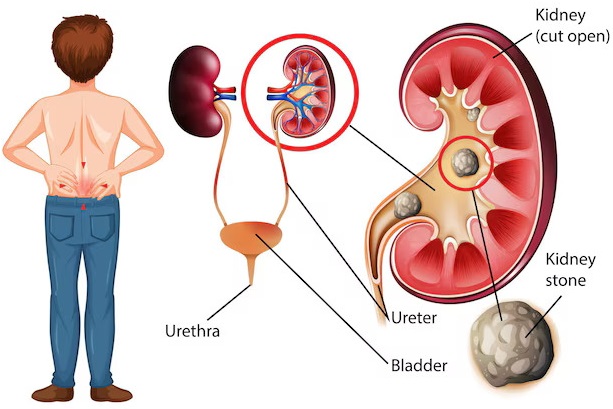
Large kidney or ureteral stones may block the ureter and prevent normal urine drainage. Therefore, doctors often place a stent before or after stone treatment.
Ureteral Obstruction
Tumors, strictures, swelling, or scar tissue may narrow the ureter and obstruct urine flow.
Postoperative Support
After ureteroscopy or other urological surgeries, surgeons place stents to support healing and reduce swelling.
Urinary Tract Infection with Obstruction
Blocked infected urine can become dangerous if left untreated. Consequently, urgent stent placement may become necessary.
Kidney Swelling
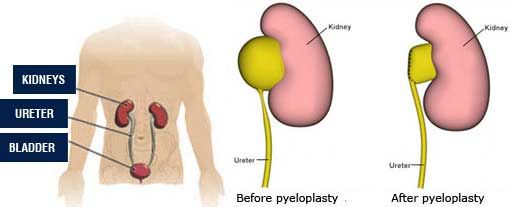
Hydronephrosis, or swelling of the kidney due to urine buildup, often requires stent placement to restore drainage.
Ureteral Injury
Doctors may place a stent to support healing after accidental ureteral trauma or surgical injury.
Benefits of Ureteric Stent Placement Surgery
Ureteric stent placement offers several important advantages for patients with urinary obstruction.
Minimally Invasive Procedure
Doctors perform the procedure using natural urinary pathways, so patients avoid large incisions and major surgery.
Rapid Relief of Obstruction
The stent restores urine flow quickly and reduces pressure inside the kidney.
Protection of Kidney Function
Proper drainage prevents long-term kidney damage caused by obstruction.
Faster Recovery
Most patients recover quickly and resume normal activities within a short period.
Reduced Risk of Infection
By improving urine drainage, the procedure lowers the risk of severe urinary infections.
Support After Surgery
The stent helps the ureter heal properly after stone removal or reconstructive procedures.
Types of Ureteric Stents
Doctors use different types of stents depending on the patient’s condition and treatment goals.
Double-J Stent
The Double-J stent is the most commonly used ureteric stent. It has curled ends that keep the stent securely positioned inside the kidney and bladder.
Temporary Stents
Doctors remove temporary stents after short-term healing or obstruction relief.
Long-Term Stents
Some patients with chronic obstruction may require longer-term stent placement.
Metal Stents
Specialized metal stents may help manage severe or recurrent ureteral narrowing.
Preoperative Preparation for Ureteric Stent Placement
Proper preparation helps ensure procedural safety and effectiveness.
Medical Evaluation
Doctors review the patient’s medical history, medications, allergies, and current symptoms.
Imaging Investigations
CT scans, ultrasound, or X-rays help identify the location and severity of obstruction.
Urine Testing
Urine analysis and culture help detect infection before the procedure.
Blood Investigations
Routine blood tests evaluate kidney function and overall health condition.
Fasting Guidelines
Patients may need to avoid eating or drinking for several hours before anesthesia.
Step-by-Step Ureteric Stent Placement Procedure
Doctors usually perform ureteric stent placement under local, spinal, or general anesthesia.
Step 1: Administration of Anesthesia
The anesthesia team ensures patient comfort during the procedure.
Step 2: Cystoscope Insertion
The surgeon inserts a cystoscope through the urethra into the bladder to visualize the urinary tract.
Step 3: Identification of the Ureter
The surgeon locates the ureteral opening using endoscopic guidance.
Step 4: Guidewire Placement
A guidewire passes carefully through the ureter toward the kidney.
Step 5: Stent Insertion
The surgeon advances the ureteric stent over the guidewire into the correct position.
Step 6: Confirmation of Placement
Imaging guidance helps confirm proper stent positioning inside the kidney and bladder.
Step 7: Completion of Procedure
Finally, the surgeon removes the instruments and transfers the patient to recovery monitoring.
Recovery After Ureteric Stent Placement
Most patients recover quickly after the procedure.
Short Hospital Stay
Many patients return home on the same day or after short observation.
Mild Temporary Symptoms
Some patients experience urinary urgency, mild burning, or flank discomfort temporarily. However, these symptoms usually improve gradually.
Hydration Recommendations
Doctors encourage patients to drink adequate water to support urine flow and reduce irritation.
Activity Guidelines
Patients can usually resume light daily activities within a short period.
Follow-Up Appointments
Doctors schedule follow-up visits to monitor recovery and plan stent removal if necessary.
Possible Side Effects and Complications
Although ureteric stent placement is generally safe, some patients may experience temporary side effects.
Urinary Frequency
The stent may increase the urge to urinate frequently.
Mild Pain or Discomfort
Some patients feel mild discomfort in the lower abdomen or flank area.
Blood in Urine
Minor blood-tinged urine may occur for a short period after placement.
Urinary Tract Infection
In rare cases, infection may develop and require medical treatment.
Stent Migration
Occasionally, the stent may shift from its intended position.
Encrustation
Long-term stents may develop mineral deposits if doctors leave them in place too long.
Ureteric Stent Placement vs Nephrostomy Tube
| Feature | Ureteric Stent Placement | Nephrostomy Tube |
| Placement Route | Internal urinary pathway | Through skin into kidney |
| External Tube | No | Yes |
| Patient Comfort | Higher | Moderate |
| Cosmetic Appearance | Better | Visible tube |
| Daily Activity | Easier | More restricted |
| Common Use | Mild to moderate obstruction | Severe obstruction |
Because of its internal placement and convenience, many patients prefer ureteric stents when suitable.
How Long Does a Ureteric Stent Stay in Place?
The duration depends on the underlying medical condition and treatment plan.
Short-Term Placement
Doctors often remove temporary stents within a few days or weeks after surgery.
Long-Term Placement
Some chronic conditions may require extended stent placement with regular replacement.
Importance of Timely Removal
Patients should never ignore scheduled stent removal because delayed removal may cause complications.
Tips for Living Comfortably with a Ureteric Stent
Patients can follow simple measures to improve comfort while the stent remains in place.
Drink Plenty of Water
Good hydration helps reduce irritation and improves urine flow.
Avoid Heavy Activities
Strenuous exercise may increase discomfort temporarily.
Follow Medication Instructions
Doctors may prescribe medications to reduce bladder irritation or pain.
Attend Follow-Up Visits
Regular follow-up helps doctors monitor stent condition and recovery progress.
Future of Ureteric Stent Technology
Modern innovations continue to improve stent performance and patient comfort.
Biodegradable Stents
Researchers are developing stents that dissolve naturally without removal procedures.
Improved Stent Materials
Advanced materials reduce irritation, infection risk, and encrustation.
Smart Stent Technology
Future smart stents may help doctors monitor urine flow and detect complications early.
Better Patient Comfort
New stent designs continue to minimize urinary symptoms and improve quality of life.
Conclusion
Ureteric stent placement surgery is a highly effective and minimally invasive procedure that ensures safe urinary drainage and protects kidney function. By restoring proper urine flow, the procedure relieves obstruction, reduces pain, and supports recovery after urological treatment.
Furthermore, modern endourologic technology continues to improve procedural precision, patient comfort, and clinical outcomes. As a result, ureteric stent placement remains one of the most reliable solutions for managing urinary obstruction and ureteral disorders.
Overall, patients with blocked urine flow, kidney swelling, or postoperative ureteral support can benefit greatly from ureteric stent placement surgery.
Get Connected:
+91 79909 93062 | +91 63513 72032 | exports@jdmeditech.com