
Urethroscopy Surgery is a minimally invasive endourology procedure used to examine the urethra and identify abnormalities affecting the urinary tract. Using a thin instrument equipped with a camera and light source, urologists can directly visualize the inside of the urethra and diagnose various urinary conditions with high accuracy.
Today, urethroscopy is widely used for both diagnostic and therapeutic purposes because it provides clear internal visualization without the need for major surgery. Moreover, advancements in endoscopic technology have made the procedure safer, more comfortable, and highly effective for evaluating urethral disorders.
For patients experiencing urinary difficulties, recurrent infections, or suspected urethral abnormalities, urethroscopy offers an advanced and reliable solution for accurate assessment and treatment planning.
What Is Urethroscopy Surgery?
Understanding the Procedure
Urethroscopy Surgery is an endoscopic procedure performed to inspect the urethra, which is the tube that carries urine from the bladder out of the body.
During the procedure, the urologist inserts a specialized instrument called a urethroscope through the urethral opening. The urethroscope contains a camera and light system that displays magnified images of the urethra on a monitor.
As a result, doctors can identify structural abnormalities, blockages, inflammation, strictures, or other urinary tract conditions with precision.
Furthermore, urethroscopy may also be used to perform minor therapeutic procedures during the same session.
Why Urethroscopy Surgery Is Performed
Conditions Evaluated with Urethroscopy
Doctors recommend urethroscopy when patients develop urinary symptoms or when detailed urethral examination becomes necessary.
Common indications include:
- Difficulty urinating
- Weak urine flow
- Urethral strictures
- Recurrent urinary tract infections
- Blood in urine
- Pain during urination
- Suspected urethral injury
- Urinary blockage
- Chronic pelvic discomfort
- Evaluation after trauma
Therefore, urethroscopy helps diagnose the underlying cause of urinary symptoms accurately.
Understanding the Role of the Urethra
Importance of Urethral Health
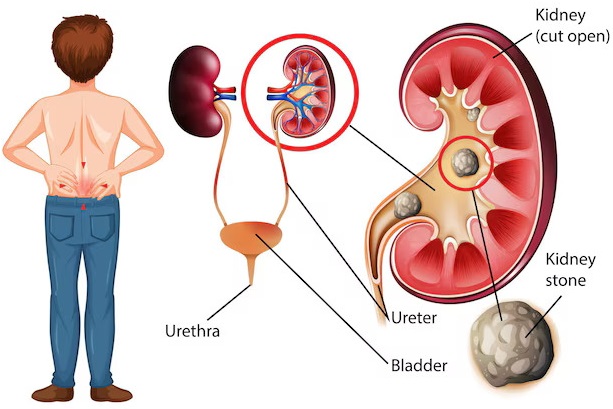
The urethra plays a vital role in transporting urine from the bladder to the outside of the body. In males, the urethra also carries semen during ejaculation.
However, infections, injuries, inflammation, or scar tissue may narrow or damage the urethra. Consequently, urinary flow becomes restricted, leading to discomfort and complications.
Because of this, direct visualization through urethroscopy is often essential for accurate diagnosis and treatment planning.
Symptoms That May Require Urethroscopy
Common Warning Signs
Patients with urethral conditions often experience symptoms that gradually worsen over time.
Common symptoms include:
- Burning sensation during urination
- Weak urinary stream
- Difficulty starting urination
- Frequent urination
- Urinary urgency
- Incomplete bladder emptying
- Blood in urine
- Pelvic pain
- Urinary retention
- Recurrent infections
If these symptoms persist, doctors may recommend urethroscopy for detailed evaluation.
Diagnostic Evaluation Before Urethroscopy Surgery
Important Preoperative Assessments
Before performing urethroscopy, doctors conduct several tests to assess urinary health and identify possible causes of symptoms.
Medical History and Physical Examination
The urologist reviews symptoms, medical history, and urinary problems.
Urine Analysis
Urine tests help detect infection, blood, or inflammation.
Blood Investigations
Routine blood tests evaluate general health status.
Ultrasound Examination
Ultrasound imaging may assess bladder emptying and urinary tract anatomy.
Uroflowmetry
This test measures urine flow strength and obstruction severity.
Imaging Studies
In some cases, additional imaging such as retrograde urethrogram may be required.
Consequently, proper evaluation helps improve procedural safety and diagnostic accuracy.
How Urethroscopy Surgery Is Performed
Step-by-Step Procedure
Urethroscopy is usually performed under local, spinal, or general anesthesia depending on the complexity of the procedure.
Administration of Anesthesia
First, anesthesia or local numbing medication is administered for patient comfort.
Insertion of the Urethroscope
Next, the surgeon gently inserts the urethroscope through the urethral opening.
Visualization of the Urethra
A high-definition camera provides a magnified view of the urethral lining and internal structures.
Examination of Abnormalities
The urologist carefully evaluates the urethra for strictures, inflammation, stones, tumors, or injuries.
Therapeutic Intervention if Needed
Minor procedures such as dilation or biopsy may be performed during the same session.
Completion of the Procedure
Finally, the instrument is removed carefully after the examination is completed.
As a result, doctors obtain valuable diagnostic information with minimal patient discomfort.
Types of Urethroscopy Procedures
Different Endoscopic Techniques
Several urethroscopic approaches may be used depending on the patient’s condition.
Flexible Urethroscopy
A flexible urethroscope provides greater comfort and easier navigation through the urinary tract.
Rigid Urethroscopy
Rigid instruments offer excellent visualization and are often used for therapeutic procedures.
Diagnostic Urethroscopy
This procedure focuses on identifying abnormalities inside the urethra.
Therapeutic Urethroscopy
Therapeutic procedures may include stricture treatment, biopsy, or stone removal.
Therefore, the surgical approach depends on the clinical situation and treatment goals.
Benefits of Urethroscopy Surgery
Advantages of Endoscopic Urethral Assessment
Urethroscopy offers several important advantages compared to traditional diagnostic methods.
Major benefits include:
- Minimally invasive procedure
- Clear visualization of the urethra
- Accurate diagnosis
- Short procedure time
- Minimal surgical trauma
- Faster recovery
- Reduced hospital stay
- Ability to perform treatment during diagnosis
- Improved treatment planning
Moreover, modern endoscopic systems provide highly detailed imaging for better clinical outcomes.
Recovery After Urethroscopy Surgery
Postoperative Care and Healing
Recovery after urethroscopy is generally quick and uncomplicated. However, patients should still follow postoperative instructions carefully.
Temporary Urinary Discomfort
Mild burning or discomfort during urination may occur temporarily.
Hydration
Drinking plenty of water helps flush the urinary tract and reduce irritation.
Activity Restrictions
Patients should avoid strenuous activities for a short period after the procedure.
Monitoring for Symptoms
Any severe bleeding, fever, or difficulty urinating should be reported immediately.
Follow-Up Visits
Regular follow-up appointments help review results and guide further treatment.
Consequently, most patients recover rapidly and resume normal activities quickly.
Risks and Possible Complications
Understanding Potential Risks
Although urethroscopy is considered safe, some complications may occasionally occur.
Possible risks include:
- Mild bleeding
- Urinary tract infection
- Temporary urinary discomfort
- Urethral irritation
- Rare urethral injury
- Difficulty urinating temporarily
Nevertheless, experienced endourology specialists significantly reduce these risks.
Who Is an Ideal Candidate for Urethroscopy?
Patients Who May Benefit Most
Urethroscopy is commonly recommended for:
- Patients with unexplained urinary symptoms
- Individuals with recurrent urinary infections
- Patients with suspected urethral strictures
- Men with urinary obstruction
- Patients with blood in urine
- Individuals requiring detailed urethral evaluation
Therefore, the procedure remains an essential tool in modern urologic diagnosis.
Urethroscopy vs Cystoscopy
Comparing Two Endoscopic Procedures
Although urethroscopy and cystoscopy are related procedures, they focus on different areas of the urinary tract.
| Feature | Urethroscopy | Cystoscopy |
| Primary Area Examined | Urethra | Bladder and urethra |
| Purpose | Urethral assessment | Bladder evaluation |
| Scope Insertion | Through urethra | Through urethra into bladder |
| Common Use | Strictures and urethral disease | Bladder disorders |
| Procedure Type | Endoscopic | Endoscopic |
As a result, doctors select the procedure based on the suspected condition.
Tips for Faster Recovery After Urethroscopy
Helpful Postoperative Recommendations
Patients can support smooth recovery by following these simple guidelines:
- Drink plenty of fluids
- Avoid heavy physical activity temporarily
- Follow medication instructions carefully
- Maintain proper personal hygiene
- Attend scheduled follow-up appointments
- Report worsening symptoms immediately
In addition, healthy urinary habits may help prevent future complications.
Long-Term Outlook After Urethroscopy
Maintaining Urinary Health
Most patients experience quick recovery and improved diagnosis after urethroscopy. Furthermore, accurate assessment allows doctors to create effective treatment plans for long-term urinary health.
Patients often benefit from:
- Early disease detection
- Improved urinary function
- Faster treatment planning
- Reduced urinary complications
- Better quality of life
As a result, urethroscopy continues to play a vital role in advanced endourology care.
Conclusion
Advanced Endoscopic Evaluation for Urethral Disorders
Urethroscopy Surgery is a safe, minimally invasive, and highly effective endourology procedure for evaluating urethral conditions. By providing direct visualization of the urethra, the procedure helps diagnose strictures, infections, blockages, and other abnormalities with exceptional precision.
Most importantly, urethroscopy allows early detection and timely treatment of urinary tract disorders while minimizing patient discomfort. Therefore, with expert urological care and advanced endoscopic technology, patients can achieve accurate diagnosis, effective treatment, and improved urinary health.
Get Connected:
+91 79909 93062 | +91 63513 72032 | exports@jdmeditech.com