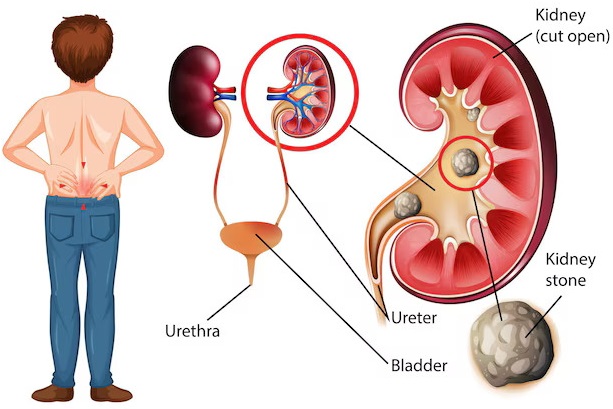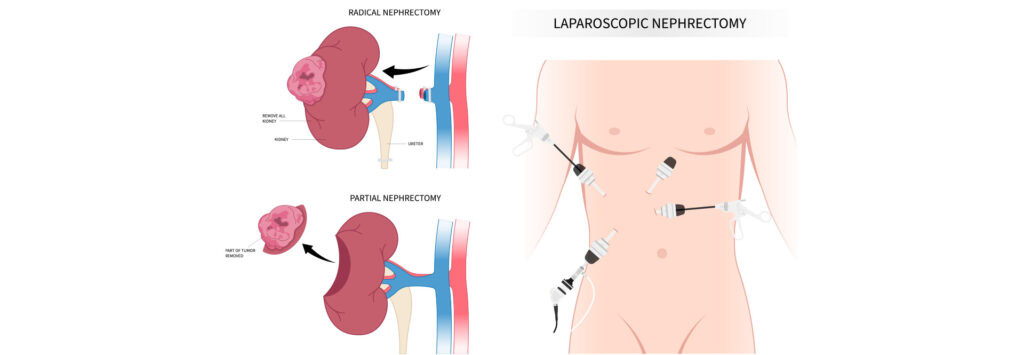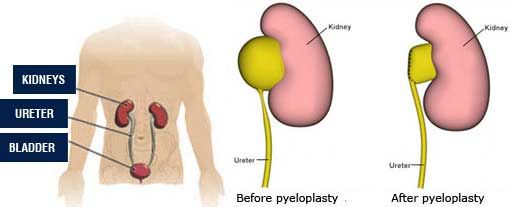
Kidney stones are a common urological condition that can cause severe pain, urinary obstruction, infection, and long-term kidney complications. While small stones may pass naturally, larger or complex stones often require surgical intervention. Fortunately, modern urology now offers highly advanced and minimally invasive solutions for effective stone management.
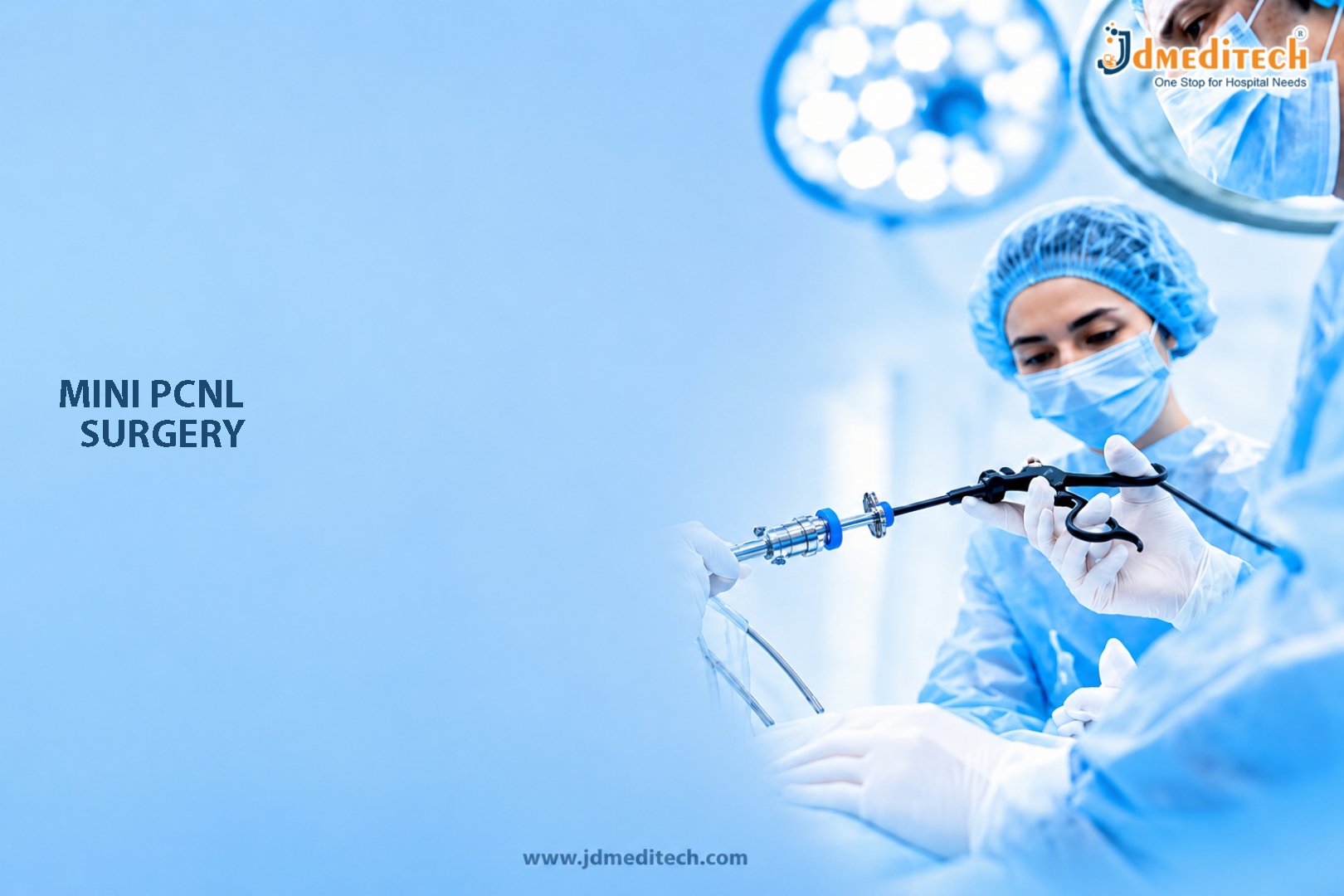
One such breakthrough procedure is Mini PCNL Surgery, also known as Mini Percutaneous Nephrolithotomy. This advanced surgical technique is specifically designed to remove kidney stones through a small percutaneous tract, ensuring precise stone clearance with reduced tissue trauma. Moreover, Mini PCNL provides faster recovery, less postoperative pain, and improved patient comfort compared to conventional open surgery.
As a result, Mini PCNL has become a preferred treatment option for medium to large kidney stones that cannot be managed effectively through medication or non-invasive procedures.
What is Mini PCNL Surgery?
Understanding Mini Percutaneous Nephrolithotomy
Mini PCNL Surgery is a minimally invasive urological procedure used to remove kidney stones through a small incision in the back. During the surgery, the surgeon creates a tiny access tract directly into the kidney and inserts specialized instruments to break and extract stones accurately.
Unlike standard PCNL procedures that use larger access tracts, Mini PCNL utilizes smaller instruments and reduced tract sizes. Consequently, this approach minimizes bleeding, reduces kidney trauma, and shortens hospital stays.
Additionally, advanced imaging guidance helps surgeons achieve precise access and efficient stone removal while preserving surrounding kidney tissue.
Why Mini PCNL Surgery is Performed
Conditions Requiring Mini PCNL
Mini PCNL is recommended for patients with:
- Medium to large kidney stones
- Hard stones resistant to ESWL
- Multiple renal stones
- Lower pole kidney stones
- Recurrent kidney stones
- Partial staghorn calculi
- Stones causing obstruction or infection
- Stones larger than 1.5–2 cm
Furthermore, Mini PCNL is highly beneficial for patients requiring complete stone clearance with minimal surgical trauma.
Advantages of Mini PCNL Surgery
Benefits of Minimally Invasive Stone Removal
Mini PCNL offers several clinical and patient-centered advantages. Therefore, it is widely preferred in modern endourology.
Key Benefits Include:
- Smaller skin incision
- Reduced bleeding risk
- Less postoperative pain
- Shorter hospitalization
- Faster recovery time
- Minimal kidney tissue damage
- Improved cosmetic outcome
- High stone clearance rates
- Lower risk of complications
- Faster return to daily activities
In addition, the procedure provides excellent visualization and precise stone fragmentation during surgery.
How Mini PCNL Surgery is Performed
Step-by-Step Surgical Procedure
Mini PCNL Surgery is performed under general anesthesia by experienced urologists using advanced endourological equipment.
1. Patient Preparation
Initially, the patient undergoes diagnostic imaging such as:
- CT scan
- Ultrasound
- X-ray KUB
- Blood and urine tests
These evaluations help determine stone size, location, and surgical planning.
2. Creating Percutaneous Access
Next, the surgeon creates a tiny incision in the patient’s back. Using fluoroscopic or ultrasound guidance, a narrow tract is carefully established into the kidney.
3. Insertion of Mini Nephroscope
A miniature nephroscope is inserted through the tract to visualize the stone directly.
4. Stone Fragmentation
The stone is fragmented using advanced energy devices such as:
- Holmium laser
- Pneumatic lithotripter
- Ultrasonic lithotripter
5. Stone Removal
After fragmentation, the stone particles are removed using graspers or suction systems.
6. Completion of Procedure
Finally, a nephrostomy tube or ureteral stent may be placed temporarily to ensure proper drainage and healing.
Instruments Used in Mini PCNL Surgery
Essential Mini PCNL Surgical Instruments
Modern Mini PCNL procedures require highly specialized instruments for accurate stone removal and safe kidney access.
Commonly Used Instruments Include:
- Mini nephroscope
- PCNL access needle
- Guidewires
- Fascial dilators
- Mini access sheath
- Stone grasping forceps
- Laser lithotripsy system
- Irrigation systems
- Suction devices
- Nephrostomy tubes
High-quality urology instruments play a vital role in improving surgical efficiency and patient outcomes.
Who is an Ideal Candidate for Mini PCNL?
Patient Selection Criteria
Mini PCNL is suitable for patients who:
- Have kidney stones larger than 1.5 cm
- Require minimally invasive stone removal
- Have failed ESWL treatment
- Need precise stone clearance
- Have anatomically difficult stones
- Experience recurrent stone formation
However, the surgeon carefully evaluates each patient before recommending the procedure.
Recovery After Mini PCNL Surgery
Postoperative Care and Healing
Recovery after Mini PCNL is generally faster than traditional kidney stone surgery.
Patients Typically Experience:
- Mild postoperative discomfort
- Short hospital stay
- Early mobilization
- Rapid recovery
- Reduced pain medication requirement
Postoperative Instructions Include:
- Drinking adequate water
- Taking prescribed medications
- Avoiding heavy lifting temporarily
- Attending follow-up imaging appointments
- Monitoring urine output
Most patients can resume normal activities within a few days to two weeks, depending on recovery progress.
Possible Risks and Complications
Understanding Surgical Safety
Although Mini PCNL is considered safe and effective, some risks may still occur in rare cases.
Potential Complications Include:
- Bleeding
- Infection
- Fever
- Injury to nearby organs
- Residual stone fragments
- Urinary leakage
- Temporary hematuria
Nevertheless, experienced surgeons and advanced instruments significantly reduce complication rates.
Mini PCNL vs Standard PCNL
Key Differences
| Feature | Mini PCNL | Standard PCNL |
| Access Tract Size | Smaller | Larger |
| Bleeding Risk | Lower | Higher |
| Postoperative Pain | Less | More |
| Hospital Stay | Shorter | Longer |
| Recovery Time | Faster | Moderate |
| Tissue Trauma | Minimal | Greater |
| Cosmetic Outcome | Better | Standard |
Therefore, Mini PCNL is increasingly preferred for suitable stone cases.
Technological Advancements in Mini PCNL
Innovations Improving Surgical Outcomes
Modern Mini PCNL procedures now incorporate advanced technologies that enhance precision and efficiency.
Recent Advancements Include:
- High-definition nephroscopes
- Laser lithotripsy systems
- Ultrasound-guided access
- Vacuum-assisted stone evacuation
- Digital imaging platforms
- Miniaturized surgical instruments
As a result, surgeons can achieve superior stone clearance with enhanced patient safety.
Why High-Quality Mini PCNL Instruments Matter
Supporting Precision and Surgical Efficiency
Reliable surgical instruments are essential for successful Mini PCNL procedures. Premium-quality instruments help surgeons maintain better control, visibility, and procedural accuracy.
Benefits of Advanced Urology Instruments:
- Smooth kidney access
- Enhanced maneuverability
- Efficient stone fragmentation
- Reduced operative time
- Improved patient safety
- Better procedural outcomes
Therefore, hospitals and urology centers prioritize durable and precision-engineered Mini PCNL instruments.
Conclusion
Mini PCNL Surgery has transformed modern kidney stone management by offering a minimally invasive, highly precise, and patient-friendly approach to stone removal. With smaller incisions, reduced complications, and faster recovery, this advanced procedure provides excellent outcomes for patients suffering from medium to large kidney stones.
Moreover, continuous advancements in endourological technology and surgical instruments continue to improve the safety, efficiency, and effectiveness of Mini PCNL procedures worldwide.
As minimally invasive urology continues to evolve, Mini PCNL remains one of the most trusted and advanced solutions for achieving accurate kidney stone removal with enhanced precision.
Get Connected:
+91 79909 93062 | +91 63513 72032 | exports@jdmeditech.com