
Ureterolithotomy surgery is a definitive surgical procedure used to remove impacted ureteral stones that cannot pass naturally or respond to minimally invasive treatments. Although modern endourologic techniques successfully manage many urinary stones, some complex or large impacted stones still require direct surgical removal. Therefore, ureterolithotomy remains an important treatment option in advanced urological care.
This procedure allows surgeons to remove stones directly from the ureter, especially when severe obstruction, infection, persistent pain, or kidney damage develops. Moreover, modern surgical approaches, including laparoscopic and minimally invasive techniques, have significantly improved patient recovery and surgical outcomes.
Today, urologists perform ureterolithotomy for selected cases where other treatments may not provide complete stone clearance. As a result, the procedure offers reliable and long-term relief from complicated ureteral stone disease.
What is Ureterolithotomy Surgery?
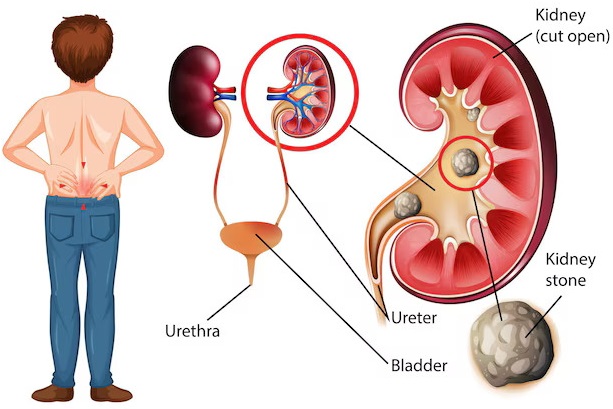
Ureterolithotomy surgery is a surgical procedure that removes stones lodged inside the ureter. The ureter is the narrow tube that carries urine from the kidney to the bladder. When a stone becomes impacted inside the ureter, it can block urine flow and cause severe symptoms.
During ureterolithotomy, the surgeon accesses the ureter and removes the stone directly. Unlike non-surgical procedures that fragment stones into smaller particles, this surgery removes the entire stone in one procedure. Consequently, patients often achieve immediate relief from obstruction.
Surgeons may perform ureterolithotomy through:
- Open surgery
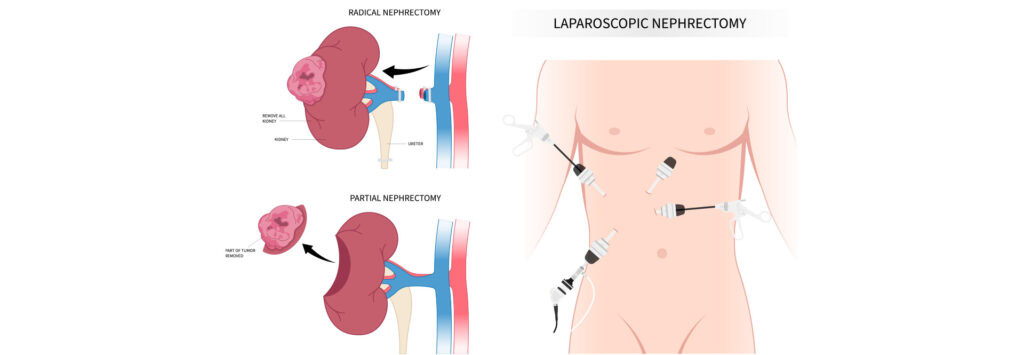
- Laparoscopic surgery
- Robotic-assisted surgery
Because the procedure provides direct stone removal, it is highly effective for difficult and impacted ureteral stones.
Causes of Impacted Ureteral Stones
Several factors can cause stones to become impacted inside the ureter.
Large Stone Size
Large stones may not pass naturally through the narrow ureteral pathway. Therefore, they can become stuck and block urine flow.
Delayed Treatment
When patients delay treatment, stones may remain inside the ureter for a prolonged period and become firmly impacted.
Narrow Ureter
Some patients naturally have narrow ureters, which increases the risk of stone impaction.
Recurrent Stone Disease
Frequent stone formation may lead to repeated ureteral obstruction and chronic complications.
Infection and Inflammation
Urinary tract infections and inflammation can worsen obstruction and make stone passage more difficult.
Symptoms of Impacted Ureteral Stones
Impacted ureteral stones often produce severe and persistent symptoms.
Severe Flank Pain
Patients commonly experience intense pain on one side of the abdomen or lower back.
Pain During Urination
Some patients feel burning or discomfort while passing urine.
Blood in Urine
Stones may irritate the urinary tract lining and cause visible or microscopic blood in urine.
Nausea and Vomiting
Severe pain often triggers nausea and vomiting.
Fever and Infection
If infection develops, patients may experience fever, chills, and weakness. Consequently, urgent medical treatment becomes necessary.
Reduced Urine Flow
Large impacted stones may partially or completely block urine flow from the kidney.
When Do Doctors Recommend Ureterolithotomy Surgery?
Doctors usually recommend ureterolithotomy when minimally invasive procedures fail or when stones become highly complicated.
Failed Endoscopic Treatment
Some stones do not respond successfully to ureteroscopy or laser lithotripsy.
Large Impacted Stones
Large stones may require direct surgical removal for complete clearance.
Severe Ureteral Obstruction
Persistent blockage can damage kidney function if treatment is delayed.
Recurrent Infection
Repeated urinary infections caused by obstruction may require surgical intervention.
Anatomical Abnormalities
Certain ureteral abnormalities can make minimally invasive procedures difficult.
Advantages of Ureterolithotomy Surgery
Ureterolithotomy offers several important benefits for selected patients.
Complete Stone Removal
The surgeon removes the entire stone directly during the procedure. Therefore, patients often achieve immediate stone clearance.
Effective for Complex Cases
The procedure successfully treats large, impacted, and difficult stones.
Long-Term Relief
Complete removal reduces the risk of persistent obstruction and recurrent symptoms.
Improved Kidney Drainage
Once the obstruction is removed, urine flow improves significantly.
Reliable Surgical Outcomes
Modern surgical techniques continue to improve safety, precision, and recovery.
Preoperative Preparation for Ureterolithotomy
Proper preparation helps improve surgical safety and outcomes.
Medical Evaluation
Doctors review medical history, medications, allergies, and previous stone episodes.
Imaging Investigations
CT scans, ultrasound, or X-rays help determine stone location, size, and severity of obstruction.
Urine Testing
Doctors perform urine analysis and culture to identify infections before surgery.
Blood Investigations
Routine blood tests help evaluate kidney function and overall health condition.
Fasting Before Surgery
Patients usually avoid eating and drinking for several hours before anesthesia.
Step-by-Step Ureterolithotomy Procedure
Surgeons perform ureterolithotomy under general anesthesia.
Step 1: Administration of Anesthesia
The anesthesia team ensures patient comfort and pain control during surgery.
Step 2: Surgical Access
The surgeon creates a small incision or laparoscopic access point to reach the ureter.
Step 3: Identification of the Stone
The surgeon carefully identifies the impacted stone within the ureter.
Step 4: Removal of the Stone
The surgeon opens the ureter and removes the stone completely.
Step 5: Ureteral Repair
After stone removal, the surgeon repairs the ureter carefully to maintain proper healing.
Step 6: Stent Placement
In many cases, the surgeon places a temporary ureteral stent to support drainage and healing.
Step 7: Closure of Surgical Site
Finally, the surgeon closes the incision and shifts the patient to recovery monitoring.
Recovery After Ureterolithotomy Surgery
Recovery depends on the surgical approach and overall patient condition.
Hospital Stay
Most patients remain in the hospital for observation and postoperative care for a few days.
Pain Management
Doctors prescribe medications to control postoperative discomfort effectively.
Hydration and Diet
Adequate hydration supports healing and improves urinary flow. Additionally, doctors may recommend dietary modifications to reduce future stone risk.
Activity Restrictions
Patients should avoid heavy lifting and strenuous activities during early recovery.
Follow-Up Care
Doctors may schedule imaging studies and stent removal appointments during follow-up visits.
Possible Risks and Complications
Although ureterolithotomy is generally safe, certain complications may occur.
Infection
Surgical procedures may occasionally lead to urinary or wound infections.
Bleeding
Some patients may experience mild postoperative bleeding.
Urine Leakage
Rarely, urine may leak temporarily from the surgical repair site.
Ureteral Narrowing
Scar tissue formation may cause ureteral stricture in uncommon cases.
Residual Stones
Very rarely, small stone fragments may remain after surgery.
Ureterolithotomy vs Minimally Invasive Stone Treatment
| Feature | Ureterolithotomy Surgery | Ureteroscopy / ESWL |
| Stone Removal | Direct complete removal | Stone fragmentation |
| Best for Large Stones | Yes | Limited |
| Invasiveness | Moderate | Minimally invasive |
| Recovery Time | Longer | Shorter |
| Stone Clearance Rate | Very high | Variable |
| Complex Stone Treatment | Excellent | May require multiple sessions |
Because of its effectiveness, ureterolithotomy remains valuable for difficult and impacted stones.
Preventing Future Ureteral Stones
Patients can reduce future stone formation by following preventive measures.
Drink Adequate Water
Proper hydration helps dilute urine and reduce stone formation risk.
Maintain a Healthy Diet
Reducing excessive salt and processed foods may help prevent recurrence.
Follow Medical Advice
Doctors may recommend medications or dietary changes based on stone type.
Regular Health Checkups
Routine follow-up helps identify stone recurrence early.
Manage Underlying Conditions
Treating metabolic disorders and urinary infections can reduce future stone risk.
Future of Ureterolithotomy Surgery
Modern surgical advancements continue to improve patient outcomes.
Laparoscopic Techniques
Minimally invasive laparoscopic surgery reduces pain and recovery time.
Robotic-Assisted Surgery
Robotic systems improve surgical precision and visualization.
Better Imaging Technology
Advanced imaging allows surgeons to localize stones more accurately.
Enhanced Recovery Protocols
Improved postoperative care continues to shorten recovery periods and reduce complications.
Conclusion
Ureterolithotomy surgery remains a definitive and highly effective procedure for removing impacted ureteral stones. Although many stones respond to minimally invasive treatments, complex and obstructive stones sometimes require direct surgical removal for complete relief.
Moreover, modern laparoscopic and robotic approaches have improved surgical safety, precision, and recovery outcomes significantly. As a result, patients can achieve reliable stone clearance, restored urinary flow, and long-term symptom relief.
Overall, ureterolithotomy continues to play a vital role in advanced urological stone management, especially for challenging and impacted ureteral stones.
Get Connected:
+91 79909 93062 | +91 63513 72032 | exports@jdmeditech.com