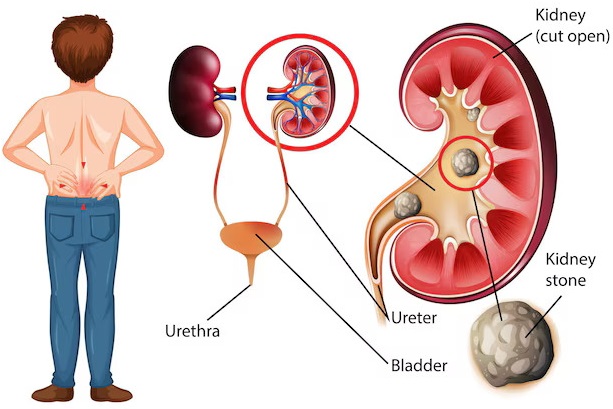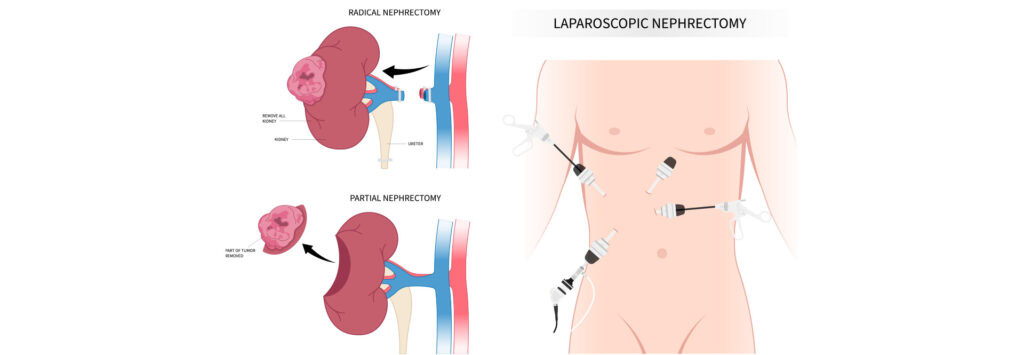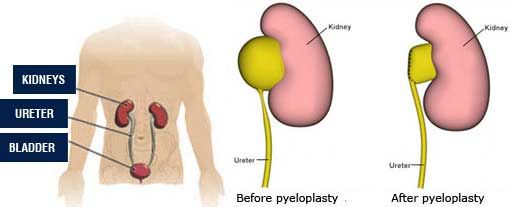

Ureteric stent removal surgery is a safe and minimally invasive endoscopic procedure used to remove a temporary ureteric stent after successful treatment or healing of the urinary tract. Urologists commonly place ureteric stents to maintain urine flow between the kidney and bladder during recovery from kidney stones, ureteral obstruction, infection, or urological surgery. However, once the ureter heals properly, doctors must remove the stent to prevent complications.
Although ureteric stents provide effective urinary drainage, leaving them inside the body for an extended period may cause discomfort, infection, blockage, or stone formation. Therefore, timely stent removal plays a vital role in maintaining urinary health and preventing long-term complications.
Modern endoscopic techniques allow doctors to remove ureteric stents quickly, safely, and with minimal discomfort. Furthermore, advances in cystoscopic technology continue to improve procedural precision, patient comfort, and recovery outcomes.
What is Ureteric Stent Removal Surgery?
Ureteric stent removal surgery is a minimally invasive procedure that removes a previously placed ureteric stent from the urinary tract. The stent is a thin flexible tube that supports urine drainage from the kidney to the bladder.
Doctors usually remove the stent using a cystoscope, which is a small endoscopic instrument inserted through the urethra into the bladder. Because the procedure uses natural urinary pathways, patients avoid surgical incisions and prolonged recovery.
Main Objectives of Ureteric Stent Removal
- Removing temporary ureteric stents safely
- Preventing stent-related complications
- Restoring normal urinary function
- Reducing urinary discomfort and irritation
- Preventing infection and stone formation
- Completing postoperative recovery
As a result, ureteric stent removal is an essential part of many urological treatment plans.
Why Do Doctors Remove Ureteric Stents?
Doctors remove ureteric stents after the underlying condition improves or the ureter heals completely.
Completion of Stone Treatment
After kidney stone surgery or ureteroscopy, doctors remove the stent once swelling decreases and urine flow returns to normal.
Healing After Surgery
Ureteric stents support healing after reconstructive or endoscopic procedures. Therefore, doctors remove them after recovery.
Relief from Urinary Symptoms
Some patients experience discomfort, urinary urgency, or pain due to the stent. Consequently, stent removal improves comfort.
Prevention of Complications
Long-term stent placement increases the risk of infection, blockage, and mineral deposits. Therefore, timely removal is necessary.
Restoration of Normal Urinary Function
After treatment completion, removing the stent allows the urinary tract to function naturally again.
Signs That a Ureteric Stent Needs Removal
Doctors usually schedule stent removal in advance. However, certain symptoms may indicate the need for urgent evaluation.
Persistent Pain
Severe or ongoing pain in the flank or bladder area may indicate irritation or stent-related complications.
Frequent Urination
Some patients experience excessive urinary urgency or frequency while the stent remains in place.
Blood in Urine
Mild blood in urine is common temporarily, but persistent bleeding requires medical attention.
Fever or Infection
Fever, chills, or burning urination may indicate urinary tract infection.
Difficulty Passing Urine
Urinary blockage or reduced urine flow may suggest stent malfunction.
Benefits of Ureteric Stent Removal Surgery
Ureteric stent removal offers several important benefits for patient comfort and urinary health.
Minimally Invasive Procedure
Doctors remove the stent through natural urinary pathways without making surgical cuts.
Quick Recovery
Most patients return to normal activities shortly after the procedure.
Reduced Urinary Discomfort
Removing the stent relieves bladder irritation, urgency, and flank discomfort.
Prevention of Infection
Timely removal lowers the risk of urinary tract infection and bacterial growth.
Improved Quality of Life
Patients often feel immediate relief after stent removal.
Restoration of Natural Urine Flow
The urinary tract resumes normal function once the stent is removed.
Preoperative Preparation for Ureteric Stent Removal
Proper preparation helps ensure a smooth and safe procedure.
Medical Assessment
Doctors review the patient’s medical history, current symptoms, and previous urological procedures.
Imaging Studies
In some cases, ultrasound or X-ray imaging helps confirm stent position before removal.
Urine Testing
Doctors may perform urine tests to rule out infection before the procedure.
Medication Review
Patients should inform doctors about blood thinners or other medications before surgery.
Hydration Recommendations
Adequate hydration helps support urinary tract function before and after the procedure.
Step-by-Step Ureteric Stent Removal Procedure
Doctors usually perform ureteric stent removal as an outpatient procedure using local anesthesia or mild sedation.
Step 1: Patient Preparation
The medical team prepares the patient and ensures comfort before starting the procedure.
Step 2: Cystoscope Insertion
The doctor inserts a cystoscope gently through the urethra into the bladder.
Step 3: Visualization of the Stent
The cystoscope provides a clear view of the ureteric stent inside the bladder.
Step 4: Grasping the Stent
The doctor uses specialized instruments to hold the end of the stent securely.
Step 5: Controlled Stent Extraction
The doctor carefully removes the stent through the urinary passage.
Step 6: Completion of Procedure
After successful removal, the doctor removes the instruments and monitors the patient briefly.
Recovery After Ureteric Stent Removal Surgery
Recovery after stent removal is usually quick and uncomplicated.
Mild Temporary Symptoms
Some patients experience mild burning during urination or slight discomfort temporarily. However, symptoms usually improve within one or two days.
Hydration Importance
Doctors encourage patients to drink plenty of water to flush the urinary tract and reduce irritation.
Return to Daily Activities
Most patients resume normal daily activities within a short period.
Follow-Up Care
Doctors may schedule follow-up visits to monitor healing and kidney function if necessary.
Monitoring for Complications
Patients should contact their doctor if severe pain, fever, or heavy bleeding develops after the procedure.
Possible Risks and Complications
Although ureteric stent removal is very safe, some minor complications may occur occasionally.
Temporary Burning Sensation
Mild burning during urination commonly occurs for a short period after removal.
Blood-Tinged Urine
Small amounts of blood in urine may appear temporarily.
Urinary Tract Infection
Rarely, bacteria may cause infection after the procedure.
Bladder Irritation
Some patients experience temporary bladder discomfort or urinary urgency.
Difficulty Urinating
In uncommon cases, swelling or irritation may temporarily affect urine flow.
How Long Does Ureteric Stent Removal Take?
The procedure usually takes only a few minutes.
Outpatient Procedure
Most patients do not require hospital admission and return home the same day.
Minimal Anesthesia Requirement
Doctors often perform the procedure under local anesthesia or mild sedation.
Rapid Recovery
Because the procedure is minimally invasive, recovery remains fast and comfortable for most patients.
Tips After Ureteric Stent Removal
Following simple care instructions helps support faster recovery.
Drink Plenty of Fluids
Good hydration helps flush the urinary tract and reduces irritation.
Avoid Heavy Activities Temporarily
Patients should avoid strenuous physical activity for a short period if discomfort occurs.
Follow Medication Instructions
Doctors may prescribe medications to reduce temporary burning or discomfort.
Monitor Symptoms Carefully
Patients should seek medical attention if fever, severe pain, or difficulty urinating develops.
Ureteric Stent Removal vs Stent Replacement
| Feature | Stent Removal | Stent Replacement |
| Main Purpose | Remove existing stent | Insert new stent |
| Procedure Time | Short | Slightly longer |
| Recovery | Very quick | Quick |
| Urinary Support | No longer needed | Continued drainage support |
| Common Indication | Recovery completed | Persistent obstruction |
Both procedures play important roles in urinary tract management depending on patient condition.
Future of Ureteric Stent Removal Procedures
Technological advancements continue to improve patient comfort and procedural efficiency.
Flexible Digital Cystoscopy
Modern digital cystoscopes provide clearer visualization and smoother procedures.
Smaller Endoscopic Instruments
Improved instrument design reduces discomfort during stent extraction.
Better Infection Prevention
Enhanced sterilization and procedural techniques continue to lower infection risk.
Advanced Patient Comfort Measures
Modern anesthesia and pain management approaches improve the patient experience significantly.
Conclusion
Ureteric stent removal surgery is a safe, controlled, and minimally invasive procedure that completes the recovery process after urinary tract treatment. By removing the temporary stent at the appropriate time, doctors help restore normal urinary function and prevent long-term complications.
Furthermore, modern endoscopic technology allows quick stent extraction with minimal discomfort and rapid recovery. As a result, most patients experience significant relief shortly after the procedure.
Overall, ureteric stent removal remains an essential part of modern urological care and plays a vital role in maintaining healthy urinary drainage and kidney function.
Get Connected:
+91 79909 93062 | +91 63513 72032 | exports@jdmeditech.com