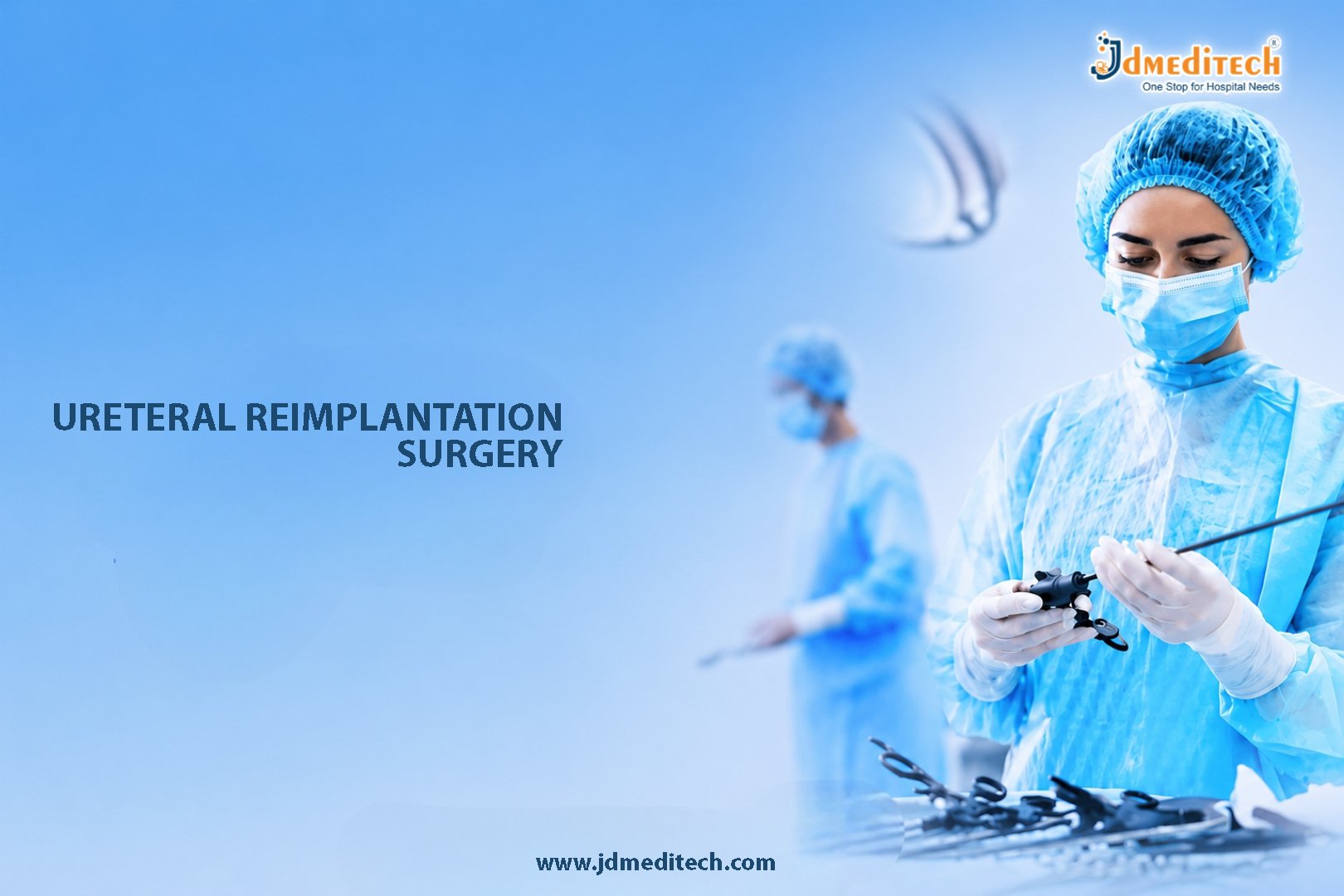
Ureteral Reimplantation Surgery is a highly specialized urological procedure performed to restore a healthy and secure connection between the ureter and the urinary bladder. The surgery is commonly recommended for patients suffering from ureteral obstruction, vesicoureteral reflux (VUR), ureteral injury, or congenital urinary tract abnormalities.
This advanced reconstructive procedure helps maintain proper urine flow from the kidneys to the bladder while preventing urine backflow, kidney damage, infections, and long-term urinary complications. With modern surgical techniques and precision instrumentation, ureteral reimplantation offers excellent functional outcomes and improved patient recovery.
What is Ureteral Reimplantation Surgery?
Ureteral Reimplantation Surgery is a reconstructive urological procedure in which the ureter is detached from its abnormal or damaged position and reattached to a new opening in the bladder.
The primary goal of the surgery is to:
- Restore smooth urinary drainage
- Prevent urine reflux into the kidneys
- Repair damaged or narrowed ureters
- Preserve kidney function
- Reduce recurrent urinary tract infections
The procedure may be performed using open surgery, laparoscopic surgery, or robotic-assisted minimally invasive techniques depending on the patient’s condition.
Conditions Treated with Ureteral Reimplantation Surgery
This surgery is commonly used to treat several urinary tract disorders, including:
Vesicoureteral Reflux (VUR)
A condition where urine flows backward from the bladder into the kidneys, increasing the risk of infections and kidney damage.
Ureteral Stricture
Narrowing of the ureter caused by scarring, inflammation, surgery, or trauma.
Ureteral Injury
Damage to the ureter during pelvic or abdominal surgery may require surgical reconstruction.
Congenital Ureteral Abnormalities
Children born with abnormal ureter-bladder connections often require corrective surgery.
Obstructed Ureter
Blockage caused by stones, tumors, or fibrosis affecting urine flow.
Symptoms That May Require Ureteral Reimplantation
Patients may experience the following symptoms before surgery:
- Recurrent urinary tract infections
- Flank or abdominal pain
- Burning during urination
- Blood in urine
- Kidney swelling (hydronephrosis)
- Fever associated with urinary infections
- Difficulty in urine drainage
- Frequent urination
Early diagnosis and treatment help prevent permanent kidney damage.
Diagnostic Evaluation Before Surgery
Before performing ureteral reimplantation, urologists conduct detailed evaluations to determine the severity and location of the problem.
Common diagnostic tests include:
- Ultrasound
- CT Urography
- MRI Scan
- Voiding Cystourethrogram (VCUG)
- Intravenous Pyelogram (IVP)
- Cystoscopy
- Renal Function Tests
- Urine Analysis and Culture
These tests help create a precise surgical treatment plan.
Types of Ureteral Reimplantation Surgery
Open Ureteral Reimplantation
Traditional surgical method involving a lower abdominal incision for direct access to the bladder and ureter.
Advantages
- Highly effective for complex cases
- Strong long-term success rate
- Suitable for pediatric reconstruction
Laparoscopic Ureteral Reimplantation
A minimally invasive technique performed through small incisions using laparoscopic instruments.
Benefits
- Reduced postoperative pain
- Faster recovery
- Smaller scars
- Shorter hospital stay
Robotic-Assisted Ureteral Reimplantation
An advanced minimally invasive procedure performed using robotic surgical systems for enhanced precision.
Key Benefits
- Superior surgical accuracy
- Better visualization
- Minimal blood loss
- Faster healing
- Improved patient comfort
Step-by-Step Procedure of Ureteral Reimplantation Surgery
The surgical process generally includes the following steps:
1. Administration of Anesthesia
The patient receives general anesthesia for a pain-free procedure.
2. Surgical Access
The surgeon accesses the bladder and ureter through open or minimally invasive techniques.
3. Removal of Diseased Segment
Damaged or obstructed ureteral tissue is carefully removed.
4. Creation of New Bladder Opening
A new tunnel or opening is created in the bladder wall.
5. Ureter Reattachment
The ureter is securely implanted into the bladder to ensure proper drainage and prevent reflux.
6. Stent Placement
A ureteral stent may be temporarily inserted to support healing.
7. Closure
The surgical area is closed carefully, and the patient is shifted to recovery.
Recovery After Ureteral Reimplantation Surgery
Recovery varies depending on the surgical method and patient condition.
Typical Recovery Timeline
- Hospital stay: 2–5 days
- Catheter removal: Within several days
- Return to light activities: 2–3 weeks
- Full recovery: 4–8 weeks
Patients are advised to follow postoperative instructions carefully for optimal healing.
Postoperative Care Instructions
Proper aftercare is important for successful recovery.
Recommended Care Measures
- Drink plenty of fluids
- Take prescribed medications regularly
- Avoid heavy lifting
- Maintain proper hygiene
- Attend follow-up appointments
- Monitor for fever or unusual symptoms
Regular follow-up imaging may be recommended to confirm proper urinary drainage.
Benefits of Ureteral Reimplantation Surgery
This advanced reconstructive surgery offers multiple long-term benefits.
Major Advantages
- Restores normal urine flow
- Prevents kidney damage
- Reduces recurrent infections
- Improves urinary function
- Corrects ureteral obstruction
- Provides long-lasting outcomes
- Enhances patient quality of life
Modern surgical techniques significantly improve precision and safety.
Risks and Possible Complications
Although generally safe, some risks may include:
- Infection
- Bleeding
- Urine leakage
- Scar formation
- Ureteral narrowing recurrence
- Temporary urinary discomfort
- Stent-related irritation
Choosing experienced urological surgeons helps minimize complications.
Who is an Ideal Candidate for Ureteral Reimplantation Surgery?
Patients may be suitable candidates if they have:
- Severe vesicoureteral reflux
- Persistent ureteral obstruction
- Recurrent urinary infections
- Congenital urinary tract abnormalities
- Failed previous ureteral procedures
- Ureteral injuries requiring reconstruction
A detailed consultation with a urologist determines the best treatment approach.
Advanced Technology in Ureteral Reconstruction
Modern urology centers use advanced technologies to improve surgical outcomes.
These may include:
- High-definition endoscopic imaging
- Robotic surgical systems
- Precision laparoscopic instruments
- Intraoperative imaging guidance
- Enhanced suturing techniques
These innovations help improve surgical safety and recovery.
Conclusion
Ureteral Reimplantation Surgery is an advanced and highly effective reconstructive procedure designed to restore a secure ureter–bladder connection and maintain healthy urinary function. Whether performed for vesicoureteral reflux, ureteral injury, obstruction, or congenital abnormalities, this surgery plays a vital role in protecting kidney health and improving patient quality of life.
With modern minimally invasive and robotic-assisted techniques, patients can benefit from safer procedures, reduced recovery time, and excellent long-term outcomes.
Get Connected:
+91 79909 93062 | +91 63513 72032 | exports@jdmeditech.com