
Undescended testis, also known as cryptorchidism, is a condition in which one or both testicles fail to move into the scrotum before birth. It is one of the most common congenital conditions affecting male infants. Although some testes descend naturally within the first few months of life, others require surgical correction to prevent complications related to fertility, hormonal function, and overall testicular health.
Fortunately, modern pediatric urology now offers laparoscopic undescended testis surgery as a highly effective minimally invasive treatment option. This advanced endoscopic technique allows surgeons to locate and reposition the undescended testis with precision while minimizing surgical trauma and shortening recovery time.
In this blog, we will discuss laparoscopic undescended testis surgery, its benefits, indications, surgical procedure, recovery process, risks, and long-term outcomes.
What Is an Undescended Testis?
An undescended testis occurs when a testicle does not descend normally from the abdomen into the scrotum during fetal development. The condition may affect:
- One testicle (unilateral cryptorchidism)
- Both testicles (bilateral cryptorchidism)
In many cases, the undescended testis may remain located:
- Inside the abdomen
- In the inguinal canal
- Near the groin region
As a result, the testicle may not develop properly. Moreover, if left untreated, the condition can increase the risk of infertility, testicular torsion, inguinal hernia, and testicular cancer later in life.
What Is Laparoscopic Undescended Testis Surgery?
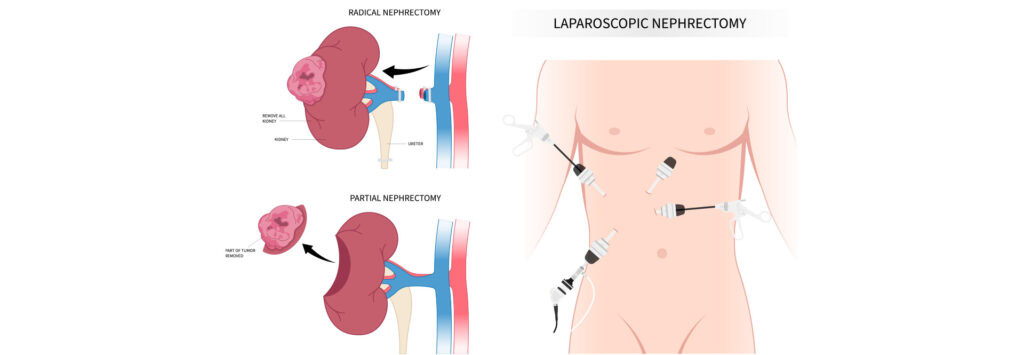
Laparoscopic undescended testis surgery, also known as laparoscopic orchiopexy, is a minimally invasive pediatric urologic procedure performed to locate and reposition the undescended testicle into the scrotum.
During the surgery, the surgeon uses a laparoscope and specialized instruments to carefully mobilize the testis and secure it inside the scrotum. In certain situations, however, removal may be necessary if the testicle is severely underdeveloped or nonfunctional.
Because the procedure uses tiny incisions, patients generally experience less pain, faster healing, and improved cosmetic results compared to traditional open surgery.
Causes of Undescended Testis
Several factors may contribute to cryptorchidism, including:
- Premature birth
- Low birth weight
- Hormonal abnormalities
- Genetic conditions
- Family history
- Abnormal fetal development
However, in many children, the exact cause remains unknown.
Symptoms of Undescended Testis
The most common sign of cryptorchidism is the absence of one or both testicles from the scrotum. Additionally, other findings may include:
- Empty scrotal sac
- Smaller scrotum on one side
- Palpable lump in the groin
- Associated inguinal hernia
Usually, the condition is identified during routine newborn or pediatric examinations.
Why Early Treatment Is Important
Timely treatment is extremely important because prolonged undescended testis may lead to several complications. Therefore, doctors usually recommend surgical correction between 6 and 18 months of age.
Early treatment helps:
- Preserve fertility potential
- Support normal testicular development
- Reduce cancer risk
- Prevent testicular torsion
- Improve cosmetic appearance
Furthermore, early intervention allows easier long-term monitoring of testicular health and development.
Who Needs Laparoscopic Undescended Testis Surgery?
Doctors may recommend laparoscopic surgery when:
- The testis cannot be felt during examination
- The testicle is located inside the abdomen
- Previous surgery was unsuccessful
- Bilateral undescended testes are present
- Imaging suggests intra-abdominal testis
In particular, laparoscopy is highly useful for diagnosing and treating non-palpable testes.
Benefits of Laparoscopic Undescended Testis Surgery
Minimally Invasive Technique
Since the surgery involves small incisions, tissue trauma and postoperative discomfort are significantly reduced.
Better Visualization
Additionally, the laparoscope provides magnified images that help surgeons identify the testis more accurately.
Faster Recovery
Compared to open surgery, children usually recover faster and can resume normal activities sooner.
Reduced Pain
Because of the minimally invasive approach, postoperative pain is generally mild.
Minimal Scarring
Furthermore, tiny incisions provide excellent cosmetic outcomes.
High Success Rate
Most importantly, laparoscopic orchiopexy offers excellent long-term success in repositioning the testis properly.
Diagnostic Evaluation Before Surgery
Before surgery, the pediatric urologist may perform several investigations, including:
- Physical examination
- Ultrasound scan
- MRI in selected cases
- Hormonal evaluation
- Diagnostic laparoscopy
These investigations help confirm the location, condition, and viability of the undescended testis.
Step-by-Step Procedure of Laparoscopic Undescended Testis Surgery
Administration of General Anesthesia
First, the child is given general anesthesia to ensure comfort throughout the procedure.
Creation of Small Incisions
Next, tiny incisions are made in the abdomen for insertion of the laparoscope and surgical instruments.
Identification of the Testis
The surgeon then carefully locates the undescended testicle and evaluates its blood supply and mobility.
Mobilization of the Testis
Afterward, the surrounding tissues are gently released to allow adequate movement of the testis.
Placement Inside the Scrotum
Subsequently, the testicle is moved into the scrotum and secured in the correct position.
Closure of Incisions
Finally, the instruments are removed and the small incisions are closed carefully.
Recovery After Laparoscopic Orchiopexy
Recovery after laparoscopic surgery is usually smooth and relatively quick.
Immediate Recovery Period
Initially, children may experience:
- Mild discomfort
- Temporary swelling
- Minor bruising
- Mild fatigue
However, these symptoms usually improve within a few days.
Return to Normal Activities
- Light activities: Within a few days
- School attendance: Usually within 1 week
- Full recovery: Approximately 2–3 weeks
Nevertheless, parents should carefully follow postoperative care instructions to support proper healing.
Risks and Complications
Although laparoscopic orchiopexy is generally considered safe, certain risks may still occur, including:
- Bleeding
- Infection
- Testicular re-ascent
- Injury to surrounding structures
- Reduced blood supply to the testis
- Testicular atrophy in rare cases
Fortunately, complication rates remain low when the surgery is performed by experienced pediatric urologists.
Long-Term Outcomes of Laparoscopic Undescended Testis Surgery
Most children experience excellent long-term outcomes after surgery. As a result, they may benefit from:
- Improved fertility potential
- Better hormonal function
- Reduced cancer risk
- Normal scrotal appearance
- Easier future testicular examination
Additionally, regular follow-up visits help monitor healthy testicular growth and development over time.
Laparoscopic Surgery vs Open Surgery for Undescended Testis
| Feature | Laparoscopic Surgery | Open Surgery |
| Incision Size | Small | Larger |
| Pain Level | Less | More |
| Recovery Time | Faster | Longer |
| Visualization | Better | Limited |
| Cosmetic Results | Excellent | Moderate |
| Hospital Stay | Short | Longer |
Therefore, laparoscopic orchiopexy is widely preferred for intra-abdominal undescended testes because of its multiple advantages.
Preventing Complications of Undescended Testis
Early diagnosis and timely surgery are essential for preventing long-term complications. Therefore, parents should seek medical evaluation if:
- One or both testes are absent from the scrotum
- The scrotum appears underdeveloped
- Groin swelling is noticed
- The child experiences pain or discomfort
Moreover, regular pediatric checkups play an important role in early detection and timely treatment.
Conclusion
Laparoscopic undescended testis surgery is an advanced minimally invasive pediatric urologic procedure that effectively corrects cryptorchidism and helps preserve long-term testicular health. Because of its precision, faster recovery, reduced pain, and excellent success rates, laparoscopic orchiopexy has become the preferred treatment for many children with non-palpable or intra-abdominal testes.
Most importantly, early treatment supports fertility preservation, healthy development, and reduced future complications. Therefore, parents should consult an experienced pediatric urologist for timely diagnosis and personalized treatment planning.
Get Connected:
+91 79909 93062 | +91 63513 72032 | exports@jdmeditech.com