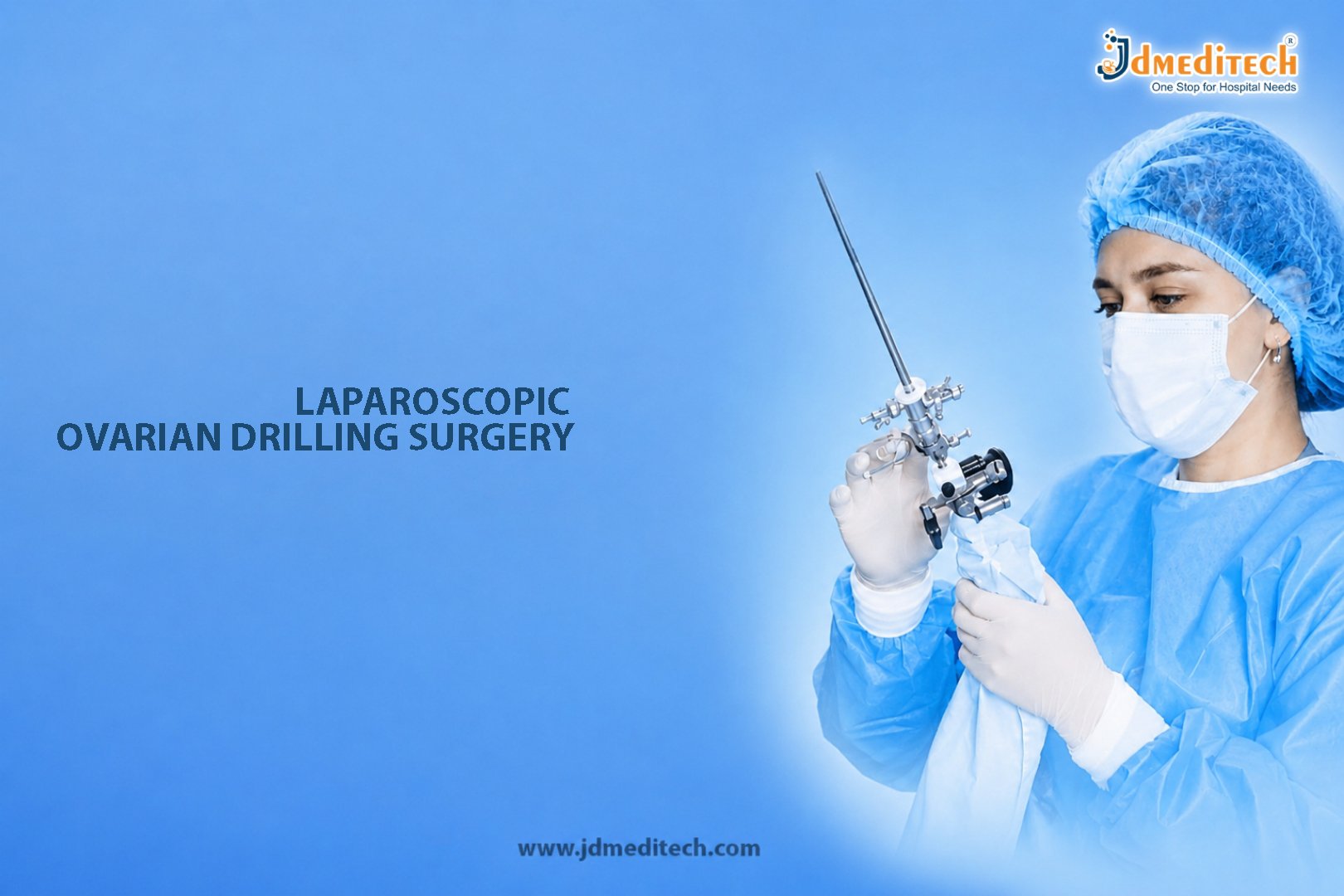
Laparoscopic Ovarian Drilling Surgery is a minimally invasive gynecologic procedure that doctors use to treat women with resistant Polycystic Ovary Syndrome (PCOS), especially when medications fail to induce ovulation successfully. This advanced laparoscopic technique helps restore hormonal balance and improve ovulation by creating small punctures in the ovaries using surgical energy.
Polycystic Ovary Syndrome is one of the most common hormonal disorders affecting women of reproductive age. Although many women respond well to lifestyle modifications and fertility medications, some patients continue to experience irregular ovulation and infertility. Therefore, gynecologists may recommend laparoscopic ovarian drilling as an effective treatment option for resistant polycystic ovaries.
Moreover, this minimally invasive procedure offers several advantages, including smaller incisions, reduced recovery time, minimal postoperative discomfort, and improved fertility outcomes in selected patients. Consequently, many fertility specialists now consider laparoscopic ovarian drilling an important part of modern PCOS management.
In this blog, we will discuss Laparoscopic Ovarian Drilling Surgery, its indications, procedure, benefits, recovery process, risks, and role in treating resistant PCOS.
What Is Laparoscopic Ovarian Drilling Surgery?
Laparoscopic Ovarian Drilling Surgery is a minimally invasive fertility procedure in which surgeons create tiny holes in the ovarian surface using heat or laser energy.
Purpose of Ovarian Drilling
The procedure helps:
- Reduce excessive androgen hormone production
- Restore normal ovulation
- Improve menstrual regularity
- Enhance fertility potential
- Reduce resistance to fertility medications
Because this treatment targets hormone-producing ovarian tissue directly, many women experience improved ovulation after surgery. In addition, some patients respond better to fertility medications afterward.
Understanding Polycystic Ovary Syndrome (PCOS)
PCOS is a hormonal disorder that affects ovulation and reproductive health. Furthermore, it may influence metabolism, weight, and long-term hormonal balance.
Common Features of PCOS
- Irregular menstrual cycles
- Multiple small ovarian cysts
- Excess androgen hormone levels
- Weight gain
- Acne and excessive hair growth
- Difficulty conceiving
Additionally, untreated PCOS may increase the risk of infertility, diabetes, and metabolic disorders over time. Therefore, early diagnosis and appropriate treatment are extremely important.
Why Is Laparoscopic Ovarian Drilling Performed?
Doctors usually recommend this surgery when standard treatments fail to improve ovulation. In many cases, women who do not respond to ovulation-inducing medications may benefit from this minimally invasive procedure.
Common Reasons for Ovarian Drilling
- Resistance to ovulation induction medications
- Infertility related to PCOS
- Irregular ovulation
- Failure of medical fertility treatment
- High androgen hormone levels
- Recurrent unsuccessful fertility cycles
Furthermore, ovarian drilling may reduce the need for long-term fertility medications in some women. As a result, patients may experience more natural ovulation cycles.
Symptoms That May Require Medical Evaluation
Women with resistant PCOS may experience several persistent symptoms that affect fertility and daily life.
Common Symptoms Include
- Irregular or absent periods
- Difficulty becoming pregnant
- Excess facial or body hair
- Acne or oily skin
- Weight gain
- Pelvic discomfort
- Hormonal imbalance symptoms
Therefore, women with persistent reproductive or hormonal symptoms should seek gynecologic evaluation promptly. Early treatment may improve fertility outcomes and overall hormonal health.
How Is Laparoscopic Ovarian Drilling Surgery Performed?
1. Preoperative Evaluation
Before surgery, doctors perform a complete fertility and hormonal assessment that may include:
- Pelvic ultrasound
- Hormone level testing
- Blood investigations
- Fertility evaluation
- Medical history review
- Anesthesia assessment
Additionally, doctors discuss fertility goals and provide fasting instructions before surgery.
2. Administration of General Anesthesia
Doctors administer general anesthesia to ensure patient comfort during the procedure. Consequently, patients remain pain-free throughout the surgery.
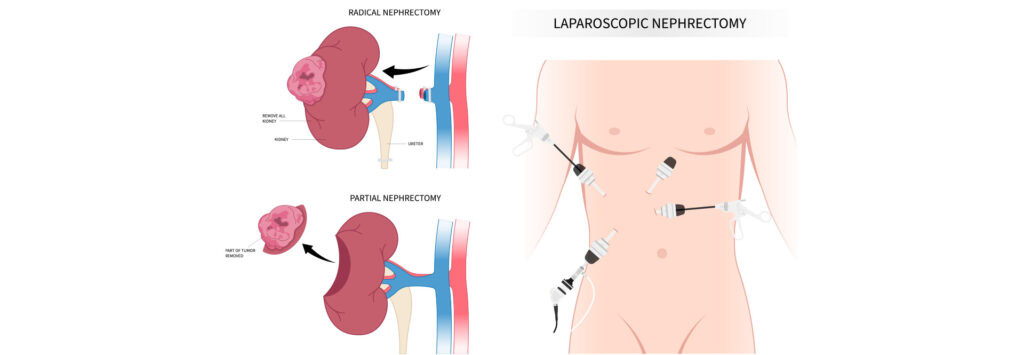
3. Creation of Small Incisions
Next, the surgeon creates a few small incisions in the abdomen. Then, the surgeon inserts laparoscopic ports and a high-definition camera.
4. Visualization of the Ovaries
The laparoscope provides magnified views of the ovaries and surrounding pelvic organs. As a result, the surgeon can perform the procedure with improved precision.
5. Ovarian Drilling Procedure
Using specialized instruments, the surgeon creates several tiny punctures in the ovarian surface using electrical or laser energy.
Furthermore, the surgeon carefully controls the number and depth of punctures to reduce tissue damage while improving hormonal function.
6. Closure of Incisions
Finally, the surgeon removes the instruments and closes the small incisions using sutures or surgical glue.
Overall, most procedures are completed within one hour.
Advantages of Laparoscopic Ovarian Drilling Surgery
This minimally invasive fertility procedure offers several important benefits for women with resistant PCOS.
Improved Ovulation
Many women begin ovulating more regularly after surgery. Consequently, fertility potential may improve significantly.
Enhanced Fertility
The procedure may increase natural conception rates in selected patients. In some cases, women conceive without additional fertility treatment.
Reduced Need for Fertility Medications
Some women require lower doses of ovulation-inducing medications after ovarian drilling.
Minimally Invasive Technique
Because surgeons use small incisions, patients experience less tissue trauma and improved cosmetic outcomes.
Faster Recovery
Most patients recover quickly and return to normal activities within a short period.
Reduced Risk of Multiple Pregnancy
Unlike certain fertility medications, ovarian drilling generally carries a lower risk of multiple pregnancies.
Recovery After Laparoscopic Ovarian Drilling Surgery
Recovery usually progresses smoothly when patients follow medical instructions carefully.
Immediate Recovery
After surgery:
- Mild abdominal soreness may occur temporarily
- Shoulder discomfort from surgical gas may develop briefly
- Doctors encourage early walking
- Most patients return home the same day or the next day
Recovery at Home
Patients should:
- Keep incision sites clean and dry
- Avoid strenuous activity temporarily
- Take medications as prescribed
- Attend follow-up fertility appointments
- Monitor menstrual cycle changes carefully
Additionally, maintaining a healthy lifestyle may improve long-term PCOS management and fertility outcomes. Therefore, doctors often recommend balanced nutrition, exercise, and weight management after surgery.
Possible Risks and Complications
Although laparoscopic ovarian drilling is generally safe, certain risks may still occur in rare cases.
Potential Complications Include
- Bleeding
- Infection
- Adhesion formation
- Injury to nearby organs
- Reduced ovarian reserve in rare cases
- Reaction to anesthesia
However, experienced laparoscopic gynecologic surgeons greatly reduce these risks through careful surgical techniques and proper patient selection.
Who Is a Suitable Candidate for Ovarian Drilling?
Not every woman with PCOS requires surgery. Therefore, fertility specialists evaluate each patient individually before recommending ovarian drilling.
Suitable Candidates Often Include
- Women with medication-resistant PCOS
- Patients with infertility due to anovulation
- Women who fail ovulation induction therapy
- Patients suitable for minimally invasive surgery
- Women with elevated androgen levels related to PCOS
Additionally, doctors consider fertility goals, age, and hormonal status before selecting the best treatment option.
Difference Between Medical Treatment and Ovarian Drilling
Although both approaches aim to restore ovulation, important differences exist between them.
Key Differences
| Feature | Medical Treatment | Ovarian Drilling |
| Treatment Type | Medication-based | Surgical |
| Ovulation Support | Temporary | May Last Longer |
| Risk of Multiple Pregnancy | Higher | Lower |
| Invasiveness | Non-surgical | Minimally Invasive |
| Recovery Time | Not Applicable | Short |
As a result, doctors may recommend ovarian drilling when medications alone fail to achieve successful ovulation.
Why Is Laparoscopic Ovarian Drilling Important in Fertility Care?
This minimally invasive procedure has improved fertility management for selected women with resistant PCOS.
Reasons for Its Growing Importance
- Improved ovulation rates
- Better fertility outcomes
- Reduced medication dependence
- Lower risk of ovarian hyperstimulation
- Faster postoperative recovery
- Minimally invasive approach
Moreover, ongoing advancements in laparoscopic technology continue to improve surgical precision and reproductive outcomes further.
Frequently Asked Questions (FAQs)
Is Laparoscopic Ovarian Drilling Surgery safe?
Yes, experienced gynecologic surgeons perform this procedure safely and effectively for selected PCOS patients.
Can ovarian drilling improve fertility?
Yes, many women experience improved ovulation and fertility after surgery. Consequently, natural conception may become easier.
How long does recovery take?
Most patients recover within a few days to one week. However, recovery time may vary slightly among individuals.
Will the procedure cure PCOS permanently?
No, ovarian drilling does not permanently cure PCOS. However, it may improve ovulation and hormonal balance significantly.
Is hospitalization required?
Many patients return home on the same day or after short hospital observation.
Conclusion
Laparoscopic Ovarian Drilling Surgery is an effective minimally invasive treatment option for women with resistant Polycystic Ovary Syndrome who do not respond well to fertility medications. Because this advanced laparoscopic procedure improves ovulation and hormonal balance, many women achieve better fertility outcomes and more regular menstrual cycles.
Additionally, laparoscopic ovarian drilling offers faster recovery, smaller incisions, and reduced postoperative discomfort compared to traditional surgical approaches. Therefore, fertility specialists continue to use this procedure as an important option in selected PCOS patients.
Most importantly, women experiencing infertility or persistent PCOS symptoms should consult experienced gynecologists and fertility specialists to determine the most suitable treatment strategy for their condition.
Get Connected:
+91 79909 93062 | +91 63513 72032 | exports@jdmeditech.com