Laparoscopic Pediatric Hernia Repair Surgery is an advanced minimally invasive procedure used to treat hernias in infants and children. Pediatric hernias are common surgical conditions that occur when internal tissue or part of the intestine pushes through a weak spot in the abdominal wall. Early diagnosis and timely treatment are essential because untreated hernias may lead to serious complications.
Today, laparoscopic surgery has become a preferred treatment option for pediatric hernia repair due to its smaller incisions, reduced pain, quicker healing, and better cosmetic outcomes. Moreover, this modern pediatric surgical method allows children to return to normal activities much faster compared to traditional open surgery.
In this blog, we will discuss pediatric hernia types, causes, symptoms, laparoscopic repair procedures, benefits, recovery, and why minimally invasive pediatric surgery is gaining popularity.
What Is a Pediatric Hernia?
A pediatric hernia develops when an organ or tissue protrudes through a weak area in the abdominal muscles. Hernias in children are usually congenital, meaning they are present at birth.
Common Types of Pediatric Hernias
- Inguinal Hernia
- Umbilical Hernia
- Incisional Hernia
- Epigastric Hernia
Among these, inguinal hernia is the most frequently seen condition in children, especially in premature babies and male infants.
Causes of Pediatric Hernia
Several factors may contribute to the development of hernias in children.
Major Causes Include
- Congenital weakness in abdominal muscles
- Incomplete closure of the inguinal canal
- Premature birth
- Family history of hernias
- Increased abdominal pressure
- Chronic coughing or constipation
Additionally, some children may develop hernias after abdominal surgeries.
Symptoms of Pediatric Hernia
Symptoms can vary depending on the type and severity of the hernia.
Common Symptoms
- Visible swelling or bulge in the groin or abdomen
- Swelling that increases while crying or coughing
- Pain or discomfort
- Irritability in infants
- Vomiting in severe cases
- Redness or tenderness around the swelling
If the hernia becomes trapped or strangulated, it may require emergency surgery. Therefore, parents should seek immediate medical attention if symptoms worsen.
What Is Laparoscopic Pediatric Hernia Repair Surgery?
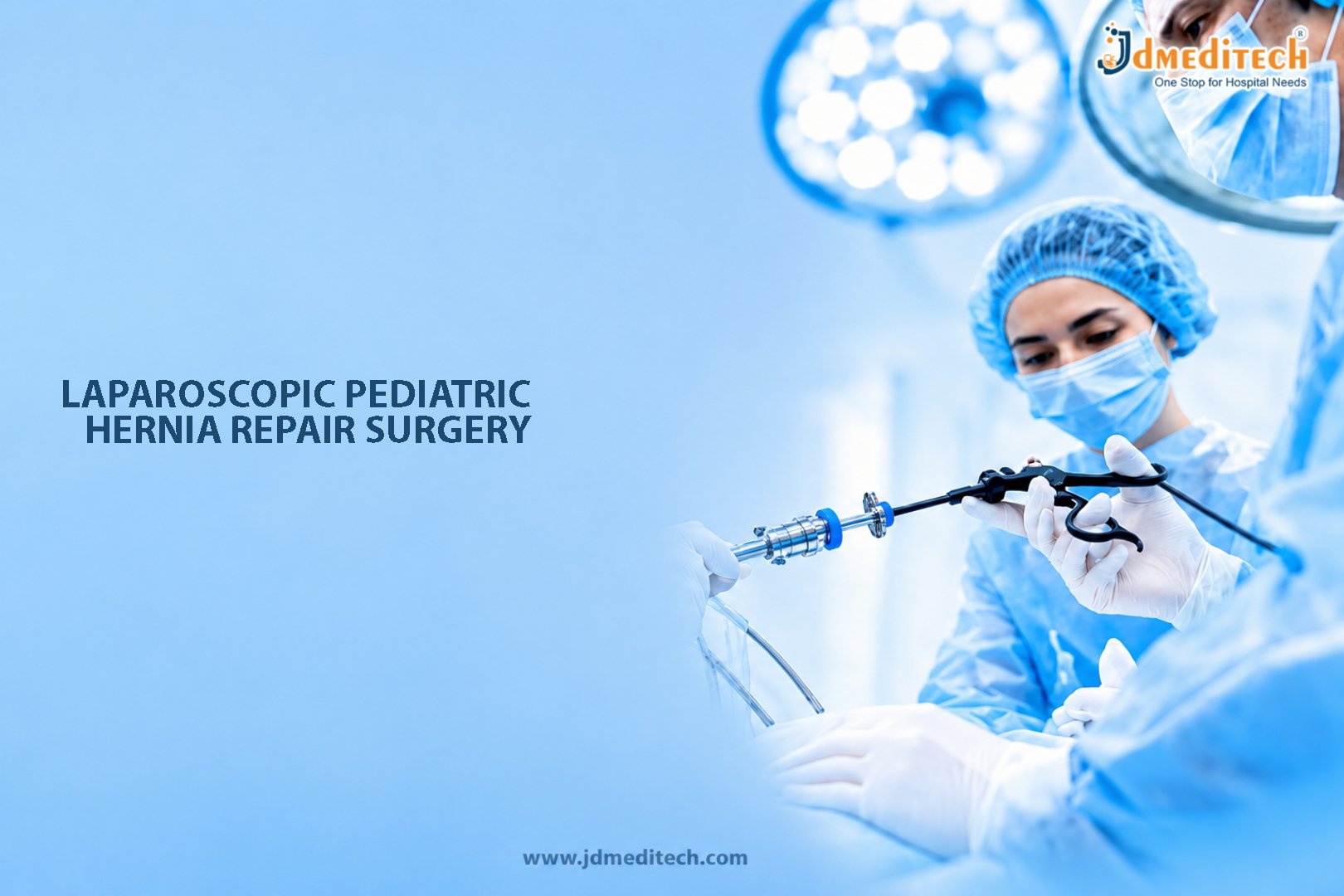
Laparoscopic Pediatric Hernia Repair Surgery is a minimally invasive technique performed using tiny incisions, a laparoscope (small camera), and specialized surgical instruments.
During the procedure, the surgeon repairs the weak abdominal wall and closes the hernia opening without making large cuts. As a result, children experience less pain and faster recovery.
This advanced pediatric surgical approach is widely recommended because it offers excellent safety and precision.
When Is Pediatric Hernia Surgery Recommended?
Doctors may recommend surgery in the following situations.
Conditions Requiring Surgery
- Persistent inguinal hernia
- Enlarging umbilical hernia
- Painful or symptomatic hernia
- Incarcerated hernia
- Hernia causing digestive issues
- Risk of strangulation
In many cases, pediatric inguinal hernias do not heal on their own and require surgical correction.
How Is Laparoscopic Pediatric Hernia Repair Performed?
1. Preoperative Evaluation
Before surgery, the child undergoes:
- Physical examination
- Medical history review
- Blood investigations
- Anesthesia assessment
The surgeon explains the procedure and provides fasting instructions before surgery.
2. Administration of Anesthesia
General anesthesia is given to ensure the child remains asleep and comfortable throughout the procedure.
3. Small Incisions
The surgeon creates tiny incisions in the abdomen. A laparoscope is inserted through one incision, while surgical instruments are introduced through others.
4. Hernia Identification and Repair
The camera provides a magnified internal view, helping the surgeon identify the hernia accurately. The hernia sac is repaired, and the opening is closed using sutures.
In some cases, both sides can be examined and repaired during the same surgery if needed.
5. Closure of Incisions
Finally, the small incisions are closed with dissolvable stitches or surgical glue.
The entire procedure usually takes less than one hour.
Advantages of Laparoscopic Pediatric Hernia Repair Surgery
Laparoscopic surgery offers several important benefits for children and parents.
Smaller Incisions
Tiny cuts result in minimal scarring and improved cosmetic appearance.
Faster Recovery
Children generally recover quickly and return to normal activities sooner.
Less Postoperative Pain
Since the surgery is minimally invasive, pain and discomfort are significantly reduced.
Reduced Risk of Infection
Smaller wounds lower the risk of postoperative infections.
Better Visualization
The laparoscope provides enhanced magnified views, improving surgical precision.
Short Hospital Stay
Most children can go home on the same day of surgery.
Bilateral Hernia Detection
Surgeons can inspect both sides during laparoscopy and repair hidden hernias if present.
Recovery After Pediatric Hernia Surgery
Recovery after laparoscopic pediatric hernia repair is usually smooth and rapid.
Immediate Recovery
- Mild swelling may occur temporarily
- Most children resume drinking fluids within hours
- Walking is encouraged early
At-Home Care
Parents should:
- Keep incision sites clean and dry
- Follow medication instructions
- Avoid strenuous activities for a few days
- Attend follow-up appointments
Most children return to school within a few days.
Possible Risks and Complications
Although laparoscopic pediatric hernia surgery is considered very safe, some risks may include:
- Bleeding
- Infection
- Recurrence of hernia
- Reaction to anesthesia
- Injury to surrounding structures
However, complications are uncommon when the procedure is performed by experienced pediatric surgeons.
How to Prepare Your Child for Hernia Surgery
Preparation helps reduce anxiety and ensures smoother recovery.
Preparation Tips for Parents
- Explain the surgery calmly
- Follow fasting instructions carefully
- Inform the doctor about allergies or medications
- Carry medical records during admission
Additionally, emotional reassurance helps children feel more comfortable before surgery.
Why Choose Laparoscopic Surgery for Pediatric Hernia?
Modern laparoscopic techniques have transformed pediatric surgery.
Benefits Over Open Surgery
- Better cosmetic outcomes
- Faster healing
- Lower pain levels
- Quicker discharge
- Reduced surgical trauma
Consequently, many pediatric surgeons now prefer minimally invasive hernia repair whenever suitable.
Frequently Asked Questions (FAQs)
Is pediatric hernia surgery safe?
Yes, laparoscopic pediatric hernia repair is considered highly safe and effective when performed by trained pediatric surgeons.
How long does recovery take?
Most children recover within a few days and resume normal activities quickly.
Can hernias return after surgery?
Recurrence is uncommon but possible in rare cases.
Will my child need hospitalization?
Most laparoscopic pediatric hernia surgeries are daycare procedures, allowing same-day discharge.
Is laparoscopic surgery better than open surgery?
In many cases, laparoscopic surgery offers faster recovery, less pain, and smaller scars compared to open surgery.
Conclusion
Laparoscopic Pediatric Hernia Repair Surgery is a modern and highly effective treatment for childhood hernias. With smaller incisions, reduced discomfort, faster recovery, and excellent cosmetic results, this minimally invasive pediatric surgical method has become a preferred option for many families.
Early diagnosis and timely surgical intervention are important to prevent complications and ensure healthy growth in children. Therefore, parents should consult an experienced pediatric surgeon if they notice swelling or unusual bulges in their child’s abdomen or groin.
With advancements in pediatric laparoscopic surgery, children can now receive safer treatment and return to their normal playful lives much sooner.
Get Connected:
+91 79909 93062 | +91 63513 72032 | exports@jdmeditech.com