Laparoscopic Appendectomy in Children Surgery is a modern minimally invasive procedure used to remove an inflamed appendix in pediatric patients. Since appendicitis is one of the most common surgical emergencies in children, immediate medical attention is extremely important. If treatment is delayed, the appendix may rupture and lead to serious infections.
Nowadays, laparoscopic surgery has become the preferred treatment option because it offers smaller incisions, reduced pain, quicker healing, and minimal scarring. In addition, this advanced pediatric surgical technique helps children return to school and normal activities much faster than traditional open surgery.
Furthermore, laparoscopic appendectomy provides better surgical precision and lower complication rates. Therefore, many pediatric surgeons strongly recommend this minimally invasive approach whenever possible.
In this blog, we will discuss appendicitis in children, symptoms, causes, laparoscopic appendectomy procedures, benefits, recovery, and postoperative care.
What Is Appendicitis in Children?
Appendicitis occurs when the appendix becomes inflamed or infected. The appendix is a small pouch attached to the large intestine on the lower right side of the abdomen.
Why Appendicitis Occurs
Appendicitis may develop due to several reasons, including:
- Blockage inside the appendix
- Infection in the digestive tract
- Swollen lymph tissue
- Hardened stool blocking the appendix
- Bacterial infection
As the blockage worsens, inflammation increases gradually. Consequently, the appendix may swell, fill with pus, and eventually rupture if left untreated.
Symptoms of Appendicitis in Children
Symptoms usually appear suddenly and become more severe over time. Therefore, early recognition is essential for timely treatment.
Common Symptoms Include
- Pain in the lower right abdomen
- Fever
- Nausea and vomiting
- Loss of appetite
- Abdominal swelling
- Difficulty walking because of pain
- Diarrhea or constipation
In younger children, symptoms may sometimes appear unclear. However, persistent abdominal pain should never be ignored. Additionally, parents should seek immediate medical evaluation if fever and vomiting occur along with abdominal discomfort.
What Is Laparoscopic Appendectomy in Children Surgery?
Laparoscopic Appendectomy in Children Surgery is a minimally invasive surgical procedure used to remove the infected appendix using tiny incisions and specialized instruments.
During the procedure, surgeons insert a laparoscope with a high-definition camera into the abdomen. As a result, the surgical team receives a magnified internal view that improves accuracy and precision.
Unlike traditional open surgery, laparoscopic appendectomy causes less tissue damage. Therefore, children experience less postoperative pain and faster recovery.
Moreover, this modern pediatric surgical technique significantly reduces hospital stay and helps improve cosmetic outcomes.
When Is Laparoscopic Appendectomy Recommended?
Doctors usually recommend surgery immediately after confirming appendicitis. Early intervention is important because delayed treatment may increase complications.
Conditions Requiring Surgery
- Acute appendicitis
- Ruptured appendix
- Recurrent appendix inflammation
- Severe abdominal infection
- Appendiceal abscess in selected cases
In many situations, emergency surgery becomes necessary. Therefore, timely diagnosis plays a major role in successful treatment and recovery.
How Is Laparoscopic Appendectomy Performed?
1. Preoperative Evaluation
Before surgery, doctors carefully assess the child’s condition through:
- Physical examination
- Blood tests
- Ultrasound or CT scan
- Medical history review
- Anesthesia assessment
Additionally, parents receive instructions regarding fasting and preoperative preparation.
2. Administration of General Anesthesia
General anesthesia is administered so the child remains asleep and pain-free throughout the surgery.
3. Creation of Small Incisions
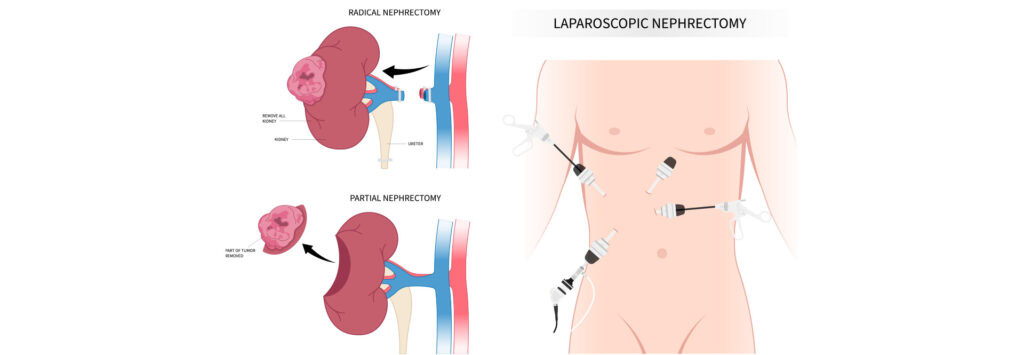
Next, the surgeon makes a few tiny incisions in the abdomen. Then, a laparoscope and specialized surgical instruments are inserted through these openings.
4. Removal of the Appendix
Using high-precision instruments, the inflamed appendix is carefully separated and removed safely.
If infection or pus is present, the abdominal cavity is cleaned thoroughly to reduce the risk of complications.
5. Closure of Incisions
Finally, the small incisions are closed using absorbable sutures or surgical glue.
Overall, the procedure usually takes less than one hour.
Advantages of Laparoscopic Appendectomy in Children
This minimally invasive pediatric surgery offers numerous benefits for both children and parents.
Smaller Surgical Incisions
Because the incisions are tiny, visible scarring is significantly reduced.
Faster Recovery
Most children recover quickly and return to normal activities sooner.
Less Pain After Surgery
Since the surgery is minimally invasive, postoperative discomfort is usually much lower.
Reduced Risk of Infection
Smaller wounds also help decrease the risk of surgical site infections.
Better Internal Visualization
Furthermore, the laparoscope provides magnified views that improve surgical precision and safety.
Shorter Hospital Stay
In many cases, children are discharged within one or two days after surgery.
Early Return to Daily Activities
Consequently, children can return to school and light activities within a short period.
Recovery After Pediatric Laparoscopic Appendectomy
Recovery is generally smooth when postoperative instructions are followed carefully.
Immediate Recovery
After surgery:
- Mild pain or soreness may occur temporarily
- Fluids are introduced gradually
- Walking is encouraged early
- Most children recover steadily within days
Home Care Instructions
Parents should:
- Keep incision sites clean and dry
- Give medications as prescribed
- Encourage light movement
- Avoid strenuous activities temporarily
- Attend follow-up appointments regularly
Additionally, proper hydration and balanced nutrition can help support faster healing.
Possible Risks and Complications
Although laparoscopic appendectomy is considered highly safe, certain rare complications may still occur.
Possible Risks Include
- Bleeding
- Infection
- Reaction to anesthesia
- Injury to nearby organs
- Abscess formation
- Hernia at incision sites
However, these complications are uncommon, especially when experienced pediatric surgeons perform the procedure.
How to Prepare Your Child for Surgery
Good preparation can help reduce fear and anxiety before surgery.
Helpful Preparation Tips
- Explain the procedure calmly
- Follow fasting instructions carefully
- Inform doctors about allergies or medications
- Carry important medical records
- Provide emotional reassurance
Furthermore, parents should discuss postoperative care instructions clearly with the healthcare team before discharge.
Why Choose Laparoscopic Surgery for Pediatric Appendicitis?
Laparoscopic surgery has transformed pediatric emergency treatment by offering safer and more effective surgical care.
Key Benefits Over Open Surgery
- Less tissue damage
- Smaller scars
- Faster healing
- Reduced pain
- Shorter hospitalization
- Better cosmetic outcomes
As a result, laparoscopic appendectomy is now widely preferred over traditional open surgery in many pediatric hospitals.
Frequently Asked Questions (FAQs)
Is laparoscopic appendectomy safe for children?
Yes, laparoscopic appendectomy is considered highly safe and effective for treating pediatric appendicitis.
How long does the surgery take?
Generally, the surgery takes around 30 to 60 minutes.
How soon can children return to school?
Most children can return to school within one week, although recovery time may vary slightly.
Can appendicitis return after surgery?
No, appendicitis cannot recur once the appendix is completely removed.
Is hospitalization necessary?
Yes, short-term hospitalization is usually required for monitoring and recovery.
Conclusion
Laparoscopic Appendectomy in Children Surgery is a highly advanced and effective treatment for pediatric appendicitis. Because this minimally invasive procedure uses smaller incisions, children experience less pain, reduced complications, and faster recovery.
Moreover, laparoscopic surgery provides better cosmetic results and shorter hospital stays compared to traditional open surgery. Therefore, it has become the preferred treatment option for many pediatric surgeons worldwide.
Most importantly, early diagnosis and prompt surgical treatment are essential to prevent appendix rupture and severe infections. Consequently, parents should seek immediate medical attention if their child develops persistent abdominal pain, fever, or vomiting.
Thanks to modern laparoscopic techniques, children can now recover safely and return to their normal activities much sooner.
Get Connected:
+91 79909 93062 | +91 63513 72032 | exports@jdmeditech.com