Single-Incision Laparoscopic Surgery is an advanced minimally invasive surgical technique that surgeons perform through a single small incision, usually near the belly button. Unlike conventional laparoscopic surgery, which requires multiple incisions, this innovative method allows surgeons to complete complex procedures using one entry point.
Over the years, minimally invasive surgery has transformed modern healthcare by reducing pain, shortening hospital stays, and improving cosmetic outcomes. Moreover, Single-Incision Laparoscopic Surgery provides even greater advantages, including less visible scarring and faster recovery.
Today, surgeons use this technique in general surgery, gynecology, urology, pediatric surgery, and gastrointestinal procedures. Furthermore, continuous advancements in laparoscopic instruments and imaging systems improve the precision and safety of this modern approach.
In this blog, we will discuss Single-Incision Laparoscopic Surgery, its procedure, benefits, applications, recovery process, risks, and growing popularity worldwide.
What Is Single-Incision Laparoscopic Surgery?
Single-Incision Laparoscopic Surgery, also known as SILS, is a minimally invasive surgical procedure that uses one small incision instead of multiple cuts.
How SILS Works
During the surgery:
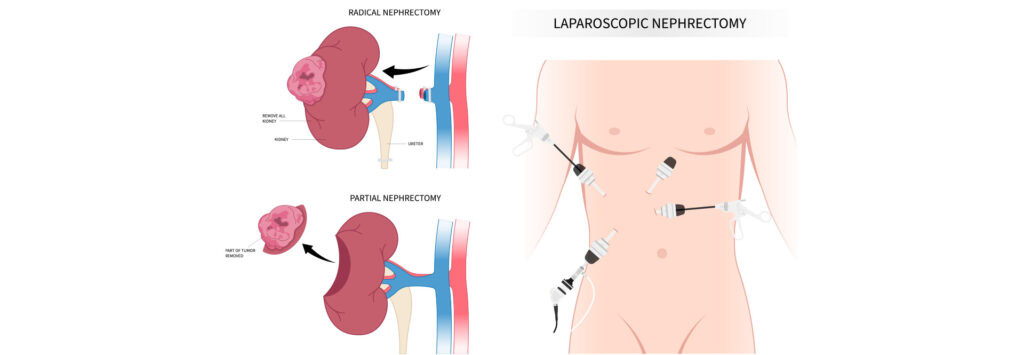
- The surgeon makes a small incision near the navel
- The surgeon inserts a specialized port
- The laparoscope enters through the same opening
- Surgical instruments pass through the port
- The surgeon completes the procedure with high precision
Because the incision usually remains hidden within the belly button, patients often achieve excellent cosmetic results.
Conditions Treated with Single-Incision Laparoscopic Surgery
Surgeons use SILS to treat a wide range of medical conditions.
Common Procedures Using SILS
- Appendectomy
- Gallbladder removal surgery
- Hernia repair
- Ovarian cyst removal
- Bariatric procedures
- Colon surgery
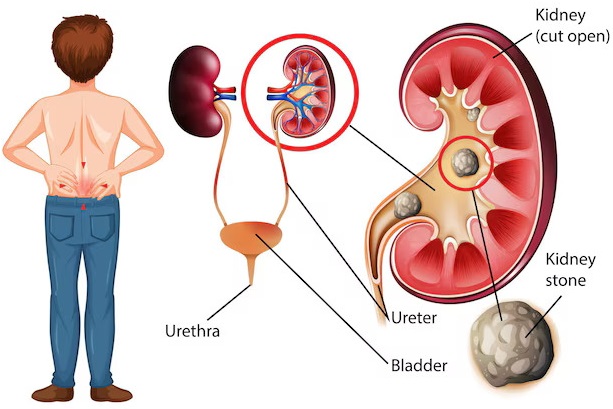
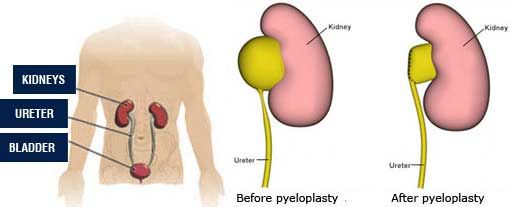
- Kidney surgery
- Pediatric surgical procedures
Additionally, surgeons continue expanding the use of SILS for more advanced operations.
Why Do Surgeons Prefer Single-Incision Laparoscopic Surgery?
Many surgeons and patients prefer this technique because it combines precision with greater patient comfort.
Major Reasons for Choosing SILS
- Minimal visible scarring
- Reduced postoperative pain
- Faster healing
- Lower risk of wound complications
- Shorter hospital stay
- Faster return to daily activities
Consequently, SILS has become an attractive option for patients seeking minimally invasive treatment.
How Do Surgeons Perform Single-Incision Laparoscopic Surgery?
1. Preoperative Evaluation
Before surgery, doctors complete a detailed assessment that may include:
- Physical examination
- Blood investigations
- Imaging scans
- Medical history review
- Anesthesia evaluation
Additionally, doctors provide instructions about fasting and medication adjustments.
2. Administration of Anesthesia
Doctors administer general anesthesia to keep the patient comfortable during the procedure.
3. Creation of a Single Incision
Next, the surgeon creates one small incision, typically through the belly button.
Then, the surgeon inserts a specialized surgical port that allows the laparoscope and instruments to enter.
4. Surgical Procedure
The surgeon performs the operation using high-definition camera guidance and specialized flexible instruments.
Because the camera provides magnified internal views, the surgeon can work with greater accuracy and precision.
5. Closure of the Incision
Finally, the surgeon closes the incision carefully with sutures or surgical glue.
In most cases, the scar becomes nearly invisible after healing.
Advantages of Single-Incision Laparoscopic Surgery
This innovative minimally invasive method offers several important benefits.
Minimal Scarring
Because surgeons use only one small incision, patients usually notice much smaller scars.
Reduced Pain
Patients often experience less discomfort after surgery compared to traditional open procedures.
Faster Recovery
Most patients recover quickly and return to normal activities sooner.
Lower Risk of Infection
Smaller wounds help lower the risk of infection and wound-related complications.
Shorter Hospital Stay
Many patients return home within one or two days after surgery.
Improved Patient Satisfaction
Patients often report high satisfaction because recovery feels smoother and scars remain minimal.
Recovery After Single-Incision Laparoscopic Surgery
Recovery usually progresses faster than recovery after conventional open surgery.
Immediate Recovery
After surgery:
- Mild soreness may occur temporarily
- Doctors encourage early walking
- Patients start oral fluids gradually
- Most patients recover comfortably
Recovery at Home
Patients should:
- Keep the incision area clean and dry
- Take prescribed medications properly
- Avoid heavy lifting temporarily
- Attend follow-up appointments
- Follow dietary instructions carefully
Furthermore, proper hydration and balanced nutrition help support faster healing.
Possible Risks and Complications
Although SILS offers high safety and effectiveness, some rare complications may still occur.
Potential Complications Include
- Bleeding
- Infection
- Hernia at the incision site
- Reaction to anesthesia
- Injury to nearby organs
- Temporary postoperative pain
However, experienced laparoscopic surgeons greatly reduce these risks.
Who Is a Good Candidate for SILS?
Not every patient qualifies for Single-Incision Laparoscopic Surgery.
Suitable Candidates Often Include
- Patients who require minimally invasive surgery
- Individuals seeking minimal scarring
- Patients with uncomplicated surgical conditions
- Children and young adults in selected cases
However, patients with severe infections, extensive scarring, or complex surgical histories may require other surgical approaches.
Difference Between Traditional Laparoscopy and SILS
Although both procedures use minimally invasive techniques, SILS differs from traditional laparoscopy in several important ways.
Key Differences
| Feature | Traditional Laparoscopy | SILS |
| Number of Incisions | Multiple | Single |
| Cosmetic Outcome | Good | Excellent |
| Postoperative Pain | Low | Often Lower |
| Recovery Time | Fast | Sometimes Faster |
| Surgical Complexity | Standard | More Technically Advanced |
Therefore, surgeons need specialized training and advanced skills to perform SILS successfully.
Why Is SILS an Innovative Surgical Technique?
Single-Incision Laparoscopic Surgery represents a major advancement in minimally invasive surgery.
Reasons for Its Growing Popularity
- Improved cosmetic outcomes
- Advanced surgical precision
- Reduced tissue trauma
- Better patient comfort
- Faster return to work and daily activities
Moreover, ongoing technological improvements continue to increase the effectiveness and safety of SILS.
Frequently Asked Questions (FAQs)
Is Single-Incision Laparoscopic Surgery safe?
Yes, experienced laparoscopic surgeons perform SILS safely and effectively.
Does SILS leave a scar?
The procedure leaves a very small scar that often blends into the belly button.
Is recovery faster after SILS?
Yes, many patients recover faster and experience less postoperative discomfort.
Can surgeons use SILS for all surgeries?
No, surgeons determine suitability based on the patient’s condition and surgical complexity.
How long does hospital stay last?
Many patients return home within one or two days after surgery.
Conclusion
Single-Incision Laparoscopic Surgery is an innovative minimally invasive technique that offers excellent cosmetic results, reduced pain, and faster recovery. Because surgeons perform the procedure through one small incision, patients often experience greater comfort and quicker healing compared to conventional surgery.
Additionally, modern laparoscopic technology allows surgeons to perform SILS with greater precision and safety across many surgical specialties. Therefore, this advanced surgical method continues to gain popularity among both surgeons and patients.
Most importantly, patients should consult experienced laparoscopic specialists to determine whether Single-Incision Laparoscopic Surgery suits their medical condition and treatment goals.
Get Connected:
+91 79909 93062 | +91 63513 72032 | exports@jdmeditech.com