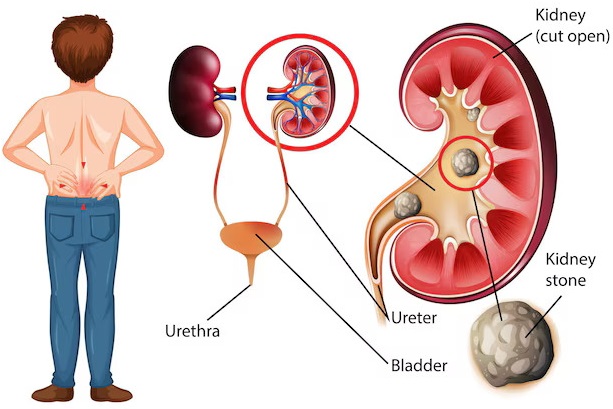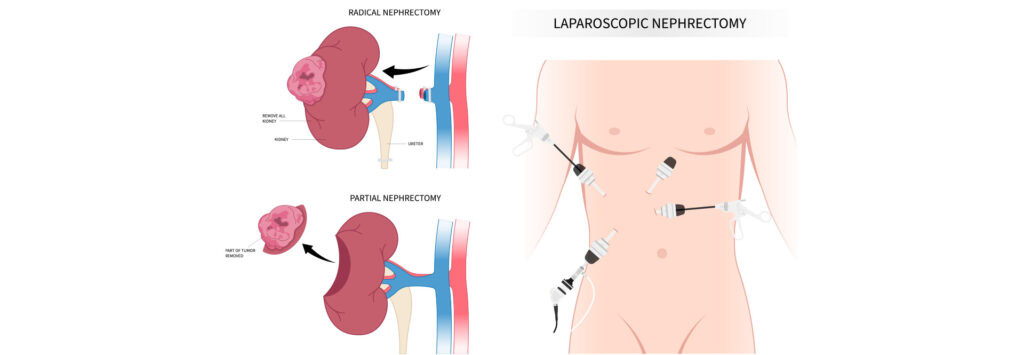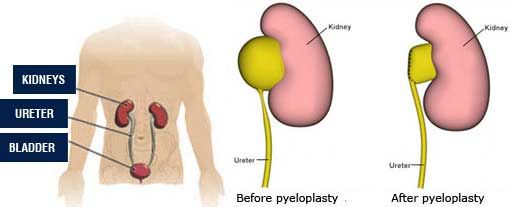

Bladder Stone Removal Surgery is a modern urologic procedure used to remove stones formed inside the urinary bladder. These stones can develop when urine remains in the bladder for long periods, allowing minerals to crystallize and harden. As a result, patients may experience pain, urinary difficulty, infections, and bladder irritation.
Fortunately, advanced surgical techniques now allow safe and effective removal of bladder stones with minimal discomfort and faster recovery. Moreover, modern endoscopic procedures help restore normal bladder function while reducing the risk of future urinary complications.
What is Bladder Stone Removal Surgery?
Understanding the Procedure
Bladder Stone Removal Surgery is a urologic procedure performed to remove stones or mineral deposits from the bladder. Depending on the size, number, and hardness of the stones, surgeons may use minimally invasive endoscopic techniques or, in rare cases, open surgery.
During the procedure, specialized urologic instruments break or extract the stones safely. Consequently, urinary flow improves, bladder irritation decreases, and symptoms gradually resolve.
Why is Bladder Stone Removal Surgery Performed?
Common Medical Indications
This procedure is recommended when bladder stones cause persistent urinary symptoms or complications. In many cases, untreated bladder stones can lead to infections and bladder damage.
Common indications include:
- Pain during urination
- Frequent urination
- Blood in urine
- Difficulty urinating
- Interrupted urine flow
- Recurrent urinary tract infections
- Lower abdominal pain
- Urinary retention
Furthermore, larger stones often require surgical removal because they cannot pass naturally through the urinary tract.
Causes of Bladder Stones
Factors Leading to Stone Formation
Bladder stones usually develop when the bladder does not empty completely. As a result, concentrated urine allows minerals to accumulate and form stones.
Common causes include:
- Enlarged prostate
- Neurogenic bladder
- Urinary tract obstruction
- Chronic urinary infections
- Bladder diverticula
- Foreign bodies in the bladder
- Long-term catheter use
Additionally, dehydration and poor bladder emptying may increase the risk of stone formation.
Symptoms of Bladder Stones
Warning Signs Requiring Medical Attention
Bladder stones can cause mild to severe urinary symptoms depending on their size and location.
Common symptoms include:
- Burning sensation during urination
- Frequent urge to urinate
- Lower abdominal discomfort
- Cloudy urine
- Blood in urine
- Difficulty passing urine
- Interrupted urine stream
- Painful urination
In severe cases, stones may block urine flow completely. Therefore, early medical evaluation is important.
Preoperative Evaluation Before Surgery
Diagnostic Tests and Preparation
Before bladder stone removal surgery, the urologist performs several tests to confirm the diagnosis and evaluate the urinary system.
Common investigations include:
- Physical examination
- Urine analysis
- Blood tests
- Ultrasound imaging
- X-ray or CT scan
- Cystoscopy
- Urine culture
Furthermore, these tests help determine the size, location, and number of bladder stones before surgery.
Types of Bladder Stone Removal Procedures
Modern Surgical Treatment Options
Several surgical techniques are available for bladder stone removal depending on the patient’s condition.
Cystolitholapaxy
In this minimally invasive procedure, a cystoscope is inserted through the urethra to locate the stone. Then, laser, ultrasonic, or mechanical devices break the stone into smaller fragments for removal.
Percutaneous Bladder Stone Removal
For larger stones, surgeons may create a small incision in the lower abdomen to access and remove the stones safely.
Open Bladder Stone Surgery
Although less common today, open surgery may still be required for extremely large bladder stones or complex cases.
How Bladder Stone Removal Surgery is Performed
Step-by-Step Surgical Technique
The procedure is generally performed under spinal or general anesthesia.
Surgical Procedure
- A cystoscope is inserted into the bladder.
- The bladder stones are identified clearly.
- Specialized devices break the stones into smaller pieces.
- Stone fragments are removed carefully.
- The bladder is inspected for residual stones.
- Finally, a temporary catheter may be placed if necessary.
As a result, the urinary tract becomes clear, and bladder function improves significantly.
Advantages of Bladder Stone Removal Surgery
Benefits of Modern Urologic Treatment
Modern bladder stone removal surgery offers several important advantages.
Key benefits include:
- Minimally invasive treatment
- Faster recovery
- Reduced postoperative pain
- Improved urinary flow
- Lower risk of infection
- Minimal tissue damage
- Shorter hospital stay
- Effective symptom relief
Additionally, advanced surgical technology improves precision and patient safety.
Postoperative Recovery and Care
Recovery Guidelines After Surgery
Most patients recover quickly after bladder stone removal surgery. However, mild urinary discomfort or temporary blood in the urine may occur during the initial recovery period.
Important postoperative recommendations include:
- Drink plenty of water
- Take medications as prescribed
- Avoid heavy lifting temporarily
- Maintain proper urinary hygiene
- Attend follow-up appointments
- Monitor urinary symptoms carefully
Furthermore, adequate hydration helps reduce the risk of future stone formation.
Risks and Possible Complications
Understanding Surgical Safety
Although bladder stone removal surgery is generally safe, certain complications may occasionally occur.
Possible risks include:
- Urinary tract infection
- Mild bleeding
- Temporary burning during urination
- Bladder injury
- Residual stone fragments
- Difficulty urinating temporarily
Nevertheless, experienced surgeons and proper postoperative care help minimize these complications significantly.
Importance of Advanced Urologic Instruments
Role of Precision Surgical Equipment
Modern bladder stone surgery relies on advanced endoscopic instruments and visualization systems. Consequently, surgeons can remove stones more safely and effectively.
Commonly used instruments include:
- Cystoscopes
- Laser lithotripsy systems
- Stone retrieval devices
- Endoscopic cameras
- Irrigation systems
- Urologic forceps
Moreover, high-quality surgical equipment improves procedural efficiency and patient outcomes.
Preventing Future Bladder Stones
Maintaining Long-Term Bladder Health
After surgery, lifestyle modifications and proper urinary care can help prevent stone recurrence.
Preventive measures include:
- Drinking adequate fluids
- Treating urinary obstruction early
- Managing prostate enlargement
- Preventing urinary infections
- Following regular medical checkups
- Maintaining healthy bladder habits
Therefore, long-term bladder care remains essential after treatment.
Conclusion
Effective Surgical Solution for Bladder Stones
Bladder Stone Removal Surgery is a modern and effective urologic procedure designed to safely remove bladder stones and restore healthy urinary function. By using minimally invasive surgical techniques and advanced urologic instruments, surgeons can achieve excellent outcomes with faster recovery and minimal discomfort.
Furthermore, early diagnosis and timely treatment help prevent serious urinary complications and improve overall bladder health. Therefore, bladder stone removal surgery remains a highly reliable treatment option for managing bladder stones safely and effectively.
Get Connected:
+91 79909 93062 | +91 63513 72032 | exports@jdmeditech.com