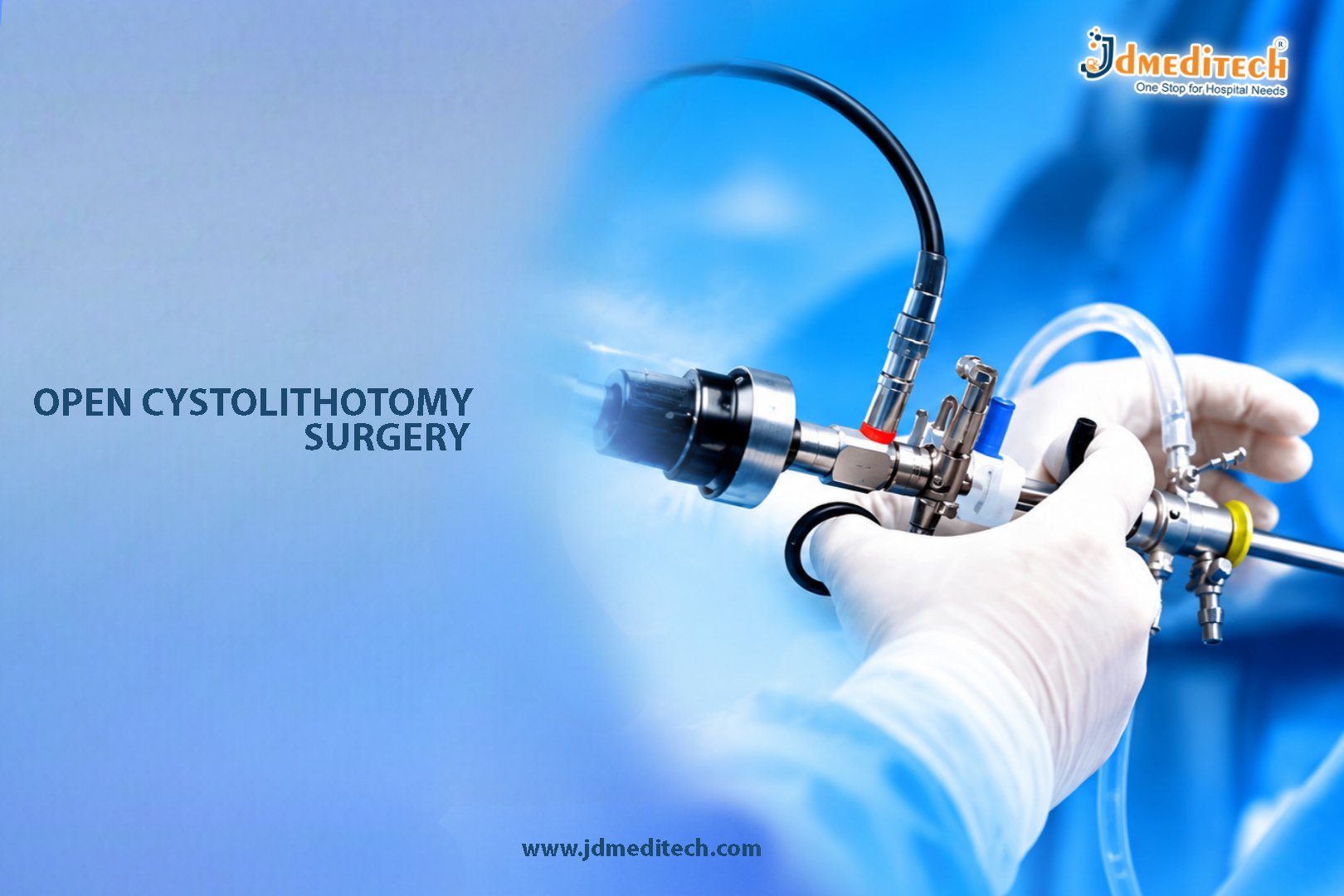
Open Cystolithotomy Surgery is a traditional yet highly effective urologic procedure used to remove large or complex bladder stones directly from the urinary bladder. Although minimally invasive techniques are commonly preferred today, open cystolithotomy still plays an important role in treating difficult bladder stone cases. In particular, this procedure is beneficial for patients with very large stones, multiple stones, or associated bladder abnormalities.
Moreover, open surgery allows surgeons to remove stones completely under direct visualization. As a result, patients often experience significant relief from urinary obstruction, pain, recurrent infections, and bladder irritation. Furthermore, advancements in surgical techniques and postoperative care have improved patient safety, recovery, and long-term outcomes.
What is Open Cystolithotomy Surgery?
Understanding the Procedure
Open Cystolithotomy Surgery is a surgical procedure in which the bladder is opened through a controlled lower abdominal incision to remove bladder stones directly. Unlike endoscopic procedures, this approach provides surgeons with full access to the bladder and surrounding structures.
Therefore, open cystolithotomy is especially useful when stones are too large, too hard, or too numerous for minimally invasive treatment. In addition, surgeons can address associated bladder problems during the same operation if necessary.
Why is Open Cystolithotomy Surgery Performed?
Common Medical Indications
This surgery is usually recommended when less invasive treatments are not suitable or have failed. Consequently, open cystolithotomy becomes the preferred option for complex bladder stone management.
Common indications include:
- Large bladder stones
- Multiple bladder stones
- Extremely hard bladder stones
- Bladder outlet obstruction
- Enlarged prostate associated with bladder stones
- Bladder diverticula
- Failed endoscopic stone removal
- Structural bladder abnormalities
Furthermore, patients with recurrent stone formation may also require direct surgical treatment for long-term symptom relief.
Causes of Large and Complex Bladder Stones
Factors Contributing to Stone Formation
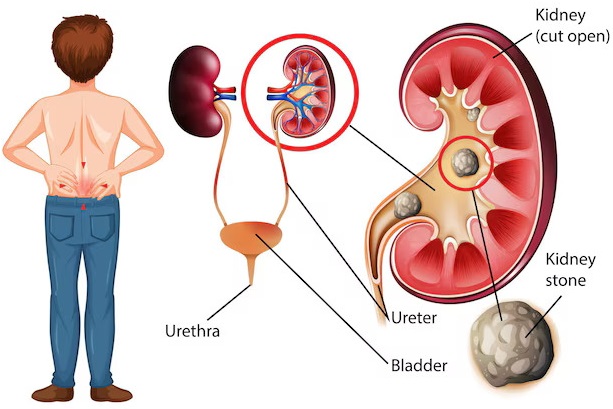
Bladder stones generally develop when urine remains inside the bladder for prolonged periods. Consequently, minerals present in the urine begin to crystallize and gradually form stones.
Several conditions may contribute to bladder stone formation, including:
- Enlarged prostate
- Chronic urinary retention
- Neurogenic bladder disorders
- Recurrent urinary tract infections
- Long-term catheter use
- Bladder obstruction
- Poor bladder emptying
- Foreign bodies inside the bladder
Additionally, dehydration and delayed medical treatment may further increase the risk of large stone formation.
Symptoms of Bladder Stones
Warning Signs Requiring Surgical Evaluation
Patients with large bladder stones often develop severe urinary symptoms that progressively worsen over time. Initially, symptoms may appear mild; however, they can become more serious if left untreated.
Common symptoms include:
- Painful urination
- Frequent urination
- Difficulty passing urine
- Blood in urine
- Interrupted urine flow
- Lower abdominal pain
- Recurrent urinary infections
- Urinary retention
In severe situations, bladder stones may completely obstruct urine flow. Therefore, early diagnosis and timely treatment are extremely important.
Preoperative Evaluation Before Surgery
Diagnostic Tests and Surgical Planning
Before performing open cystolithotomy surgery, the urologist conducts detailed evaluations to confirm the diagnosis and assess the patient’s overall urinary health. Moreover, these investigations help surgeons plan the safest and most effective surgical approach.
Common investigations include:
- Physical examination
- Urine analysis
- Blood investigations
- Ultrasound imaging
- X-ray or CT scan
- Cystoscopy
- Urine culture
Furthermore, imaging studies help determine the exact size, number, and location of bladder stones before surgery.
How Open Cystolithotomy Surgery is Performed
Step-by-Step Surgical Technique
The procedure is generally performed under general or spinal anesthesia. First, the surgical area is carefully prepared and sterilized. Then, the surgeon makes a controlled incision in the lower abdomen to access the bladder directly.
Surgical Procedure
- The lower abdominal region is prepared surgically.
- A precise incision is made above the bladder.
- The bladder is carefully opened.
- Bladder stones are identified and removed directly.
- The bladder is inspected thoroughly for residual stones.
- Any associated bladder abnormalities may also be treated.
- The bladder and abdominal incision are closed securely.
- Finally, a urinary catheter is placed temporarily for drainage.
As a result, complete stone removal can be achieved safely and effectively.
Advantages of Open Cystolithotomy Surgery
Benefits of Direct Surgical Stone Removal
Although minimally invasive procedures are increasingly popular, open cystolithotomy surgery still offers several important advantages in selected cases.
Major benefits include:
- Direct removal of large stones
- Complete stone clearance
- Effective treatment for complex conditions
- Ability to repair associated bladder problems
- Reduced risk of residual stone fragments
- Reliable long-term outcomes
Additionally, surgeons can directly inspect the bladder lining during the procedure, which may help identify other abnormalities early.
Postoperative Recovery and Care
Recovery Guidelines After Surgery
Recovery after open cystolithotomy surgery may require more time compared to minimally invasive procedures. However, proper postoperative care significantly improves healing and recovery outcomes.
Important recovery recommendations include:
- Drink adequate fluids daily
- Follow catheter care instructions carefully
- Avoid heavy lifting temporarily
- Take prescribed medications regularly
- Maintain proper wound hygiene
- Attend scheduled follow-up appointments
Furthermore, patients should monitor urinary symptoms closely during recovery to ensure proper healing.
Risks and Possible Complications
Understanding Surgical Safety
Although open cystolithotomy surgery is generally considered safe, certain complications may occasionally occur. Nevertheless, experienced surgical teams and modern medical care help reduce these risks considerably.
Possible complications include:
- Bleeding
- Urinary tract infection
- Wound infection
- Temporary urinary discomfort
- Bladder leakage
- Blood clot formation
- Delayed wound healing
Therefore, careful postoperative monitoring and regular medical follow-up are essential.
Importance of Advanced Surgical Instruments
Role of Precision Urologic Equipment
Modern open bladder stone surgery depends heavily on advanced surgical instruments and precision urologic equipment. Consequently, surgeons can perform procedures more safely and efficiently.
Commonly used instruments include:
- Surgical retractors
- Suction irrigation systems
- Electrosurgical units
- Urologic forceps
- Stone extraction instruments
- Bladder drainage catheters
Moreover, high-quality surgical systems improve visualization, surgical accuracy, and patient safety throughout the procedure.
Preventing Future Bladder Stones
Maintaining Long-Term Bladder Health
After surgery, patients should focus on preventing future bladder stone formation through proper urinary care and healthy lifestyle habits. In addition, treating underlying urinary problems plays a major role in preventing recurrence.
Preventive measures include:
- Drinking sufficient water
- Treating urinary obstruction early
- Managing prostate enlargement properly
- Preventing urinary infections
- Emptying the bladder completely
- Attending regular medical checkups
Therefore, long-term bladder care is extremely important for maintaining urinary health.
Conclusion
Reliable Surgical Treatment for Complex Bladder Stones
Open Cystolithotomy Surgery remains a reliable and highly effective treatment option for large and complex bladder stones that cannot be treated successfully with minimally invasive techniques. By providing direct surgical access to the bladder, the procedure ensures complete stone removal and long-term symptom relief.
Furthermore, advancements in surgical technology, precision instruments, and postoperative care continue to improve patient safety and recovery outcomes. Therefore, open cystolithotomy surgery remains an essential solution for managing difficult bladder stone cases effectively.
Get Connected:
+91 79909 93062 | +91 63513 72032 | exports@jdmeditech.com