
Partial Cystectomy Surgery is an advanced bladder-preserving surgical procedure used to remove a diseased or cancerous portion of the bladder while preserving the remaining healthy bladder tissue. Unlike radical cystectomy, which involves complete bladder removal, partial cystectomy allows patients to maintain natural urinary function whenever possible.
Moreover, this procedure is commonly recommended for carefully selected patients with localized bladder tumors or specific bladder abnormalities. As a result, patients may achieve effective disease management while maintaining better quality of life and urinary control. Furthermore, modern surgical techniques and precision urologic instruments have significantly improved surgical safety, recovery, and long-term outcomes.
What is Partial Cystectomy Surgery?
Understanding the Procedure
Partial Cystectomy Surgery is a reconstructive urologic procedure in which surgeons remove only the affected section of the bladder instead of removing the entire organ. During the operation, the remaining healthy bladder tissue is preserved and reconstructed to maintain bladder function.
Consequently, patients may continue to store and pass urine naturally after recovery. In addition, bladder preservation helps reduce the physical and psychological impact associated with complete bladder removal.
Why is Partial Cystectomy Surgery Performed?
Common Medical Indications
Partial cystectomy is typically performed for patients with localized bladder conditions that can be safely treated without complete bladder removal. However, careful patient selection is essential for successful outcomes.
Common indications include:
- Localized bladder cancer
- Solitary bladder tumors
- Benign bladder tumors
- Bladder diverticulum containing tumors
- Certain congenital bladder abnormalities
- Traumatic bladder injury
- Selected inflammatory bladder conditions
Furthermore, surgeons may recommend this procedure when the tumor is located away from critical bladder structures such as the bladder neck and ureteric openings.
Conditions That May Require Partial Cystectomy
Understanding Bladder Disorders
Several bladder conditions may require surgical treatment while still allowing bladder preservation.
These conditions may include:
- Early-stage invasive bladder cancer
- Urachal tumors
- Bladder wall abnormalities
- Localized bladder damage
- Non-responsive benign bladder lesions
Additionally, early diagnosis improves the possibility of successful bladder-preserving surgery.
Symptoms Associated with Bladder Disorders
Warning Signs Requiring Medical Evaluation
Patients with bladder conditions requiring surgery may experience multiple urinary symptoms. Initially, symptoms may appear mild; however, they can gradually worsen over time.
Common symptoms include:
- Blood in urine
- Frequent urination
- Painful urination
- Pelvic pain
- Difficulty urinating
- Urinary urgency
- Recurrent urinary infections
Therefore, patients experiencing persistent urinary symptoms should seek prompt urologic evaluation.
Preoperative Evaluation Before Surgery
Diagnostic Tests and Surgical Planning
Before performing partial cystectomy surgery, the urologist conducts detailed investigations to evaluate bladder health, tumor location, and overall patient condition.
Common evaluations include:
- Physical examination
- Urine analysis
- Blood investigations
- Cystoscopy
- Bladder biopsy
- CT scan or MRI
- Ultrasound imaging
Furthermore, imaging studies help surgeons determine whether bladder preservation is feasible and safe.
How Partial Cystectomy Surgery is Performed
Step-by-Step Surgical Technique
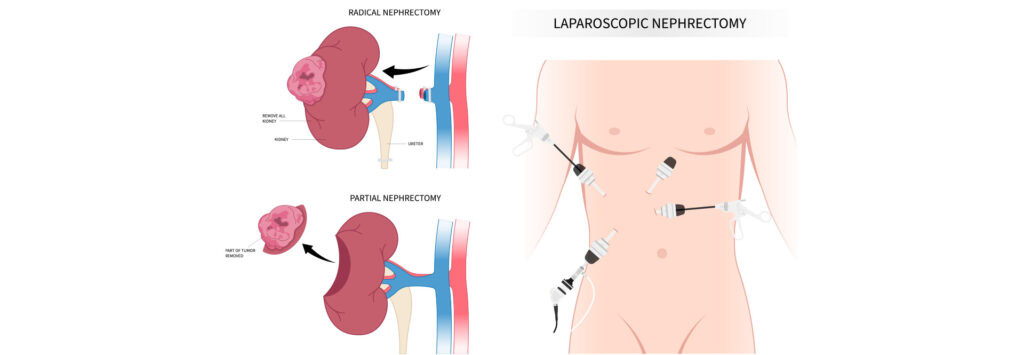
Partial cystectomy surgery is usually performed under general anesthesia. First, the surgeon accesses the bladder through an open, laparoscopic, or robotic-assisted approach depending on the patient’s condition.
Surgical Procedure
- The patient is placed under anesthesia.
- The bladder is surgically exposed.
- The diseased portion of the bladder is identified carefully.
- The affected bladder tissue and surrounding margin are removed.
- The remaining bladder is reconstructed securely.
- Nearby lymph nodes may also be evaluated if necessary.
- Finally, urinary drainage catheters are placed temporarily.
As a result, the diseased tissue is removed while preserving healthy bladder function whenever possible.
Types of Partial Cystectomy Surgery
Surgical Approaches Used in Modern Urology
Several surgical techniques may be used based on the patient’s condition and surgeon preference.
Open Partial Cystectomy
This traditional approach involves a lower abdominal incision to access the bladder directly.
Laparoscopic Partial Cystectomy
In this minimally invasive approach, surgeons use small incisions and specialized instruments for surgery.
Robotic-Assisted Partial Cystectomy
Robotic systems provide enhanced precision, improved visualization, and greater surgical control during bladder reconstruction.
Consequently, minimally invasive approaches may reduce postoperative discomfort and recovery time.
Advantages of Partial Cystectomy Surgery
Benefits of Bladder Preservation
Partial cystectomy offers several important advantages for selected patients.
Major benefits include:
- Preservation of natural bladder function
- Better urinary control
- Improved quality of life
- Reduced psychological impact
- Avoidance of complete urinary diversion
- Effective treatment for localized disease
Additionally, preserving part of the bladder may help patients maintain more normal daily activities after recovery.
Postoperative Recovery and Care
Recovery Guidelines After Surgery
Recovery after partial cystectomy surgery varies depending on the surgical approach and patient health. However, proper postoperative care significantly improves healing and long-term outcomes.
Important recovery recommendations include:
- Maintain adequate hydration
- Follow catheter care instructions
- Avoid strenuous activities temporarily
- Take prescribed medications regularly
- Attend follow-up appointments
- Monitor urinary symptoms carefully
Furthermore, patients should follow dietary and activity recommendations provided by their healthcare team.
Risks and Possible Complications
Understanding Surgical Safety
Although partial cystectomy surgery is generally safe, certain risks and complications may occasionally occur. Nevertheless, experienced surgeons and advanced surgical techniques help minimize these complications.
Possible complications include:
- Bleeding
- Urinary tract infection
- Urinary leakage
- Blood clots
- Bladder irritation
- Temporary urinary dysfunction
- Tumor recurrence in some cases
Therefore, long-term monitoring remains essential after surgery.
Importance of Advanced Urologic Instruments
Role of Precision Surgical Equipment
Modern bladder-preserving surgery relies heavily on advanced urologic instruments and surgical technologies. Consequently, surgeons can perform more accurate tissue removal and reconstruction.
Commonly used equipment includes:
- Cystoscopic systems
- Laparoscopic instruments
- Robotic surgical systems
- Electrosurgical units
- Surgical stapling devices
- Precision suturing instruments
Moreover, high-quality surgical equipment improves safety, efficiency, and clinical outcomes.
Long-Term Outcomes of Partial Cystectomy Surgery
Improving Patient Quality of Life
Many patients experience positive long-term outcomes after partial cystectomy surgery. In particular, preserving bladder function contributes significantly to patient comfort and independence.
Long-term benefits may include:
- Better urinary function
- Improved daily activities
- Effective disease management
- Reduced urinary complications
- Enhanced quality of life
Furthermore, regular cystoscopic follow-up helps detect recurrence early and maintain long-term bladder health.
Who is a Suitable Candidate for Partial Cystectomy?
Patient Selection Criteria
Not every bladder condition can be treated with bladder-preserving surgery. Therefore, careful patient selection is extremely important.
Suitable candidates may include patients with:
- Single localized bladder tumors
- Tumors away from critical bladder areas
- Good overall bladder function
- No widespread bladder disease
- Adequate general health for surgery
Additionally, surgeons evaluate overall cancer stage and bladder capacity before recommending the procedure.
Conclusion
Advanced Bladder-Preserving Surgical Solution
Partial Cystectomy Surgery is an advanced and effective bladder-preserving procedure used to treat selected bladder conditions while maintaining natural urinary function. By removing only the affected portion of the bladder, surgeons can achieve effective disease control with improved quality of life and reduced impact on daily living.
Furthermore, advancements in minimally invasive surgery, robotic technology, and precision urologic instruments continue to improve patient safety and long-term surgical outcomes. Therefore, partial cystectomy remains an important treatment option for carefully selected patients requiring bladder preservation.
Get Connected:
+91 79909 93062 | +91 63513 72032 | exports@jdmeditech.com