
Trans Radial Sheath – Precision Tool for Interventional Cardiology

In modern interventional cardiology, precision and patient safety are critical. The Trans Radial Sheath has become an essential device for achieving safe and effective vascular access through the radial artery. Compared to traditional femoral access, the transradial approach offers improved patient comfort, reduced complications, and faster recovery.

This blog explores the features, benefits, applications, and clinical importance of the Trans Radial Sheath, making it a trusted solution for stable catheterization procedures.

What is a Trans Radial Sheath?

A Trans Radial Sheath is a medical device used to facilitate vascular access via the radial artery, typically located in the wrist. It acts as a conduit for guiding catheters, wires, and interventional devices during diagnostic and therapeutic procedures.

Moreover, the sheath ensures smooth insertion and withdrawal of instruments while maintaining hemostasis and minimizing trauma to the artery.

Key Features of Trans Radial Sheath
1. Secure Fit Design

The Trans Radial Sheath is engineered to provide a snug and stable fit within the radial artery. As a result, it reduces movement during procedures and ensures precise catheter navigation.

2. Hydrophilic Coating

Additionally, many sheaths feature a hydrophilic coating, which significantly reduces friction. This enhances patient comfort and allows smoother insertion.

3. Thin-Walled Construction

The thin-wall design maximizes the internal lumen while minimizing the external diameter. Therefore, it reduces vascular trauma and improves blood flow around the sheath.

4. Integrated Hemostasis Valve

The built-in valve prevents blood backflow and maintains a clean working environment. Consequently, it enhances procedural safety.

5. Radiopaque Markers

Radiopaque markers ensure excellent visibility under fluoroscopy. This helps clinicians accurately position the Trans Radial Sheath during interventions.

Advantages of Using Trans Radial Sheath
Improved Patient Comfort

Since the procedure is performed through the wrist, patients experience less discomfort compared to femoral access.

Reduced Risk of Complications

The Trans Radial Sheath significantly lowers the risk of bleeding and vascular complications. Furthermore, it minimizes the chances of major access-site complications.

Faster Recovery Time

Patients can sit up and walk soon after the procedure. Therefore, hospital stays are shorter, and recovery is quicker.

Enhanced Procedural Control

The stable positioning of the Trans Radial Sheath allows clinicians to perform procedures with greater precision and confidence.

Clinical Applications

The Trans Radial Sheath is widely used in various cardiovascular procedures, including:

  • Coronary angiography
  • Percutaneous coronary intervention (PCI)
  • Diagnostic catheterization
  • Peripheral vascular interventions

Because of its versatility, it has become the preferred choice in many cardiac catheterization labs.

Why Choose Trans Radial Access Over Femoral Access?

While femoral access has been traditionally used, the transradial approach offers several advantages:

  • Lower bleeding risk
  • Better patient mobility
  • Reduced hospital costs
  • Higher patient satisfaction

As a result, the Trans Radial Sheath is increasingly becoming the standard in interventional cardiology.

Safety and Efficiency Combined

The design of the Trans Radial Sheath focuses on both safety and efficiency. Its advanced features reduce procedural risks while ensuring smooth catheter handling.

In addition, the sheath supports complex interventions without compromising stability or control. This balance makes it indispensable in modern medical practice.

Best Practices for Using Trans Radial Sheath

To achieve optimal outcomes, clinicians should follow these practices:

  • Select the appropriate sheath size
  • Ensure proper insertion technique
  • Monitor arterial flow and patient comfort
  • Use anticoagulation protocols when necessary

By following these guidelines, the effectiveness of the Trans Radial Sheath can be maximized.

Conclusion

The Trans Radial Sheath represents a significant advancement in vascular access technology. Its secure fit, patient-friendly design, and enhanced safety profile make it a preferred choice for catheterization procedures.

As healthcare continues to evolve toward minimally invasive solutions, the Trans Radial Sheath plays a crucial role in delivering better clinical outcomes and improved patient experiences.


Explore More Product >>

Get Connected:

+91 79909 93062 | +91 63513 72032 | exports@jdmeditech.com


Precision Rigid Nephroscope – Optimized for PCNL Procedures

In modern urology, precision and efficiency are critical for successful outcomes. The Rigid Nephroscope plays a vital role in minimally invasive kidney procedures, especially during Percutaneous Nephrolithotomy (PCNL). Designed for accurate visualization and controlled navigation, this advanced instrument ensures effective stone removal while minimizing patient trauma.

As kidney stone cases continue to rise globally, the demand for reliable surgical tools like the Rigid Nephroscope is growing rapidly. Therefore, understanding its features, benefits, and applications becomes essential for healthcare providers.

What is a Rigid Nephroscope?

A Rigid Nephroscope is a specialized endoscopic instrument used in urology to access and visualize the kidney through a small incision in the back. It is primarily used during PCNL procedures to locate, fragment, and remove kidney stones.

Unlike flexible scopes, the rigid design provides enhanced stability, superior optics, and better control, making it ideal for complex stone removal procedures.

Key Features of Rigid Nephroscope
1. High-Definition Visualization

The Rigid Nephroscope offers excellent optical clarity. As a result, surgeons can clearly identify kidney stones and surrounding anatomy, ensuring precise treatment.

2. Durable Stainless Steel Construction

Manufactured from high-quality medical-grade materials, the instrument ensures long-lasting durability and resistance to repeated sterilization cycles.

3. Ergonomic Design

The lightweight and ergonomic design enhances surgeon comfort. Consequently, it allows better handling during lengthy procedures.

4. Wide Working Channel

A well-designed working channel facilitates the easy insertion of instruments such as graspers, lithotripters, and forceps.

5. Compatibility with Lithotripsy Devices

The Rigid Nephroscope supports multiple lithotripsy technologies, including ultrasonic, pneumatic, and laser systems, enabling efficient stone fragmentation.

Applications of Rigid Nephroscope

The Rigid Nephroscope is widely used in urological procedures, including:

  • Percutaneous Nephrolithotomy (PCNL)
  • Kidney stone fragmentation and removal
  • Diagnosis of renal abnormalities
  • Management of large or complex renal calculi

Moreover, its rigid structure allows for better access to large stones, making it indispensable in advanced urology setups.

Benefits of Using Rigid Nephroscope
1. Enhanced Surgical Precision

The rigid design ensures controlled movement. Therefore, surgeons can perform procedures with greater accuracy.

2. Improved Stone Clearance Rate

Because of its compatibility with advanced lithotripsy devices, the Rigid Nephroscope allows faster and more effective stone removal.

3. Reduced Procedure Time

Efficient navigation and clear visualization significantly reduce operative time.

4. Minimally Invasive Approach

Despite being rigid, the instrument supports minimally invasive techniques, resulting in less pain and quicker recovery for patients.

5. Reliable Performance

The robust construction ensures consistent performance across multiple procedures.

Why Choose a High-Quality Rigid Nephroscope?

Selecting a premium Rigid Nephroscope is crucial for achieving optimal surgical outcomes. High-quality instruments offer:

  • Superior optics for clear visualization
  • Enhanced durability for long-term use
  • Better compatibility with surgical accessories
  • Increased safety and efficiency during procedures

For healthcare providers, investing in reliable equipment directly impacts patient care and surgical success rates.

Maintenance and Sterilization

Proper maintenance of the Rigid Nephroscope is essential for longevity and safety. It should be:

  • Thoroughly cleaned after each procedure
  • Sterilized using recommended methods
  • Inspected regularly for wear and tear

Following these practices ensures consistent performance and reduces the risk of infection.

Conclusion

The Rigid Nephroscope is a cornerstone instrument in modern urology, particularly for efficient lithotripsy and kidney stone management. With its superior visualization, ergonomic design, and compatibility with advanced technologies, it significantly enhances surgical precision and patient outcomes.

As minimally invasive procedures continue to evolve, the importance of reliable tools like the Rigid Nephroscope cannot be overstated. Choosing a high-quality device ensures better efficiency, safety, and long-term value for healthcare facilities


Explore More Product >>

Get Connected:

+91 79909 93062 | +91 63513 72032 | exports@jdmeditech.com
Esophageal Metal Stents for Dysphagia Relief | Advanced GI Care

Esophageal Metal Stents play a crucial role in modern gastroenterology. They help restore swallowing in patients with esophageal blockage. Many patients suffer from dysphagia due to strictures or tumors. Therefore, doctors widely use Esophageal Metal Stents to improve patient comfort.

Moreover, these stents offer a minimally invasive solution. As a result, patients recover faster and experience fewer complications. In addition, Esophageal Metal Stents significantly enhance overall patient care.

What Are Esophageal Metal Stents?

Esophageal Metal Stents are self-expanding devices used to open narrowed sections of the esophagus. Doctors place them using endoscopic guidance. Consequently, the procedure avoids major surgery.

These stents are usually made from nitinol. This material provides flexibility and strength. Furthermore, Esophageal Metal Stents expand automatically after placement. This expansion restores the natural passage for food.

Key Features of Esophageal Metal Stents

Several features make Esophageal Metal Stents highly reliable. First, they offer a strong radial force. Therefore, they keep the esophagus open effectively.

Additionally, they include:

  • Self-expanding design for accurate deployment
  • Flexible structure for better positioning
  • Biocompatible material for patient safety
  • Covered and uncovered variants
  • Anti-migration design for stability

Because of these features, Esophageal Metal Stents deliver consistent clinical performance.

Clinical Uses of Esophageal Metal Stents

Doctors use Esophageal Metal Stents in multiple conditions. Each use improves patient outcomes.

Esophageal Metal Stents for Cancer Patients

Patients with esophageal cancer often face severe swallowing issues. In such cases, Esophageal Metal Stents provide immediate relief. As a result, patients can eat and drink more comfortably.

Esophageal Metal Stents for Benign Strictures

Benign strictures can narrow the esophagus over time. However, Esophageal Metal Stents help maintain the lumen. Therefore, they reduce the need for repeated procedures.

Esophageal Metal Stents for Fistula Management

Doctors use Esophageal Metal Stents to seal tracheoesophageal fistulas. Consequently, they prevent aspiration and improve safety.

Esophageal Metal Stents for Post-Surgical Support

After surgery, complications may occur. For instance, leaks or narrowing can develop. In these cases, Esophageal Metal Stents support healing effectively.

Benefits of Esophageal Metal Stents

Esophageal Metal Stents provide several important benefits. First, they offer immediate symptom relief. Patients can swallow within a short time.

Moreover, they ensure:

  • Minimally invasive treatment
  • Short hospital stay
  • Faster recovery
  • Improved nutrition intake
  • Better quality of life

In addition, Esophageal Metal Stents reduce repeat interventions. Therefore, they lower overall treatment costs.

Procedure for Esophageal Metal Stents Placement

Doctors perform the placement of Esophageal Metal Stents under endoscopic guidance. First, they locate the narrowed area. Then, they position the stent carefully.

After that, the stent expands automatically. This expansion opens the blocked section. As a result, Esophageal Metal Stents restore normal swallowing quickly.

Types of Esophageal Metal Stents

Different types of Esophageal Metal Stents meet various clinical needs.

  • Fully Covered Stents – Prevent tissue ingrowth and allow removal
  • Partially Covered Stents – Provide balance between flexibility and grip
  • Uncovered Stents – Allow tissue integration for long-term use

Therefore, doctors select Esophageal Metal Stents based on patient condition.

Why Choose High-Quality Esophageal Metal Stents?

Quality plays a vital role in treatment success. High-grade Esophageal Metal Stents ensure better outcomes.

They offer:

  • High durability
  • Reliable expansion
  • Reduced migration risk
  • Enhanced patient safety

At JDMeditech, we deliver premium Esophageal Metal Stents that meet global standards. In addition, our products ensure consistent performance in clinical settings.

Conclusion 

In conclusion, Esophageal Metal Stents provide an effective solution for esophageal disorders. They restore swallowing and improve patient comfort. Moreover, they reduce complications and recovery time.

As healthcare advances, Esophageal Metal Stents continue to play a key role. Therefore, they remain essential in modern treatment strategies.


Explore More Product >>

Get Connected:

+91 79909 93062 | +91 63513 72032 | exports@jdmeditech.com
 

Best Coronary Control Syringe for High-Pressure Accuracy in Cardiac Procedures

In modern cardiology, precision and control are critical during coronary procedures. The Coronary Control Syringe plays a vital role in ensuring accurate contrast injection and pressure management during angiography and angioplasty. Designed for high-pressure performance, this device enhances procedural safety and diagnostic clarity.

In this blog, we will explore the features, benefits, and applications of the Coronary Control Syringe, and understand why it is an essential tool in coronary interventions.

What is a Coronary Control Syringe?

A Coronary Control Syringe is a specialized medical device used in interventional cardiology to inject contrast media into coronary arteries. It allows clinicians to maintain controlled pressure and precise delivery during diagnostic and therapeutic procedures.

Unlike standard syringes, the Coronary Control Syringe is engineered to withstand high pressure while offering smooth and consistent operation.

Key Features of Coronary Control Syringe
1. High-Pressure Resistance

The Coronary Control Syringe is built to handle high-pressure injections required during coronary angiography. This ensures safe and efficient delivery of contrast media.

2. Ergonomic Design

The device features an easy-to-hold design. As a result, clinicians can maintain better control during procedures.

3. Smooth Plunger Movement

A smooth plunger mechanism ensures consistent flow. Therefore, it minimizes the risk of sudden pressure changes.

4. Transparent Barrel

The transparent body allows clear visualization of contrast media. This improves accuracy during injection.

5. Secure Connection

The Coronary Control Syringe comes with a secure luer lock connection. Consequently, it prevents leakage and ensures stability.

Applications in Coronary Interventions

The Coronary Control Syringe is widely used in various cardiac procedures. These include:

  • Coronary Angiography
  • Percutaneous Coronary Intervention (PCI)
  • Balloon Angioplasty
  • Stent Placement Procedures

During these procedures, precise contrast delivery is crucial. Therefore, the Coronary Control Syringe becomes indispensable.

Benefits of Using Coronary Control Syringe
Enhanced Accuracy

The Coronary Control Syringe ensures precise contrast injection. As a result, it improves imaging quality and diagnosis.

Improved Safety

Controlled pressure reduces the risk of vessel damage. Thus, patient safety is enhanced.

Better Procedural Control

Clinicians gain better handling and control. Consequently, procedures become more efficient.

Reliable Performance

The device performs consistently under high pressure. Therefore, it is trusted in critical cardiac procedures.

Why Choose a High-Quality Coronary Control Syringe?

Choosing a high-quality Coronary Control Syringe is essential for achieving optimal clinical outcomes. A well-designed syringe ensures:

  • Consistent pressure delivery
  • Reduced risk of complications
  • Enhanced procedural efficiency

At JDMeditech, we provide premium-quality coronary devices designed to meet international standards and support advanced cardiac care.

Maintenance and Handling Tips

To ensure optimal performance of the Coronary Control Syringe, follow these tips:

  • Always check for defects before use
  • Use sterile techniques during procedures
  • Avoid exceeding recommended pressure limits
  • Dispose of single-use syringes properly

Proper handling not only improves performance but also ensures patient safety.

Conclusion

The Coronary Control Syringe is a crucial component in coronary interventions. Its ability to deliver high-pressure accuracy makes it indispensable in modern cardiology. With features like ergonomic design, smooth operation, and reliable performance, it significantly enhances both safety and efficiency.

As cardiac procedures continue to evolve, the importance of high-quality tools like the Coronary Control Syringe becomes even more evident.


Explore More Product >>

Get Connected:

+91 79909 93062 | +91 63513 72032 | exports@jdmeditech.com
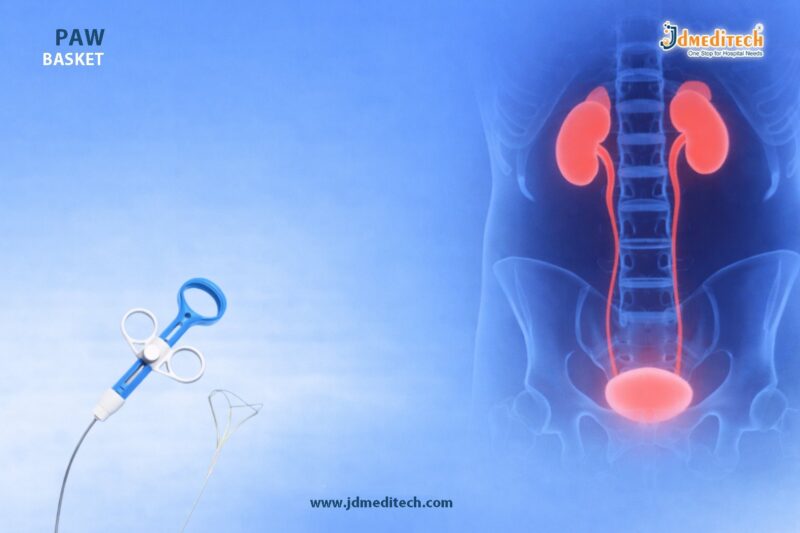


Mini PCNL Sheath for Safer and Faster Kidney Stone Surgery

Kidney stones are a common yet painful condition that often requires medical treatment. However, with advancements in urology, minimally invasive solutions have become the preferred choice. Among these innovations, the Mini PCNL Sheath stands out as a highly effective tool.

The Mini PCNL Sheath plays a vital role in modern kidney stone removal procedures. It not only improves surgical precision but also reduces patient discomfort. Moreover, it supports faster recovery, making it an essential device in today’s urological practice.

What is a Mini PCNL Sheath?

A Mini PCNL Sheath is a specialized medical device used during Mini Percutaneous Nephrolithotomy procedures. It helps create a controlled pathway to access kidney stones.

Unlike traditional systems, the Mini PCNL Sheath features a smaller diameter. As a result, it reduces tissue damage and enhances patient safety. Therefore, it is widely used in minimally invasive kidney stone removal.

Why Mini PCNL is Preferred

Today, urologists increasingly choose Mini PCNL techniques. The Mini PCNL Sheath is a key reason behind this shift.

Key Benefits:
  • First, it reduces surgical trauma
  • In addition, it minimizes bleeding
  • Furthermore, it shortens hospital stay
  • Also, it improves patient comfort
  • Finally, it enables faster recovery

Because of these advantages, the Mini PCNL Sheath has become a trusted solution in urology.

Key Features of Mini PCNL Sheath

The Mini PCNL Sheath is designed to deliver precision and efficiency. In addition, it supports safe and smooth procedures.

1. Smaller Diameter

The compact size of the Mini PCNL Sheath ensures minimal invasion. Therefore, it reduces damage to surrounding tissues.

2. Smooth Surface

A polished surface allows easy insertion. As a result, the Mini PCNL Sheath minimizes friction and improves patient safety.

3. High-Quality Material

The Mini PCNL Sheath is made from medical-grade materials. Hence, it ensures durability and sterility.

4. Efficient Irrigation

It supports continuous fluid flow. Consequently, the Mini PCNL Sheath improves visibility during surgery.

5. Wide Compatibility

It works with various nephroscopes and instruments. Therefore, the Mini PCNL Sheath offers flexibility in procedures.

Clinical Applications

The Mini PCNL Sheath is widely used in several urological procedures. In particular, it is ideal for:

  • Moderate-sized kidney stone removal
  • Pediatric urology procedures
  • Cases requiring minimal trauma
  • Complex renal stone management

Thus, the Mini PCNL Sheath is suitable for both routine and advanced cases.

Advantages of Mini PCNL Sheath
1. Minimally Invasive

The Mini PCNL Sheath reduces incision size. Therefore, it decreases postoperative pain.

2. Improved Safety

It allows controlled access. As a result, the Mini PCNL Sheath lowers complication risks.

3. Faster Recovery

Patients heal quickly. Hence, the Mini PCNL Sheath supports early discharge.

4. Reduced Hospital Stay

Shorter procedures lead to quicker discharge. Therefore, the Mini PCNL Sheath improves hospital efficiency.

5. Better Outcomes

The Mini PCNL Sheath ensures precise stone removal. Consequently, it delivers high success rates.

Mini PCNL vs Standard PCNL
Feature Mini PCNL Standard PCNL
Incision Smaller Larger
Trauma Minimal Higher
Recovery Faster Slower
Bleeding Less More
Comfort High Moderate

Clearly, the Mini PCNL Sheath plays a major role in improving patient outcomes.

Procedure Overview

The procedure using a Mini PCNL Sheath is simple and effective.

  1. First, a small incision is made
  2. Next, the Mini PCNL Sheath is inserted
  3. Then, a nephroscope is introduced
  4. After that, stones are fragmented
  5. Finally, fragments are removed

Thus, the Mini PCNL Sheath ensures a smooth and controlled procedure.

Quality Considerations

Choosing the right Mini PCNL Sheath is essential. Therefore, consider the following:

  • Sterile and safe design
  • High-quality materials
  • Smooth finishing
  • Equipment compatibility

A reliable Mini PCNL Sheath ensures better performance and patient safety.

Future of Mini PCNL Sheath

Minimally invasive techniques continue to evolve. The Mini PCNL Sheath will play an even bigger role in the future.

As technology advances, the Mini PCNL Sheath will offer improved precision and efficiency. Therefore, it remains a key innovation in urology.

Conclusion

In conclusion, the Mini PCNL Sheath has transformed kidney stone treatment. It offers a minimally invasive, safe, and effective solution.

Moreover, the Mini PCNL Sheath improves patient comfort and surgical outcomes. Therefore, it is an essential tool for modern urological procedures.


Explore More Product >>

Get Connected:

+91 79909 93062 | +91 63513 72032 | exports@jdmeditech.com


Best Citric Acid Powder for Dialysis System Cleaning & Descaling

Maintaining strict hygiene in dialysis systems is essential for ensuring patient safety and optimal treatment outcomes. Over time, dialysis machines can accumulate mineral deposits, biofilm, and microbial contamination. Therefore, regular and effective cleaning becomes crucial.

Citric Acid Powder is widely recognized as a reliable and scalable solution for dialysis system hygiene. It not only removes stubborn deposits but also ensures consistent disinfection across dialysis units. As a result, healthcare facilities can maintain high standards of cleanliness while improving operational efficiency.

What is Citric Acid Powder?

Citric Acid Powder is a biodegradable, weak organic acid commonly used for cleaning and descaling medical equipment. In dialysis systems, it plays a vital role in removing calcium deposits, magnesium buildup, and other mineral residues.

Moreover, it is safe, non-toxic, and environmentally friendly. Because of these properties, it has become a preferred choice in modern dialysis centers.

Why Hygiene Matters in Dialysis Systems

Dialysis machines operate continuously and come into direct contact with fluids used for patient treatment. Consequently, even minor contamination can lead to serious complications.

Without proper cleaning:

  • Mineral scaling can reduce machine efficiency
  • Bacterial growth can increase infection risk
  • Equipment lifespan may decrease significantly

Therefore, using a reliable cleaning agent like Citric Acid Powder for dialysis systems is essential for maintaining performance and safety.

Key Features of Citric Acid Powder
1. Effective Descaling Power

Citric Acid Powder efficiently dissolves calcium and magnesium deposits. As a result, dialysis machines remain free from scale buildup.

2. Antimicrobial Properties

It helps reduce microbial contamination. In addition, it supports infection control protocols in healthcare environments.

3. Easy to Use

The powder form allows flexible preparation. Therefore, it can be easily mixed to required concentrations.

4. Environmentally Friendly

Unlike harsh chemicals, citric acid is biodegradable and safe for disposal.

5. Cost-Effective Solution

Because of its scalability, it is ideal for both small clinics and large dialysis centers.

Applications in Dialysis Systems

Citric Acid Powder is extensively used in:

  • Dialysis machine descaling
  • RO (Reverse Osmosis) system cleaning
  • Fluid pathway maintenance
  • Periodic disinfection protocols

Furthermore, it ensures smooth operation of dialysis equipment without causing damage to sensitive components.

Benefits of Using Citric Acid Powder
Enhances Equipment Performance

By removing scale and deposits, it ensures uninterrupted machine function.

Improves Patient Safety

Clean systems reduce the risk of contamination and infection.

Extends Equipment Lifespan

Regular use prevents wear and tear caused by mineral buildup.

Supports Regulatory Compliance

Hospitals can meet hygiene standards and guidelines more effectively.

How to Use Citric Acid Powder in Dialysis Cleaning
  1. Prepare the recommended concentration as per manufacturer guidelines
  2. Circulate the solution through the dialysis system
  3. Allow sufficient contact time for effective descaling
  4. Rinse thoroughly with purified water

Note: Always follow hospital protocols and safety instructions.

Safety Considerations

Although Citric Acid Powder is safe, proper handling is still important:

  • Use protective gloves and eyewear
  • Avoid direct inhalation
  • Store in a dry, cool place
  • Keep away from moisture
Why Choose Citric Acid Powder for Dialysis Systems?

Citric Acid Powder offers a perfect balance of efficiency, safety, and scalability. Unlike aggressive chemicals, it provides gentle yet powerful cleaning. Additionally, it aligns with modern healthcare requirements for eco-friendly and cost-effective solutions.

Because of its versatility, it is trusted by dialysis centers worldwide.

Conclusion

In conclusion, Citric Acid Powder – Scalable Hygiene for Dialysis Systems is an essential product for maintaining cleanliness, safety, and efficiency in dialysis environments. Its strong descaling ability, antimicrobial properties, and eco-friendly nature make it a preferred choice for healthcare providers.

By incorporating Citric Acid Powder into routine maintenance, dialysis centers can ensure consistent performance and enhanced patient care.


Explore More Product >>

Get Connected:

+91 79909 93062 | +91 63513 72032 | exports@jdmeditech.com


Naso Biliary Drainage Catheter for Biliary Obstruction Treatment

The Naso Biliary Drainage Catheter is an essential device for managing biliary obstruction. It provides non-surgical biliary relief in a safe and effective way. Moreover, it plays a critical role in modern gastroenterology procedures.

Biliary disorders can cause severe complications. Therefore, timely drainage is necessary. The Naso Biliary Drainage Catheter ensures continuous bile flow and reduces patient risk.

What is a Naso Biliary Drainage Catheter?

A Naso Biliary Drainage Catheter is a flexible medical tube used to drain bile externally. It is inserted through the nose and guided into the bile duct during an ERCP procedure.

In addition, the Naso Biliary Drainage Catheter allows doctors to monitor bile output continuously. As a result, it improves treatment accuracy.

Why Choose a Naso Biliary Drainage Catheter for Non-Surgical Biliary Relief?

The Naso Biliary Drainage Catheter is widely preferred for non-surgical biliary relief. Unlike surgery, it reduces recovery time and risk.

Key Advantages
  • Minimally invasive procedure
  • Faster recovery time
  • Reduced hospital stay
  • Lower complication risk
  • Continuous bile monitoring

Therefore, the Naso Biliary Drainage Catheter is ideal for critical patients.

Key Features of Naso Biliary Drainage Catheter

The Naso Biliary Drainage Catheter is designed for safety and efficiency. Furthermore, it ensures smooth bile drainage.

  • High-quality biocompatible material
  • Radiopaque line for accurate placement
  • Multiple side holes for effective drainage
  • Kink-resistant structure
  • Smooth surface for patient comfort

Because of these features, the Naso Biliary Drainage Catheter delivers reliable performance.

Clinical Applications of Naso Biliary Drainage Catheter

The Naso Biliary Drainage Catheter is used in several medical conditions. It supports both emergency and planned procedures.

1. Biliary Obstruction

It helps remove blockages caused by stones or tumors.

2. Acute Cholangitis

It reduces infection by draining bile quickly.

3. Post-ERCP Drainage

It maintains proper bile flow after procedures.

4. Bile Leak Management

It diverts bile and promotes healing.

Thus, the Naso Biliary Drainage Catheter is a versatile solution.

Procedure of Naso Biliary Drainage Catheter Placement

The placement of a Naso Biliary Drainage Catheter is simple and effective. It is performed under endoscopic guidance.

  1. The endoscope is inserted into the digestive tract
  2. The catheter is guided into the bile duct
  3. The catheter is passed through the nose
  4. External drainage is established

As a result, the Naso Biliary Drainage Catheter provides immediate relief.

Benefits Over Surgical Drainage

The Naso Biliary Drainage Catheter offers clear advantages over surgery. In addition, it improves patient safety.

  • No major incisions
  • Lower anesthesia requirement
  • Faster healing
  • Cost-effective treatment
  • Suitable for high-risk patients

Therefore, many doctors prefer the Naso Biliary Drainage Catheter.

Patient Comfort and Safety

The Naso Biliary Drainage Catheter is designed with patient comfort in mind. It ensures safe and smooth usage.

  • Soft and flexible design
  • Secure positioning
  • Easy monitoring

Moreover, the Naso Biliary Drainage Catheter reduces irritation during use.

Maintenance and Care

Proper care of the Naso Biliary Drainage Catheter is important. It ensures long-term effectiveness.

  • Monitor bile output regularly
  • Maintain hygiene
  • Check for blockages
  • Replace when required

Following these steps improves outcomes.

Conclusion

The Naso Biliary Drainage Catheter is a trusted solution for non-surgical biliary relief. It offers safety, efficiency, and comfort.

In conclusion, the Naso Biliary Drainage Catheter is an essential tool in modern healthcare. It helps improve patient outcomes while reducing risks.


Explore More Product >>

Get Connected:

+91 79909 93062 | +91 63513 72032 | exports@jdmeditech.com
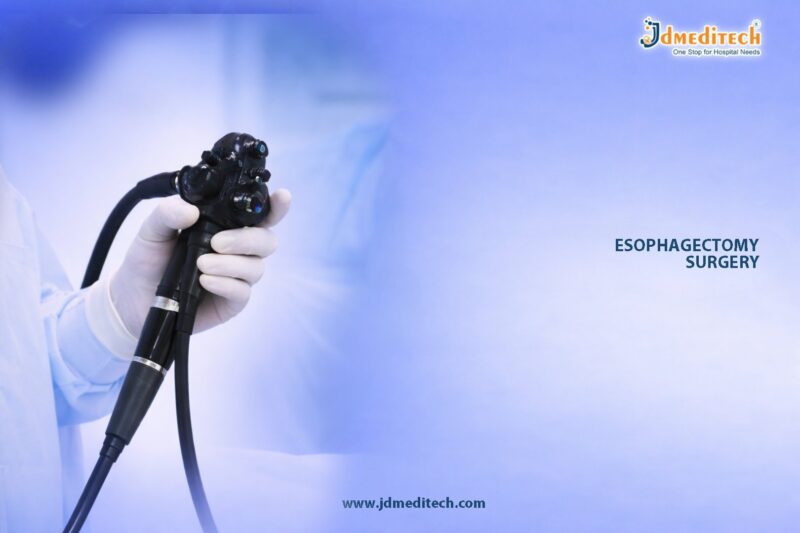
 

High-Quality Epidural Kit for Accurate Anesthesia Delivery

The Epidural Kit plays a crucial role in modern anesthesia practices. It is widely used for pain management during surgeries, childbirth, and chronic pain treatments. Because of its precision and reliability, the Epidural Kit ensures safe drug delivery into the epidural space. As a result, it improves patient comfort and clinical outcomes.

In this blog, we will explore the features, uses, benefits, and importance of the Epidural Kit, making it easier for healthcare professionals to understand its value.

What is an Epidural Kit?

An Epidural Kit is a sterile, ready-to-use medical set designed for administering epidural anesthesia. It contains all the essential components required for safe and controlled drug delivery into the epidural space of the spine.

Moreover, the kit is designed to maintain hygiene, reduce procedure time, and improve accuracy during anesthesia administration.

Key Components of an Epidural Kit

A standard Epidural Kit includes:

  • Epidural needle (Tuohy needle)
  • Epidural catheter
  • Loss of resistance syringe
  • Bacterial filter
  • Connector and clamp
  • Sterile drapes and gauze
  • Antiseptic swabs

Each component is carefully designed to ensure smooth insertion, precise drug delivery, and patient safety.

Applications of Epidural Kit

The Epidural Kit is widely used across multiple medical procedures. These include:

1. Labor and Delivery

It provides effective pain relief during childbirth while allowing the mother to remain conscious.

2. Surgical Procedures

It is commonly used in abdominal, orthopedic, and lower limb surgeries.

3. Postoperative Pain Management

It helps manage pain after surgery, improving recovery time.

4. Chronic Pain Treatment

It is used in treating long-term conditions such as back pain and cancer-related pain.

Benefits of Using an Epidural Kit

Using a high-quality Epidural Kit offers several advantages:

  • Enhanced patient comfort during procedures
  • Precise anesthesia delivery for better outcomes
  • Reduced systemic side effects compared to general anesthesia
  • Improved recovery time after surgery
  • Lower risk of contamination due to sterile packaging

Additionally, it allows continuous drug administration through the catheter, ensuring long-lasting pain relief.

Features of a High-Quality Epidural Kit

When selecting an Epidural Kit, consider the following features:

  • High-grade, medical-quality materials
  • Ergonomic needle design for easy insertion
  • Flexible and kink-resistant catheter
  • Clear markings for accurate placement
  • Sterile, single-use packaging

These features ensure both safety and efficiency during anesthesia procedures.

Why Epidural Kit is Essential in Modern Healthcare

The Epidural Kit is an indispensable tool in anesthesia because it combines precision, safety, and convenience. Furthermore, it minimizes complications and enhances patient care.

Hospitals and clinics rely on these kits to standardize procedures and reduce errors. Therefore, investing in a reliable Epidural Kit is vital for healthcare providers.

Safety Considerations

Although the Epidural Kit is highly safe, proper technique and expertise are essential. Healthcare professionals must:

  • Maintain strict aseptic conditions
  • Monitor patient vitals continuously
  • Ensure correct catheter placement
  • Avoid overdose or incorrect drug administration

Following these precautions ensures optimal results and patient safety.

Conclusion

The Epidural Kit is a cornerstone of modern anesthesia practice. It ensures safe, controlled, and effective pain management across a wide range of medical procedures. With its advanced design and reliable performance, it significantly improves both patient comfort and clinical efficiency.

For healthcare providers, choosing a high-quality Epidural Kit can make a substantial difference in treatment outcomes and overall patient satisfaction.


Explore More Product >>

Get Connected:

+91 79909 93062 | +91 63513 72032 | exports@jdmeditech.com
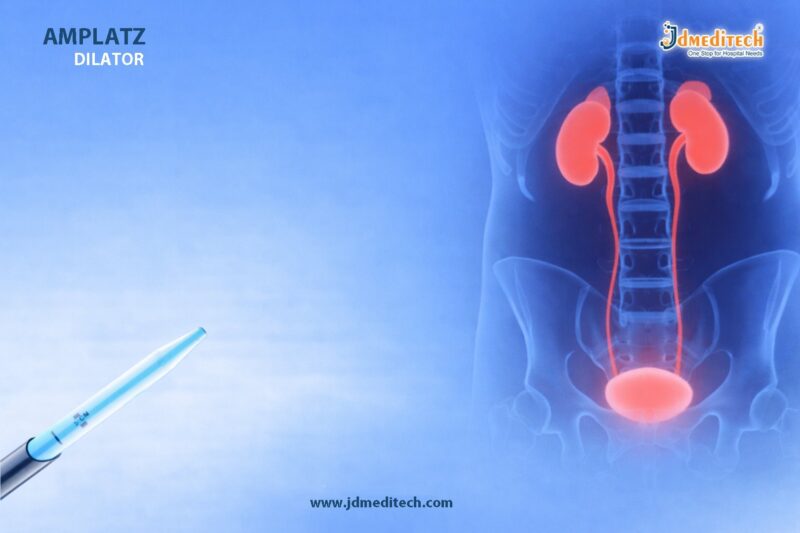


High-Quality PCNL Operative Sheath for Urology Procedures

The PCNL Operative Sheath plays a crucial role in modern urology, especially during percutaneous nephrolithotomy (PCNL). This minimally invasive procedure is widely used to remove large or complex kidney stones. Therefore, having reliable surgical instruments is essential for achieving successful outcomes.

Among these instruments, the PCNL Operative Sheath stands out as a key component. It provides stable access to the kidney, ensures efficient stone removal, and enhances procedural safety.

What is a PCNL Operative Sheath?

A PCNL Operative Sheath is a specialized medical device used during PCNL procedures. It creates a controlled pathway from the skin to the kidney. As a result, surgeons can easily insert nephroscopes and other instruments.

Moreover, the sheath allows continuous irrigation and smooth removal of stone fragments. Because of this, it significantly improves surgical efficiency.

Importance of PCNL Operative Sheath in Stone Surgery

The PCNL Operative Sheath is not just an access tool. In fact, it is essential for maintaining procedural precision and safety.

1. Stable Surgical Access

The sheath provides a secure and consistent tract. Therefore, it reduces the risk of tissue trauma during instrument insertion.

2. Efficient Stone Fragment Removal

It allows quick evacuation of stone fragments. As a result, surgeons can complete procedures faster.

3. Continuous Irrigation Flow

The sheath maintains proper irrigation. This improves visibility and helps flush out debris.

4. Reduced Intrarenal Pressure

By enabling fluid outflow, the sheath helps control pressure inside the kidney. Consequently, it lowers the risk of complications.

Key Features of PCNL Operative Sheath

Modern PCNL Operative Sheath devices are designed with advanced features:

  • High-quality biocompatible material for patient safety
  • Smooth inner lumen for easy instrument passage
  • Kink-resistant design to maintain shape during use
  • Radiopaque markers for accurate placement under imaging
  • Multiple size options to suit different clinical needs
Types of PCNL Operative Sheaths

Depending on the procedure and patient condition, different types of PCNL Operative Sheath are available:

Standard PCNL Sheath

Used in routine procedures for large stone removal.

Mini-PCNL Sheath

Designed for minimally invasive procedures with smaller tract sizes.

Ultra-Mini and Micro PCNL Sheaths

Ideal for delicate cases, reducing bleeding and recovery time.

Applications of PCNL Operative Sheath

The PCNL Operative Sheath is widely used in:

  • Removal of large kidney stones
  • Treatment of staghorn calculi
  • Management of complex renal stones
  • Cases where other treatments like ESWL fail
Benefits of Using PCNL Operative Sheath

Using a high-quality PCNL Operative Sheath offers multiple benefits:

  • Enhanced surgical control
  • Reduced operation time
  • Lower risk of complications
  • Improved patient recovery
  • Better stone clearance rates
How to Choose the Right PCNL Operative Sheath

Selecting the right PCNL Operative Sheath is essential. Consider the following factors:

  • Size compatibility with the procedure
  • Material quality for durability and safety
  • Ease of insertion and handling
  • Compatibility with nephroscopes and accessories
Why Quality Matters in PCNL Procedures

In PCNL surgery, precision is everything. Therefore, using a premium PCNL Operative Sheath ensures better outcomes.

A well-designed sheath reduces trauma, improves visibility, and supports efficient stone removal. Consequently, both surgeons and patients benefit from safer and faster procedures.

Conclusion

The PCNL Operative Sheath is an essential access tool in percutaneous stone surgery. It not only provides a stable pathway but also enhances safety and efficiency during the procedure.

As urology continues to advance, the importance of high-quality surgical instruments like the PCNL Operative Sheath will continue to grow. Therefore, choosing the right sheath can make a significant difference in clinical success and patient care.


Explore More Product >>

Get Connected:

+91 79909 93062 | +91 63513 72032 | exports@jdmeditech.com
 

Safe ERCP Stone Removal with CBD Stone Extraction Balloon

The CBD Stone Extraction Balloon is an essential device in modern gastroenterology. It helps doctors remove bile duct stones during ERCP procedures.

Today, specialists prefer the CBD Stone Extraction Balloon because it offers safety, control, and efficiency. Moreover, it reduces complications and improves patient outcomes.

What is a CBD Stone Extraction Balloon?

A CBD Stone Extraction Balloon is a flexible catheter with an inflatable balloon at the tip. Doctors use it to remove stones from the common bile duct.

During ERCP, the device passes through the bile duct. Then, the balloon inflates and helps pull the stone out safely.

Why is CBD Stone Extraction Balloon Important in ERCP?

ERCP is a key procedure for treating biliary conditions. Therefore, the CBD Stone Extraction Balloon plays a vital role.

It helps in:

  • Safe stone removal
  • Reduced need for surgery
  • Faster procedures
  • Better clinical outcomes

As a result, the CBD Stone Extraction Balloon has become a standard tool in endoscopy.

Key Features of CBD Stone Extraction Balloon
1. Durable Balloon Material

The balloon uses strong medical-grade material. Therefore, it ensures safe and reliable performance.

2. Controlled Inflation System

Doctors can control inflation easily. This feature helps match the balloon size to the stone size.

3. Smooth and Flexible Catheter

The catheter moves easily through the bile duct. Thus, it reduces the risk of injury.

4. Multiple Size Options

Different sizes are available. So, doctors can choose the right option for each patient.

5. Radiopaque Markers

These markers improve visibility under imaging. As a result, placement becomes more accurate.

How Does a CBD Stone Extraction Balloon Work?

The working process of the CBD Stone Extraction Balloon is simple and effective.

First, the doctor inserts the catheter into the bile duct.
Next, the balloon moves beyond the stone.
Then, the balloon inflates using saline or contrast.
After that, the doctor gently pulls the balloon back.
Finally, the stone is removed from the duct.

Thus, the CBD Stone Extraction Balloon ensures safe and efficient stone removal.

Clinical Applications

The CBD Stone Extraction Balloon is useful in many cases. For example:

  • Removal of bile duct stones
  • Clearance of residual stones
  • Removal of biliary sludge
  • Post-sphincterotomy stone extraction

Therefore, it is widely used in gastroenterology.

Advantages of CBD Stone Extraction Balloon
Minimally Invasive

It avoids open surgery. Therefore, recovery is faster.

High Success Rate

It provides reliable results in most ERCP procedures.

Reduced Procedure Time

The simple design allows quick stone removal.

Cost-Effective

It lowers hospital stay and treatment costs.

Enhanced Patient Safety

It reduces trauma and complications.

Best Practices for Using CBD Stone Extraction Balloon

To achieve the best results, doctors should follow these steps:

  • Choose the correct balloon size
  • Avoid over-inflation
  • Use imaging guidance
  • Position the balloon properly
  • Follow ERCP safety protocols

Thus, proper use improves outcomes.

Conclusion

The CBD Stone Extraction Balloon is a safe and effective tool for ERCP procedures. It allows easy and reliable removal of bile duct stones.

Moreover, it improves patient safety and reduces complications. Therefore, the CBD Stone Extraction Balloon remains a preferred choice for specialists worldwide.


Explore More Product >>

Get Connected:

+91 79909 93062 | +91 63513 72032 | exports@jdmeditech.com
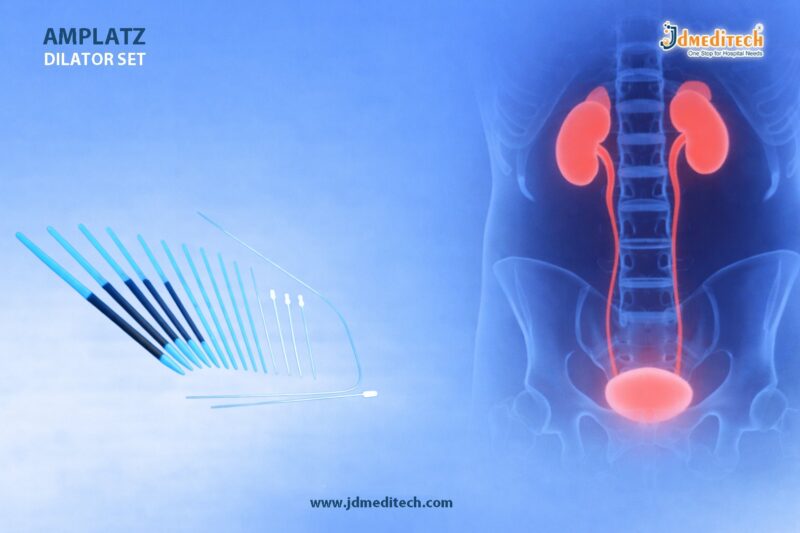


PTCA Kit for Coronary Artery Disease – Safe, Precise & Minimally Invasive Solution

Coronary artery disease is one of the most common heart conditions worldwide. Therefore, effective treatment tools are essential. The PTCA Kit – Trusted Equipment for Coronary Artery Disease plays a critical role in modern interventional cardiology.

This advanced kit supports Percutaneous Transluminal Coronary Angioplasty (PTCA) procedures. As a result, doctors can restore proper blood flow quickly and safely. Moreover, this minimally invasive approach reduces recovery time and improves patient outcomes.

What is a PTCA Kit?

The PTCA Kit – Trusted Equipment for Coronary Artery Disease is a complete set of devices used during angioplasty procedures. It includes all essential components required for precise and controlled intervention.

Typically, the kit contains:

  • Balloon catheter
  • Guidewire
  • Introducer sheath
  • Inflation device
  • Hemostasis valve

In addition, these components work together to ensure smooth and efficient procedures.

Why PTCA Kit is Important

The PTCA Kit – Trusted Equipment for Coronary Artery Disease is important because it enables minimally invasive treatment. Unlike traditional surgery, PTCA procedures are quicker and safer.

Furthermore, the kit allows cardiologists to perform procedures with high precision. As a result, patients experience less pain and faster recovery. Therefore, hospitals widely prefer this solution for coronary artery disease treatment.

Key Components of PTCA Kit
Balloon Catheter

The balloon catheter is a vital part of the PTCA Kit – Trusted Equipment for Coronary Artery Disease. It inflates inside the blocked artery to widen it. Consequently, blood flow improves instantly.

Guidewire

The guidewire ensures accurate navigation. Moreover, it helps reach complex arterial pathways safely.

Introducer Sheath

The introducer sheath provides stable vascular access. In addition, it reduces insertion-related trauma.

Inflation Device

The inflation device controls balloon pressure precisely. Therefore, it prevents damage to the artery walls.

Hemostasis Valve

The hemostasis valve minimizes blood loss. As a result, the procedure remains clean and controlled.

Benefits of PTCA Kit

The PTCA Kit – Trusted Equipment for Coronary Artery Disease offers several benefits:

  • Minimally invasive procedure
  • Faster patient recovery
  • Reduced hospital stay
  • High success rate
  • Enhanced safety and precision

Moreover, the kit improves procedural efficiency for healthcare professionals.

Applications of PTCA Kit

The PTCA Kit – Trusted Equipment for Coronary Artery Disease is widely used in:

  • Coronary angioplasty procedures
  • Treatment of blocked arteries
  • Emergency cardiac interventions
  • Stent placement procedures

Additionally, it is suitable for both elective and emergency cases.

How PTCA Procedure Works

The PTCA Kit – Trusted Equipment for Coronary Artery Disease supports each step of the procedure:

  1. First, the catheter is inserted into the artery.
  2. Then, the guidewire reaches the blocked area.
  3. Next, the balloon catheter inflates to open the blockage.
  4. After that, a stent may be placed.
  5. Finally, normal blood flow is restored.

Thus, the kit ensures a safe and effective procedure.

Quality and Safety Considerations

Choosing the right PTCA Kit – Trusted Equipment for Coronary Artery Disease is essential. Therefore, consider the following:

  • High-quality materials
  • Sterile packaging
  • Device compatibility
  • Regulatory compliance

Moreover, reliable products ensure better clinical outcomes.

Why Choose High-Quality PTCA Kits

A premium PTCA Kit – Trusted Equipment for Coronary Artery Disease delivers consistent performance. In addition, it reduces procedural risks.

Therefore, healthcare providers trust high-quality kits for complex interventions. As a result, patient safety and success rates improve significantly.

Conclusion

The PTCA Kit – Trusted Equipment for Coronary Artery Disease is essential in modern cardiac care. It supports minimally invasive procedures with high precision.

In conclusion, this advanced kit improves treatment outcomes, enhances safety, and ensures faster recovery. Therefore, it remains a trusted choice for coronary artery disease management.


Explore More Product >>

Get Connected:

+91 79909 93062 | +91 63513 72032 | exports@jdmeditech.com



EPO Injection for Anemia Treatment – Boost Red Blood Cell Production

EPO Injection – Boosting Red Blood Cell Production with Precision plays a vital role in modern healthcare. It helps treat anemia by stimulating the production of red blood cells effectively. Moreover, patients with chronic kidney disease, cancer, or chemotherapy-induced anemia benefit greatly from this treatment.

In addition, EPO Injection improves oxygen supply throughout the body. As a result, patients experience better energy levels and improved quality of life. Therefore, EPO Injection – Boosting Red Blood Cell Production with Precision has become a trusted solution in clinical practice.

What is EPO Injection?

EPO Injection – Boosting Red Blood Cell Production with Precision refers to a synthetic form of erythropoietin. Normally, the kidneys produce this hormone to regulate red blood cell production. However, when the body cannot produce enough, EPO Injection becomes essential.

Furthermore, EPO Injection directly stimulates the bone marrow. Consequently, it increases hemoglobin levels and improves oxygen transport efficiently.

How EPO Injection Works

EPO Injection – Boosting Red Blood Cell Production with Precision works by mimicking natural erythropoietin. First, it binds to receptors in the bone marrow. Then, it activates red blood cell production.

As a result:

  • Oxygen delivery improves significantly
  • Fatigue reduces gradually
  • Patient recovery accelerates

Therefore, EPO Injection ensures precise and targeted therapeutic action.

Key Medical Uses of EPO Injection

EPO Injection – Boosting Red Blood Cell Production with Precision is widely used across multiple medical conditions. For instance:

1. Chronic Kidney Disease (CKD)

Patients with CKD often develop anemia. Therefore, EPO Injection helps restore normal red blood cell levels.

2. Chemotherapy-Induced Anemia

Chemotherapy affects bone marrow function. However, EPO Injection supports red blood cell production effectively.

3. HIV Treatment Support

Certain HIV medications may cause anemia. In such cases, EPO Injection helps maintain hemoglobin balance.

4. Pre-Surgical Care

Doctors may use EPO Injection before surgery. As a result, it reduces the need for blood transfusions.

Benefits of EPO Injection

EPO Injection – Boosting Red Blood Cell Production with Precision offers several important benefits. Moreover, it enhances treatment outcomes consistently.

  • Stimulates natural red blood cell production
  • Reduces dependency on blood transfusions
  • Improves oxygen circulation
  • Enhances patient recovery
  • Supports long-term anemia management

Thus, EPO Injection remains a preferred therapy worldwide.

Dosage and Administration

EPO Injection – Boosting Red Blood Cell Production with Precision is administered carefully under medical supervision. Typically, doctors give it:

  • Subcutaneously (under the skin)
  • Intravenously (into a vein)

Additionally, dosage depends on:

  • Patient condition
  • Hemoglobin levels
  • Body weight
  • Treatment response

Therefore, regular monitoring ensures safe and effective results.

Safety and Precautions

EPO Injection – Boosting Red Blood Cell Production with Precision is generally safe when used correctly. However, certain precautions are necessary.

Firstly, doctors must monitor hemoglobin levels regularly. Secondly, they should avoid excessive dosage. Moreover, patients with high blood pressure require careful observation.

Common side effects include:

  • Mild headache
  • Injection site irritation
  • Increased blood pressure

Nevertheless, proper medical guidance minimizes risks significantly.

Why Choose High-Quality EPO Injection?

Choosing high-quality EPO Injection – Boosting Red Blood Cell Production with Precision ensures better clinical outcomes. In addition, it improves treatment consistency and patient safety.

At JDMeditech, we focus on delivering reliable and precision-based medical solutions. Therefore, healthcare professionals trust our products for quality and performance.

Conclusion

EPO Injection – Boosting Red Blood Cell Production with Precision has transformed anemia management. It provides a reliable and effective way to increase red blood cell production.

Furthermore, it improves patient recovery and enhances overall well-being. In conclusion, EPO Injection remains an essential therapy in modern medicine for precise and efficient treatment outcomes.


Explore More Product >>

Get Connected:

+91 79909 93062 | +91 63513 72032 | exports@jdmeditech.com

 

Achalasia Balloon Dilator – Safe & Effective Non-Surgical Esophageal Treatment

The Achalasia Balloon Dilator is a reliable medical device used for the non-surgical treatment of achalasia. This condition affects the esophagus and makes swallowing difficult. As a result, patients often experience discomfort while eating or drinking.

However, the Achalasia Balloon Dilator offers a minimally invasive solution. In addition, it helps restore normal swallowing function without the need for surgery. Therefore, it has become a preferred choice among healthcare professionals.

What is an Achalasia Balloon Dilator?

The Achalasia Balloon Dilator is a specialized device designed to widen the lower esophageal sphincter. It uses controlled balloon inflation to stretch the muscle.

During the procedure, the Achalasia Balloon Dilator is placed inside the esophagus with the help of an endoscope. Then, the balloon expands to relieve the blockage. As a result, food passes more easily through the esophagus.

How the Achalasia Balloon Dilator Works

The Achalasia Balloon Dilator works through a precise and step-by-step process:

  • First, an endoscope guides the Achalasia Balloon Dilatorinto position
  • Next, the balloon is placed at the lower esophageal sphincter
  • Then, the Achalasia Balloon Dilatoris slowly inflated
  • As a result, the tight muscle fibers are stretched
  • Finally, the balloon is deflated and removed

Because of this controlled method, the Achalasia Balloon Dilator ensures safe and effective dilation.

Key Features of Achalasia Balloon Dilator

The Achalasia Balloon Dilator is designed with advanced features that improve performance:

  • High-pressure balloon for accurate dilation
  • Uniform expansion for controlled results
  • Radiopaque markers for precise positioning
  • Flexible catheter for easy insertion
  • Compatibility with standard endoscopic systems

Therefore, the Achalasia Balloon Dilator supports consistent clinical outcomes.

Benefits of Achalasia Balloon Dilator

The Achalasia Balloon Dilator provides several advantages for both patients and clinicians:

Minimally Invasive Treatment

The Achalasia Balloon Dilator eliminates the need for surgical incisions. As a result, recovery is faster.

Quick Symptom Relief

Patients often notice improvement soon after using the Achalasia Balloon Dilator.

Cost-Effective Option

Since the Achalasia Balloon Dilator avoids surgery, it reduces treatment costs.

High Success Rate

The Achalasia Balloon Dilator has proven clinical effectiveness in treating achalasia.

Repeatable Procedure

Doctors can safely reuse the Achalasia Balloon Dilator technique if symptoms return.

Clinical Applications

The Achalasia Balloon Dilator is widely used in gastroenterology for:

  • Achalasia treatment
  • Esophageal stricture management
  • Dysphagia relief
  • Non-surgical therapy options

Thus, the Achalasia Balloon Dilator plays an important role in modern endoscopic care.

Procedure Overview

The procedure using the Achalasia Balloon Dilator is simple and efficient:

  • The patient receives mild sedation
  • An endoscope is inserted into the esophagus
  • The Achalasia Balloon Dilator is positioned correctly
  • Controlled inflation is performed
  • The device is removed after dilation

Overall, the Achalasia Balloon Dilator procedure is quick and patient-friendly.

Safety and Considerations

The Achalasia Balloon Dilator is generally safe when used correctly. However, certain precautions are necessary:

  • Proper patient selection is important
  • Controlled inflation of the Achalasia Balloon Dilator is essential
  • Post-procedure monitoring should be done

Even so, the Achalasia Balloon Dilator has a low risk of complications when handled by experts.

Why Choose Achalasia Balloon Dilator?

The Achalasia Balloon Dilator is trusted because it offers:

  • Reliable performance
  • Minimally invasive treatment
  • Easy handling for clinicians
  • Consistent patient outcomes

In addition, the Achalasia Balloon Dilator provides a strong alternative to surgical procedures.

Conclusion

The Achalasia Balloon Dilator is an effective and non-surgical solution for esophageal treatment. It improves swallowing and enhances patient comfort.

Because of its safety and reliability, the Achalasia Balloon Dilator remains a preferred choice in modern healthcare. Therefore, it continues to play a key role in treating achalasia.


Explore More Product >>

Get Connected:

+91 79909 93062 | +91 63513 72032 | exports@jdmeditech.com
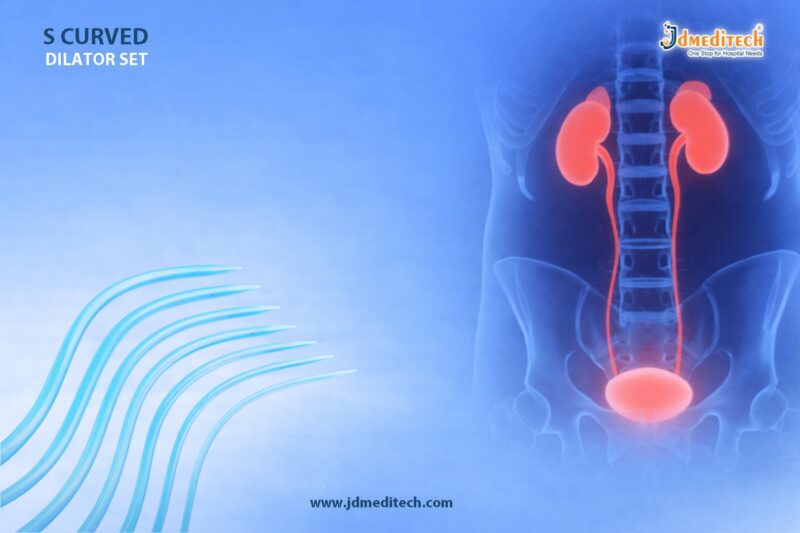


Stone Crushing Forceps for Bladder Stone Removal – Precision Urology Instrument

Bladder stones can lead to pain, infection, and urinary complications if not treated on time. Therefore, proper removal becomes essential for patient safety. In such cases, Stone Crushing Forceps are highly preferred for bladder stone removal because they offer precision and efficiency.

Moreover, modern urology increasingly relies on Stone Crushing Forceps to support minimally invasive procedures. As a result, surgeons can remove stones effectively while reducing tissue damage.

What Are Stone Crushing Forceps?

Stone Crushing Forceps are specialized surgical instruments used in urology to grasp and crush bladder stones during cystoscopic procedures. Typically, manufacturers design Stone Crushing Forceps using high-quality stainless steel for durability and strength.

In addition, Stone Crushing Forceps feature a powerful jaw mechanism. Because of this design, surgeons can break stones into smaller fragments, which makes removal easier and faster.

Why Stone Crushing Forceps Are Highly Preferred for Bladder Stone Removal
1. High Precision and Control

Firstly, Stone Crushing Forceps provide excellent control during procedures. Therefore, surgeons can target stones accurately without harming surrounding tissues.

2. Efficient Stone Fragmentation

Secondly, Stone Crushing Forceps allow effective crushing of stones into smaller pieces. Consequently, the overall procedure time is reduced.

3. Minimally Invasive Procedure

Furthermore, Stone Crushing Forceps support minimally invasive techniques. As a result, patients experience less discomfort and faster recovery.

4. Durable and Reliable

Because Stone Crushing Forceps are made from premium materials, they offer long-term reliability. Hence, they are a cost-effective solution for hospitals.

5. Versatile Applications

In addition, Stone Crushing Forceps are useful in various urological procedures beyond bladder stone removal. Thus, they provide added value in surgical settings.

Key Features of Stone Crushing Forceps
  • Strong jaws for effective stone crushing
  • Ergonomic design for better handling
  • Corrosion-resistant stainless steel
  • Compatibility with cystoscopic instruments
  • Multiple sizes available

These features ensure that Stone Crushing Forceps deliver consistent and safe performance.

Clinical Applications

Stone Crushing Forceps are widely used in:

  • Bladder stone removal procedures
  • Endoscopic urology surgeries
  • Cystoscopy-assisted treatments
  • Fragmentation of urinary calculi

Therefore, Stone Crushing Forceps play an essential role in modern urology practices.

Benefits of Stone Crushing Forceps
For Patients:
  • Reduced pain and trauma
  • Faster recovery
  • Lower complication rates
For Surgeons:
  • Improved precision
  • Better control during procedures
  • Increased efficiency

Because of these advantages, Stone Crushing Forceps remain a preferred instrument in urological care.

How to Choose the Right Stone Crushing Forceps

When selecting Stone Crushing Forceps, you should consider:

  • Jaw strength and performance
  • Instrument size and compatibility
  • Material quality
  • Ease of sterilization
  • Manufacturer reputation

Choosing the right Stone Crushing Forceps ensures better outcomes and long-term usability.

Maintenance and Sterilization

Proper maintenance of Stone Crushing Forceps is essential for safety and performance. After each procedure:

  • Clean thoroughly
  • Sterilize using approved methods
  • Inspect for any damage

Regular care helps extend the lifespan of Stone Crushing Forceps and maintains optimal functionality.

Conclusion

In conclusion, Stone Crushing Forceps are highly preferred for bladder stone removal due to their precision, durability, and efficiency. Moreover, they support minimally invasive procedures while ensuring safe stone fragmentation.

Therefore, healthcare professionals trust Stone Crushing Forceps for delivering reliable and effective results in urology. Investing in high-quality Stone Crushing Forceps ultimately improves patient care and surgical outcomes.


Explore More Product >>

Get Connected:

+91 79909 93062 | +91 63513 72032 | exports@jdmeditech.com
 

Top Benefits of Mullin Introducer Sheath in Modern Cardiology

The Mullin Introducer Sheath plays a critical role in modern interventional cardiology, especially during transseptal procedures. These procedures require precision, stability, and smooth vascular access. Therefore, choosing the right introducer sheath is essential for procedural success and patient safety.

In this blog, we will explore the features, benefits, applications, and clinical importance of the Mullin Introducer Sheath, while also understanding why it remains a preferred choice among healthcare professionals.

What is a Mullin Introducer Sheath?

The Mullin Introducer Sheath is a specialized medical device designed to provide safe and controlled access to the heart during transseptal catheterization. It is commonly used to guide catheters and other interventional tools across the interatrial septum.

Moreover, the sheath is engineered for flexibility and support, ensuring smooth navigation through vascular pathways. As a result, it minimizes trauma and enhances procedural efficiency.

Key Features of Mullin Introducer Sheath
1. Smooth Surface for Easy Navigation

The Mullin Introducer Sheath features a highly polished inner lumen. Consequently, it allows effortless passage of catheters and guidewires.

2. Optimal Flexibility and Support

It offers an ideal balance between flexibility and rigidity. Therefore, clinicians can achieve precise control during transseptal access.

3. Radiopaque Markers

The sheath includes radiopaque markers that enhance visibility under fluoroscopy. This ensures accurate placement during procedures.

4. Kink-Resistant Design

Additionally, the sheath is designed to resist kinking. This helps maintain consistent performance throughout the procedure.

5. Sterile and Biocompatible Material

The Mullin Introducer Sheath is made from high-quality, biocompatible materials. Hence, it reduces the risk of infection and adverse reactions.

Applications of Mullin Introducer Sheath

The Mullin Introducer Sheath is widely used in various cardiac interventions. Some of the key applications include:

  • Transseptal catheterization
  • Left atrial access procedures
  • Electrophysiology studies
  • Atrial fibrillation ablation
  • Structural heart interventions

Furthermore, its versatility makes it suitable for both diagnostic and therapeutic procedures.

Benefits of Using Mullin Introducer Sheath
Enhanced Procedural Precision

Because of its design, the Mullin Introducer Sheath enables accurate catheter positioning.

Improved Patient Safety

Smooth insertion and controlled navigation reduce vascular trauma.

Time Efficiency

As a result of its ease of use, procedural time is often reduced.

Reliable Performance

The sheath maintains consistent functionality, even in complex procedures.

Why Choose Mullin Introducer Sheath?

Healthcare professionals prefer the Mullin Introducer Sheath due to its reliability and performance. In addition, it supports advanced interventional techniques that demand high precision.

Not only does it enhance procedural outcomes, but it also improves operator confidence. Therefore, it has become a standard tool in transseptal procedures worldwide.

Best Practices for Usage

To maximize the effectiveness of the Mullin Introducer Sheath, consider the following:

  • Always ensure proper sterilization before use
  • Use compatible catheters and guidewires
  • Monitor placement under fluoroscopy
  • Handle with care to avoid damage

By following these practices, clinicians can achieve optimal results.

Conclusion

The Mullin Introducer Sheath is an essential device for transseptal procedures, offering smooth and reliable access to the heart. With its advanced design, excellent flexibility, and superior performance, it significantly enhances procedural success and patient safety.

As interventional cardiology continues to evolve, the Mullin Introducer Sheath remains a trusted solution for precise and efficient vascular access.


Explore More Product >>

Get Connected:

+91 79909 93062 | +91 63513 72032 | exports@jdmeditech.com
Cold Sterilant – Complete Cleaning & Disinfection in One Step

In today’s healthcare environment, infection control is critical. Therefore, medical instruments must remain clean and safe at all times. A Cold Sterilant provides an effective solution for complete cleaning and disinfection in one step.

Unlike heat-based methods, a Cold Sterilant works at room temperature. As a result, it is ideal for delicate and heat-sensitive instruments. Moreover, it ensures fast and reliable sterilization without damaging equipment.

What is a Cold Sterilant?

A Cold Sterilant is a chemical disinfectant used to sterilize medical instruments without heat. In other words, it eliminates harmful microorganisms through powerful chemical action.

Additionally, a Cold Sterilant is widely used for instruments that cannot withstand high temperatures.

Common Instruments Include:
  • Endoscopes
  • Surgical instruments
  • Dental tools
  • Plastic and rubber devices

Because of its versatility, a Cold Sterilant is essential in modern healthcare settings.

How Cold Sterilant Ensures Complete Disinfection

A Cold Sterilant works by destroying bacteria, viruses, fungi, and spores. First, it penetrates the surface of instruments. Then, it breaks down microbial cells effectively.

Step-by-Step Process:
  1. First, clean the instrument thoroughly
  2. Then, immerse it in the Cold Sterilant solution
  3. Next, maintain the required contact time
  4. After that, rinse with sterile water
  5. Finally, dry and store properly

As a result, the Cold Sterilant ensures complete and safe disinfection.

Key Features of Cold Sterilant

A high-quality Cold Sterilant offers multiple benefits. Therefore, it improves both safety and efficiency in medical environments.

Important Features:
  • Broad-spectrum antimicrobial action
  • Non-corrosive formulation
  • Rapid disinfection capability
  • Long-lasting effectiveness
  • Material compatibility
  • Low odor and toxicity

In addition, a Cold Sterilant maintains instrument quality even after repeated use.

Applications of Cold Sterilant in Healthcare

A Cold Sterilant is widely used across various medical fields. For instance, hospitals and clinics rely on it for daily sterilization needs.

Major Applications:
  • Hospitals and operation theaters
  • Endoscopy units
  • Dental clinics
  • Diagnostic laboratories
  • Dialysis centers

Thus, the Cold Sterilant plays a vital role in infection prevention.

Advantages of Using Cold Sterilant

Compared to traditional methods, a Cold Sterilant offers several advantages. Therefore, many healthcare providers prefer it.

Key Advantages:
  • No heat required
  • Safe for sensitive instruments
  • Easy to use and handle
  • Cost-effective solution
  • Time-saving process

Moreover, a Cold Sterilant reduces equipment damage and increases longevity.

Safety Guidelines for Cold Sterilant Use

Although a Cold Sterilant is effective, proper handling is important. Therefore, users should always follow safety guidelines.

Best Practices:
  • Always wear protective gloves
  • Follow recommended dilution levels
  • Monitor contact time carefully
  • Store in a cool and dry place
  • Avoid direct skin or eye contact

By following these steps, the Cold Sterilant delivers maximum performance.

Why Choose JDMeditech Cold Sterilant?

At JDMeditech, we offer a premium-quality Cold Sterilant designed for modern healthcare needs. Furthermore, our solutions ensure reliable and consistent results.

Our Key Benefits:
  • High disinfection efficiency
  • Tested and trusted formulation
  • User-friendly application
  • Competitive pricing
  • Suitable for multiple instruments
Conclusion

In conclusion, a Cold Sterilant is an essential solution for complete cleaning and disinfection. It ensures safety, efficiency, and reliability in healthcare environments.

Therefore, choosing a high-quality Cold Sterilant helps maintain hygiene standards and improves patient outcomes.


Explore More Product >>

Get Connected:

+91 79909 93062 | +91 63513 72032 | exports@jdmeditech.com
Optical Biopsy Forceps – Sharp and Controlled for Optimal Sampling

In modern endoscopic procedures, precision and control are essential for accurate diagnosis. Among the most critical tools used for tissue sampling is the Optical Biopsy Forceps. Designed for sharp, controlled, and efficient tissue collection, these forceps help clinicians obtain high-quality biopsy samples while minimizing patient discomfort.

Whether used in gastroenterology, pulmonology, or urology, optical biopsy forceps play a vital role in ensuring reliable diagnostic outcomes.

What Are Optical Biopsy Forceps?

Optical biopsy forceps are specialized endoscopic instruments designed to collect tissue samples under direct visualization. Unlike standard forceps, these tools are engineered for enhanced precision, sharp cutting ability, and optimal control.

They are commonly used during procedures such as:

  • Gastroscopy
  • Colonoscopy
  • Bronchoscopy
  • Cystoscopy

Thanks to their advanced design, optical biopsy forceps ensure accurate targeting and clean tissue retrieval.

Key Features of Optical Biopsy Forceps
1. Sharp Cutting Edges

The forceps feature high-quality stainless steel jaws that provide clean and precise cuts, ensuring optimal tissue integrity.

2. Controlled Sampling

With a well-balanced design, optical biopsy forceps allow clinicians to maintain full control during sampling, reducing the risk of tissue damage.

3. Ergonomic Handle Design

The handle is designed for comfort and ease of use, enabling smooth operation during long procedures.

4. Compatibility with Endoscopes

These forceps are compatible with a wide range of flexible and rigid endoscopes, making them highly versatile.

5. Sterile and Safe

Available in single-use and reusable variants, optical biopsy forceps ensure high standards of hygiene and patient safety.

Applications in Medical Procedures
Gastroenterology

In GI procedures, optical biopsy forceps are widely used to collect samples from the esophagus, stomach, and colon for detecting abnormalities such as ulcers, polyps, and cancer.

Pulmonology

During bronchoscopy, these forceps enable accurate sampling of lung tissues, helping diagnose infections and tumors.

Urology

In cystoscopic procedures, optical biopsy forceps assist in obtaining tissue samples from the bladder and urinary tract.

Benefits of Using Optical Biopsy Forceps
  • Accurate Diagnosis – High-quality tissue samples improve diagnostic accuracy
  • Minimal Trauma – Sharp edges reduce unnecessary tissue damage
  • Enhanced Control – Smooth operation ensures precise targeting
  • Time Efficiency – Quick and effective sampling speeds up procedures
  • Versatility – Suitable for multiple medical specialties
Why Choose High-Quality Optical Biopsy Forceps?

Choosing premium-quality optical biopsy forceps ensures:

  • Consistent performance in critical procedures
  • Reduced risk of complications
  • Improved clinician confidence
  • Better patient outcomes

At JDMeditech, we focus on delivering precision-engineered biopsy instruments that meet international medical standards.

Maintenance and Handling Tips

To ensure optimal performance and longevity:

  • Always follow sterilization protocols for reusable forceps
  • Inspect jaws regularly for sharpness and alignment
  • Store in a clean, dry environment
  • Use appropriate handling techniques during procedures
Conclusion

In conclusion, optical biopsy forceps are indispensable tools in modern diagnostic procedures. Their sharpness, control, and reliability make them ideal for obtaining accurate tissue samples across various medical fields.

By investing in high-quality optical biopsy forceps, healthcare professionals can significantly enhance diagnostic precision and patient care outcomes.


Explore More Product >>

Get Connected:

+91 79909 93062 | +91 63513 72032 | exports@jdmeditech.com


Hydrophilic Guide Wire – Trusted Solution for Interventional Cardiology

In modern interventional cardiology, precision and control are critical for successful outcomes. One of the most essential tools that enables smooth navigation through complex vascular pathways is the Hydrophilic Guide Wire. Designed with advanced coating technology, this guide wire ensures effortless maneuverability, reduced friction, and enhanced procedural efficiency.

Whether used in coronary interventions, peripheral procedures, or diagnostic angiography, the Hydrophilic Guide Wire has become a trusted solution for clinicians worldwide.

What is a Hydrophilic Guide Wire?

A Hydrophilic Guide Wire is a specialized medical device coated with a hydrophilic polymer that becomes extremely slippery when exposed to fluids. This unique property allows it to glide smoothly through blood vessels, even in tortuous or narrowed anatomies.

As a result, the Hydrophilic Guide Wire significantly improves access to challenging lesions while minimizing trauma to vessel walls.

Key Features of Hydrophilic Guide Wire
1. Advanced Hydrophilic Coating

The defining feature of a Hydrophilic Guide Wire is its lubricious coating. When activated by fluids, it reduces friction and allows seamless navigation.

2. Superior Flexibility and Torque Control

Despite its smooth surface, the Hydrophilic Guide Wire offers excellent torque transmission. This ensures precise control during complex interventions.

3. Atraumatic Tip Design

The soft, atraumatic tip of the Hydrophilic Guide Wire helps reduce the risk of vessel injury, making it safe for delicate procedures.

4. High Durability and Kink Resistance

Manufactured using high-quality materials, the Hydrophilic Guide Wire resists kinking and maintains structural integrity throughout procedures.

5. Versatile Applications

From coronary arteries to peripheral vasculature, the Hydrophilic Guide Wire is suitable for a wide range of interventions.

Applications in Interventional Cardiology

The Hydrophilic Guide Wire plays a vital role in various procedures, including:

  • Coronary Angioplasty (PCI)
  • Peripheral Vascular Interventions
  • Diagnostic Angiography
  • Chronic Total Occlusion (CTO) Procedures
  • Crossing Tight or Calcified Lesions

Because of its smooth navigation, the Hydrophilic Guide Wire is especially useful in complex and high-risk cases.

Benefits of Using Hydrophilic Guide Wire
1. Enhanced Navigation

The Hydrophilic Guide Wire easily traverses tortuous anatomy, reducing procedural difficulty.

2. Reduced Procedure Time

With improved trackability, the Hydrophilic Guide Wire helps shorten intervention time.

3. Increased Patient Safety

The atraumatic design minimizes vessel damage and complications.

4. Improved Clinical Outcomes

By enabling precise device placement, the Hydrophilic Guide Wire contributes to better success rates.

5. Cost Efficiency

Faster procedures and reduced complications lead to overall cost savings.

Why Choose a High-Quality Hydrophilic Guide Wire?

Selecting the right Hydrophilic Guide Wire is crucial for achieving optimal results. A high-quality guide wire ensures:

  • Consistent performance
  • Reliable coating durability
  • Better physician control
  • Enhanced patient safety

Healthcare professionals should always opt for trusted manufacturers that adhere to international quality standards.

Best Practices for Using Hydrophilic Guide Wire

To maximize the effectiveness of a Hydrophilic Guide Wire, consider the following:

  • Always keep the wire hydrated for optimal performance
  • Use gentle manipulation to avoid vessel trauma
  • Select appropriate tip stiffness based on the procedure
  • Combine with compatible catheters for better outcomes
Future of Hydrophilic Guide Wire Technology

With continuous innovation, the Hydrophilic Guide Wire is evolving to offer even better performance. New developments include:

  • Enhanced coating durability
  • Improved torque response
  • Hybrid wire technologies
  • Better compatibility with advanced devices

These advancements will further strengthen the role of the Hydrophilic Guide Wire in interventional cardiology.

Conclusion

The Hydrophilic Guide Wire is an indispensable tool in modern interventional cardiology. Its superior lubricity, flexibility, and safety make it a trusted solution for navigating complex vascular pathways.

As procedures become more advanced, the demand for high-performance devices like the Hydrophilic Guide Wire will continue to grow. Choosing the right guide wire not only enhances procedural success but also improves patient outcomes.


Explore More Product >>

Get Connected:

+91 79909 93062 | +91 63513 72032 | exports@jdmeditech.com


Iron Sucrose Injection – Safe IV Iron Therapy for Anemia Treatment

Iron deficiency anemia affects millions of patients worldwide. Therefore, healthcare providers rely on fast and effective treatments to restore iron levels. Iron Sucrose Injection is one of the most trusted solutions for intravenous iron therapy.

Unlike oral supplements, Iron Sucrose Injection delivers iron directly into the bloodstream. As a result, it ensures faster correction of anemia and improves patient outcomes, especially in critical care and dialysis settings.

What is Iron Sucrose Injection?

Iron Sucrose Injection is an intravenous iron therapy used to treat iron deficiency anemia. It is commonly administered in hospitals and dialysis centers under medical supervision.

Moreover, Iron Sucrose Injection provides a controlled and precise dose of iron, which helps in rapid hemoglobin production. Consequently, patients recover faster compared to oral iron therapy.

Why Iron Sucrose Injection is Preferred
1. Rapid Iron Replenishment

Firstly, Iron Sucrose Injection restores iron stores quickly. Therefore, it is ideal for patients with severe anemia.

2. High Safety Profile

In addition, Iron Sucrose Injection offers a strong safety profile. Compared to older iron formulations, it reduces the risk of adverse reactions.

3. Better Patient Tolerance

Furthermore, patients who experience gastrointestinal issues with oral iron benefit from Iron Sucrose Injection.

4. Controlled Clinical Use

Most importantly, healthcare professionals administer Iron Sucrose Injection in a controlled setting. Thus, they ensure accurate dosing and monitoring.

Clinical Applications of Iron Sucrose Injection

Healthcare providers widely use Iron Sucrose Injection in the following conditions:

  • Chronic Kidney Disease (CKD)
  • Hemodialysis and peritoneal dialysis
  • Post-surgical anemia
  • Pregnancy-related anemia (under supervision)
  • Intolerance to oral iron therapy
How Iron Sucrose Injection Works

Iron Sucrose Injection delivers iron directly into the bloodstream. Then, the body binds it with transferrin and transports it to the bone marrow.

Subsequently, the bone marrow uses this iron to produce hemoglobin. As a result, oxygen delivery improves, and patients feel more energetic.

Key Features of Iron Sucrose Injection
  • Sterile and ready-to-use formulation
  • Fast and efficient iron delivery
  • Low risk of hypersensitivity reactions
  • Suitable for repeated clinical dosing
  • Compatible with dialysis treatment protocols
Advantages of Iron Sucrose Injection Over Oral Iron
Feature Iron Sucrose Injection Oral Iron
Absorption Immediate Slow
Effectiveness High Moderate
Side Effects Minimal Common
Compliance High Low

Clearly, Iron Sucrose Injection provides superior results, especially in severe anemia cases.

Dosage and Administration

Doctors administer Iron Sucrose Injection intravenously based on patient needs. Generally, dosage depends on:

  • Severity of anemia
  • Body weight
  • Clinical condition

However, medical professionals must monitor Iron Sucrose Injection carefully to prevent iron overload.

Safety and Precautions

Although Iron Sucrose Injection is safe, healthcare providers should follow precautions:

  • Monitor for allergic reactions
  • Avoid use in iron overload conditions
  • Check hemoglobin and ferritin levels regularly
  • Administer under medical supervision
Role of Iron Sucrose Injection in Dialysis

Patients undergoing dialysis often lose iron during treatment. Therefore, Iron Sucrose Injection becomes essential for maintaining iron balance.

Additionally, it helps:

  • Maintain stable hemoglobin levels
  • Reduce blood transfusion needs
  • Improve patient quality of life
Why Choose Quality Iron Sucrose Injection?

High-quality Iron Sucrose Injection ensures better clinical outcomes. Moreover, it enhances patient safety and treatment reliability.

At JDMeditech, we provide trusted medical solutions that meet global standards

Conclusion

In conclusion, Iron Sucrose Injection is a reliable and effective solution for treating iron deficiency anemia. Furthermore, its rapid action, safety profile, and clinical efficiency make it a preferred choice worldwide.

Therefore, healthcare providers continue to rely on Iron Sucrose Injection to improve patient outcomes and ensure better quality of care.


Explore More Product >>

Get Connected:

+91 79909 93062 | +91 63513 72032 | exports@jdmeditech.com


Hot Disinfectant for Medical Sterilization – Fast & Reliable Infection Control

In modern healthcare environments, maintaining strict hygiene standards is non-negotiable. A Hot Disinfectant plays a critical role in ensuring rapid microbial elimination, especially in high-risk medical settings. Designed for fast action and reliable sterilization, hot disinfectants are widely used in hospitals, clinics, laboratories, and surgical units.

Whether it’s for instrument reprocessing or surface disinfection, a hot disinfectant solution ensures optimal infection control while saving valuable time.

What is a Hot Disinfectant?

A Hot Disinfectant is a specialized chemical solution activated or used at elevated temperatures to enhance its antimicrobial effectiveness. It is formulated to kill a wide range of pathogens, including:

  • Bacteria
  • Viruses
  • Fungi
  • Spores (in some formulations)

The combination of heat and chemical action significantly improves disinfection efficiency, making it ideal for critical healthcare applications.

Why Hot Disinfectant is Essential in Healthcare

Healthcare-associated infections (HAIs) are a major concern worldwide. Therefore, using a rapid-action disinfectant becomes essential.

Key Benefits:
 Rapid Microbial Kill

Hot disinfectants work faster compared to standard solutions, reducing turnaround time for sterilization.

 Enhanced Effectiveness

Heat increases chemical reactivity, ensuring deeper penetration and better pathogen elimination.

 Wide Spectrum Coverage

Effective against a broad range of microorganisms, making it suitable for multi-purpose use.

 Improved Infection Control

Supports strict hygiene protocols in OT rooms, ICUs, and diagnostic labs.

Applications of Hot Disinfectant

A hot disinfectant solution is versatile and used across multiple healthcare environments:

🏥 Hospital & Clinical Settings
  • Operation theaters (OT)
  • Intensive Care Units (ICU)
  • Emergency rooms
🔬 Laboratories
  • Equipment sterilization
  • Surface disinfection
🧪 Medical Instrument Processing
  • Endoscopy instruments
  • Surgical tools
  • Dialysis equipment
🧼 Surface Disinfection
  • Floors, walls, and high-touch areas
Key Features of High-Quality Hot Disinfectants

When selecting a hot disinfectant for medical use, consider the following features:

  • Fast-acting formulation
  • Thermal stability
  • Non-corrosive composition
  • Safe for delicate instruments
  • Residue-free cleaning
  • Compatibility with automated systems

These features ensure both efficiency and safety in demanding medical environments.

How to Use Hot Disinfectant Effectively

To achieve optimal sterilization results, proper usage is essential:

  1. Prepare the solution as per manufacturer guidelines
  2. Heat to the recommended temperature
  3. Immerse or apply on surfaces/instruments
  4. Maintain contact time for effective disinfection
  5. Rinse (if required) and dry properly

⚠️ Always follow safety protocols and wear protective equipment during handling.

Hot Disinfectant vs Cold Disinfectant
Feature Hot Disinfectant Cold Disinfectant
Action Speed Faster Slower
Effectiveness Higher (with heat) Moderate
Use Case Critical sterilization Routine cleaning
Efficiency High Standard

A hot disinfectant is ideal for high-risk and critical applications, while cold disinfectants are suitable for general cleaning.

Safety Considerations

While hot disinfectants are highly effective, proper precautions must be followed:

  • Use appropriate PPE (gloves, goggles)
  • Avoid direct skin contact
  • Ensure proper ventilation
  • Store in recommended conditions
Why Choose a Trusted Hot Disinfectant Supplier?

Selecting a reliable manufacturer ensures:

  • Consistent product quality
  • Compliance with medical standards
  • Safe and effective formulations
  • Reliable supply chain

For healthcare providers, investing in a trusted hot disinfectant solution ensures patient safety and operational efficiency.

Conclusion

A Hot Disinfectant – Rapid Action, Reliable Sterilization is an essential component of modern infection control practices. Its ability to deliver fast, effective, and broad-spectrum disinfection makes it indispensable in healthcare environments.

By choosing the right disinfectant and following proper usage protocols, medical facilities can significantly reduce infection risks and maintain the highest hygiene standards.


Explore More Product >>

Get Connected:

+91 79909 93062 | +91 63513 72032 | exports@jdmeditech.com


Cystoscopy Flexible Stent Removal Forceps – Precision Tools for Cystoscopic Retrieval

In modern urology, precision and safety are essential for successful procedures. Among the many specialized instruments used during cystoscopy, the Cystoscopy Flexible Stent Removal Forceps plays a vital role in the safe and efficient removal of ureteral stents.

Designed for compatibility with flexible cystoscopes, these forceps provide enhanced control, firm grip, and minimal patient discomfort. As a result, they have become an indispensable tool in urological practice.

What is a Cystoscopy Flexible Stent Removal Forceps?

A Cystoscopy Flexible Stent Removal Forceps is a specialized endoscopic instrument used to retrieve ureteral stents from the bladder during cystoscopic procedures.

Unlike rigid tools, these forceps are specifically engineered to work with flexible cystoscopes, allowing smooth navigation through the urinary tract. Consequently, they enable urologists to perform procedures with greater precision and reduced trauma.

Key Features of Flexible Stent Removal Forceps
1. Flexible Shaft Design

The flexible shaft allows easy maneuverability within the urinary tract. Therefore, it ensures accurate access to the stent without causing unnecessary injury.

2. High-Grip Jaw Mechanism

The jaws are designed for secure grasping of ureteral stents. This prevents slippage and ensures efficient retrieval.

3. Compatibility with Flexible Cystoscopes

These forceps are optimized for use with modern flexible cystoscopes, ensuring seamless integration during procedures.

4. Smooth Insertion and Withdrawal

The device offers low-friction insertion, which enhances patient comfort and procedural efficiency.

5. Durable and Medical-Grade Construction

Manufactured using high-quality materials, the Cystoscopy Flexible Stent Removal Forceps ensures longevity, reliability, and resistance to corrosion.

Clinical Applications

The Cystoscopy Flexible Stent Removal Forceps is widely used in:

  • Ureteral stent removal procedures
  • Post-operative stent retrieval
  • Routine cystoscopic evaluations
  • Minimally invasive urological interventions

Because of its precision, it significantly reduces procedural complications.

Advantages of Using Flexible Stent Removal Forceps
Enhanced Precision

The flexible design enables urologists to reach difficult areas with ease.

Improved Patient Comfort

Since the procedure is minimally invasive, patients experience less pain and faster recovery.

Reduced Risk of Injury

The controlled grip minimizes the risk of tissue damage and stent displacement.

Time Efficiency

Quick and secure retrieval helps reduce overall procedure time.

Why Choose High-Quality Stent Removal Forceps?

Selecting a high-quality Cystoscopy Flexible Stent Removal Forceps ensures:

  • Consistent performance
  • Better clinical outcomes
  • Reduced risk of procedural errors
  • Long-term cost efficiency

Healthcare providers should always prioritize precision-engineered instruments for optimal results.

Best Practices for Use

To maximize performance, consider the following:

  • Always verify compatibility with the cystoscope
  • Ensure proper sterilization before use
  • Handle the instrument with controlled movements
  • Inspect jaws for grip efficiency before the procedure

Following these steps improves both safety and effectiveness.

Maintenance and Care

Proper maintenance extends the life of the Cystoscopy Flexible Stent Removal Forceps:

  • Clean immediately after use
  • Use approved sterilization methods
  • Store in a dry, sterile environment
  • Regularly inspect for wear and tear
Conclusion

The Cystoscopy Flexible Stent Removal Forceps is a critical instrument in modern urology, offering precision, safety, and efficiency in cystoscopic retrieval procedures.

With its flexible design, secure grip, and compatibility with advanced cystoscopes, it significantly enhances both clinical outcomes and patient experience. Therefore, investing in high-quality stent removal forceps is essential for every urology setup.


Explore More Product >>

Get Connected:

+91 79909 93062 | +91 63513 72032 | exports@jdmeditech.com
 

ERCP Cannula – Key Tool for Digestive Health & ERCP Procedures

The ERCP Cannula plays a crucial role in modern gastroenterology. It helps doctors perform precise and minimally invasive procedures. In fact, the ERCP Cannula is widely used in Endoscopic Retrograde Cholangiopancreatography (ERCP) to access the biliary and pancreatic ducts.

Moreover, the ERCP Cannula improves diagnostic accuracy and treatment outcomes. As a result, it has become an essential tool for maintaining digestive health.

What is an ERCP Cannula?

An ERCP Cannula is a specialized, flexible medical device used during ERCP procedures. It allows clinicians to inject contrast dye, guide wires, and access targeted ducts with precision.

In addition, the ERCP Cannula ensures smooth navigation through complex anatomical pathways. Therefore, it significantly reduces procedural risks and improves efficiency.

Why is ERCP Cannula Important for Digestive Health?

The ERCP Cannula is important because it enables early diagnosis and treatment of digestive disorders. For instance, it is used in detecting and managing:

  • Bile duct stones
  • Pancreatic duct blockages
  • Biliary strictures
  • Tumors in the digestive system

Furthermore, the ERCP Cannula supports minimally invasive treatment. Consequently, patients experience faster recovery and fewer complications.

Key Features of ERCP Cannula

A high-quality ERCP Cannula includes several advanced features that enhance performance:

1. Flexible Design

The ERCP Cannula offers excellent flexibility. Therefore, it easily navigates through delicate structures.

2. Radiopaque Tip

The ERCP Cannula features a radiopaque tip. As a result, it improves visibility under fluoroscopy.

3. Multi-Lumen Configuration

Many ERCP Cannula models come with multiple lumens. This design allows simultaneous guidewire use and contrast injection.

4. Smooth Surface Finish

The ERCP Cannula ensures minimal friction. Hence, it allows safe and controlled insertion.

5. Guidewire Compatibility

The ERCP Cannula works seamlessly with standard guidewires. Thus, it improves procedural success rates.

Applications of ERCP Cannula

The ERCP Cannula is widely used in both diagnostic and therapeutic procedures. For example:

  • Biliary and pancreatic duct cannulation
  • Contrast dye injection
  • Stent placement procedures
  • Stone removal interventions

Additionally, the ERCP Cannula enhances procedural control. Therefore, it is a preferred choice for gastroenterologists.

Advantages of Using ERCP Cannula

The ERCP Cannula offers several important advantages:

  • Minimally invasive treatment approach
  • Improved procedural precision
  • Reduced recovery time
  • Enhanced patient safety
  • Better clinical outcomes

Moreover, the ERCP Cannula allows efficient workflow in endoscopic procedures. As a result, it increases overall success rates.

How to Choose the Right ERCP Cannula

Choosing the right ERCP Cannula is essential for optimal results. Therefore, consider the following factors:

  • Tip flexibility and design
  • Number of lumens
  • Compatibility with guidewires
  • Material quality and durability
  • Sterility and safety compliance

By selecting the right ERCP Cannula, healthcare professionals can ensure better performance and safety.

Why Choose JDMeditech ERCP Cannula?

At JDMeditech, we provide high-quality ERCP Cannula solutions designed for precision and reliability. Furthermore, our products meet strict medical standards.

Key Benefits:
  • High flexibility and smooth navigation
  • Excellent imaging visibility
  • Strong compatibility with endoscopic systems
  • Reliable and safe performance
Best Practices for Using ERCP Cannula

To ensure safe and effective use of the ERCP Cannula, follow these practices:

  • Always use sterile equipment
  • Ensure proper positioning under imaging
  • Use compatible accessories
  • Avoid excessive force during insertion

By following these steps, the ERCP Cannula delivers optimal results and safety.

Conclusion

The ERCP Cannula is a key tool for digestive health. It enables precise access, accurate diagnosis, and effective treatment of biliary and pancreatic conditions.

In conclusion, the ERCP Cannula improves patient outcomes and procedural success. Therefore, it remains an essential device in modern gastroenterology.


Explore More Product >>

Get Connected:

+91 79909 93062 | +91 63513 72032 | exports@jdmeditech.com


Radial Compression Band for Safe Radial Artery Management

The Radial Compression Band plays a crucial role in modern interventional cardiology. Today, radial artery access is widely preferred because it improves patient comfort and reduces recovery time. However, proper post-procedure care is equally important. Therefore, using a Radial Compression Band ensures safe and effective hemostasis after procedures.

In addition, a Radial Compression Band helps maintain arterial patency while controlling bleeding. As a result, it significantly reduces complications and enhances patient outcomes.

What is a Radial Compression Band?

A Radial Compression Band is a specialized device designed to apply controlled pressure on the radial artery after catheterization. Unlike traditional methods, the Radial Compression Band provides precise compression without blocking blood flow completely.

Moreover, this device ensures that hemostasis is achieved safely. At the same time, it allows continuous blood circulation, which is essential for preventing arterial damage.

Importance of Radial Compression Band in Artery Management

The Radial Compression Band is essential for safe radial artery management. Without proper compression, complications can arise quickly. Therefore, using a Radial Compression Band ensures better clinical outcomes.

For example, it helps to:

  • Prevent bleeding and hematoma formation
  • Reduce the risk of radial artery occlusion
  • Improve patient comfort during recovery
  • Support early discharge and mobility

Consequently, the Radial Compression Band has become a standard device in transradial procedures.

Key Features of Radial Compression Band
1. Precise Pressure Control

The Radial Compression Band allows controlled and adjustable pressure. Therefore, clinicians can achieve optimal hemostasis easily.

2. Transparent Monitoring Pad

With a clear pad, the Radial Compression Band enables continuous observation of the puncture site. As a result, any bleeding can be detected early.

3. Comfortable Design

The Radial Compression Band is designed for patient comfort. In addition, it ensures a secure fit without causing discomfort.

4. Easy Inflation System

Most Radial Compression Band devices include a syringe-based inflation system. Thus, pressure can be adjusted gradually.

5. Secure Fastening

The Radial Compression Band stays in place due to its strong fastening mechanism. Therefore, it remains stable during patient movement.

Clinical Applications of Radial Compression Band

The Radial Compression Band is widely used in several medical procedures. These include:

  • Coronary angiography
  • Percutaneous coronary intervention (PCI)
  • Diagnostic catheterization
  • Interventional radiology

In each case, the Radial Compression Band ensures safe closure of the radial access site.

Benefits of Using Radial Compression Band
 Improved Safety

The Radial Compression Band minimizes bleeding and complications.

Faster Recovery

Patients recover quickly when a Radial Compression Band is used properly.

Maintains Blood Flow

The Radial Compression Band ensures arterial patency during compression. 

Easy to Use

Healthcare professionals prefer the Radial Compression Band because it is simple and efficient.

Cost-Effective

The Radial Compression Band reduces additional treatment costs by preventing complications.

How to Use a Radial Compression Band

Using a Radial Compression Band correctly is essential. Follow these steps:

  1. Place the Radial Compression Band over the puncture site
  2. Inflate the device until bleeding stops
  3. Secure the Radial Compression Band properly
  4. Monitor the site continuously
  5. Gradually deflate the Radial Compression Band

By following these steps, clinicians can ensure safe and effective results.

Best Practices for Radial Compression Band

To achieve the best results with a Radial Compression Band, consider the following:

  • Apply only the required pressure
  • Monitor the site regularly
  • Avoid sudden pressure release
  • Follow clinical guidelines carefully

Thus, proper use of the Radial Compression Band improves patient safety.

Why Choose Quality Radial Compression Band?

A high-quality Radial Compression Band ensures consistent performance. Furthermore, it enhances patient comfort and clinical reliability. Therefore, choosing the right Radial Compression Band is essential for healthcare providers.

At JDMeditech, we provide advanced solutions designed for precision and safety. Our Radial Compression Band meets high-quality standards and supports better outcomes.

Conclusion

The Radial Compression Band is an essential device for safe radial artery management. It provides controlled pressure, maintains blood flow, and reduces complications. Therefore, every healthcare facility should use a reliable Radial Compression Band for better patient outcomes.


Explore More Product >>

Get Connected:

+91 79909 93062 | +91 63513 72032 | exports@jdmeditech.com


Heating Coagulation Probe for Endoscopy – Precision Hemostasis Solution

In modern gastrointestinal endoscopy, achieving rapid and controlled hemostasis is critical. The Heating Coagulation Probe plays a vital role in managing bleeding lesions with precision and safety. Designed for effective thermal coagulation, this advanced endoscopic device ensures reliable outcomes in both diagnostic and therapeutic procedures.

As endoscopic technologies continue to evolve, the Heating Coagulation Probe has become an essential tool for gastroenterologists aiming to deliver efficient and minimally invasive care.

What is a Heating Coagulation Probe?

A Heating Coagulation Probe is an endoscopic accessory used to apply controlled heat to tissue for coagulation. It works by delivering thermal energy directly to bleeding vessels, thereby sealing them and stopping hemorrhage.

Unlike conventional methods, the Heating Coagulation Probe allows targeted treatment with minimal damage to surrounding tissues. Therefore, it is widely preferred in modern endoscopic procedures.

Key Features of Heating Coagulation Probe
1. Precise Thermal Energy Delivery

The probe ensures accurate application of heat, which helps in effective coagulation without excessive tissue injury.

2. Flexible and Compatible Design

The Heating Coagulation Probe is compatible with standard endoscopes, making it suitable for various gastrointestinal procedures.

3. Controlled Coagulation

It allows clinicians to regulate energy output, ensuring safe and efficient hemostasis.

4. Durable Construction

Manufactured with high-quality medical-grade materials, the probe ensures reliability and long-term performance.

5. User-Friendly Operation

The ergonomic design enhances ease of use during complex procedures.

Clinical Applications of Heating Coagulation Probe

The Heating Coagulation Probe is widely used in several endoscopic procedures, including:

  • Treatment of gastrointestinal bleeding
  • Management of peptic ulcers
  • Control of post-polypectomy bleeding
  • Hemostasis in vascular lesions
  • Treatment of angiodysplasia

As a result, it significantly improves patient outcomes and reduces the need for surgical intervention.

Benefits of Using Heating Coagulation Probe
 Effective Hemostasis

The probe provides immediate coagulation, reducing active bleeding quickly.

Minimally Invasive

Since it is used during endoscopy, it eliminates the need for open surgical procedures.

 Enhanced Precision

The Heating Coagulation Probe allows targeted therapy, minimizing collateral tissue damage.

Reduced Procedure Time

Efficient coagulation leads to faster procedures and improved workflow.

Improved Patient Safety

Controlled energy delivery reduces complications and enhances overall safety.

Why Choose a High-Quality Heating Coagulation Probe?

Selecting a premium Heating Coagulation Probe ensures:

  • Consistent performance during critical procedures
  • Better control over thermal energy
  • Increased durability and reliability
  • Enhanced procedural success rates

At JDMeditech, we focus on delivering high-quality endoscopic solutions designed to meet international standards.

Best Practices for Using Heating Coagulation Probe

To achieve optimal results, clinicians should:

  • Ensure proper positioning of the probe
  • Use appropriate energy settings
  • Avoid prolonged contact with tissue
  • Follow standard endoscopic safety protocols

By adhering to these practices, the effectiveness of the Heating Coagulation Probe can be maximized.

Future of Endoscopic Hemostasis

With advancements in medical technology, the Heating Coagulation Probe is becoming more sophisticated. Innovations are focused on improving precision, safety, and ease of use. Consequently, it continues to play a crucial role in minimally invasive gastrointestinal treatments.

Conclusion

The Heating Coagulation Probe stands out as a reliable and precise solution for achieving hemostasis in endoscopic procedures. Its ability to deliver controlled thermal energy ensures effective bleeding management while maintaining patient safety.

For healthcare professionals seeking efficiency and precision, the Heating Coagulation Probe is an indispensable tool in modern endoscopy.


Explore More Product >>

+91 79909 93062 | +91 63513 72032 | exports@jdmeditech.com


Arterial Leader Catheter – Precision Access for Cardiovascular Procedures

In modern interventional cardiology and vascular procedures, precision and control are critical. The Arterial Leader Catheter plays a vital role in ensuring smooth vascular access, accurate navigation, and successful procedural outcomes. Designed for reliability and performance, this catheter is widely used by clinicians for diagnostic and therapeutic interventions.

In this blog, we will explore the features, uses, benefits, and clinical importance of the Arterial Leader Catheter, while also understanding why it is an essential tool in cardiovascular procedures.

What is an Arterial Leader Catheter?

The Arterial Leader Catheter is a specialized medical device used to guide interventional tools through arterial pathways. It acts as a supportive conduit, allowing physicians to safely and efficiently reach targeted vascular sites.

Moreover, it ensures smooth insertion and controlled navigation, which is crucial during complex cardiovascular procedures.

Key Features of Arterial Leader Catheter
1. High-Quality Medical-Grade Material

The catheter is manufactured using premium materials that ensure biocompatibility, flexibility, and durability. As a result, it minimizes the risk of vascular trauma.

2. Excellent Torque Response

It offers superior torque transmission. Therefore, clinicians can achieve precise directional control during navigation.

3. Smooth Surface Finish

The catheter features a low-friction surface, which allows easy insertion and reduces resistance inside blood vessels.

4. Kink-Resistant Design

Its advanced construction prevents kinking. Consequently, it ensures uninterrupted performance during procedures.

5. Radiopaque Tip for Visibility

The catheter includes a radiopaque tip. Hence, it provides clear visualization under fluoroscopy, improving procedural accuracy.

Clinical Applications of Arterial Leader Catheter

The Arterial Leader Catheter is widely used in various cardiovascular and vascular procedures, including:

  • Coronary angiography
  • Peripheral angiography
  • Angioplasty procedures
  • Vascular access guidance
  • Interventional radiology procedures

In addition, it plays a crucial role in diagnostic as well as therapeutic interventions.

Benefits of Using Arterial Leader Catheter
1. Enhanced Procedural Accuracy

Because of its precise control and flexibility, the catheter allows accurate placement within the vascular system.

2. Improved Patient Safety

Its smooth design reduces trauma. Therefore, it minimizes complications during insertion.

3. Efficient Workflow

The catheter ensures quick and smooth navigation, which helps reduce procedure time.

4. Reliable Performance

Its kink-resistant structure ensures consistent functionality even in complex cases.

5. Better Visualization

Thanks to the radiopaque tip, clinicians can monitor positioning in real-time.

Why Choose a High-Quality Arterial Leader Catheter?

Choosing a premium Arterial Leader Catheter is essential for achieving optimal clinical outcomes. High-quality catheters provide:

  • Superior control and maneuverability
  • Reduced risk of complications
  • Consistent and reliable performance
  • Enhanced procedural efficiency

Therefore, healthcare professionals always prefer trusted manufacturers that ensure strict quality standards and precision engineering.

Best Practices for Use

To maximize performance, clinicians should follow these best practices:

  • Always use under proper imaging guidance
  • Ensure compatibility with guidewires and introducers
  • Maintain sterile handling procedures
  • Select appropriate catheter size and type based on the procedure
Conclusion

The Arterial Leader Catheter is an indispensable tool in modern cardiovascular procedures. With its advanced design, excellent torque control, and reliable performance, it ensures precision access and improved patient outcomes.

As cardiovascular interventions continue to evolve, the demand for high-performance arterial leader catheters will only grow. Therefore, investing in quality devices is crucial for both clinicians and healthcare facilities.


Explore More Product >>

Get Connected:

+91 79909 93062 | +91 63513 72032 | exports@jdmeditech.com