Facts For Kidney Stones

Facts For Kidney Stones

Kidney stones are hard mineral deposits that develop inside the kidneys and can cause severe pain, urinary problems, and infection if left untreated. Understanding the key facts about kidney stones—such as their causes, symptoms, types, diagnosis, treatment options, and prevention—helps in early detection and better management. This blog explains essential information about kidney stones to help patients recognize signs early and make informed health decisions.

What Are Kidney Stones?

Kidney stones are hard, crystal-like deposits that form inside your kidneys when certain minerals and salts in the urine stick together. When urine becomes too concentrated—due to low water intake or other factors—substances like calcium, oxalate, or uric acid can build up and form small stones.

These stones can stay in the kidney or travel through the urinary tract. When they move, they can cause severe pain, blood in urine, nausea, and difficulty passing urine.

Kidney stones vary in size:

  • Some are as small as a grain of sand
  • Others can grow large enough to block the urinary tract

What type of kidney stones do I have?

  1. Calcium Oxalate Stones (Most Common)

Formed when calcium combines with oxalate
Often linked to:
– Low water intake
– High oxalate foods (spinach, nuts, chocolate)
– High salt
– Family history

  1. Uric Acid Stones
  • More common in people who eat high-protein diets
  • Seen in those with gout, diabetes, or metabolic issues
  • Urine becomes too acidic
  1. Struvite Stones
  • Caused by repeated urinary tract infections (UTIs)
  • Can grow quickly and become large
  • More common in women because UTIs are more frequent
  1. Cystine Stones (Rare)
  • Caused by a genetic disorder called cystinuria
  • Happens when cystine leaks into urine and forms stones

Conclusion

Kidney stones are painful but treatable. Early diagnosis and preventive lifestyle changes can significantly reduce the risk of recurrence. If you experience symptoms, consult a urologist for proper evaluation. At JDMeditech, we provide high-quality urology instruments and medical devices used in advanced kidney stone treatments like URS, RIRS, and PCNL.

Explore More Product >>

Get Connected:
+91 79909 93062 | +91 63513 72032 | exports@jdmeditech.com
Cataract Surgery

Cataract Surgery

Cataract surgery is a safe and commonly performed eye procedure used to remove a cloudy natural lens from the eye and replace it with a clear artificial lens called an Intraocular Lens (IOL). A cataract forms when the eye’s lens becomes cloudy due to aging, injury, or medical conditions like diabetes. This cloudiness causes blurred vision, glare, faded colors, and difficulty seeing at night.

During cataract surgery, the doctor makes a very small incision on the eye and gently breaks the cloudy lens using a technique called phacoemulsification. The clouded lens is then removed, and a new artificial lens is inserted in the same place to restore clear vision. The procedure is usually painless, performed under local anesthesia, and takes about 15–20 minutes.

What to Expect Before & After Surgery

  • You may be asked to stop eating or drinking for a certain period before surgery, and some medications (especially blood thinners) may need to be paused temporarily.
  • The procedure usually takes a short time and is done under local anesthesia, so it’s generally painless.
  • After surgery, vision may be blurry for a few days while the eye heals. Colors may appear brighter once the eye adjusts.
  • You’ll be given eye drops (for infection prevention / inflammation control) and likely asked to avoid rubbing the eye, heavy lifting, or strenuous activity for a short period.

When Should You Have Cataract Surgery?

You should consider cataract surgery when cataracts start affecting your daily life or causing significant vision problems. Here are the main situations:

  1. Difficulty in daily activities
  • Blurry or cloudy vision
  • Trouble reading
  • Difficulty watching TV or using your phone
  • Problems doing regular tasks
  1. Trouble driving at night
  • Increased glare from headlights
  • Poor night vision
  • Difficulty seeing road signs clearly
  1. Colors appear faded or dull

Cataracts make the lens cloudy, so colors no longer look bright or clear.

  1. Glasses no longer improve your vision

If changing your eyeglass prescription does NOT improve clarity, surgery becomes necessary.

  1. A cataract becomes “mature.”

When the lens becomes too cloudy (mature cataract), delaying surgery can make it more difficult later.

  1. If you have other eye diseases

People with diabetes, glaucoma, or retinal issues should get timely treatment to protect their vision.

Is Cataract Surgery Right for You?

Cataract surgery is generally recommended when the cataract interferes significantly with daily life—for example, when you struggle to read, drive, recognize faces, or perform tasks due to poor vision.

It’s a decision best made in consultation with an experienced ophthalmologist, after a full eye examination and understanding of your overall health.

Because the procedure is highly effective—with a success rate of over 90% (many studies quote ~95–98%)—the benefits often outweigh the risks for most people.

Conclusion

Cataract surgery is a remarkable medical advancement—a safe, routine procedure that can restore sight, brighten colors, reduce glare, and improve independence and quality of life. While there are some risks, complications are rare, and most patients enjoy excellent results with proper care.

If you or a loved one notice gradually worsening vision, trouble with glare, dull colors, or difficulty with daily tasks—it might be time to consult an eye specialist. And with trusted equipment providers like your company, good quality surgical instruments and lenses play a vital role in delivering safe, effective care.

Explore More Product >>

Get Connected:
+91 79909 93062 | +91 63513 72032 | exports@jdmeditech.com
Prostatectomy Surgery

Prostatectomy Surgery

Prostatectomy surgery is a medical procedure performed to remove all or part of the prostate gland, a small gland located below the bladder that plays an important role in the male reproductive system. This surgery is commonly recommended for men who are suffering from prostate cancer, severe benign prostatic hyperplasia (BPH), or serious urinary complications caused by an enlarged prostate.

During the procedure, the surgeon carefully removes the affected prostate tissue using open, laparoscopic, or robotic-assisted techniques, depending on the patient’s condition and the surgeon’s expertise. By removing excess or diseased prostate tissue, the surgery helps relieve urinary blockage, improve urine flow, and, in cancer cases, prevent the spread of cancer cells.

Prostatectomy is considered a highly effective treatment, offering long-term relief from urinary symptoms and significantly improving the patient’s quality of life. Recovery usually involves a short hospital stay, temporary use of a urinary catheter, and gradual return to daily activities.

Types of Prostatectomy Surgery

  1. Radical Prostatectomy

Used mainly for prostate cancer.
The surgeon removes the entire prostate gland along with nearby tissues.
Methods include:

  • Open Radical Prostatectomy
  • Laparoscopic Prostatectomy
  • Robot-Assisted Prostatectomy
  1. Simple Prostatectomy

Performed for Benign Prostatic Hyperplasia (BPH).


What is the prostate gland?

The prostate gland is a small, walnut-shaped gland found only in men, located just below the bladder and surrounding the upper part of the urethra—the tube that carries urine out of the body. It plays a vital role in the male reproductive system by producing a nutrient-rich fluid that mixes with sperm to form semen. This fluid helps nourish, protect, and transport sperm during ejaculation. Because the urethra passes through the center of the prostate, any enlargement or disease of the prostate can affect urinary function. Conditions such as benign prostatic hyperplasia (BPH), prostatitis, or prostate cancer can lead to symptoms like weak urine flow, frequent urination, difficulty starting urination, or discomfort. Maintaining prostate health is essential for both reproductive and urinary well-being.

Functions of the Prostate

1. Production of Seminal Fluid

The prostate produces a thin, milky fluid rich in enzymes, proteins, and minerals. This fluid forms a key component of semen, helping to:

    • Nourish sperm
    • Protect sperm from the acidic environment of the vagina
    • Improve sperm mobility
2. Support During Ejaculation

During ejaculation, the prostate contracts to push the fluid into the urethra, where it mixes with sperm from the testes and fluids from the seminal vesicles. This coordinated action ensures effective semen release.

3. Role in Urinary Control

The prostate surrounds the urethra and works with pelvic floor muscles to maintain urine flow control. Any swelling, inflammation, or enlargement can compress the urethra and cause urinary symptoms.

Common Prostate Conditions

The prostate can be affected by several conditions, especially with age:

  • Benign Prostatic Hyperplasia (BPH): Non-cancerous enlargement causing urinary issues
  • Prostatitis: Inflammation or infection causing pain and urinary discomfort
  • Prostate Cancer: One of the most common cancers in men, often developing slowly
Importance of Prostate Health

Healthy prostate function is crucial for:

  • Fertility and sexual health
  • Normal urination
  • Overall quality of life
Before the procedure

Before undergoing prostatectomy, patients go through a detailed medical evaluation. The doctor reviews medical history and performs blood tests, imaging scans, and PSA levels to assess the condition of the prostate. Patients are advised to stop certain medications, avoid smoking, and follow specific dietary instructions before the procedure. Fasting may be required for several hours before surgery. The healthcare team explains the surgical steps, possible risks, anesthesia, and recovery expectations to ensure the patient is fully prepared and comfortable.

After the procedure

After surgery, patients are monitored closely as they recover from anesthesia. A urinary catheter is placed temporarily to help drain urine while the prostate area heals. Mild pain, swelling, or discomfort may occur, which is managed with medication. Patients are encouraged to walk slowly to improve blood circulation. Full recovery takes a few weeks, during which heavy lifting and strenuous activities should be avoided. Follow-up visits ensure proper healing, monitor urinary control, and check the overall progress. Most patients experience significant relief from urinary symptoms and improved quality of life.

Benefits of Prostatectomy Surgery
  • Treats prostate cancer effectively
  • Relieves urinary blockage
  • Improves urine flow
  • Reduces prostate-related infections
  • Enhances overall quality of life

Conclusion

Prostatectomy surgery is a highly effective and commonly performed procedure for prostate cancer and enlarged prostate. With modern surgical techniques—especially robotic-assisted methods—patients enjoy faster recovery and better outcomes. Early diagnosis and timely treatment are essential for maintaining long-term prostate health.

Explore More Product >>

Get Connected:
+91 79909 93062 | +91 63513 72032 | exports@jdmeditech.com
LASIK Eye Surgery

What is LASIK eye surgery?

LASIK stands for Laser-Assisted In Situ Keratomileusis—a modern, widely used refractive surgery to correct common vision problems such as nearsightedness (myopia), farsightedness (hyperopia), and astigmatism.

In a healthy eye, the cornea (the clear, dome-shaped surface at the front of the eye) bends light so that it focuses correctly onto the retina. But if the cornea’s shape isn’t ideal, light doesn’t focus properly—causing blurry vision.

LASIK reshapes the cornea so that light refracts properly, reducing or eliminating the need for glasses or contact lenses.

How does the LASIK procedure work?

1. Pre-op preparation

On the day of surgery, numbing eye drops are applied to ensure a painless procedure. Your eyelids are gently held open so you don’t blink during surgery.

2. Flap creation:

The surgeon makes a thin, hinged flap on the surface of the cornea using either a microkeratome blade or, more commonly, a femtosecond laser.

3. Cornea reshaping

Once the flap is lifted, an excimer laser reshapes the underlying corneal tissue. The exact reshaping depends on your refractive error: flattening for nearsightedness, steepening for farsightedness, or smoothing for astigmatism.

4. Flap repositioning & healing

The flap is carefully repositioned; it sticks naturally without stitches. The cornea begins to heal almost immediately, and your vision gradually improves.

Why LASIK Eye Surgery Is Done

LASIK eye surgery is performed to correct refractive vision problems so that a person can see clearly without depending heavily on glasses or contact lenses. It reshapes the cornea so that light focuses properly on the retina.

1. Nearsightedness (Myopia)

You can see nearby objects clearly, but distant objects look blurry. LASIK flattens the cornea to improve distance vision

2. Farsightedness (Hyperopia)

You can see distant objects better, but nearby objects appear blurry. LASIK steepens the cornea to correct the focus.

3. Astigmatism

You can see distant objects better, but nearby objects appear blurry. LASIK steepens the cornea to correct the focus.

Overall Reasons Why LASIK Is Performed
• To reduce or eliminate the need for glasses
• To avoid daily use and maintenance of contact lenses
• For better visual comfort during sports, driving, or daily activities
• To provide long-term vision correction in eligible patients

What happens during LASIK eye surgery?

LASIK (Laser-Assisted In Situ Keratomileusis) eye surgery is a quick outpatient procedure that uses a laser to permanently change the shape of the cornea, the clear, dome-shaped front surface of the eye. This reshaping corrects refractive errors like nearsightedness, farsightedness, and astigmatism, allowing light to focus correctly on the retina for clear vision.

The entire process typically takes less than 30 minutes for both eyes and involves three primary steps:

1. Numbing and Preparation

• Numbing Drops:

On the day of surgery, numbing eye drops are applied to ensure a painless procedure. Your eyelids are gently held open so you don’t blink during surgery.

• Lid Holder:

An instrument called a lid speculum is used to gently hold the eyelids open and prevent blinking.

• Stabilization:

A suction ring is placed on the eye to keep it still during the procedure. This pressure may cause your vision to dim or momentarily go black.

2. Creating and Lifting the Corneal Flap

• The surgeon uses a specialized instrument to create a very thin, hinged flap on the outermost layer of the cornea.

• His instrument can be a microkeratome (a precise surgical blade) or, more commonly today, a femtosecond laser (creating a “bladeless” flap).

• The surgeon gently lifts this flap and folds it back to expose the middle layer of the cornea, called the stroma.

3. Reshaping and Repositioning

• Laser Reshaping:

A computer-controlled excimer laser is used to precisely vaporize (remove) microscopic amounts of the exposed stromal tissue to correct the refractive error.
• To treat nearsightedness, the laser flattens the cornea.
• To treat farsightedness, the laser steepens the central cornea.
• To treat astigmatism, the laser makes the cornea more spherical (uniformly curved).

• Flap Replacement:

Once the reshaping is complete, the surgeon folds the corneal flap back into its original position. It adheres on its own, acting as a natural bandage, and does not require stitches.

Conclusion

LASIK eye surgery offers a powerful and proven way to correct refractive errors, reduce dependence on glasses or contact lenses, and significantly improve the quality of life for many. However, it is not a universal solution—success depends on careful candidate selection, realistic expectations, and disciplined aftercare.
If you’re considering LASIK, consult with an experienced ophthalmologist to discuss your eye health, options, risks, and benefits. With proper guidance and care, LASIK can be a life-changing decision—but it’s important to make that choice with full awareness.

Explore More Product >>

Get Connected:
+91 79909 93062 | +91 63513 72032 | exports@jdmeditech.com
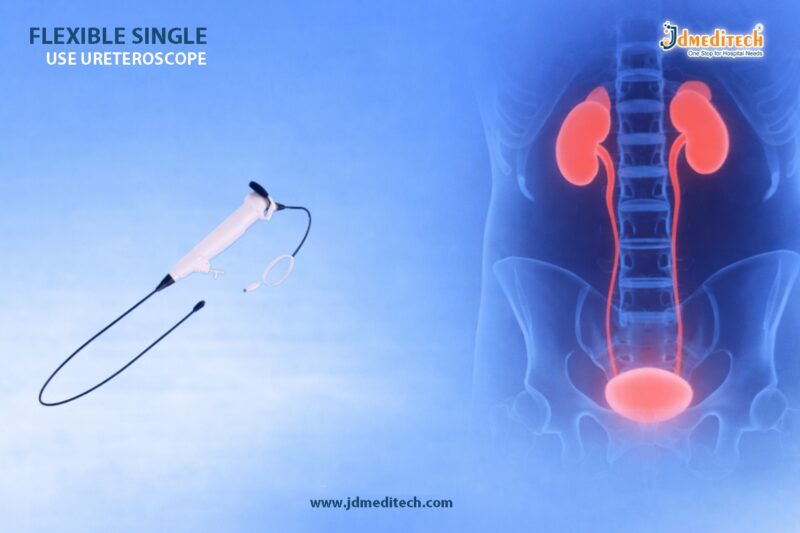
Organ Donation

Organ Donation

Organ donation is one of the most selfless acts a person can perform. It has the power to save multiple lives, restore health, and give hope to families waiting for a second chance. With thousands of patients around the world suffering from end-stage organ failure, organ donation plays a crucial role in modern medical care.

What Is Organ Donation?

Organ donation is the process of giving an organ or tissue to someone who needs a transplant. These organs can come from a living donor or a deceased donor. Once transplanted, they help replace damaged or failing organs and significantly improve or save a patient’s life.

Which Organs Can Be Donated?

Kidneys
The only organ that can regrow

• The liver has a unique ability to regenerate.
• A portion of the liver can be donated by a living donor.
• The deceased liver can be split and used for two different recipients in some cases.

Liver
The only organ that can regrow

• The liver has a unique ability to regenerate.
• A portion of the liver can be donated by a living donor.
• The deceased liver can be split and used for two different recipients in some cases.

Heart
Life-saving for end-stage heart failure

• The heart can only be donated by a deceased donor.
• Heart transplant is required for patients with severe heart disease, cardiomyopathy, or congenital heart defects.

Lungs

• Lungs can be donated by a deceased donor.
• In some cases, two living donors can donate one lung lobe each.

Pancreas

• Can be donated by both living and deceased donors.
• Usually transplanted to treat type 1 diabetes or severe pancreatic failure.

Intestines

• Can be donated by a living donor (portion) or from a deceased donor.
• Transplant is rare but essential for patients with short bowel syndrome or severe intestinal disease.

Corneas (Eyes)

• One of the most common tissue donations.
• A single donor can restore sight for two people.

Skin

• Burn victims
• Plastic/reconstructive surgery
• Trauma cases

Heart Valves
Used to repair damaged heart valves caused by:

• Infection
• Congenital heart conditions
• Degenerative diseases

Bone and Tendons

• Orthopedic surgeries
• Joint reconstruction
• Spinal surgery

Veins & Arteries

• Bypass surgeries
• Vascular repair

Why Is Organ Donation Important?

Every year, the number of people waiting for transplants increases, but the number of donors does not keep up. Many patients lose their lives while waiting for a suitable organ match.

Organ donation is vital because it:

• Saves lives of patients with organ failure
• Improves quality of life
• Reduces long-term medical costs
• Helps families find purpose in loss
• Strengthens the healthcare system

Who Can Become an Organ Donor?

Almost anyone, regardless of age or medical history, can pledge to become a donor. Doctors will assess an individual’s medical condition at the time of death to determine which organs or tissues can be used.

Key donor eligibility factors:

• Overall health condition
• Cause of death
• Organ functionality

How Organ Donation Works

1. Registration or donor pledge by an individual
2. Medical evaluation after death
3. Consent from the family (if required)
4. Organ retrieval by transplant surgeons
5. Organ preservation and matching
6. Transplantation to a recipient in need

Organ Donation
Organ Donation in India
Organ Transplant
Organ Donation Process
Importance of Organ Donation
Types of Organ Donation

Conclusion

Organ donation is a noble act that has the power to transform lives. By choosing to become a donor, you help bridge the gap between organ shortage and demand. At JDMeditech, we are committed to supporting hospitals and healthcare professionals with advanced medical devices that aid successful organ retrieval and transplant procedures.

Explore More Product >>

Get Connected:
+91 79909 93062 | +91 63513 72032 | exports@jdmeditech.com
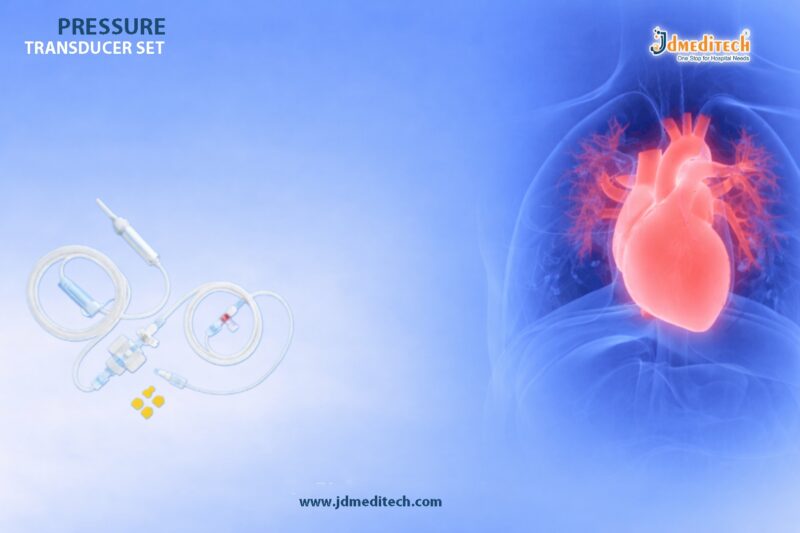
Retrograde Intrarenal Surgery

What Is Retrograde Intrarenal Surgery (RIRS)?
RIRS is a minimally invasive endoscopic technique used to remove kidney stones by entering the urinary system through natural body openings.
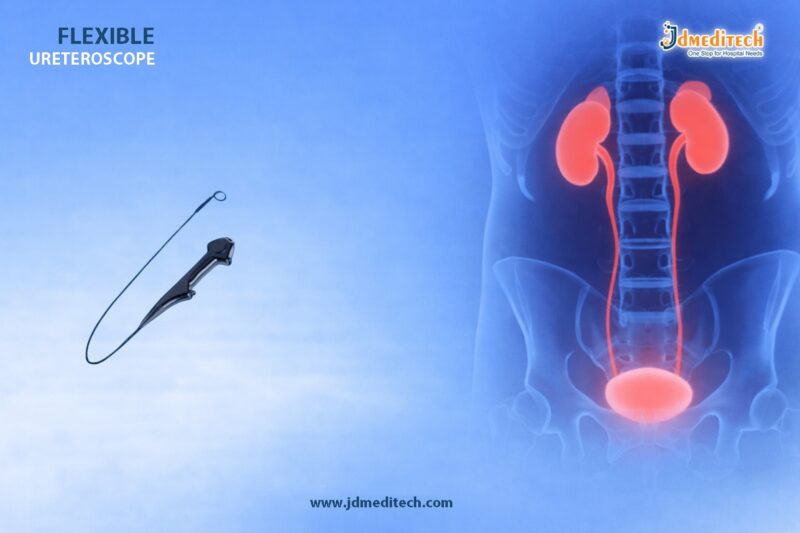
Instead of making any cuts on the body, surgeons pass a flexible ureteroscope through the urethra → bladder → ureter → kidney to reach the stone. Once the stone is located, it is fragmented using a Holmium:YAG or Thulium laser, and tiny pieces are removed or allowed to pass naturally.

When Is RIRS Recommended?
Doctors recommend RIRS in cases such as:
• Kidney stones up to 2 cm in size
• Stones located in the renal pelvis or calyces
• Stones that failed to clear with ESWL (Shock Wave Lithotripsy)
• Patients who are not suitable for PCNL due to bleeding risk
• Stones in children
• Anatomical abnormalities of the urinary tract
• Stones in obese, elderly, or medically unfit patients
RIRS is increasingly preferred due to its high success rate and minimal complications

Procedure of RIRS
The RIRS procedure is done under general or spinal anesthesia and usually takes 45–90 minutes depending on stone size.
1. Accessing the Urinary Tract
A thin flexible ureteroscope is carefully passed through the urethra and bladder into the ureter.
2. Reaching the Kidney
The scope is guided into the kidney chamber where the stone is located.
3. Laser Stone Fragmentation
A fine laser fiber targets the stone and breaks it into small sand-like pieces.
Holmium or Thulium laser is typically used due to its precision and safety.
4. Stone Removal
Small fragments may be removed using a tiny basket, while the rest pass out naturally through urine.
5. Stent Placement (If Needed)
A temporary DJ stent may be inserted to help urine flow and reduce postoperative discomfort.
It is usually removed after 1–2 weeks.

Benefits of RIRS
RIRS offers multiple advantages, making it one of the best treatment options for kidney stones.
✔ No Cuts, No Scars
Entirely endoscopic—performed through the natural urinary tract.
✔ Safe for All Age Groups
Effective in children, elderly patients, and those with comorbidities.
✔ Minimal Pain & Fast Recovery
Less postoperative pain compared to PCNL.
✔ High Stone Clearance Rate
Laser technology ensures complete stone fragmentation.
✔ Short Hospital Stay
Most patients go home within 24 hours.
✔ Reduced Risk of Complications
Lower chances of bleeding and infection.

Recovery After RIRS
Recovery from RIRS is quick and smooth. Patients may experience mild burning sensation or blood-tinged urine for 1–2 days.
Postoperative Care Includes:
• Drinking plenty of water
• Taking prescribed antibiotics and pain relievers
• Avoiding heavy physical activity for a week
• Following up for stent removal on the scheduled date
Most people return to normal activities within 2–3 days.

Risks and Possible Complications
Although rare, some minor risks include:
• Mild urinary infection
• Temporary discomfort due to DJ stent
• Small residual stone fragments
• Bleeding (very minimal)
With modern instruments and experienced surgeons, complications are uncommon.

Conclusion
Retrograde Intrarenal Surgery is a highly effective, minimally invasive, and patient-friendly treatment for kidney stones. With no external incisions, faster recovery, and excellent outcomes, RIRS has become a preferred choice for both patients and urologists. Whether stones are small, difficult-to-reach, or recurrent, RIRS provides a safe and advanced solution with minimal discomfort.

Explore More Product >>

Get Connected:
+91 79909 93062 | +91 63513 72032 | exports@jdmeditech.com
Facts To Know About Kidney Transplant

A kidney transplant is considered one of the most effective treatment options for people suffering from advanced kidney failure or End-Stage Kidney Disease (ESKD). Unlike dialysis, which only performs a part of kidney function artificially, a transplant replaces the damaged kidney with a healthy, functioning donor kidney. This offers patients a chance to live a healthier, longer, and more active life. Understanding how kidney transplantation works, its benefits, risks, and post-surgery expectations can help patients and families make confident, informed decisions. Here are the most important facts you should know about kidney transplantation.

1. What is a kidney transplant?
A kidney transplant is a surgical procedure in which a healthy kidney from a donor is implanted into a recipient whose kidneys are no longer functioning properly. The donated kidney may come from:
• A living donor: usually a close family member or a compatible volunteer.
• A deceased donor: a person who has donated organs after death.
One remarkable fact is that a person can live a perfectly healthy life with just one kidney, making living donation possible and safe in most cases.
2. Why a Kidney Transplant is Needed
A transplant is generally recommended for patients with Chronic Kidney Disease (CKD) Stage 5, when the kidneys lose 85–90% of their ability to function. Common causes of kidney failure include:
• Diabetes and high blood pressure
• Polycystic kidney disease (PKD)
• Glomerulonephritis
• Severe urinary tract abnormalities
• Autoimmune disorders such as lupus
• Long-term kidney infections or obstruction
When the kidneys fail, harmful waste builds up in the body, leading to life-threatening complications. A transplant restores kidney function and drastically improves overall health.
3. Benefits of Kidney Transplant Over Dialysis
A kidney transplant often provides better results than lifelong dialysis. Some key benefits include:
✔ Improved Quality of Life
Patients feel more energetic, active, and free from the limitations of dialysis appointments.
✔ Longer Life Expectancy
Transplant recipients generally live longer compared to those on long-term dialysis.
✔ Freedom in Lifestyle
Patients can travel, work, and enjoy daily activities without the need for regular dialysis.
✔ Fewer Dietary Restrictions
Food and fluid limitations become significantly relaxed after transplant surgery.
✔ Better Overall Health
A functioning kidney helps regulate blood pressure, red blood cell production, and waste removal more efficiently.
8. Life After Kidney Transplant
Life after a kidney transplant can be fulfilling and active. With the right lifestyle choices:
• A transplanted kidney can last 10–20 years or even longer.
• Patients can enjoy sports, travel, work, and everyday activities.
• Maintaining a healthy diet, exercising regularly, and taking medications on time are essential.
• Avoiding smoking and controlling blood pressure help extend the life of the transplanted kidney.
Regular medical follow-up ensures that the kidney stays healthy and functions properly for many years.

Conclusion
A kidney transplant gives patients with severe kidney disease a new chance at life. It offers freedom from dialysis, better health, and improved well-being. Understanding the complete process—from donor selection to surgery and long-term care—helps patients feel more…

Explore More Product >>

Get Connected:
+91 79909 93062 | +91 63513 72032 | exports@jdmeditech.com
Chronic Kidney Disease And Dialysis Procedure

What Is Chronic Kidney Disease?
Chronic Kidney Disease (CKD) is a long-term health condition in which the kidneys slowly lose their ability to function properly over time. The kidneys are responsible for filtering waste products, toxins, and excess fluid from the blood. When they become damaged, these harmful substances start to build up in the body, leading to serious health problems.
CKD develops gradually, often over months or years, and may not show noticeable symptoms in its early stages. As the disease progresses, kidney function continues to decline, eventually leading to End-Stage Renal Disease (ESRD)—a stage where the kidneys can no longer support the body’s needs. At this point, patients require dialysis or a kidney transplant to survive.

What are the symptoms of CKD?
Chronic Kidney Disease (CKD) is a progressive condition, and its symptoms often appear gradually as kidney function deteriorates. In the early stages, CKD may not show any noticeable symptoms because the kidneys can still compensate for minor damage. However, as the disease progresses, the buildup of toxins, excess fluid, and electrolyte imbalance leads to a variety of physical and metabolic symptoms.
Patients may begin experiencing persistent fatigue, weakness, and lack of energy due to anemia and toxin accumulation. Swelling in the feet, ankles, hands, and face is common as the kidneys lose their ability to remove extra fluid. Many individuals notice changes in urination, such as foamy urine, increased nighttime urination, or reduced urine output.
Other symptoms include nausea, vomiting, loss of appetite, and a metallic taste, which result from rising waste levels in the bloodstream. High blood pressure, muscle cramps, itchy or dry skin, and difficulty concentrating also indicate declining kidney function. In advanced stages, CKD can lead to breathlessness, severe fluid retention, chest discomfort, and almost no urine production, signaling the onset of kidney failure.
Recognizing these symptoms early and seeking medical evaluation can significantly slow disease progression and improve long-term outcomes.

Symptoms of advanced CKD

Common Symptoms of Advanced CKD (Stage 4–5)
1. Severe Fatigue and Weakness
Due to anemia and toxin buildup, patients feel extremely tired and weak and lack energy.
2. Swelling (Edema)
Significant swelling appears in the legs, ankles, feet, hands, and sometimes around the face due to fluid retention.
3. Very Little or No Urine Output
The kidneys fail to produce normal amounts of urine, even though fluid is building up inside the body.
4. Shortness of Breath
Fluid buildup in the lungs causes difficulty breathing, even while resting.
5. Nausea and Frequent Vomiting
Excess waste in the bloodstream leads to digestive discomfort, nausea, and loss of appetite.
6. Extreme Itching (Uremic Pruritus)
High levels of waste products cause persistent and sometimes severe itching.

What Is Hemodialysis?
Hemodialysis is a medical procedure used to remove waste products, toxins, and excess fluid from the blood when the kidneys are no longer able to perform these functions effectively. It acts as an artificial kidney for people with advanced Chronic Kidney Disease (CKD) or kidney failure.
During hemodialysis, blood is taken out of the body, cleaned using a machine called a dialyzer, and then returned to the body. This process helps maintain fluid balance, remove harmful substances, and keep electrolytes like potassium and sodium at healthy levels.

How Does Hemodialysis Work?
1. A vascular access (fistula, graft, or catheter) is created to allow blood to flow in and out of the body.
2. Blood travels through tubing into the dialysis machine.
3. Inside the dialyzer, the blood passes through a special filter that removes waste and excess water.
4. Clean blood is then returned to the body through the same access.
5. This cycle continues for the duration of the session.

What Is Peritoneal Dialysis?

Peritoneal dialysis (PD) is a type of dialysis that uses the lining of your abdomen—called the peritoneal membrane—to filter waste and excess fluid from the blood. Instead of using a machine like hemodialysis, this method relies on the body’s natural membrane as a filter.

A sterile dialysis fluid is introduced into the abdominal cavity through a soft tube called a peritoneal dialysis catheter. Waste products pass from the blood into the fluid. After a few hours, the used fluid is drained out and replaced with fresh solution.
Peritoneal dialysis is often done at home, giving patients more flexibility and independence.

Types of Peritoneal Dialysis
1. Continuous Ambulatory Peritoneal Dialysis (CAPD)
• Manual process
• No machine required
• Usually 3–4 exchanges per day
• The patient can walk and do daily activities while fluid is inside the abdomen
2. Automated Peritoneal Dialysis (APD)
• Performed using a machine called a cycler
• Usually done at night while the patient sleeps
• More convenient for many people

What Happens During Peritoneal Dialysis?
Peritoneal dialysis (PD) cleans the blood by using the natural lining of the abdomen—the peritoneal membrane—as a filter. The process happens inside the body and does not require blood to leave the bloodstream. Instead, a special cleansing fluid removes waste and extra fluid.


Conclusion

Chronic kidney disease is a progressive condition that requires timely diagnosis and continuous management. When the kidneys fail, dialysis becomes essential to sustain life. Understanding different types of dialysis and how they work helps patients and families make informed healthcare decisions.
With proper treatment, lifestyle changes, and regular follow-up, CKD patients can lead stable and meaningful lives while preparing for the possibility of a kidney transplant.

Hemodialysis SETUP

ACDF (Anterior Cervical Discectomy And Fusion) Surgery

ACDF (Anterior Cervical Discectomy and Fusion) is a widely performed spine surgery used to treat nerve compression in the neck caused by conditions like herniated discs, degenerative disc disease, or spinal stenosis. It helps relieve neck pain, arm pain, numbness, and weakness and restores normal movement.
What is ACDF?
Anterior Cervical Discectomy and Fusion (ACDF) is a surgical procedure used to treat conditions in the neck—particularly those where a disk in the cervical spine is herniated or degenerative, causing pressure on nerves or the spinal cord.
During ACDF:
• The surgeon approaches the spine from the front (through the throat/neck area) and removes the diseased or herniated disk (and often bone spurs), thereby relieving pressure on nerves or the spinal cord.
• Then, a “fusion” is done: adjacent vertebrae are stabilized using a bone graft or spacer (sometimes a cage), and plates/screws are often fixed to hold them in place while the bone fuses over time.
How Is ACDF Surgery Performed?
ACDF is usually performed under general anesthesia and takes about 1–2 hours, depending on the number of levels treated. Incision on the front of the neck
A small cut is made to access the cervical spine.

1. Disc removal
The damaged or herniated disc is carefully removed.
2. Nerve decompression
Bone spurs or tissue pressing on nerves are cleared.
3. Placement of bone graft or cage
An implant is inserted to maintain disc height.
4. Fusion with plate and screws
Metal hardware stabilizes the spine and helps fusion.
5. Closure
The incision is stitched and covered.

Benefits of ACDF Surgery
• Relieves neck and arm pain
• Restores nerve function
• Improves mobility and strength
• Stabilizes the spine
• Corrects compression of spinal cord or nerves
• Prevents worsening neurological symptoms

What Happens During ACDF Surgery?

ACDF (Anterior Cervical Discectomy and Fusion) is a structured spine procedure done to relieve pressure on the spinal cord or nerves in the neck. The surgery typically takes 1–2 hours, depending on the number of levels involved. Here is a step-by-step explanation of what happens:
1. Anesthesia and Positioning
• The patient is given general anesthesia, ensuring they remain fully asleep and pain-free.
• They are positioned on their back with the neck slightly extended to allow the surgeon clear access to the cervical spine.
2. Small Incision on the Front of the Neck
• The surgeon makes a small incision (3–4 cm) on one side of the front of the neck, usually near a natural skin crease.
• This approach avoids major muscles and allows a gentle, safe path to the spine.
3. Accessing the Cervical Spine
• Soft tissues like the esophagus, trachea, and neck muscles are carefully moved aside—not cut.
• Specialized instruments are used to expose the problematic disc between the cervical vertebrae.

4. Removing the Damaged/Herniated Disc (Discectomy)

• The surgeon removes the entire damaged or herniated disc causing pressure on nerves or the spinal cord.
• Any bone spurs (osteophytes) or fragments pressing on nerves are also removed.
• This step creates space and relieves compression.
5. Preparing the Disc Space
• After removing the disc, the empty disc space is cleaned and prepared.
• This helps promote proper fusion and alignment.
6. Inserting a Bone Graft or Cage
• A bone graft or interbody cage is placed into the disc space.
• This material helps the two vertebrae grow together (fuse) over time.
• The graft is usually:
o Patient’s own bone (rare)
o Donor bone
o Synthetic material
7. Stabilizing With a Plate and Screws (Fusion)
• A small titanium plate is fixed to the front of the vertebrae using screws.
• This keeps the spine stable and holds the graft securely until fusion occurs naturally.
8. Closing the Incision
• Once stability is confirmed:
o Muscles and soft tissues are placed back gently.
o The skin is closed with sutures.
• A small bandage is applied.
9. Recovery in the Hospital
• After surgery, the patient is moved to the recovery room.
• Most patients:
o Are awake within minutes
o Can walk the same day
o Stay 1 day in the hospital
• A neck collar may be recommended to support healing.
10. Healing & Fusion Process
• Although recovery begins immediately, the fusion process takes 3–6 months.
• Follow-up X-rays monitor how well the bones are fusing.

Conclusion

ACDF is a well-established, commonly performed spinal surgery that—for the right patient—can greatly improve quality of life by relieving nerve compression, pain, and weakness and restoring function. At the same time, as with any major surgery, it carries risks and requires careful patient selection, meticulous surgical technique, and disciplined postoperative care.

Explore More Product >>

Get Connected:
+91 79909 93062 | +91 63513 72032 | exports@jdmeditech.com
Laparoscopic Surgery

What Is Laparoscopic Surgery?
Laparoscopic surgery involves the use of a laparoscope, a thin tube with a high-resolution camera and light source. This device allows surgeons to view internal organs on a digital monitor in real time. Through additional small incisions, other instruments are inserted to perform the surgical procedure with precision.
This technique is commonly used for abdominal and pelvic surgeries, making it a preferred option for both surgeons and patients.

How Is Laparoscopic Surgery Performed?
1. Anesthesia is administered to ensure the patient feels no pain.
2. Small incisions are created in the abdomen.
3. Carbon dioxide gas is used to gently inflate the abdominal cavity for better visibility.
4. A laparoscope is inserted to project a clear image on a monitor.
5. Specialized surgical instruments are inserted through additional ports.
6. After completing the procedure, instruments are removed, CO₂ is released, and incisions are closed with sutures.

Common Procedures Performed Through Laparoscopy
Laparoscopic surgery can be used to diagnose and treat many conditions. Some widely performed laparoscopic procedures include:
• Laparoscopic Cholecystectomy (Gallbladder removal)
• Laparoscopic Appendectomy
• Laparoscopic Hernia Repair
• Laparoscopic Hysterectomy
• Laparoscopic Ovarian Cyst Removal
• Laparoscopic Bariatric Surgery
• Laparoscopic Diagnostic Procedures

Benefits of Laparoscopic Surgery
Laparoscopic procedures offer significant advantages over open surgery:
✔ Smaller Incisions
Only 0.5 cm to 1 cm incisions are made, resulting in minimal tissue damage.
✔ Less Pain & Discomfort
Patients experience less postoperative pain due to reduced trauma.
✔ Faster Recovery Time
Most patients can return to normal activities much sooner.
✔ Minimal Blood Loss
Smaller incisions help reduce bleeding during surgery.
✔ Lower Infection Risk
Smaller wounds reduce the chances of infection.
✔ Better Cosmetic Results
Tiny scars heal quickly and are barely visible.

Conclusion
Laparoscopic surgery has revolutionized the medical world with its minimally invasive nature, faster recovery, and excellent surgical outcomes. As technology continues to advance, more procedures are being performed laparoscopically, offering patients safer and more effective treatment options.

Explore More Product >>

Get Connected:
+91 79909 93062 | +91 63513 72032 | exports@jdmeditech.com
Hysteroscopy Surgery

What Is Hysteroscopy?
Hysteroscopy involves inserting a small telescope-like device through the vagina and cervix to examine the uterine cavity. This procedure helps doctors identify abnormalities such as polyps, fibroids, scarring, abnormal bleeding, and infertility-related issues. It can be done for both diagnostic and treatment purposes.

What is diagnostic hysteroscopy?
Diagnostic hysteroscopy is a minimally invasive procedure used to examine the inside of the uterus to identify the cause of symptoms such as abnormal bleeding, infertility, or recurrent miscarriages.
A thin, lighted instrument called a hysteroscope is inserted through the vagina and cervix into the uterus. This allows the doctor to view the uterine cavity on a monitor with high clarity—without any cuts or stitches.

What is operative hysteroscopy?
Operative hysteroscopy is a minimally invasive surgical procedure used to treat problems inside the uterus that are detected during a diagnostic hysteroscopy or ultrasound.
Instead of making cuts on the abdomen, the surgeon uses a hysteroscope (a thin, lighted telescope) inserted through the vagina and cervix. Special miniature surgical instruments are passed through the hysteroscope to perform the required treatment.

When is operative hysteroscopy used?

1. Uterine Polyps
To remove soft tissue growths that cause heavy bleeding, irregular periods, or infertility.
2. Submucosal Fibroids
To remove fibroids growing inside the uterine cavity that cause pain, bleeding, or pregnancy issues.
3. Uterine Septum
To correct a congenital wall dividing the uterus, which can cause miscarriage or infertility.
4. Uterine Adhesions / Scar Tissue (Asherman Syndrome)
To remove scar tissue that may be causing missed periods, pelvic pain, or fertility problems.
5. Retained Products of Conception
To remove tissue remaining after miscarriage or abortion that can lead to infection or bleeding.
6. Removal of Lost or Embedded IUD
When an intrauterine device cannot be removed through normal methods.
7. Abnormal Uterine Bleeding
To treat the cause of heavy or prolonged menstrual bleeding that is linked to structural issues.
8. Endometrial Abnormalities
To remove abnormal tissue growths for biopsy or treatment.
9. Tubal Opening Evaluation or Treatment
In some cases, to open blocked tubal openings near the uterus (selective tubal cannulation).

Conclusion
Hysteroscopy is one of the most advanced and reliable techniques for diagnosing and treating uterine problems. Its minimally invasive nature, accuracy, and fast recovery make it an ideal choice for many women. If you are experiencing abnormal bleeding, infertility, or pelvic discomfort, consult your gynecologist to see if hysteroscopy is right for you.

Explore More Product >>

Get Connected:
+91 79909 93062 | +91 63513 72032 | exports@jdmeditech.com
Dilation and Curettage (D&C)

What is dilation and curettage (D&C)?
Dilation and curettage, sometimes known as D&C, is a gynecological procedure that involves the gentle opening of the cervix—the lower part of the uterus—and the removal of tissue from inside the uterus using a specialized instrument called a curette.
Depending on the circumstances, D&C can also be performed under suction—that is, vacuum—rather than sharp curettage.

Why is D&C used?
D&C may be both a diagnostic and therapeutic procedure. Indications for a D&C include:
• Investigating and diagnosing abnormal uterine bleeding, postmenopausal bleeding, and unexplained changes in menstrual cycles.
• Removing abnormal endometrial tissue, such as polyps, overgrown uterine lining, or suspected precancerous/cancerous changes.
• Clearing the uterus following a miscarriage or termination of pregnancy to ensure that no fetal or placental tissue remains.
• Removal of retained fragments of placenta after delivery or abortion, which may cause hemorrhage or infection.
Due to its flexibility and effectiveness, D&C remains one of the most common procedures when uterine sampling or tissue removal is required.

What to Expect—Procedure & Recovery Before the Procedure
•Your physician will discuss with you your medical history and advise any preoperative preparations, such as fasting or the use of any medication, as may be required.
• You will be asked to empty your bladder before the procedure. Depending on the indication and clinical circumstance, local or general anesthesia might be administered.

During the Procedure
• The speculum is inserted gently to visualize the cervix. Then, the cervix is slowly dilated using graduated dilators.
• Once dilation is sufficient, a metal or plastic curette or suction device is introduced to remove lining or tissue from the uterus.
• The tissue removed may be sent to the laboratory for analysis—looking for polyps, abnormal cells, or other pathology—if the D&C was performed for diagnostic purposes.
• The procedure itself is relatively quick; many D&Cs take about 10–20 minutes.
After the Procedure: Recovery & Home Care
•After D&C, many people experience mild cramping (like menstrual cramps) and light bleeding or spotting for a few days.
• Use sanitary pads, not tampons, to decrease your infection risk. Do not engage in vaginal intercourse, nor insert a tampon into the vagina, until your doctor lets you know that this will be safe, which is generally in about a week, though timing may vary.
• Most individuals return to normal activities within a few days.
•Many surgeons will schedule a follow-up appointment within 1–2 weeks, especially if the tissue was sent for pathology, to review the results and make sure the healing is normal.

Why Choose JD Meditech for Gynecology Instruments? ISO-certified manufacturer
• International-standard surgical instruments
• Rust-free, medical-grade stainless steel
• Ergonomic, surgeon-friendly design
• Export quality products with reliable performance
Our various products enjoy immense trust in hospitals, clinics, and healthcare facilities across the world.
Conclusion
D&C is a safe and effective diagnostic and treatment method for a variety of uterine problems. Availing themselves of the most advanced gynecology instruments offered by JD Meditech, healthcare professionals can conduct D&C with precision and confidence, ensuring better outcomes and patient care.

Explore More Product >>

Get Connected:
+91 79909 93062 | +91 63513 72032 | exports@jdmeditech.com
Manufacturing of Medical Devices in India

India’s medical device manufacturing industry is rapidly evolving, transforming the country into a global hub for high-quality and affordable healthcare technology. With strong government support, advanced manufacturing capabilities, and rising demand for healthcare services, India is now one of the fastest-growing medical device markets in the world.
This growth has opened new opportunities for manufacturers, exporters, and healthcare providers, making India a preferred destination for reliable and cost-effective medical devices.

Advanced Manufacturing Capabilities
India now hosts state-of-the-art manufacturing facilities equipped with:
• Precision engineering
• CNC and automated machinery
• Quality inspection and testing labs
• Sterilization & cleanroom environments
Manufacturers like JDMeditech use advanced technology to deliver reliable, safe, and innovative medical devices for global markets.

Major Categories of Medical Devices Manufactured in India
1. Urology Instruments
• TURP Resectoscope
• Ureteroscope (Rigid & Flexible)
• URS Forceps, Baskets
• RIRS Scopes & Accessories
• Laser Surgery Instruments
2. Laparoscopy & Endoscopy Equipment
• Laparoscopic hand instruments
• Telescopes & camera systems
• Insufflators, light sources
• Trocar & cannula
3. Gynecology & Obstetrics Devices
• Hysteroscope
• D&C instruments
• Vacuum delivery systems
4. ENT & General Surgery Devices
• Sinuscopes
• Rigid endoscopes
• Surgical forceps & scissors
5. Hospital Equipment
• Operating tables
• LED OT lights
• ICU & emergency care devices
Companies like JDMeditech play a key role in supplying a complete range of devices across these categories.

The Future of Medical Device Manufacturing in India
With continuous investment in R&D, digital healthcare technology, and automation, India’s medical device industry is expected to reach USD 50 billion by 2030. The focus is shifting towards:
• Robotics in surgery
• AI-driven diagnostics
• Minimally invasive surgical instruments
• Laser and imaging technologies

Export Scenario of Medical Devices in India
India’s medical device export sector has shown remarkable growth over the past decade, positioning the country as a reliable global supplier of high-quality and competitively priced medical equipment. With increasing international demand, better manufacturing standards, and strong government support, India is emerging as a major export hub for surgical instruments, endoscopy equipment, diagnostic devices, and hospital supplies.
India has a 75-80% import dependency on medical devices. Export of medical devices from India stood at US$ 2.53 billion in FY21 and is expected to rise to US$ 10 billion by 2025.
To increase the export of medical devices in the country, the Ministry of Health and Family Welfare (MOHFW) and Central Drugs Standard Control Organisation (CDSCO) implemented the following initiatives:
Re-examination and implementation of Schedule MIII (a draft guidance on good manufacturing practices and facility requirements) System for export labelling Clinical evaluation and adverse reporting clarification State licensing authority to extend free sales certificate validity from 2 years to 5 years to allow exports Create a list of manufacturers with export licensing for easy access to regulatory authorities worldwide.


Conclusion

The manufacturing of medical devices in India is experiencing remarkable growth. Supported by advanced technology, government initiatives, and skilled engineering expertise, India is becoming a trusted global supplier of high-quality and affordable medical devices.
JDMeditech proudly contributes to this mission by delivering world-class urology, endoscopy, and surgical equipment for healthcare professionals around the world.

Explore More Product >>

Get Connected:
+91 79909 93062 | +91 63513 72032 | exports@jdmeditech.com
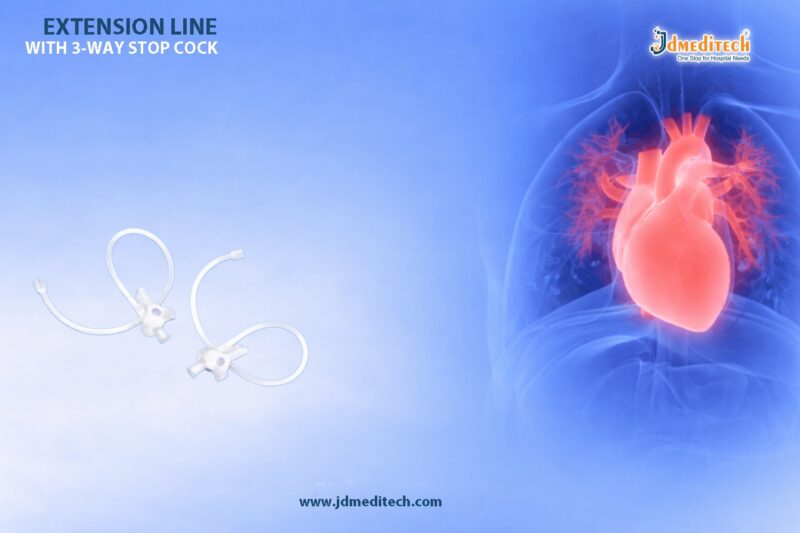
Vaginal Hysterectomy Surgery

A vaginal hysterectomy is one of the most preferred minimally invasive procedures in modern gynecology for the removal of the uterus. At JDMeditech, we support healthcare professionals with advanced surgical instruments and reliable medical devices that ensure safety, precision, and high-quality outcomes during gynecological procedures.
Vaginal hysterectomy offers faster recovery, minimal pain, and no visible scars, making it a popular choice for many women. Here is a complete guide to help patients and healthcare providers understand this procedure better.

What Is a Vaginal Hysterectomy?
A vaginal hysterectomy involves removing the uterus (womb) through the vaginal canal. In some cases, the cervix, fallopian tubes, or ovaries may also be removed depending on the patient’s condition.
It is commonly recommended for women who do not plan future pregnancies and are suffering from chronic reproductive health issues that cannot be treated with medication or minimally invasive procedures.

When Is Vaginal Hysterectomy Recommended?
Doctors may suggest a vaginal hysterectomy for conditions such as
• Uterine fibroids
• Heavy or irregular menstrual bleeding
• Pelvic organ prolapse
• Endometriosis
• Chronic pelvic pain
• Adenomyosis
• Abnormal uterine bleeding
• Recurrent uterine infections

Advantages of Vaginal Hysterectomy
Vaginal hysterectomy provides several benefits for patients, including:
✔ No Visible Scars
The entire procedure is performed through the vagina, leaving no external marks.
✔ Faster Recovery
Most patients recover quicker compared to abdominal surgery.
✔ Less Postoperative Pain
Minimal tissue damage results in reduced pain and discomfort.
✔ Shorter Hospital Stay
Patients are usually discharged within 1–2 days.
✔ Lower Risk of Complications
Reduced chances of bleeding or infection.

Conclusion
Vaginal hysterectomy is a safe, efficient, and minimally invasive surgical technique that offers numerous benefits for women suffering from chronic gynecological issues. With the right technology and surgical instruments—such as those provided by JDMeditech—healthcare professionals can ensure optimal outcomes with enhanced safety and precision.

Explore More Product >>

Get Connected:
+91 79909 93062 | +91 63513 72032 | exports@jdmeditech.com
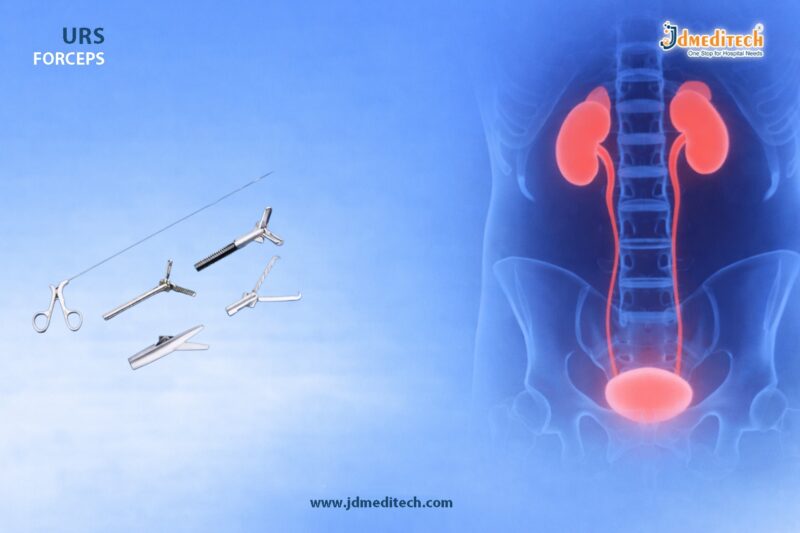
Labiaplasty Surgery

Labiaplasty is a surgical procedure that involves trimming or reshaping the labia minora to achieve a more balanced and comfortable vaginal structure. The goal of this surgery is not only aesthetic enhancement but also improved functionality in daily activities.
• Discomfort while walking, exercising, or wearing tight clothing
• Pain during intercourse
• Irritation or hygiene issues
• Asymmetry in the size or shape of the labia
• Desire for a more proportionate vaginal appearance

Who Can Benefit from Labiaplasty?
Labiaplasty is suitable for women experiencing:
• Enlarged or elongated labia due to genetics, childbirth, aging, or hormonal changes
• Functional discomfort during sexual intercourse or physical activities
• Emotional or psychological dissatisfaction with the appearance of their intimate area
A consultation with a qualified gynecologist or cosmetic surgeon helps determine whether the procedure is the right choice based on health history and expectations.

Benefits of Labiaplasty
• Enhanced comfort during activities like cycling, walking, or exercise
• Reduction of discomfort during sexual intercourse
• Improved intimate hygiene
• Boosted self-confidence and body image
• Correction of congenital or postpartum asymmetry

Recovery Tips
• Use cold compresses for swelling
• Avoid tight clothing during initial healing
• Maintain proper hygiene as instructed by the doctor
• Avoid sexual intercourse and strenuous exercise for 4–6 weeks
• Take prescribed medications for pain and inflammation

Risks & Considerations
• Swelling or bruising
• Temporary numbness
• Infection
• Scarring
• Asymmetry (rare and correctable)

Conclusion
Labiaplasty surgery offers a transformative solution for women seeking physical comfort, confidence, and improved intimate wellness. With the right guidance and expert care, patients can achieve natural-looking results and an enhanced quality of life.

Explore More Product >>

Get Connected:
+91 79909 93062 | +91 63513 72032 | exports@jdmeditech.com
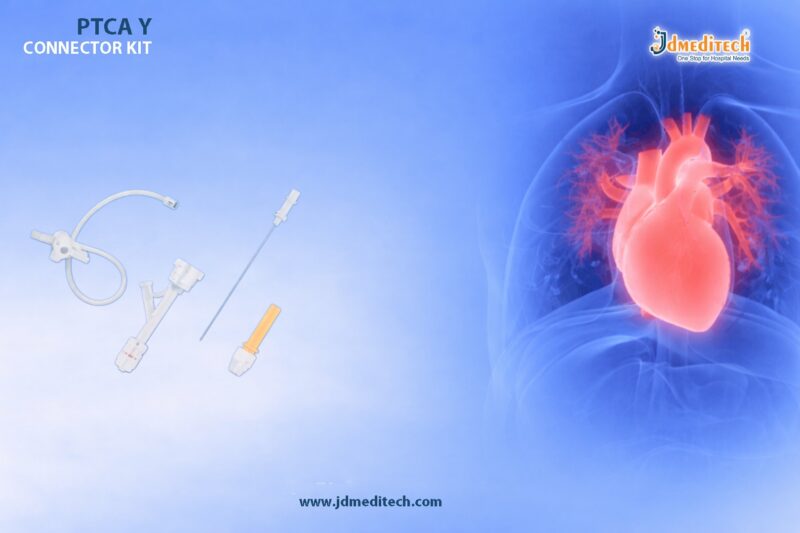
Angioplasty Surgery

Angioplasty is a procedure in which a cardiologist inserts a small balloon inside a blocked artery. When the balloon is inflated, it pushes the plaque against the artery walls, widening the blood vessel. In many cases, a stent (a small metal mesh tube) is placed to keep the artery open permanently.

When Is Angioplasty Recommended?
Doctors may suggest angioplasty for patients experiencing:
• Coronary Artery Disease (CAD)
Plaque buildup narrows the arteries and reduces blood supply to the heart.
• Heart Attack
Angioplasty can quickly restore blood flow and reduce damage to the heart muscle.
• Severe Chest Pain (Angina)
Especially when pain does not improve with medication.
• Blockages Detected in Tests
Such as stress tests, CT scans, or angiograms.

How Angioplasty Is Performed
1. Preparation
• Local anesthesia is applied.
• A catheter is inserted through the groin or wrist.
• Using X-ray guidance, the catheter is moved toward the blocked artery.
2. Balloon Inflation
• A tiny balloon at the tip of the catheter is inflated.
• This compresses plaque and widens the artery.
3. Stent Placement
• A metal stent is placed in most cases.
• The stent stays in the artery to prevent re-narrowing.
4. Completion
• The catheter is removed.
• The entire procedure usually takes 30–60 minutes.

Benefits of Angioplasty
• Quickly restores blood flow
• Reduces chest pain
• Minimizes heart damage during a heart attack
• Shorter recovery time compared to open-heart surgery
• High success rate with stent placement

Risks and Complications
Although angioplasty is generally safe, some risks may include:
• Bleeding at the catheter insertion site
• Re-narrowing of the artery (restenosis)
• Blood clots in the stent
• Irregular heartbeats
• Rare chances of heart attack or stroke

Recovery After Angioplasty
Most patients recover quickly and may return home within a day. Recovery tips include:
• Avoid heavy lifting for a week
• Take prescribed blood-thinning medications
• Follow a heart-healthy diet
• Regular exercise as advised by the doctor
• Scheduled follow-ups to monitor progress
Lifestyle changes play a key role in preventing future blockages.

Conclusion
Angioplasty surgery is a safe, effective, and life-saving procedure for opening blocked arteries and improving heart function. With modern medical technology and expert cardiac care, patients can enjoy faster recovery and a healthier future. Understanding the procedure helps individuals make confident decisions about their heart health.

Explore More Product >>

Get Connected:
+91 79909 93062 | +91 63513 72032 | exports@jdmeditech.com
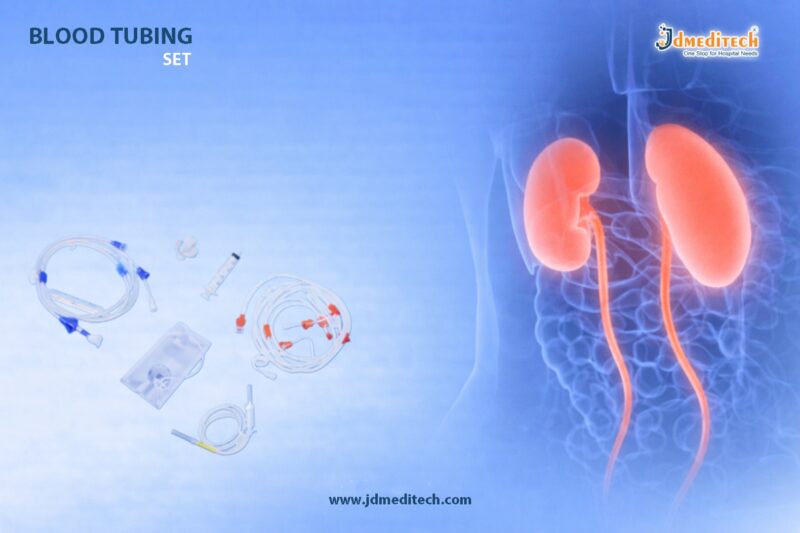
C-Section Surgery (Cesarean Delivery)

A Cesarean delivery, commonly known as a C-section, is a surgical procedure used to deliver a baby safely when vaginal birth is not possible or poses risks to the mother or child. Thanks to advanced medical equipment and modern surgical standards, C-sections today are highly safe and widely practiced around the world.

Why a C-Section Is Performed
Doctors may recommend a C-section for several medical reasons:

1. Complications During Labor
• Labor not progressing as expected
• Signs of fetal distress
• Issues with the umbilical cord
2. Maternal Health Concerns
• High blood pressure or pre-eclampsia
• Certain active infections
• Placenta previa (placenta covering or blocking the birth canal)
3. Baby’s Position
• Breech position (baby coming feet first)
• Transverse position (lying sideways)
4. Multiple Pregnancy
• Twins, triplets, or higher-order multiples
• Complications affecting one or more babies
5. Previous C-Sections
• Some women may require a repeat C-section depending on uterine healing and pregnancy conditions.

How C-Section Surgery Is Performed

1. Preparation
• The mother receives spinal or epidural anesthesia.
• Vital signs are monitored, and the abdominal area is sterilized.
2. Making the Incision
• A horizontal (bikini line) incision is made on the lower abdomen.
• A second incision is created in the uterus to reach the baby.
3. Delivery of the Baby
• The baby is gently lifted out of the uterus.
• The umbilical cord is cut, and a pediatric team assesses the newborn.
4. Closing the Incisions
• The uterus and abdominal layers are carefully sutured.
• The entire operation typically takes about 40–60 minutes.

Recovery After a C-Section

Recovery from a C-section takes longer than a vaginal birth because it involves major abdominal surgery. Typical recovery steps include:
• Staying in the hospital for 2–4 days
• Pain management and adequate rest
• Avoiding lifting heavy objects
• Gentle walking to improve circulation
• Scheduling follow-up visits to monitor incision healing
Most mothers recover fully within 4–6 weeks.

Benefits of a C-Section
• A safer option in emergency situations
• Protects the health of both mother and baby in high-risk pregnancies
• Planned C-Sections allow scheduling convenience for families

Risks and Considerations
As with any surgical procedure, a C-section carries some risks, such as:
• Infection or excessive bleeding
• Blood clots
• Longer healing period
• Increased risk of breathing problems in babies delivered before 39 weeks (when not medically necessary)
Healthcare professionals evaluate each case carefully before recommending cesarean delivery.

Conclusion
A C-section is a highly effective and reliable method of childbirth when normal delivery isn’t possible or safe. With advanced surgical techniques, professional medical care, and high-quality equipment—such as those supported by JD Meditech—mothers and babies can expect safe outcomes and a smooth recovery.
Understanding the procedure empowers parents, reduces anxiety, and prepares families for a confident birthing experience.

Explore More Product >>

Get Connected:
+91 79909 93062 | +91 63513 72032 | exports@jdmeditech.com
Instruments Used in TURBT (Transurethral Resection of Bladder Tumor) Surgery

During TURBT (Transurethral Resection of Bladder Tumor), a specialized set of urological instruments is used to access and remove bladder tumors via the urethra—without external incisions.

Instrument Names Used in TURBT Surgery:
Resectoscope
Working Element (active part of resectoscope)
Cutting Loop Electrode (monopolar or bipolar)
Light Cable and Camera Head
Irrigation Tubing Set
Saline or Glycine Irrigation Fluid
Ellik Evacuator or Toomey Syringe
Cautery Electrode / Coagulation Electrode
Bladder Distension Sheath
Biopsy Forceps (if tissue sampling is needed)
Electrosurgical Generator Unit (ESU)
e.g., Bipolar Saline Electrosurgical Unit – 400W
Suction Tubing and Collection Canister
Operating Table with Leg Supports (Lithotomy Position)

These instruments work together to perform the resection and removal of bladder tumors through the urethra, without open surgery.

TURBT (Transurethral Resection of Bladder Tumor): Procedure, Benefits & Recovery

TURBT (Transurethral Resection of Bladder Tumor) is typically needed when a person is suspected to have or has been diagnosed with a bladder tumor, especially at early stages. It plays a crucial role in both diagnosis and initial treatment.

We need TURBT (Transurethral Resection of Bladder Tumor) in the following situations:
1. Diagnosis of Bladder Cancer
When a person has symptoms like:
Blood in urine (hematuria)
Frequent or painful urination
Imaging or cystoscopy shows a suspicious mass or lesion in the bladder.
TURBT helps confirm if the tumor is cancerous, and determines the type, grade, and depth of invasion.

2. Initial Treatment of Early-Stage Bladder Cancer
Especially for non-muscle invasive bladder cancer (NMIBC):
Ta (confined to bladder lining)
T1 (into connective tissue)
CIS (flat carcinoma in situ)
TURBT removes the tumor completely, often followed by intravesical therapy (e.g. BCG).

3. Restaging or Repeat TURBT
If the initial tumor is:
High-grade
T1 stage
A second TURBT (within 2–6 weeks) is often done to ensure complete removal and accurate staging.

4. Relief of Urinary Symptoms in Advanced Cancer
When the tumor causes:
Bleeding
Blockage of urine flow
TURBT may be done for palliative purposes, not cure.

Procedure of TURBT (Transurethral Resection of Bladder Tumor)
1. Preoperative Preparation
Admission: Usually done as a day-care or short hospital stay.
Anesthesia: Spinal or general anesthesia is administered.
Positioning: Patient lies on their back with legs supported in stirrups (lithotomy position).

2. Insertion of the Resectoscope
A resectoscope (a thin tube with a camera and surgical loop) is gently inserted through the urethra into the bladder.
No external incision is made.

3. Visual Inspection of the Bladder
The surgeon examines the inside of the bladder for:
Tumor(s) — their size, location, and number
Bladder wall condition
Any suspicious areas for biopsy

4. Tumor Resection
The tumor is shaved off in layers using the resectoscope’s electric loop.
If necessary, tissue from the base of the tumor (including muscle layer) is also taken to check how deep the tumor has grown.

5. Control of Bleeding (Hemostasis)
The surgical area is cauterized to stop bleeding.
Irrigation fluid is used to flush out blood clots and tissue pieces from the bladder.

6. Tissue Collection for Biopsy
Tumor and bladder wall tissue samples are collected and sent for pathological analysis to determine:
Cancer presence
Type, grade, and stage

7. Catheter Placement
A Foley catheter is inserted into the bladder to:
Drain urine
Prevent blockage from clots
Allow bladder to heal
Bladder irrigation may be used to prevent clot formation.

Postoperative Care
Hospital Stay: Usually 1–2 days depending on recovery.
Catheter Removal: Within 24–72 hours typically.
Pathology Report: Usually ready within 7–10 days to guide further treatment.

Duration of Procedure
Typically takes 30–90 minutes depending on the number and size of tumors.

Instruments Used in Bladder Augmentation Surgery: Step-by-Step Guide

During Bladder Augmentation Surgery, various surgical instruments are used to perform the procedure efficiently and safely. Here’s a list of common instruments:

step-by-step list of instruments

1. Preparation Phase:
Surgical Scalpels: For making the initial incision in the abdominal area.
Needle Holder: To securely hold needles for suturing.

2. Accessing the Bladder:
Surgical Scissors: To dissect and open up layers of tissue to reach the bladder.
Bladder Retractors: Used to hold the bladder open for better access.

3. Harvesting Intestinal Tissue:
Intestinal Forceps: To clamp and hold the intestinal segment to be used for augmentation.
Bowel Clamp: To temporarily stop the blood flow to the portion of the intestine being removed.
Scissors or Electrocautery: To cut the section of the intestine.

4. Preparing and Attaching Intestinal Tissue to the Bladder:
Needle Holder and Suturing Instruments: For stitching the harvested segment of intestine to the bladder.
Surgical Scissors: For trimming any excess tissue.
Electrocautery (Diathermy): For coagulating small blood vessels to minimize bleeding.

5. Closing the Incision:
Sutures (Absorbable or Non-absorbable): To close the abdominal and bladder incisions.
Staplers: Occasionally used for closing the larger incisions in the bladder or abdominal wall.

6. Post-Operative Care:
Catheters: A catheter is inserted into the bladder for draining urine during recovery.
Drainage Tubes: May be used to prevent fluid buildup after surgery.

7. Final Inspection and Closure:
Sterile Drapes and Covers: To ensure a sterile environment during surgery.
Sutures or Staplers: To close the abdominal incision.

These instruments work together to ensure that the bladder augmentation procedure is successful and safe.

Bladder Augmentation Surgery: Procedure, Benefits & Recovery Guide

Bladder Augmentation is needed when the bladder is too small, stiff, or unable to store urine properly, causing serious problems.

Bladder Augmentation is needed when:
Bladder cannot hold enough urine (small bladder capacity).
Bladder is too stiff or high-pressure, risking kidney damage.
Severe urinary incontinence that doesn’t improve with medication or catheter use.
Neurogenic bladder (due to spinal cord injury, spina bifida, etc.).
Congenital bladder problems like bladder exstrophy or other birth defects.
Chronic bladder inflammation or damage from radiation, infection, or long-term catheter use.
Urine backing up to kidneys (vesicoureteral reflux) due to poor bladder function.

Procedure of Bladder Augmentation (Augmentation Cystoplasty)

1. Anesthesia
The patient is placed under general anesthesia (completely unconscious).

2. Opening the Abdomen
A surgical incision is made in the lower abdomen to access the bladder.

3. Opening the Bladder
The surgeon cuts open the bladder at the top to prepare it for expansion.

4. Removing a Section of Intestine
A small piece of intestine (usually ileum) is removed.
The intestine is then reconnected so digestion continues normally.

5. Attaching Intestine to Bladder
The intestinal segment is reshaped and sewn to the bladder to increase its size and reduce pressure.

6. Closing the Incision
A catheter is placed into the bladder to drain urine.
The abdominal incision is closed with stitches.

7. Post-Surgery Recovery
Hospital stay: 7–10 days.
Catheter use: 2–3 weeks.
Patient may need to learn self-catheterization for bladder emptying.

Benefits
Increased bladder capacity – can hold more urine comfortably.
Reduced bladder pressure – protects the kidneys from damage.
Improved continence – helps control urine leakage.
Better quality of life – less urgency, fewer infections, and more independence.

Instruments Used in Cystectomy Surgery: A Complete Guide

Here is a list of specific instruments used in cystectomy surgery (bladder removal surgery):

Basic Surgical Instruments:
Scalpel – For making precise incisions in the skin and tissues.
Mayo scissors – For cutting soft tissues during dissection.
Metzenbaum scissors – For finer dissection of delicate tissues.
Needle holder – Used to hold needles while suturing.
Kelly clamp – For clamping blood vessels and tissues to control bleeding.
Mosquito clamp – A smaller version of the Kelly clamp, used for smaller blood vessels.

Instruments for Bladder and Pelvic Surgery:
Balfour retractor – A self-retaining retractor to hold the abdominal cavity open for better access.
DeBakey forceps – For grasping tissues delicately, used to hold and manipulate tissues.
Allis forceps – Used to grasp tissues, especially in deeper regions.
Surgical suction – Used to remove blood and fluids, maintaining a clear surgical field.
Electrocautery (Bovie) – An electrical tool used to cut tissue and coagulate blood vessels to minimize bleeding.
Bladder dissector – To carefully separate the bladder from surrounding tissues.

Laparoscopic or Robotic-Assisted Instruments (if minimally invasive):
Trocars – Tubes inserted into the abdomen to create access points for laparoscopic instruments.
Laparoscope – A small camera inserted through a trocar to view the internal surgical site.
Graspers – Instruments used for holding and manipulating tissues during laparoscopic surgery.
Laparoscopic scissors – Special scissors for cutting tissues during minimally invasive surgery.
Endoscopic stapler – Used for stapling tissues together, often in laparoscopic procedures.

Urinary Diversion Instruments:
Bowel clamps – Used to isolate portions of the bowel for creating urinary diversions, such as an ileal conduit.
Catheters – Used for draining urine during the procedure and post-surgery.
Stents – Tubes used to keep the urinary system open after surgery.
Staplers – Used in creating an ileal conduit or a neobladder.
Stoma measuring device – To measure and create a proper site for the urinary diversion.

Closure Instruments:
Sutures – To close incisions after the procedure.
Staples – Used to close larger incisions or areas that require quicker closure.

These instruments are used to carry out different stages of the cystectomy procedure, including bladder removal, tissue dissection, and urinary diversion creation.

Cystectomy Surgery: Procedure, Types, Recovery & Risks Explained

A cystectomy is a surgical procedure to remove all or part of the urinary bladder. It is most commonly performed to treat bladder cancer, but it may also be done for other conditions like chronic bladder inflammation, severe trauma, or congenital defects.

Types of Cystectomy:
Partial Cystectomy – Only a part of the bladder is removed (usually if cancer is small and localized).
Radical Cystectomy – The entire bladder is removed.
Bladder Cancer (most common reason)
Especially if it is muscle-invasive or high-grade and does not respond to treatments like chemotherapy or BCG.
Severe Bladder Damage
From trauma, radiation therapy, or chronic inflammation.
Painful Bladder Conditions
Such as interstitial cystitis that does not respond to other treatments.
Birth Defects
Rarely, if the bladder is malformed and non-functional.
Neurological Bladder Dysfunction
In very severe cases where the bladder cannot empty or store urine properly, and other treatments fail.

Step-by-Step Cystectomy Procedure
1. Pre-operative Preparation
Medical tests: Blood work, urine tests, imaging (CT/MRI), EKG.
Bowel prep: Cleansing of the intestines if a urinary diversion will involve the bowel.
Fasting: No food or drink for several hours before surgery.
Consent: Patient is informed and signs surgical consent.

2. Anesthesia
General anesthesia is administered — the patient is fully unconscious and pain-free.

3. Positioning and Sterile Prep
The patient is positioned on the operating table.
The abdomen is cleaned and sterilized to prevent infection.

4. Surgical Incision
Open surgery: A vertical incision is made in the lower abdomen.
Minimally invasive (laparoscopic/robotic): Several small incisions are made for camera and tools.

5. Removal of the Bladder and Nearby Organs
The bladder is carefully detached from surrounding tissues.
In men: Bladder + prostate + seminal vesicles are removed

In women: Bladder + uterus + part of vagina + ovaries (sometimes) are removed.

6. Lymph Node Dissection
Pelvic lymph nodes are removed and sent for testing to check for cancer spread.

7. Urinary Diversion Construction

Since the bladder is gone, a new pathway for urine is created:
Ileal conduit: A piece of small intestine is used to connect ureters to a stoma (urine collects in a bag).
Neobladder: A new bladder made from intestine, connected to the urethra (you can urinate normally).
Continent reservoir: A pouch is created inside the body and emptied using a catheter.

8. Closure
All internal structures are checked for leaks.
Drains and catheters are placed.
The incision is closed with sutures or staples.

9. Recovery in Hospital
ICU or recovery room monitoring.
Pain control, IV fluids, and gradual reintroduction of diet.
Patient learns to manage urine diversion (if needed).
Hospital stay: usually 5–10 days.

Instruments in Shock Wave Lithotripsy (SWL) for Kidney Stones

The main instrument used in SWL is the lithotripter — a specialized medical device designed to generate and focus shock waves to break kidney or ureteral stones.

Step-by-Step Instruments Used in Shock Wave Lithotripsy (SWL)

1. Pre-Procedure Stage
Patient Evaluation – Ultrasound Machine | X-ray/CT Scanner – To locate the stone and assess size/location
Vital Monitoring – BP Monitor | ECG Monitor – To monitor heart rate, oxygen, blood pressure
Sedation (if required) – IV line, syringes, anesthetic setup – For patient comfort and pain control

2. Positioning and Preparation
Positioning Patient – Adjustable SWL Table – To properly align the patient with the machine
Shock Transmission Medium – Water cushion, gel pad, or water bath – Helps conduct shock waves to the body

3. Lithotripsy Procedure
Stone Localization – Fluoroscopy or Ultrasound Guidance – Real-time targeting of the stone
Shock Wave Delivery – Lithotripter Machine – Generates and focuses shock waves on stone

Types of Lithotripters:
Electrohydraulic Lithotripter
Electromagnetic Lithotripter
Piezoelectric Lithotripter

4. Post-Procedure Monitoring
Vital Sign Monitoring – ECG, Pulse Oximeter, BP Monitor – To check patient stability after treatment
Urine Output Observation – Urine collection system, Urinometer – To detect stone fragments and urine flow
Follow-Up Imaging – Ultrasound or X-ray – To confirm stone clearance

Shock Wave Lithotripsy (SWL): Guide to Procedure & Recovery

Shock Wave Lithotripsy (SWL) is a non-invasive medical procedure used to break kidney or ureteral stones into smaller pieces using high-energy sound waves (shock waves). These small fragments can then pass naturally through the urinary tract

You may need SWL if

You have kidney stones or ureter stones between 4 mm to 20 mm.
The stone is visible on X-ray or ultrasound.
The stone is in the kidney or upper ureter.
You have pain, bleeding, or infection due to stones.
You want to avoid surgery.
Other treatments (like medications) did not work.

Here is a step-by-step explanation of how Shock Wave Lithotripsy (SWL) is performed

1. Pre-Procedure Preparation
Medical Evaluation – Imaging tests (X-ray, CT scan, or ultrasound) are done to locate the stone and determine its size and position.
Fasting – You may be asked to avoid food and drink for 6–8 hours before the procedure.
Medication Review – Blood thinners or certain medications may be stopped temporarily.
Anesthesia – Light sedation or general anesthesia may be used to reduce pain or movement during the procedure.

2. During the Procedure

Positioning – You lie on a water-filled cushion or a special table, depending on the machine used.
Imaging Guidance – The doctor uses X-ray or ultrasound to target the stone accurately.
Shock Wave Delivery – A lithotripter machine generates high-energy sound waves focused on the stone.
Stone Fragmentation – The shock waves pass through the skin and break the stone into small fragments.
Duration – The procedure typically lasts 30 to 60 minutes.

3. Post-Procedure Care
Observation – You may be monitored for a few hours and discharged the same day.
Symptoms – Mild pain, blood in urine, or bruising at the skin site is common.
Hydration – You are advised to drink plenty of fluids to flush out stone fragments.
Medications – Pain relievers and sometimes antibiotics are prescribed.
Follow-up – Imaging is done after a few weeks to ensure the stone is cleared completely.

You may pass stone fragments over several days to weeks.
Some patients may need repeat SWL sessions if stones are not completely broken.
If SWL fails, other options like URS (ureteroscopy) or PCNL may be considered.