

Maze Procedure for Atrial Fibrillation – Surgical Treatment Guide

Atrial fibrillation (AFib) is one of the most common cardiac rhythm disorders worldwide. It disrupts the heart’s normal electrical signals and increases the risk of stroke, heart failure, and other complications. While medications and catheter-based treatments help many patients, some cases require advanced surgical intervention.

The Maze Procedure for Atrial Fibrillation is a highly effective surgical solution. It restores normal heart rhythm by creating controlled scar tissue that blocks abnormal electrical signals. Therefore, it plays a crucial role in the surgical management of atrial fibrillation.

What is Atrial Fibrillation?

Atrial fibrillation is an irregular and often rapid heart rhythm. It originates in the atria, the upper chambers of the heart.

Common Causes
  • High blood pressure
  • Coronary artery disease
  • Heart valve disorders
  • Obesity and lifestyle factors
Symptoms
  • Palpitations
  • Shortness of breath
  • Fatigue
  • Dizziness

However, some patients may not experience noticeable symptoms, which makes early diagnosis important.

What is the Maze Procedure for Atrial Fibrillation?

The Maze Procedure for Atrial Fibrillation is a surgical technique designed to eliminate abnormal electrical pathways in the heart.

Surgeons create a “maze” of scar tissue in the atria using:

  • Radiofrequency energy
  • Cryotherapy (freezing)
  • Surgical incisions

As a result, electrical signals can only travel through a controlled pathway, restoring normal sinus rhythm.

Types of Maze Procedures
1. Cox Maze III Procedure

This is the traditional “cut-and-sew” technique. Although it is highly effective, it is more invasive.

2. Cox Maze IV Procedure

This modern version uses energy sources like radiofrequency or cryoablation instead of incisions. Therefore, it reduces surgical complexity.

3. Minimally Invasive Maze Procedure

Surgeons perform this approach using small incisions and specialized instruments. As a result, recovery is faster and complications are fewer.

Indications for Maze Procedure

Doctors recommend the Maze Procedure for Atrial Fibrillation in the following cases:

  • Persistent or long-standing AFib
  • Failure of medications or catheter ablation
  • Patients undergoing other cardiac surgeries (e.g., valve repair or CABG)
  • High risk of stroke

Thus, it becomes a reliable option when other treatments do not provide lasting results.

Step-by-Step Surgical Process
1. Preoperative Evaluation

Doctors assess heart function using ECG, echocardiography, and imaging.

2. Anesthesia and Access

The patient receives general anesthesia. Surgeons access the heart through open surgery or minimally invasive techniques.

3. Creating the Maze Pattern

Surgeons create scar lines using radiofrequency or cryotherapy to block abnormal signals.

4. Restoring Normal Rhythm

The controlled pathways allow electrical impulses to travel properly.

5. Closure and Monitoring

Finally, surgeons close the incision and monitor the patient closely.

Benefits of Maze Procedure

The Maze Procedure for Atrial Fibrillation offers several advantages:

  • High success rate in restoring normal rhythm
  • Reduced risk of stroke
  • Improved heart function
  • Long-term solution compared to medications
  • Can be combined with other cardiac surgeries
Risks and Complications

Although effective, the procedure carries some risks:

  • Bleeding
  • Infection
  • Stroke
  • Need for pacemaker in some cases

However, with modern techniques, complication rates are significantly reduced.

Recovery After Maze Procedure

Recovery depends on the surgical approach.

Typical Recovery Timeline
  • Hospital stay: 5–7 days
  • Full recovery: 4–8 weeks
Postoperative Care
  • Medications to control rhythm
  • Regular follow-up visits
  • Lifestyle modifications

Therefore, proper aftercare ensures better long-term outcomes.

Maze Procedure vs Catheter Ablation
Feature Maze Procedure Catheter Ablation
Invasiveness Surgical Minimally invasive
Success Rate Higher in complex AFib Moderate
Recovery Time Longer Shorter
Best For Severe AFib cases Early-stage AFib
Latest Advances in Maze Procedure

Modern innovations have improved the Maze Procedure for Atrial Fibrillation:

  • Minimally invasive robotic-assisted surgery
  • Advanced energy sources for precision
  • Hybrid procedures combining surgery and catheter techniques

As a result, outcomes continue to improve with reduced recovery time.

Why Choose Surgical Management for AFib?

Surgical intervention provides a durable solution when other treatments fail. Moreover, the Maze Procedure for Atrial Fibrillation offers long-term rhythm control and improved quality of life.

Conclusion

The Maze Procedure for Atrial Fibrillation remains a gold standard in the surgical management of complex AFib cases. It effectively restores normal heart rhythm by controlling abnormal electrical signals.

If medications and catheter-based treatments do not work, this surgical approach offers a reliable and long-lasting solution. Therefore, it plays a vital role in modern cardiac care.


Explore More Product >>

Get Connected:

+91 79909 93062 | +91 63513 72032 | exports@jdmeditech.com

Heart Transplantation Surgery – Procedure, Benefits & Recovery

Heart transplantation surgery is one of the most advanced and life-saving procedures in modern cardiology. It is primarily performed for patients suffering from end-stage heart failure when all other treatments have failed.

Over the years, heart transplantation surgery has evolved significantly, offering improved survival rates and better quality of life. Moreover, with advancements in surgical techniques and post-operative care, outcomes continue to improve globally.

What is Heart Transplantation Surgery?

Heart transplantation surgery is a procedure in which a diseased or failing heart is replaced with a healthy donor heart. Typically, the donor heart comes from a brain-dead individual whose organs are still functioning.

This procedure is considered only when:

  • Medications are no longer effective
  • Medical devices fail to support heart function
  • The patient has severe, irreversible heart damage

Therefore, heart transplantation surgery becomes the last and most effective option for survival.

Who Needs Heart Transplantation Surgery?All Posts

Not every heart patient qualifies for heart transplantation surgery. However, it is recommended in severe cases such as:

1. End-Stage Heart Failure

When the heart cannot pump enough blood to meet the body’s needs.

2. Cardiomyopathy

A condition where the heart muscle becomes weak or enlarged.

3. Severe Coronary Artery Disease

Blocked arteries leading to irreversible heart damage.

4. Congenital Heart Defects

Complex heart abnormalities present from birth.

5. Failed Previous Cardiac Surgeries

When earlier procedures no longer provide relief.

In such cases, heart transplantation surgery significantly improves survival chances.

Pre-Transplant Evaluation Process

Before undergoing heart transplantation surgery, patients must go through a detailed evaluation. This ensures that they are suitable candidates.

Key Evaluations Include:
  • Blood tests and imaging
  • Cardiac function assessment
  • Psychological evaluation
  • Infection screening

Additionally, patients are placed on a waiting list based on urgency, compatibility, and availability of donor organs.

Heart Transplantation Surgery Procedure

The heart transplantation surgery procedure is complex and requires a highly skilled cardiac team.

Step-by-Step Process:
  1. Anesthesia Administration
    The patient is placed under general anesthesia.
  2. Heart Removal
    The diseased heart is carefully removed.
  3. Donor Heart Implantation
    The healthy donor heart is connected to major blood vessels.
  4. Restarting the Heart
    The new heart is stimulated to start beating.
  5. Monitoring and Stabilization
    The patient is closely monitored in the ICU.

As a result, heart transplantation surgery restores normal blood circulation and cardiac function.

Benefits of Heart Transplantation Surgery

There are several advantages of heart transplantation surgery, including:

  • Improved Survival Rate
  • Better Quality of Life
  • Increased Physical Activity
  • Relief from Severe Symptoms

Furthermore, many patients return to near-normal daily activities after recovery.

Risks and Complications

Although heart transplantation surgery is highly effective, it also carries certain risks:

1. Organ Rejection

The body may attack the new heart.

2. Infection

Due to immunosuppressive medications.

3. Blood Clots

Which can lead to stroke or heart attack.

4. Side Effects of Medications

Including kidney damage and high blood pressure.

However, with proper care and monitoring, these risks can be managed effectively.

Post-Transplant Care and Recovery

Recovery after heart transplantation surgery is crucial for long-term success.

Important Care Measures:
  • Lifelong immunosuppressive medications
  • Regular follow-up visits
  • Healthy diet and lifestyle
  • Cardiac rehabilitation

In addition, patients must strictly follow medical advice to prevent complications.

Success Rate of Heart Transplantation Surgery

The success rate of heart transplantation surgery has improved significantly due to modern advancements.

  • 1-year survival rate: 85–90%
  • 5-year survival rate: 70–75%

Therefore, heart transplantation surgery remains one of the most reliable solutions for advanced heart failure.

Latest Advancements in Heart Transplantation

Modern innovations are transforming heart transplantation surgery, such as:

  • Artificial heart support devices
  • Improved organ preservation techniques
  • Minimally invasive monitoring
  • Advanced immunosuppressive therapies

These advancements continue to enhance patient outcomes and reduce complications.

Conclusion

In conclusion, heart transplantation surgery is a life-saving solution for patients with severe heart disease. While the procedure is complex, it offers a second chance at life for many individuals.

With continuous medical advancements and proper post-operative care, heart transplantation surgery provides excellent long-term results and improved quality of life.


Explore More Product >>

Get Connected:

+91 79909 93062 | +91 63513 72032 | exports@jdmeditech.com
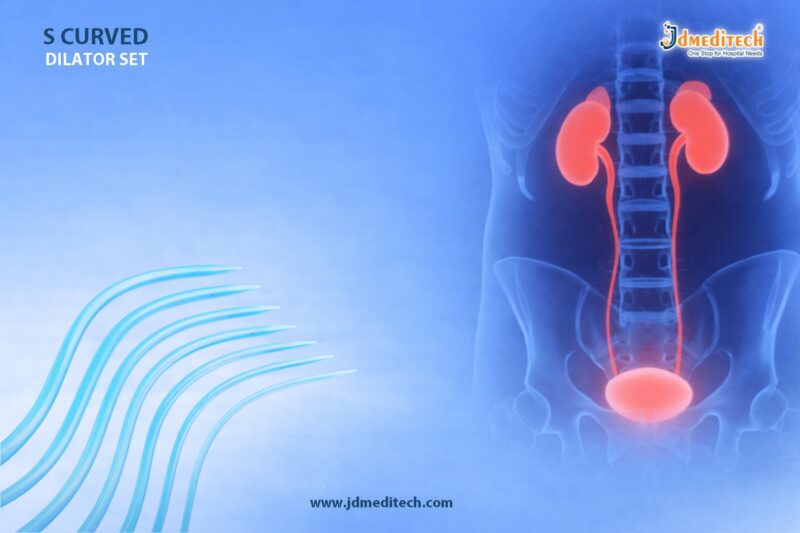
S Curved Dilator Set for Smooth Urethral Dilation

The S Curved Dilator Set for Smooth Urethral Dilation is an essential tool in modern urology. It is specifically designed to provide safe, gradual, and controlled urethral dilation, especially in patients with urethral strictures. Because of its unique S-shaped curvature, this instrument allows better navigation through the natural anatomy of the urethra.

Moreover, urologists prefer the S Curved Dilator Set for Smooth Urethral Dilation because it minimizes trauma while ensuring procedural efficiency. As a result, it has become a reliable solution in both diagnostic and therapeutic urological procedures.

What is an S Curved Dilator Set?

An S Curved Dilator Set for Smooth Urethral Dilation is a collection of progressively sized dilators designed with a gentle S-shaped curve. This design matches the anatomical pathway of the urethra, allowing smoother insertion.

In addition, each dilator is carefully calibrated to ensure gradual expansion, which is critical for patient safety. Therefore, the set plays a vital role in treating urethral narrowing without causing unnecessary discomfort.

Key Features of S Curved Dilator Set for Smooth Urethral Dilation
1. Anatomical S-Curved Design

First and foremost, the S Curved Dilator Set for Smooth Urethral Dilation features a unique curvature that follows the natural urethral path. Consequently, it reduces resistance during insertion.

2. Smooth Surface Finish

Furthermore, the dilators have a polished surface. This ensures minimal friction, thereby reducing the risk of tissue injury.

3. Graduated Sizes

Each S Curved Dilator Set for Smooth Urethral Dilation includes multiple sizes. Hence, clinicians can perform step-by-step dilation safely.

4. High-Quality Material

Typically, the set is made from medical-grade stainless steel or high-quality polymer, ensuring durability and easy sterilization.

5. Ergonomic Handling

In addition, the handle design allows better grip and control. As a result, precision during procedures improves significantly.

Clinical Applications

The S Curved Dilator Set for Smooth Urethral Dilation is widely used in:

  • Treatment of urethral strictures
  • Pre-operative urethral preparation
  • Post-surgical urethral management
  • Diagnostic urological procedures
  • Gradual urethral calibration

Because of its versatility, it is a must-have instrument in urology departments.

Advantages of Using S Curved Dilator Set for Smooth Urethral Dilation
Enhanced Patient Comfort

Due to its anatomical design, the S Curved Dilator Set for Smooth Urethral Dilation ensures less discomfort during insertion.

Reduced Risk of Trauma

Moreover, the smooth finish and gradual sizing significantly lower the chances of urethral injury.

Improved Procedural Accuracy

Since the device offers better control, urologists can perform dilation more precisely.

Time-Efficient Procedures

Additionally, the ease of insertion helps reduce procedure time, thereby improving workflow in clinical settings.

Step-by-Step Procedure Overview
  1. First, proper sterilization of the S Curved Dilator Set for Smooth Urethral Dilationis ensured.
  2. Next, lubrication is applied to minimize friction.
  3. Then, the smallest dilator is gently inserted into the urethra.
  4. Gradually, larger sizes are introduced to achieve the desired dilation.
  5. Finally, the procedure is completed while monitoring patient comfort.
Maintenance and Sterilization

To maintain performance, the S Curved Dilator Set for Smooth Urethral Dilation must be properly cleaned and sterilized after each use.

  • Use autoclaving or approved sterilization methods
  • Inspect for any damage before reuse
  • Store in a clean, dry environment
Why Choose JDMeditech?

At JDMeditech, we provide high-quality S Curved Dilator Set for Smooth Urethral Dilation designed to meet international medical standards.

  • Precision-engineered instruments
  • Reliable performance
  • Strict quality control
  • Competitive pricing
Conclusion

The S Curved Dilator Set for Smooth Urethral Dilation stands out as a specialized, reliable, and patient-friendly solution for urethral dilation procedures. Because of its anatomical design, smooth finish, and graduated sizing, it ensures both clinical efficiency and patient safety.

Therefore, for urologists aiming to deliver precise and comfortable treatment, this instrument is an indispensable addition to their surgical toolkit.


Explore More Product >>

+91 79909 93062 | +91 63513 72032 | exports@jdmeditech.com
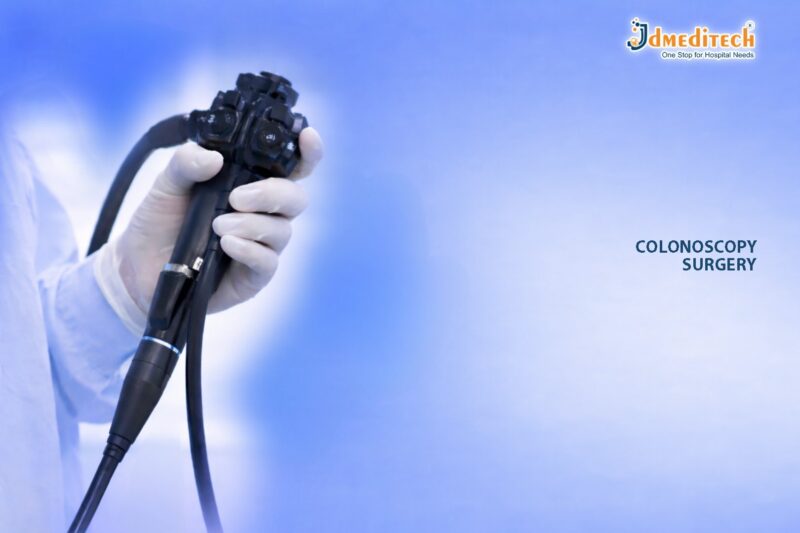
Colonoscopy Procedure for Digestive Health – Complete Guide

The colonoscopy procedure for digestive health plays a vital role in diagnosing and preventing serious gastrointestinal conditions. It is a safe and effective method that allows doctors to examine the inner lining of the colon and rectum. Moreover, this procedure helps detect early signs of colorectal cancer, polyps, and other digestive disorders.

In today’s healthcare environment, maintaining digestive health is essential. Therefore, understanding how a colonoscopy works can help patients feel more confident and prepared. This guide explains everything in a simple and easy-to-understand manner.

What is a Colonoscopy Procedure for Digestive Health?

A colonoscopy procedure for digestive health is a minimally invasive diagnostic test performed using a long, flexible tube called a colonoscope. This device is equipped with a camera and light source, allowing doctors to view the colon in real time.

Additionally, the procedure enables specialists to:

  • Detect abnormalities such as polyps or tumors
  • Take tissue samples (biopsy)
  • Remove precancerous growths

As a result, colonoscopy is considered one of the most effective tools for early detection and prevention of colorectal diseases.

Why is Colonoscopy Important for Digestive Health?

The colonoscopy procedure for digestive health is essential because it helps identify issues before they become serious. Early detection significantly improves treatment outcomes.

Key Benefits:
  • Early detection of colorectal cancer
  • Identification and removal of polyps
  • Diagnosis of inflammatory bowel diseases (IBD)
  • Evaluation of unexplained digestive symptoms

Furthermore, doctors often recommend this procedure for individuals over the age of 45 or those with a family history of colon-related diseases.

When Should You Undergo a Colonoscopy?

Doctors recommend a colonoscopy procedure for digestive health under several conditions. While routine screening is common, certain symptoms may require immediate evaluation.

Common Indications:
  • Persistent abdominal pain
  • Rectal bleeding
  • Chronic diarrhea or constipation
  • Unexplained weight loss
  • Iron deficiency anemia

Therefore, timely screening can prevent complications and improve long-term digestive health.

Preparation for Colonoscopy Procedure for Digestive Health

Proper preparation is crucial for a successful colonoscopy procedure for digestive health. A clean colon allows doctors to get clear and accurate results.

Preparation Steps:
  1. Follow a low-fiber diet 1–2 days before the procedure
  2. Switch to a clear liquid diet
  3. Take prescribed bowel-cleansing medications
  4. Avoid solid foods before the test

In addition, patients should carefully follow medical instructions to ensure optimal outcomes.

How is the Colonoscopy Procedure Performed?

The colonoscopy procedure for digestive health is usually performed under sedation, ensuring patient comfort.

Procedure Overview:
  • The patient lies on their side
  • A colonoscope is gently inserted into the rectum
  • The colon is examined using a high-resolution camera
  • Air or CO₂ is used to expand the colon for better visibility

During the procedure, doctors may remove polyps or collect biopsy samples if needed. Typically, the procedure takes 20–40 minutes.

Risks and Safety Considerations

Although the colonoscopy procedure for digestive health is generally safe, like any medical procedure, it carries minimal risks.

Possible Risks:
  • Mild discomfort or bloating
  • Bleeding (especially after polyp removal)
  • Rare cases of colon perforation

However, these risks are uncommon, and the benefits of early diagnosis outweigh potential complications.

Recovery After Colonoscopy Procedure for Digestive Health

Recovery from a colonoscopy procedure for digestive health is usually quick and smooth.

Post-Procedure Care:
  • Rest for a few hours after sedation
  • Avoid driving for 24 hours
  • Resume normal diet gradually
  • Follow doctor’s advice for further treatment

Most patients return to their normal activities within a day.

Role of Advanced Endoscopy Equipment

High-quality endoscopy equipment significantly enhances the effectiveness of the colonoscopy procedure for digestive health. Modern devices offer better visualization, precision, and patient safety.

At JDMeditech, we provide advanced endoscopy solutions designed to support accurate diagnosis and efficient procedures.

Conclusion

The colonoscopy procedure for digestive health is a powerful tool for maintaining overall gastrointestinal wellness. It not only helps detect diseases early but also prevents serious complications such as colorectal cancer.

Therefore, regular screening, proper preparation, and the use of advanced medical equipment ensure the best outcomes. If you experience any digestive symptoms or fall into a high-risk category, consult your healthcare provider and consider scheduling a colonoscopy.


Explore More Product >>

Get Connected:

+91 79909 93062 | +91 63513 72032 | exports@jdmeditech.com
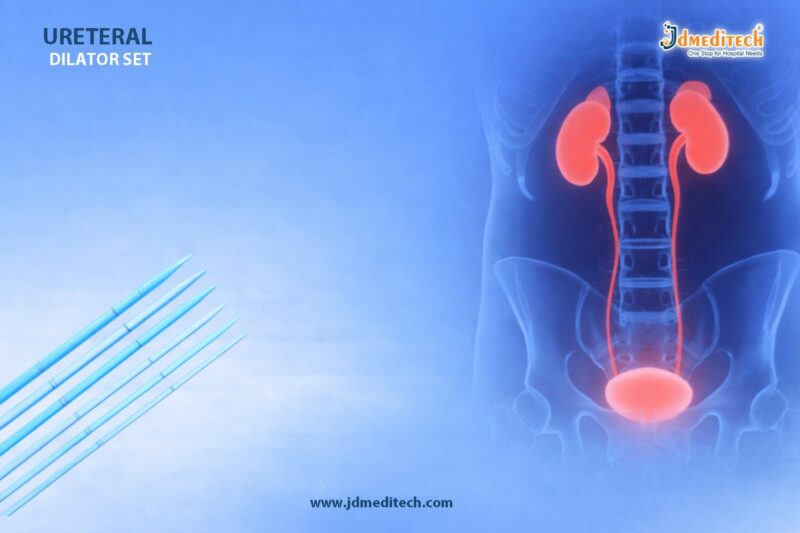
 

Ureteral Dilator Set – Safe and Precise Ureteral Dilation Tool

The Ureteral Dilator Set plays a crucial role in modern urology. It allows surgeons to achieve safe and controlled ureteral dilation during diagnostic and therapeutic procedures. Because ureteral access is often challenging, the use of a reliable Ureteral Dilator Set ensures precision, reduces complications, and improves procedural outcomes.

Moreover, with advancements in minimally invasive techniques, the demand for high-quality dilation tools has increased significantly. Therefore, understanding the importance of a Ureteral Dilator Set is essential for healthcare professionals.

What is a Ureteral Dilator Set?

A Ureteral Dilator Set is a collection of medical instruments designed to gradually expand the ureter. Typically, it includes multiple dilators of increasing diameters, which help achieve controlled dilation without causing trauma.

In addition, the Ureteral Dilator Set is widely used in procedures such as:

  • Ureteroscopy
  • Stone removal procedures
  • Stent placement
  • Endourological interventions

Because gradual dilation is critical, the Ureteral Dilator Set ensures smooth instrument passage into the urinary tract.

Key Components of a Ureteral Dilator Set

A standard Ureteral Dilator Set includes several essential components. Each part contributes to safe and effective dilation.

1. Sequential Dilators

These are the primary components of the Ureteral Dilator Set. They come in different sizes to allow gradual expansion of the ureter.

2. Guidewire Compatibility

Most Ureteral Dilator Set designs are compatible with guidewires. As a result, they ensure precise navigation during procedures.

3. Ergonomic Design

The instruments in a Ureteral Dilator Set are designed for easy handling. Therefore, surgeons can maintain better control during delicate procedures.

4. High-Quality Material

Typically made from medical-grade materials, the Ureteral Dilator Set ensures durability, sterility, and patient safety.

Applications of Ureteral Dilator Set in Urology

The Ureteral Dilator Set is widely used across multiple urological procedures. Its versatility makes it an essential tool in operating rooms.

1. Ureteroscopy Preparation

Before inserting a ureteroscope, the Ureteral Dilator Set is used to dilate the ureter safely.

2. Kidney Stone Management

During stone removal procedures, the Ureteral Dilator Set helps create adequate access for instruments.

3. Stent Placement

Proper dilation using a Ureteral Dilator Set ensures smooth placement of ureteral stents.

4. Stricture Management

The Ureteral Dilator Set is effective in managing ureteral strictures by gradually widening narrowed sections.

Advantages of Using a Ureteral Dilator Set

The Ureteral Dilator Set offers several benefits that improve both surgical efficiency and patient outcomes.

  • Minimally invasive approach : Reduces tissue trauma
  • Enhanced precision : Allows controlled dilation
  • Improved safety : Lowers risk of ureteral injury
  • Versatility : Suitable for multiple urological procedures
  • Better outcomes : Facilitates successful interventions

Furthermore, the Ureteral Dilator Set ensures consistent performance, making it a preferred choice among urologists.

How to Use a Ureteral Dilator Set Safely

Using a Ureteral Dilator Set requires proper technique and clinical expertise.

  1. First, insert a guidewire into the ureter.
  2. Then, select the smallest dilator from the Ureteral Dilator Set.
  3. Gradually introduce larger dilators in sequence.
  4. Monitor patient response throughout the procedure.
  5. Finally, proceed with the intended intervention.

Because safety is critical, careful handling of the Ureteral Dilator Set is essential.

Factors to Consider When Choosing a Ureteral Dilator Set

Selecting the right Ureteral Dilator Set is important for achieving optimal results.

  • Size range availability
  • Material quality
  • Compatibility with guidewires
  • Sterilization method
  • Manufacturer reliability

Therefore, investing in a high-quality Ureteral Dilator Set ensures long-term clinical benefits.

Maintenance and Sterilization

Proper maintenance of the Ureteral Dilator Set is essential to ensure safety and longevity.

  • Clean thoroughly after each use
  • Follow recommended sterilization protocols
  • Inspect for wear and damage
  • Store in a sterile environment

As a result, maintaining the Ureteral Dilator Set helps prevent infections and ensures consistent performance.

Future Trends in Ureteral Dilation Technology

With continuous innovation, the Ureteral Dilator Set is evolving. Manufacturers are focusing on:

  • Improved flexibility
  • Enhanced coating for smoother insertion
  • Single-use sterile options
  • Advanced ergonomic designs

Therefore, the future of the Ureteral Dilator Set looks promising, with better safety and efficiency.

Conclusion

The Ureteral Dilator Set is an indispensable tool in urology. It ensures safe, precise, and controlled ureteral dilation, which is essential for successful procedures. Moreover, its versatility and reliability make it a cornerstone in modern endourology.

By choosing a high-quality Ureteral Dilator Set, healthcare professionals can enhance procedural efficiency and improve patient outcomes.


Explore More Product >>

Get Connected:

+91 79909 93062 | +91 63513 72032 | exports@jdmeditech.com
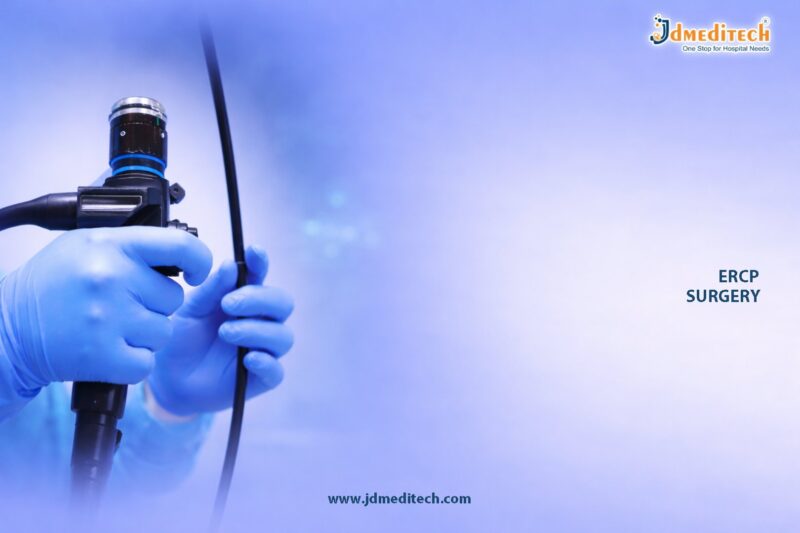
ERCP Surgery – Complete Guide to Biliary and Pancreatic Access

ERCP surgery is an advanced medical procedure used to diagnose and treat conditions affecting the bile ducts and pancreas. It combines endoscopy with real-time imaging, allowing doctors to both identify and treat problems in a single session.

As a result, ERCP surgery reduces the need for open surgery. Moreover, it helps patients recover faster and experience fewer complications.

What is ERCP Surgery?

ERCP surgery (Endoscopic Retrograde Cholangiopancreatography) involves inserting a thin, flexible endoscope through the mouth and guiding it to the small intestine.

Once positioned, a contrast dye is injected into the bile and pancreatic ducts. This step provides clear imaging for accurate diagnosis.

At the same time, ERCP surgery allows doctors to perform treatments such as:

  • Removing bile duct stones
  • Placing stents
  • Dilating narrowed ducts
  • Collecting tissue samples

Therefore, ERCP surgery serves both diagnostic and therapeutic purposes.

Why is ERCP Surgery Performed?

Doctors recommend ERCP surgery when patients need precise evaluation and immediate treatment.

Common Conditions Treated
  • Bile duct stones
  • Blocked or narrowed bile ducts
  • Pancreatic duct disorders
  • Tumors in the bile duct or pancreas
  • Chronic pancreatitis

In addition, ERCP surgery is often used to relieve jaundice caused by bile duct obstruction.

How ERCP Surgery Works

The process of ERCP surgery is systematic and carefully performed.

Step-by-Step Process
  1. Preparation
    First, the patient is given sedation to ensure comfort.
  2. Endoscope Insertion
    Next, the doctor gently guides the endoscope to the duodenum.
  3. Duct Access
    Then, a catheter is used to access the bile or pancreatic duct.
  4. Imaging
    After that, contrast dye is injected for clear visualization.
  5. Treatment
    Finally, the required treatment is completed during ERCP surgery.

Once finished, the endoscope is removed, and the ERCP surgery is complete.

Instruments Used in ERCP Surgery

High-quality instruments play a key role in successful ERCP surgery outcomes.

Key Devices
  • ERCP cannulas and sphincterotomes
  • Guide wires for precise navigation
  • Stone retrieval balloons and baskets
  • Biliary and pancreatic stents
  • Cytology brushes for sampling
Benefits of ERCP Surgery

ERCP surgery offers several advantages over traditional surgical methods.

  • Minimally invasive approach
  • Shorter hospital stay
  • Faster recovery time
  • Combined diagnosis and treatment

Additionally, ERCP surgery improves patient comfort and reduces overall risk.

Risks of ERCP Surgery

Although ERCP surgery is generally safe, some risks may occur.

Possible Complications
  • Pancreatitis
  • Infection
  • Bleeding
  • Perforation

However, with experienced specialists and proper technique, complications during ERCP surgery are rare.

Recovery After ERCP Surgery

Recovery after ERCP surgery is usually quick and uncomplicated.

Aftercare Tips
  • Start with light meals
  • Follow medical advice carefully
  • Monitor for unusual symptoms
  • Attend follow-up appointments

With proper care, most patients recover smoothly after ERCP surgery.

Future of ERCP Surgery

Advancements in technology continue to improve ERCP surgery. For example, modern imaging systems and innovative instruments are increasing accuracy and safety.

Looking ahead, ERCP surgery is expected to benefit from AI-assisted diagnostics and improved endoscopic tools.

Conclusion

ERCP surgery is a vital procedure for managing bile duct and pancreatic conditions. It is safe, effective, and minimally invasive.

Because it allows both diagnosis and treatment in one session, ERCP surgery has become a preferred choice in modern healthcare.

Explore More Product >>

Get Connected:

+91 79909 93062 | +91 63513 72032 | exports@jdmeditech.com
 

Pericardiectomy – Surgical Solution for Pericardial Disorders

Pericardiectomy is a life-saving surgical procedure designed to treat severe pericardial disorders, especially constrictive pericarditis. The pericardium, a protective sac surrounding the heart, can sometimes become thickened, inflamed, or calcified. As a result, it restricts the heart’s ability to function normally.

In such cases, pericardiectomy offers a definitive surgical solution by removing part or all of the diseased pericardium. Therefore, this procedure plays a crucial role in restoring normal cardiac function and improving patient quality of life.

What is Pericardiectomy?

Pericardiectomy refers to the surgical removal of the pericardium, either partially or completely. This procedure is primarily performed when the pericardium becomes rigid and limits heart expansion.

Types of Pericardiectomy

  • Total Pericardiectomy
    Involves complete removal of the pericardium for maximum relief.

  • Partial Pericardiectomy
    Only a portion of the pericardium is removed, depending on disease severity.
Why is Pericardiectomy Required?

Pericardiectomy is recommended when conservative treatments fail. Moreover, it is often the only effective option in advanced cases.

Common Indications
  • Constrictive pericarditis
  • Chronic pericardial inflammation
  • Pericardial calcification
  • Recurrent pericardial effusion
  • Cardiac tamponade (in severe cases)

As these conditions worsen, they restrict cardiac filling. Consequently, patients may experience serious complications without surgical intervention.

Symptoms of Pericardial Disorders

Recognizing symptoms early can help in timely diagnosis and treatment.

  • Shortness of breath
  • Fatigue and weakness
  • Swelling in legs and abdomen
  • Chest discomfort
  • Irregular heartbeat

Therefore, prompt evaluation is essential when these symptoms persist.

Pericardiectomy Procedure – Step-by-Step

The pericardiectomy procedure is performed under general anesthesia in a specialized cardiac operating room.

1. Preoperative Preparation

Initially, doctors conduct imaging tests such as echocardiography, CT scan, or MRI. These help determine the extent of pericardial damage.

2. Surgical Approach

The surgeon accesses the heart through:

  • Median sternotomy (most common), or
  • Thoracotomy (side incision)
3. Removal of Pericardium

Carefully, the diseased pericardium is dissected and removed without damaging underlying heart structures.

4. Hemostasis and Closure

Finally, bleeding is controlled, and the incision is closed. The patient is then transferred to the ICU for monitoring.

Benefits of Pericardiectomy

Pericardiectomy offers several significant advantages:

  • Restores normal heart function
  • Improves blood circulation
  • Relieves symptoms like breathlessness and fatigue
  • Enhances overall quality of life
  • Provides long-term solution for constrictive pericarditis

Thus, it is considered the gold standard treatment for advanced pericardial disease.

Risks and Complications

Although pericardiectomy is effective, it carries certain risks, as with any major surgery.

  • Bleeding
  • Infection
  • Arrhythmias
  • Low cardiac output syndrome
  • Respiratory complications

However, with modern surgical techniques and experienced cardiac teams, these risks are significantly reduced.

Recovery After Pericardiectomy

Recovery varies depending on patient condition and disease severity.

Postoperative Care
  • ICU monitoring for 24–72 hours
  • Pain management and medications
  • Gradual mobilization
  • Respiratory physiotherapy
Recovery Timeline
  • Hospital stay: 5–10 days
  • Full recovery: 6–8 weeks

Moreover, regular follow-ups are essential to ensure optimal recovery.

Advancements in Pericardiectomy

Modern cardiac surgery has improved outcomes significantly.

  • Minimally invasive approaches (in selected cases)
  • Advanced imaging for precise diagnosis
  • Improved surgical instruments and techniques
  • Enhanced ICU care and monitoring

As a result, patient survival rates and recovery outcomes have improved considerably.

Role of High-Quality Surgical Instruments

Successful pericardiectomy depends heavily on precision instruments. High-quality surgical tools ensure:

  • Accurate dissection
  • Reduced tissue trauma
  • Improved surgical efficiency
  • Better patient outcomes

At JDMeditech, we provide advanced surgical instruments designed to meet the highest standards in cardiac procedures.

Conclusion

Pericardiectomy is a critical surgical solution for pericardial disorders, particularly in severe cases like constrictive pericarditis. By removing the diseased pericardium, this procedure restores heart function and significantly improves patient well-being.

In conclusion, early diagnosis, expert surgical care, and high-quality instruments are key to successful outcomes. Therefore, pericardiectomy remains an essential procedure in modern cardiac surgery.


Explore More Product >>

Get Connected:

+91 79909 93062 | +91 63513 72032 | exports@jdmeditech.com
Radiofrequency Catheter Ablation – Complete Cardiology Guide

Radiofrequency Catheter Ablation is a highly effective, minimally invasive procedure used to treat abnormal heart rhythms, also known as cardiac arrhythmias. Today, cardiologists widely rely on this advanced technique to restore normal heart rhythm safely and efficiently.

As cardiovascular diseases continue to rise globally, the demand for precise and reliable interventional cardiology solutions like Radiofrequency Catheter Ablation is increasing rapidly.

What is Radiofrequency Catheter Ablation?

Radiofrequency Catheter Ablation is a medical procedure that uses heat generated by radiofrequency energy to destroy abnormal electrical pathways in the heart.

During the procedure, a specialized catheter delivers controlled energy to targeted cardiac tissue. As a result, it eliminates irregular electrical signals and restores a normal rhythm.

How Does Radiofrequency Catheter Ablation Work?

First, a cardiologist inserts a thin, flexible catheter into a blood vessel, usually through the groin or wrist. Then, the catheter is guided to the heart using advanced imaging techniques.

Next, radiofrequency energy is delivered through the catheter tip. Consequently, the targeted tissue heats up and forms a small scar. This scar blocks abnormal electrical signals and prevents arrhythmias.

Common Cardiology Applications

Radiofrequency Catheter Ablation is widely used in treating various cardiac rhythm disorders, including:

  • Atrial Fibrillation (AFib)
  • Atrial Flutter
  • Supraventricular Tachycardia (SVT)
  • Ventricular Tachycardia (VT)
  • Premature Ventricular Contractions (PVCs)

Because of its precision, the procedure ensures targeted treatment without affecting surrounding healthy tissues.

Key Components of the Procedure

Several specialized tools and devices are used in Radiofrequency Catheter Ablation, such as:

  • Ablation Catheters
  • Electrophysiology (EP) Mapping Systems
  • Sheaths and Introducers
  • Guide Wires
  • RF Generator

These components work together to ensure accurate diagnosis and effective treatment.

Advantages of Radiofrequency Catheter Ablation

Radiofrequency Catheter Ablation offers multiple benefits compared to traditional treatments:

1. Minimally Invasive Approach

Since the procedure does not require open-heart surgery, it reduces trauma and speeds up recovery.

2. High Success Rate

In many cases, patients experience long-term relief from arrhythmias after a single procedure.

3. Faster Recovery Time

Most patients return to normal activities within a few days.

4. Reduced Medication Dependency

After successful ablation, many patients can reduce or eliminate anti-arrhythmic medications.

5. Improved Quality of Life

Patients often report better heart function and overall well-being.

Risks and Considerations

Although Radiofrequency Catheter Ablation is generally safe, some risks may occur:

  • Bleeding or infection at the insertion site
  • Damage to blood vessels
  • Heart perforation (rare)
  • Arrhythmia recurrence

However, with experienced cardiologists and modern technology, complications remain minimal.

Preparation Before the Procedure

Before undergoing Radiofrequency Catheter Ablation, patients typically:

  • Undergo ECG, echocardiography, or Holter monitoring
  • Avoid certain medications as advised
  • Fast for several hours before the procedure

Proper preparation helps ensure safety and success.

Post-Procedure Recovery

After the procedure:

  • Patients are monitored for a few hours or overnight
  • Mild discomfort or bruising may occur
  • Normal activities can usually resume within 2–3 days

Additionally, follow-up visits are essential to monitor heart rhythm and recovery.

Future Trends in Cardiac Ablation

With advancements in medical technology, Radiofrequency Catheter Ablation continues to evolve. Innovations such as:

  • 3D mapping systems
  • Robotic-assisted navigation
  • Improved catheter designs

are making procedures safer, faster, and more precise.

Why Choose High-Quality Cardiology Devices?

Using high-quality devices plays a critical role in the success of Radiofrequency Catheter Ablation procedures. Reliable catheters, guide wires, and accessories ensure:

  • Accurate targeting
  • Enhanced safety
  • Better clinical outcomes

At JDMeditech, we are committed to providing advanced and reliable cardiology solutions that meet global healthcare standards.

Conclusion

Radiofrequency Catheter Ablation has revolutionized the treatment of cardiac arrhythmias. Because it is minimally invasive, highly effective, and safe, it has become a preferred choice for both patients and cardiologists.

As technology advances, this procedure will continue to improve outcomes and redefine modern cardiac care.


Explore More Product >>

Get Connected:

+91 79909 93062 | +91 63513 72032 | exports@jdmeditech.com
Coronary Stenting Procedure – Life-Saving Treatment for Blocked Arteries

The coronary stenting procedure is a life-saving treatment for blocked coronary arteries. It helps restore proper blood flow to the heart. As a result, it reduces the risk of heart attack and improves heart function.

Today, the coronary stenting procedure is widely used in modern cardiology. Moreover, it is minimally invasive and highly effective. Therefore, many cardiologists prefer this method for quick and safe treatment.

What is Coronary Stenting Procedure?

The coronary stenting procedure is a medical technique used to open narrowed or blocked arteries. In this procedure, doctors place a small mesh tube called a stent inside the artery.

First, a balloon catheter expands the blocked area. Then, the stent is deployed to keep the artery open. Consequently, blood flows smoothly to the heart.

Why is Coronary Stenting Procedure Needed?

The coronary stenting procedure is required when arteries become narrow due to plaque buildup. In such cases, blood flow reduces significantly.

Common Reasons:
  • Coronary artery disease
  • Chest pain (angina)
  • Heart attack
  • Reduced oxygen supply to heart

Furthermore, the coronary stenting procedure prevents severe complications. Hence, it plays a critical role in emergency cardiac care.

Types of Stents Used in Coronary Stenting Procedure

Different stents are used in the coronary stenting procedure depending on patient needs.

1. Bare-Metal Stents

These provide structural support to the artery. However, they may have a higher risk of re-narrowing.

2. Drug-Eluting Stents

These release medication over time. As a result, they reduce the chances of blockage recurrence.

3. Bioabsorbable Stents

These dissolve naturally after some time. Therefore, they leave no permanent implant behind.

Steps of Coronary Stenting Procedure

The coronary stenting procedure is performed in a specialized cath lab.

Step-by-Step Process:

  1. Preparation:
    Doctors give local anesthesia. Meanwhile, they monitor the patient closely.

  2. Catheter Insertion:
    A catheter is inserted through the wrist or groin.

  3. Angiography:
    Contrast dye helps locate the blockage clearly.

  4. Balloon Expansion:
    The balloon widens the artery.

  5. Stent Placement:
    The stent is placed to maintain blood flow.

  6. Final Check:
    Doctors confirm proper circulation before completing the procedure.

Finally, the coronary stenting procedure ends with careful monitoring.

Benefits of Coronary Stenting Procedure

The coronary stenting procedure offers several important benefits.

  • Restores blood flow quickly
  • Reduces chest pain
  • Prevents heart attack
  • Minimally invasive approach
  • Short recovery time

In addition, the coronary stenting procedure improves patient comfort. Therefore, it is a preferred treatment option.

Risks of Coronary Stenting Procedure

Although safe, the coronary stenting procedure has some risks.

  • Bleeding at insertion site
  • Blood clot formation
  • Artery re-narrowing
  • Allergic reaction to dye

However, doctors manage these risks effectively. Thus, complications remain minimal in most cases.

Recovery After Coronary Stenting Procedure

Recovery after the coronary stenting procedure is usually fast.

Post-Procedure Care:
  • Stay in hospital for a short period
  • Take prescribed medicines
  • Avoid heavy activities initially
  • Follow doctor advice strictly

Moreover, proper care ensures long-term success of the coronary stenting procedure.

Lifestyle Changes After Coronary Stenting Procedure

Lifestyle improvement is essential after the coronary stenting procedure.

  • Eat a heart-healthy diet
  • Exercise regularly
  • Quit smoking
  • Control cholesterol levels

As a result, patients maintain better heart health. Additionally, they reduce future risks.

Conclusion

The coronary stenting procedure is a highly effective and life-saving cardiac treatment. It restores blood flow and prevents serious complications.

Overall, the coronary stenting procedure offers fast recovery and excellent outcomes. Therefore, early diagnosis and timely treatment are very important.


Explore More Product >>

Get Connected:

+91 79909 93062 | +91 63513 72032 | exports@jdmeditech.com
 

Coronary Artery Bypass Grafting (CABG) Surgery – Complete Guide for Heart Patients

Coronary Artery Bypass Grafting (CABG) surgery is a widely used procedure for treating blocked coronary arteries. It helps restore proper blood flow to the heart and improves overall cardiac function.

Moreover, Coronary Artery Bypass Grafting (CABG) surgery plays a crucial role in reducing chest pain and preventing heart attacks. Therefore, it remains one of the most reliable treatments for severe coronary artery disease.

What is Coronary Artery Bypass Grafting (CABG) Surgery?

Coronary Artery Bypass Grafting (CABG) surgery is a surgical method that creates a new route for blood to flow around blocked arteries.

In this procedure, surgeons take a healthy blood vessel from the leg, chest, or arm. Then, they attach it to bypass the blocked artery. As a result, oxygen-rich blood reaches the heart more efficiently.

Thus, Coronary Artery Bypass Grafting (CABG) surgery improves heart performance and reduces symptoms.

Why is Coronary Artery Bypass Grafting (CABG) Surgery Needed?

Coronary Artery Bypass Grafting (CABG) surgery is recommended when arteries are severely narrowed or blocked. In such cases, medications or stents may not work effectively.

Common Reasons Include:
  • Severe coronary artery disease
  • Multiple artery blockages
  • Left main artery disease
  • Failed angioplasty or stents
  • Persistent chest pain

Additionally, patients with diabetes often benefit more from Coronary Artery Bypass Grafting (CABG) surgery. Hence, doctors prefer this procedure for complex cases.

Types of Coronary Artery Bypass Grafting (CABG) Surgery

Coronary Artery Bypass Grafting (CABG) surgery includes different techniques. Each type depends on the patient’s condition.

  1. Traditional CABG

First, surgeons open the chest to access the heart. Then, they use a heart-lung machine during the procedure.

  1. Off-Pump CABG

In this approach, the heart continues beating. Therefore, it reduces certain risks and complications.

  1. Minimally Invasive CABG

This method uses smaller incisions. As a result, patients experience faster recovery and less discomfort.

Coronary Artery Bypass Grafting (CABG) Surgery Procedure

Understanding the procedure helps patients feel more confident. Therefore, here is a step-by-step overview:

  1. First, doctors administer general anesthesia.
  2. Next, the surgeon makes an incision in the chest.
  3. Then, a healthy blood vessel is collected.
  4. After that, the graft is attached to bypass the blockage.
  5. Finally, the chest is closed after restoring blood flow.

Typically, Coronary Artery Bypass Grafting (CABG) surgery takes several hours, depending on the number of blockages.

Benefits of Coronary Artery Bypass Grafting (CABG) Surgery

Coronary Artery Bypass Grafting (CABG) surgery provides multiple advantages. Therefore, it is considered a life-saving procedure.

  • Improves blood flow to the heart
  • Reduces chest pain
  • Lowers heart attack risk
  • Enhances quality of life
  • Increases survival rates

Furthermore, most patients notice significant improvement after Coronary Artery Bypass Grafting (CABG) surgery.

Risks of Coronary Artery Bypass Grafting (CABG) Surgery

Although Coronary Artery Bypass Grafting (CABG) surgery is safe, some risks may occur. However, modern techniques reduce complications.

Possible Risks:
  • Infection
  • Bleeding
  • Stroke
  • Irregular heartbeat
  • Kidney issues

Nevertheless, doctors carefully monitor patients to minimize these risks.

Recovery After Coronary Artery Bypass Grafting (CABG) Surgery

Recovery plays a vital role in long-term success. Therefore, patients must follow proper care guidelines.

Recovery Timeline:

  • Hospital stay: 5–7 days
  • Initial recovery: 6–8 weeks
  • Full recovery: 2–3 months

During recovery, patients should attend rehabilitation programs. In addition, they must follow medical advice strictly.

Lifestyle After Coronary Artery Bypass Grafting (CABG) Surgery

After Coronary Artery Bypass Grafting (CABG) surgery, lifestyle changes are essential. These changes help maintain long-term results.

  • Eat a healthy diet
  • Exercise regularly
  • Control cholesterol and blood pressure
  • Avoid smoking
  • Manage stress

Thus, a healthy lifestyle ensures better heart function after surgery.

Conclusion

Coronary Artery Bypass Grafting (CABG) surgery is a proven solution for severe heart artery blockages. It restores blood flow and improves overall heart health.

In conclusion, with proper treatment and lifestyle changes, patients can live a longer and healthier life after Coronary Artery Bypass Grafting (CABG) surgery.


Explore More Product >>

Get Connected:

+91 79909 93062 | +91 63513 72032 | exports@jdmeditech.com