

Artificial Intelligence in Healthcare: Benefits, Uses & Future Trends

Artificial Intelligence (AI) in healthcare is changing the way medical professionals diagnose, treat, and manage diseases. Today, hospitals and clinics use AI-powered tools to improve patient care and reduce errors. As a result, healthcare systems are becoming faster, smarter, and more efficient.

Moreover, AI helps doctors make better decisions by analyzing large amounts of medical data in seconds. Because of this, patients receive accurate diagnoses and personalized treatments. In this blog, you will learn how AI works in healthcare, its benefits, real-world applications, and future trends.

What is Artificial Intelligence in Healthcare?

Artificial Intelligence in healthcare refers to the use of advanced algorithms and machine learning to perform tasks that usually require human intelligence. For example, AI can analyze medical images, predict diseases, and assist in surgeries.

In addition, AI systems learn from past data and continuously improve their performance. Therefore, they become more accurate over time. This makes AI a powerful tool in modern medicine.

Benefits of AI in Healthcare

AI offers several advantages that improve both patient care and hospital efficiency.

1. Improved Diagnosis Accuracy

AI can analyze medical images such as X-rays, MRIs, and CT scans quickly. As a result, doctors can detect diseases like cancer at an early stage.

2. Faster Treatment Decisions

AI processes large datasets within seconds. Therefore, doctors can make quick and informed decisions, especially in emergencies.

3. Personalized Treatment Plans

AI helps create customized treatment plans based on patient history. In addition, it considers genetic information and lifestyle factors.

4. Reduced Human Errors

Medical errors can be dangerous. However, AI reduces these risks by providing accurate data analysis and recommendations.

5. Cost Efficiency

AI reduces unnecessary tests and hospital stays. Consequently, it lowers overall healthcare costs.

Applications of AI in Healthcare

AI is widely used across different areas of healthcare. Let’s explore some key applications.

1. Medical Imaging

AI tools analyze medical images with high precision. For instance, they detect tumors, fractures, and internal bleeding quickly.

2. Virtual Health Assistants

AI-powered chatbots and virtual assistants provide basic medical advice. Moreover, they help patients schedule appointments and manage medications.

3. Drug Discovery

Developing new drugs takes years. However, AI speeds up this process by analyzing chemical data and predicting drug effectiveness.

4. Robotic Surgery

AI-assisted robots help surgeons perform complex procedures. As a result, surgeries become more precise and less invasive.

5. Predictive Analytics

AI predicts disease outbreaks and patient risks. Therefore, healthcare providers can take preventive measures early.

Challenges of AI in Healthcare

Although AI offers many benefits, it also comes with challenges.

1. Data Privacy Concerns

Healthcare data is sensitive. Therefore, protecting patient information is crucial.

2. High Implementation Costs

AI technology requires significant investment. As a result, smaller hospitals may face difficulties adopting it.

3. Lack of Skilled Professionals

AI systems need trained experts to operate and maintain them. However, there is a shortage of such professionals.

4. Ethical Issues

AI decisions must be transparent. Otherwise, it may lead to trust issues among patients.

Future of AI in Healthcare

The future of AI in healthcare looks promising. In the coming years, AI will become more advanced and accessible.

For example, AI may help in early disease prediction even before symptoms appear. In addition, wearable devices will continuously monitor health and alert doctors in real time.

Furthermore, AI will improve telemedicine services, making healthcare accessible to remote areas. As technology evolves, AI will play a key role in transforming global healthcare systems.

Conclusion

Artificial Intelligence in healthcare is revolutionizing the medical industry. It improves diagnosis, enhances treatment, and reduces costs. Moreover, it supports doctors in delivering better patient care.

However, challenges such as data privacy and high costs must be addressed. Despite these issues, AI continues to grow rapidly. Therefore, adopting AI in healthcare is essential for a smarter and healthier future.


Explore More Product >>


Get Connected:

+91 79909 93062 | +91 63513 72032 | exports@jdmeditech.com

 

Intensive Care Unit (ICU): Meaning, Equipment, Treatment & Care Guide

The Intensive Care Unit (ICU) plays a vital role in modern healthcare. It provides advanced medical care to patients with life-threatening conditions. In most hospitals, the ICU is equipped with specialized technology and trained staff to monitor and treat critically ill patients.

Moreover, ICU care ensures constant supervision and quick medical response. Because of this, patients with severe injuries or illnesses receive the best possible support. In this blog, you will learn about ICU meaning, types, equipment, procedures, and patient care.

What is an Intensive Care Unit (ICU)?

An Intensive Care Unit (ICU) is a specialized hospital department designed to treat patients with serious and life-threatening conditions. Doctors and nurses monitor patients 24/7 using advanced machines.

In addition, ICU staff includes intensivists, critical care nurses, and respiratory therapists. Therefore, patients receive continuous and expert medical attention.

Types of ICU

Different hospitals provide various types of ICUs based on patient needs.

1. Medical ICU (MICU)

This ICU treats patients with severe medical conditions such as infections, organ failure, and respiratory diseases.

2. Surgical ICU (SICU)

Doctors use this ICU for patients recovering from major surgeries. As a result, they receive close monitoring after operations.

3. Cardiac ICU (CCU)

This unit focuses on heart-related conditions such as heart attacks and cardiac arrest.

4. Neonatal ICU (NICU)

NICU provides care for premature or critically ill newborn babies.

5. Pediatric ICU (PICU)

This ICU treats infants and children with serious health conditions.

Common Equipment Used in ICU

ICUs use advanced equipment to monitor and support patients.

1. Ventilators

Ventilators help patients breathe when they cannot do so on their own.

2. Cardiac Monitors

These machines track heart rate, blood pressure, and oxygen levels continuously.

3. Infusion Pumps

Doctors use these devices to deliver medications and fluids accurately.

4. Defibrillators

They help restore normal heart rhythm during emergencies.

5. Dialysis Machines

These machines support kidney function in patients with kidney failure.

Conditions Treated in ICU

Patients are admitted to the ICU when they require critical care. Some common conditions include:

  • Severe infections (sepsis)
  • Respiratory failure
  • Heart attack or cardiac arrest
  • Stroke
  • Major trauma or accidents
  • Post-surgical complications

Therefore, ICU care becomes essential for survival in such situations.

ICU Procedures and Treatment

ICU treatment involves continuous monitoring and advanced medical procedures.

1. Mechanical Ventilation

Doctors use ventilators to support breathing in critically ill patients.

2. Continuous Monitoring

Healthcare staff track vital signs such as heart rate, oxygen level, and blood pressure.

3. Medication Management

Patients receive critical medications through IV lines.

4. Life Support Systems

These systems support organs such as lungs, heart, and kidneys.

ICU Patient Care and Safety

Proper care in the ICU is essential for recovery.

  • Nurses provide round-the-clock care
  • Strict hygiene prevents infections
  • Doctors adjust treatment based on patient condition
  • Family visits are controlled for safety

In addition, emotional support plays a key role in patient recovery.

Challenges in ICU

Although ICUs provide life-saving care, they also face challenges.

1. High Cost of Treatment

ICU care can be expensive due to advanced equipment and specialized staff.

2. Risk of Infections

Patients may develop hospital-acquired infections.

3. Emotional Stress

Both patients and families experience stress during ICU stays.

Future of ICU Care

The future of ICU care looks advanced and technology-driven. AI and smart monitoring systems are improving patient outcomes.

For example, remote ICU monitoring allows doctors to track patients from different locations. In addition, robotic assistance and data analytics will enhance treatment accuracy.

Conclusion

The Intensive Care Unit (ICU) is an essential part of modern healthcare. It provides life-saving treatment and constant monitoring for critically ill patients.

Although ICU care can be costly and complex, it significantly improves survival rates. Therefore, understanding ICU functions helps patients and families make informed decisions during emergencies.

Explore More Product >>

Get Connected:

+91 79909 93062 | +91 63513 72032 | exports@jdmeditech.com

 

Hemodialysis

Hemodialysis is a life-saving treatment for people with severe kidney failure. When kidneys stop working properly, harmful waste and excess fluid build up in the body. Therefore, hemodialysis helps remove these toxins and keeps the body balanced.

Today, millions of patients rely on hemodialysis treatment to improve their quality of life. In this guide, you will learn how it works, who needs it, and what to expect during the procedure.

What is Hemodialysis?

Hemodialysis is a medical procedure that filters blood using a special machine. In other words, it acts as an artificial kidney.

During the process:

  • Blood is taken from the body
  • It passes through a dialyzer (artificial kidney)
  • Waste and extra fluids are removed
  • Clean blood returns to the body

As a result, the body maintains proper chemical balance.

Why is Hemodialysis Needed?

Doctors recommend hemodialysis treatment when kidneys lose about 85–90% of their function.

Common Causes Include:
  • Chronic Kidney Disease (CKD)
  • Diabetes
  • High blood pressure
  • Glomerulonephritis
  • Polycystic kidney disease

If untreated, kidney failure can become life-threatening. Therefore, timely dialysis is essential.

Types of Hemodialysis Access

Before starting treatment, doctors create a vascular access point. This allows easy blood flow during dialysis.

1. Arteriovenous (AV) Fistula
  • Best and most preferred option
  • Created by connecting an artery to a vein
  • Long-lasting and low risk of infection
2. AV Graft
  • Uses a synthetic tube
  • Suitable if veins are small
3. Central Venous Catheter
  • Temporary access
  • Used in emergency situations
Hemodialysis Procedure Step-by-Step

Understanding the procedure helps reduce anxiety. Here is how it works:

  1. First, medical staff connect you to the dialysis machine
  2. Blood flows through tubes into the dialyzer
  3. The dialyzer removes toxins and excess fluid
  4. Clean blood returns to your body
  5. The session usually lasts 3–5 hours

Typically, patients need dialysis 3 times per week.

Benefits of Hemodialysis

Hemodialysis offers several important benefits. For example:

  • Removes waste and toxins effectively
  • Balances electrolytes in the body
  • Controls blood pressure
  • Reduces swelling caused by fluid buildup
  • Improves overall quality of life

As a result, patients can live longer and healthier lives.

Risks and Side Effects

Although hemodialysis is safe, some side effects may occur.

Common Risks:
  • Low blood pressure
  • Muscle cramps
  • Fatigue
  • Itching
  • Sleep problems
Serious Complications (Rare):
  • Infection
  • Blood clots
  • Heart problems

However, proper care and regular monitoring can reduce these risks significantly.

Diet and Lifestyle During Hemodialysis

Diet plays a key role in treatment success. Therefore, patients must follow strict guidelines.

Recommended Diet Tips:
  • Limit salt intake
  • Control fluid consumption
  • Reduce potassium-rich foods (like bananas)
  • Eat high-quality protein
  • Avoid processed foods

Additionally, light exercise and regular check-ups improve outcomes.

Recovery and Daily Life

Many patients continue normal activities during treatment. However, some adjustments are necessary.

Helpful Tips:
  • Stick to your dialysis schedule
  • Take prescribed medications regularly
  • Monitor weight and fluid intake
  • Maintain hygiene around access site

Over time, patients adapt well to the routine.


Hemodialysis vs Peritoneal Dialysis

Both treatments help kidney failure patients, but they differ in approach.

Feature Hemodialysis Peritoneal Dialysis
Location Hospital/Center Home
Frequency 3 times/week Daily
Equipment Machine required No large machine
Flexibility Less More

Therefore, doctors choose the best option based on patient condition.

When to See a Doctor?

Seek medical help immediately if you notice:

  • Swelling in legs or face
  • Shortness of breath
  • Reduced urine output
  • Persistent fatigue

Early diagnosis can prevent complications.

Conclusion

Hemodialysis is a critical treatment for patients with kidney failure. Although it requires regular sessions, it significantly improves survival and quality of life.

By following medical advice, maintaining a proper diet, and attending scheduled sessions, patients can manage their condition effectively. Therefore, awareness and early treatment are key to better outcomes.


Explore More Product >>


Get Connected:

+91 79909 93062 | +91 63513 72032 | exports@jdmeditech.com

Diagnostic Radiology: Types, Procedures, Benefits & Imaging Tests

Diagnostic radiology plays a vital role in modern healthcare. It helps doctors detect, diagnose, and monitor various medical conditions using advanced imaging techniques. Because early diagnosis improves treatment outcomes, radiology has become essential in medical practice.

In this blog, you will learn what diagnostic radiology is, its types, procedures, benefits, and why it is important.

What is Diagnostic Radiology?

Diagnostic radiology is a medical specialty that uses imaging techniques to examine the inside of the body. These images help doctors identify diseases, injuries, and abnormalities without surgery.

For example, doctors use X-rays to detect fractures, while MRI scans help identify brain or spinal cord issues. As a result, radiology provides quick and accurate diagnoses.

Types of Diagnostic Radiology

There are several types of diagnostic radiology. Each method serves a different purpose.

1. X-rays

X-rays are the most common imaging test. They are mainly used to detect:

  • Bone fractures
  • Lung infections
  • Dental issues

Because X-rays are fast and cost-effective, they are widely used.

2. Computed Tomography (CT Scan)

CT scans provide detailed cross-sectional images of the body. Doctors use them to diagnose:

  • Internal injuries
  • Tumors
  • Infections

Moreover, CT scans offer more detail than standard X-rays.

3. Magnetic Resonance Imaging (MRI)

MRI uses magnetic fields and radio waves instead of radiation. It is ideal for:

  • Brain disorders
  • Joint injuries
  • Soft tissue evaluation

Therefore, MRI is safer for repeated imaging.

4. Ultrasound

Ultrasound uses sound waves to create images. It is commonly used for:

  • Pregnancy monitoring
  • Abdominal conditions
  • Heart evaluation

Additionally, it is painless and radiation-free.

5. Mammography

Mammography is a specialized X-ray used to detect breast cancer early. Early detection significantly improves survival rates.

Common Diagnostic Radiology Procedures

Radiology procedures are usually simple and non-invasive. However, some may require preparation.

Before the Procedure
  • You may need to fast for a few hours
  • Remove metal objects
  • Inform your doctor about allergies or pregnancy
During the Procedure
  • You must remain still for clear images
  • The process is usually painless
  • Some tests may use contrast dye
After the Procedure
  • Most patients can resume normal activities
  • Drink water to flush contrast dye
  • Your doctor will review the results
Benefits of Diagnostic Radiology

Diagnostic radiology offers many advantages in healthcare.

1. Early Detection of Diseases

It helps identify diseases at an early stage. Therefore, treatment becomes more effective.

2. Non-Invasive Diagnosis

Most imaging tests do not require surgery. As a result, patients experience less discomfort.

3. Accurate Results

Radiology provides precise images. This improves diagnosis and treatment planning.

4. Faster Treatment Decisions

Doctors can quickly analyze results and begin treatment immediately.

5. Monitoring of Treatment

Radiology helps track the progress of ongoing treatments.

Risks and Safety Measures

Although diagnostic radiology is generally safe, some risks exist.

  • Exposure to radiation in X-rays and CT scans
  • Allergic reactions to contrast dye (rare)

However, doctors always minimize risks by using the lowest effective radiation dose. In addition, protective measures ensure patient safety.

Why Diagnostic Radiology is Important

Diagnostic radiology is essential because it improves healthcare outcomes. It allows doctors to:

  • Detect diseases early
  • Plan effective treatments
  • Avoid unnecessary surgeries

Furthermore, it enhances patient care by providing accurate and timely information.

Conclusion

Diagnostic radiology is a cornerstone of modern medicine. It uses advanced imaging technologies to diagnose diseases quickly and accurately. Because it is non-invasive and efficient, it improves patient outcomes significantly.

If your doctor recommends a radiology test, there is no need to worry. These procedures are safe, effective, and essential for proper diagnosis.

Explore More Product >>

Get Connected:

+91 79909 93062 | +91 63513 72032 | exports@jdmeditech.com

 

Tuberculosis

Tuberculosis is caused by a bacterium called Mycobacterium tuberculosis. It spreads through the air when an infected person coughs or sneezes.

Types of Tuberculosis
  • Active TB – Symptoms are present and contagious
  • Latent TB – No symptoms and not contagious
  • Extrapulmonary TB – Affects organs other than lungs
Symptoms of Tuberculosis

Common symptoms include:

  • Persistent cough for more than 2 weeks
  • Chest pain
  • Coughing up blood
  • Fever and chills
  • Night sweats
  • Weight loss and fatigue
Causes and Risk Factors

Tuberculosis spreads through airborne droplets. Risk factors include:

  • Weak immune system
  • Close contact with TB patients
  • Poor nutrition
  • Smoking and alcohol use
  • Living in crowded conditions
Diagnosis of Tuberculosis

Doctors use several tests to diagnose TB:

  • Chest X-ray
  • Sputum test
  • Tuberculin skin test (Mantoux test)
  • Blood tests
Tuberculosis Treatment

Tuberculosis treatment involves a long course of antibiotics, usually lasting 6 to 9 months.

Common Medications
  • Isoniazid
  • Rifampicin
  • Pyrazinamide
  • Ethambutol
Important Tips
  • Complete the full course of tuberculosis treatment
  • Do not skip doses
  • Regular follow-ups are necessary
Prevention of Tuberculosis
  • Get BCG vaccination
  • Maintain good hygiene
  • Avoid close contact with infected individuals
  • Ensure proper ventilation
  • Wear masks in high-risk areas
Complications of Untreated TB
  • Severe lung damage
  • Spread to other organs
  • Respiratory failure
  • Death in severe cases
Who is at Higher Risk?
  • People with HIV/AIDS
  • Diabetic patients
  • Elderly individuals
  • Healthcare workers
Conclusion

Tuberculosis is a preventable and curable disease with timely diagnosis and proper tuberculosis treatment. Awareness and early medical intervention can significantly reduce complications and transmission.


Explore More Product >>


Get Connected:

+91 79909 93062 | +91 63513 72032 | exports@jdmeditech.com
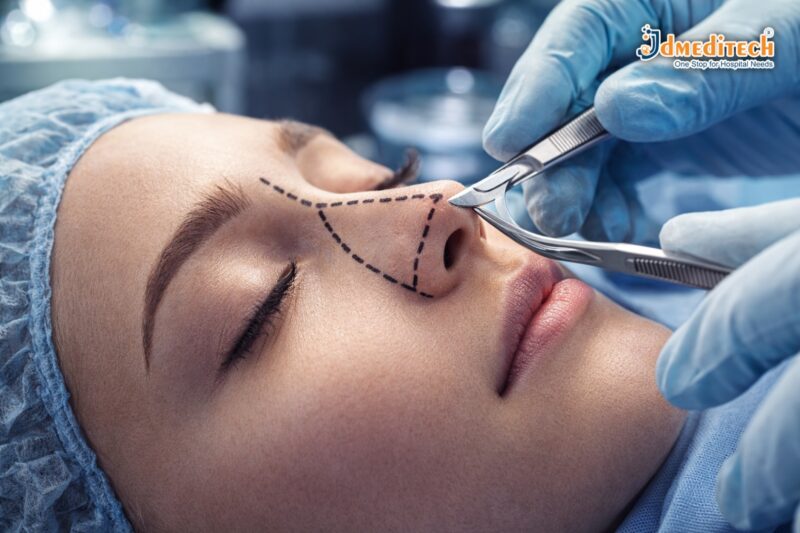
Rhinoplasty (Nose Surgery): Procedure, Benefits & Recovery

Rhinoplasty is a surgical procedure designed to change the shape, size, or structure of the nose. It can be performed for cosmetic reasons or to correct medical problems such as a deviated septum.

Types of Rhinoplasty
  • Cosmetic Rhinoplasty – Improves the appearance of the nose
  • Functional Rhinoplasty – Corrects breathing problems
  • Revision Rhinoplasty – Fixes previous nose surgery issues
  • Non-Surgical Rhinoplasty – Uses fillers for temporary changes
Rhinoplasty Procedure

Rhinoplasty surgery is typically performed under general or local anesthesia and takes about 1 to 3 hours.

Step-by-Step Procedure
  1. Administration of anesthesia
  2. Incision (open or closed technique)
  3. Reshaping the nasal bones and cartilage
  4. Correction of septum if required
  5. Closing the incision and applying a splint
Benefits of Rhinoplasty Surgery
  • Improves facial balance and symmetry
  • Enhances self-confidence
  • Corrects breathing issues
  • Repairs nasal injuries
  • Provides permanent results
Risks and Complications

Like any surgical procedure, rhinoplasty carries some risks:

  • Infection
  • Bleeding
  • Swelling and bruising
  • Breathing difficulties
  • Unsatisfactory results (rare)
Rhinoplasty Recovery Time

Recovery varies from person to person but generally follows this timeline:

  • 1 Week – Splint removal
  • 2 Weeks – Bruising reduces
  • 1 Month – Visible improvement
  • 3–6 Months – Healing progresses
  • 1 Year – Final results
Recovery Tips
  • Avoid strenuous activities
  • Keep head elevated while sleeping
  • Follow surgeon’s instructions
  • Avoid wearing glasses initially


Who is a Good Candidate?

You may be a good candidate for rhinoplasty if:

  • You are physically healthy
  • You have realistic expectations
  • Your facial growth is complete
  • You want to improve nose appearance or function
Conclusion

Rhinoplasty surgery is a safe and effective procedure for enhancing both the appearance and function of the nose. With proper consultation and care, patients can achieve natural-looking and satisfying results. Always consult a qualified plastic surgeon to determine the best approach for your needs.


Explore More Product >>


Get Connected:

+91 79909 93062 | +91 63513 72032 | exports@jdmeditech.com

 

Back Surgery Guide: Benefits, Risks & Recovery Explained


Back surgery is a medical procedure used to treat severe spinal problems that do not improve with non-surgical treatments. It can help relieve chronic pain, restore mobility, and improve quality of life. This guide explains everything you need to know about back surgery, including types, benefits, risks, and recovery.

What is Back Surgery?

Back surgery refers to various surgical procedures performed on the spine to correct structural issues, relieve pressure on nerves, or stabilize the spine. Doctors usually recommend back surgery only after conservative treatments like medication, physiotherapy, or injections fail.

Common Types of Back Surgery
1. Discectomy

A discectomy involves removing part or all of a damaged disc that is pressing on a nerve. It is commonly used to treat herniated discs.

2. Laminectomy

In this procedure, a portion of the bone (lamina) is removed to relieve pressure on the spinal cord or nerves.

3. Spinal Fusion

Spinal fusion joins two or more vertebrae together to stabilize the spine and reduce pain caused by movement.

4. Artificial Disc Replacement

This surgery replaces a damaged disc with an artificial one, helping maintain natural movement.

5. Minimally Invasive Spine Surgery

This modern technique uses smaller incisions, resulting in less pain, quicker recovery, and reduced complications.

When is Back Surgery Needed?

Back surgery may be recommended if you experience:

  • Chronic back pain lasting more than 6 months
  • Nerve compression causing numbness or weakness
  • Herniated or slipped discs
  • Spinal stenosis
  • Severe spinal injuries or fractures
  • Loss of bladder or bowel control (medical emergency)
Benefits of Back Surgery
  • Relief from chronic pain
  • Improved mobility and flexibility
  • Better quality of life
  • Reduced nerve compression symptoms
  • Long-term spinal stability
Risks of Back Surgery

Like any surgical procedure, back surgery carries some risks, including:

  • Infection
  • Bleeding
  • Nerve damage
  • Blood clots
  • Failure to relieve symptoms
  • Need for additional surgery
Back Surgery Procedure: What to Expect
Before Surgery
  • Medical evaluation and imaging tests
  • Discussion of risks and benefits
  • Fasting before surgery
During Surgery
  • Performed under general anesthesia
  • Duration varies depending on the procedure
After Surgery
  • Monitoring in recovery room
  • Pain management and wound care
  • Gradual movement and physiotherapy
Recovery After Back Surgery

Recovery time depends on the type of surgery and patient health. General guidelines include:

  • Hospital stay: 1–5 days
  • Return to normal activities: 4–12 weeks
  • Full recovery: 3–6 months
Tips for Faster Recovery
  • Follow your doctor’s instructions
  • Attend physiotherapy sessions
  • Avoid heavy lifting
  • Maintain a healthy diet
  • Stay active with light exercises
Conclusion

Back surgery can be a life-changing solution for individuals suffering from severe spinal conditions. With proper diagnosis, expert care, and post-surgery rehabilitation, most patients experience significant pain relief and improved mobility. Always consult a qualified spine specialist to determine the best treatment for your condition.


Explore More Product >>


Get Connected:

+91 79909 93062 | +91 63513 72032 | exports@jdmeditech.com



Diabetes Treatment: Causes, Symptoms, Types & Prevention Guide

Diabetes is a chronic medical condition that affects how your body uses blood sugar (glucose). Glucose is essential for energy, but too much sugar in the blood can lead to serious health problems. With the rising number of diabetes cases worldwide, understanding its causes, symptoms, and diabetes treatment options is more important than ever.

What is Diabetes?

Diabetes occurs when your body either does not produce enough insulin or cannot use insulin properly. Insulin is a hormone that helps glucose enter your cells for energy. When this process fails, blood sugar levels rise.

Types of Diabetes
1. Type 1 Diabetes

Type 1 diabetes is an autoimmune condition where the body attacks insulin-producing cells. It usually develops in children or young adults.

2. Type 2 Diabetes

Type 2 diabetes is the most common form. It occurs when the body becomes resistant to insulin or does not produce enough.

3. Gestational Diabetes

This type develops during pregnancy and usually disappears after childbirth, but it increases the risk of Type 2 diabetes later.

Causes of Diabetes

Several factors contribute to diabetes, including:

  • Genetic factors
  • Obesity
  • Poor diet
  • Lack of physical activity
  • Hormonal imbalances
  • Pancreatic disorders

Understanding these causes helps in early diagnosis and effective diabetes treatment.

Symptoms of Diabetes

Recognizing early symptoms is crucial for timely diabetes treatment:

  • Frequent urination
  • Excessive thirst
  • Unexplained weight loss
  • Fatigue
  • Blurred vision
  • Slow healing wounds

If you experience these symptoms, consult a healthcare professional immediately.

Diagnosis of Diabetes

Doctors use several tests to diagnose diabetes:

  • Fasting Blood Sugar Test
  • HbA1c Test
  • Oral Glucose Tolerance Test
  • Random Blood Sugar Test

Early diagnosis plays a key role in successful diabetes treatment and management.

Diabetes Treatment Options

Effective diabetes treatment focuses on controlling blood sugar levels and preventing complications.

1. Medications

Doctors may prescribe insulin or oral medications depending on the type of diabetes.

2. Healthy Diet

A balanced diet rich in fiber, vegetables, and whole grains helps control blood sugar.

3. Regular Exercise

Physical activity improves insulin sensitivity and supports diabetes treatment.

4. Blood Sugar Monitoring

Regular monitoring helps manage glucose levels effectively.

5. Lifestyle Changes

Maintaining a healthy weight and avoiding smoking are essential parts of diabetes treatment.

Complications of Diabetes

If left untreated, diabetes can lead to serious complications:

  • Heart disease
  • Kidney damage
  • Nerve damage
  • Eye problems
  • Foot complications

Proper diabetes treatment reduces the risk of these complications.

Prevention of Diabetes

While Type 1 diabetes cannot be prevented, Type 2 diabetes can often be delayed or prevented:

  • Maintain a healthy weight
  • Eat a balanced diet
  • Exercise regularly
  • Avoid sugary foods and drinks
  • Get regular health checkups
When to See a Doctor

Seek medical advice if you notice symptoms of diabetes or have a family history of the condition. Early diagnosis ensures better diabetes treatment outcomes.

Conclusion

Diabetes is a manageable condition if detected early and treated properly. With the right diabetes treatment plan, healthy lifestyle choices, and regular monitoring, individuals can live a normal and healthy life. Awareness and prevention play a key role in controlling this growing health concern.

Explore More Product >>

Get Connected:

+91 79909 93062 | +91 63513 72032 | exports@jdmeditech.com

 

Internet of Things in Healthcare: Benefits, Uses & Future Trends

The Internet of Things in Healthcare is transforming the way medical services are delivered. By connecting devices, systems, and people, IoT enables real-time monitoring, improved patient outcomes, and efficient healthcare management. Today, hospitals and clinics are increasingly adopting IoT technologies to provide smarter and faster care.

What is Internet of Things (IoT) in Healthcare?

The Internet of Things in Healthcare refers to a network of connected medical devices and applications that collect, analyze, and transmit health data. These devices communicate with healthcare providers through the internet, allowing continuous monitoring and timely intervention.

Common IoT devices include:

  • Wearable fitness trackers
  • Smart glucose monitors
  • Connected heart rate monitors
  • Remote patient monitoring systems
Key Benefits of IoT in Healthcare
1. Real-Time Patient Monitoring

IoT devices allow doctors to monitor patients in real time. This helps in early detection of health issues and reduces emergency situations.

2. Improved Patient Outcomes

With continuous data tracking, healthcare providers can make better decisions. This leads to improved treatment and faster recovery.

3. Cost Reduction

The Internet of Things in Healthcare reduces hospital visits and readmissions. Remote monitoring helps save both time and money.

4. Enhanced Patient Engagement

Patients can track their own health using IoT devices. This encourages them to take an active role in their treatment.

5. Efficient Hospital Management

IoT helps hospitals manage equipment, staff, and patients efficiently. Smart systems reduce delays and improve workflow.

Applications of Internet of Things in Healthcare
Remote Patient Monitoring

Remote monitoring systems allow doctors to track patients from home. This is especially useful for chronic diseases like diabetes and heart conditions.

Smart Wearable Devices

Wearable devices such as smartwatches and fitness bands collect health data like heart rate, steps, and sleep patterns.

Connected Medical Equipment

Hospitals use IoT-enabled devices such as smart beds and infusion pumps to improve patient care and safety.

Medication Management

IoT helps remind patients to take medicines on time. Smart pill dispensers reduce medication errors.

Emergency Response Systems

IoT devices can send alerts during emergencies. This ensures quick medical assistance.

Challenges of IoT in Healthcare
Data Security and Privacy

Handling sensitive patient data requires strong security measures. Cybersecurity is a major concern in IoT healthcare systems.

High Implementation Cost

Setting up IoT infrastructure can be expensive for small healthcare providers.

Device Integration Issues

Different devices and systems may not always work together smoothly.

Regulatory Compliance

Healthcare organizations must follow strict regulations when using IoT technologies.

Future of Internet of Things in Healthcare

The future of the Internet of Things in Healthcare is very promising. With advancements in AI and machine learning, IoT systems will become more intelligent and predictive. Smart hospitals, personalized treatment plans, and automated healthcare services will soon become more common.

Conclusion

The Internet of Things in Healthcare is revolutionizing the medical industry. From real-time monitoring to improved patient care, IoT offers numerous benefits. Despite some challenges, its future is bright and full of innovation. Healthcare providers who adopt IoT technologies will be better equipped to deliver high-quality care.


Explore More Product >>


Get Connected:

+91 79909 93062 | +91 63513 72032 | exports@jdmeditech.com

Blood Cancer: Symptoms, Causes, Types, Treatment & Prevention Guide

Blood cancer is a serious medical condition that affects the production and function of blood cells. Blood cancer treatment plays a crucial role in managing the disease and improving survival rates. Early detection and advanced therapies have significantly improved outcomes for patients with blood cancer.

What is Blood Cancer?

Blood cancer is a type of cancer that begins in the bone marrow or lymphatic system. It affects the normal production of blood cells and interferes with their ability to fight infections.

Types of Blood Cancer
1. Leukemia

Leukemia affects the blood and bone marrow and leads to the production of abnormal white blood cells.

2. Lymphoma

Lymphoma affects the lymphatic system, which is part of the immune system.

3. Multiple Myeloma

Multiple myeloma affects plasma cells and weakens the immune system.

Symptoms of Blood Cancer

Common symptoms include:

  • Fatigue and weakness
  • Frequent infections
  • Unexplained weight loss
  • Fever and night sweats
  • Easy bruising or bleeding
  • Bone pain
Causes and Risk Factors

The exact cause of blood cancer is not always known, but several factors increase risk:

  • Genetic mutations
  • Exposure to radiation or chemicals
  • Weak immune system
  • Family history of cancer
Diagnosis of Blood Cancer

Doctors use multiple tests to diagnose blood cancer:

  • Blood tests
  • Bone marrow biopsy
  • Imaging tests (CT scan, MRI)
  • Lymph node biopsy
Blood Cancer Treatment

Blood cancer treatment depends on the type and stage of the disease. Early blood cancer treatment improves the chances of recovery.

Common Treatment Options
  • Chemotherapy
  • Radiation therapy
  • Immunotherapy
  • Targeted therapy
  • Stem cell transplant
Important Tips During Blood Cancer Treatment
  • Follow your treatment plan strictly
  • Maintain a healthy diet
  • Avoid infections
  • Attend regular check-ups
Prevention of Blood Cancer

Although not all cases can be prevented, you can reduce risk by:

  • Avoiding exposure to harmful chemicals
  • Maintaining a healthy lifestyle
  • Regular medical check-ups
Complications of Blood Cancer
  • Severe infections
  • Organ damage
  • Anemia
  • Bleeding disorders
Who is at Risk?
  • Older adults
  • People with weak immunity
  • Individuals exposed to radiation
Blood Cancer Treatment Recovery

Recovery depends on the type of cancer and treatment method. Blood cancer treatment may take months or years, but continuous care improves survival and quality of life.

Conclusion

Blood cancer is a life-threatening disease, but with timely diagnosis and proper blood cancer treatment, many patients achieve successful outcomes. Always consult a specialist for accurate diagnosis and personalized care.


Explore More Product >>


Get Connected:
+91 79909 93062 | +91 63513 72032 | exports@jdmeditech.com