
Organ Donation

Organ Donation

Organ donation is one of the most selfless acts a person can perform. It has the power to save multiple lives, restore health, and give hope to families waiting for a second chance. With thousands of patients around the world suffering from end-stage organ failure, organ donation plays a crucial role in modern medical care.

What Is Organ Donation?

Organ donation is the process of giving an organ or tissue to someone who needs a transplant. These organs can come from a living donor or a deceased donor. Once transplanted, they help replace damaged or failing organs and significantly improve or save a patient’s life.

Which Organs Can Be Donated?

Kidneys
The only organ that can regrow

• The liver has a unique ability to regenerate.
• A portion of the liver can be donated by a living donor.
• The deceased liver can be split and used for two different recipients in some cases.

Liver
The only organ that can regrow

• The liver has a unique ability to regenerate.
• A portion of the liver can be donated by a living donor.
• The deceased liver can be split and used for two different recipients in some cases.

Heart
Life-saving for end-stage heart failure

• The heart can only be donated by a deceased donor.
• Heart transplant is required for patients with severe heart disease, cardiomyopathy, or congenital heart defects.

Lungs

• Lungs can be donated by a deceased donor.
• In some cases, two living donors can donate one lung lobe each.

Pancreas

• Can be donated by both living and deceased donors.
• Usually transplanted to treat type 1 diabetes or severe pancreatic failure.

Intestines

• Can be donated by a living donor (portion) or from a deceased donor.
• Transplant is rare but essential for patients with short bowel syndrome or severe intestinal disease.

Corneas (Eyes)

• One of the most common tissue donations.
• A single donor can restore sight for two people.

Skin

• Burn victims
• Plastic/reconstructive surgery
• Trauma cases

Heart Valves
Used to repair damaged heart valves caused by:

• Infection
• Congenital heart conditions
• Degenerative diseases

Bone and Tendons

• Orthopedic surgeries
• Joint reconstruction
• Spinal surgery

Veins & Arteries

• Bypass surgeries
• Vascular repair

Why Is Organ Donation Important?

Every year, the number of people waiting for transplants increases, but the number of donors does not keep up. Many patients lose their lives while waiting for a suitable organ match.

Organ donation is vital because it:

• Saves lives of patients with organ failure
• Improves quality of life
• Reduces long-term medical costs
• Helps families find purpose in loss
• Strengthens the healthcare system

Who Can Become an Organ Donor?

Almost anyone, regardless of age or medical history, can pledge to become a donor. Doctors will assess an individual’s medical condition at the time of death to determine which organs or tissues can be used.

Key donor eligibility factors:

• Overall health condition
• Cause of death
• Organ functionality

How Organ Donation Works

1. Registration or donor pledge by an individual
2. Medical evaluation after death
3. Consent from the family (if required)
4. Organ retrieval by transplant surgeons
5. Organ preservation and matching
6. Transplantation to a recipient in need

Organ Donation
Organ Donation in India
Organ Transplant
Organ Donation Process
Importance of Organ Donation
Types of Organ Donation

Conclusion

Organ donation is a noble act that has the power to transform lives. By choosing to become a donor, you help bridge the gap between organ shortage and demand. At JDMeditech, we are committed to supporting hospitals and healthcare professionals with advanced medical devices that aid successful organ retrieval and transplant procedures.

Explore More Product >>

Get Connected:
+91 79909 93062 | +91 63513 72032 | exports@jdmeditech.com
Retrograde Intrarenal Surgery

What Is Retrograde Intrarenal Surgery (RIRS)?
RIRS is a minimally invasive endoscopic technique used to remove kidney stones by entering the urinary system through natural body openings.
Instead of making any cuts on the body, surgeons pass a flexible ureteroscope through the urethra → bladder → ureter → kidney to reach the stone. Once the stone is located, it is fragmented using a Holmium:YAG or Thulium laser, and tiny pieces are removed or allowed to pass naturally.

When Is RIRS Recommended?
Doctors recommend RIRS in cases such as:
• Kidney stones up to 2 cm in size
• Stones located in the renal pelvis or calyces
• Stones that failed to clear with ESWL (Shock Wave Lithotripsy)
• Patients who are not suitable for PCNL due to bleeding risk
• Stones in children
• Anatomical abnormalities of the urinary tract
• Stones in obese, elderly, or medically unfit patients
RIRS is increasingly preferred due to its high success rate and minimal complications

Procedure of RIRS
The RIRS procedure is done under general or spinal anesthesia and usually takes 45–90 minutes depending on stone size.
1. Accessing the Urinary Tract
A thin flexible ureteroscope is carefully passed through the urethra and bladder into the ureter.
2. Reaching the Kidney
The scope is guided into the kidney chamber where the stone is located.
3. Laser Stone Fragmentation
A fine laser fiber targets the stone and breaks it into small sand-like pieces.
Holmium or Thulium laser is typically used due to its precision and safety.
4. Stone Removal
Small fragments may be removed using a tiny basket, while the rest pass out naturally through urine.
5. Stent Placement (If Needed)
A temporary DJ stent may be inserted to help urine flow and reduce postoperative discomfort.
It is usually removed after 1–2 weeks.

Benefits of RIRS
RIRS offers multiple advantages, making it one of the best treatment options for kidney stones.
✔ No Cuts, No Scars
Entirely endoscopic—performed through the natural urinary tract.
✔ Safe for All Age Groups
Effective in children, elderly patients, and those with comorbidities.
✔ Minimal Pain & Fast Recovery
Less postoperative pain compared to PCNL.
✔ High Stone Clearance Rate
Laser technology ensures complete stone fragmentation.
✔ Short Hospital Stay
Most patients go home within 24 hours.
✔ Reduced Risk of Complications
Lower chances of bleeding and infection.

Recovery After RIRS
Recovery from RIRS is quick and smooth. Patients may experience mild burning sensation or blood-tinged urine for 1–2 days.
Postoperative Care Includes:
• Drinking plenty of water
• Taking prescribed antibiotics and pain relievers
• Avoiding heavy physical activity for a week
• Following up for stent removal on the scheduled date
Most people return to normal activities within 2–3 days.

Risks and Possible Complications
Although rare, some minor risks include:
• Mild urinary infection
• Temporary discomfort due to DJ stent
• Small residual stone fragments
• Bleeding (very minimal)
With modern instruments and experienced surgeons, complications are uncommon.

Conclusion
Retrograde Intrarenal Surgery is a highly effective, minimally invasive, and patient-friendly treatment for kidney stones. With no external incisions, faster recovery, and excellent outcomes, RIRS has become a preferred choice for both patients and urologists. Whether stones are small, difficult-to-reach, or recurrent, RIRS provides a safe and advanced solution with minimal discomfort.

Explore More Product >>

Get Connected:
+91 79909 93062 | +91 63513 72032 | exports@jdmeditech.com
Facts To Know About Kidney Transplant

A kidney transplant is considered one of the most effective treatment options for people suffering from advanced kidney failure or End-Stage Kidney Disease (ESKD). Unlike dialysis, which only performs a part of kidney function artificially, a transplant replaces the damaged kidney with a healthy, functioning donor kidney. This offers patients a chance to live a healthier, longer, and more active life. Understanding how kidney transplantation works, its benefits, risks, and post-surgery expectations can help patients and families make confident, informed decisions. Here are the most important facts you should know about kidney transplantation.

1. What is a kidney transplant?
A kidney transplant is a surgical procedure in which a healthy kidney from a donor is implanted into a recipient whose kidneys are no longer functioning properly. The donated kidney may come from:
• A living donor: usually a close family member or a compatible volunteer.
• A deceased donor: a person who has donated organs after death.
One remarkable fact is that a person can live a perfectly healthy life with just one kidney, making living donation possible and safe in most cases.
2. Why a Kidney Transplant is Needed
A transplant is generally recommended for patients with Chronic Kidney Disease (CKD) Stage 5, when the kidneys lose 85–90% of their ability to function. Common causes of kidney failure include:
• Diabetes and high blood pressure
• Polycystic kidney disease (PKD)
• Glomerulonephritis
• Severe urinary tract abnormalities
• Autoimmune disorders such as lupus
• Long-term kidney infections or obstruction
When the kidneys fail, harmful waste builds up in the body, leading to life-threatening complications. A transplant restores kidney function and drastically improves overall health.
3. Benefits of Kidney Transplant Over Dialysis
A kidney transplant often provides better results than lifelong dialysis. Some key benefits include:
✔ Improved Quality of Life
Patients feel more energetic, active, and free from the limitations of dialysis appointments.
✔ Longer Life Expectancy
Transplant recipients generally live longer compared to those on long-term dialysis.
✔ Freedom in Lifestyle
Patients can travel, work, and enjoy daily activities without the need for regular dialysis.
✔ Fewer Dietary Restrictions
Food and fluid limitations become significantly relaxed after transplant surgery.
✔ Better Overall Health
A functioning kidney helps regulate blood pressure, red blood cell production, and waste removal more efficiently.
8. Life After Kidney Transplant
Life after a kidney transplant can be fulfilling and active. With the right lifestyle choices:
• A transplanted kidney can last 10–20 years or even longer.
• Patients can enjoy sports, travel, work, and everyday activities.
• Maintaining a healthy diet, exercising regularly, and taking medications on time are essential.
• Avoiding smoking and controlling blood pressure help extend the life of the transplanted kidney.
Regular medical follow-up ensures that the kidney stays healthy and functions properly for many years.

Conclusion
A kidney transplant gives patients with severe kidney disease a new chance at life. It offers freedom from dialysis, better health, and improved well-being. Understanding the complete process—from donor selection to surgery and long-term care—helps patients feel more…

Explore More Product >>

Get Connected:
+91 79909 93062 | +91 63513 72032 | exports@jdmeditech.com
Chronic Kidney Disease And Dialysis Procedure

What Is Chronic Kidney Disease?
Chronic Kidney Disease (CKD) is a long-term health condition in which the kidneys slowly lose their ability to function properly over time. The kidneys are responsible for filtering waste products, toxins, and excess fluid from the blood. When they become damaged, these harmful substances start to build up in the body, leading to serious health problems.
CKD develops gradually, often over months or years, and may not show noticeable symptoms in its early stages. As the disease progresses, kidney function continues to decline, eventually leading to End-Stage Renal Disease (ESRD)—a stage where the kidneys can no longer support the body’s needs. At this point, patients require dialysis or a kidney transplant to survive.

What are the symptoms of CKD?
Chronic Kidney Disease (CKD) is a progressive condition, and its symptoms often appear gradually as kidney function deteriorates. In the early stages, CKD may not show any noticeable symptoms because the kidneys can still compensate for minor damage. However, as the disease progresses, the buildup of toxins, excess fluid, and electrolyte imbalance leads to a variety of physical and metabolic symptoms.
Patients may begin experiencing persistent fatigue, weakness, and lack of energy due to anemia and toxin accumulation. Swelling in the feet, ankles, hands, and face is common as the kidneys lose their ability to remove extra fluid. Many individuals notice changes in urination, such as foamy urine, increased nighttime urination, or reduced urine output.
Other symptoms include nausea, vomiting, loss of appetite, and a metallic taste, which result from rising waste levels in the bloodstream. High blood pressure, muscle cramps, itchy or dry skin, and difficulty concentrating also indicate declining kidney function. In advanced stages, CKD can lead to breathlessness, severe fluid retention, chest discomfort, and almost no urine production, signaling the onset of kidney failure.
Recognizing these symptoms early and seeking medical evaluation can significantly slow disease progression and improve long-term outcomes.

Symptoms of advanced CKD

Common Symptoms of Advanced CKD (Stage 4–5)
1. Severe Fatigue and Weakness
Due to anemia and toxin buildup, patients feel extremely tired and weak and lack energy.
2. Swelling (Edema)
Significant swelling appears in the legs, ankles, feet, hands, and sometimes around the face due to fluid retention.
3. Very Little or No Urine Output
The kidneys fail to produce normal amounts of urine, even though fluid is building up inside the body.
4. Shortness of Breath
Fluid buildup in the lungs causes difficulty breathing, even while resting.
5. Nausea and Frequent Vomiting
Excess waste in the bloodstream leads to digestive discomfort, nausea, and loss of appetite.
6. Extreme Itching (Uremic Pruritus)
High levels of waste products cause persistent and sometimes severe itching.

What Is Hemodialysis?
Hemodialysis is a medical procedure used to remove waste products, toxins, and excess fluid from the blood when the kidneys are no longer able to perform these functions effectively. It acts as an artificial kidney for people with advanced Chronic Kidney Disease (CKD) or kidney failure.
During hemodialysis, blood is taken out of the body, cleaned using a machine called a dialyzer, and then returned to the body. This process helps maintain fluid balance, remove harmful substances, and keep electrolytes like potassium and sodium at healthy levels.

How Does Hemodialysis Work?
1. A vascular access (fistula, graft, or catheter) is created to allow blood to flow in and out of the body.
2. Blood travels through tubing into the dialysis machine.
3. Inside the dialyzer, the blood passes through a special filter that removes waste and excess water.
4. Clean blood is then returned to the body through the same access.
5. This cycle continues for the duration of the session.

What Is Peritoneal Dialysis?

Peritoneal dialysis (PD) is a type of dialysis that uses the lining of your abdomen—called the peritoneal membrane—to filter waste and excess fluid from the blood. Instead of using a machine like hemodialysis, this method relies on the body’s natural membrane as a filter.

A sterile dialysis fluid is introduced into the abdominal cavity through a soft tube called a peritoneal dialysis catheter. Waste products pass from the blood into the fluid. After a few hours, the used fluid is drained out and replaced with fresh solution.
Peritoneal dialysis is often done at home, giving patients more flexibility and independence.

Types of Peritoneal Dialysis
1. Continuous Ambulatory Peritoneal Dialysis (CAPD)
• Manual process
• No machine required
• Usually 3–4 exchanges per day
• The patient can walk and do daily activities while fluid is inside the abdomen
2. Automated Peritoneal Dialysis (APD)
• Performed using a machine called a cycler
• Usually done at night while the patient sleeps
• More convenient for many people

What Happens During Peritoneal Dialysis?
Peritoneal dialysis (PD) cleans the blood by using the natural lining of the abdomen—the peritoneal membrane—as a filter. The process happens inside the body and does not require blood to leave the bloodstream. Instead, a special cleansing fluid removes waste and extra fluid.


Conclusion

Chronic kidney disease is a progressive condition that requires timely diagnosis and continuous management. When the kidneys fail, dialysis becomes essential to sustain life. Understanding different types of dialysis and how they work helps patients and families make informed healthcare decisions.
With proper treatment, lifestyle changes, and regular follow-up, CKD patients can lead stable and meaningful lives while preparing for the possibility of a kidney transplant.

Hemodialysis SETUP

ACDF (Anterior Cervical Discectomy And Fusion) Surgery

ACDF (Anterior Cervical Discectomy and Fusion) is a widely performed spine surgery used to treat nerve compression in the neck caused by conditions like herniated discs, degenerative disc disease, or spinal stenosis. It helps relieve neck pain, arm pain, numbness, and weakness and restores normal movement.
What is ACDF?
Anterior Cervical Discectomy and Fusion (ACDF) is a surgical procedure used to treat conditions in the neck—particularly those where a disk in the cervical spine is herniated or degenerative, causing pressure on nerves or the spinal cord.
During ACDF:
• The surgeon approaches the spine from the front (through the throat/neck area) and removes the diseased or herniated disk (and often bone spurs), thereby relieving pressure on nerves or the spinal cord.
• Then, a “fusion” is done: adjacent vertebrae are stabilized using a bone graft or spacer (sometimes a cage), and plates/screws are often fixed to hold them in place while the bone fuses over time.
How Is ACDF Surgery Performed?
ACDF is usually performed under general anesthesia and takes about 1–2 hours, depending on the number of levels treated. Incision on the front of the neck
A small cut is made to access the cervical spine.

1. Disc removal
The damaged or herniated disc is carefully removed.
2. Nerve decompression
Bone spurs or tissue pressing on nerves are cleared.
3. Placement of bone graft or cage
An implant is inserted to maintain disc height.
4. Fusion with plate and screws
Metal hardware stabilizes the spine and helps fusion.
5. Closure
The incision is stitched and covered.

Benefits of ACDF Surgery
• Relieves neck and arm pain
• Restores nerve function
• Improves mobility and strength
• Stabilizes the spine
• Corrects compression of spinal cord or nerves
• Prevents worsening neurological symptoms

What Happens During ACDF Surgery?

ACDF (Anterior Cervical Discectomy and Fusion) is a structured spine procedure done to relieve pressure on the spinal cord or nerves in the neck. The surgery typically takes 1–2 hours, depending on the number of levels involved. Here is a step-by-step explanation of what happens:
1. Anesthesia and Positioning
• The patient is given general anesthesia, ensuring they remain fully asleep and pain-free.
• They are positioned on their back with the neck slightly extended to allow the surgeon clear access to the cervical spine.
2. Small Incision on the Front of the Neck
• The surgeon makes a small incision (3–4 cm) on one side of the front of the neck, usually near a natural skin crease.
• This approach avoids major muscles and allows a gentle, safe path to the spine.
3. Accessing the Cervical Spine
• Soft tissues like the esophagus, trachea, and neck muscles are carefully moved aside—not cut.
• Specialized instruments are used to expose the problematic disc between the cervical vertebrae.

4. Removing the Damaged/Herniated Disc (Discectomy)

• The surgeon removes the entire damaged or herniated disc causing pressure on nerves or the spinal cord.
• Any bone spurs (osteophytes) or fragments pressing on nerves are also removed.
• This step creates space and relieves compression.
5. Preparing the Disc Space
• After removing the disc, the empty disc space is cleaned and prepared.
• This helps promote proper fusion and alignment.
6. Inserting a Bone Graft or Cage
• A bone graft or interbody cage is placed into the disc space.
• This material helps the two vertebrae grow together (fuse) over time.
• The graft is usually:
o Patient’s own bone (rare)
o Donor bone
o Synthetic material
7. Stabilizing With a Plate and Screws (Fusion)
• A small titanium plate is fixed to the front of the vertebrae using screws.
• This keeps the spine stable and holds the graft securely until fusion occurs naturally.
8. Closing the Incision
• Once stability is confirmed:
o Muscles and soft tissues are placed back gently.
o The skin is closed with sutures.
• A small bandage is applied.
9. Recovery in the Hospital
• After surgery, the patient is moved to the recovery room.
• Most patients:
o Are awake within minutes
o Can walk the same day
o Stay 1 day in the hospital
• A neck collar may be recommended to support healing.
10. Healing & Fusion Process
• Although recovery begins immediately, the fusion process takes 3–6 months.
• Follow-up X-rays monitor how well the bones are fusing.

Conclusion

ACDF is a well-established, commonly performed spinal surgery that—for the right patient—can greatly improve quality of life by relieving nerve compression, pain, and weakness and restoring function. At the same time, as with any major surgery, it carries risks and requires careful patient selection, meticulous surgical technique, and disciplined postoperative care.

Explore More Product >>

Get Connected:
+91 79909 93062 | +91 63513 72032 | exports@jdmeditech.com
Laparoscopic Surgery

What Is Laparoscopic Surgery?
Laparoscopic surgery involves the use of a laparoscope, a thin tube with a high-resolution camera and light source. This device allows surgeons to view internal organs on a digital monitor in real time. Through additional small incisions, other instruments are inserted to perform the surgical procedure with precision.
This technique is commonly used for abdominal and pelvic surgeries, making it a preferred option for both surgeons and patients.

How Is Laparoscopic Surgery Performed?
1. Anesthesia is administered to ensure the patient feels no pain.
2. Small incisions are created in the abdomen.
3. Carbon dioxide gas is used to gently inflate the abdominal cavity for better visibility.
4. A laparoscope is inserted to project a clear image on a monitor.
5. Specialized surgical instruments are inserted through additional ports.
6. After completing the procedure, instruments are removed, CO₂ is released, and incisions are closed with sutures.

Common Procedures Performed Through Laparoscopy
Laparoscopic surgery can be used to diagnose and treat many conditions. Some widely performed laparoscopic procedures include:
• Laparoscopic Cholecystectomy (Gallbladder removal)
• Laparoscopic Appendectomy
• Laparoscopic Hernia Repair
• Laparoscopic Hysterectomy
• Laparoscopic Ovarian Cyst Removal
• Laparoscopic Bariatric Surgery
• Laparoscopic Diagnostic Procedures

Benefits of Laparoscopic Surgery
Laparoscopic procedures offer significant advantages over open surgery:
✔ Smaller Incisions
Only 0.5 cm to 1 cm incisions are made, resulting in minimal tissue damage.
✔ Less Pain & Discomfort
Patients experience less postoperative pain due to reduced trauma.
✔ Faster Recovery Time
Most patients can return to normal activities much sooner.
✔ Minimal Blood Loss
Smaller incisions help reduce bleeding during surgery.
✔ Lower Infection Risk
Smaller wounds reduce the chances of infection.
✔ Better Cosmetic Results
Tiny scars heal quickly and are barely visible.

Conclusion
Laparoscopic surgery has revolutionized the medical world with its minimally invasive nature, faster recovery, and excellent surgical outcomes. As technology continues to advance, more procedures are being performed laparoscopically, offering patients safer and more effective treatment options.

Explore More Product >>

Get Connected:
+91 79909 93062 | +91 63513 72032 | exports@jdmeditech.com
Hysteroscopy Surgery

What Is Hysteroscopy?
Hysteroscopy involves inserting a small telescope-like device through the vagina and cervix to examine the uterine cavity. This procedure helps doctors identify abnormalities such as polyps, fibroids, scarring, abnormal bleeding, and infertility-related issues. It can be done for both diagnostic and treatment purposes.

What is diagnostic hysteroscopy?
Diagnostic hysteroscopy is a minimally invasive procedure used to examine the inside of the uterus to identify the cause of symptoms such as abnormal bleeding, infertility, or recurrent miscarriages.
A thin, lighted instrument called a hysteroscope is inserted through the vagina and cervix into the uterus. This allows the doctor to view the uterine cavity on a monitor with high clarity—without any cuts or stitches.

What is operative hysteroscopy?
Operative hysteroscopy is a minimally invasive surgical procedure used to treat problems inside the uterus that are detected during a diagnostic hysteroscopy or ultrasound.
Instead of making cuts on the abdomen, the surgeon uses a hysteroscope (a thin, lighted telescope) inserted through the vagina and cervix. Special miniature surgical instruments are passed through the hysteroscope to perform the required treatment.

When is operative hysteroscopy used?

1. Uterine Polyps
To remove soft tissue growths that cause heavy bleeding, irregular periods, or infertility.
2. Submucosal Fibroids
To remove fibroids growing inside the uterine cavity that cause pain, bleeding, or pregnancy issues.
3. Uterine Septum
To correct a congenital wall dividing the uterus, which can cause miscarriage or infertility.
4. Uterine Adhesions / Scar Tissue (Asherman Syndrome)
To remove scar tissue that may be causing missed periods, pelvic pain, or fertility problems.
5. Retained Products of Conception
To remove tissue remaining after miscarriage or abortion that can lead to infection or bleeding.
6. Removal of Lost or Embedded IUD
When an intrauterine device cannot be removed through normal methods.
7. Abnormal Uterine Bleeding
To treat the cause of heavy or prolonged menstrual bleeding that is linked to structural issues.
8. Endometrial Abnormalities
To remove abnormal tissue growths for biopsy or treatment.
9. Tubal Opening Evaluation or Treatment
In some cases, to open blocked tubal openings near the uterus (selective tubal cannulation).

Conclusion
Hysteroscopy is one of the most advanced and reliable techniques for diagnosing and treating uterine problems. Its minimally invasive nature, accuracy, and fast recovery make it an ideal choice for many women. If you are experiencing abnormal bleeding, infertility, or pelvic discomfort, consult your gynecologist to see if hysteroscopy is right for you.

Explore More Product >>

Get Connected:
+91 79909 93062 | +91 63513 72032 | exports@jdmeditech.com
Dilation and Curettage (D&C)

What is dilation and curettage (D&C)?
Dilation and curettage, sometimes known as D&C, is a gynecological procedure that involves the gentle opening of the cervix—the lower part of the uterus—and the removal of tissue from inside the uterus using a specialized instrument called a curette.
Depending on the circumstances, D&C can also be performed under suction—that is, vacuum—rather than sharp curettage.

Why is D&C used?
D&C may be both a diagnostic and therapeutic procedure. Indications for a D&C include:
• Investigating and diagnosing abnormal uterine bleeding, postmenopausal bleeding, and unexplained changes in menstrual cycles.
• Removing abnormal endometrial tissue, such as polyps, overgrown uterine lining, or suspected precancerous/cancerous changes.
• Clearing the uterus following a miscarriage or termination of pregnancy to ensure that no fetal or placental tissue remains.
• Removal of retained fragments of placenta after delivery or abortion, which may cause hemorrhage or infection.
Due to its flexibility and effectiveness, D&C remains one of the most common procedures when uterine sampling or tissue removal is required.

What to Expect—Procedure & Recovery Before the Procedure
•Your physician will discuss with you your medical history and advise any preoperative preparations, such as fasting or the use of any medication, as may be required.
• You will be asked to empty your bladder before the procedure. Depending on the indication and clinical circumstance, local or general anesthesia might be administered.

During the Procedure
• The speculum is inserted gently to visualize the cervix. Then, the cervix is slowly dilated using graduated dilators.
• Once dilation is sufficient, a metal or plastic curette or suction device is introduced to remove lining or tissue from the uterus.
• The tissue removed may be sent to the laboratory for analysis—looking for polyps, abnormal cells, or other pathology—if the D&C was performed for diagnostic purposes.
• The procedure itself is relatively quick; many D&Cs take about 10–20 minutes.
After the Procedure: Recovery & Home Care
•After D&C, many people experience mild cramping (like menstrual cramps) and light bleeding or spotting for a few days.
• Use sanitary pads, not tampons, to decrease your infection risk. Do not engage in vaginal intercourse, nor insert a tampon into the vagina, until your doctor lets you know that this will be safe, which is generally in about a week, though timing may vary.
• Most individuals return to normal activities within a few days.
•Many surgeons will schedule a follow-up appointment within 1–2 weeks, especially if the tissue was sent for pathology, to review the results and make sure the healing is normal.

Why Choose JD Meditech for Gynecology Instruments? ISO-certified manufacturer
• International-standard surgical instruments
• Rust-free, medical-grade stainless steel
• Ergonomic, surgeon-friendly design
• Export quality products with reliable performance
Our various products enjoy immense trust in hospitals, clinics, and healthcare facilities across the world.
Conclusion
D&C is a safe and effective diagnostic and treatment method for a variety of uterine problems. Availing themselves of the most advanced gynecology instruments offered by JD Meditech, healthcare professionals can conduct D&C with precision and confidence, ensuring better outcomes and patient care.

Explore More Product >>

Get Connected:
+91 79909 93062 | +91 63513 72032 | exports@jdmeditech.com
Manufacturing of Medical Devices in India

India’s medical device manufacturing industry is rapidly evolving, transforming the country into a global hub for high-quality and affordable healthcare technology. With strong government support, advanced manufacturing capabilities, and rising demand for healthcare services, India is now one of the fastest-growing medical device markets in the world.
This growth has opened new opportunities for manufacturers, exporters, and healthcare providers, making India a preferred destination for reliable and cost-effective medical devices.

Advanced Manufacturing Capabilities
India now hosts state-of-the-art manufacturing facilities equipped with:
• Precision engineering
• CNC and automated machinery
• Quality inspection and testing labs
• Sterilization & cleanroom environments
Manufacturers like JDMeditech use advanced technology to deliver reliable, safe, and innovative medical devices for global markets.

Major Categories of Medical Devices Manufactured in India
1. Urology Instruments
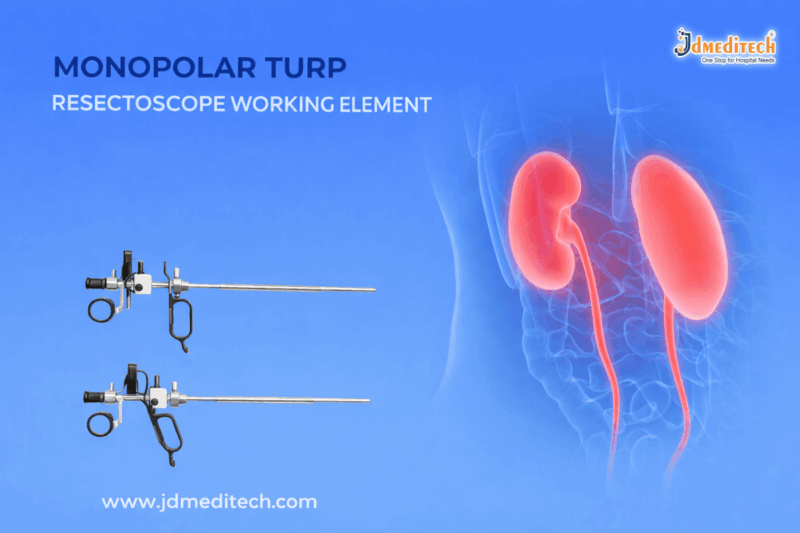
• TURP Resectoscope
• Ureteroscope (Rigid & Flexible)
• URS Forceps, Baskets
• RIRS Scopes & Accessories
• Laser Surgery Instruments
2. Laparoscopy & Endoscopy Equipment
• Laparoscopic hand instruments
• Telescopes & camera systems
• Insufflators, light sources
• Trocar & cannula
3. Gynecology & Obstetrics Devices
• Hysteroscope
• D&C instruments
• Vacuum delivery systems
4. ENT & General Surgery Devices
• Sinuscopes
• Rigid endoscopes
• Surgical forceps & scissors
5. Hospital Equipment
• Operating tables
• LED OT lights
• ICU & emergency care devices
Companies like JDMeditech play a key role in supplying a complete range of devices across these categories.

The Future of Medical Device Manufacturing in India
With continuous investment in R&D, digital healthcare technology, and automation, India’s medical device industry is expected to reach USD 50 billion by 2030. The focus is shifting towards:
• Robotics in surgery
• AI-driven diagnostics
• Minimally invasive surgical instruments
• Laser and imaging technologies

Export Scenario of Medical Devices in India
India’s medical device export sector has shown remarkable growth over the past decade, positioning the country as a reliable global supplier of high-quality and competitively priced medical equipment. With increasing international demand, better manufacturing standards, and strong government support, India is emerging as a major export hub for surgical instruments, endoscopy equipment, diagnostic devices, and hospital supplies.
India has a 75-80% import dependency on medical devices. Export of medical devices from India stood at US$ 2.53 billion in FY21 and is expected to rise to US$ 10 billion by 2025.
To increase the export of medical devices in the country, the Ministry of Health and Family Welfare (MOHFW) and Central Drugs Standard Control Organisation (CDSCO) implemented the following initiatives:
Re-examination and implementation of Schedule MIII (a draft guidance on good manufacturing practices and facility requirements) System for export labelling Clinical evaluation and adverse reporting clarification State licensing authority to extend free sales certificate validity from 2 years to 5 years to allow exports Create a list of manufacturers with export licensing for easy access to regulatory authorities worldwide.


Conclusion

The manufacturing of medical devices in India is experiencing remarkable growth. Supported by advanced technology, government initiatives, and skilled engineering expertise, India is becoming a trusted global supplier of high-quality and affordable medical devices.
JDMeditech proudly contributes to this mission by delivering world-class urology, endoscopy, and surgical equipment for healthcare professionals around the world.

Explore More Product >>

Get Connected:
+91 79909 93062 | +91 63513 72032 | exports@jdmeditech.com
Vaginal Hysterectomy Surgery

A vaginal hysterectomy is one of the most preferred minimally invasive procedures in modern gynecology for the removal of the uterus. At JDMeditech, we support healthcare professionals with advanced surgical instruments and reliable medical devices that ensure safety, precision, and high-quality outcomes during gynecological procedures.
Vaginal hysterectomy offers faster recovery, minimal pain, and no visible scars, making it a popular choice for many women. Here is a complete guide to help patients and healthcare providers understand this procedure better.

What Is a Vaginal Hysterectomy?
A vaginal hysterectomy involves removing the uterus (womb) through the vaginal canal. In some cases, the cervix, fallopian tubes, or ovaries may also be removed depending on the patient’s condition.
It is commonly recommended for women who do not plan future pregnancies and are suffering from chronic reproductive health issues that cannot be treated with medication or minimally invasive procedures.

When Is Vaginal Hysterectomy Recommended?
Doctors may suggest a vaginal hysterectomy for conditions such as
• Uterine fibroids
• Heavy or irregular menstrual bleeding
• Pelvic organ prolapse
• Endometriosis
• Chronic pelvic pain
• Adenomyosis
• Abnormal uterine bleeding
• Recurrent uterine infections

Advantages of Vaginal Hysterectomy
Vaginal hysterectomy provides several benefits for patients, including:
✔ No Visible Scars
The entire procedure is performed through the vagina, leaving no external marks.
✔ Faster Recovery
Most patients recover quicker compared to abdominal surgery.
✔ Less Postoperative Pain
Minimal tissue damage results in reduced pain and discomfort.
✔ Shorter Hospital Stay
Patients are usually discharged within 1–2 days.
✔ Lower Risk of Complications
Reduced chances of bleeding or infection.

Conclusion
Vaginal hysterectomy is a safe, efficient, and minimally invasive surgical technique that offers numerous benefits for women suffering from chronic gynecological issues. With the right technology and surgical instruments—such as those provided by JDMeditech—healthcare professionals can ensure optimal outcomes with enhanced safety and precision.

Explore More Product >>

Get Connected:
+91 79909 93062 | +91 63513 72032 | exports@jdmeditech.com