
Laparoscopic cystectomy surgery is an advanced minimally invasive urologic procedure performed for the removal of the urinary bladder in patients with serious bladder conditions, particularly bladder cancer. Traditionally, bladder removal required large open incisions and prolonged recovery. However, modern laparoscopic techniques now allow surgeons to perform cystectomy with greater precision, reduced surgical trauma, and faster recovery.
Today, laparoscopic cystectomy is widely recognized as an effective treatment option for selected patients requiring partial or complete bladder removal. Moreover, the procedure offers several advantages, including smaller incisions, less postoperative pain, shorter hospital stay, and improved cosmetic outcomes.
Because this minimally invasive technique uses advanced laparoscopic instruments and high-definition visualization, surgeons can safely remove diseased tissue while preserving surrounding structures whenever possible.
What Is Laparoscopic Cystectomy Surgery?
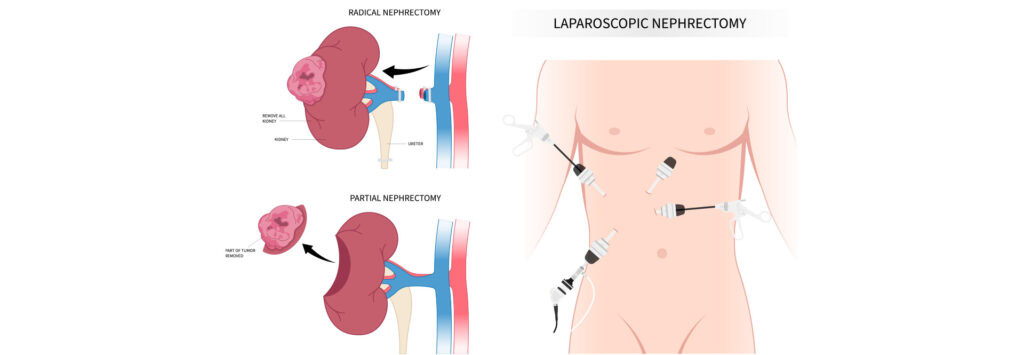
Laparoscopic cystectomy surgery is a minimally invasive procedure used to remove part or all of the urinary bladder using specialized laparoscopic instruments inserted through small abdominal incisions.
Depending on the underlying condition, the surgery may involve:
- Partial cystectomy
- Radical cystectomy
- Removal of nearby lymph nodes
- Urinary diversion reconstruction
During the procedure, the surgeon uses a laparoscope, which is a thin camera-equipped instrument that provides magnified visualization of the surgical field. Consequently, this allows precise dissection and improved surgical accuracy.
Ultimately, the primary goal of laparoscopic cystectomy is to safely remove diseased bladder tissue while minimizing complications and preserving patient quality of life.
Why Is Laparoscopic Cystectomy Performed?
Laparoscopic cystectomy is commonly recommended for serious bladder diseases that cannot be adequately treated with conservative therapies alone.
Common Indications for Surgery Include:
- Muscle-invasive bladder cancer
- Recurrent bladder tumors
- High-risk non-invasive bladder cancer
- Severe bladder dysfunction
- Radiation-damaged bladder
- Congenital bladder abnormalities
- Chronic painful bladder conditions in selected cases
In addition, early surgical intervention may help prevent disease progression and improve long-term outcomes.
Types of Cystectomy Procedures
The type of cystectomy performed depends on the severity and extent of the disease.
Partial Cystectomy
Partial cystectomy involves removal of only the diseased portion of the bladder while preserving the remaining healthy bladder tissue.
Radical Cystectomy
Radical cystectomy involves complete removal of the bladder and may also include nearby organs and lymph nodes depending on the patient’s condition.
In men, radical cystectomy may involve removal of:
- Prostate gland
- Seminal vesicles
In women, surgery may include removal of:
- Uterus
- Ovaries
- Part of the vaginal wall
Therefore, surgical planning is individualized for each patient.
Who Is a Suitable Candidate for Laparoscopic Cystectomy?
Generally, laparoscopic cystectomy may be recommended for:
- Patients with localized bladder cancer
- Individuals requiring bladder removal
- Patients medically fit for minimally invasive surgery
- Individuals seeking faster postoperative recovery
- Patients without extensive abdominal adhesions
Importantly, a thorough preoperative evaluation is necessary to determine surgical suitability.
Preoperative Evaluation Before Surgery
Before laparoscopic cystectomy, the urologist performs comprehensive diagnostic assessments to evaluate disease severity and overall health.
Medical History Review
Initially, the doctor reviews:
- Urinary symptoms
- Previous surgeries
- Cancer history
- Smoking history
- Existing medical conditions
- Current medications
Physical Examination
Furthermore, detailed physical examination helps assess general fitness for surgery.
Diagnostic Investigations
Additional investigations may include:
- Cystoscopy
- CT scan
- MRI scan
- Urine cytology
- Blood tests
- Biopsy confirmation
Consequently, these evaluations assist in surgical planning and staging.
How Laparoscopic Cystectomy Surgery Is Performed
Typically, laparoscopic cystectomy is performed under general anesthesia using advanced minimally invasive surgical equipment.
Step-by-Step Surgical Procedure
1. Creation of Small Incisions
First, the surgeon creates several tiny abdominal incisions for insertion of the laparoscope and surgical instruments.
2. Visualization of the Surgical Area
Next, the laparoscope provides magnified high-definition views of the bladder and surrounding organs.
3. Bladder Dissection
Afterward, the bladder is carefully separated from surrounding tissues while preserving important structures whenever possible.
4. Removal of Diseased Tissue
Then, the bladder or diseased bladder portion is removed through a protected incision.
5. Lymph Node Dissection
In cancer cases, nearby lymph nodes may also be removed for staging and disease control.
6. Urinary Diversion Reconstruction
Finally, the surgeon creates a new pathway for urine drainage using one of several urinary diversion techniques.
Overall, the procedure may take several hours depending on surgical complexity and reconstruction requirements.
Urinary Diversion After Bladder Removal
After complete bladder removal, urine must be redirected through an alternative urinary diversion system.
Ileal Conduit
A small segment of intestine is used to create a passage for urine to drain into an external collection bag.
Neobladder Reconstruction
A new bladder-like reservoir is created from intestinal tissue, allowing more natural urination.
Continent Urinary Reservoir
An internal urine storage pouch is surgically created and periodically emptied using catheterization.
Therefore, the choice of diversion depends on patient health, anatomy, and lifestyle preferences.
Benefits of Laparoscopic Cystectomy Surgery
Laparoscopic cystectomy offers several important advantages over traditional open surgery.
Minimally Invasive Technique
Because the procedure uses small incisions, surgical trauma and postoperative discomfort are significantly reduced.
Faster Recovery
Additionally, patients usually experience shorter hospital stays and quicker return to daily activities.
Reduced Blood Loss
Modern laparoscopic techniques often minimize intraoperative bleeding.
Better Cosmetic Results
Smaller incisions lead to less visible scarring.
Enhanced Surgical Precision
Furthermore, magnified visualization improves surgical accuracy and tissue preservation.
Lower Postoperative Pain
Consequently, patients generally require fewer pain medications after surgery.
Recovery After Laparoscopic Cystectomy
Recovery after laparoscopic cystectomy varies depending on the extent of surgery and urinary diversion performed.
Common Postoperative Symptoms
Initially, patients may experience:
- Mild abdominal discomfort
- Temporary fatigue
- Reduced appetite
- Swelling around incision sites
However, these symptoms gradually improve during recovery.
Recovery Guidelines
To support proper healing, patients are advised to:
- Follow dietary instructions
- Stay hydrated
- Avoid heavy lifting
- Maintain wound hygiene
- Attend regular follow-up visits
- Follow urinary diversion care instructions
As a result, most patients gradually regain normal activity levels over several weeks.
Risks and Complications
Although laparoscopic cystectomy is considered safe, certain complications may occur in some patients.
Possible Complications Include:
- Bleeding
- Infection
- Blood clots
- Urinary leakage
- Bowel injury
- Urinary diversion complications
- Erectile dysfunction in men
- Changes in urinary function
Nevertheless, complication rates are generally lower when surgery is performed by experienced urologic surgeons.
Success Rates and Long-Term Outcomes
Laparoscopic cystectomy provides excellent outcomes in appropriately selected patients.
Factors Affecting Outcomes
Several factors influence long-term success, including:
- Cancer stage
- Overall patient health
- Surgical expertise
- Lymph node involvement
- Type of urinary diversion
General Benefits
Modern laparoscopic cystectomy may provide:
- Effective cancer control
- Improved postoperative recovery
- Reduced hospital stay
- Better quality of life outcomes
Therefore, early diagnosis and specialized surgical care are extremely important.
Lifestyle and Rehabilitation After Surgery
Following recovery, healthy lifestyle modifications can support long-term wellness and postoperative adaptation.
Recommended Lifestyle Measures
Patients are encouraged to:
- Maintain regular follow-up care
- Stop smoking completely
- Follow balanced nutrition
- Stay physically active
- Monitor urinary function
- Practice urinary diversion care properly
Consequently, these measures may improve recovery and long-term health outcomes.
Choosing the Right Urologic Surgeon
Laparoscopic cystectomy is a highly specialized procedure requiring advanced surgical expertise.
Patients Should Look For:
- Experienced urologic oncology surgeons
- Expertise in laparoscopic and minimally invasive surgery
- Advanced hospital infrastructure
- Comprehensive cancer care services
- Multidisciplinary treatment support
Ultimately, experienced surgical teams significantly improve patient safety and treatment success.
Conclusion
Laparoscopic cystectomy surgery is an advanced minimally invasive procedure for safe and effective bladder removal in patients with serious bladder conditions, particularly bladder cancer. By combining precise laparoscopic techniques with modern reconstructive methods, the procedure offers excellent surgical outcomes with reduced postoperative discomfort and faster recovery.
Moreover, advancements in minimally invasive urologic surgery continue to improve patient safety, quality of life, and long-term treatment success. Therefore, individuals diagnosed with bladder disease should seek timely evaluation from an experienced urologic surgeon to determine the most appropriate treatment plan.
With proper surgical care, postoperative management, and long-term follow-up, many patients achieve excellent recovery and improved health outcomes after laparoscopic cystectomy surgery.
Get Connected:
+91 79909 93062 | +91 63513 72032 | exports@jdmeditech.com