Laparoscopic varicocelectomy surgery is a modern minimally invasive procedure used to treat varicocele, a condition characterized by enlarged and dilated veins within the scrotum. Varicoceles commonly affect male fertility and may also cause pain, testicular discomfort, or testicular shrinkage. Therefore, timely diagnosis and proper treatment are important for preserving reproductive health and improving quality of life.
Today, laparoscopic varicocelectomy is widely preferred because it offers enhanced surgical precision, smaller incisions, reduced postoperative discomfort, and faster recovery. Moreover, this advanced urologic procedure allows surgeons to accurately identify and seal abnormal veins while preserving nearby structures such as arteries and lymphatic vessels.
As a result, laparoscopic varicocelectomy has become an effective and reliable treatment option for men with symptomatic varicoceles and infertility-related concerns.
What Is Laparoscopic Varicocelectomy Surgery?
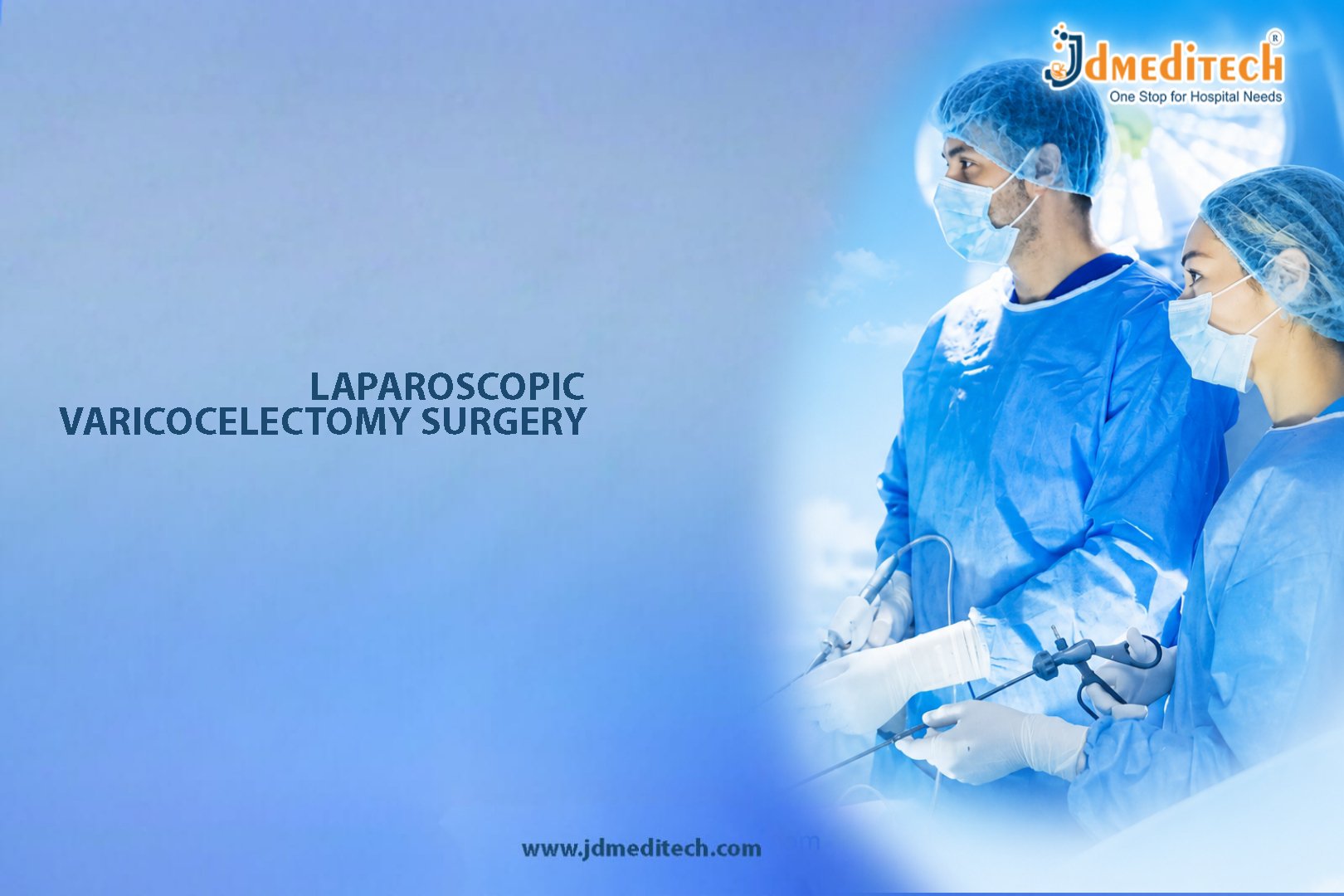
Laparoscopic varicocelectomy surgery is a minimally invasive urologic procedure performed to remove or block enlarged veins in the scrotum known as varicoceles. The surgery is carried out using a laparoscope, which is a thin camera-equipped instrument inserted through small abdominal incisions.
During the procedure, the surgeon identifies the enlarged testicular veins and seals them using clips, cauterization, or surgical division. Consequently, blood flow is redirected into healthy veins, thereby reducing venous pressure within the scrotum.
Ultimately, the procedure aims to improve testicular function, relieve discomfort, and support male fertility.
Understanding Varicocele
A varicocele occurs when veins inside the scrotum become enlarged due to faulty blood flow. In most cases, the condition develops on the left side because of anatomical differences in venous drainage.
Common Symptoms of Varicocele
Although some men may remain asymptomatic, others may experience:
- Scrotal pain or heaviness
- Visible enlarged veins
- Testicular discomfort after prolonged standing
- Reduced fertility
- Testicular shrinkage
- Abnormal semen parameters
Therefore, medical evaluation is important when symptoms or fertility issues develop.
Why Is Laparoscopic Varicocelectomy Performed?
Laparoscopic varicocelectomy is recommended to improve symptoms and restore normal testicular function.
Common Indications for Surgery Include:
- Male infertility associated with varicocele
- Persistent scrotal pain
- Abnormal semen analysis
- Testicular atrophy
- Bilateral varicocele
- Failed previous varicocele treatment
In addition, surgery may improve sperm count, sperm motility, and testosterone production in selected patients.
Who Is a Suitable Candidate for Laparoscopic Varicocelectomy?
Generally, laparoscopic varicocelectomy may be recommended for:
- Men with symptomatic varicocele
- Patients with infertility and abnormal semen parameters
- Adolescents with testicular growth impairment
- Individuals with bilateral varicoceles
- Patients experiencing chronic scrotal discomfort
Importantly, proper clinical evaluation helps determine whether surgery is the most appropriate treatment option.
Preoperative Evaluation Before Surgery
Before surgery, the urologist performs a detailed assessment to confirm the diagnosis and evaluate fertility status.
Medical History Review
Initially, the doctor reviews:
- Fertility history
- Duration of symptoms
- Prior scrotal surgeries
- Pain severity
- Lifestyle and medical conditions
Physical Examination
Furthermore, physical examination helps assess:
- Size of the varicocele
- Testicular volume
- Presence of tenderness
- Bilateral involvement
Diagnostic Investigations
Additional tests may include:
- Scrotal ultrasound
- Semen analysis
- Hormonal evaluation
- Doppler ultrasound imaging
Consequently, these evaluations guide surgical planning and fertility counseling.
How Laparoscopic Varicocelectomy Surgery Is Performed
Typically, laparoscopic varicocelectomy is performed under general anesthesia using advanced minimally invasive surgical equipment.
Step-by-Step Surgical Procedure
1. Creation of Small Incisions
First, the surgeon creates tiny abdominal incisions to insert the laparoscope and surgical instruments.
2. Visualization of Testicular Veins
Next, the laparoscope provides magnified visualization of the enlarged veins and surrounding structures.
3. Identification of Abnormal Veins
Afterward, the dilated testicular veins are carefully identified while preserving arteries and lymphatic channels.
4. Vein Ligation
Then, the abnormal veins are clipped, sealed, or divided to stop abnormal blood flow.
5. Completion of Procedure
Finally, the instruments are removed and the incisions are closed with small sutures.
Overall, the surgery usually takes between 30 minutes and 1 hour depending on the complexity of the case.
Types of Varicocelectomy Procedures
Several surgical techniques are available for varicocele treatment.
| Procedure | Technique | Common Advantages |
| Laparoscopic Varicocelectomy | Minimally invasive laparoscopy | Faster recovery and bilateral access |
| Microsurgical Varicocelectomy | Operating microscope | High precision and low recurrence |
| Open Varicocelectomy | Traditional surgery | Widely available |
| Percutaneous Embolization | Radiologic technique | No surgical incision |
Ultimately, treatment selection depends on patient condition, surgeon expertise, and fertility goals.
Benefits of Laparoscopic Varicocelectomy Surgery
Laparoscopic varicocelectomy offers several important benefits compared to traditional surgical methods.
Minimally Invasive Procedure
Because the surgery uses small incisions, postoperative pain and scarring are significantly reduced.
Faster Recovery
Additionally, patients usually return to normal activities more quickly compared to open surgery.
Better Visualization
The laparoscopic camera provides magnified surgical views, allowing precise identification of abnormal veins.
Bilateral Treatment Capability
Furthermore, both sides can often be treated during the same procedure when necessary.
Improved Fertility Outcomes
In many patients, surgery improves:
- Sperm count
- Sperm motility
- Sperm morphology
- Testosterone levels
Consequently, laparoscopic varicocelectomy may improve natural fertility potential.
Recovery After Laparoscopic Varicocelectomy
Recovery after surgery is generally smooth and uncomplicated.
Common Postoperative Symptoms
Initially, patients may experience:
- Mild abdominal discomfort
- Minor scrotal swelling
- Temporary bruising
- Mild fatigue
However, these symptoms usually improve within several days.
Recovery Guidelines
To promote proper healing, patients are advised to:
- Avoid heavy lifting temporarily
- Wear supportive undergarments
- Maintain incision hygiene
- Limit strenuous physical activity
- Attend follow-up appointments
As a result, most individuals return to work and daily activities within 1 to 2 weeks.
Success Rates of Laparoscopic Varicocelectomy
Laparoscopic varicocelectomy generally provides excellent outcomes when performed by experienced urologic surgeons.
Factors Affecting Success
Several factors influence surgical outcomes, including:
- Severity of varicocele
- Duration of infertility
- Testicular function
- Patient age
- Surgical expertise
General Outcomes
Modern laparoscopic varicocelectomy may achieve:
- Significant pain relief
- Improved semen quality
- Enhanced fertility potential
- Low recurrence rates
Therefore, early treatment can provide long-term reproductive benefits.
Risks and Complications
Although laparoscopic varicocelectomy is considered safe, certain complications may occur in rare situations.
Possible Complications Include:
- Bleeding
- Infection
- Hydrocele formation
- Recurrence of varicocele
- Injury to nearby structures
- Anesthesia-related risks
Nevertheless, complications are uncommon when surgery is performed by skilled specialists.
Fertility Improvement After Varicocelectomy
Many patients undergo surgery specifically to improve fertility outcomes.
Potential Fertility Benefits Include:
- Increased sperm concentration
- Better sperm movement
- Improved sperm quality
- Enhanced testosterone production
- Increased chances of natural conception
However, fertility improvement may take several months because sperm production cycles require time to recover.
Lifestyle Tips After Varicocelectomy Surgery
Healthy lifestyle habits may further improve fertility and recovery after surgery.
Recommended Lifestyle Measures
Patients are encouraged to:
- Maintain a healthy body weight
- Avoid smoking and excessive alcohol
- Follow a nutritious diet
- Reduce stress levels
- Avoid excessive heat exposure
Consequently, these measures may support reproductive health and long-term surgical success.
Choosing the Right Urologic Surgeon
Successful laparoscopic varicocelectomy requires specialized expertise in minimally invasive urologic surgery.
Patients Should Look For:
- Experienced urologic surgeons
- Expertise in laparoscopic procedures
- Advanced surgical facilities
- Male infertility specialization
- Comprehensive postoperative care
Ultimately, experienced surgeons help improve surgical precision, fertility outcomes, and patient safety.
Conclusion
Laparoscopic varicocelectomy surgery is an advanced minimally invasive solution for the treatment of varicocele and related fertility concerns. By sealing enlarged scrotal veins through precise laparoscopic techniques, the procedure helps improve blood circulation, relieve symptoms, and support reproductive health.
Moreover, modern surgical advancements have made laparoscopic varicocelectomy safer, more effective, and associated with faster recovery. Therefore, men experiencing varicocele-related pain or infertility should seek early evaluation from an experienced urologist to explore the most appropriate treatment options.
With timely intervention and expert surgical care, many patients can achieve significant improvement in both symptoms and fertility outcomes.
Get Connected:
+91 79909 93062 | +91 63513 72032 | exports@jdmeditech.com