
Laparoscopic orchidopexy surgery is a modern minimally invasive procedure performed to treat undescended testes, also known as cryptorchidism. Normally, the testicles descend into the scrotum before birth or during early infancy. However, in some children, one or both testes fail to move into the correct position. Consequently, surgical correction becomes necessary to protect fertility, hormonal function, and long-term testicular health.
Today, laparoscopic orchidopexy is widely preferred because it offers excellent visualization, precise surgical correction, smaller incisions, and faster recovery. Moreover, this advanced endoscopic technique allows surgeons to accurately locate and reposition the undescended testis while minimizing surgical trauma.
What Is Laparoscopic Orchidopexy Surgery?
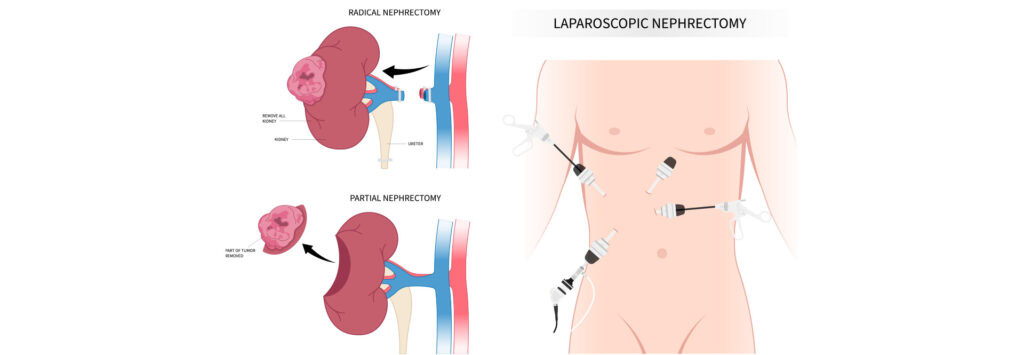
Laparoscopic orchidopexy surgery is a minimally invasive urologic procedure used to locate, mobilize, and fix an undescended testicle inside the scrotum. The surgery is performed using a laparoscope, which is a thin camera-equipped instrument inserted through small abdominal incisions.
During the procedure, specialized surgical instruments are used to carefully free the testis and bring it down into the scrotum. Afterward, the testicle is securely fixed in place to prevent future retraction.
As a result, laparoscopic orchidopexy helps restore normal anatomical positioning and supports proper testicular development.
Why Is Laparoscopic Orchidopexy Performed?
Undescended testes may lead to several complications if left untreated. Therefore, early surgical correction is strongly recommended.
Common Reasons for Surgery Include:
- Undescended testicle in infants or children
- Intra-abdominal testis
- Non-palpable testis
- Prevention of infertility
- Reduction of testicular cancer risk
- Prevention of testicular torsion
- Cosmetic and psychological concerns
In addition, timely surgery can improve long-term reproductive and hormonal outcomes.
Understanding Undescended Testicles
An undescended testicle occurs when the testis does not properly move from the abdomen into the scrotum during fetal development.
Types of Undescended Testes
Palpable Undescended Testis
In this condition, the testicle can be felt in the groin during physical examination.
Non-Palpable Testis
Here, the testicle cannot be felt because it may remain inside the abdomen or may be absent altogether.
Intra-Abdominal Testis
This type refers to a testicle located within the abdominal cavity, often requiring laparoscopic management.
Therefore, laparoscopy plays an important role in both diagnosis and treatment.
Who Is a Suitable Candidate for Laparoscopic Orchidopexy?
Generally, laparoscopic orchidopexy may be recommended for:
- Infants older than 6 months with undescended testes
- Children with non-palpable testes
- Patients with intra-abdominal testes
- Individuals with failed previous orchidopexy
- Adolescents or adults with selected undescended testicular conditions
Importantly, early intervention usually provides better fertility preservation and improved testicular development.
Preoperative Evaluation Before Surgery
Before the procedure, the urologist performs a thorough clinical assessment to determine the exact location and condition of the testis.
Medical History Review
Initially, the surgeon evaluates:
- Birth history
- Developmental milestones
- Previous surgeries
- Family medical history
- Associated congenital conditions
Physical Examination
Furthermore, careful examination helps determine whether the testicle is palpable or non-palpable.
Imaging Studies
In selected cases, imaging tests may include:
- Ultrasound
- MRI scan
- Diagnostic laparoscopy
Consequently, these investigations help guide surgical planning.
How Laparoscopic Orchidopexy Surgery Is Performed
Typically, laparoscopic orchidopexy is performed under general anesthesia using advanced minimally invasive surgical equipment.
Step-by-Step Surgical Procedure
1. Creation of Small Incisions
First, the surgeon creates tiny incisions in the abdomen for insertion of the laparoscope and surgical instruments.
2. Identification of the Testicle
Next, the laparoscope provides magnified visualization to accurately locate the undescended testis.
3. Mobilization of the Testis
Afterward, surrounding tissues are carefully released to gain sufficient length for testicular descent.
4. Testicular Descent
Then, the testis is gently brought down into the scrotum without compromising blood supply.
5. Testicular Fixation
Finally, the testicle is securely fixed inside the scrotum to maintain proper positioning.
Overall, the surgery usually takes between 1 and 2 hours depending on surgical complexity.
Single-Stage vs Two-Stage Orchidopexy
In some patients, especially those with high intra-abdominal testes, a staged approach may be necessary.
| Feature | Single-Stage Orchidopexy | Two-Stage Orchidopexy |
| Procedure Timing | One operation | Two separate operations |
| Complexity | Lower | Higher |
| Use | Low-lying testes | High intra-abdominal testes |
| Recovery | Faster | Gradual correction |
Ultimately, the surgeon selects the most suitable approach based on testicular position and vascular length.
Benefits of Laparoscopic Orchidopexy Surgery
Laparoscopic orchidopexy offers several important advantages over traditional open surgery.
Minimally Invasive Technique
Because the procedure uses small incisions, postoperative pain and scarring are significantly reduced.
Better Visualization
Additionally, laparoscopy provides magnified internal views, allowing precise identification of the testis and surrounding structures.
Faster Recovery
Most patients recover quickly and resume normal activities sooner compared to open surgery.
Improved Cosmetic Results
Smaller incisions produce minimal visible scarring.
Fertility Preservation
Early correction supports normal testicular development and may improve future fertility potential.
Reduced Cancer Risk
Furthermore, placing the testicle in the scrotum allows easier monitoring for future abnormalities.
Recovery After Laparoscopic Orchidopexy
In most cases, recovery after laparoscopic orchidopexy is smooth and uncomplicated.
Immediate Postoperative Recovery
Initially, patients may experience:
- Mild abdominal discomfort
- Temporary swelling
- Minor bruising
- Mild fatigue
However, symptoms generally improve within a few days.
Recovery Guidelines
To ensure proper healing, patients are advised to:
- Avoid strenuous activities temporarily
- Maintain incision hygiene
- Attend follow-up appointments
- Wear comfortable clothing
- Monitor for signs of infection
As a result, most children return to routine activities within 1 to 2 weeks.
Success Rates of Laparoscopic Orchidopexy
Laparoscopic orchidopexy has high success rates when performed by experienced pediatric urologists or laparoscopic surgeons.
Factors Influencing Success
Several factors affect outcomes, including:
- Testicular location
- Patient age
- Blood supply to the testis
- Surgical expertise
- Presence of associated abnormalities
General Outcomes
Modern laparoscopic orchidopexy typically achieves:
- Excellent testicular positioning
- High long-term success rates
- Improved fertility preservation
- Reduced complication rates
Therefore, early diagnosis and treatment are strongly encouraged.
Risks and Complications
Although laparoscopic orchidopexy is considered safe, certain complications may still occur in rare cases.
Possible Complications Include:
- Bleeding
- Infection
- Testicular atrophy
- Recurrence of undescended testis
- Injury to surrounding structures
- Anesthesia-related risks
Nevertheless, complications are uncommon when surgery is performed by experienced specialists.
Long-Term Follow-Up After Orchidopexy
Long-term monitoring remains important even after successful surgery.
Follow-Up May Include:
- Physical examination
- Monitoring testicular growth
- Assessment of testicular position
- Evaluation during puberty
- Fertility assessment in adulthood
Consequently, regular follow-up helps ensure proper long-term outcomes.
Choosing the Right Surgeon for Laparoscopic Orchidopexy
Selecting an experienced surgeon plays a major role in achieving successful surgical and functional results.
Patients Should Look For:
- Expertise in pediatric urology
- Advanced laparoscopic training
- Experience with minimally invasive surgery
- Modern surgical facilities
- Comprehensive postoperative care
Ultimately, specialized surgical expertise improves both safety and treatment success.
Conclusion
Laparoscopic orchidopexy surgery is an advanced minimally invasive solution for correcting undescended testes and restoring proper testicular positioning. By combining precise endoscopic visualization with modern surgical techniques, the procedure offers excellent outcomes with minimal discomfort and faster recovery.
Moreover, early treatment helps preserve fertility potential, supports healthy testicular development, and reduces future complications. Therefore, timely consultation with an experienced urologist or pediatric surgeon is essential for achieving the best long-term results.
Get Connected:
+91 79909 93062 | +91 63513 72032 | exports@jdmeditech.com