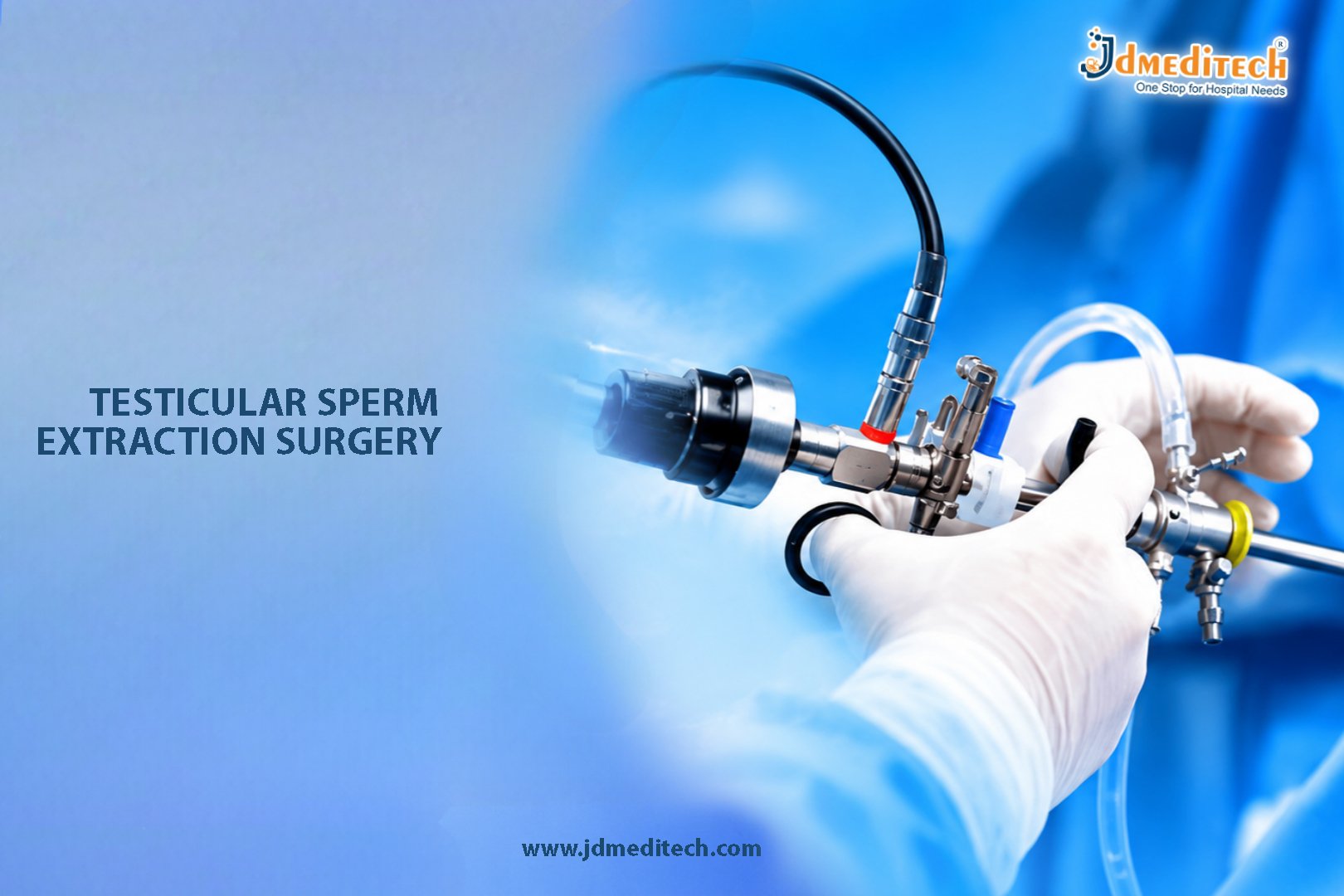
Testicular Sperm Extraction (TESE) surgery is a specialized male infertility procedure performed to retrieve sperm directly from the testicular tissue in men with azoospermia. Azoospermia is a condition in which no sperm are present in the semen, making natural conception difficult or impossible. However, with advancements in reproductive medicine and microsurgical techniques, TESE surgery has become an effective fertility solution for many couples.
Today, TESE is widely used in men with both obstructive azoospermia and non-obstructive azoospermia. Moreover, the procedure is often combined with assisted reproductive technologies such as Intracytoplasmic Sperm Injection (ICSI) to improve the chances of successful fertilization and pregnancy.
Because TESE allows direct sperm retrieval from the testes, it offers hope to men who previously had limited fertility treatment options.
What Is Testicular Sperm Extraction Surgery?
Testicular Sperm Extraction surgery is a minor surgical procedure in which small samples of testicular tissue are removed to identify and retrieve viable sperm cells. Subsequently, the retrieved sperm can be used for fertility treatments such as IVF and ICSI.
Unlike natural ejaculation, TESE bypasses potential blockages or sperm production limitations by obtaining sperm directly from the testicular tissue. Therefore, the procedure is considered one of the most important surgical options in modern male infertility management.
In addition, TESE may be performed as a standalone procedure or combined with microscopic sperm retrieval techniques depending on the underlying condition.
Understanding Azoospermia
Azoospermia refers to the complete absence of sperm in the ejaculate. Generally, the condition is classified into two major categories.
Obstructive Azoospermia
In obstructive azoospermia, sperm production inside the testes is usually normal. However, a blockage in the reproductive tract prevents sperm from entering the semen.
Common Causes Include:
- Previous vasectomy
- Congenital absence of the vas deferens
- Infection-related blockage
- Ejaculatory duct obstruction
- Prior pelvic surgery
Non-Obstructive Azoospermia
In non-obstructive azoospermia, sperm production is severely impaired or absent due to testicular dysfunction.
Common Causes Include:
- Genetic abnormalities
- Hormonal disorders
- Testicular failure
- Varicocele-related damage
- Chemotherapy or radiation exposure
Therefore, TESE plays a critical role in evaluating and managing both conditions.
Why Is TESE Surgery Performed?
TESE surgery is recommended when sperm cannot be obtained through normal ejaculation. Consequently, direct sperm retrieval becomes necessary for fertility treatment.
Common Indications for TESE Include:
- Obstructive azoospermia
- Non-obstructive azoospermia
- Failed vasectomy reversal
- Ejaculatory disorders
- Prior unsuccessful sperm retrieval procedures
- Fertility preservation before cancer treatment
Additionally, TESE may help couples achieve biological parenthood using assisted reproductive technologies.
Who Is a Suitable Candidate for TESE Surgery?
Generally, TESE surgery may be recommended for:
- Men diagnosed with azoospermia
- Patients with blocked reproductive ducts
- Individuals with impaired sperm production
- Men undergoing IVF-ICSI treatment
- Patients unable to produce ejaculated sperm
Importantly, a complete fertility evaluation is necessary before deciding on surgical sperm retrieval.
Preoperative Evaluation Before TESE
Before surgery, fertility specialists and urologists perform detailed assessments to identify the cause of azoospermia and estimate sperm retrieval success.
Medical History Review
Initially, the doctor evaluates:
- Fertility history
- Prior surgeries
- Hormonal disorders
- Childhood testicular conditions
- Medication history
- Lifestyle factors
Physical Examination
Furthermore, examination helps assess:
- Testicular size
- Presence of varicocele
- Epididymal abnormalities
- Secondary sexual characteristics
Laboratory Investigations
Diagnostic tests may include:
- Semen analysis
- Hormonal profile
- Genetic testing
- Ultrasound imaging
Consequently, these evaluations guide treatment planning and patient counseling.
Types of Testicular Sperm Retrieval Procedures
Several sperm retrieval techniques are available depending on the patient’s condition and fertility goals.
Conventional TESE
In this standard technique, small testicular tissue samples are surgically removed to search for sperm.
Micro-TESE
Microdissection TESE uses an operating microscope to identify seminiferous tubules more likely to contain sperm. Therefore, this technique improves sperm retrieval rates in men with non-obstructive azoospermia.
TESA (Testicular Sperm Aspiration)
TESA involves needle aspiration of testicular tissue and is less invasive than open surgical TESE.
PESA (Percutaneous Epididymal Sperm Aspiration)
PESA retrieves sperm from the epididymis and is commonly used in obstructive azoospermia.
Ultimately, the fertility specialist selects the most suitable procedure based on the underlying diagnosis.
How Testicular Sperm Extraction Surgery Is Performed
Typically, TESE surgery is performed under local anesthesia, sedation, or general anesthesia.
Step-by-Step Surgical Procedure
1. Surgical Preparation
First, the scrotal area is cleaned and prepared under sterile conditions.
2. Small Incision
Next, a small incision is made in the scrotum to access the testicular tissue.
3. Tissue Extraction
Afterward, tiny samples of testicular tissue are carefully removed.
4. Laboratory Examination
The tissue samples are immediately examined under a microscope to identify viable sperm cells.
5. Sperm Preservation
If sperm are successfully retrieved, they may be used immediately for IVF-ICSI or frozen for future use.
6. Closure
Finally, the incision is closed with absorbable sutures.
Overall, the procedure usually takes between 30 minutes and 1 hour.
Benefits of Testicular Sperm Extraction Surgery
TESE surgery offers several important benefits for infertile couples.
Direct Sperm Retrieval
Most importantly, TESE allows sperm retrieval even when no sperm are present in the ejaculate.
Opportunity for Biological Parenthood
Additionally, TESE enables many couples to achieve pregnancy using their own genetic material.
Minimally Invasive Options
Modern sperm retrieval techniques minimize tissue damage and improve recovery.
High Success with Assisted Reproduction
When combined with ICSI, TESE significantly improves fertilization opportunities.
Fertility Preservation
Furthermore, TESE allows sperm freezing before treatments such as chemotherapy.
Recovery After TESE Surgery
Recovery after TESE is generally quick and uncomplicated.
Common Postoperative Symptoms
Patients may temporarily experience:
- Mild scrotal swelling
- Minor discomfort
- Bruising
- Temporary tenderness
However, symptoms usually improve within a few days.
Recovery Guidelines
To promote proper healing, patients are advised to:
- Wear scrotal support garments
- Avoid heavy lifting
- Limit strenuous activity temporarily
- Maintain proper hygiene
- Follow prescribed medications
As a result, most men resume normal activities within several days.
Success Rates of TESE Surgery
Success rates depend on multiple factors, including the underlying cause of azoospermia and the surgical technique used.
Factors Affecting Success
Several important factors include:
- Type of azoospermia
- Testicular function
- Hormonal balance
- Genetic conditions
- Surgeon expertise
General Success Outcomes
In obstructive azoospermia, sperm retrieval rates are usually very high. Meanwhile, retrieval rates in non-obstructive azoospermia vary depending on sperm production capacity.
Nevertheless, micro-TESE has significantly improved outcomes in complex infertility cases.
Risks and Complications of TESE Surgery
Although TESE is considered safe, certain complications may occur in rare cases.
Possible Risks Include:
- Bleeding
- Infection
- Scrotal hematoma
- Temporary discomfort
- Testicular injury
- Reduced testosterone production in rare situations
Therefore, choosing an experienced fertility surgeon is essential for minimizing risks.
TESE vs Other Sperm Retrieval Techniques
| Procedure | Source of Sperm | Common Use |
| TESE | Testicular tissue | Obstructive and non-obstructive azoospermia |
| Micro-TESE | Microscopic testicular extraction | Severe non-obstructive azoospermia |
| TESA | Needle aspiration from testis | Obstructive azoospermia |
| PESA | Epididymal aspiration | Ductal obstruction |
Ultimately, treatment selection depends on the patient’s fertility diagnosis and reproductive goals.
Emotional and Psychological Aspects of Male Infertility
Male infertility can significantly affect emotional well-being and self-confidence. Therefore, psychological support and counseling may be beneficial throughout fertility treatment.
Helpful Support Measures Include:
- Fertility counseling
- Partner communication
- Stress management
- Support groups
- Psychological therapy when needed
Consequently, emotional care plays an important role in overall fertility treatment success.
Choosing the Right Fertility Specialist
Successful TESE outcomes require specialized expertise in male infertility and microsurgery.
Patients Should Look For:
- Experienced reproductive urologists
- Advanced fertility centers
- Access to IVF-ICSI facilities
- Expertise in micro-TESE
- Comprehensive fertility counseling
Ultimately, specialized care improves both sperm retrieval success and reproductive outcomes.
Conclusion
Testicular Sperm Extraction surgery is an advanced fertility procedure that offers hope to men with obstructive and non-obstructive azoospermia. By retrieving sperm directly from the testes, TESE enables many couples to pursue biological parenthood through assisted reproductive technologies.
Moreover, modern microsurgical advancements have improved sperm retrieval rates, reduced complications, and enhanced fertility outcomes. Therefore, early consultation with an experienced reproductive urologist is essential for selecting the most appropriate fertility treatment strategy.
With proper evaluation, expert surgical care, and advanced reproductive support, TESE surgery continues to play a major role in modern male infertility management.
Get Connected:
+91 79909 93062 | +91 63513 72032 | exports@jdmeditech.com