
Urology is one of the oldest medical specialties, with a history spanning thousands of years. From the earliest descriptions of urinary disorders in ancient civilizations to today’s robotic-assisted surgeries and minimally invasive procedures, the field has undergone remarkable transformation. Every generation has contributed new knowledge, innovative surgical techniques, and advanced medical devices that have significantly improved patient care.
Today, urologists treat a wide range of conditions affecting the urinary tract and male reproductive system using cutting-edge technology. Moreover, innovations such as endoscopy, laser lithotripsy, robotic surgery, and artificial intelligence continue to redefine the future of urological practice.
This article explores the complete history of urology, highlighting the major discoveries, technological advancements, and milestones that have shaped modern urological surgery.
Urology in Ancient Civilizations
The Earliest Evidence of Urological Care
The history of urology began thousands of years ago in ancient Egypt, Mesopotamia, India, Greece, and China. Physicians from these civilizations recognized urinary disorders and attempted various treatments using the medical knowledge available at the time.
Ancient Egyptian medical texts, including the Edwin Smith Papyrus and Ebers Papyrus, described conditions such as urinary retention, bladder stones, and painful urination. Similarly, Indian Ayurvedic medicine documented surgical techniques for treating bladder stones, while ancient Greek physicians studied diseases affecting the kidneys and urinary tract.
Although treatment methods were primitive, these early observations laid the foundation for modern urology.
The Influence of Ancient Greece and Rome
Scientific Observation Begins
Greek physician Hippocrates emphasized careful observation of urinary symptoms to diagnose disease. Furthermore, physicians examined the appearance, color, and odor of urine, making urinalysis one of the earliest diagnostic methods in medicine.
Later, Galen expanded medical knowledge by studying human anatomy and physiology. Consequently, physicians gained a better understanding of the kidneys, bladder, and urinary system.
Although surgery remained limited, these developments greatly influenced future generations of physicians.
Medieval Contributions to Urology
Advancements During the Middle Ages
During the medieval period, physicians in the Islamic world preserved and expanded Greek and Roman medical knowledge.
Scholars such as Avicenna described urinary diseases, kidney disorders, and bladder stone treatments in detail. Moreover, surgical instruments became more refined, allowing physicians to perform increasingly complex procedures.
Meanwhile, European medicine gradually adopted these advancements through translated medical texts.
As a result, knowledge of urinary diseases continued to expand throughout the medieval era.
Renaissance and Anatomical Discoveries
A New Understanding of Human Anatomy
The Renaissance marked a turning point in medical science. During this period, detailed anatomical studies improved physicians’ understanding of the urinary tract.
Researchers carefully documented the kidneys, ureters, bladder, prostate, and urethra. Consequently, surgeons developed more accurate techniques for treating urinary disorders.
Furthermore, improvements in surgical education encouraged more standardized medical practice across Europe.
The Birth of Modern Urology
Urology Becomes a Medical Specialty
The nineteenth century witnessed the emergence of urology as an independent medical specialty.
Several important developments transformed patient care, including:
- Improved surgical instruments
- Safer anesthesia
- Antiseptic techniques
- Better understanding of urinary diseases
- Specialized hospitals
- Dedicated urology training
Therefore, physicians began focusing exclusively on diseases of the urinary tract and male reproductive system.
The Discovery of Cystoscopy
Revolutionizing Bladder Examination
One of the greatest milestones in urology was the invention of the cystoscope.
For the first time, physicians could directly examine the inside of the bladder without open surgery. Consequently, diagnosis became faster and more accurate.
Over time, cystoscopes evolved from simple rigid instruments to advanced flexible endoscopes equipped with high-definition imaging systems.
Today, cystoscopy remains one of the most commonly performed diagnostic procedures in urology.
The Development of Endourology
Minimally Invasive Surgery Begins
During the twentieth century, endoscopic technology transformed urological surgery.
Instead of performing large open incisions, surgeons could access the urinary tract using specialized endoscopes.
Major advances included:
- Transurethral Resection of the Prostate (TURP)
- Ureteroscopy
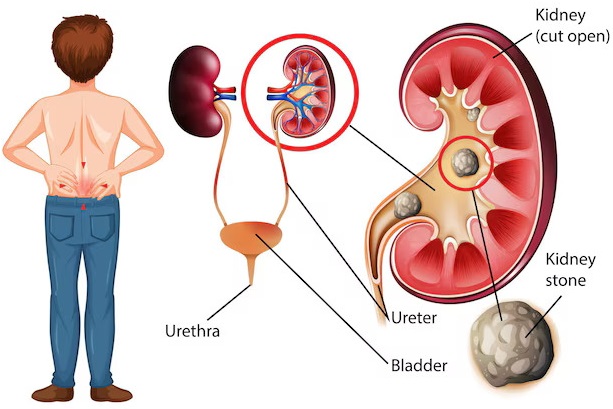
- Percutaneous Nephrolithotomy (PCNL)
- Bladder tumor resection
- Laser lithotripsy
As a result, patients experienced less pain, shorter hospital stays, and faster recovery.
The Evolution of Urological Devices
Technology Drives Better Outcomes
Medical device innovation has played a vital role in modern urology.
Today’s procedures rely on advanced devices such as:
- Double J Stents
- Guidewires
- Ureteral Catheters
- Stone Retrieval Baskets
- Nephrostomy Catheters
- Ureteral Access Sheaths
- Foley Catheters
- Laser Fibers
- Dilators
- Biopsy Forceps
Furthermore, continuous improvements in materials and manufacturing have increased device safety and clinical performance.
The Rise of Laser Technology
Precision Stone and Tissue Treatment
Laser technology has significantly improved the treatment of urinary stones and soft tissue disorders.
Holmium and Thulium lasers are now widely used for:
- Kidney stone fragmentation
- Benign Prostatic Hyperplasia (BPH)
- Ureteral strictures
- Bladder tumors
Therefore, many procedures that once required open surgery can now be completed endoscopically.
Robotic Surgery in Modern Urology
The Next Generation of Surgical Precision
Robotic-assisted surgery represents one of the most significant advancements in modern urology.
Today, robotic systems are commonly used for:
- Radical prostatectomy
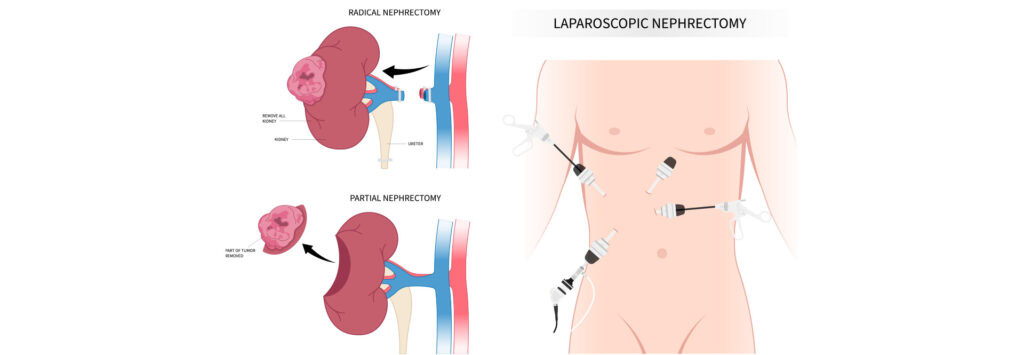
- Partial nephrectomy
- Radical cystectomy
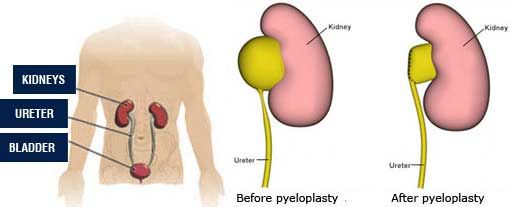
- Pyeloplasty
- Ureteral reconstruction
Additionally, robotic technology improves surgical precision, visualization, and dexterity. Consequently, patients often benefit from reduced blood loss, shorter hospital stays, and quicker recovery.
Artificial Intelligence in Urology
The Future of Diagnosis and Treatment
Artificial intelligence is rapidly becoming part of everyday urological practice.
AI applications include:
- Medical imaging analysis
- Kidney stone detection
- Prostate cancer diagnosis
- Surgical planning
- Predictive analytics
- Clinical decision support
Moreover, AI helps physicians improve diagnostic accuracy while supporting personalized patient care.
Future Trends in Urology
What Lies Ahead?
The future of urology is expected to focus on:
- Robotic microsurgery
- AI-assisted diagnostics
- Smart surgical devices
- Disposable endourology accessories
- 3D imaging
- Personalized medicine
- Telemedicine
- Remote surgical assistance
Furthermore, continuous innovation will likely make procedures even safer, faster, and more effective.
Why High-Quality Urology Devices Matter
Supporting Better Surgical Outcomes
Modern urological procedures depend heavily on high-quality medical devices.
Premium products provide:
- Reliable performance
- Excellent biocompatibility
- Precise navigation
- Enhanced safety
- Improved durability
- Consistent clinical outcomes
- International quality compliance
Therefore, selecting trusted urology devices contributes to better patient care and procedural success.
Conclusion
Final Thoughts
The history of urology reflects centuries of medical innovation, scientific discovery, and technological progress. From the earliest observations of urinary diseases in ancient civilizations to today’s robotic-assisted and AI-supported procedures, the specialty has continuously evolved to improve patient care.
Moreover, advancements in surgical techniques, diagnostic imaging, and medical devices have transformed urology into one of the most technologically advanced fields of medicine. As innovation continues, the future promises even more precise, minimally invasive, and patient-centered treatments. Ultimately, understanding the history of urology highlights how past discoveries continue to shape the future of modern surgical care.
Get Connected:
+91 79909 93062 | +91 63513 72032 | exports@jdmeditech.com