Cystoscopy surgery is a widely performed minimally invasive urological procedure used to examine, diagnose, and treat conditions affecting the bladder, urethra, and lower urinary tract. By using a specialized instrument called a cystoscope, urologists can directly visualize the inside of the urinary system with exceptional precision and minimal discomfort.
This advanced endoscopic technique plays a crucial role in diagnosing urinary abnormalities, removing bladder stones, treating tumors, evaluating blood in urine, and managing several urinary tract disorders. Modern cystoscopy procedures offer improved patient safety, faster recovery, and highly accurate diagnostic outcomes.
What is Cystoscopy Surgery?
Understanding the Cystoscopic Procedure
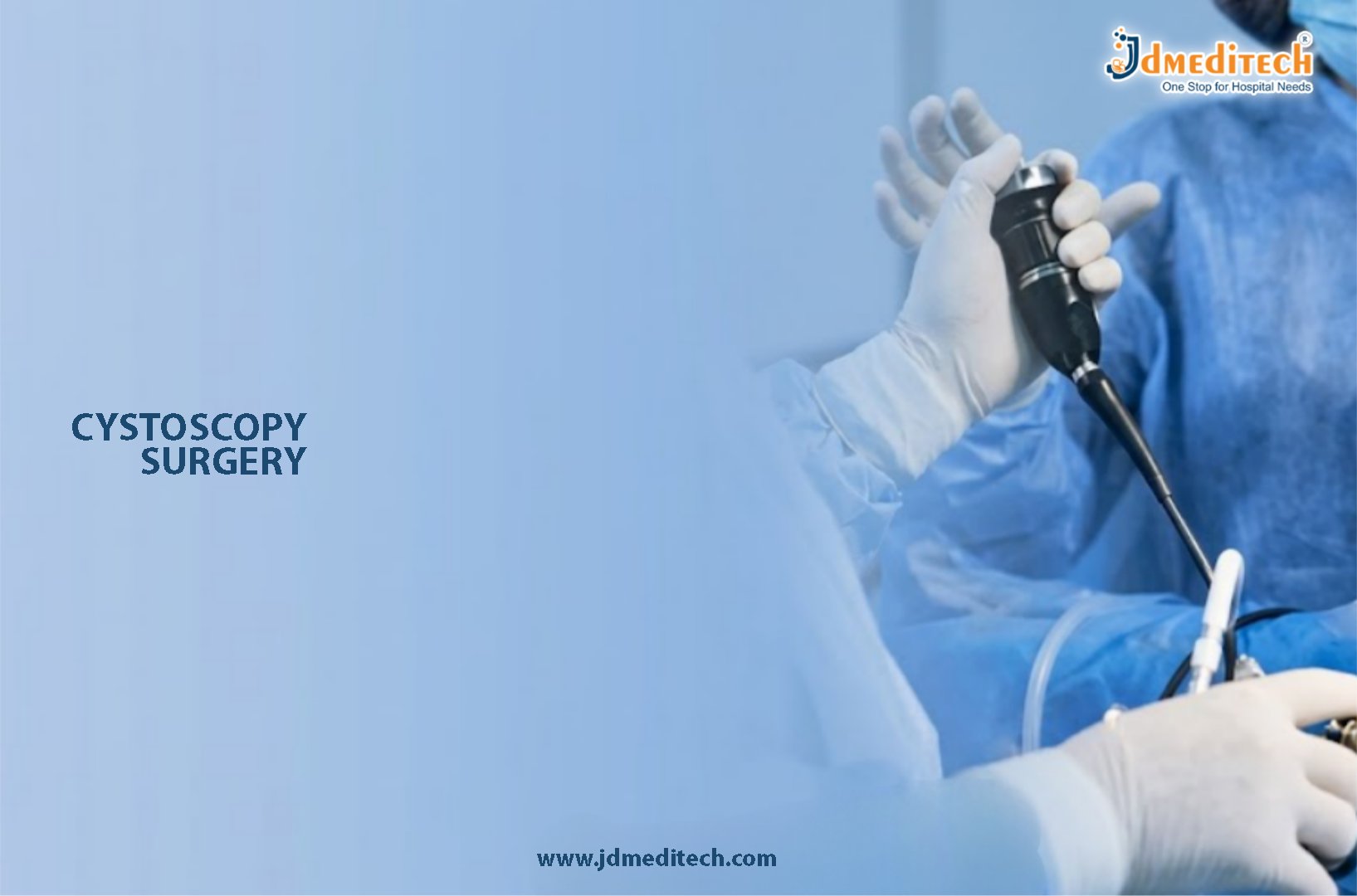
Cystoscopy is a diagnostic and therapeutic procedure in which a thin tube equipped with a camera and light source, known as a cystoscope, is inserted through the urethra into the bladder. The procedure allows the urologist to examine the urinary tract in real time.
Cystoscopy may be performed using:
- Flexible cystoscope
- Rigid cystoscope
Flexible cystoscopy is commonly used for diagnostic purposes, while rigid cystoscopy is often preferred for surgical interventions and treatment procedures.
Why is Cystoscopy Surgery Performed?
Common Medical Indications
Doctors recommend cystoscopy surgery for the diagnosis and treatment of various urinary tract conditions, including:
- Blood in urine (hematuria)
- Recurrent urinary tract infections
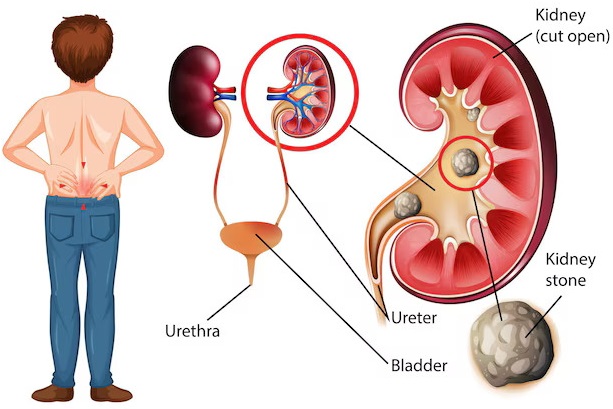
- Bladder stones
- Bladder tumors
- Urethral strictures
- Difficulty urinating
- Overactive bladder symptoms
- Chronic pelvic pain
- Urinary incontinence
- Enlarged prostate evaluation
- Interstitial cystitis
- Abnormal imaging findings
The procedure helps identify the exact cause of urinary symptoms and supports accurate treatment planning.
Types of Cystoscopy Procedures
Diagnostic Cystoscopy
Diagnostic cystoscopy is performed to examine the bladder and urethra for abnormalities such as inflammation, tumors, narrowing, or bleeding.
Therapeutic Cystoscopy
Therapeutic cystoscopy involves performing minimally invasive treatments during the procedure, including:
- Removal of bladder stones
- Biopsy of suspicious tissue
- Tumor removal
- Stent placement
- Urethral dilation
- Foreign body removal
Flexible Cystoscopy
Flexible cystoscopy uses a soft and flexible instrument, usually performed under local anesthesia for outpatient evaluation.
Rigid Cystoscopy
Rigid cystoscopy provides better surgical access and is typically performed under regional or general anesthesia for interventional procedures.
Preoperative Evaluation Before Cystoscopy
Medical Assessment and Preparation
Before undergoing cystoscopy surgery, patients may require several evaluations, including:
- Urine analysis
- Urine culture
- Blood tests
- Ultrasound or CT scan
- Review of medications
- Medical history assessment
Patients may receive instructions regarding fasting, temporary medication adjustments, and antibiotic use before the procedure.
Step-by-Step Cystoscopy Procedure
How Cystoscopy Surgery is Performed
The procedure generally involves the following steps:
- Administration of local, regional, or general anesthesia
- Cleaning and sterilization of the urethral area
- Gentle insertion of the cystoscope through the urethra
- Advancement of the scope into the bladder
- Filling the bladder with sterile fluid for better visualization
- Detailed examination of the bladder lining and urethra
- Performance of any required treatment or biopsy
- Removal of the cystoscope after completion
The procedure duration may vary depending on whether it is diagnostic or therapeutic.
Advantages of Cystoscopy Surgery
Benefits of Minimally Invasive Urologic Access
Cystoscopy offers several important advantages, including:
- Minimally invasive approach
- Accurate visualization of the urinary tract
- Early detection of bladder abnormalities
- Short procedure time
- Faster recovery
- Minimal surgical incisions
- Reduced hospital stay
- Ability to diagnose and treat simultaneously
- High diagnostic accuracy
Modern cystoscopic technology significantly improves patient comfort and procedural efficiency.
Conditions Diagnosed with Cystoscopy
Urinary Disorders Identified During the Procedure
Cystoscopy helps diagnose multiple urological conditions, such as:
- Bladder cancer
- Urethral strictures
- Bladder inflammation
- Urinary tract infections
- Bladder diverticula
- Enlarged prostate-related obstruction
- Congenital urinary abnormalities
- Fistulas
- Bladder stones
Direct visualization allows precise diagnosis and targeted treatment planning.
Risks and Possible Complications
Understanding Potential Side Effects
Cystoscopy surgery is generally considered safe, but some patients may experience temporary side effects or complications, including:
- Mild burning during urination
- Blood in urine
- Frequent urination
- Urinary tract infection
- Temporary discomfort
- Bladder irritation
- Rare urethral injury
Most symptoms improve within a short period after the procedure.
Recovery After Cystoscopy Surgery
Postoperative Care and Healing
Recovery from cystoscopy is usually quick, especially after flexible cystoscopy. Patients are commonly advised to:
- Drink plenty of water
- Avoid strenuous activity temporarily
- Take prescribed medications
- Monitor for fever or severe pain
- Follow up with the urologist if symptoms persist
Most patients return to normal activities within 24 to 48 hours.
When to Seek Medical Attention
Warning Signs After Cystoscopy
Contact a healthcare provider immediately if you experience:
- High fever
- Severe pain
- Heavy bleeding in urine
- Difficulty urinating
- Persistent burning sensation
- Chills or signs of infection
Prompt medical care helps prevent complications and ensures safe recovery.
Technological Advancements in Cystoscopy
Modern Innovations in Endourology
Advanced cystoscopic systems now provide:
- High-definition imaging
- Narrow-band imaging technology
- Digital flexible cystoscopes
- Enhanced visualization of bladder tumors
- Improved patient comfort
- Better precision during minimally invasive treatment
Robotic and laser-assisted technologies continue to improve modern endourological procedures.
Success Rate of Cystoscopy Procedures
Clinical Outcomes and Effectiveness
Cystoscopy is highly effective for diagnosing and treating lower urinary tract conditions. The procedure offers:
- Excellent diagnostic accuracy
- Early disease detection
- Minimally invasive treatment options
- Reduced surgical trauma
- High patient satisfaction rates
Its safety and reliability make cystoscopy one of the most commonly performed procedures in urology.
Conclusion
Safe and Effective Minimally Invasive Urologic Procedure
Cystoscopy surgery is a highly advanced minimally invasive procedure that provides safe and effective access to the urinary tract for diagnosis and treatment. Whether used for evaluating urinary symptoms, removing bladder stones, obtaining biopsies, or treating tumors, cystoscopy remains an essential tool in modern urology.
With advanced imaging technology and minimally invasive techniques, cystoscopy offers accurate diagnosis, improved patient comfort, faster recovery, and excellent clinical outcomes.
Get Connected:
+91 79909 93062 | +91 63513 72032 | exports@jdmeditech.com