Female urinary incontinence is a common medical condition that affects millions of women worldwide. It can lead to discomfort, embarrassment, and reduced quality of life. Modern gynecological and urological advancements have introduced highly effective surgical solutions, among which the Female Incontinence Mesh plays a significant role. Designed to provide strong pelvic support and long-term stabilization, this medical implant helps restore bladder control safely and effectively.
Female Incontinence Mesh is widely used in stress urinary incontinence (SUI) procedures where weakened pelvic floor tissues fail to support the urethra properly. With minimally invasive surgical techniques and durable mesh materials, this solution offers improved patient outcomes, quicker recovery, and long-lasting continence support.
What is Female Incontinence Mesh?
Understanding the Device
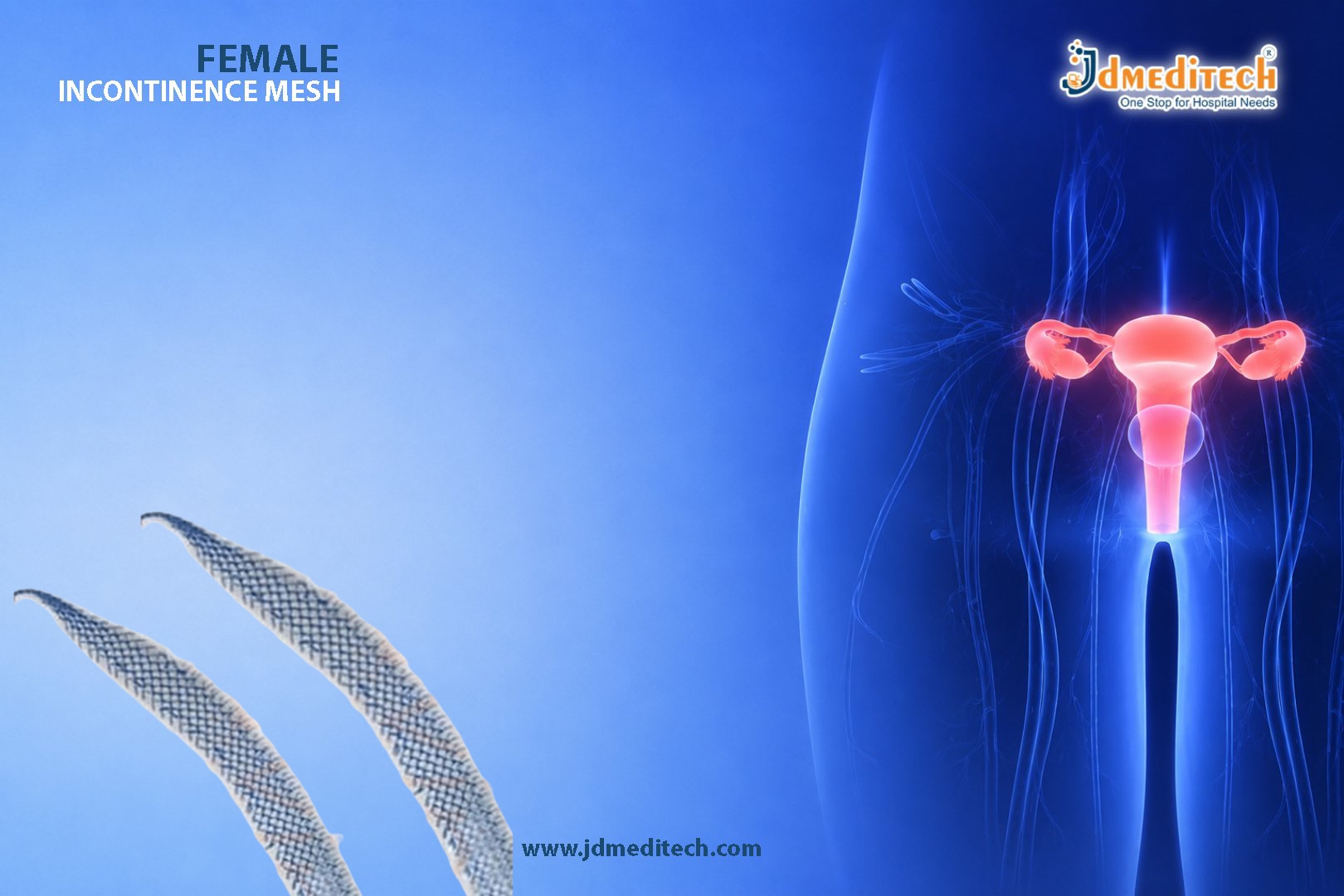
Female Incontinence Mesh is a specialized surgical implant used to support the urethra and bladder neck in women suffering from stress urinary incontinence. The mesh acts like a supportive sling placed beneath the urethra to prevent urine leakage during physical activities such as coughing, sneezing, laughing, or exercising.
The mesh is generally made from biocompatible polypropylene material that integrates with body tissues and provides stable long-term support.
Why Female Incontinence Occurs
Common Causes of Stress Urinary Incontinence
Stress urinary incontinence can occur due to several factors that weaken pelvic floor muscles and connective tissues, including:
- Pregnancy and childbirth
- Aging and menopause
- Obesity
- Pelvic surgeries
- Chronic coughing
- Heavy lifting
- Hormonal changes
- Weak pelvic floor muscles
When the pelvic support system becomes weak, the bladder and urethra lose stability, causing involuntary urine leakage.
How Female Incontinence Mesh Works
Advanced Pelvic Floor Stabilization
Female Incontinence Mesh works by creating a supportive sling underneath the urethra. During moments of abdominal pressure, the mesh provides necessary support to maintain urethral closure and prevent leakage.
The mesh integrates naturally with surrounding tissues over time, ensuring durable and stable reinforcement without affecting normal urinary function.
Key functional benefits include:
- Enhanced urethral support
- Improved bladder neck stability
- Reduced urine leakage
- Long-term pelvic reinforcement
- Minimally invasive implantation
Key Features of Female Incontinence Mesh
High-Quality Surgical Design
Modern Female Incontinence Mesh systems are developed with precision-engineered materials for optimal surgical performance and patient safety.
Important features include:
- Biocompatible polypropylene construction
- Soft and flexible mesh structure
- Lightweight material for patient comfort
- High tensile strength
- Easy tissue integration
- Sterile and ready-to-use packaging
- Minimally invasive application
- Durable long-term support
These features help surgeons perform procedures efficiently while minimizing complications and recovery time.
Types of Female Incontinence Mesh Procedures
Common Surgical Techniques
Several surgical approaches use Female Incontinence Mesh depending on patient anatomy and clinical requirements.
Transobturator Tape (TOT)
In this method, the mesh passes through the obturator foramen to support the urethra while minimizing bladder injury risk.
Tension-Free Vaginal Tape (TVT)
TVT involves placing the mesh beneath the urethra through a retropubic approach for effective continence restoration.
Mini Sling Procedures
Mini slings are less invasive and use smaller mesh implants for selected patients with mild to moderate incontinence.
Benefits of Female Incontinence Mesh
Reliable Long-Term Incontinence Management
Female Incontinence Mesh offers several clinical and patient-centered advantages.
Major benefits include:
- Long-lasting urinary continence support
- Minimally invasive surgical procedure
- Faster recovery compared to traditional surgeries
- Reduced hospital stay
- Improved patient confidence and lifestyle
- Effective management of stress urinary incontinence
- High success rates in appropriate candidates
- Better pelvic floor stabilization
These benefits make mesh-based incontinence treatment a preferred option for many gynecologists and urogynecologists.
Applications in Gynecology and Urology
Widely Used Clinical Solution
Female Incontinence Mesh is commonly utilized in:
- Gynecology hospitals
- Urology clinics
- Pelvic floor reconstruction centers
- Minimally invasive surgery units
- Women’s healthcare facilities
It is particularly effective for women with moderate to severe stress urinary incontinence who have not responded to conservative therapies.
Safety and Surgical Considerations
Importance of Proper Patient Selection
Successful outcomes depend on proper patient evaluation, surgeon expertise, and high-quality mesh systems.
Important considerations include:
- Comprehensive pelvic examination
- Assessment of urinary symptoms
- Evaluation of previous pelvic surgeries
- Proper surgical technique
- Postoperative follow-up care
Modern mesh systems are designed to improve safety, flexibility, and tissue compatibility while reducing complications.
Postoperative Recovery and Care
Recovery After Mesh Surgery
Most patients recover relatively quickly after minimally invasive incontinence mesh procedures.
Typical recovery recommendations include:
- Avoid heavy lifting for several weeks
- Maintain proper hygiene
- Follow prescribed medications
- Attend regular follow-up appointments
- Avoid strenuous physical activity temporarily
Many patients experience significant symptom improvement within a short period after surgery.
Choosing the Right Female Incontinence Mesh
Factors to Consider
Healthcare providers should select mesh systems based on:
- Material quality
- Mesh flexibility and strength
- Surgical compatibility
- Patient anatomy
- Clinical outcomes
- Sterility standards
- Manufacturer reliability
Using high-quality surgical implants helps improve procedural success and patient satisfaction.
Future Advancements in Incontinence Mesh Technology
Innovation in Women’s Healthcare
Ongoing advancements in female incontinence treatment focus on:
- Lightweight mesh technology
- Enhanced biocompatible materials
- Reduced complication rates
- Improved surgical instrumentation
- Better patient comfort and recovery
These innovations continue to improve safety and long-term effectiveness in pelvic floor reconstruction procedures.
Conclusion
Female Incontinence Mesh is an advanced and reliable solution for long-lasting stress urinary incontinence management. With its minimally invasive application, durable pelvic support, and high clinical success rate, it has become an essential component in modern gynecological and urological surgery.
By restoring urethral stability and improving bladder control, Female Incontinence Mesh significantly enhances patient comfort, confidence, and overall quality of life. Choosing high-quality mesh systems and experienced surgical care ensures safer procedures and better long-term outcomes for women suffering from urinary incontinence.
Get Connected:
+91 79909 93062 | +91 63513 72032 | exports@jdmeditech.com