Percutaneous Nephrolithotomy Surgery for Advanced Kidney Stone Removal

Kidney stones can cause severe pain, urinary blockage, and long-term kidney complications if they are not treated properly. Although smaller stones may pass naturally, larger or complex stones often require advanced surgical treatment. In such situations, Percutaneous Nephrolithotomy Surgery (PCNL) becomes one of the most effective minimally invasive solutions for safe and accurate stone removal.

Today, PCNL is widely preferred because it offers high stone clearance rates, smaller incisions, faster recovery, and improved patient comfort. Moreover, continuous advancements in urology instruments and imaging technology have significantly enhanced surgical precision and patient safety. As a result, surgeons can now perform kidney stone removal procedures more efficiently than ever before.

This article explains the procedure, benefits, indications, surgical techniques, recovery process, and importance of Percutaneous Nephrolithotomy Surgery in modern urology.

What is Percutaneous Nephrolithotomy Surgery?
A Minimally Invasive Kidney Stone Removal Procedure

Percutaneous Nephrolithotomy Surgery, commonly known as PCNL, is a minimally invasive surgical procedure used to remove large or complex kidney stones directly from the kidney.

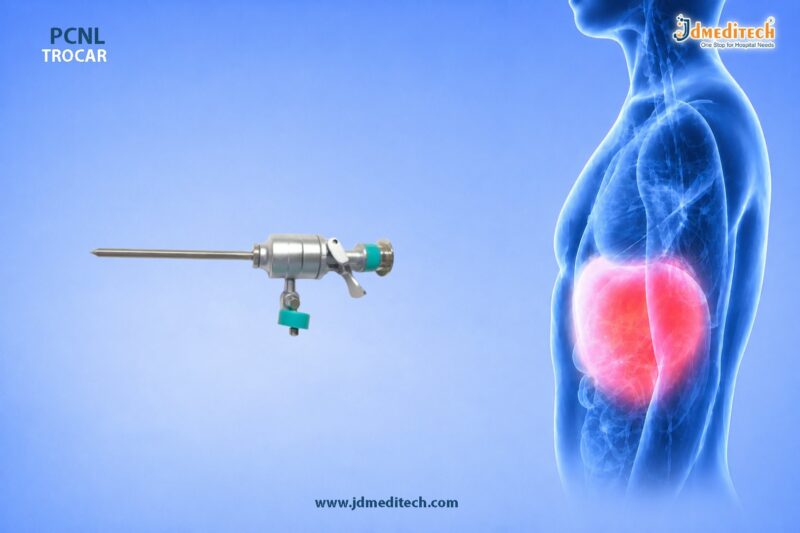
During the procedure, the surgeon creates a small access tract through the patient’s back into the kidney. Afterward, a nephroscope is inserted through the tract to visualize, fragment, and remove the stones precisely. Consequently, large stones can be removed effectively without the need for major open surgery.

PCNL is commonly recommended for:

  • Kidney stones larger than 2 cm
  • Staghorn calculi
  • Hard stones resistant to ESWL
  • Multiple kidney stones
  • Recurrent renal stones
  • Complex urinary tract stones

Therefore, PCNL has become the gold-standard treatment for large and difficult kidney stones.

Why is Percutaneous Nephrolithotomy Surgery Needed?
Conditions That Require PCNL

Not all kidney stones can pass naturally or respond to medication. In many cases, large stones block urine flow and increase pressure inside the kidney. Consequently, patients may experience severe pain, repeated infections, or reduced kidney function.

Doctors usually recommend PCNL for patients with:

  • Persistent kidney stone pain
  • Urinary obstruction
  • Recurrent urinary tract infections
  • Hydronephrosis
  • Reduced kidney function
  • Failed shockwave lithotripsy treatment

Furthermore, untreated kidney stones may lead to long-term complications and permanent kidney damage. Therefore, timely surgical treatment becomes extremely important for preserving renal health.

How Percutaneous Nephrolithotomy Surgery is Performed
Step-by-Step Surgical Procedure

PCNL is performed under general anesthesia using advanced imaging guidance. In addition, modern surgical instruments help surgeons achieve greater procedural accuracy and safety.

1. Patient Positioning

First, the patient is positioned carefully to provide safe and effective access to the kidney.

2. Creating Kidney Access

Next, the surgeon inserts a fine needle into the kidney through a small incision made in the back. At the same time, fluoroscopy or ultrasound guidance is used to ensure accurate access placement.

3. Dilating the Tract

After successful access, the tract is gradually enlarged using specialized dilators. As a result, surgical instruments can be introduced safely into the kidney.

Commonly used dilators include:

  • Amplatz Dilators
  • Fascial Dilators
  • Balloon Dilators
4. Inserting the Nephroscope

Then, a nephroscope is inserted through the access sheath to directly visualize the kidney stone. This step significantly improves procedural precision and visibility.

5. Stone Fragmentation

Once the stone is identified, it is broken into smaller fragments using advanced lithotripsy devices such as:

  • Laser lithotripters
  • Pneumatic lithotripters
  • Ultrasonic lithotripters

Consequently, large stones can be removed more efficiently and safely.

6. Stone Removal

Subsequently, the fragmented stones are removed using forceps, graspers, or suction systems. In this way, the surgeon ensures maximum stone clearance.

7. Drainage Placement

Finally, a nephrostomy tube or ureteral stent may be placed temporarily to support drainage and postoperative healing.

Benefits of Percutaneous Nephrolithotomy Surgery
Why PCNL is Preferred for Large Kidney Stones

PCNL offers several advantages compared to traditional open surgery and other stone treatment methods. Because of its minimally invasive approach, patients usually experience less discomfort and faster recovery.

Major benefits include:
  • Minimally invasive procedure
  • High stone clearance rates
  • Small surgical incision
  • Reduced postoperative pain
  • Faster recovery
  • Shorter hospital stay
  • Lower complication risk
  • Better preservation of kidney function

Additionally, modern imaging systems improve procedural precision while enhancing surgical safety. Therefore, PCNL continues to remain a preferred option for complex kidney stone treatment.

Types of Percutaneous Nephrolithotomy Procedures
Different PCNL Techniques

Depending on the patient’s condition and stone size, surgeons may choose different PCNL approaches. As technology continues to evolve, more advanced and less invasive options are becoming available.

Standard PCNL

This technique is commonly used for very large or complex kidney stones.

Mini-PCNL

Mini-PCNL uses smaller access tracts. Therefore, it helps reduce tissue trauma, bleeding, and postoperative discomfort.

Ultra-Mini PCNL

This approach is designed for moderate-sized stones using finer surgical instruments. Consequently, recovery may become even faster.

Micro-PCNL

Micro-PCNL is an extremely minimally invasive option used for selected smaller stones. In particular, it is useful in carefully selected patients requiring highly precise access.

Instruments Used in PCNL Surgery
Essential Urology Instruments

High-quality instruments are essential for accurate and efficient stone removal. Moreover, precision-engineered devices improve surgical control and procedural success.

Common PCNL instruments include:
  • PCNL Access Needles
  • Guidewires
  • Amplatz Sheaths
  • Nephroscopes
  • Stone Grasping Forceps
  • Lithotripsy Devices
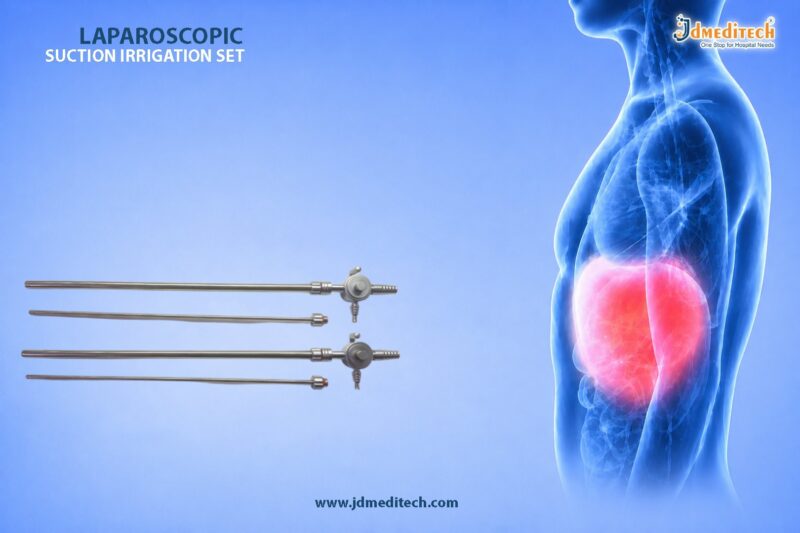
  • Suction-Irrigation Systems
  • Nephrostomy Tubes

In addition, advanced instrument design helps surgeons improve visibility and reduce tissue trauma during surgery.

Recovery After Percutaneous Nephrolithotomy Surgery
Healing and Postoperative Care

Most patients recover relatively quickly after PCNL. Compared to open surgery, recovery is generally faster, safer, and more comfortable.

Recovery usually includes:
  • Hospital stay of 1–3 days
  • Mild postoperative discomfort
  • Temporary urinary drainage
  • Follow-up imaging tests
  • Gradual return to daily activities

Additionally, doctors usually advise patients to:

  • Drink plenty of water
  • Follow dietary recommendations
  • Take prescribed medications
  • Attend follow-up appointments regularly

As a result, proper postoperative care helps reduce the risk of future stone formation and supports long-term urinary health.

Risks and Possible Complications
Understanding Procedure Safety

Although PCNL is considered safe and highly effective, certain complications may still occur in some cases. However, these risks are significantly lower when the procedure is performed using advanced technology and proper surgical techniques.

Possible risks include:
  • Bleeding
  • Infection
  • Fever
  • Urine leakage
  • Injury to nearby organs
  • Residual stone fragments

Nevertheless, modern imaging systems, improved surgical techniques, and high-quality instruments have greatly minimized complication rates.

Technological Advancements in PCNL
Modern Innovations in Kidney Stone Surgery

Modern urology continues to evolve rapidly. Consequently, PCNL procedures have become safer, more precise, and less invasive.

Recent advancements include:
  • High-definition nephroscopes
  • Laser stone fragmentation systems
  • Digital imaging technology
  • Ultrasound-guided access
  • Miniaturized PCNL instruments
  • Advanced suction systems

Because of these innovations, surgeons can achieve excellent stone clearance while minimizing tissue damage and recovery time.

Importance of High-Quality PCNL Instruments
Supporting Better Surgical Outcomes

Reliable surgical instruments play a major role in successful kidney stone surgery. Therefore, healthcare facilities increasingly prioritize premium-quality urology devices.

Premium-quality instruments provide:
  • Accurate kidney access
  • Better visualization
  • Improved stone handling
  • Reduced tissue trauma
  • Enhanced surgical precision
  • Long-term durability

Furthermore, high-performance instruments help improve procedural efficiency and overall patient safety.

Conclusion

Percutaneous Nephrolithotomy Surgery is one of the most advanced and effective procedures for removing large and complex kidney stones. Because of its minimally invasive approach, surgeons can achieve high stone clearance while minimizing patient discomfort and recovery time.

Furthermore, continuous advancements in nephroscopy, imaging systems, and lithotripsy technology continue to improve surgical precision and patient safety. As a result, PCNL remains a trusted and highly effective solution in modern kidney stone management.

With proper diagnosis, advanced instruments, and experienced surgical expertise, patients can achieve optimal treatment outcomes and improved urinary health.


Explore More Product >>

Get Connected:
+91 79909 93062 | +91 63513 72032 | exports@jdmeditech.com 
Pyeloplasty Surgery for Accurate Ureteropelvic Junction Correction

Pyeloplasty surgery is a highly effective urological procedure performed to correct ureteropelvic junction (UPJ) obstruction, a condition that blocks the normal flow of urine from the kidney to the ureter. This obstruction can lead to kidney swelling, pain, recurrent infections, and gradual loss of renal function if left untreated.

With advancements in minimally invasive urology, pyeloplasty surgery has become safer, more precise, and highly successful. Surgeons now commonly perform laparoscopic pyeloplasty and robotic-assisted pyeloplasty to achieve accurate UPJ correction while minimizing patient discomfort and recovery time.

This article explains pyeloplasty surgery, its indications, surgical techniques, benefits, instruments used, and postoperative recovery while maintaining strong SEO and readability standards.

What Is Pyeloplasty Surgery?
Understanding Ureteropelvic Junction Obstruction

Pyeloplasty surgery is a reconstructive urologic procedure designed to remove or repair the narrowed or blocked section at the ureteropelvic junction. The UPJ is the point where the renal pelvis connects to the ureter.

When this area becomes obstructed, urine cannot drain properly from the kidney. As a result, pressure builds up inside the kidney, causing hydronephrosis and possible kidney damage.

Therefore, pyeloplasty restores smooth urine flow by reconstructing the narrowed segment and reconnecting the healthy ureter to the renal pelvis.

Common Causes of UPJ Obstruction

Several conditions may lead to UPJ obstruction, including:

  • Congenital narrowing of the UPJ
  • Crossing blood vessels compressing the ureter
  • Scar tissue formation
  • Kidney stones
  • Previous surgeries
  • Inflammation or infection

Moreover, the condition may affect both children and adults.

Symptoms Indicating the Need for Pyeloplasty
Signs of Ureteropelvic Junction Obstruction

Patients with UPJ obstruction may experience mild or severe symptoms depending on the degree of blockage.

Common Symptoms Include:
  • Flank or abdominal pain
  • Recurrent urinary tract infections
  • Nausea and vomiting
  • Hematuria (blood in urine)
  • Kidney swelling
  • Fever associated with infection
  • Reduced kidney function
  • Pain after fluid intake

Additionally, some cases are diagnosed incidentally during ultrasound or CT imaging.

Types of Pyeloplasty Surgery
Surgical Approaches for UPJ Correction

Modern pyeloplasty procedures can be performed using different surgical techniques depending on patient condition and surgeon preference.

Open Pyeloplasty

Traditional open pyeloplasty involves a larger incision to directly access the kidney and ureter. Although highly effective, it usually requires longer recovery and increased postoperative discomfort.

Laparoscopic Pyeloplasty

Laparoscopic pyeloplasty uses small incisions and specialized instruments to reconstruct the UPJ with minimal tissue trauma.

Benefits include:

  • Reduced postoperative pain
  • Smaller scars
  • Faster recovery
  • Shorter hospital stay
  • Lower risk of infection
Robotic-Assisted Pyeloplasty

Robotic-assisted pyeloplasty offers enhanced dexterity, magnified visualization, and improved surgical precision.

Consequently, robotic systems help surgeons perform delicate suturing and reconstruction more efficiently.

Surgical Procedure of Pyeloplasty
Step-by-Step Overview

Pyeloplasty surgery follows a systematic approach to ensure safe and effective UPJ reconstruction.

Patient Preparation

Before surgery, the patient undergoes:

  • Blood investigations
  • Imaging studies
  • Urine analysis
  • Anesthesia evaluation

Additionally, prophylactic antibiotics may be administered.

Surgical Access

The surgeon creates access through either open, laparoscopic, or robotic techniques.

Identification of the Obstruction

The narrowed UPJ segment is carefully identified. If crossing vessels are present, they are preserved and repositioned appropriately.

Excision of the Narrowed Segment

The diseased or obstructed segment is excised to eliminate blockage.

Reconstruction

The healthy ureter is reattached to the renal pelvis using fine sutures to create a wide and tension-free junction.

Stent Placement

A ureteral stent is commonly inserted to maintain drainage during healing.

Closure

Finally, the surgical site is closed carefully, and the patient is shifted to recovery.

Instruments Used in Pyeloplasty Surgery
Essential Urology Surgical Instruments

Successful pyeloplasty depends on advanced surgical instruments that ensure accuracy and safe tissue handling.

Commonly Used Instruments Include:
  • Laparoscope
  • Trocar and cannula systems
  • Needle holders
  • Graspers and dissectors
  • Scissors
  • Suction-irrigation devices
  • Ureteral stents
  • Energy devices
  • Suturing instruments

Furthermore, high-definition imaging systems improve intraoperative visualization.

Advantages of Pyeloplasty Surgery
Why Pyeloplasty Is Highly Effective

Pyeloplasty remains the gold standard treatment for UPJ obstruction because of its high success rates and long-term outcomes.

Major Benefits Include:
  • Restoration of normal urine flow
  • Relief from flank pain
  • Preservation of kidney function
  • Reduced infection risk
  • Minimally invasive options available
  • Faster patient recovery
  • Excellent long-term success rates

Additionally, minimally invasive techniques significantly reduce surgical trauma.

Recovery After Pyeloplasty Surgery
Postoperative Care and Healing

Recovery depends on the surgical method used and the patient’s overall health.

Immediate Postoperative Care

Patients are monitored for:

  • Pain control
  • Urine output
  • Bleeding
  • Infection signs
  • Stent function
Recovery Timeline

Most laparoscopic and robotic pyeloplasty patients recover within a few weeks.

However, open surgery may require a longer healing period.

Follow-Up

Imaging studies are usually performed after surgery to confirm successful drainage and kidney function improvement.

Moreover, ureteral stents are generally removed after several weeks.

Risks and Complications of Pyeloplasty Surgery
Understanding Possible Surgical Risks

Although pyeloplasty is generally safe, certain complications may occur.

Potential Risks Include:
  • Bleeding
  • Infection
  • Urine leakage
  • Stent discomfort
  • Recurrent obstruction
  • Injury to surrounding organs
  • Anesthesia-related complications

Nevertheless, experienced surgeons and advanced minimally invasive technology significantly reduce these risks.

Role of Minimally Invasive Urology in Modern Pyeloplasty
Advancements Improving Surgical Outcomes

Modern urology has transformed pyeloplasty into a highly precise and patient-friendly procedure.

Key Technological Advancements
  • High-definition laparoscopy
  • Robotic surgical platforms
  • Enhanced suturing systems
  • Better imaging guidance
  • Advanced energy devices

As a result, surgeons can achieve accurate ureteropelvic junction correction with improved patient safety.

Choosing the Right Surgical Instruments for Pyeloplasty
Importance of Precision Urology Devices

High-quality surgical instruments play a critical role in successful pyeloplasty procedures.

Essential Features Include:
  • Ergonomic handling
  • Fine dissection capability
  • Reliable tissue control
  • Durable construction
  • Minimally invasive compatibility

Therefore, hospitals and surgeons should choose trusted surgical instrument manufacturers for consistent operative performance.

Conclusion

Pyeloplasty surgery is an advanced reconstructive urological procedure that effectively treats ureteropelvic junction obstruction while preserving kidney function and improving urinary drainage. With the evolution of laparoscopic and robotic-assisted techniques, surgeons can now perform accurate UPJ correction with minimal invasiveness and excellent clinical outcomes.

Additionally, the use of high-performance urology instruments enhances surgical precision, safety, and patient recovery. As minimally invasive urology continues to evolve, pyeloplasty remains one of the most successful procedures for restoring healthy kidney drainage and improving patient quality of life.


Explore More Product >>

Get Connected:
+91 79909 93062 | +91 63513 72032 | exports@jdmeditech.com 
Laparoscopic Nephrectomy – Advanced Kidney Removal Surgery

Laparoscopic nephrectomy is a minimally invasive surgical procedure used to remove all or part of a kidney through small abdominal incisions using advanced laparoscopic instruments and a high-definition camera system. This modern technique has transformed urologic surgery by offering improved precision, reduced postoperative pain, faster recovery, and shorter hospital stays compared to traditional open surgery.

Today, laparoscopic nephrectomy is widely performed for kidney cancer, non-functioning kidneys, severe kidney damage, and kidney donation procedures. Because of its minimally invasive nature, the procedure has become a preferred option for both surgeons and patients worldwide.

With continuous advancements in laparoscopic technology and surgical expertise, renal excision procedures have become safer, more effective, and highly accurate.

What Is Laparoscopic Nephrectomy?
Understanding the Procedure and Its Purpose

Laparoscopic nephrectomy is a surgical technique in which surgeons remove the kidney using specialized laparoscopic instruments inserted through small incisions. A laparoscope equipped with a camera provides magnified internal visualization, allowing surgeons to perform delicate dissections with exceptional accuracy.

The procedure may involve:

  • Complete kidney removal
  • Partial kidney removal
  • Donor kidney extraction
  • Removal of diseased or damaged renal tissue

Compared to open nephrectomy, laparoscopic surgery causes less trauma to surrounding tissues and significantly improves postoperative recovery.

Types of Laparoscopic Nephrectomy
Different Surgical Approaches in Renal Surgery

Several forms of laparoscopic nephrectomy are performed depending on the patient’s condition and surgical goals.

1. Laparoscopic Radical Nephrectomy

This procedure involves complete removal of the kidney along with surrounding fatty tissue and, in some cases, nearby lymph nodes. It is commonly used for treating kidney cancer.

2. Laparoscopic Partial Nephrectomy

Partial nephrectomy removes only the affected portion of the kidney while preserving healthy renal tissue. This approach helps maintain kidney function whenever possible.

3. Laparoscopic Simple Nephrectomy

Simple nephrectomy involves removal of a non-functioning or severely damaged kidney without extensive tissue dissection.

4. Laparoscopic Donor Nephrectomy

This technique is used during kidney transplantation procedures to safely remove a healthy donor kidney.

Common Indications for Laparoscopic Nephrectomy
Medical Conditions Requiring Kidney Removal

Doctors may recommend laparoscopic nephrectomy for several renal conditions, including:

  • Kidney cancer
  • Severe kidney trauma
  • Non-functioning kidney
  • Congenital kidney abnormalities
  • Chronic kidney infections
  • Polycystic kidney disease
  • Obstructed kidney causing irreversible damage
  • Living kidney donation

Early diagnosis and proper treatment planning are essential for successful surgical outcomes.

Advantages of Laparoscopic Nephrectomy
Benefits of Minimally Invasive Kidney Surgery

Laparoscopic nephrectomy offers several important clinical and surgical advantages.

Reduced Postoperative Pain

Because the surgery uses smaller incisions, patients experience significantly less pain after the procedure.

Faster Recovery

Most patients recover more quickly and return to normal activities sooner than with open surgery.

Smaller Surgical Scars

The minimally invasive approach results in smaller and more cosmetically acceptable scars.

Shorter Hospital Stay

Patients often leave the hospital earlier due to faster healing and reduced complications.

Lower Blood Loss

Advanced laparoscopic instruments help surgeons achieve better bleeding control during surgery.

Reduced Infection Risk

Smaller incisions decrease the likelihood of wound-related complications and infections.

Surgical Instruments Used in Laparoscopic Nephrectomy
Essential Laparoscopic Equipment Supporting Precision Surgery

Modern laparoscopic nephrectomy relies on specialized surgical instruments designed for safe tissue handling and precise renal excision.

Commonly used instruments include:

  • Laparoscope with HD camera system
  • Trocars and cannulas
  • Laparoscopic graspers
  • Dissectors and scissors
  • Energy sealing devices
  • Suction-irrigation systems
  • Clip appliers
  • Needle holders
  • Specimen retrieval bags

These advanced instruments improve surgical visualization, precision, and procedural efficiency.

Preoperative Evaluation Before Surgery
Diagnostic Preparation and Patient Assessment

Before performing laparoscopic nephrectomy, surgeons conduct detailed evaluations to determine patient suitability for surgery.

Common assessments include:

  • CT scan
  • MRI imaging
  • Ultrasound examination
  • Kidney function tests
  • Blood investigations
  • Urine analysis
  • Cardiac evaluation if necessary

These evaluations help surgeons plan the safest surgical approach and minimize complications.

Step-by-Step Laparoscopic Nephrectomy Procedure
How the Surgery Is Performed

The procedure generally follows these stages:

  1. Administration of general anesthesia
  2. Placement of laparoscopic ports
  3. Introduction of the laparoscope and surgical instruments
  4. Careful dissection of the kidney
  5. Identification and control of renal blood vessels
  6. Removal of the kidney or affected tissue
  7. Specimen extraction through a small incision
  8. Closure of surgical incisions

Throughout the procedure, surgeons use magnified laparoscopic visualization for enhanced accuracy and safety.

Recovery After Laparoscopic Nephrectomy
Postoperative Care and Healing Process

Recovery following laparoscopic nephrectomy is generally faster than traditional open surgery.

Patients are advised to:

  • Stay hydrated
  • Walk regularly after surgery
  • Avoid heavy lifting temporarily
  • Follow medication instructions
  • Attend follow-up appointments
  • Maintain healthy kidney function

Most patients resume normal daily activities within a few weeks depending on their overall health condition.

Risks and Possible Complications
Understanding Potential Surgical Challenges

Although laparoscopic nephrectomy is considered safe, certain risks may occur, including:

  • Bleeding
  • Infection
  • Injury to surrounding organs
  • Blood clots
  • Urine leakage
  • Conversion to open surgery in difficult cases
  • Temporary pain or discomfort

Experienced surgeons and proper postoperative care help reduce these complications significantly.

Technological Advancements in Laparoscopic Kidney Surgery
Innovations Improving Surgical Precision

Modern urology continues to benefit from advanced laparoscopic technologies, including:

  • High-definition imaging systems
  • 3D laparoscopic visualization
  • Robotic-assisted laparoscopic surgery
  • Advanced vessel-sealing technologies
  • Enhanced ergonomic surgical instruments

These innovations improve procedural safety, surgeon control, and patient outcomes.

Lifestyle After Kidney Removal Surgery
Maintaining Long-Term Kidney Health

Patients who undergo nephrectomy can often live healthy and active lives with one functioning kidney.

Doctors typically recommend:

  • Maintaining healthy blood pressure
  • Staying physically active
  • Avoiding smoking
  • Following a balanced diet
  • Monitoring kidney function regularly
  • Limiting excessive salt intake

Proper lifestyle management supports long-term renal health and overall well-being.

Why Choose Laparoscopic Nephrectomy?
The Growing Preference for Minimally Invasive Renal Surgery

Laparoscopic nephrectomy has become a preferred surgical option because it combines precision, safety, and faster patient recovery. Compared to conventional open surgery, it offers improved cosmetic outcomes and reduced physical trauma while maintaining excellent surgical effectiveness.

As minimally invasive surgical technology continues to evolve, laparoscopic nephrectomy remains a highly reliable solution for various kidney conditions.

Conclusion

Laparoscopic nephrectomy is an advanced minimally invasive surgical technique designed for safe and accurate renal excision. The procedure offers numerous benefits, including reduced pain, faster recovery, smaller incisions, and lower complication rates.

With modern laparoscopic instruments, high-definition imaging systems, and improved surgical expertise, kidney removal procedures have become more precise and patient-friendly than ever before. Early diagnosis, expert surgical care, and proper postoperative management are essential for achieving successful long-term outcomes.

Explore More Product >>

Get Connected:
+91 79909 93062 | +91 63513 72032 | exports@jdmeditech.com 
Nephrectomy Surgery – Complete Guide to Kidney Removal & Recovery

Nephrectomy is a surgical procedure performed to remove all or part of a kidney. It is commonly recommended for patients suffering from kidney cancer, severe kidney damage, traumatic injury, or non-functioning kidneys caused by chronic disease. In addition, nephrectomy may also be performed for kidney donation during transplant procedures.

Modern surgical advancements have significantly improved the safety and effectiveness of nephrectomy procedures. Today, surgeons can perform kidney removal surgery using open, laparoscopic, or robotic-assisted techniques depending on the patient’s condition and the complexity of the case.

Because the kidneys play a vital role in filtering waste and maintaining fluid balance, proper evaluation and surgical precision are essential before performing nephrectomy.

What Is Nephrectomy?
Definition and Surgical Purpose

Nephrectomy refers to the surgical removal of one kidney or a portion of it. The procedure is performed to treat various kidney-related conditions while preserving the patient’s overall health and kidney function.

The surgery may involve:

  • Removal of the entire kidney
  • Removal of only the diseased part of the kidney
  • Removal of surrounding tissues or lymph nodes if cancer is present

Surgeons carefully assess the remaining kidney function before surgery to ensure the body can continue operating normally after the procedure.

Types of Nephrectomy Procedures
Different Surgical Approaches Used in Kidney Removal

There are several types of nephrectomy procedures based on the patient’s medical condition.

1. Radical Nephrectomy

Radical nephrectomy involves the complete removal of the kidney along with surrounding fatty tissue and sometimes nearby lymph nodes or adrenal glands. This procedure is commonly used in kidney cancer treatment.

2. Partial Nephrectomy

Partial nephrectomy removes only the damaged or cancerous part of the kidney while preserving healthy tissue. It is often preferred for smaller tumors or when maintaining kidney function is important.

3. Simple Nephrectomy

Simple nephrectomy involves removal of the entire kidney without removing surrounding structures. It is typically performed for non-functioning kidneys or severe infections.

4. Laparoscopic Nephrectomy

Laparoscopic nephrectomy is a minimally invasive procedure performed through small incisions using specialized instruments and a camera system. It offers faster recovery and less postoperative discomfort.

5. Robotic-Assisted Nephrectomy

Robotic-assisted surgery provides enhanced precision, better visualization, and improved control during complex kidney procedures.

Common Conditions Requiring Nephrectomy
Medical Situations That May Need Kidney Removal

Doctors may recommend nephrectomy for several serious kidney conditions, including:

  • Kidney cancer
  • Severe kidney trauma
  • Non-functioning kidney
  • Polycystic kidney disease
  • Congenital kidney abnormalities
  • Chronic kidney infections
  • Kidney obstruction causing irreversible damage
  • Donor nephrectomy for transplantation

Early diagnosis and timely surgical intervention often improve treatment outcomes significantly.

Symptoms That May Indicate Kidney Problems
Warning Signs Patients Should Not Ignore

Kidney disorders requiring nephrectomy may produce symptoms such as:

  • Persistent flank or back pain
  • Blood in urine
  • Unexplained weight loss
  • Fatigue and weakness
  • Frequent urinary infections
  • Fever associated with kidney infection
  • Swelling in legs or ankles
  • High blood pressure

However, some kidney tumors may remain asymptomatic in early stages, which is why imaging studies are extremely important.

Diagnostic Evaluation Before Nephrectomy
Tests and Imaging Used Before Surgery

Before recommending nephrectomy, physicians conduct detailed diagnostic evaluations to assess kidney health and overall patient condition.

Common diagnostic methods include:

  • Ultrasound examination
  • CT scan
  • MRI scan
  • Kidney function tests
  • Blood investigations
  • Urine analysis
  • Biopsy in selected cases

These evaluations help surgeons determine the safest and most effective surgical approach.

How Nephrectomy Surgery Is Performed
Step-by-Step Overview of the Surgical Procedure

The nephrectomy procedure generally follows these steps:

  1. Administration of general anesthesia
  2. Patient positioning for surgical access
  3. Creation of incisions
  4. Isolation of kidney blood vessels
  5. Removal of the kidney or affected tissue
  6. Bleeding control and closure

In minimally invasive procedures, surgeons use specialized laparoscopic or robotic instruments to perform the operation through smaller incisions.

As a result, patients often experience reduced pain and shorter hospital stays.

Benefits of Modern Nephrectomy Techniques
Advantages of Minimally Invasive Kidney Surgery

Modern nephrectomy procedures offer several important benefits:

  • Smaller surgical incisions
  • Reduced blood loss
  • Faster recovery
  • Less postoperative pain
  • Shorter hospitalization
  • Lower infection risk
  • Better cosmetic outcomes

Additionally, robotic-assisted systems provide improved surgical accuracy during delicate procedures.

Risks and Possible Complications of Nephrectomy
Understanding Potential Surgical Risks

Although nephrectomy is generally safe, certain complications may occur, including:

  • Bleeding
  • Infection
  • Injury to surrounding organs
  • Blood clots
  • Urine leakage
  • Breathing complications
  • Reduced kidney function

Proper surgical planning and postoperative monitoring help minimize these risks.

Recovery After Kidney Removal Surgery
Postoperative Care and Healing Process

Recovery time depends on the surgical method and the patient’s overall health.

Patients are usually advised to:

  • Stay hydrated
  • Avoid heavy lifting
  • Follow prescribed medications
  • Attend follow-up appointments
  • Maintain a healthy diet
  • Monitor blood pressure regularly

Most laparoscopic nephrectomy patients recover faster than those undergoing open surgery.

Furthermore, many individuals continue living healthy lives with one functioning kidney.

Lifestyle After Nephrectomy
Long-Term Health Management After Kidney Removal

After nephrectomy, maintaining kidney health becomes extremely important.

Doctors often recommend:

  • Limiting salt intake
  • Staying physically active
  • Avoiding smoking
  • Managing diabetes and hypertension
  • Regular kidney function monitoring
  • Maintaining healthy body weight

With proper care, the remaining kidney usually adapts well and supports normal body function.

Technological Advancements in Nephrectomy
Innovations Improving Surgical Outcomes

Modern urology has introduced advanced technologies that improve nephrectomy outcomes, including:

  • High-definition laparoscopic imaging
  • Robotic-assisted surgery
  • Advanced vessel sealing devices
  • Precision energy systems
  • Enhanced recovery protocols

These innovations continue to improve patient safety and surgical precision worldwide.

Importance of Surgical Instruments in Nephrectomy
Specialized Urology Instruments Supporting Safe Procedures

Nephrectomy procedures require highly specialized surgical instruments for safe tissue handling, vessel control, and accurate dissection.

Commonly used instruments include:

  • Laparoscopic graspers
  • Scissors and dissectors
  • Trocars and cannulas
  • Suction-irrigation systems
  • Hemostatic instruments
  • Energy devices
  • Needle holders

High-quality surgical instruments contribute significantly to procedural success and patient safety.

Choosing the Right Healthcare Facility for Nephrectomy
Factors to Consider Before Surgery

Patients should select a healthcare facility that offers:

  • Experienced urologic surgeons
  • Advanced laparoscopic and robotic systems
  • Comprehensive diagnostic support
  • Skilled postoperative care teams
  • Strong infection control standards

Choosing an experienced surgical center often leads to better treatment outcomes and smoother recovery.

Conclusion

Nephrectomy is a critical surgical procedure used to treat serious kidney diseases, including cancer, severe damage, and non-functioning kidneys. With advancements in laparoscopic and robotic-assisted surgery, kidney removal procedures have become safer, more precise, and less invasive.

Early diagnosis, expert surgical care, and proper postoperative management are essential for successful outcomes. Additionally, maintaining long-term kidney health through lifestyle management and regular monitoring helps patients continue living healthy and active lives after surgery.


Explore More Product >>

Get Connected:
+91 79909 93062 | +91 63513 72032 | exports@jdmeditech.com 
 

Storz Type Uterine Manipulator for Advanced Gynecologic Surgery

The Storz Type Uterine Manipulator is an advanced gynecologic surgical instrument designed to provide precise uterine positioning during minimally invasive procedures. It plays a critical role in improving operative access, enhancing visualization, and supporting safer surgical performance in laparoscopic and hysteroscopic gynecologic interventions.

Modern gynecologic surgery demands high levels of precision, control, and visibility. Therefore, surgeons rely on dependable uterine manipulators that allow accurate movement of the uterus while minimizing tissue trauma. The Storz Type Uterine Manipulator is specifically engineered to meet these surgical requirements.

Because of its ergonomic design and reliable functionality, this instrument has become widely used in hospitals, fertility centers, and advanced gynecology clinics worldwide.

What is a Storz Type Uterine Manipulator?

The Storz Type Uterine Manipulator is a reusable gynecologic instrument used to mobilize and position the uterus during operative procedures. It helps surgeons achieve improved access to pelvic anatomy, especially during laparoscopic surgeries.

This manipulator enables:

  • Anteversion and retroversion of the uterus
  • Lateral uterine movement
  • Better visualization of pelvic structures
  • Safer dissection during surgery
  • Enhanced control during minimally invasive procedures

As a result, surgeons can perform procedures more efficiently while reducing procedural complexity.

Key Features of Storz Type Uterine Manipulator
Ergonomic Surgical Design

The instrument is designed with a comfortable handle that supports easy manipulation during long surgical procedures. Consequently, surgeons experience improved control and reduced hand fatigue.

High-Quality Medical-Grade Material

Manufactured using premium stainless steel and medical-grade components, the manipulator offers excellent durability, corrosion resistance, and long-term performance.

Smooth Uterine Mobility

The manipulator provides smooth and controlled uterine movement in multiple directions. Therefore, surgeons can achieve optimal positioning with minimal effort.

Enhanced Operative Visibility

Proper uterine manipulation creates a clearer surgical field. This improved visibility supports accurate tissue dissection and safer operative outcomes.

Secure Cervical Stability

The device ensures stable cervical engagement during surgery. As a result, unintended uterine movement is minimized.

Reusable and Sterilizable Construction

The reusable design makes the instrument cost-effective for hospitals and surgical centers. Additionally, it supports repeated sterilization without compromising performance.

Applications of Storz Type Uterine Manipulator

The Storz Type Uterine Manipulator is widely used in various gynecologic and laparoscopic procedures.

Common Surgical Applications Include:
Laparoscopic Hysterectomy

The manipulator assists in positioning the uterus for improved surgical access and safe tissue dissection.

Diagnostic Laparoscopy

It helps surgeons visualize pelvic anatomy more clearly during diagnostic procedures.

Endometriosis Surgery

Precise uterine manipulation allows better access to deep pelvic structures affected by endometriosis.

Myomectomy Procedures

The device supports controlled uterine positioning during fibroid removal surgeries.

Fertility and Reproductive Procedures

The manipulator may also assist in selected fertility-related gynecologic interventions.

Pelvic Adhesiolysis

Improved uterine mobility helps surgeons safely release pelvic adhesions with enhanced visibility.

Benefits of Using Storz Type Uterine Manipulator
Improved Surgical Precision

Accurate uterine positioning enhances the surgeon’s ability to perform delicate procedures confidently.

Better Access to Pelvic Anatomy

The manipulator exposes critical structures more effectively, allowing safer and more efficient surgery.

Reduced Operative Difficulty

Smooth uterine control simplifies surgical maneuvers and minimizes procedural challenges.

Enhanced Patient Safety

Stable manipulation and improved visualization contribute to safer operative outcomes.

Time-Efficient Surgical Workflow

Efficient uterine positioning can reduce overall operative time and improve workflow efficiency.

Reliable Performance in Minimally Invasive Surgery

The instrument is designed specifically for modern minimally invasive gynecologic techniques.

Importance of Uterine Manipulators in Gynecologic Surgery

Uterine manipulators are essential tools in modern gynecologic surgery. Without proper uterine positioning, surgeons may face limited visibility and restricted access to pelvic structures.

The Storz Type Uterine Manipulator improves:

  • Surgical accuracy
  • Pelvic exposure
  • Instrument accessibility
  • Procedural safety
  • Overall operative efficiency

Therefore, it remains an important component in many gynecologic operating rooms.

Why Surgeons Prefer Storz Type Uterine Manipulator
Superior Handling and Surgical Control

Many gynecologic surgeons prefer this manipulator because it provides excellent balance, smooth mobility, and dependable control throughout complex procedures.

Consistent Performance in Advanced Procedures

The instrument performs reliably in laparoscopic hysterectomy, endometriosis surgery, and other advanced gynecologic interventions.

Durable and Cost-Effective Design

Its reusable structure offers long-term value for hospitals and surgical facilities while maintaining high surgical standards.

Maintenance and Sterilization Guidelines

Proper maintenance ensures the longevity and performance of the instrument.

Recommended Care Instructions
  • Clean immediately after use
  • Remove biological debris carefully
  • Use approved sterilization protocols
  • Inspect moving components regularly
  • Store in a dry and sterile environment

Following these steps helps maintain surgical safety and instrument reliability.

Choosing the Right Uterine Manipulator

Selecting the appropriate uterine manipulator depends on several factors, including:

  • Type of gynecologic procedure
  • Surgeon preference
  • Patient anatomy
  • Required range of motion
  • Instrument compatibility

The Storz Type Uterine Manipulator is often selected because of its versatility, precision, and dependable operative performance.

Future of Gynecologic Surgical Instrumentation

As minimally invasive gynecology continues to advance, uterine manipulators are becoming more sophisticated and surgeon-friendly. Modern instruments now focus on:

  • Enhanced ergonomic handling
  • Improved patient safety
  • Greater surgical precision
  • Better compatibility with laparoscopic systems

The Storz Type Uterine Manipulator represents this evolution in advanced gynecologic instrumentation.

Conclusion

The Storz Type Uterine Manipulator is a highly effective surgical instrument designed to improve operative access, uterine positioning, and surgical visibility during gynecologic procedures. Its ergonomic construction, smooth maneuverability, and reliable performance make it an essential tool in minimally invasive gynecology.

By supporting precise uterine manipulation and enhancing pelvic exposure, this advanced instrument contributes to safer, more efficient, and more controlled surgical outcomes. As a result, it remains a trusted choice among gynecologic surgeons worldwide.


Explore More Product >>

Get Connected:
+91 79909 93062 | +91 63513 72032 | exports@jdmeditech.com 
Cohen Uterine Manipulator for Safe and Accurate Gynecologic Surgery

The Cohen Uterine Manipulator is a specialized gynecologic instrument designed to provide precise uterine positioning and controlled manipulation during minimally invasive surgeries. It plays an important role in improving surgical access, enhancing visualization, and supporting safer operative performance in laparoscopic and gynecologic procedures.

In modern gynecology, surgeons require instruments that offer both stability and flexibility. For this reason, advanced uterine manipulators have become essential in operating rooms. The Cohen Uterine Manipulator is specifically engineered to deliver smooth uterine movement while maintaining excellent control throughout the procedure.

Thanks to its ergonomic design, durable construction, and reliable functionality, this instrument is widely used in hospitals, gynecology clinics, and minimally invasive surgical centers.

What is a Cohen Uterine Manipulator?

The Cohen Uterine Manipulator is a reusable surgical device used to mobilize and position the uterus during gynecologic procedures. It allows surgeons to move the uterus in multiple directions, making it easier to access pelvic structures and operative areas.

This instrument supports:

  • Controlled anteversion and retroversion of the uterus
  • Smooth lateral uterine movement
  • Enhanced pelvic visualization
  • Improved access during laparoscopic surgery
  • Greater surgical precision and efficiency

As a result, surgeons can perform complex gynecologic procedures with improved confidence and control.

Key Features of Cohen Uterine Manipulator
Ergonomic Handle Design

The manipulator features a comfortable ergonomic handle that allows smooth handling during lengthy procedures. Consequently, surgeons experience reduced hand fatigue and better maneuverability.

High-Quality Stainless Steel Construction

Manufactured from premium medical-grade stainless steel, the instrument offers excellent durability, corrosion resistance, and long-lasting performance.

Precise Uterine Positioning

The device enables accurate uterine movement and positioning. Therefore, surgeons can achieve optimal surgical access throughout the procedure.

Enhanced Surgical Visibility

Proper uterine manipulation improves exposure of pelvic anatomy. This helps surgeons visualize important structures more clearly during surgery.

Secure Cervical Engagement

The manipulator provides stable cervical control, reducing unwanted uterine movement and supporting safer surgical handling.

Reusable and Sterilizable Design

Its reusable construction allows repeated sterilization without affecting instrument quality or functionality, making it cost-effective for healthcare facilities.

Applications of Cohen Uterine Manipulator

The Cohen Uterine Manipulator is commonly used in a variety of gynecologic and laparoscopic procedures.

Common Surgical Applications
Laparoscopic Hysterectomy

The instrument assists in proper uterine positioning, allowing improved surgical access and safer tissue dissection.

Diagnostic Laparoscopy

It helps surgeons examine pelvic anatomy with greater clarity and precision.

Endometriosis Surgery

Accurate uterine movement provides better access to deep pelvic endometriotic lesions.

Myomectomy Procedures

The manipulator supports controlled uterine positioning during fibroid removal surgeries.

Pelvic Adhesiolysis

Improved uterine mobility helps surgeons safely release pelvic adhesions.

Fertility and Reproductive Procedures

The device may also assist in selected fertility-related and reproductive gynecologic surgeries.

Benefits of Using Cohen Uterine Manipulator
Improved Surgical Accuracy

Precise uterine positioning allows surgeons to perform delicate procedures more effectively.

Better Pelvic Access

The instrument improves access to pelvic structures, leading to enhanced surgical efficiency and safety.

Reduced Surgical Complexity

Smooth uterine manipulation simplifies laparoscopic procedures and improves workflow inside the operating room.

Enhanced Patient Safety

Stable uterine control and improved visibility contribute to safer operative outcomes.

Increased Procedural Efficiency

Efficient positioning may help reduce operative time and support faster surgical performance.

Reliable Performance in Minimally Invasive Surgery

The manipulator is specifically designed for modern minimally invasive gynecologic techniques.

Importance of Uterine Manipulators in Gynecologic Surgery

Uterine manipulators are essential in modern gynecologic procedures because they provide improved control over uterine positioning and enhance access to pelvic anatomy.

The Cohen Uterine Manipulator helps improve:

  • Surgical exposure
  • Visualization of pelvic structures
  • Tissue handling safety
  • Operative precision
  • Laparoscopic accessibility

Therefore, it remains a valuable instrument in advanced gynecologic operating rooms.

Why Surgeons Prefer Cohen Uterine Manipulator
Excellent Handling and Maneuverability

The instrument allows smooth uterine movement and dependable control, helping surgeons perform procedures with greater confidence.

Consistent Surgical Performance

Its stable design supports reliable performance across various laparoscopic and gynecologic procedures.

Durable and Cost-Effective Construction

The reusable design provides long-term value for hospitals, surgical centers, and gynecology clinics.

Maintenance and Sterilization Guidelines

Proper maintenance and sterilization are important for preserving instrument performance and ensuring patient safety.

Recommended Care Instructions
  • Clean thoroughly after each procedure
  • Remove all biological residues carefully
  • Follow approved sterilization protocols
  • Inspect the instrument regularly for damage or wear
  • Store in a clean, dry, and sterile environment

Routine care helps maintain durability and long-term surgical reliability.

Choosing the Right Uterine Manipulator

Selecting the appropriate uterine manipulator depends on several important factors, such as:

  • Type of gynecologic procedure
  • Surgeon preference
  • Patient anatomy
  • Required range of uterine movement
  • Compatibility with surgical systems

The Cohen Uterine Manipulator is often preferred because of its ergonomic design, precision control, and dependable performance.

Advancements in Minimally Invasive Gynecologic Instruments

Modern gynecologic surgery continues to evolve with advancements in minimally invasive technology. Surgical instruments are now designed to improve:

  • Surgeon comfort
  • Procedural accuracy
  • Patient safety
  • Operative efficiency
  • Surgical visualization

The Cohen Uterine Manipulator reflects these advancements by offering reliable uterine control and enhanced operative access.

Conclusion

The Cohen Uterine Manipulator is a precision-engineered gynecologic instrument designed to support safe, accurate, and efficient uterine manipulation during minimally invasive procedures. Its ergonomic design, controlled maneuverability, and reliable performance make it an essential tool for modern gynecologic surgeons.

By improving uterine positioning and enhancing surgical visibility, this advanced manipulator contributes to safer procedures, better operative access, and improved surgical outcomes. As a result, it remains a trusted choice in laparoscopic and gynecologic surgery worldwide.


Explore More Product >>

Get Connected:
+91 79909 93062 | +91 63513 72032 | exports@jdmeditech.com 
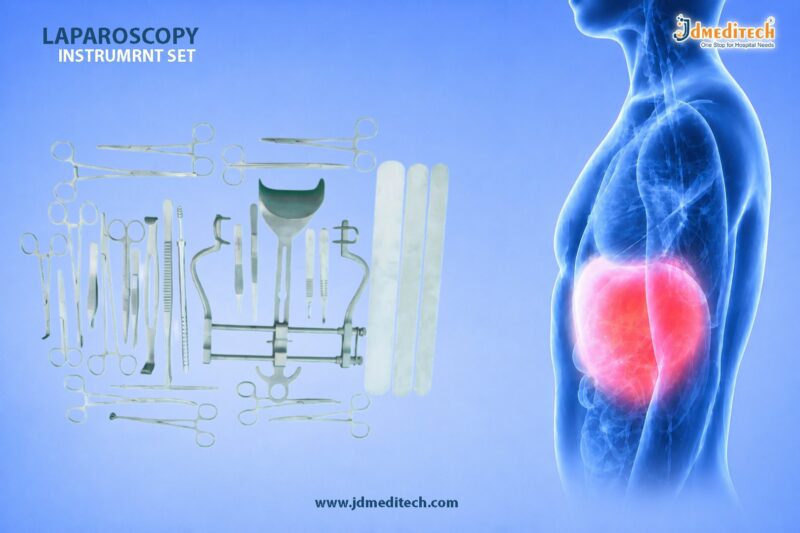
Mangeshikar Uterine Manipulator for Efficient Gynae Procedures

Minimally invasive gynecologic surgery requires advanced instruments that provide precision, stability, and superior uterine control. The Mangeshikar Uterine Manipulator is a high-performance gynecologic instrument specifically designed to support efficient uterine manipulation during laparoscopic and hysteroscopic procedures.

Known for its ergonomic construction and reliable functionality, the instrument helps surgeons achieve optimal uterine positioning for improved visualization and safer surgical access. Furthermore, its versatile design makes it suitable for a wide range of gynecologic procedures, including laparoscopic hysterectomy, infertility evaluation, and pelvic surgery.

As modern gynecology continues to adopt minimally invasive techniques, dependable uterine manipulators have become essential for enhancing surgical precision and procedural efficiency.

What is a Mangeshikar Uterine Manipulator?
Advanced Instrument for Controlled Uterine Manipulation

The Mangeshikar Uterine Manipulator is a reusable gynecologic surgical device used to mobilize and position the uterus during minimally invasive procedures. It allows surgeons to move the uterus in multiple directions, including anteversion, retroversion, lateral movement, and elevation.

The instrument is designed to provide stable uterine control while improving access to pelvic anatomy. In addition, its user-friendly structure supports smooth handling during complex gynecologic surgeries.

The manipulator is widely used in laparoscopic procedures where precise uterine positioning is critical for successful surgical outcomes.

Key Features of Mangeshikar Uterine Manipulator
Ergonomic Handle Design

The instrument features an ergonomic handle that allows comfortable and precise control during lengthy surgical procedures.

Excellent Uterine Mobility

The manipulator supports multidirectional uterine movement for improved pelvic exposure and surgical access.

Durable Medical-Grade Construction

Manufactured using premium medical-grade materials, the device ensures durability, strength, and sterilization compatibility.

Enhanced Surgical Visualization

Proper uterine positioning improves visualization of pelvic organs and surrounding anatomical structures.

Atraumatic Tissue Handling

The smooth design helps minimize tissue trauma and enhances patient safety during procedures.

Easy Assembly and Handling

The manipulator is designed for quick assembly and efficient intraoperative use.

Common Applications of Mangeshikar Uterine Manipulator
Laparoscopic Hysterectomy

The instrument assists in uterine positioning and cervical delineation during laparoscopic hysterectomy procedures.

Myomectomy Procedures

Surgeons use the manipulator to improve access to fibroids and surrounding uterine tissue.

Endometriosis Surgery

Enhanced uterine mobility supports better exposure of endometriotic lesions during laparoscopic treatment.

Infertility Evaluation

The manipulator may assist during diagnostic procedures involving reproductive anatomy assessment.

Pelvic Reconstructive Surgery

The device supports precise uterine movement during reconstructive gynecologic interventions.

Benefits of Using Mangeshikar Uterine Manipulator
Improved Surgical Precision

Accurate uterine positioning allows surgeons to perform procedures with greater confidence and control.

Better Pelvic Access

The manipulator improves exposure of pelvic structures during minimally invasive surgery.

Increased Procedural Efficiency

Reliable uterine control helps streamline surgical workflow and reduce procedural complexity.

Enhanced Surgeon Comfort

The ergonomic design minimizes hand fatigue during prolonged procedures.

Improved Patient Safety

Controlled and atraumatic manipulation reduces the risk of unnecessary tissue injury.

Components of Mangeshikar Uterine Manipulator
Manipulator Handle

The handle enables smooth and stable uterine movement throughout the procedure.

Uterine Tip

Different uterine tips help accommodate varying patient anatomies and procedural needs.

Cervical Cup System

The cup system assists in proper cervical delineation during laparoscopic hysterectomy.

Rod and Shaft Assembly

The rod system supports secure placement and reliable manipulation during surgery.

Importance of Uterine Manipulators in Minimally Invasive Gynecology
Supporting Precision and Surgical Efficiency

Uterine manipulators play an important role in modern gynecologic surgery by improving uterine mobility and surgical access. During laparoscopic procedures, clear visualization of pelvic anatomy is essential for safe and efficient operation.

The Mangeshikar uterine manipulator allows surgeons to position the uterus accurately, which enhances exposure of critical structures. Consequently, surgeons can perform procedures more efficiently while maintaining procedural safety.

Additionally, improved uterine control contributes to reduced operative difficulty and better surgical outcomes.

How to Maintain Mangeshikar Uterine Manipulator
Proper Cleaning After Use

Clean all instrument components thoroughly after each procedure to maintain hygiene and performance.

Sterilization Compliance

Follow recommended sterilization protocols and manufacturer instructions before reuse.

Routine Inspection

Inspect the manipulator regularly for signs of wear, damage, or loose components.

Correct Assembly

Ensure proper assembly of all parts before surgery for safe and effective instrument function.

Choosing the Right Mangeshikar Uterine Manipulator
Important Factors to Consider

Healthcare professionals should consider several factors before selecting a uterine manipulator:

  • Compatibility with laparoscopic procedures
  • Ease of handling and assembly
  • Availability of interchangeable components
  • Material durability and strength
  • Sterilization compatibility
  • Surgeon comfort and ergonomic performance

Choosing a high-quality manipulator improves both procedural efficiency and patient safety.

Why Surgeons Prefer Mangeshikar Uterine Manipulator
Reliable Instrument for Modern Gynecologic Procedures

Many gynecologic surgeons prefer the Mangeshikar uterine manipulator because of its excellent uterine control, durable construction, and ergonomic design. Moreover, the instrument supports improved visualization during minimally invasive procedures, making complex surgeries easier to perform.

Its precision handling and dependable performance make it a valuable addition to modern gynecologic operating rooms.

Conclusion
Advanced Uterine Manipulation for Safer Gynecologic Surgery

The Mangeshikar Uterine Manipulator is a high-performance gynecologic instrument designed to support safe, precise, and efficient minimally invasive procedures. Its ergonomic design, reliable uterine mobility, and enhanced surgical visibility contribute significantly to successful surgical outcomes.

From laparoscopic hysterectomy to infertility evaluation and pelvic surgery, the instrument helps improve procedural accuracy and operating efficiency. As minimally invasive gynecology continues to evolve, advanced uterine manipulators remain essential tools for modern surgical practice.


Explore More Product >>

Get Connected:
+91 79909 93062 | +91 63513 72032 | exports@jdmeditech.com 
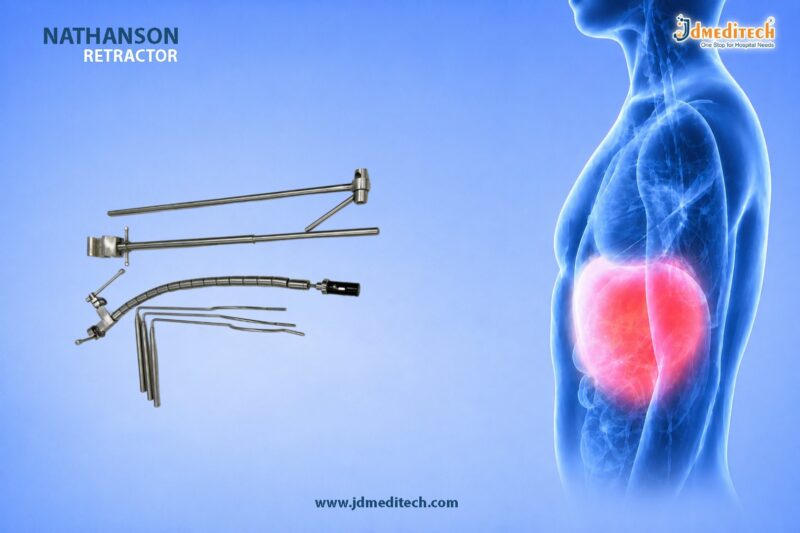
Uterine Manipulator With Die Injector for Accurate Tubal Patency Testing

Modern gynecologic procedures require instruments that combine precision, safety, and procedural efficiency. The Uterine Manipulator With Die Injector is an advanced gynecologic instrument specifically designed to support uterine manipulation while enabling accurate tubal patency assessment during diagnostic and operative procedures.

This versatile device helps surgeons achieve better uterine positioning and controlled dye injection during laparoscopic evaluations. As a result, healthcare professionals can perform procedures with improved visualization, enhanced accuracy, and greater procedural confidence.

Widely used in infertility assessments and minimally invasive gynecologic surgeries, the uterine manipulator with dye injector has become an essential tool in modern operating rooms.

What is a Uterine Manipulator With Die Injector?
Precision Instrument for Uterine Manipulation and Dye Injection

A Uterine Manipulator With Die Injector is a specialized gynecologic instrument used to mobilize the uterus while simultaneously allowing controlled dye injection for tubal patency testing. The device helps surgeons evaluate whether the fallopian tubes are open or blocked during laparoscopic procedures.

The instrument is designed with an ergonomic handle, stable uterine fixation system, and integrated dye injection channel. Consequently, it supports efficient surgical workflow and accurate procedural outcomes.

Additionally, the device improves uterine access and pelvic visualization during gynecologic interventions.

Key Features of Uterine Manipulator With Die Injector
Integrated Dye Injection System

The built-in dye injection channel enables smooth and controlled administration of dye for tubal patency assessment.

Ergonomic Handle Design

The instrument provides comfortable handling and precise uterine movement throughout surgical procedures.

Accurate Uterine Manipulation

The manipulator allows anteversion, retroversion, elevation, and lateral movement of the uterus for better surgical access.

Durable Medical-Grade Construction

Manufactured from high-quality medical-grade materials, the device ensures long-term durability and sterilization compatibility.

Enhanced Pelvic Visualization

Proper uterine positioning improves exposure of pelvic anatomy during laparoscopic procedures.

Atraumatic Tissue Handling

Smooth instrument surfaces help minimize tissue trauma and support patient safety.

Common Applications of Uterine Manipulator With Die Injector
Tubal Patency Testing

The instrument is widely used during chromopertubation procedures to evaluate fallopian tube patency.

Infertility Assessment Procedures

Gynecologists use the device during infertility investigations to assess reproductive tract function accurately.

Laparoscopic Gynecologic Surgery

The manipulator supports improved uterine mobility during minimally invasive procedures.

Endometriosis Evaluation

Better pelvic visualization helps surgeons identify and treat endometriotic lesions effectively.

Diagnostic Gynecology

The instrument may also assist during various diagnostic and operative gynecologic interventions.

Benefits of Using Uterine Manipulator With Die Injector
Improved Diagnostic Accuracy

Controlled dye injection allows precise assessment of fallopian tube patency.

Better Surgical Access

Enhanced uterine mobility improves exposure of pelvic structures during surgery.

Increased Procedural Efficiency

Combining uterine manipulation and dye injection in one device simplifies surgical workflow.

Enhanced Surgeon Control

The ergonomic design allows stable and accurate uterine positioning throughout procedures.

Improved Patient Safety

Atraumatic handling helps reduce tissue injury and procedural complications.

Components of Uterine Manipulator With Die Injector
Manipulator Handle

The handle provides stable control and smooth uterine movement during surgery.

Dye Injection Channel

The integrated channel enables controlled administration of dye during tubal testing.

Uterine Tip

Different uterine tips help accommodate varying patient anatomies and procedural requirements.

Fixation Mechanism

The fixation system ensures secure placement and reliable uterine manipulation.

Connector Port

The connector allows attachment of syringes or dye delivery systems during procedures.

Importance of Tubal Patency Assessment in Gynecology
Supporting Accurate Fertility Evaluation

Tubal patency testing plays a critical role in infertility diagnosis and reproductive health evaluation. Blocked fallopian tubes can significantly affect fertility outcomes. Therefore, accurate assessment is essential for treatment planning.

The uterine manipulator with dye injector helps gynecologists perform chromopertubation efficiently during laparoscopy. Consequently, surgeons can identify tubal obstruction while maintaining excellent uterine control and visualization.

Furthermore, combining manipulation and dye injection capabilities in a single instrument improves procedural convenience and reduces instrument exchanges.

How to Maintain Uterine Manipulator With Die Injector
Thorough Cleaning

Clean all instrument components carefully after each procedure to maintain hygiene and performance.

Sterilization Compliance

Always follow manufacturer and hospital sterilization guidelines for safe instrument reuse.

Inspect Injection Channels

Ensure the dye injection pathway remains clear and free from blockage before use.

Check Instrument Integrity

Inspect the manipulator for wear, damage, or loose components prior to surgery.

Choosing the Right Uterine Manipulator With Die Injector
Factors to Consider Before Purchase

Healthcare professionals should evaluate several factors before selecting a uterine manipulator with dye injector:

  • Compatibility with laparoscopic procedures
  • Ease of dye injection control
  • Ergonomic handling design
  • Sterilization compatibility
  • Material quality and durability
  • Availability of interchangeable components

Selecting a high-quality instrument contributes to accurate diagnostics and safer surgical outcomes.

Why Surgeons Prefer Uterine Manipulator With Die Injector
Reliable Performance in Modern Gynecology

Gynecologic surgeons prefer this instrument because it combines two important functions in one device—uterine manipulation and dye injection. Moreover, its reliable performance supports efficient tubal patency testing and improved pelvic visualization.

The ergonomic design, precise control, and durable construction make it an ideal choice for minimally invasive gynecologic procedures.

Conclusion
Advanced Solution for Accurate Tubal Patency Assessment

The Uterine Manipulator With Die Injector is a highly effective gynecologic instrument designed to support accurate tubal patency testing and efficient uterine manipulation during minimally invasive procedures. Its integrated dye injection system, ergonomic handling, and reliable uterine control help improve diagnostic accuracy and surgical efficiency.

From infertility evaluations to laparoscopic gynecologic surgeries, this advanced instrument plays an essential role in modern reproductive healthcare. As minimally invasive gynecology continues to advance, dependable uterine manipulators with dye injection capabilities remain valuable tools for achieving safe and accurate procedural outcomes.


Explore More Product >>

Get Connected:
+91 79909 93062 | +91 63513 72032 | exports@jdmeditech.com 
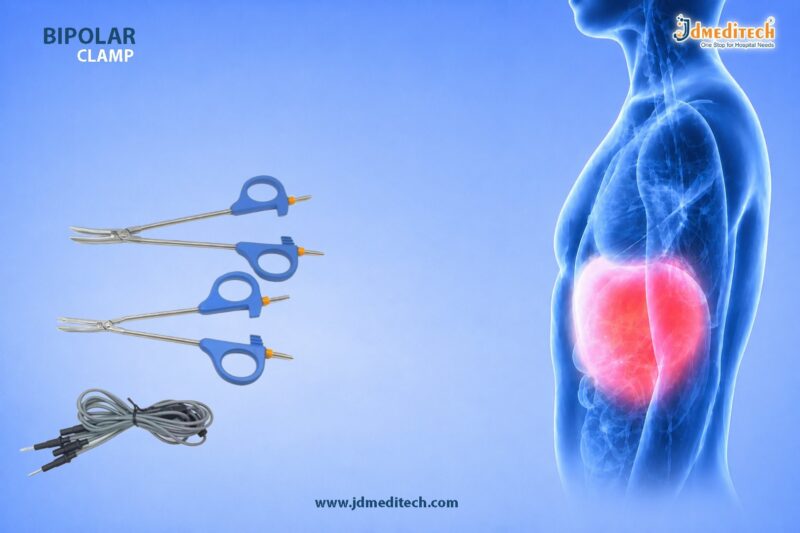
Marwa Uterine Manipulator for Advanced Gynecologic Surgery

The Marwa Uterine Manipulator is a highly specialized gynecologic instrument designed to improve uterine positioning, enhance pelvic visibility, and support precision during minimally invasive gynecologic procedures. Widely used in laparoscopic and hysteroscopic surgeries, this advanced manipulator helps surgeons achieve better control of the uterus while minimizing tissue trauma and improving procedural efficiency.

As gynecologic surgeries continue to evolve toward minimally invasive techniques, reliable uterine manipulation becomes increasingly important. The Marwa Uterine Manipulator is engineered to provide stable uterine mobilization, optimized access to pelvic anatomy, and improved surgical accuracy during complex procedures.

What is a Marwa Uterine Manipulator?
A Specialized Device for Controlled Uterine Positioning

The Marwa Uterine Manipulator is a reusable or disposable surgical instrument used to mobilize and position the uterus during gynecologic procedures. It enables surgeons to move the uterus in multiple directions, providing enhanced access to pelvic structures and clearer visualization of the operative field.

This instrument is commonly utilized in:

  • Total laparoscopic hysterectomy (TLH)
  • Laparoscopic-assisted vaginal hysterectomy (LAVH)
  • Myomectomy
  • Endometriosis surgery
  • Diagnostic laparoscopy
  • Fertility-related procedures
  • Pelvic floor surgeries

The device supports controlled uterine anteversion, retroversion, lateral movement, and elevation, which significantly assists in achieving safer surgical dissection and improved procedural outcomes.

Key Features of Marwa Uterine Manipulator
Designed for Precision, Stability, and Surgeon Comfort

The Marwa Uterine Manipulator incorporates several advanced features that make it highly effective during gynecologic surgeries.

Ergonomic Handle Design

The manipulator includes a comfortable ergonomic handle that allows surgeons to maintain precise control throughout the procedure. Consequently, hand fatigue is minimized during lengthy surgeries.

Multi-Directional Uterine Movement

The instrument supports smooth uterine mobilization in multiple directions. Therefore, surgeons can access difficult anatomical regions with greater ease and confidence.

Secure Cervical Attachment

Its secure fixation system helps maintain stable uterine positioning during surgical manipulation. In addition, the risk of accidental displacement is reduced.

Durable Medical-Grade Construction

Manufactured from high-quality medical-grade materials, the Marwa Uterine Manipulator offers durability, reliability, and compatibility with sterilization protocols.

Enhanced Surgical Visibility

By improving uterine positioning, the instrument provides clearer exposure of pelvic organs and surrounding tissues. As a result, surgical precision is significantly improved.

Benefits of Using Marwa Uterine Manipulator
Supporting Safer and More Efficient Gynecologic Procedures

The Marwa Uterine Manipulator offers several advantages for gynecologic surgeons and operating teams.

Improved Operative Access

Accurate uterine positioning allows better access to the uterus, adnexa, and pelvic sidewalls. Thus, surgeons can perform procedures more efficiently.

Enhanced Visualization

Clear exposure of anatomical structures supports safer dissection and reduces procedural difficulty.

Reduced Tissue Trauma

Controlled manipulation minimizes unnecessary force on surrounding tissues. Consequently, patient safety and surgical outcomes may improve.

Increased Surgical Precision

Stable uterine control supports accurate instrument placement and refined surgical movements.

Better Workflow Efficiency

The manipulator helps streamline minimally invasive procedures by simplifying uterine positioning adjustments during surgery.

Applications of Marwa Uterine Manipulator
Versatile Support Across Gynecologic Procedures

The Marwa Uterine Manipulator is suitable for a wide range of gynecologic interventions.

Laparoscopic Hysterectomy

It assists surgeons in safely mobilizing the uterus during uterine vessel dissection and colpotomy.

Endometriosis Surgery

Enhanced uterine movement improves access to deep pelvic lesions and surrounding structures.

Fertility and Reproductive Procedures

The manipulator supports accurate uterine positioning during diagnostic and therapeutic fertility procedures.

Myomectomy Procedures

During fibroid removal surgeries, stable uterine control helps improve surgical precision and visualization.

Pelvic Floor Reconstruction

The device aids in exposing pelvic anatomy during reconstructive gynecologic surgeries.

Why Choose Marwa Uterine Manipulator?
Reliable Performance for Modern Gynecologic Surgery

Healthcare professionals prefer the Marwa Uterine Manipulator because of its reliability, ergonomic design, and surgical efficiency.

Key reasons include:

  • Smooth and controlled uterine manipulation
  • Enhanced pelvic exposure
  • Improved operative visibility
  • Reduced surgical complexity
  • Compatibility with minimally invasive procedures
  • Durable and easy-to-handle design
  • Support for surgeon confidence and precision

Its advanced functionality makes it an essential instrument in modern gynecologic operating rooms.

Safety and Sterilization Considerations
Maintaining High Standards of Surgical Safety

Proper cleaning and sterilization are critical for ensuring patient safety and instrument longevity.

Recommended practices include:

  • Thorough cleaning after each use
  • Sterilization according to hospital protocols
  • Routine inspection for wear or damage
  • Proper storage in sterile conditions
  • Compliance with manufacturer instructions

Following these protocols helps maintain optimal instrument performance and surgical reliability.

Conclusion
Enhancing Precision and Visibility in Gynecologic Surgery

The Marwa Uterine Manipulator is an advanced gynecologic instrument designed to improve operative access, uterine control, and surgical visibility during minimally invasive procedures. With its ergonomic handling, secure positioning capabilities, and multi-directional movement, the device supports safer, more efficient, and highly precise gynecologic surgeries.

As minimally invasive gynecology continues to expand, dependable instruments like the Marwa Uterine Manipulator remain essential for achieving excellent surgical outcomes and improving procedural confidence for healthcare professionals.


Explore More Product >>

Get Connected:
+91 79909 93062 | +91 63513 72032 | exports@jdmeditech.com 
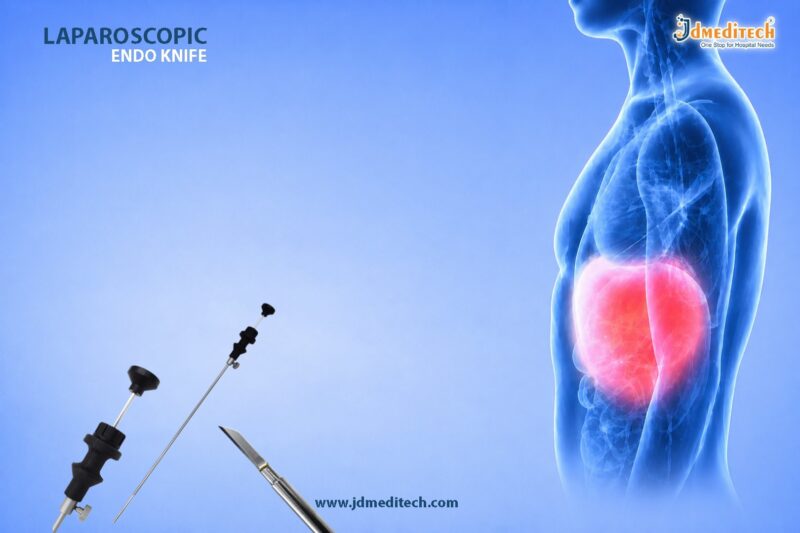
HOHL Uterine Manipulator for Safe & Efficient Gynecologic Surgery

Modern gynecologic surgery demands precision, safety, and excellent uterine control. The HOHL Uterine Manipulator is a highly advanced surgical instrument designed to provide optimal uterine positioning during minimally invasive gynecological procedures. Its ergonomic design, atraumatic handling, and reliable manipulation capabilities help surgeons perform complex procedures with enhanced visibility and efficiency.

Widely used in laparoscopic hysterectomy, myomectomy, endometriosis surgery, and other gynecologic interventions, the HOHL uterine manipulator supports accurate uterine mobilization while reducing surgical challenges. As minimally invasive gynecology continues to evolve, dependable uterine manipulators have become essential tools in operating rooms worldwide.

What is a HOHL Uterine Manipulator?
Advanced Uterine Manipulation for Gynecologic Procedures

The HOHL Uterine Manipulator is a reusable gynecologic surgical instrument specifically developed to facilitate controlled uterine movement during laparoscopic and hysteroscopic procedures. It allows surgeons to antevert, retrovert, elevate, and lateralize the uterus safely for improved surgical access.

The device typically includes interchangeable components that accommodate varying anatomical requirements. Furthermore, its stable fixation and ergonomic handling contribute to safer tissue manipulation and better procedural outcomes.

Key Features of HOHL Uterine Manipulator
Ergonomic Instrument Design

The manipulator is designed for comfortable handling during lengthy surgical procedures. Its ergonomic grip improves surgeon control and minimizes hand fatigue.

High-Precision Uterine Control

The instrument provides excellent uterine mobility, allowing surgeons to achieve accurate positioning throughout surgery.

Interchangeable Components

Different cup sizes and tips help accommodate varying patient anatomies and surgical needs.

Durable Medical-Grade Construction

Manufactured from high-quality medical-grade materials, the HOHL uterine manipulator ensures durability, sterilization compatibility, and long-term performance.

Enhanced Surgical Visibility

Proper uterine manipulation improves exposure of pelvic structures, enabling better visualization during minimally invasive procedures.

Atraumatic Tissue Handling

Smooth instrument surfaces and controlled manipulation help reduce tissue trauma and improve patient safety.

Common Applications of HOHL Uterine Manipulator
Laparoscopic Hysterectomy

The manipulator assists in uterine positioning and delineation during total laparoscopic hysterectomy procedures.

Myomectomy Procedures

It provides stable uterine movement for better access to fibroids and surrounding tissues.

Endometriosis Surgery

The device helps expose difficult pelvic areas, improving precision during excision procedures.

Pelvic Reconstructive Surgery

Controlled uterine movement supports accurate surgical correction and tissue handling.

Diagnostic Gynecologic Procedures

The manipulator may also assist in selected diagnostic and operative gynecologic interventions.

Benefits of Using HOHL Uterine Manipulator
Improved Surgical Precision

Precise uterine positioning allows surgeons to work more accurately during minimally invasive procedures.

Better Access to Pelvic Anatomy

Enhanced exposure of pelvic structures supports safer dissection and improved visualization.

Reduced Surgical Fatigue

Its ergonomic design contributes to better instrument handling and surgeon comfort.

Increased Procedural Efficiency

Reliable uterine manipulation helps streamline surgical workflow and reduce operative complexity.

Enhanced Patient Safety

Atraumatic handling and stable uterine control help minimize unnecessary tissue injury.

Components of HOHL Uterine Manipulator
Manipulator Handle

The handle enables smooth uterine movement and controlled positioning throughout the procedure.

Cervical Cups

Different cup sizes help create proper delineation during hysterectomy and other laparoscopic surgeries.

Uterine Tips

Interchangeable tips accommodate varying uterine sizes and anatomical conditions.

Rod System

The rod system supports stable fixation and reliable manipulation during surgery.

Importance of Uterine Manipulators in Minimally Invasive Gynecology
Supporting Better Surgical Access

Minimally invasive gynecologic surgery relies heavily on proper visualization and tissue access. Therefore, uterine manipulators play a critical role in improving operative efficiency and surgical precision.

The HOHL uterine manipulator enhances pelvic access by allowing controlled movement of the uterus in multiple directions. As a result, surgeons can perform procedures more safely while minimizing operative complications.

Additionally, better uterine positioning contributes to shorter procedure times and improved workflow in the operating room.

How to Maintain the HOHL Uterine Manipulator
Proper Cleaning

Thorough cleaning after each use helps maintain hygiene and instrument performance.

Sterilization Compliance

Follow hospital sterilization protocols and manufacturer guidelines for safe reuse.

Inspection Before Use

Inspect all components carefully for wear, damage, or alignment issues before surgery.

Correct Assembly

Ensure all interchangeable parts are assembled properly to maintain safe instrument functionality.

Choosing the Right HOHL Uterine Manipulator
Factors to Consider Before Purchase

When selecting a uterine manipulator, healthcare professionals should consider:

  • Instrument compatibility with surgical procedures
  • Availability of interchangeable components
  • Ease of handling and assembly
  • Sterilization compatibility
  • Material quality and durability
  • Surgeon comfort and ergonomic design

Choosing a high-quality manipulator contributes significantly to surgical safety and procedural success.

Why Surgeons Prefer HOHL Uterine Manipulator
Reliable Performance in Modern Gynecology

Many gynecologic surgeons prefer the HOHL uterine manipulator because of its reliable performance, excellent uterine mobility, and user-friendly design. Furthermore, its ability to improve visualization during laparoscopic procedures makes it a valuable addition to modern gynecologic surgery setups.

The combination of precision, comfort, and durability supports consistent surgical outcomes across a wide range of procedures.

Conclusion
Precision, Safety, and Efficiency in One Instrument

The HOHL Uterine Manipulator is an advanced gynecologic instrument designed to support safe, efficient, and precise uterine manipulation during minimally invasive procedures. Its ergonomic construction, reliable uterine control, and atraumatic handling make it an essential tool in modern gynecologic surgery.

From laparoscopic hysterectomy to endometriosis treatment, the HOHL uterine manipulator helps improve surgical visibility, procedural accuracy, and overall efficiency. As minimally invasive gynecology continues to advance, high-performance uterine manipulators remain critical for achieving optimal surgical outcomes.

Explore More Product >>

Get Connected:
+91 79909 93062 | +91 63513 72032 | exports@jdmeditech.com