
Radical Cystectomy Surgery – Advanced Bladder Removal and Reconstruction

Radical Cystectomy Surgery is a major urologic procedure performed to remove the urinary bladder completely, usually for the treatment of invasive bladder cancer and other severe bladder disorders. This advanced surgical approach is considered one of the most effective treatments for muscle-invasive bladder cancer when the disease cannot be controlled with conservative therapies.

Moreover, modern radical cystectomy techniques combine precise bladder removal with urinary reconstruction procedures that help restore urinary function and improve patient quality of life. As a result, advancements in surgical technology, robotic systems, and reconstructive urology have significantly improved patient outcomes, recovery, and long-term survival.

What is Radical Cystectomy Surgery?
Understanding the Procedure

Radical Cystectomy Surgery is a complex urologic operation in which the entire urinary bladder is surgically removed. In men, the procedure may also involve removal of the prostate and seminal vesicles. In women, surgeons may remove nearby reproductive organs depending on disease involvement.

Furthermore, because the bladder is removed completely, surgeons must create an alternative method for urine drainage. Therefore, urinary diversion or bladder reconstruction becomes an essential part of the procedure.

Why is Radical Cystectomy Surgery Performed?
Common Medical Indications

Radical cystectomy is primarily recommended for patients with aggressive or advanced bladder conditions. In many cases, surgery offers the best chance for long-term disease control and survival.

Common indications include:

  • Muscle-invasive bladder cancer
  • High-risk recurrent bladder tumors
  • Bladder cancer unresponsive to other treatments
  • Extensive bladder damage
  • Severe radiation-induced bladder disease
  • Certain congenital bladder abnormalities

Additionally, surgeons may recommend radical cystectomy when bladder preservation treatments are no longer effective.

Understanding Bladder Cancer
How Cancer Affects the Bladder

Bladder cancer develops when abnormal cells grow uncontrollably within the bladder lining. Initially, cancer may remain superficial; however, it can gradually invade deeper bladder tissues and surrounding organs.

Common risk factors include:

  • Smoking
  • Chemical exposure
  • Chronic bladder irritation
  • Recurrent urinary infections
  • Radiation exposure
  • Increasing age

Therefore, early diagnosis and timely surgical treatment are extremely important for improving patient outcomes.

Symptoms That May Require Radical Cystectomy
Warning Signs Requiring Medical Evaluation

Patients with advanced bladder disease may experience persistent urinary symptoms that worsen over time.

Common symptoms include:

  • Blood in urine
  • Painful urination
  • Frequent urination
  • Pelvic pain
  • Difficulty urinating
  • Lower abdominal discomfort
  • Unexplained weight loss
  • Fatigue

Furthermore, persistent or recurrent urinary symptoms should never be ignored because they may indicate serious bladder disease.

Preoperative Evaluation Before Surgery
Diagnostic Tests and Surgical Planning

Before radical cystectomy surgery, the urologist performs detailed evaluations to determine disease stage and assess patient fitness for surgery.

Common investigations include:

  • Physical examination
  • Urine analysis
  • Blood investigations
  • Cystoscopy
  • Bladder biopsy
  • CT scan or MRI
  • PET scan if required
  • Chest imaging

Moreover, these investigations help surgeons plan the safest and most effective surgical approach.

How Radical Cystectomy Surgery is Performed
Step-by-Step Surgical Technique

Radical cystectomy surgery is usually performed under general anesthesia. First, the surgeon accesses the bladder through an open, laparoscopic, or robotic-assisted approach.

Surgical Procedure
  1. The patient is placed under anesthesia.
  2. The bladder and surrounding structures are exposed.
  3. The urinary bladder is removed completely.
  4. Nearby lymph nodes are carefully removed for evaluation.
  5. Urinary diversion or bladder reconstruction is performed.
  6. Surgical connections are checked carefully.
  7. Finally, drainage tubes and catheters are placed temporarily.

As a result, the diseased bladder is removed while urinary drainage is restored through reconstructive techniques.

Types of Urinary Reconstruction After Radical Cystectomy
Modern Urinary Diversion Techniques

Because the bladder is removed completely, surgeons create alternative pathways for urine drainage.

Ileal Conduit Diversion

In this technique, a small segment of intestine is used to direct urine from the kidneys to an external collection bag.

Continent Urinary Reservoir

Surgeons create an internal urine storage pouch using intestinal tissue, allowing controlled urine drainage.

Neobladder Reconstruction

A new bladder is constructed using intestinal tissue and connected to the urethra. Consequently, some patients can urinate more naturally after recovery.

Furthermore, the choice of urinary diversion depends on patient health, cancer stage, and surgeon recommendation.

Advantages of Radical Cystectomy Surgery
Benefits of Advanced Surgical Treatment

Radical cystectomy offers several important advantages for patients with invasive bladder disease.

Key benefits include:

  • Effective cancer control
  • Removal of diseased bladder tissue
  • Improved long-term survival
  • Reduced risk of cancer progression
  • Advanced reconstructive options
  • Improved quality of life in selected patients

Additionally, modern reconstructive techniques help many patients regain independence and daily comfort.

Minimally Invasive and Robotic-Assisted Surgery
Advancements in Modern Urologic Surgery

Today, many radical cystectomy procedures are performed using robotic-assisted technology. Consequently, surgeons achieve greater precision and improved visualization during surgery.

Benefits of robotic-assisted surgery may include:

  • Smaller surgical incisions
  • Reduced blood loss
  • Faster recovery
  • Lower postoperative discomfort
  • Shorter hospital stay

Moreover, minimally invasive techniques continue to improve surgical outcomes and patient satisfaction.

Postoperative Recovery and Care
Recovery Guidelines After Surgery

Recovery after radical cystectomy surgery requires careful postoperative monitoring and rehabilitation. Initially, patients remain hospitalized for observation and recovery support.

Important postoperative recommendations include:

  • Maintain adequate hydration
  • Follow catheter and stoma care instructions
  • Avoid strenuous activities temporarily
  • Attend regular follow-up visits
  • Follow nutritional recommendations
  • Monitor urinary function carefully

Furthermore, rehabilitation and emotional support play an important role during long-term recovery.

Risks and Possible Complications
Understanding Surgical Safety

Although radical cystectomy surgery is highly effective, certain risks and complications may occasionally occur. Nevertheless, experienced surgical teams and advanced medical care help reduce these risks significantly.

Possible complications include:

  • Bleeding
  • Infection
  • Blood clot formation
  • Urinary leakage
  • Bowel complications
  • Delayed wound healing
  • Electrolyte imbalance
  • Urinary diversion complications

Therefore, long-term medical follow-up remains essential after surgery.

Importance of Advanced Urologic Instruments
Role of Precision Surgical Equipment

Modern radical cystectomy procedures depend heavily on advanced surgical instruments and high-precision technology. Consequently, surgeons can perform safer and more accurate procedures.

Commonly used equipment includes:

  • Robotic surgical systems
  • Laparoscopic instruments
  • Electrosurgical units
  • Surgical staplers
  • Endoscopic visualization systems
  • Urologic reconstruction instruments

Additionally, high-quality surgical technology improves efficiency, precision, and patient safety.

Long-Term Outcomes After Radical Cystectomy
Improving Survival and Quality of Life

Many patients achieve positive long-term outcomes following radical cystectomy surgery, especially when cancer is detected and treated early.

Long-term benefits may include:

  • Effective cancer management
  • Reduced recurrence risk
  • Improved urinary function with reconstruction
  • Better overall survival
  • Enhanced daily living

Furthermore, regular follow-up imaging and urologic evaluation help monitor long-term recovery and health.

Conclusion
Advanced Surgical Solution for Complex Bladder Disease

Radical Cystectomy Surgery is a high-precision urologic procedure designed for the complete removal of the bladder in patients with invasive or complex bladder disease. By combining advanced surgical excision with modern urinary reconstruction techniques, the procedure offers effective disease control and improved long-term patient outcomes.

Moreover, ongoing advancements in robotic surgery, reconstructive urology, and precision surgical instruments continue to improve recovery, safety, and quality of life after surgery. Therefore, radical cystectomy remains one of the most important treatment options for advanced bladder disorders and invasive bladder cancer.


Explore More Product >>

Get Connected:
+91 79909 93062 | +91 63513 72032 |exports@jdmeditech.com 

Partial Cystectomy Surgery – Advanced Bladder Preservation Treatment

Partial Cystectomy Surgery is an advanced bladder-preserving surgical procedure used to remove a diseased or cancerous portion of the bladder while preserving the remaining healthy bladder tissue. Unlike radical cystectomy, which involves complete bladder removal, partial cystectomy allows patients to maintain natural urinary function whenever possible.

Moreover, this procedure is commonly recommended for carefully selected patients with localized bladder tumors or specific bladder abnormalities. As a result, patients may achieve effective disease management while maintaining better quality of life and urinary control. Furthermore, modern surgical techniques and precision urologic instruments have significantly improved surgical safety, recovery, and long-term outcomes.

What is Partial Cystectomy Surgery?
Understanding the Procedure

Partial Cystectomy Surgery is a reconstructive urologic procedure in which surgeons remove only the affected section of the bladder instead of removing the entire organ. During the operation, the remaining healthy bladder tissue is preserved and reconstructed to maintain bladder function.

Consequently, patients may continue to store and pass urine naturally after recovery. In addition, bladder preservation helps reduce the physical and psychological impact associated with complete bladder removal.

Why is Partial Cystectomy Surgery Performed?
Common Medical Indications

Partial cystectomy is typically performed for patients with localized bladder conditions that can be safely treated without complete bladder removal. However, careful patient selection is essential for successful outcomes.

Common indications include:

  • Localized bladder cancer
  • Solitary bladder tumors
  • Benign bladder tumors
  • Bladder diverticulum containing tumors
  • Certain congenital bladder abnormalities
  • Traumatic bladder injury
  • Selected inflammatory bladder conditions

Furthermore, surgeons may recommend this procedure when the tumor is located away from critical bladder structures such as the bladder neck and ureteric openings.

Conditions That May Require Partial Cystectomy
Understanding Bladder Disorders

Several bladder conditions may require surgical treatment while still allowing bladder preservation.

These conditions may include:

  • Early-stage invasive bladder cancer
  • Urachal tumors
  • Bladder wall abnormalities
  • Localized bladder damage
  • Non-responsive benign bladder lesions

Additionally, early diagnosis improves the possibility of successful bladder-preserving surgery.

Symptoms Associated with Bladder Disorders
Warning Signs Requiring Medical Evaluation

Patients with bladder conditions requiring surgery may experience multiple urinary symptoms. Initially, symptoms may appear mild; however, they can gradually worsen over time.

Common symptoms include:

  • Blood in urine
  • Frequent urination
  • Painful urination
  • Pelvic pain
  • Difficulty urinating
  • Urinary urgency
  • Recurrent urinary infections

Therefore, patients experiencing persistent urinary symptoms should seek prompt urologic evaluation.

Preoperative Evaluation Before Surgery
Diagnostic Tests and Surgical Planning

Before performing partial cystectomy surgery, the urologist conducts detailed investigations to evaluate bladder health, tumor location, and overall patient condition.

Common evaluations include:

  • Physical examination
  • Urine analysis
  • Blood investigations
  • Cystoscopy
  • Bladder biopsy
  • CT scan or MRI
  • Ultrasound imaging

Furthermore, imaging studies help surgeons determine whether bladder preservation is feasible and safe.

How Partial Cystectomy Surgery is Performed
Step-by-Step Surgical Technique

Partial cystectomy surgery is usually performed under general anesthesia. First, the surgeon accesses the bladder through an open, laparoscopic, or robotic-assisted approach depending on the patient’s condition.

Surgical Procedure
  1. The patient is placed under anesthesia.
  2. The bladder is surgically exposed.
  3. The diseased portion of the bladder is identified carefully.
  4. The affected bladder tissue and surrounding margin are removed.
  5. The remaining bladder is reconstructed securely.
  6. Nearby lymph nodes may also be evaluated if necessary.
  7. Finally, urinary drainage catheters are placed temporarily.

As a result, the diseased tissue is removed while preserving healthy bladder function whenever possible.

Types of Partial Cystectomy Surgery
Surgical Approaches Used in Modern Urology

Several surgical techniques may be used based on the patient’s condition and surgeon preference.

Open Partial Cystectomy

This traditional approach involves a lower abdominal incision to access the bladder directly.

Laparoscopic Partial Cystectomy

In this minimally invasive approach, surgeons use small incisions and specialized instruments for surgery.

Robotic-Assisted Partial Cystectomy

Robotic systems provide enhanced precision, improved visualization, and greater surgical control during bladder reconstruction.

Consequently, minimally invasive approaches may reduce postoperative discomfort and recovery time.

Advantages of Partial Cystectomy Surgery
Benefits of Bladder Preservation

Partial cystectomy offers several important advantages for selected patients.

Major benefits include:

  • Preservation of natural bladder function
  • Better urinary control
  • Improved quality of life
  • Reduced psychological impact
  • Avoidance of complete urinary diversion
  • Effective treatment for localized disease

Additionally, preserving part of the bladder may help patients maintain more normal daily activities after recovery.

Postoperative Recovery and Care
Recovery Guidelines After Surgery

Recovery after partial cystectomy surgery varies depending on the surgical approach and patient health. However, proper postoperative care significantly improves healing and long-term outcomes.

Important recovery recommendations include:

  • Maintain adequate hydration
  • Follow catheter care instructions
  • Avoid strenuous activities temporarily
  • Take prescribed medications regularly
  • Attend follow-up appointments
  • Monitor urinary symptoms carefully

Furthermore, patients should follow dietary and activity recommendations provided by their healthcare team.

Risks and Possible Complications
Understanding Surgical Safety

Although partial cystectomy surgery is generally safe, certain risks and complications may occasionally occur. Nevertheless, experienced surgeons and advanced surgical techniques help minimize these complications.

Possible complications include:

  • Bleeding
  • Urinary tract infection
  • Urinary leakage
  • Blood clots
  • Bladder irritation
  • Temporary urinary dysfunction
  • Tumor recurrence in some cases

Therefore, long-term monitoring remains essential after surgery.

Importance of Advanced Urologic Instruments
Role of Precision Surgical Equipment

Modern bladder-preserving surgery relies heavily on advanced urologic instruments and surgical technologies. Consequently, surgeons can perform more accurate tissue removal and reconstruction.

Commonly used equipment includes:

  • Cystoscopic systems
  • Laparoscopic instruments
  • Robotic surgical systems
  • Electrosurgical units
  • Surgical stapling devices
  • Precision suturing instruments

Moreover, high-quality surgical equipment improves safety, efficiency, and clinical outcomes.

Long-Term Outcomes of Partial Cystectomy Surgery
Improving Patient Quality of Life

Many patients experience positive long-term outcomes after partial cystectomy surgery. In particular, preserving bladder function contributes significantly to patient comfort and independence.

Long-term benefits may include:

  • Better urinary function
  • Improved daily activities
  • Effective disease management
  • Reduced urinary complications
  • Enhanced quality of life

Furthermore, regular cystoscopic follow-up helps detect recurrence early and maintain long-term bladder health.

Who is a Suitable Candidate for Partial Cystectomy?
Patient Selection Criteria

Not every bladder condition can be treated with bladder-preserving surgery. Therefore, careful patient selection is extremely important.

Suitable candidates may include patients with:

  • Single localized bladder tumors
  • Tumors away from critical bladder areas
  • Good overall bladder function
  • No widespread bladder disease
  • Adequate general health for surgery

Additionally, surgeons evaluate overall cancer stage and bladder capacity before recommending the procedure.

Conclusion
Advanced Bladder-Preserving Surgical Solution

Partial Cystectomy Surgery is an advanced and effective bladder-preserving procedure used to treat selected bladder conditions while maintaining natural urinary function. By removing only the affected portion of the bladder, surgeons can achieve effective disease control with improved quality of life and reduced impact on daily living.

Furthermore, advancements in minimally invasive surgery, robotic technology, and precision urologic instruments continue to improve patient safety and long-term surgical outcomes. Therefore, partial cystectomy remains an important treatment option for carefully selected patients requiring bladder preservation.

Explore More Product >>

Get Connected:
+91 79909 93062 | +91 63513 72032 | exports@jdmeditech.com

Open Cystolithotomy Surgery – Surgical Treatment for Large Bladder Stones

Open Cystolithotomy Surgery is a traditional yet highly effective urologic procedure used to remove large or complex bladder stones directly from the urinary bladder. Although minimally invasive techniques are commonly preferred today, open cystolithotomy still plays an important role in treating difficult bladder stone cases. In particular, this procedure is beneficial for patients with very large stones, multiple stones, or associated bladder abnormalities.

Moreover, open surgery allows surgeons to remove stones completely under direct visualization. As a result, patients often experience significant relief from urinary obstruction, pain, recurrent infections, and bladder irritation. Furthermore, advancements in surgical techniques and postoperative care have improved patient safety, recovery, and long-term outcomes.

What is Open Cystolithotomy Surgery?
Understanding the Procedure

Open Cystolithotomy Surgery is a surgical procedure in which the bladder is opened through a controlled lower abdominal incision to remove bladder stones directly. Unlike endoscopic procedures, this approach provides surgeons with full access to the bladder and surrounding structures.

Therefore, open cystolithotomy is especially useful when stones are too large, too hard, or too numerous for minimally invasive treatment. In addition, surgeons can address associated bladder problems during the same operation if necessary.

Why is Open Cystolithotomy Surgery Performed?
Common Medical Indications

This surgery is usually recommended when less invasive treatments are not suitable or have failed. Consequently, open cystolithotomy becomes the preferred option for complex bladder stone management.

Common indications include:

  • Large bladder stones
  • Multiple bladder stones
  • Extremely hard bladder stones
  • Bladder outlet obstruction
  • Enlarged prostate associated with bladder stones
  • Bladder diverticula
  • Failed endoscopic stone removal
  • Structural bladder abnormalities

Furthermore, patients with recurrent stone formation may also require direct surgical treatment for long-term symptom relief.

Causes of Large and Complex Bladder Stones
Factors Contributing to Stone Formation

Bladder stones generally develop when urine remains inside the bladder for prolonged periods. Consequently, minerals present in the urine begin to crystallize and gradually form stones.

Several conditions may contribute to bladder stone formation, including:

  • Enlarged prostate
  • Chronic urinary retention
  • Neurogenic bladder disorders
  • Recurrent urinary tract infections
  • Long-term catheter use
  • Bladder obstruction
  • Poor bladder emptying
  • Foreign bodies inside the bladder

Additionally, dehydration and delayed medical treatment may further increase the risk of large stone formation.

Symptoms of Bladder Stones
Warning Signs Requiring Surgical Evaluation

Patients with large bladder stones often develop severe urinary symptoms that progressively worsen over time. Initially, symptoms may appear mild; however, they can become more serious if left untreated.

Common symptoms include:

  • Painful urination
  • Frequent urination
  • Difficulty passing urine
  • Blood in urine
  • Interrupted urine flow
  • Lower abdominal pain
  • Recurrent urinary infections
  • Urinary retention

In severe situations, bladder stones may completely obstruct urine flow. Therefore, early diagnosis and timely treatment are extremely important.

Preoperative Evaluation Before Surgery
Diagnostic Tests and Surgical Planning

Before performing open cystolithotomy surgery, the urologist conducts detailed evaluations to confirm the diagnosis and assess the patient’s overall urinary health. Moreover, these investigations help surgeons plan the safest and most effective surgical approach.

Common investigations include:

  • Physical examination
  • Urine analysis
  • Blood investigations
  • Ultrasound imaging
  • X-ray or CT scan
  • Cystoscopy
  • Urine culture

Furthermore, imaging studies help determine the exact size, number, and location of bladder stones before surgery.

How Open Cystolithotomy Surgery is Performed
Step-by-Step Surgical Technique

The procedure is generally performed under general or spinal anesthesia. First, the surgical area is carefully prepared and sterilized. Then, the surgeon makes a controlled incision in the lower abdomen to access the bladder directly.

Surgical Procedure
  1. The lower abdominal region is prepared surgically.
  2. A precise incision is made above the bladder.
  3. The bladder is carefully opened.
  4. Bladder stones are identified and removed directly.
  5. The bladder is inspected thoroughly for residual stones.
  6. Any associated bladder abnormalities may also be treated.
  7. The bladder and abdominal incision are closed securely.
  8. Finally, a urinary catheter is placed temporarily for drainage.

As a result, complete stone removal can be achieved safely and effectively.

Advantages of Open Cystolithotomy Surgery
Benefits of Direct Surgical Stone Removal

Although minimally invasive procedures are increasingly popular, open cystolithotomy surgery still offers several important advantages in selected cases.

Major benefits include:

  • Direct removal of large stones
  • Complete stone clearance
  • Effective treatment for complex conditions
  • Ability to repair associated bladder problems
  • Reduced risk of residual stone fragments
  • Reliable long-term outcomes

Additionally, surgeons can directly inspect the bladder lining during the procedure, which may help identify other abnormalities early.

Postoperative Recovery and Care
Recovery Guidelines After Surgery

Recovery after open cystolithotomy surgery may require more time compared to minimally invasive procedures. However, proper postoperative care significantly improves healing and recovery outcomes.

Important recovery recommendations include:

  • Drink adequate fluids daily
  • Follow catheter care instructions carefully
  • Avoid heavy lifting temporarily
  • Take prescribed medications regularly
  • Maintain proper wound hygiene
  • Attend scheduled follow-up appointments

Furthermore, patients should monitor urinary symptoms closely during recovery to ensure proper healing.

Risks and Possible Complications
Understanding Surgical Safety

Although open cystolithotomy surgery is generally considered safe, certain complications may occasionally occur. Nevertheless, experienced surgical teams and modern medical care help reduce these risks considerably.

Possible complications include:

  • Bleeding
  • Urinary tract infection
  • Wound infection
  • Temporary urinary discomfort
  • Bladder leakage
  • Blood clot formation
  • Delayed wound healing

Therefore, careful postoperative monitoring and regular medical follow-up are essential.

Importance of Advanced Surgical Instruments
Role of Precision Urologic Equipment

Modern open bladder stone surgery depends heavily on advanced surgical instruments and precision urologic equipment. Consequently, surgeons can perform procedures more safely and efficiently.

Commonly used instruments include:

  • Surgical retractors
  • Suction irrigation systems
  • Electrosurgical units
  • Urologic forceps
  • Stone extraction instruments
  • Bladder drainage catheters

Moreover, high-quality surgical systems improve visualization, surgical accuracy, and patient safety throughout the procedure.

Preventing Future Bladder Stones
Maintaining Long-Term Bladder Health

After surgery, patients should focus on preventing future bladder stone formation through proper urinary care and healthy lifestyle habits. In addition, treating underlying urinary problems plays a major role in preventing recurrence.

Preventive measures include:

  • Drinking sufficient water
  • Treating urinary obstruction early
  • Managing prostate enlargement properly
  • Preventing urinary infections
  • Emptying the bladder completely
  • Attending regular medical checkups

Therefore, long-term bladder care is extremely important for maintaining urinary health.

Conclusion
Reliable Surgical Treatment for Complex Bladder Stones

Open Cystolithotomy Surgery remains a reliable and highly effective treatment option for large and complex bladder stones that cannot be treated successfully with minimally invasive techniques. By providing direct surgical access to the bladder, the procedure ensures complete stone removal and long-term symptom relief.

Furthermore, advancements in surgical technology, precision instruments, and postoperative care continue to improve patient safety and recovery outcomes. Therefore, open cystolithotomy surgery remains an essential solution for managing difficult bladder stone cases effectively.


Explore More Product >>

Get Connected:
+91 79909 93062 | +91 63513 72032 | exports@jdmeditech.com

Bladder Stone Removal Surgery – Advanced Treatment for Bladder Stones

Bladder Stone Removal Surgery is a modern urologic procedure used to remove stones formed inside the urinary bladder. These stones can develop when urine remains in the bladder for long periods, allowing minerals to crystallize and harden. As a result, patients may experience pain, urinary difficulty, infections, and bladder irritation.

Fortunately, advanced surgical techniques now allow safe and effective removal of bladder stones with minimal discomfort and faster recovery. Moreover, modern endoscopic procedures help restore normal bladder function while reducing the risk of future urinary complications.

What is Bladder Stone Removal Surgery?
Understanding the Procedure

Bladder Stone Removal Surgery is a urologic procedure performed to remove stones or mineral deposits from the bladder. Depending on the size, number, and hardness of the stones, surgeons may use minimally invasive endoscopic techniques or, in rare cases, open surgery.

During the procedure, specialized urologic instruments break or extract the stones safely. Consequently, urinary flow improves, bladder irritation decreases, and symptoms gradually resolve.

Why is Bladder Stone Removal Surgery Performed?
Common Medical Indications

This procedure is recommended when bladder stones cause persistent urinary symptoms or complications. In many cases, untreated bladder stones can lead to infections and bladder damage.

Common indications include:

  • Pain during urination
  • Frequent urination
  • Blood in urine
  • Difficulty urinating
  • Interrupted urine flow
  • Recurrent urinary tract infections
  • Lower abdominal pain
  • Urinary retention

Furthermore, larger stones often require surgical removal because they cannot pass naturally through the urinary tract.

Causes of Bladder Stones
Factors Leading to Stone Formation

Bladder stones usually develop when the bladder does not empty completely. As a result, concentrated urine allows minerals to accumulate and form stones.

Common causes include:

  • Enlarged prostate
  • Neurogenic bladder
  • Urinary tract obstruction
  • Chronic urinary infections
  • Bladder diverticula
  • Foreign bodies in the bladder
  • Long-term catheter use

Additionally, dehydration and poor bladder emptying may increase the risk of stone formation.

Symptoms of Bladder Stones
Warning Signs Requiring Medical Attention

Bladder stones can cause mild to severe urinary symptoms depending on their size and location.

Common symptoms include:

  • Burning sensation during urination
  • Frequent urge to urinate
  • Lower abdominal discomfort
  • Cloudy urine
  • Blood in urine
  • Difficulty passing urine
  • Interrupted urine stream
  • Painful urination

In severe cases, stones may block urine flow completely. Therefore, early medical evaluation is important.

Preoperative Evaluation Before Surgery
Diagnostic Tests and Preparation

Before bladder stone removal surgery, the urologist performs several tests to confirm the diagnosis and evaluate the urinary system.

Common investigations include:

  • Physical examination
  • Urine analysis
  • Blood tests
  • Ultrasound imaging
  • X-ray or CT scan
  • Cystoscopy
  • Urine culture

Furthermore, these tests help determine the size, location, and number of bladder stones before surgery.

Types of Bladder Stone Removal Procedures
Modern Surgical Treatment Options

Several surgical techniques are available for bladder stone removal depending on the patient’s condition.

Cystolitholapaxy

In this minimally invasive procedure, a cystoscope is inserted through the urethra to locate the stone. Then, laser, ultrasonic, or mechanical devices break the stone into smaller fragments for removal.

Percutaneous Bladder Stone Removal

For larger stones, surgeons may create a small incision in the lower abdomen to access and remove the stones safely.

Open Bladder Stone Surgery

Although less common today, open surgery may still be required for extremely large bladder stones or complex cases.

How Bladder Stone Removal Surgery is Performed
Step-by-Step Surgical Technique

The procedure is generally performed under spinal or general anesthesia.

Surgical Procedure
  1. A cystoscope is inserted into the bladder.
  2. The bladder stones are identified clearly.
  3. Specialized devices break the stones into smaller pieces.
  4. Stone fragments are removed carefully.
  5. The bladder is inspected for residual stones.
  6. Finally, a temporary catheter may be placed if necessary.

As a result, the urinary tract becomes clear, and bladder function improves significantly.

Advantages of Bladder Stone Removal Surgery
Benefits of Modern Urologic Treatment

Modern bladder stone removal surgery offers several important advantages.

Key benefits include:

  • Minimally invasive treatment
  • Faster recovery
  • Reduced postoperative pain
  • Improved urinary flow
  • Lower risk of infection
  • Minimal tissue damage
  • Shorter hospital stay
  • Effective symptom relief

Additionally, advanced surgical technology improves precision and patient safety.

Postoperative Recovery and Care
Recovery Guidelines After Surgery

Most patients recover quickly after bladder stone removal surgery. However, mild urinary discomfort or temporary blood in the urine may occur during the initial recovery period.

Important postoperative recommendations include:

  • Drink plenty of water
  • Take medications as prescribed
  • Avoid heavy lifting temporarily
  • Maintain proper urinary hygiene
  • Attend follow-up appointments
  • Monitor urinary symptoms carefully

Furthermore, adequate hydration helps reduce the risk of future stone formation.

Risks and Possible Complications
Understanding Surgical Safety

Although bladder stone removal surgery is generally safe, certain complications may occasionally occur.

Possible risks include:

  • Urinary tract infection
  • Mild bleeding
  • Temporary burning during urination
  • Bladder injury
  • Residual stone fragments
  • Difficulty urinating temporarily

Nevertheless, experienced surgeons and proper postoperative care help minimize these complications significantly.

Importance of Advanced Urologic Instruments
Role of Precision Surgical Equipment

Modern bladder stone surgery relies on advanced endoscopic instruments and visualization systems. Consequently, surgeons can remove stones more safely and effectively.

Commonly used instruments include:

  • Cystoscopes
  • Laser lithotripsy systems
  • Stone retrieval devices
  • Endoscopic cameras
  • Irrigation systems
  • Urologic forceps

Moreover, high-quality surgical equipment improves procedural efficiency and patient outcomes.

Preventing Future Bladder Stones
Maintaining Long-Term Bladder Health

After surgery, lifestyle modifications and proper urinary care can help prevent stone recurrence.

Preventive measures include:

  • Drinking adequate fluids
  • Treating urinary obstruction early
  • Managing prostate enlargement
  • Preventing urinary infections
  • Following regular medical checkups
  • Maintaining healthy bladder habits

Therefore, long-term bladder care remains essential after treatment.

Conclusion
Effective Surgical Solution for Bladder Stones

Bladder Stone Removal Surgery is a modern and effective urologic procedure designed to safely remove bladder stones and restore healthy urinary function. By using minimally invasive surgical techniques and advanced urologic instruments, surgeons can achieve excellent outcomes with faster recovery and minimal discomfort.

Furthermore, early diagnosis and timely treatment help prevent serious urinary complications and improve overall bladder health. Therefore, bladder stone removal surgery remains a highly reliable treatment option for managing bladder stones safely and effectively.


Explore More Product >>

Get Connected:
+91 79909 93062 | +91 63513 72032 | exports@jdmeditech.com 

Bladder Augmentation Surgery – Advanced Reconstructive Treatment for Bladder Disorders

Bladder Augmentation Surgery is an advanced reconstructive urologic procedure used to increase bladder capacity and improve bladder function in patients with severe urinary disorders. This surgical technique is commonly recommended for individuals with poorly functioning or contracted bladders that cannot store urine safely at normal pressure.

Moreover, bladder augmentation surgery helps protect kidney function, reduce urinary incontinence, and improve overall quality of life. With modern surgical methods and specialized urologic instruments, surgeons can achieve safer outcomes, better urinary control, and long-term functional improvement.

What is Bladder Augmentation Surgery?
Understanding the Procedure

Bladder Augmentation Surgery, also known as Augmentation Cystoplasty, is a reconstructive procedure in which surgeons enlarge the bladder using a segment of intestine or other tissue. As a result, the bladder can store larger amounts of urine at lower pressure.

During the surgery, the bladder is surgically opened and expanded using carefully prepared tissue grafts. Consequently, patients experience reduced bladder pressure, improved urinary storage, and fewer urinary symptoms.

Why is Bladder Augmentation Surgery Performed?
Common Medical Indications

This surgery is typically performed for patients with severe bladder dysfunction that does not respond to conservative treatment. Furthermore, the procedure helps prevent long-term complications affecting the kidneys and urinary tract.

Common indications include:

  • Neurogenic bladder
  • Severe overactive bladder
  • Bladder contracture
  • Reduced bladder capacity
  • Urinary incontinence
  • Spina bifida-related bladder dysfunction
  • Interstitial cystitis
  • Radiation-induced bladder damage
  • Congenital urinary tract abnormalities

In many cases, bladder augmentation surgery significantly improves urinary control and daily comfort.

Causes of Complex Bladder Disorders
Conditions Leading to Bladder Dysfunction

Several medical conditions can damage bladder function and reduce its storage capacity. For instance, neurologic disorders may interfere with normal bladder muscle control.

Other causes include:

  • Spinal cord injury
  • Multiple sclerosis
  • Chronic inflammation
  • Previous pelvic surgery
  • Congenital abnormalities
  • Pelvic radiation therapy
  • Trauma to the urinary system

Therefore, early diagnosis and appropriate surgical planning are essential for preventing further urinary complications.

Symptoms That May Require Bladder Augmentation Surgery
Warning Signs of Severe Bladder Dysfunction

Patients with complex bladder disorders may develop persistent urinary symptoms that affect daily activities and overall health.

Common symptoms include:

  • Frequent urination
  • Urinary urgency
  • Urinary leakage
  • Reduced bladder capacity
  • Pelvic discomfort
  • Difficulty storing urine
  • Recurrent urinary tract infections
  • Kidney swelling caused by high bladder pressure

Additionally, untreated bladder dysfunction may gradually damage kidney function. Therefore, timely surgical treatment is extremely important.

Preoperative Evaluation Before Surgery
Diagnostic Tests and Surgical Planning

Before performing bladder augmentation surgery, the urologist conducts detailed evaluations to assess bladder function and overall urinary health.

Common investigations include:

  • Physical examination
  • Urine analysis
  • Blood investigations
  • Ultrasound imaging
  • Urodynamic studies
  • Cystoscopy
  • CT scan or MRI if required

Furthermore, surgeons carefully evaluate kidney function and bladder pressure before planning reconstructive surgery.

How Bladder Augmentation Surgery is Performed
Step-by-Step Surgical Technique

Bladder augmentation surgery is usually performed under general anesthesia. First, the surgeon accesses the bladder through an abdominal incision or minimally invasive surgical approach.

Surgical Procedure
  1. The bladder is exposed surgically.
  2. A segment of intestine is carefully separated.
  3. The bladder is opened to create additional space.
  4. The intestinal tissue is attached to enlarge the bladder.
  5. The reconstructed bladder is closed securely.
  6. Finally, urinary drainage tubes and catheters may be placed temporarily.

As a result, the bladder gains increased capacity and improved compliance for safer urine storage.

Advantages of Bladder Augmentation Surgery
Benefits of Reconstructive Urologic Surgery

Bladder augmentation surgery provides several important benefits for patients with severe bladder dysfunction.

Key advantages include:

  • Increased bladder capacity
  • Reduced bladder pressure
  • Improved urinary continence
  • Protection of kidney function
  • Better quality of life
  • Reduced urinary frequency
  • Improved bladder storage function

Additionally, the procedure helps patients regain greater independence and daily comfort.

Postoperative Recovery and Care
Recovery Guidelines After Surgery

Recovery after bladder augmentation surgery requires careful monitoring and proper postoperative care. Initially, patients may stay in the hospital for observation and catheter management.

Important recovery recommendations include:

  • Maintain adequate hydration
  • Follow catheter care instructions
  • Avoid heavy lifting
  • Take medications as prescribed
  • Attend scheduled follow-up visits
  • Monitor urinary function regularly

Furthermore, some patients may require intermittent self-catheterization after surgery for optimal bladder emptying.

Risks and Possible Complications
Understanding Surgical Safety

Although bladder augmentation surgery is highly effective, certain risks and complications may occasionally occur. However, proper surgical technique and postoperative care help minimize these risks.

Possible complications include:

  • Urinary tract infection
  • Bleeding
  • Bowel complications
  • Mucus production in urine
  • Stone formation
  • Urinary leakage
  • Metabolic abnormalities
  • Need for catheterization

Therefore, long-term follow-up remains essential for monitoring bladder function and overall urinary health.

Importance of Advanced Urologic Instruments
Role of Precision Surgical Equipment

Modern reconstructive bladder surgery depends on advanced urologic instruments and high-quality surgical systems. Consequently, surgeons can perform delicate reconstruction with improved precision and safety.

Commonly used equipment includes:

  • Surgical retractors
  • Electrosurgical units
  • Urologic catheters
  • Suction irrigation systems
  • Endoscopic visualization systems
  • Specialized reconstructive instruments

Additionally, advanced technology improves surgical efficiency and patient outcomes.

Long-Term Outcomes of Bladder Augmentation Surgery
Improving Bladder Function and Patient Quality of Life

Most patients experience substantial improvement in bladder function after surgery. In particular, urinary continence and bladder storage capacity improve significantly.

Long-term benefits may include:

  • Better urinary control
  • Reduced bladder pressure
  • Improved kidney protection
  • Fewer urinary infections
  • Enhanced daily comfort
  • Greater social confidence

Moreover, regular medical follow-up helps maintain long-term surgical success and urinary health.

Conclusion
Effective Reconstructive Solution for Complex Bladder Disorders

Bladder Augmentation Surgery is a reliable reconstructive urologic procedure designed to improve bladder capacity, reduce urinary pressure, and protect kidney function in patients with severe bladder dysfunction. By using modern surgical techniques and advanced urologic instruments, surgeons can achieve safer procedures and long-lasting clinical outcomes.


Explore More Product >>

+91 79909 93062 | +91 63513 72032 | exports@jdmeditech.com 
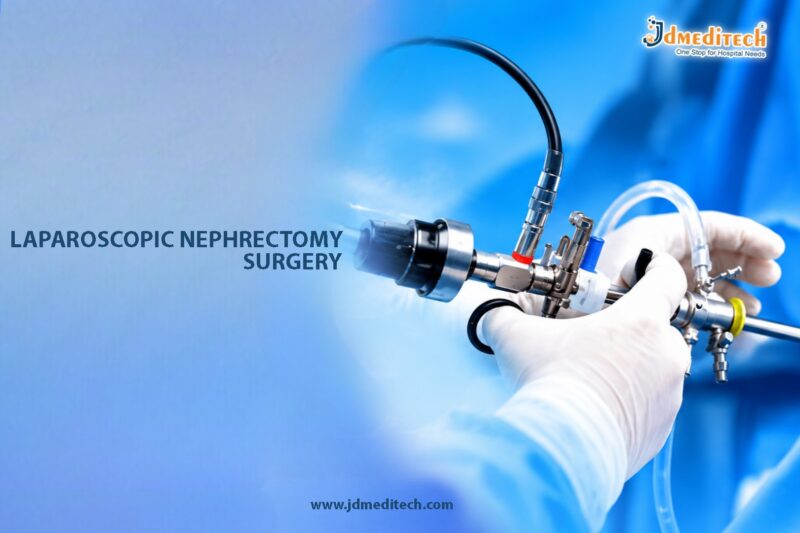
Bladder Neck Incision Surgery – Minimally Invasive Urologic Treatment

Bladder Neck Incision Surgery is a minimally invasive urologic procedure used to treat bladder neck obstruction, a condition where the bladder neck becomes too tight and restricts normal urine flow. As a result, patients may experience difficulty urinating, weak urinary stream, and incomplete bladder emptying. Fortunately, this advanced surgical technique helps improve urinary drainage, reduce bladder pressure, and restore normal bladder function.

Moreover, modern endoscopic technology allows surgeons to perform the procedure with high precision, minimal tissue trauma, and faster patient recovery. Therefore, bladder neck incision surgery is considered an effective treatment option for carefully selected patients.

What is Bladder Neck Incision Surgery?
Understanding the Procedure

Bladder Neck Incision Surgery, commonly known as Transurethral Incision of the Bladder Neck (TUIBN), is an endoscopic surgical procedure in which small controlled incisions are made at the bladder neck to widen the urinary passage and reduce obstruction.

During the procedure, surgeons use specialized cystoscopic instruments inserted through the urethra. Consequently, no external surgical cuts are required. In addition, the minimally invasive approach reduces postoperative discomfort and shortens recovery time.

Why is Bladder Neck Incision Surgery Performed?
Common Medical Indications

This procedure is recommended for patients suffering from bladder neck obstruction and related urinary problems. In many cases, symptoms persist despite medication therapy. Therefore, surgical intervention becomes necessary.

Common indications include:

  • Weak urinary stream
  • Difficulty starting urination
  • Incomplete bladder emptying
  • Frequent urination
  • Nocturia
  • Urinary retention
  • Recurrent urinary tract infections
  • Increased bladder pressure

Furthermore, younger patients with primary bladder neck obstruction often benefit significantly from this procedure because it preserves surrounding structures while improving urinary flow.

Causes of Bladder Neck Obstruction
Conditions Affecting Urinary Flow

Several factors may contribute to narrowing of the bladder neck. For instance, congenital abnormalities, muscle dysfunction, and scar tissue formation can restrict urine flow.

Other possible causes include:

  • Prostate enlargement
  • Chronic inflammation
  • Previous urologic procedures
  • Neurologic bladder disorders

Therefore, accurate diagnosis is essential before planning surgical treatment. Additionally, identifying the underlying cause helps improve long-term treatment outcomes.

Symptoms of Bladder Neck Obstruction
Warning Signs Requiring Medical Attention

Patients with bladder neck obstruction may develop multiple urinary symptoms over time. Initially, symptoms may appear mild; however, they can gradually worsen if left untreated.

Common symptoms include:

  • Slow or interrupted urine flow
  • Straining during urination
  • Feeling of incomplete emptying
  • Frequent urge to urinate
  • Pelvic discomfort
  • Recurrent urinary infections
  • Difficulty emptying the bladder fully

In severe cases, urinary retention may occur. Therefore, early medical evaluation is highly recommended.

Preoperative Evaluation Before Surgery
Diagnostic Assessment and Preparation

Before surgery, the urologist performs several investigations to evaluate bladder function and confirm the diagnosis. In addition, these tests help determine whether the patient is suitable for surgery.

Common evaluations include:

  • Physical examination
  • Urine analysis
  • Blood tests
  • Ultrasound imaging
  • Uroflowmetry
  • Cystoscopy
  • Urodynamic studies

Patients may also receive instructions regarding fasting and medication management before the procedure. Consequently, proper preparation helps reduce surgical risks and improves recovery.

How Bladder Neck Incision Surgery is Performed
Step-by-Step Surgical Technique

The surgery is usually performed under spinal or general anesthesia. First, a cystoscope is inserted through the urethra to visualize the bladder neck clearly.

Surgical Procedure
  1. A cystoscope is inserted through the urethra.
  2. The bladder neck is carefully examined.
  3. Small precise incisions are made at the bladder neck.
  4. The urinary passage is widened to improve urine flow.
  5. Bleeding control is ensured.
  6. Finally, a temporary urinary catheter may be placed if required.

Since the procedure is minimally invasive, patients usually experience shorter hospital stays and faster recovery.

Advantages of Bladder Neck Incision Surgery
Benefits of Modern Endoscopic Treatment

Bladder neck incision surgery offers several important advantages. Most importantly, it improves urinary flow while preserving normal surrounding tissues.

Additional benefits include:

  • Minimally invasive approach
  • Faster recovery time
  • Reduced hospital stay
  • Minimal blood loss
  • No external incisions
  • Lower postoperative discomfort
  • Effective symptom relief

Furthermore, the procedure provides long-term improvement in bladder emptying and urinary function.

Postoperative Recovery and Care
Recovery Guidelines After Surgery

Most patients recover quickly following bladder neck incision surgery. However, mild urinary burning or slight blood in the urine may occur temporarily during the healing phase.

To support proper recovery, patients should:

  • Drink adequate fluids
  • Avoid heavy lifting
  • Take medications as prescribed
  • Maintain urinary hygiene
  • Attend follow-up visits
  • Avoid strenuous activities temporarily

In most cases, urinary symptoms improve significantly within a few days after surgery.

Risks and Possible Complications
Understanding Surgical Safety

Although bladder neck incision surgery is generally safe, some complications may occasionally occur. Nevertheless, these risks are relatively uncommon when experienced urologists perform the procedure.

Possible complications include:

  • Urinary tract infection
  • Mild bleeding
  • Temporary urinary discomfort
  • Retrograde ejaculation
  • Scar tissue recurrence
  • Rare urinary incontinence

Therefore, proper postoperative care and regular follow-up are important for optimal recovery.

Importance of Advanced Urologic Instruments
Role of Precision Surgical Equipment

Modern bladder neck incision procedures rely heavily on advanced urologic instruments. As a result, surgeons can perform highly precise incisions while minimizing tissue damage.

Commonly used equipment includes:

  • Cystoscopes
  • Resectoscope systems
  • Electrosurgical units
  • Irrigation systems
  • Precision cutting electrodes
  • Endoscopic visualization systems

Additionally, high-quality surgical instruments improve procedural efficiency, surgical safety, and patient outcomes.

Long-Term Outcomes of Bladder Neck Incision Surgery
Benefits for Urinary Function

Most patients experience significant long-term improvement after surgery. In particular, urinary flow and bladder emptying improve considerably.

Long-term benefits may include:

  • Better urinary flow
  • Reduced urinary retention
  • Improved bladder emptying
  • Reduced urinary symptoms
  • Enhanced quality of life

Furthermore, regular follow-up helps monitor recovery and maintain long-term urinary health.

Conclusion
Effective Minimally Invasive Solution for Bladder Neck Obstruction

Bladder Neck Incision Surgery is an advanced endoscopic urologic procedure designed to safely and effectively relieve bladder neck obstruction. By improving urinary flow and reducing bladder pressure, the surgery provides long-term symptom relief with minimal discomfort and faster recovery.

Moreover, continuous advancements in endoscopic technology and precision urologic instruments have further improved surgical safety and clinical outcomes. Therefore, bladder neck incision surgery remains a reliable treatment option for patients experiencing obstructive urinary symptoms.


Explore More Product >>

Get Connected:
+91 79909 93062 | +91 63513 72032 | exports@jdmeditech.com
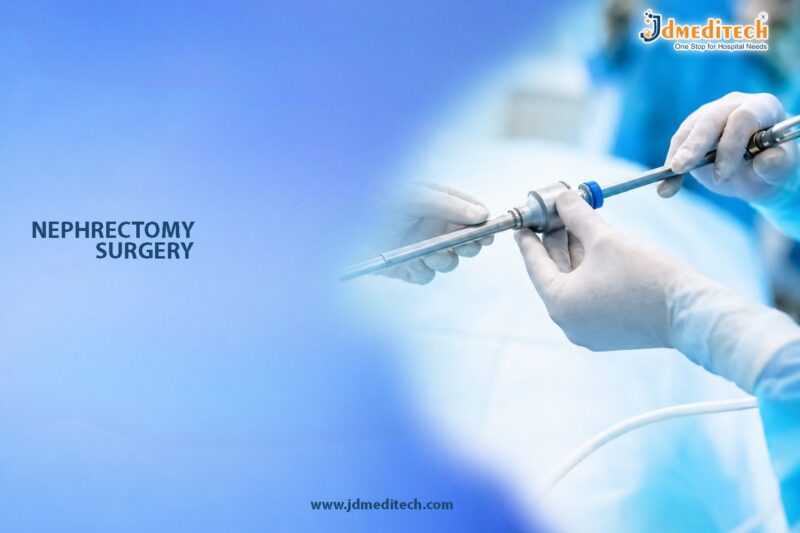
Cystoscopy Surgery – Minimally Invasive Urologic Diagnostic and Treatment Procedure

Cystoscopy surgery is a widely performed minimally invasive urological procedure used to examine, diagnose, and treat conditions affecting the bladder, urethra, and lower urinary tract. By using a specialized instrument called a cystoscope, urologists can directly visualize the inside of the urinary system with exceptional precision and minimal discomfort.

This advanced endoscopic technique plays a crucial role in diagnosing urinary abnormalities, removing bladder stones, treating tumors, evaluating blood in urine, and managing several urinary tract disorders. Modern cystoscopy procedures offer improved patient safety, faster recovery, and highly accurate diagnostic outcomes.

What is Cystoscopy Surgery?
Understanding the Cystoscopic Procedure

Cystoscopy is a diagnostic and therapeutic procedure in which a thin tube equipped with a camera and light source, known as a cystoscope, is inserted through the urethra into the bladder. The procedure allows the urologist to examine the urinary tract in real time.

Cystoscopy may be performed using:

  • Flexible cystoscope
  • Rigid cystoscope

Flexible cystoscopy is commonly used for diagnostic purposes, while rigid cystoscopy is often preferred for surgical interventions and treatment procedures.

Why is Cystoscopy Surgery Performed?
Common Medical Indications

Doctors recommend cystoscopy surgery for the diagnosis and treatment of various urinary tract conditions, including:

  • Blood in urine (hematuria)
  • Recurrent urinary tract infections
  • Bladder stones
  • Bladder tumors
  • Urethral strictures
  • Difficulty urinating
  • Overactive bladder symptoms
  • Chronic pelvic pain
  • Urinary incontinence
  • Enlarged prostate evaluation
  • Interstitial cystitis
  • Abnormal imaging findings

The procedure helps identify the exact cause of urinary symptoms and supports accurate treatment planning.

Types of Cystoscopy Procedures
Diagnostic Cystoscopy

Diagnostic cystoscopy is performed to examine the bladder and urethra for abnormalities such as inflammation, tumors, narrowing, or bleeding.

Therapeutic Cystoscopy

Therapeutic cystoscopy involves performing minimally invasive treatments during the procedure, including:

  • Removal of bladder stones
  • Biopsy of suspicious tissue
  • Tumor removal
  • Stent placement
  • Urethral dilation
  • Foreign body removal
Flexible Cystoscopy

Flexible cystoscopy uses a soft and flexible instrument, usually performed under local anesthesia for outpatient evaluation.

Rigid Cystoscopy

Rigid cystoscopy provides better surgical access and is typically performed under regional or general anesthesia for interventional procedures.

Preoperative Evaluation Before Cystoscopy
Medical Assessment and Preparation

Before undergoing cystoscopy surgery, patients may require several evaluations, including:

  • Urine analysis
  • Urine culture
  • Blood tests
  • Ultrasound or CT scan
  • Review of medications
  • Medical history assessment

Patients may receive instructions regarding fasting, temporary medication adjustments, and antibiotic use before the procedure.

Step-by-Step Cystoscopy Procedure
How Cystoscopy Surgery is Performed

The procedure generally involves the following steps:

  1. Administration of local, regional, or general anesthesia
  2. Cleaning and sterilization of the urethral area
  3. Gentle insertion of the cystoscope through the urethra
  4. Advancement of the scope into the bladder
  5. Filling the bladder with sterile fluid for better visualization
  6. Detailed examination of the bladder lining and urethra
  7. Performance of any required treatment or biopsy
  8. Removal of the cystoscope after completion

The procedure duration may vary depending on whether it is diagnostic or therapeutic.

Advantages of Cystoscopy Surgery
Benefits of Minimally Invasive Urologic Access

Cystoscopy offers several important advantages, including:

  • Minimally invasive approach
  • Accurate visualization of the urinary tract
  • Early detection of bladder abnormalities
  • Short procedure time
  • Faster recovery
  • Minimal surgical incisions
  • Reduced hospital stay
  • Ability to diagnose and treat simultaneously
  • High diagnostic accuracy

Modern cystoscopic technology significantly improves patient comfort and procedural efficiency.

Conditions Diagnosed with Cystoscopy
Urinary Disorders Identified During the Procedure

Cystoscopy helps diagnose multiple urological conditions, such as:

  • Bladder cancer
  • Urethral strictures
  • Bladder inflammation
  • Urinary tract infections
  • Bladder diverticula
  • Enlarged prostate-related obstruction
  • Congenital urinary abnormalities
  • Fistulas
  • Bladder stones

Direct visualization allows precise diagnosis and targeted treatment planning.

Risks and Possible Complications
Understanding Potential Side Effects

Cystoscopy surgery is generally considered safe, but some patients may experience temporary side effects or complications, including:

  • Mild burning during urination
  • Blood in urine
  • Frequent urination
  • Urinary tract infection
  • Temporary discomfort
  • Bladder irritation
  • Rare urethral injury

Most symptoms improve within a short period after the procedure.

Recovery After Cystoscopy Surgery
Postoperative Care and Healing

Recovery from cystoscopy is usually quick, especially after flexible cystoscopy. Patients are commonly advised to:

  • Drink plenty of water
  • Avoid strenuous activity temporarily
  • Take prescribed medications
  • Monitor for fever or severe pain
  • Follow up with the urologist if symptoms persist

Most patients return to normal activities within 24 to 48 hours.

When to Seek Medical Attention
Warning Signs After Cystoscopy

Contact a healthcare provider immediately if you experience:

  • High fever
  • Severe pain
  • Heavy bleeding in urine
  • Difficulty urinating
  • Persistent burning sensation
  • Chills or signs of infection

Prompt medical care helps prevent complications and ensures safe recovery.

Technological Advancements in Cystoscopy
Modern Innovations in Endourology

Advanced cystoscopic systems now provide:

  • High-definition imaging
  • Narrow-band imaging technology
  • Digital flexible cystoscopes
  • Enhanced visualization of bladder tumors
  • Improved patient comfort
  • Better precision during minimally invasive treatment

Robotic and laser-assisted technologies continue to improve modern endourological procedures.

Success Rate of Cystoscopy Procedures
Clinical Outcomes and Effectiveness

Cystoscopy is highly effective for diagnosing and treating lower urinary tract conditions. The procedure offers:

  • Excellent diagnostic accuracy
  • Early disease detection
  • Minimally invasive treatment options
  • Reduced surgical trauma
  • High patient satisfaction rates

Its safety and reliability make cystoscopy one of the most commonly performed procedures in urology.

Conclusion
Safe and Effective Minimally Invasive Urologic Procedure

Cystoscopy surgery is a highly advanced minimally invasive procedure that provides safe and effective access to the urinary tract for diagnosis and treatment. Whether used for evaluating urinary symptoms, removing bladder stones, obtaining biopsies, or treating tumors, cystoscopy remains an essential tool in modern urology.

With advanced imaging technology and minimally invasive techniques, cystoscopy offers accurate diagnosis, improved patient comfort, faster recovery, and excellent clinical outcomes.


Explore More Product >>

Get Connected:
+91 79909 93062 | +91 63513 72032 | exports@jdmeditech.com 
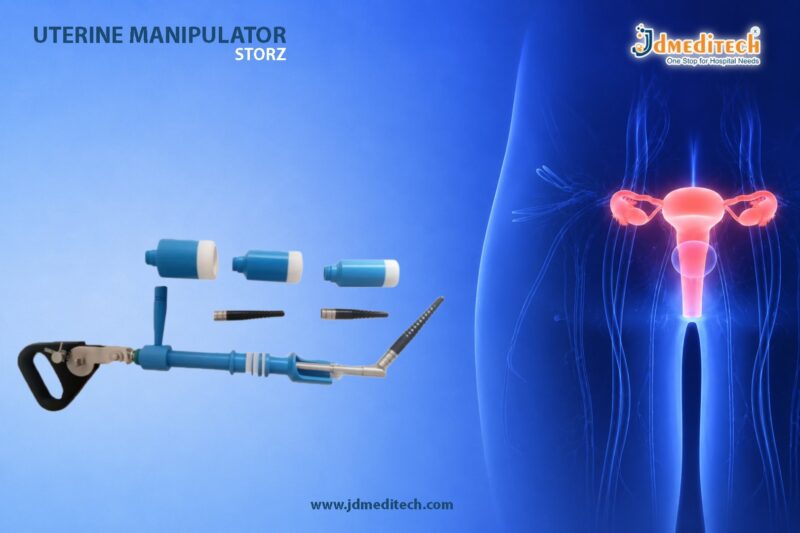
Ureteroureterostomy Surgery – Advanced Ureter-to-Ureter Repair Procedure

Ureteroureterostomy surgery is a highly advanced reconstructive urological procedure used to repair damaged or obstructed ureters while maintaining normal urinary flow. The procedure involves connecting one healthy portion of the ureter to another healthy segment after removing the diseased or injured part. This technique helps restore urinary drainage and protects kidney function.

Modern surgical advancements, including laparoscopic and robotic-assisted techniques, have improved precision, reduced complications, and enhanced recovery outcomes for patients undergoing ureteral reconstruction.

What is Ureteroureterostomy Surgery?
Understanding the Surgical Procedure

Ureteroureterostomy is a reconstructive surgery in which the damaged section of the ureter is surgically removed, and the remaining healthy ends are carefully joined together. The ureter is the tube responsible for carrying urine from the kidneys to the bladder.

The primary goal of this procedure is to restore uninterrupted urine flow and prevent complications such as kidney swelling, infection, or permanent kidney damage.

Why is Ureteroureterostomy Surgery Performed?
Common Conditions Requiring Surgery

Doctors may recommend ureteroureterostomy surgery for several medical conditions, including:

  • Ureteral strictures or narrowing
  • Ureteral injuries during pelvic or abdominal surgery
  • Trauma-related ureteral damage
  • Ureteral obstruction caused by stones
  • Scar tissue formation
  • Congenital ureteral abnormalities
  • Benign or malignant ureteral tumors

The surgery is usually preferred when only a short segment of the ureter is affected and healthy tissue is available for repair.

Types of Ureteroureterostomy Surgery
Open Ureteroureterostomy

Open surgery involves a larger incision to access and repair the ureter directly. It is commonly performed in complex reconstructive cases.

Laparoscopic Ureteroureterostomy

This minimally invasive technique uses small incisions and specialized instruments to repair the ureter with less postoperative pain and faster recovery.

Robotic-Assisted Ureteroureterostomy

Robotic-assisted surgery provides enhanced visualization, precise suturing, and improved surgical control for delicate ureteral reconstruction.

Preoperative Evaluation Before Surgery
Diagnostic Tests and Surgical Planning

Before surgery, the urologist performs a detailed evaluation to determine the exact location and severity of the ureteral problem. Common investigations include:

  • CT urography
  • Ultrasound imaging
  • MRI scans
  • Intravenous pyelogram
  • Retrograde pyelography
  • Kidney function tests
  • Urine analysis and culture

Patients may also receive antibiotics and preoperative instructions regarding fasting and medication adjustments.

Ureteroureterostomy Surgical Procedure
Step-by-Step Surgical Technique

The surgery generally includes the following steps:

  1. Administration of general anesthesia
  2. Identification of the diseased ureteral segment
  3. Removal of the damaged ureteral portion
  4. Mobilization of healthy ureteral ends
  5. Precise ureter-to-ureter connection using fine sutures
  6. Placement of a ureteral stent for support and healing
  7. Closure of surgical incisions

The surgeon ensures a tension-free and watertight repair to maintain proper urinary drainage.

Benefits of Ureteroureterostomy Surgery
Advantages of Advanced Ureteral Reconstruction

This surgical procedure offers several important benefits, including:

  • Preservation of normal urinary anatomy
  • Restoration of urine flow
  • Protection of kidney function
  • High long-term success rates
  • Reduced urinary obstruction
  • Faster recovery with minimally invasive techniques
  • Smaller incisions and less postoperative discomfort
  • Improved quality of life

Robotic and laparoscopic approaches further enhance surgical precision and patient outcomes.

Risks and Possible Complications
Understanding Potential Surgical Risks

Although ureteroureterostomy surgery is generally safe, some complications may occur, such as:

  • Urinary leakage
  • Infection
  • Bleeding
  • Ureteral stricture recurrence
  • Stent-related discomfort
  • Delayed healing
  • Injury to nearby organs

Careful surgical planning and postoperative monitoring help minimize these risks.

Recovery After Ureteroureterostomy Surgery
Postoperative Care and Healing Process

Recovery depends on the surgical method and overall patient health. Most patients can expect:

  • Short hospital stay
  • Temporary ureteral stent placement
  • Mild postoperative discomfort
  • Gradual return to normal activities
  • Follow-up imaging for monitoring

Patients are advised to stay hydrated, avoid heavy lifting, and follow medical instructions carefully during the healing period.

Success Rate of Ureteroureterostomy Surgery
Long-Term Surgical Outcomes

Ureteroureterostomy surgery has a high success rate when performed by experienced urological surgeons. Most patients experience:

  • Improved urinary drainage
  • Relief from pain and obstruction
  • Preservation of kidney function
  • Reduced recurrence of ureteral narrowing

Modern minimally invasive techniques have significantly improved long-term surgical outcomes.

When to Consult a Urologist
Symptoms Requiring Immediate Medical Attention

Consult a urologist if you experience:

  • Persistent flank pain
  • Blood in urine
  • Difficulty urinating
  • Recurrent urinary tract infections
  • Fever with urinary symptoms
  • Kidney swelling
  • Reduced urine output

Early diagnosis and treatment help prevent serious urinary complications and kidney damage.

Conclusion
Advanced Surgical Solution for Effective Ureteral Repair

Ureteroureterostomy surgery is an advanced reconstructive urological procedure that provides accurate and effective repair of damaged ureters. By restoring proper urinary drainage and preserving kidney function, this surgery offers long-term relief from ureteral obstruction and injury.

With the availability of laparoscopic and robotic-assisted techniques, patients can benefit from greater surgical precision, reduced recovery time, and excellent overall outcomes.


Explore More Product >>

Get Connected:
+91 79909 93062 | +91 63513 72032 | exports@jdmeditech.com
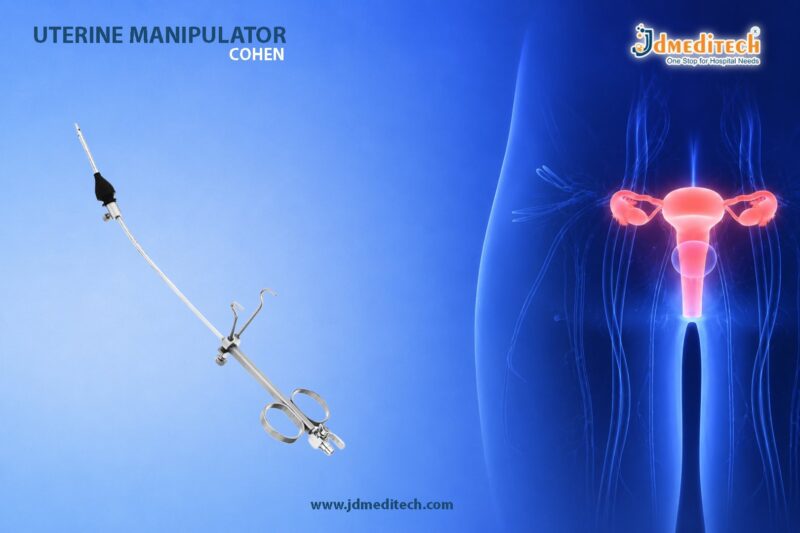
Ureteral Reimplantation Surgery – Advanced Procedure for Secure Ureter–Bladder Connection

Ureteral Reimplantation Surgery is a highly specialized urological procedure performed to restore a healthy and secure connection between the ureter and the urinary bladder. The surgery is commonly recommended for patients suffering from ureteral obstruction, vesicoureteral reflux (VUR), ureteral injury, or congenital urinary tract abnormalities.

This advanced reconstructive procedure helps maintain proper urine flow from the kidneys to the bladder while preventing urine backflow, kidney damage, infections, and long-term urinary complications. With modern surgical techniques and precision instrumentation, ureteral reimplantation offers excellent functional outcomes and improved patient recovery.

What is Ureteral Reimplantation Surgery?

Ureteral Reimplantation Surgery is a reconstructive urological procedure in which the ureter is detached from its abnormal or damaged position and reattached to a new opening in the bladder.

The primary goal of the surgery is to:

  • Restore smooth urinary drainage
  • Prevent urine reflux into the kidneys
  • Repair damaged or narrowed ureters
  • Preserve kidney function
  • Reduce recurrent urinary tract infections

The procedure may be performed using open surgery, laparoscopic surgery, or robotic-assisted minimally invasive techniques depending on the patient’s condition.

Conditions Treated with Ureteral Reimplantation Surgery

This surgery is commonly used to treat several urinary tract disorders, including:

Vesicoureteral Reflux (VUR)

A condition where urine flows backward from the bladder into the kidneys, increasing the risk of infections and kidney damage.

Ureteral Stricture

Narrowing of the ureter caused by scarring, inflammation, surgery, or trauma.

Ureteral Injury

Damage to the ureter during pelvic or abdominal surgery may require surgical reconstruction.

Congenital Ureteral Abnormalities

Children born with abnormal ureter-bladder connections often require corrective surgery.

Obstructed Ureter

Blockage caused by stones, tumors, or fibrosis affecting urine flow.

Symptoms That May Require Ureteral Reimplantation

Patients may experience the following symptoms before surgery:

  • Recurrent urinary tract infections
  • Flank or abdominal pain
  • Burning during urination
  • Blood in urine
  • Kidney swelling (hydronephrosis)
  • Fever associated with urinary infections
  • Difficulty in urine drainage
  • Frequent urination

Early diagnosis and treatment help prevent permanent kidney damage.

Diagnostic Evaluation Before Surgery

Before performing ureteral reimplantation, urologists conduct detailed evaluations to determine the severity and location of the problem.

Common diagnostic tests include:

  • Ultrasound
  • CT Urography
  • MRI Scan
  • Voiding Cystourethrogram (VCUG)
  • Intravenous Pyelogram (IVP)
  • Cystoscopy
  • Renal Function Tests
  • Urine Analysis and Culture

These tests help create a precise surgical treatment plan.

Types of Ureteral Reimplantation Surgery
Open Ureteral Reimplantation

Traditional surgical method involving a lower abdominal incision for direct access to the bladder and ureter.

Advantages
  • Highly effective for complex cases
  • Strong long-term success rate
  • Suitable for pediatric reconstruction
Laparoscopic Ureteral Reimplantation

A minimally invasive technique performed through small incisions using laparoscopic instruments.

Benefits
  • Reduced postoperative pain
  • Faster recovery
  • Smaller scars
  • Shorter hospital stay
Robotic-Assisted Ureteral Reimplantation

An advanced minimally invasive procedure performed using robotic surgical systems for enhanced precision.

Key Benefits
  • Superior surgical accuracy
  • Better visualization
  • Minimal blood loss
  • Faster healing
  • Improved patient comfort
Step-by-Step Procedure of Ureteral Reimplantation Surgery

The surgical process generally includes the following steps:

1. Administration of Anesthesia

The patient receives general anesthesia for a pain-free procedure.

2. Surgical Access

The surgeon accesses the bladder and ureter through open or minimally invasive techniques.

3. Removal of Diseased Segment

Damaged or obstructed ureteral tissue is carefully removed.

4. Creation of New Bladder Opening

A new tunnel or opening is created in the bladder wall.

5. Ureter Reattachment

The ureter is securely implanted into the bladder to ensure proper drainage and prevent reflux.

6. Stent Placement

A ureteral stent may be temporarily inserted to support healing.

7. Closure

The surgical area is closed carefully, and the patient is shifted to recovery.

Recovery After Ureteral Reimplantation Surgery

Recovery varies depending on the surgical method and patient condition.

Typical Recovery Timeline
  • Hospital stay: 2–5 days
  • Catheter removal: Within several days
  • Return to light activities: 2–3 weeks
  • Full recovery: 4–8 weeks

Patients are advised to follow postoperative instructions carefully for optimal healing.

Postoperative Care Instructions

Proper aftercare is important for successful recovery.

Recommended Care Measures
  • Drink plenty of fluids
  • Take prescribed medications regularly
  • Avoid heavy lifting
  • Maintain proper hygiene
  • Attend follow-up appointments
  • Monitor for fever or unusual symptoms

Regular follow-up imaging may be recommended to confirm proper urinary drainage.

Benefits of Ureteral Reimplantation Surgery

This advanced reconstructive surgery offers multiple long-term benefits.

Major Advantages
  • Restores normal urine flow
  • Prevents kidney damage
  • Reduces recurrent infections
  • Improves urinary function
  • Corrects ureteral obstruction
  • Provides long-lasting outcomes
  • Enhances patient quality of life

Modern surgical techniques significantly improve precision and safety.

Risks and Possible Complications

Although generally safe, some risks may include:

  • Infection
  • Bleeding
  • Urine leakage
  • Scar formation
  • Ureteral narrowing recurrence
  • Temporary urinary discomfort
  • Stent-related irritation

Choosing experienced urological surgeons helps minimize complications.

Who is an Ideal Candidate for Ureteral Reimplantation Surgery?

Patients may be suitable candidates if they have:

  • Severe vesicoureteral reflux
  • Persistent ureteral obstruction
  • Recurrent urinary infections
  • Congenital urinary tract abnormalities
  • Failed previous ureteral procedures
  • Ureteral injuries requiring reconstruction

A detailed consultation with a urologist determines the best treatment approach.

Advanced Technology in Ureteral Reconstruction

Modern urology centers use advanced technologies to improve surgical outcomes.

These may include:

  • High-definition endoscopic imaging
  • Robotic surgical systems
  • Precision laparoscopic instruments
  • Intraoperative imaging guidance
  • Enhanced suturing techniques

These innovations help improve surgical safety and recovery.

Conclusion

Ureteral Reimplantation Surgery is an advanced and highly effective reconstructive procedure designed to restore a secure ureter–bladder connection and maintain healthy urinary function. Whether performed for vesicoureteral reflux, ureteral injury, obstruction, or congenital abnormalities, this surgery plays a vital role in protecting kidney health and improving patient quality of life.

With modern minimally invasive and robotic-assisted techniques, patients can benefit from safer procedures, reduced recovery time, and excellent long-term outcomes.


Explore More Product >>

Get Connected:
+91 79909 93062 | +91 63513 72032 | exports@jdmeditech.com 
Ureteric Stent Removal Surgery – Safe and Controlled Endoscopic Procedure for Stent Extraction

Ureteric stent removal surgery is a safe and minimally invasive endoscopic procedure used to remove a temporary ureteric stent after successful treatment or healing of the urinary tract. Urologists commonly place ureteric stents to maintain urine flow between the kidney and bladder during recovery from kidney stones, ureteral obstruction, infection, or urological surgery. However, once the ureter heals properly, doctors must remove the stent to prevent complications.

Although ureteric stents provide effective urinary drainage, leaving them inside the body for an extended period may cause discomfort, infection, blockage, or stone formation. Therefore, timely stent removal plays a vital role in maintaining urinary health and preventing long-term complications.

Modern endoscopic techniques allow doctors to remove ureteric stents quickly, safely, and with minimal discomfort. Furthermore, advances in cystoscopic technology continue to improve procedural precision, patient comfort, and recovery outcomes.

What is Ureteric Stent Removal Surgery?

Ureteric stent removal surgery is a minimally invasive procedure that removes a previously placed ureteric stent from the urinary tract. The stent is a thin flexible tube that supports urine drainage from the kidney to the bladder.

Doctors usually remove the stent using a cystoscope, which is a small endoscopic instrument inserted through the urethra into the bladder. Because the procedure uses natural urinary pathways, patients avoid surgical incisions and prolonged recovery.

Main Objectives of Ureteric Stent Removal
  • Removing temporary ureteric stents safely
  • Preventing stent-related complications
  • Restoring normal urinary function
  • Reducing urinary discomfort and irritation
  • Preventing infection and stone formation
  • Completing postoperative recovery

As a result, ureteric stent removal is an essential part of many urological treatment plans.

Why Do Doctors Remove Ureteric Stents?

Doctors remove ureteric stents after the underlying condition improves or the ureter heals completely.

Completion of Stone Treatment

After kidney stone surgery or ureteroscopy, doctors remove the stent once swelling decreases and urine flow returns to normal.

Healing After Surgery

Ureteric stents support healing after reconstructive or endoscopic procedures. Therefore, doctors remove them after recovery.

Relief from Urinary Symptoms

Some patients experience discomfort, urinary urgency, or pain due to the stent. Consequently, stent removal improves comfort.

Prevention of Complications

Long-term stent placement increases the risk of infection, blockage, and mineral deposits. Therefore, timely removal is necessary.

Restoration of Normal Urinary Function

After treatment completion, removing the stent allows the urinary tract to function naturally again.

Signs That a Ureteric Stent Needs Removal

Doctors usually schedule stent removal in advance. However, certain symptoms may indicate the need for urgent evaluation.

Persistent Pain

Severe or ongoing pain in the flank or bladder area may indicate irritation or stent-related complications.

Frequent Urination

Some patients experience excessive urinary urgency or frequency while the stent remains in place.

Blood in Urine

Mild blood in urine is common temporarily, but persistent bleeding requires medical attention.

Fever or Infection

Fever, chills, or burning urination may indicate urinary tract infection.

Difficulty Passing Urine

Urinary blockage or reduced urine flow may suggest stent malfunction.

Benefits of Ureteric Stent Removal Surgery

Ureteric stent removal offers several important benefits for patient comfort and urinary health.

Minimally Invasive Procedure

Doctors remove the stent through natural urinary pathways without making surgical cuts.

Quick Recovery

Most patients return to normal activities shortly after the procedure.

Reduced Urinary Discomfort

Removing the stent relieves bladder irritation, urgency, and flank discomfort.

Prevention of Infection

Timely removal lowers the risk of urinary tract infection and bacterial growth.

Improved Quality of Life

Patients often feel immediate relief after stent removal.

Restoration of Natural Urine Flow

The urinary tract resumes normal function once the stent is removed.

Preoperative Preparation for Ureteric Stent Removal

Proper preparation helps ensure a smooth and safe procedure.

Medical Assessment

Doctors review the patient’s medical history, current symptoms, and previous urological procedures.

Imaging Studies

In some cases, ultrasound or X-ray imaging helps confirm stent position before removal.

Urine Testing

Doctors may perform urine tests to rule out infection before the procedure.

Medication Review

Patients should inform doctors about blood thinners or other medications before surgery.

Hydration Recommendations

Adequate hydration helps support urinary tract function before and after the procedure.

Step-by-Step Ureteric Stent Removal Procedure

Doctors usually perform ureteric stent removal as an outpatient procedure using local anesthesia or mild sedation.

Step 1: Patient Preparation

The medical team prepares the patient and ensures comfort before starting the procedure.

Step 2: Cystoscope Insertion

The doctor inserts a cystoscope gently through the urethra into the bladder.

Step 3: Visualization of the Stent

The cystoscope provides a clear view of the ureteric stent inside the bladder.

Step 4: Grasping the Stent

The doctor uses specialized instruments to hold the end of the stent securely.

Step 5: Controlled Stent Extraction

The doctor carefully removes the stent through the urinary passage.

Step 6: Completion of Procedure

After successful removal, the doctor removes the instruments and monitors the patient briefly.

Recovery After Ureteric Stent Removal Surgery

Recovery after stent removal is usually quick and uncomplicated.

Mild Temporary Symptoms

Some patients experience mild burning during urination or slight discomfort temporarily. However, symptoms usually improve within one or two days.

Hydration Importance

Doctors encourage patients to drink plenty of water to flush the urinary tract and reduce irritation.

Return to Daily Activities

Most patients resume normal daily activities within a short period.

Follow-Up Care

Doctors may schedule follow-up visits to monitor healing and kidney function if necessary.

Monitoring for Complications

Patients should contact their doctor if severe pain, fever, or heavy bleeding develops after the procedure.

Possible Risks and Complications

Although ureteric stent removal is very safe, some minor complications may occur occasionally.

Temporary Burning Sensation

Mild burning during urination commonly occurs for a short period after removal.

Blood-Tinged Urine

Small amounts of blood in urine may appear temporarily.

Urinary Tract Infection

Rarely, bacteria may cause infection after the procedure.

Bladder Irritation

Some patients experience temporary bladder discomfort or urinary urgency.

Difficulty Urinating

In uncommon cases, swelling or irritation may temporarily affect urine flow.

How Long Does Ureteric Stent Removal Take?

The procedure usually takes only a few minutes.

Outpatient Procedure

Most patients do not require hospital admission and return home the same day.

Minimal Anesthesia Requirement

Doctors often perform the procedure under local anesthesia or mild sedation.

Rapid Recovery

Because the procedure is minimally invasive, recovery remains fast and comfortable for most patients.

Tips After Ureteric Stent Removal

Following simple care instructions helps support faster recovery.

Drink Plenty of Fluids

Good hydration helps flush the urinary tract and reduces irritation.

Avoid Heavy Activities Temporarily

Patients should avoid strenuous physical activity for a short period if discomfort occurs.

Follow Medication Instructions

Doctors may prescribe medications to reduce temporary burning or discomfort.

Monitor Symptoms Carefully

Patients should seek medical attention if fever, severe pain, or difficulty urinating develops.

Ureteric Stent Removal vs Stent Replacement
Feature Stent Removal Stent Replacement
Main Purpose Remove existing stent Insert new stent
Procedure Time Short Slightly longer
Recovery Very quick Quick
Urinary Support No longer needed Continued drainage support
Common Indication Recovery completed Persistent obstruction

Both procedures play important roles in urinary tract management depending on patient condition.

Future of Ureteric Stent Removal Procedures

Technological advancements continue to improve patient comfort and procedural efficiency.

Flexible Digital Cystoscopy

Modern digital cystoscopes provide clearer visualization and smoother procedures.

Smaller Endoscopic Instruments

Improved instrument design reduces discomfort during stent extraction.

Better Infection Prevention

Enhanced sterilization and procedural techniques continue to lower infection risk.

Advanced Patient Comfort Measures

Modern anesthesia and pain management approaches improve the patient experience significantly.

Conclusion

Ureteric stent removal surgery is a safe, controlled, and minimally invasive procedure that completes the recovery process after urinary tract treatment. By removing the temporary stent at the appropriate time, doctors help restore normal urinary function and prevent long-term complications.

Furthermore, modern endoscopic technology allows quick stent extraction with minimal discomfort and rapid recovery. As a result, most patients experience significant relief shortly after the procedure.

Overall, ureteric stent removal remains an essential part of modern urological care and plays a vital role in maintaining healthy urinary drainage and kidney function.


Explore More Product >>

Get Connected:
+91 79909 93062 | +91 63513 72032 | exports@jdmeditech.com